
Role of Miyawaki Forests in Indian Cities When we talk about “ecological services” in cities—cooler micro‑climate, clean air, groundwater recharge, biodiversity, mental health benefits—people often imagine big old trees with wide canopies. This picture is partly true, but also incomplete. Research on urban forests shows that all age classes of trees contribute to ecosystem services,Continue reading “Do We Need Only Mature Trees for Urban Ecological Services or Miyawaki Afforestation is also Helpful?”
Category Archives: climate change
How Pollination Happens?

Bees, hoverflies and butterflies are considered good pollinators as they have evolved a variety of morphological tricks to find flowers and store pollen efficiently, enabling them to perform all steps of the pollination process. HAIR :Many pollinating insects have long hairs. Some are branched, which aid pollen attachment. Bees in particular have long densely packed hairs. In some bee species even the eyesContinue reading “How Pollination Happens?”
𝗛𝗼𝘄 𝗰𝗮𝗻 𝘆𝗼𝘂 𝘁𝗲𝗹𝗹 𝗶𝗳 𝗮 𝗽𝗹𝗮𝗻𝘁 𝗶𝘀 𝗽𝗼𝗹𝗹𝗶𝗻𝗮𝘁𝗼𝗿-𝗳𝗿𝗶𝗲𝗻𝗱𝗹𝘆?
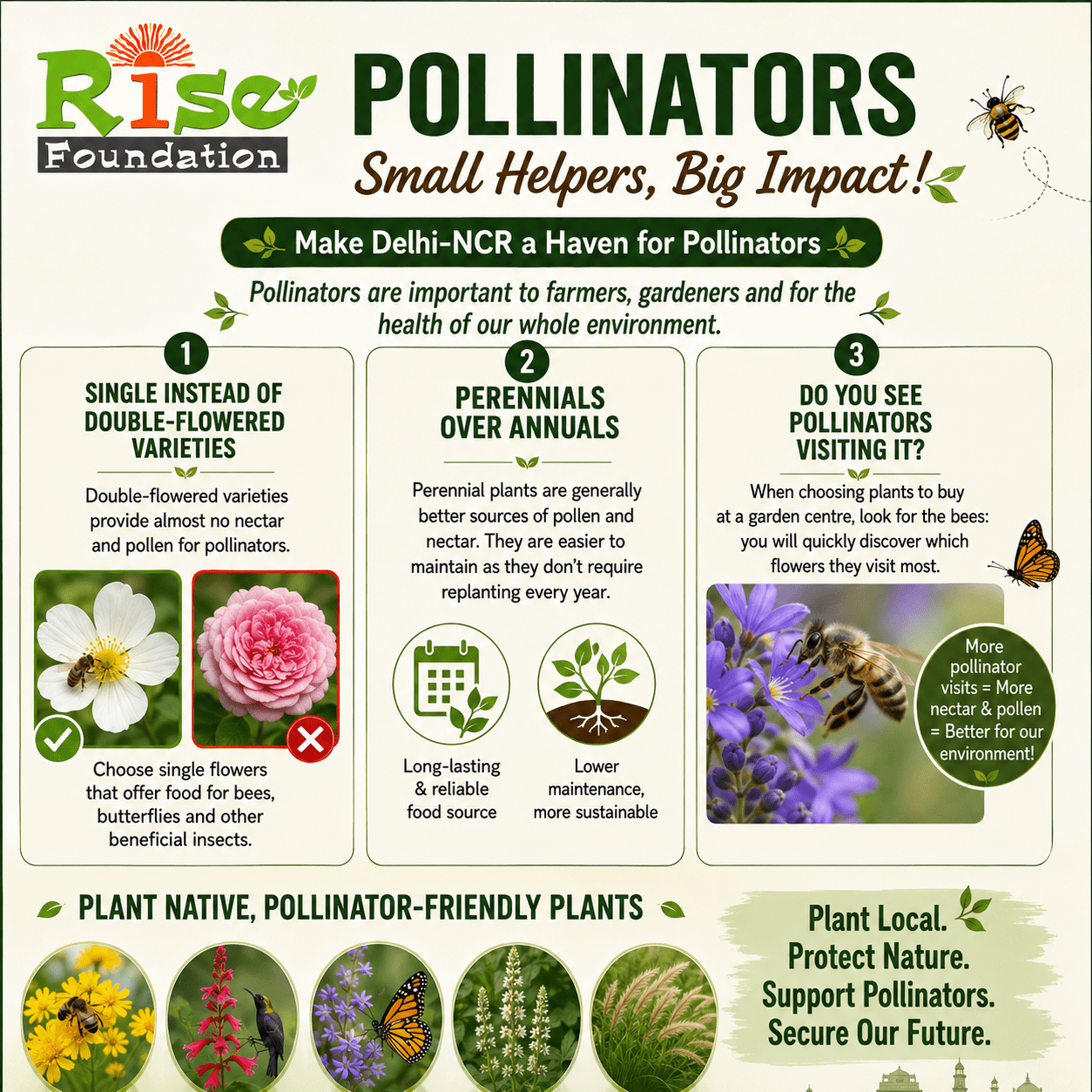
• Perennials over annuals: perennial plants are generally better sources of pollen and nectar. They can also be easier to maintain as they don’t require replanting every year. • Do you see pollinators visiting it? When choosing plants to buy at a nursery, look for the bees: you will quickly discover which flowers they visitContinue reading “𝗛𝗼𝘄 𝗰𝗮𝗻 𝘆𝗼𝘂 𝘁𝗲𝗹𝗹 𝗶𝗳 𝗮 𝗽𝗹𝗮𝗻𝘁 𝗶𝘀 𝗽𝗼𝗹𝗹𝗶𝗻𝗮𝘁𝗼𝗿-𝗳𝗿𝗶𝗲𝗻𝗱𝗹𝘆?”
The Quick Guide to Attracting Helpful Insects to Your Garden
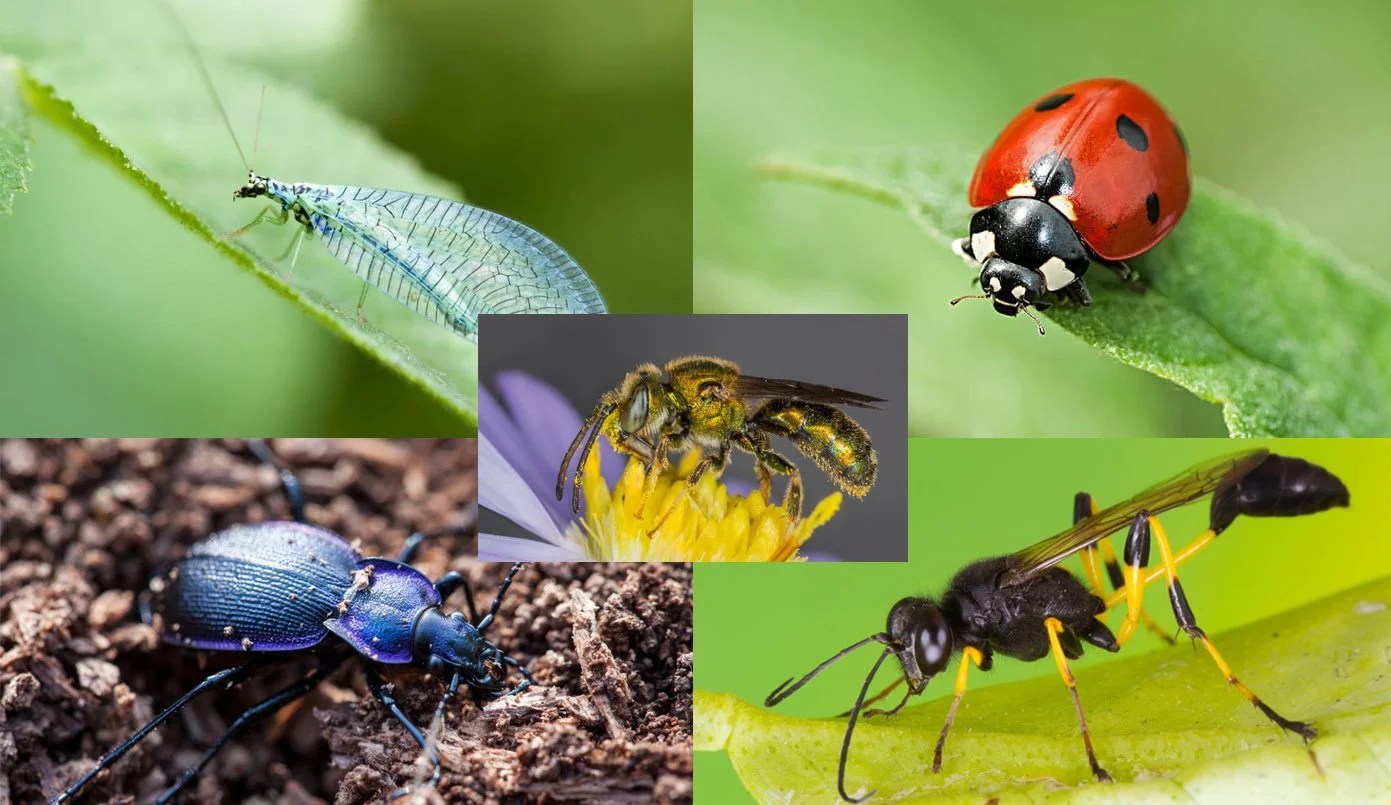
Want healthier plants and fewer garden pests without using harsh chemicals? The secret isn’t spraying—it’s inviting beneficial insects to your backyard! Installing a Bee & Insect Hotel provides a safe refuge for nature’s best garden helpers. 🐞 Who Lives in an Insect Hotel? Different species use specialized compartments inside the hotel: ☀️ 4 Simple RulesContinue reading “The Quick Guide to Attracting Helpful Insects to Your Garden”
How to Use an Insect House: A Complete Guide for Beginners

Creating a safe space for beneficial insects is one of the easiest ways to support biodiversity in your garden. An insect house provides nesting and shelter for solitary bees, ladybugs, lacewings, and other helpful insects that naturally pollinate plants and control pests. Simply hanging an insect house isn’t enough—the right location and care make allContinue reading “How to Use an Insect House: A Complete Guide for Beginners”
How Trees Reduce Air Pollution
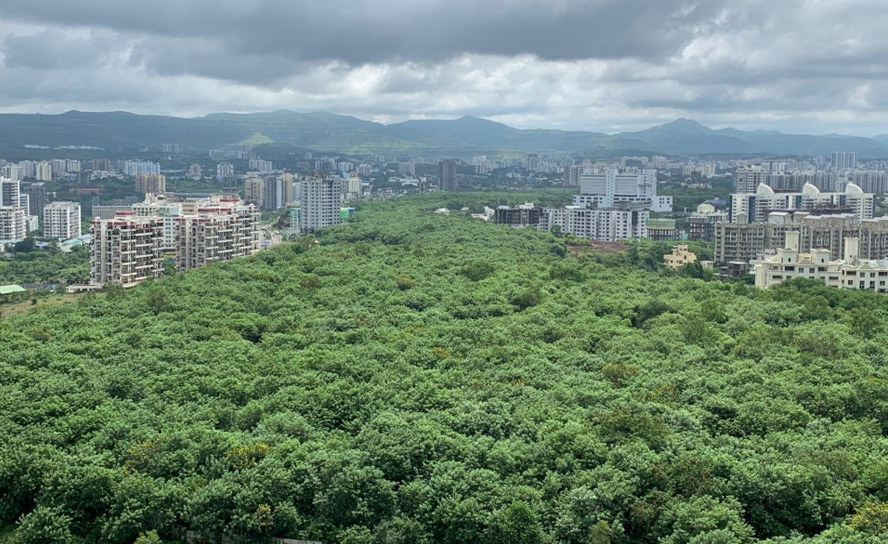
Planting trees helps to improve air quality through 3 key impacts: These impacts combine to create powerful, lasting effects for the the communities where trees are planted. The Two main types of pollutants that trees remove from the atmosphere: How Do Trees Produce Oxygen? Trees produce oxygen through a process that you’ve probably heard of; photosynthesis. The tree’sContinue reading “How Trees Reduce Air Pollution”
Miyawaki Afforestation: Does Crown Clashing Mean the Forest Has Failed?
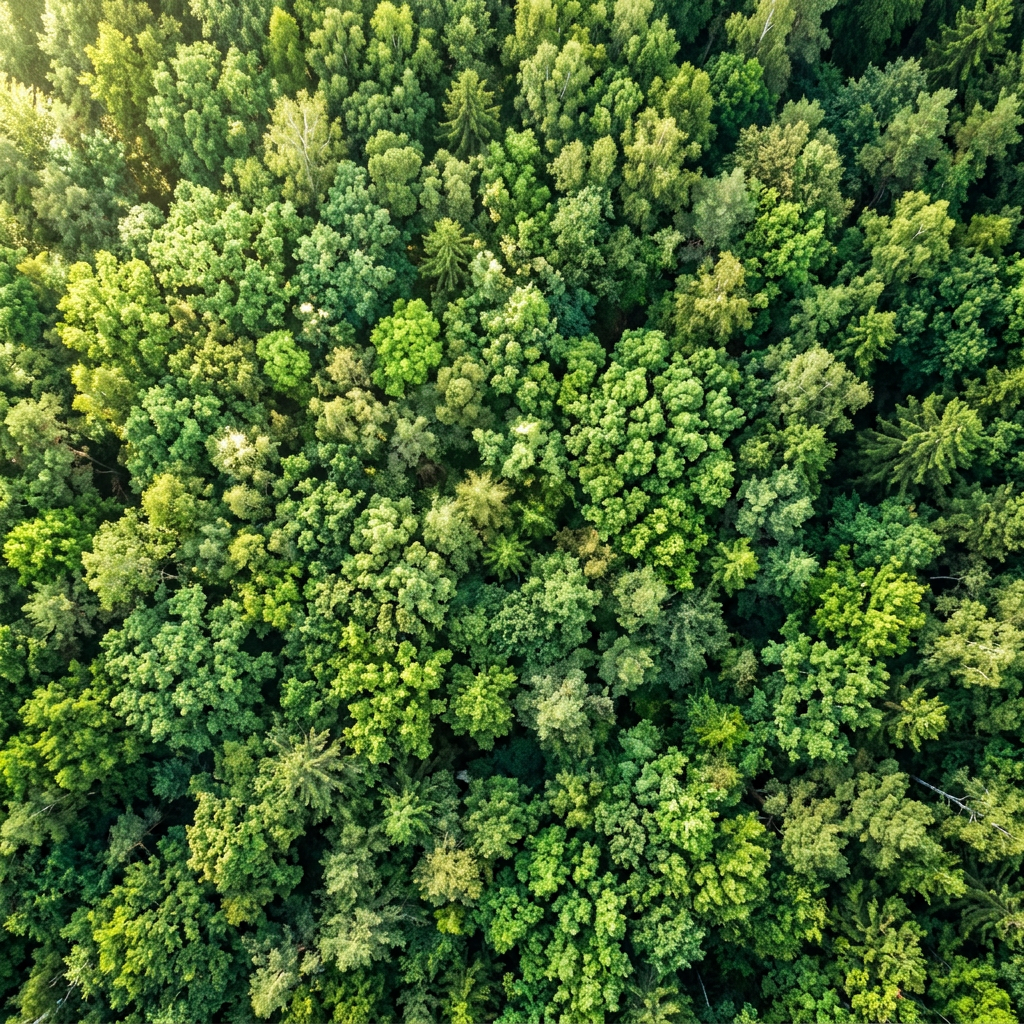
Understanding the Difference Between Rapid Urban Forests and Natural Climax Forests The Miyawaki afforestation technique has gained global recognition for transforming barren urban lands into dense green forests within a few years. From schools and corporate campuses to degraded urban landscapes, Miyawaki forests are helping cities combat climate change, improve biodiversity, and restore ecological functions.Continue reading “Miyawaki Afforestation: Does Crown Clashing Mean the Forest Has Failed?”
Urban Forestry: One Solution, Multiple Benefits
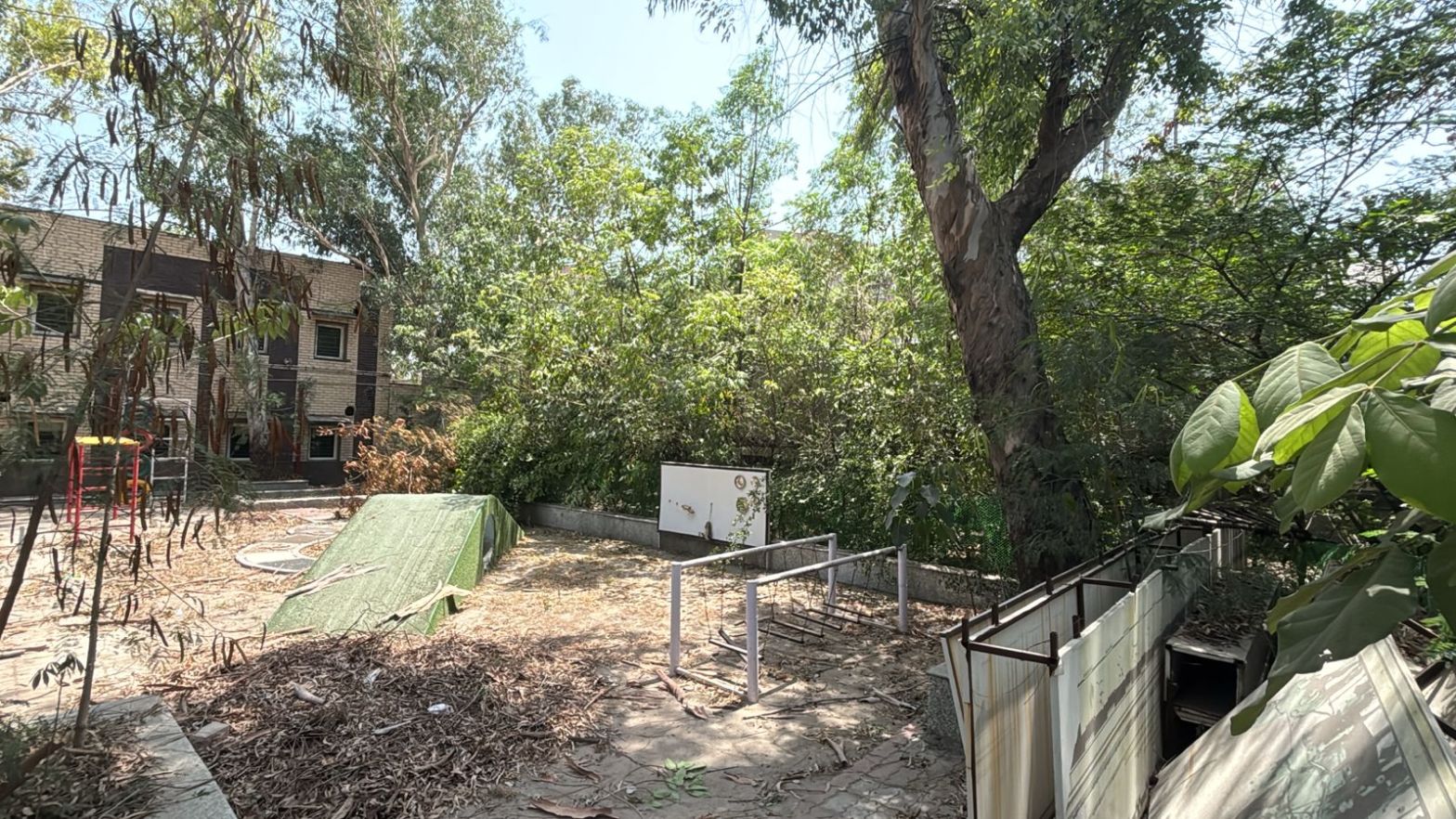
Urban Forestry is increasingly in the limelight because it offers a practical, scalable, and nature-based solution to many urban challenges at once. The below image is from 4.5 year old Green patch developed at West Vinod Nagar School , East Delhi by Rise Foundation using Miyawaki Afforestation technique. It is wonderful example of Urban Forestry.Continue reading “Urban Forestry: One Solution, Multiple Benefits”
Why Delhi Needs Scientific Miyawaki Afforestation — Not the Myth Around It
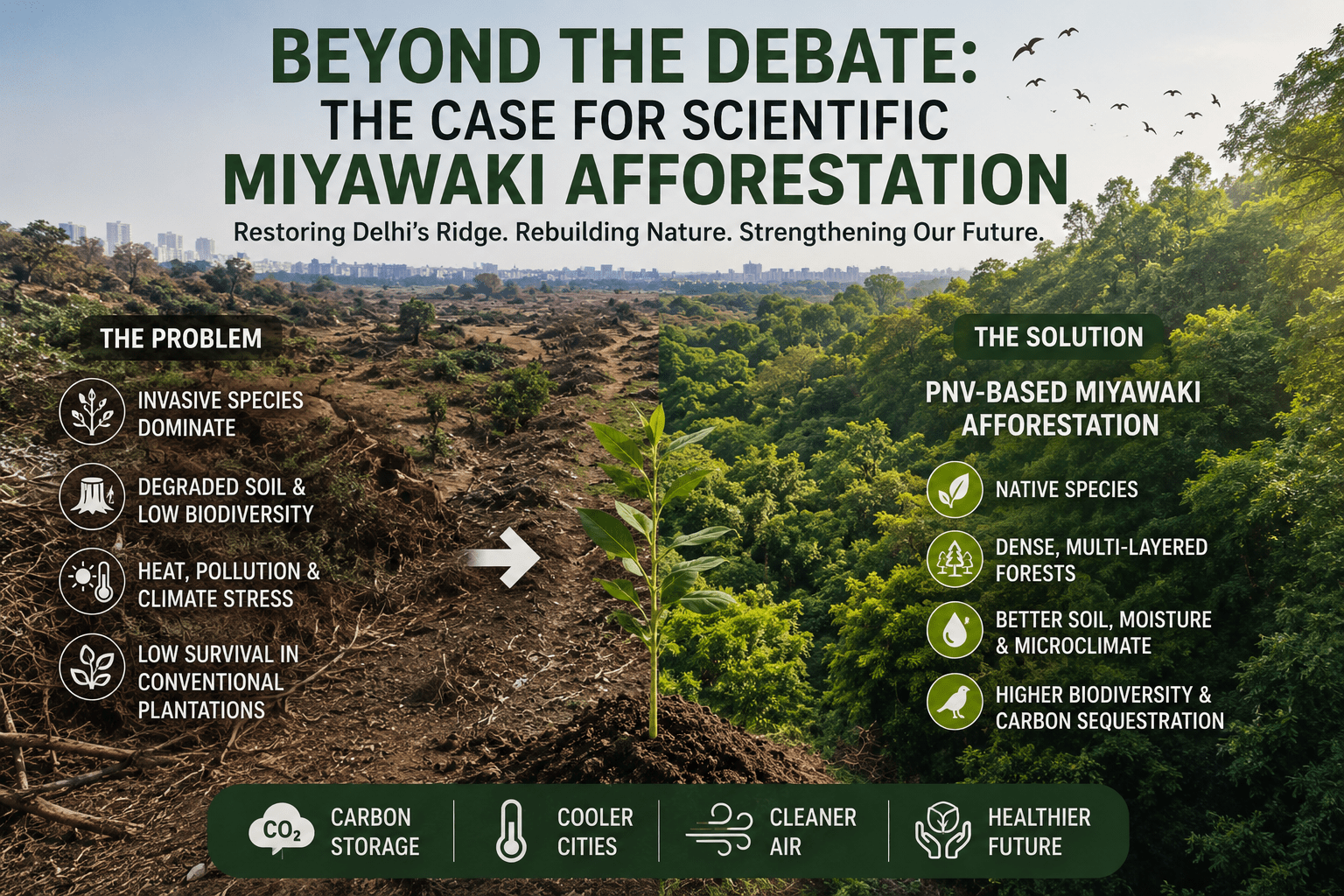
As debate intensifies around the proposal to use the Miyawaki method in Delhi’s Central Ridge, an important distinction is being lost in public discourse: poorly designed plantations and scientifically executed Miyawaki restoration are not the same thing. Recent reporting by HT Media / Hindustan Times raises valid ecological concerns—but these concerns largely apply to generic,Continue reading “Why Delhi Needs Scientific Miyawaki Afforestation — Not the Myth Around It”
🌱 A New Miyawaki Forest Takes Root in Rabarka Village, Tijara (Rajasthan) 🌱
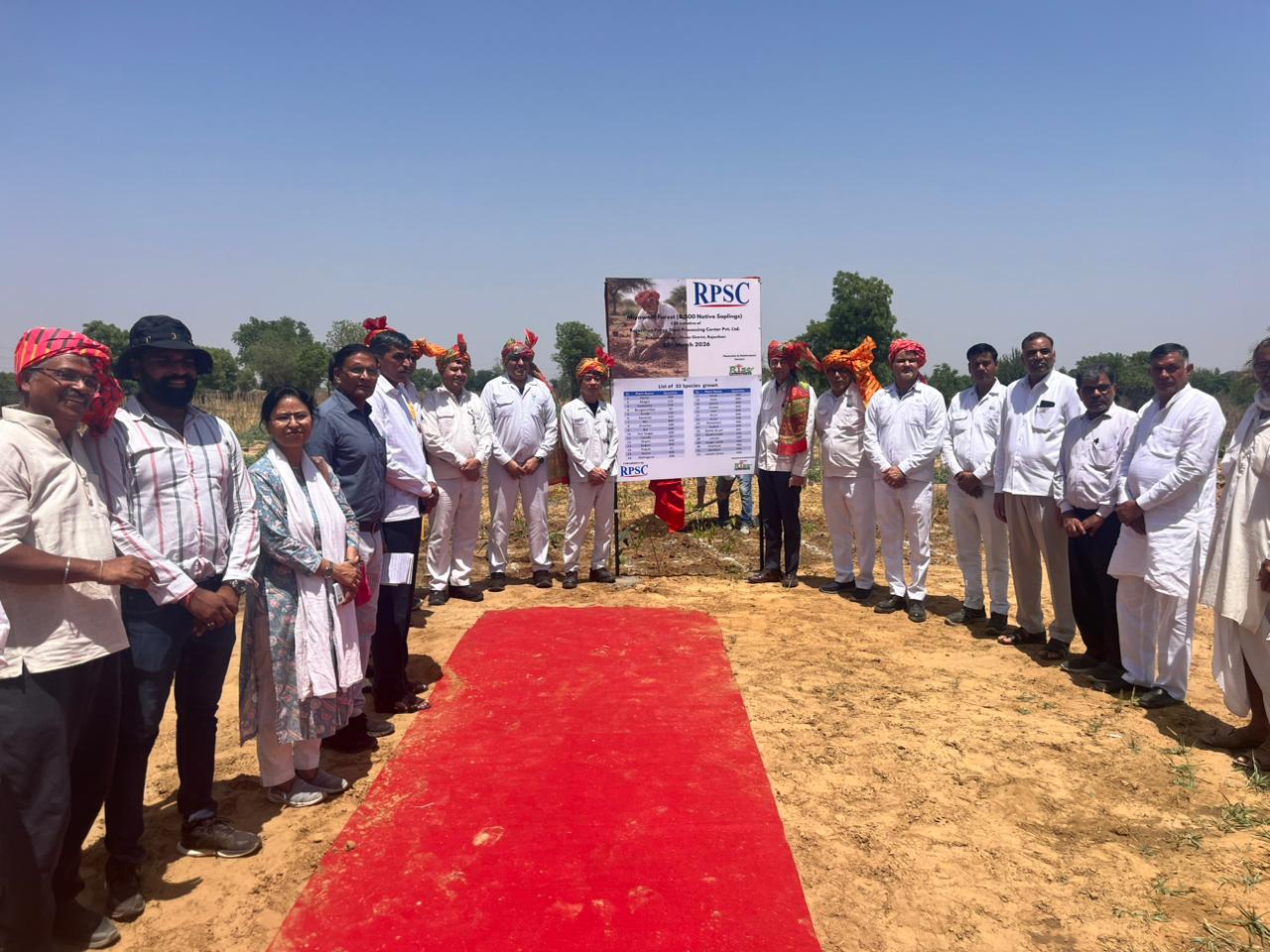
At Rise Foundation, every plantation is more than planting trees—it is about restoring ecosystems, strengthening communities, and building climate resilience. We are proud to announce the launch of another impactful Miyawaki afforestation project in Rabarka, Rajasthan, where 9,000 native plants have been planted to create a dense, self-sustaining forest. This initiative will help:🌿 Improve airContinue reading “🌱 A New Miyawaki Forest Takes Root in Rabarka Village, Tijara (Rajasthan) 🌱”
 Rise Foundation (NGO)