
Bees, hoverflies and butterflies are considered good pollinators as they have evolved a variety of morphological tricks to find flowers and store pollen efficiently, enabling them to perform all steps of the pollination process. HAIR :Many pollinating insects have long hairs. Some are branched, which aid pollen attachment. Bees in particular have long densely packed hairs. In some bee species even the eyesContinue reading “How Pollination Happens?”
Tag Archives: pollinators
How to Use an Insect House: A Complete Guide for Beginners

Creating a safe space for beneficial insects is one of the easiest ways to support biodiversity in your garden. An insect house provides nesting and shelter for solitary bees, ladybugs, lacewings, and other helpful insects that naturally pollinate plants and control pests. Simply hanging an insect house isn’t enough—the right location and care make allContinue reading “How to Use an Insect House: A Complete Guide for Beginners”
Honey Bee Lifecycle
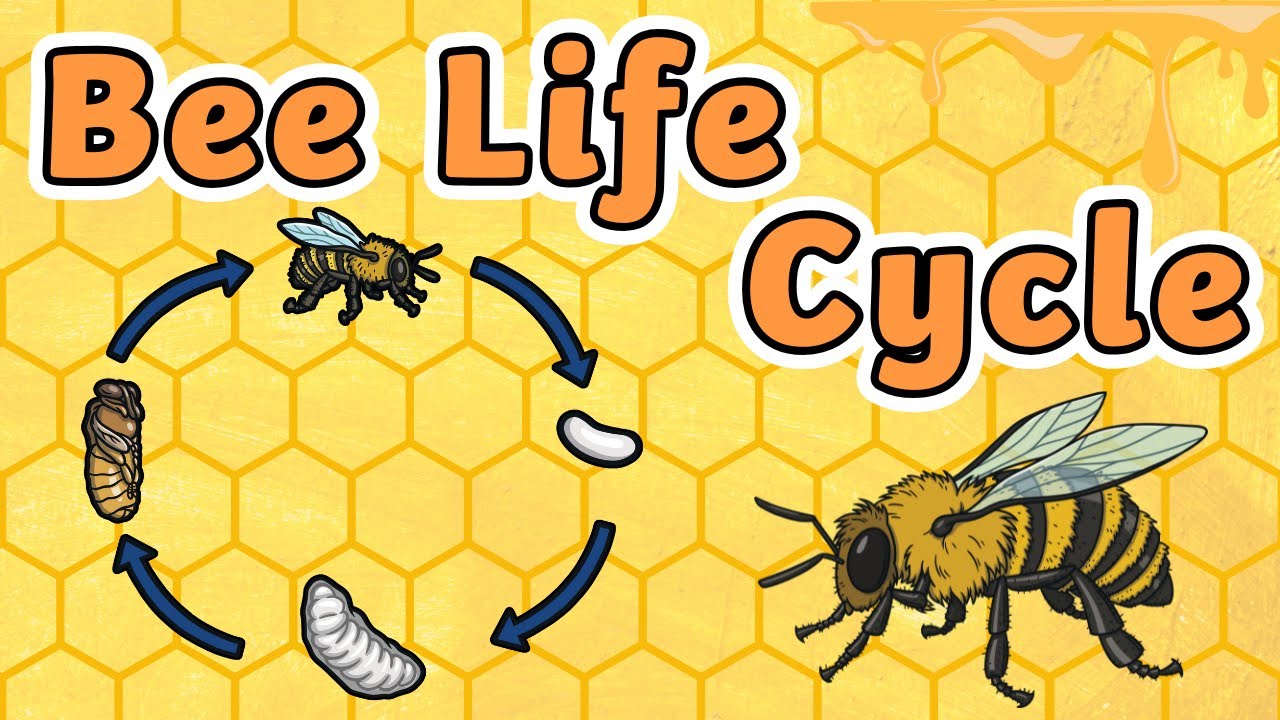
Honey bees (Apis mellifera L.) are one of mankind’s most well-known, popular and economically beneficial insects. For thousands of years, humans have plundered natural honey bee colonies to get honey, bee larvae and beeswax. In more recent centuries, bee plundering has given way to bee management. Today, honey bees are kept in artificial hives throughoutContinue reading “Honey Bee Lifecycle”
World Without Bees: A Silent Crisis for Food, Farmers & the Future
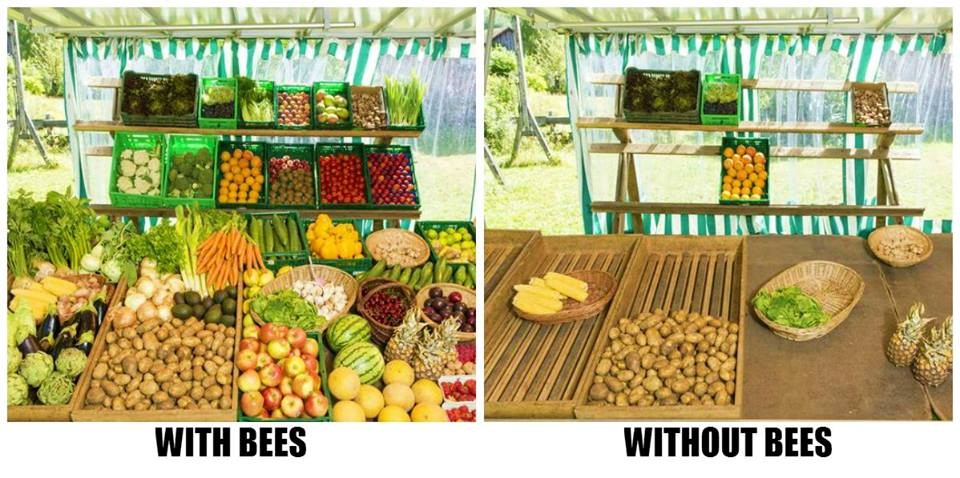
4 Introduction Bees may be small, but their role in sustaining life on Earth is enormous. From the fruits on our plates to the vegetables in our kitchens, bees work silently as nature’s most efficient pollinators. A world without bees is not just an environmental concern — it is a direct threat to food security,Continue reading “World Without Bees: A Silent Crisis for Food, Farmers & the Future”
 Rise Foundation (NGO)