
Bees, hoverflies and butterflies are considered good pollinators as they have evolved a variety of morphological tricks to find flowers and store pollen efficiently, enabling them to perform all steps of the pollination process. HAIR :Many pollinating insects have long hairs. Some are branched, which aid pollen attachment. Bees in particular have long densely packed hairs. In some bee species even the eyesContinue reading “How Pollination Happens?”
Category Archives: Pollinator
𝗛𝗼𝘄 𝗰𝗮𝗻 𝘆𝗼𝘂 𝘁𝗲𝗹𝗹 𝗶𝗳 𝗮 𝗽𝗹𝗮𝗻𝘁 𝗶𝘀 𝗽𝗼𝗹𝗹𝗶𝗻𝗮𝘁𝗼𝗿-𝗳𝗿𝗶𝗲𝗻𝗱𝗹𝘆?
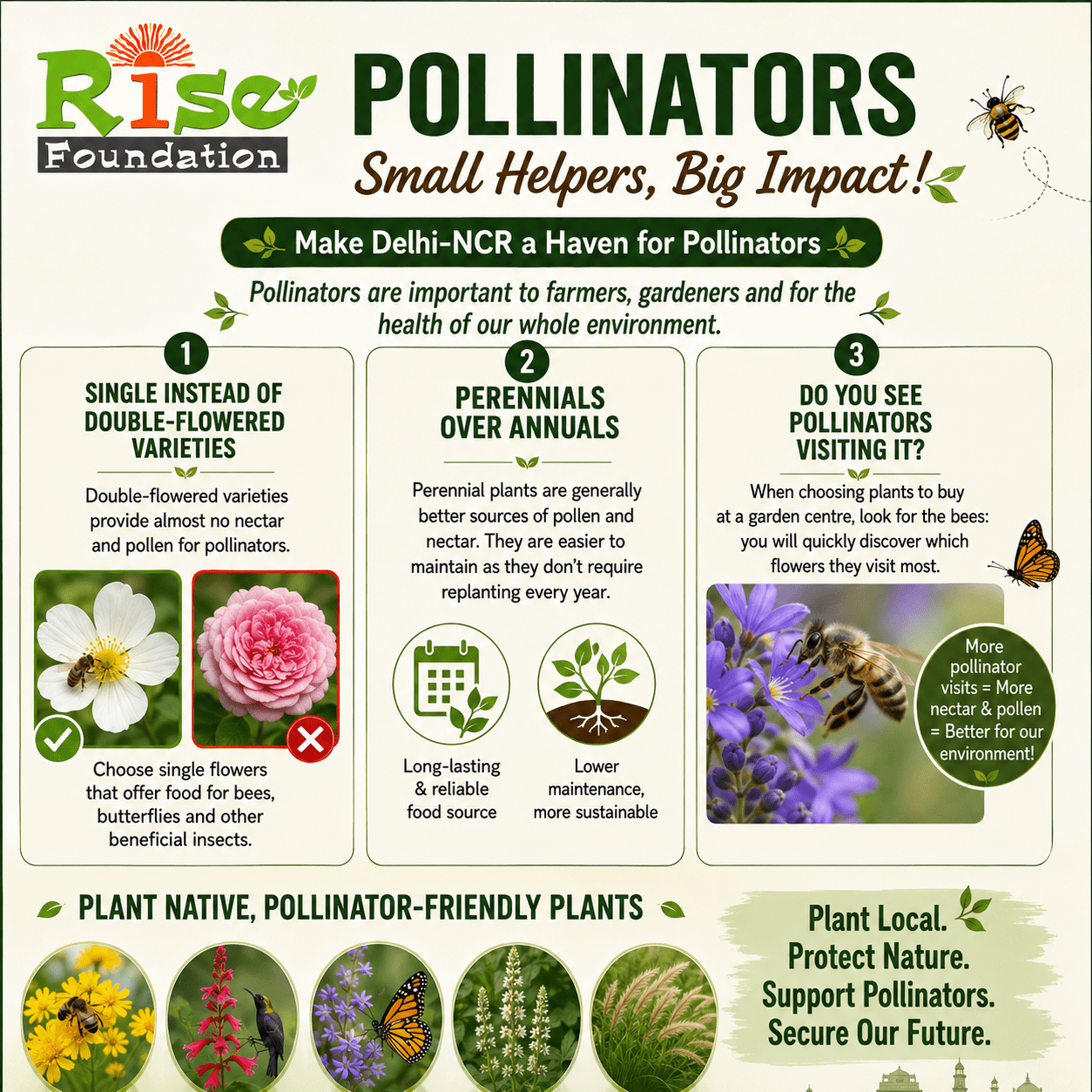
• Perennials over annuals: perennial plants are generally better sources of pollen and nectar. They can also be easier to maintain as they don’t require replanting every year. • Do you see pollinators visiting it? When choosing plants to buy at a nursery, look for the bees: you will quickly discover which flowers they visitContinue reading “𝗛𝗼𝘄 𝗰𝗮𝗻 𝘆𝗼𝘂 𝘁𝗲𝗹𝗹 𝗶𝗳 𝗮 𝗽𝗹𝗮𝗻𝘁 𝗶𝘀 𝗽𝗼𝗹𝗹𝗶𝗻𝗮𝘁𝗼𝗿-𝗳𝗿𝗶𝗲𝗻𝗱𝗹𝘆?”
Urban Forestry: One Solution, Multiple Benefits
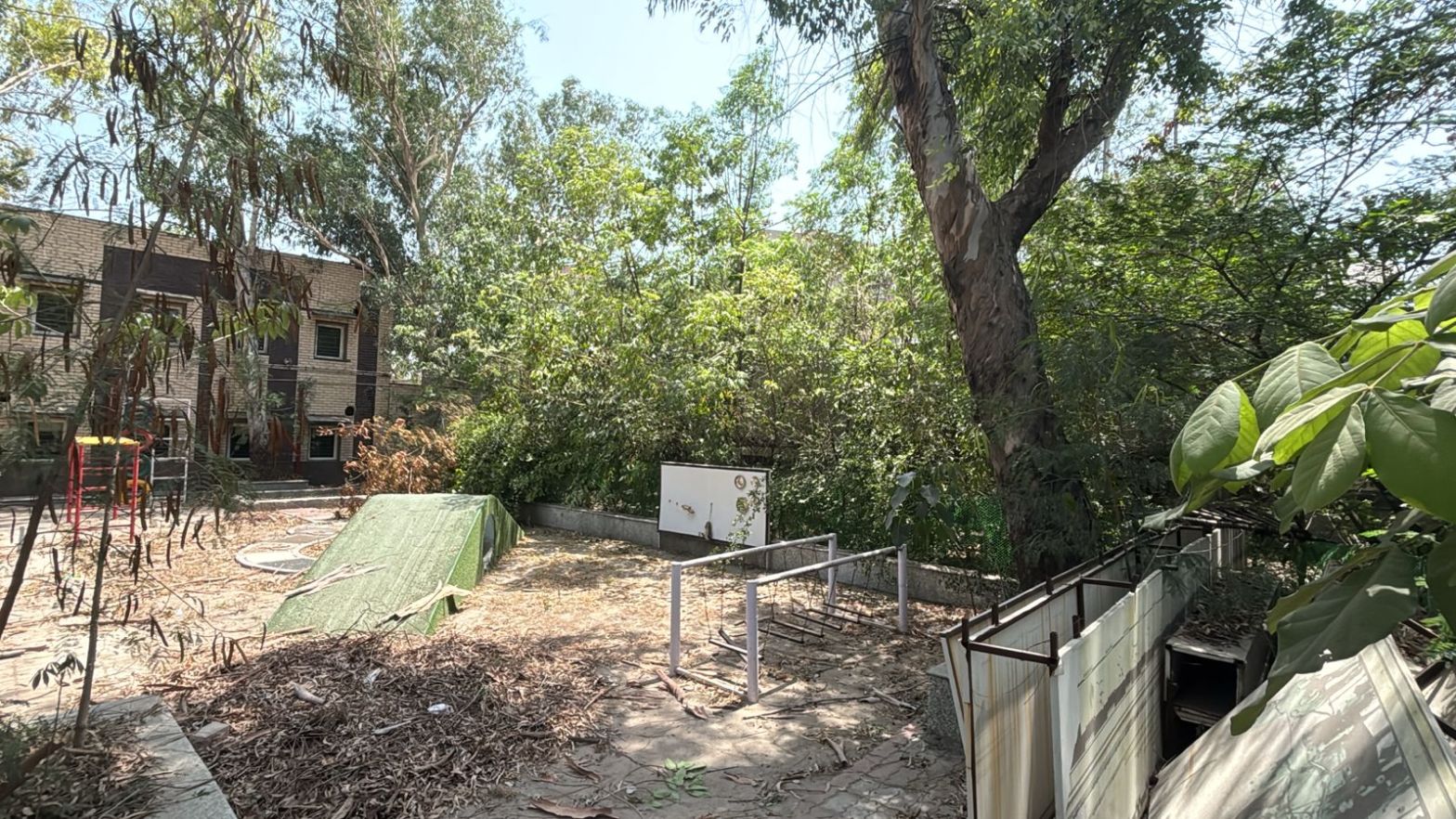
Urban Forestry is increasingly in the limelight because it offers a practical, scalable, and nature-based solution to many urban challenges at once. The below image is from 4.5 year old Green patch developed at West Vinod Nagar School , East Delhi by Rise Foundation using Miyawaki Afforestation technique. It is wonderful example of Urban Forestry.Continue reading “Urban Forestry: One Solution, Multiple Benefits”
🌱 A New Miyawaki Forest Takes Root in Rabarka Village, Tijara (Rajasthan) 🌱
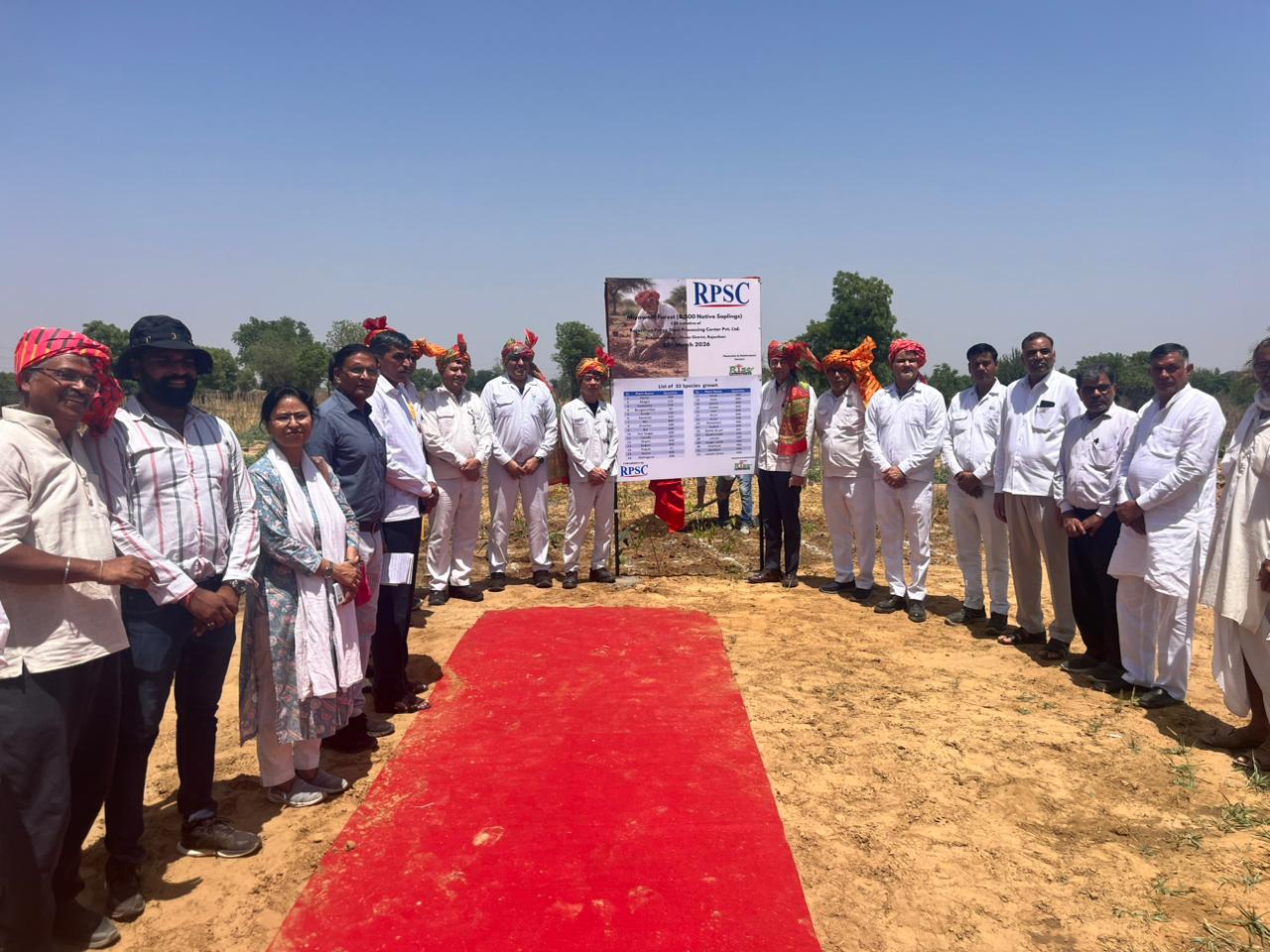
At Rise Foundation, every plantation is more than planting trees—it is about restoring ecosystems, strengthening communities, and building climate resilience. We are proud to announce the launch of another impactful Miyawaki afforestation project in Rabarka, Rajasthan, where 9,000 native plants have been planted to create a dense, self-sustaining forest. This initiative will help:🌿 Improve airContinue reading “🌱 A New Miyawaki Forest Takes Root in Rabarka Village, Tijara (Rajasthan) 🌱”
Faridabad Sec 31 Miyawaki Urban Forest – A Green Step Towards Climate Resilience
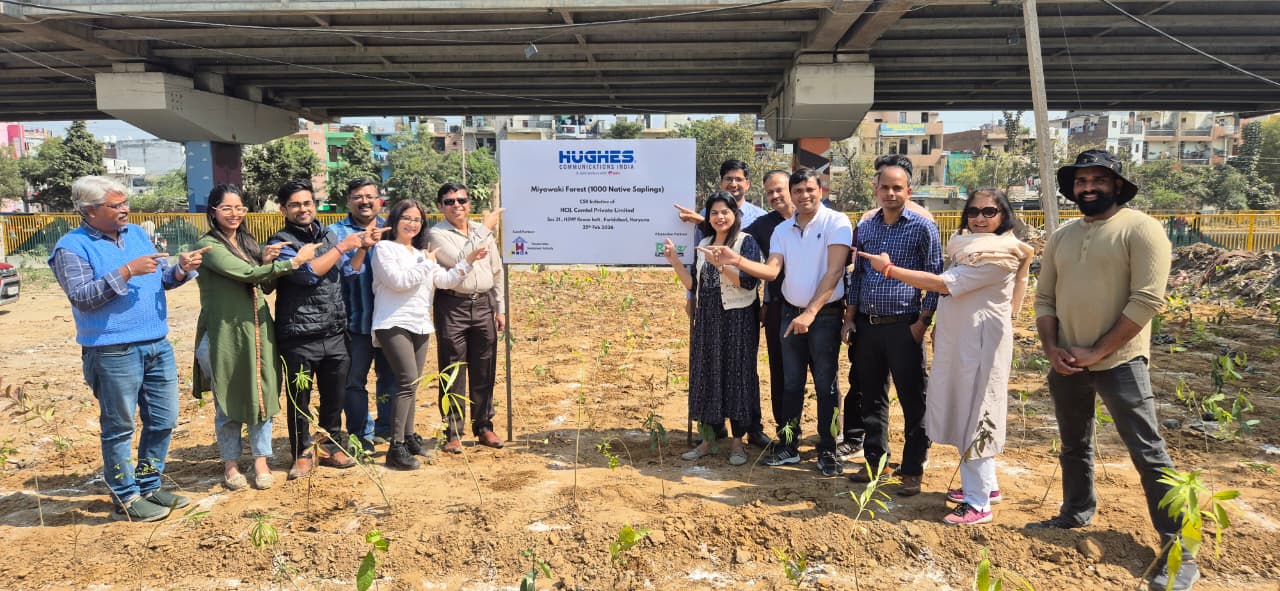
Urban areas across NCR are facing rising temperatures, deteriorating air quality, and declining biodiversity. In response to these challenges, the Miyawaki Urban Forest at Sector 31, Faridabad stands as a powerful example of how nature-based solutions can transform cities. Developed using the Miyawaki afforestation technique, this high-density native plantation will: 🌳 Reduce Local TemperatureDense greenContinue reading “Faridabad Sec 31 Miyawaki Urban Forest – A Green Step Towards Climate Resilience”
Honey Bee Lifecycle
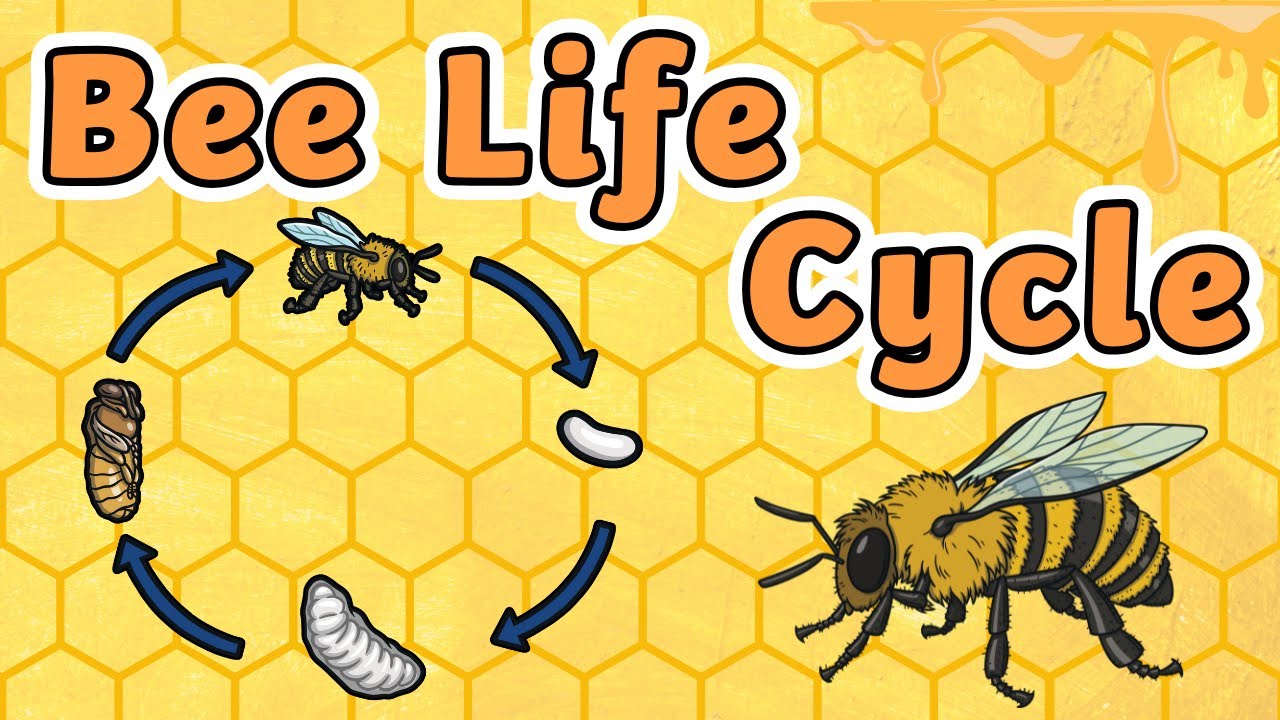
Honey bees (Apis mellifera L.) are one of mankind’s most well-known, popular and economically beneficial insects. For thousands of years, humans have plundered natural honey bee colonies to get honey, bee larvae and beeswax. In more recent centuries, bee plundering has given way to bee management. Today, honey bees are kept in artificial hives throughoutContinue reading “Honey Bee Lifecycle”
World Without Bees: A Silent Crisis for Food, Farmers & the Future
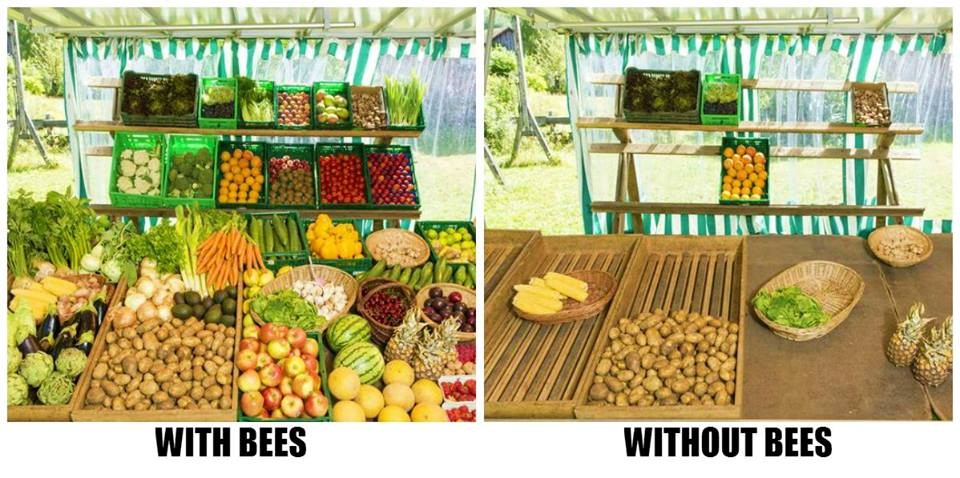
4 Introduction Bees may be small, but their role in sustaining life on Earth is enormous. From the fruits on our plates to the vegetables in our kitchens, bees work silently as nature’s most efficient pollinators. A world without bees is not just an environmental concern — it is a direct threat to food security,Continue reading “World Without Bees: A Silent Crisis for Food, Farmers & the Future”
 Rise Foundation (NGO)