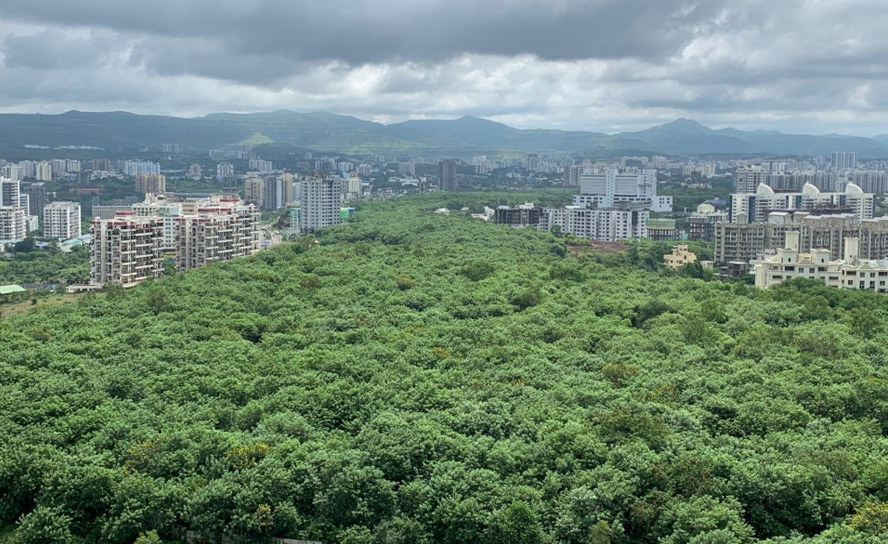
Planting trees helps to improve air quality through 3 key impacts: These impacts combine to create powerful, lasting effects for the the communities where trees are planted. The Two main types of pollutants that trees remove from the atmosphere: How Do Trees Produce Oxygen? Trees produce oxygen through a process that you’ve probably heard of; photosynthesis. The tree’sContinue reading “How Trees Reduce Air Pollution”
Category Archives: Environment
Miyawaki Afforestation: Does Crown Clashing Mean the Forest Has Failed?
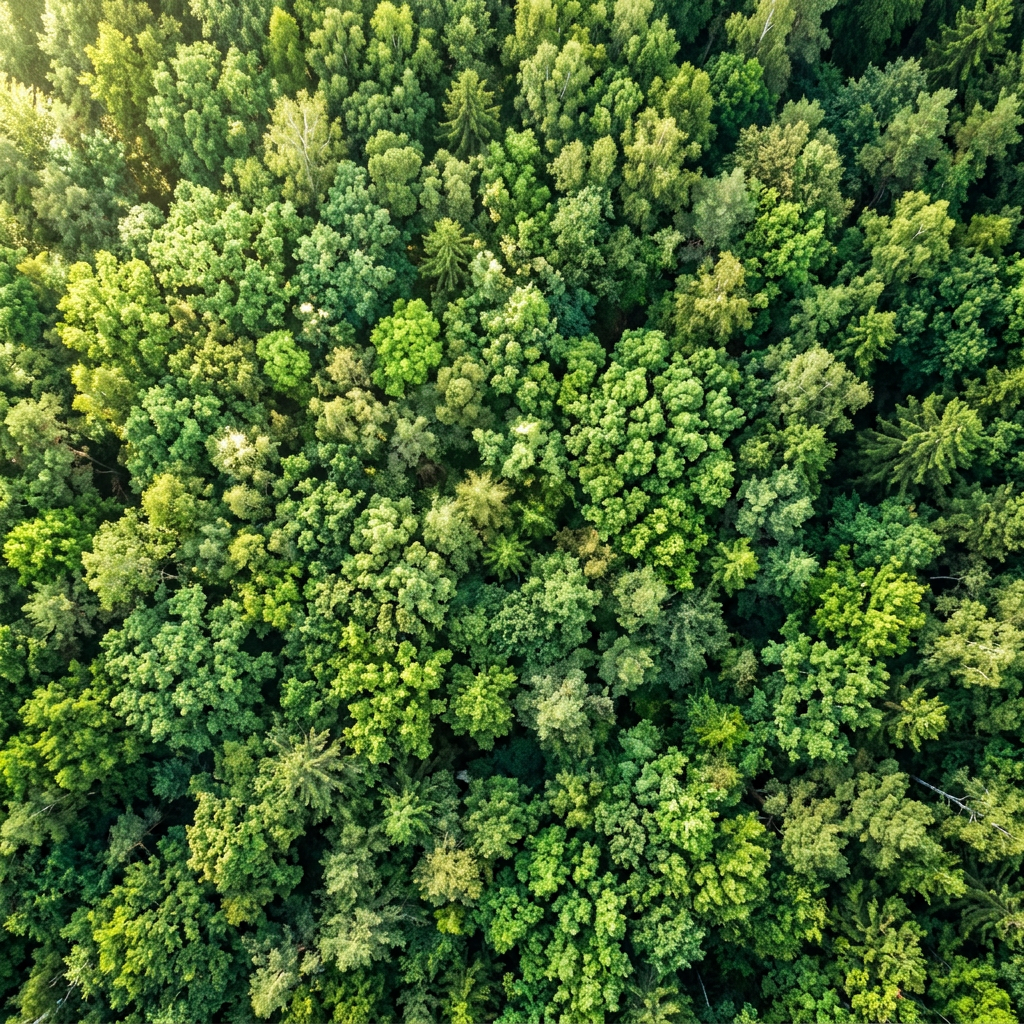
Understanding the Difference Between Rapid Urban Forests and Natural Climax Forests The Miyawaki afforestation technique has gained global recognition for transforming barren urban lands into dense green forests within a few years. From schools and corporate campuses to degraded urban landscapes, Miyawaki forests are helping cities combat climate change, improve biodiversity, and restore ecological functions.Continue reading “Miyawaki Afforestation: Does Crown Clashing Mean the Forest Has Failed?”
Urban Forestry: One Solution, Multiple Benefits
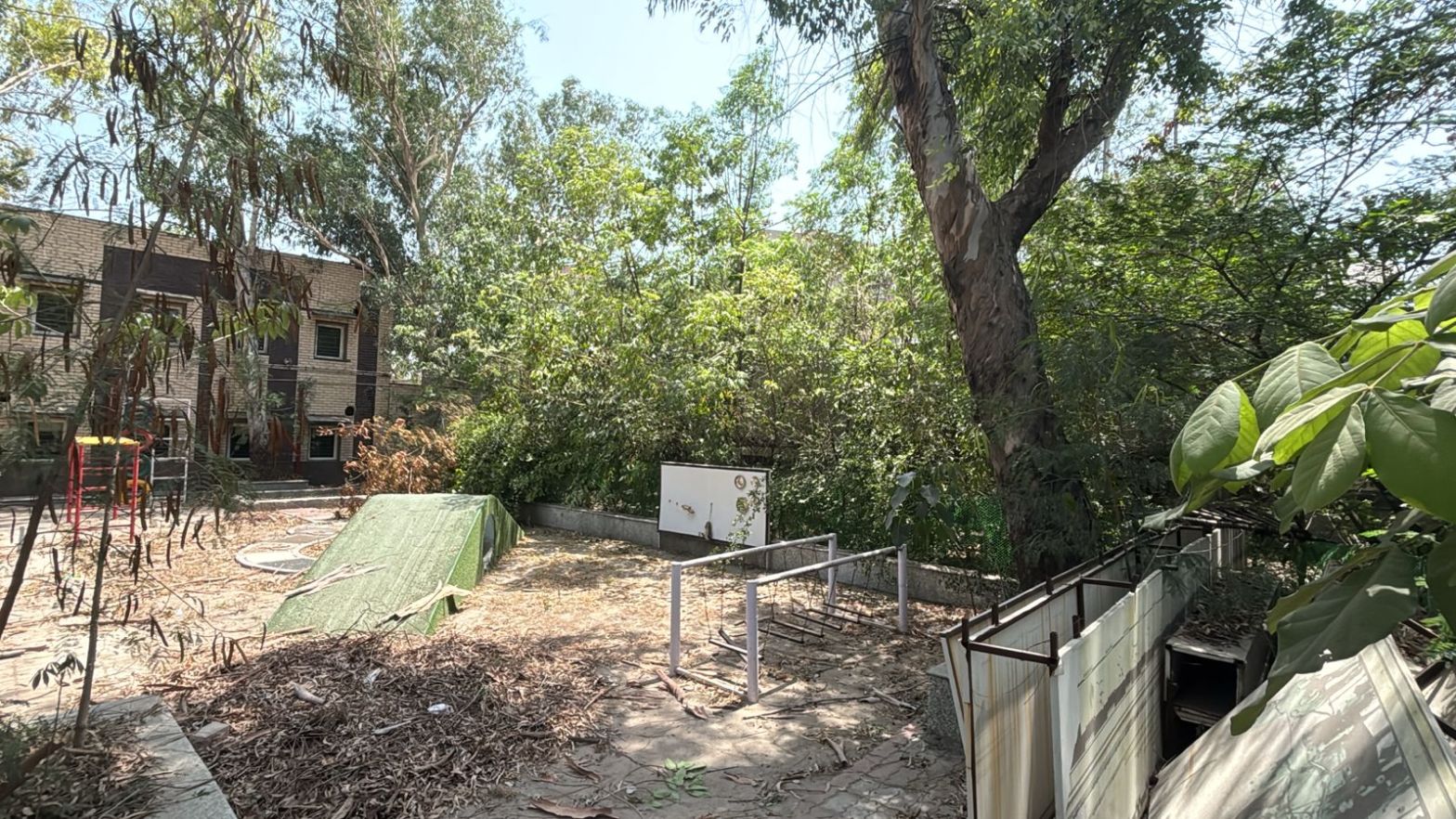
Urban Forestry is increasingly in the limelight because it offers a practical, scalable, and nature-based solution to many urban challenges at once. The below image is from 4.5 year old Green patch developed at West Vinod Nagar School , East Delhi by Rise Foundation using Miyawaki Afforestation technique. It is wonderful example of Urban Forestry.Continue reading “Urban Forestry: One Solution, Multiple Benefits”
Why Delhi Needs Scientific Miyawaki Afforestation — Not the Myth Around It
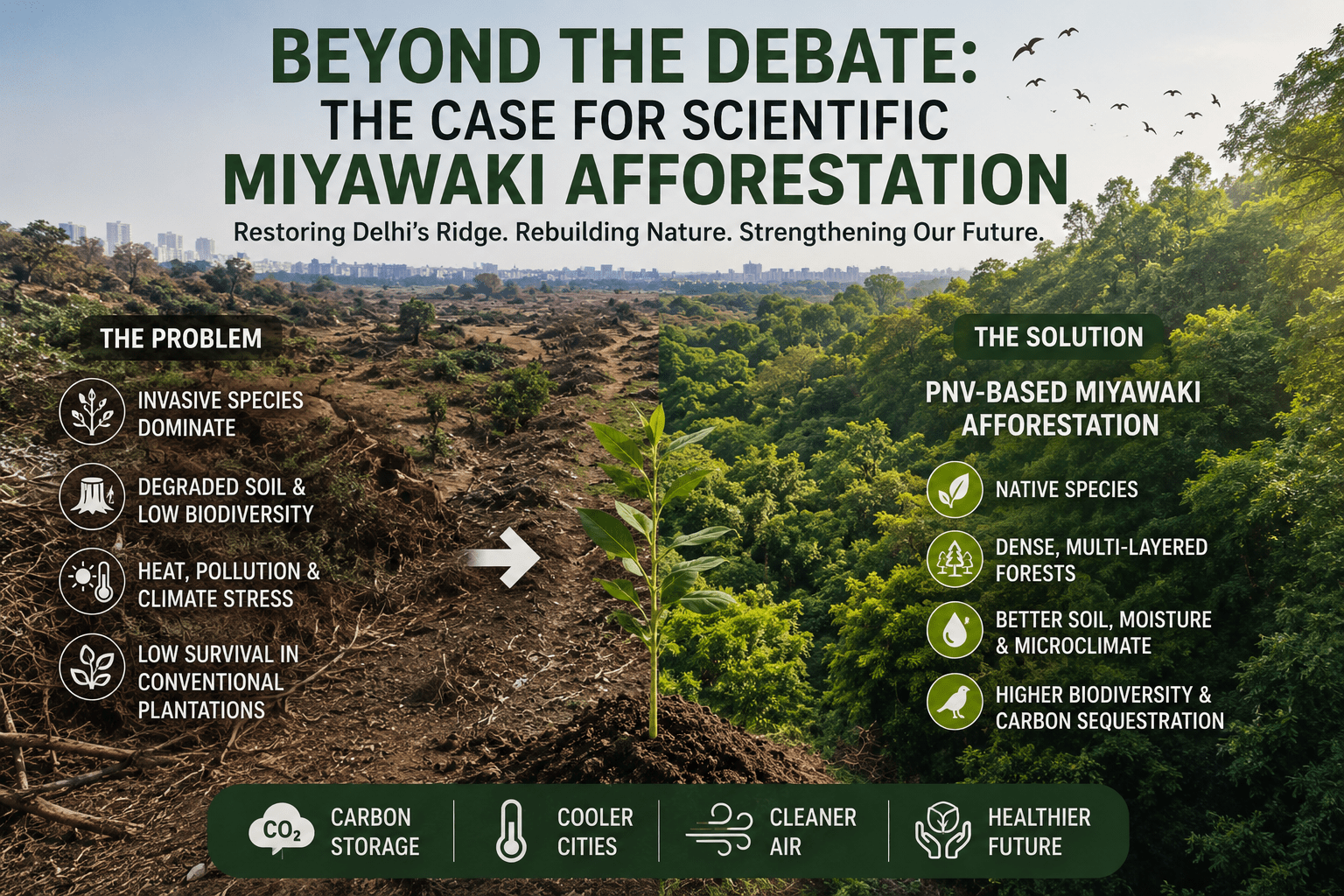
As debate intensifies around the proposal to use the Miyawaki method in Delhi’s Central Ridge, an important distinction is being lost in public discourse: poorly designed plantations and scientifically executed Miyawaki restoration are not the same thing. Recent reporting by HT Media / Hindustan Times raises valid ecological concerns—but these concerns largely apply to generic,Continue reading “Why Delhi Needs Scientific Miyawaki Afforestation — Not the Myth Around It”
🌱 A New Miyawaki Forest Takes Root in Rabarka Village, Tijara (Rajasthan) 🌱
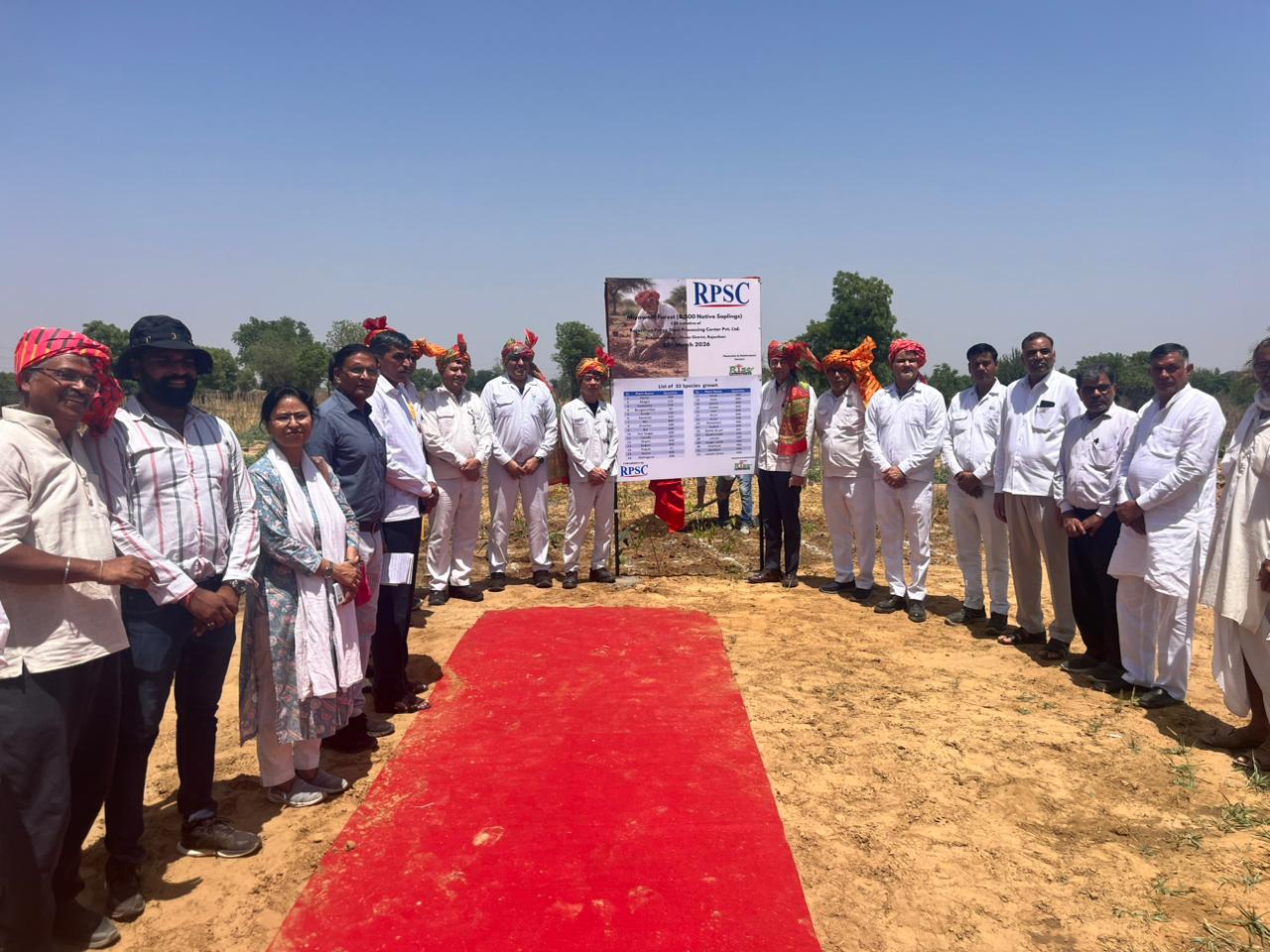
At Rise Foundation, every plantation is more than planting trees—it is about restoring ecosystems, strengthening communities, and building climate resilience. We are proud to announce the launch of another impactful Miyawaki afforestation project in Rabarka, Rajasthan, where 9,000 native plants have been planted to create a dense, self-sustaining forest. This initiative will help:🌿 Improve airContinue reading “🌱 A New Miyawaki Forest Takes Root in Rabarka Village, Tijara (Rajasthan) 🌱”
Sowing the Seeds of a Better Future: 9000 Trees, 33 Projects, One Mission
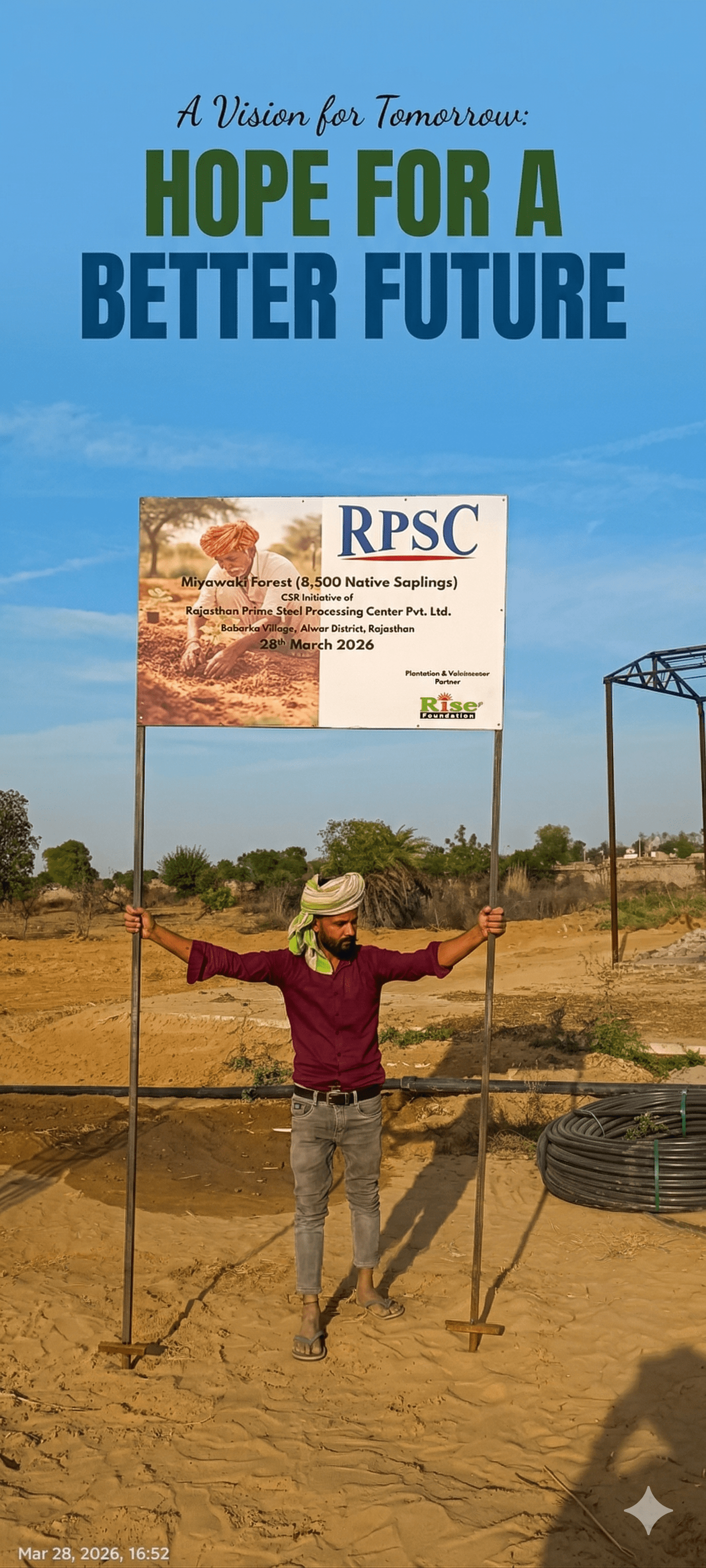
In a significant step towards ecological restoration and climate resilience, Rise Foundation, in collaboration with Rajasthan Prime Steel Processing Center Pvt Ltd (RPSC), has successfully implemented a Miyawaki Afforestation project of 9000 (8500+ 500 extra ) native plants at Rabarka Village, Alwar District, Rajasthan. 🌿 Transforming Land into Living Forests The Miyawaki technique enables theContinue reading “Sowing the Seeds of a Better Future: 9000 Trees, 33 Projects, One Mission”
Faridabad Sec 31 Miyawaki Urban Forest – A Green Step Towards Climate Resilience
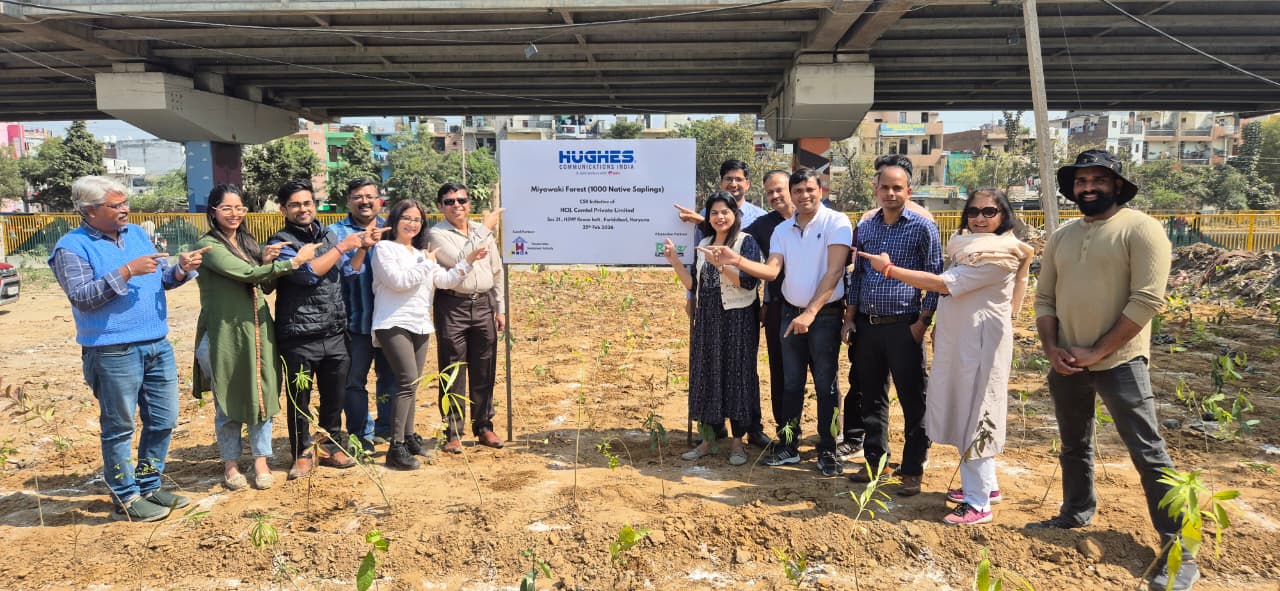
Urban areas across NCR are facing rising temperatures, deteriorating air quality, and declining biodiversity. In response to these challenges, the Miyawaki Urban Forest at Sector 31, Faridabad stands as a powerful example of how nature-based solutions can transform cities. Developed using the Miyawaki afforestation technique, this high-density native plantation will: 🌳 Reduce Local TemperatureDense greenContinue reading “Faridabad Sec 31 Miyawaki Urban Forest – A Green Step Towards Climate Resilience”
Recognition Under the Vidyanjali Programme: A CSR Milestone
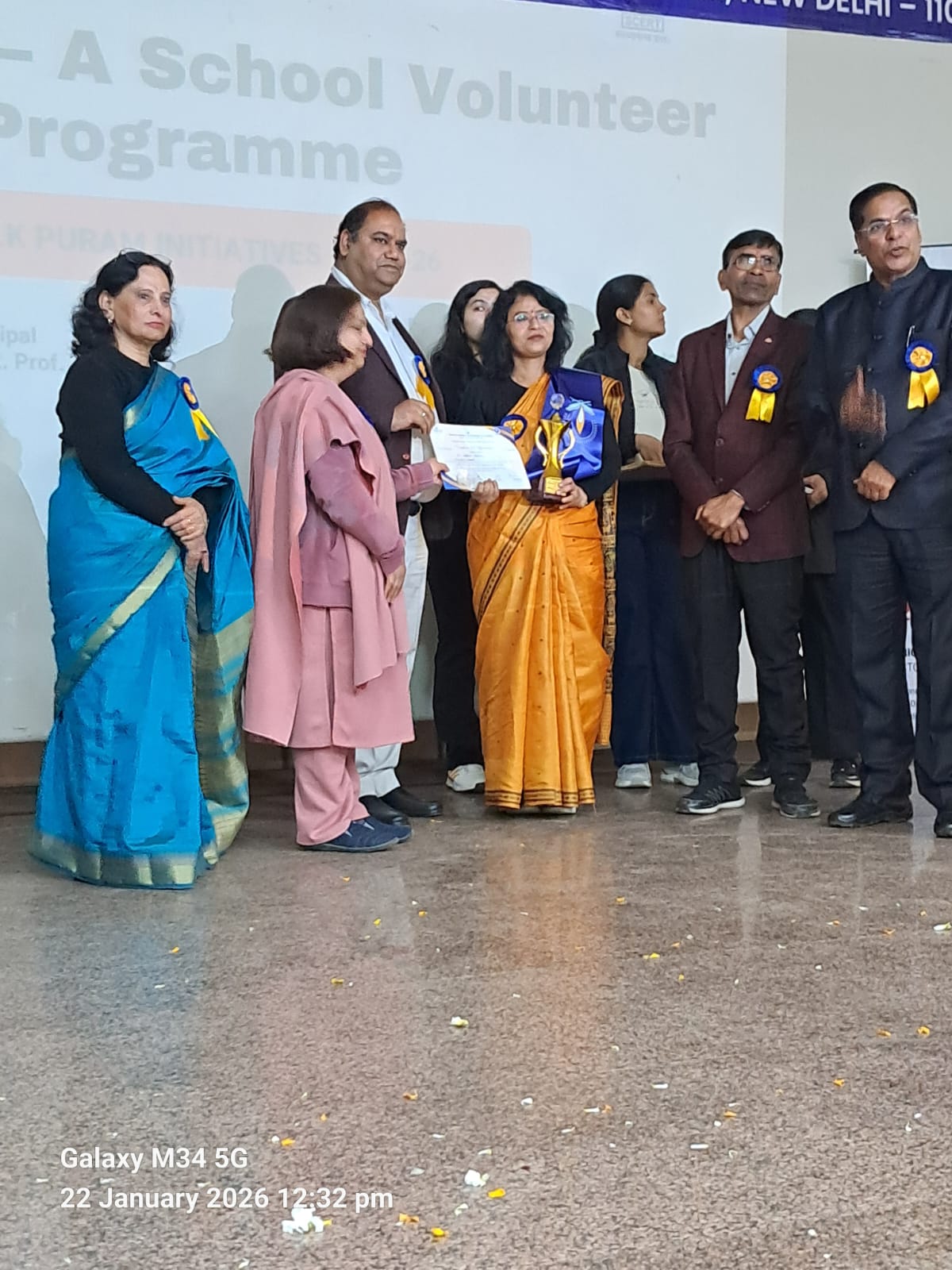
At Rise Foundation NGO, we believe that sustainable social impact is built through collaboration, shared responsibility, and a strong focus on education. We are honoured to be recognised for our CSR activities under the Vidyanjali Programme by SCERT. This recognition reflects the collective efforts of our team, volunteers, and partners who work consistently to strengthenContinue reading “Recognition Under the Vidyanjali Programme: A CSR Milestone”
Honey Bee Lifecycle
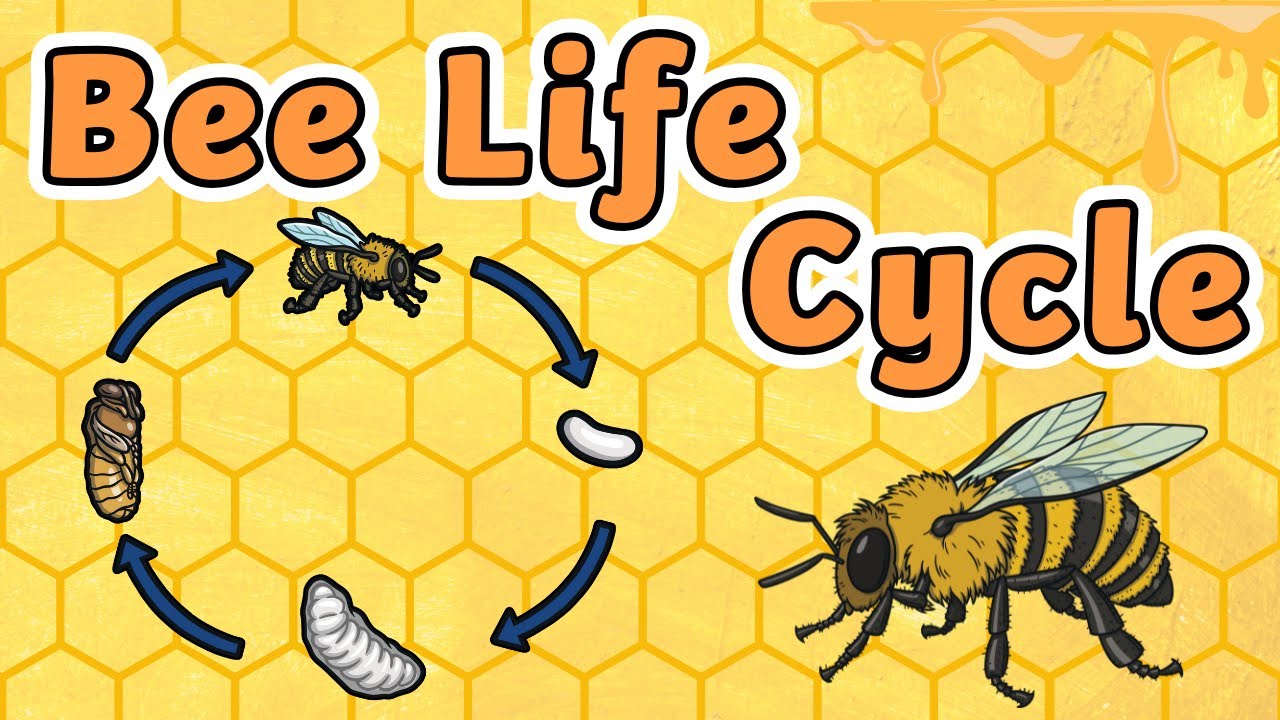
Honey bees (Apis mellifera L.) are one of mankind’s most well-known, popular and economically beneficial insects. For thousands of years, humans have plundered natural honey bee colonies to get honey, bee larvae and beeswax. In more recent centuries, bee plundering has given way to bee management. Today, honey bees are kept in artificial hives throughoutContinue reading “Honey Bee Lifecycle”
World Without Bees: A Silent Crisis for Food, Farmers & the Future
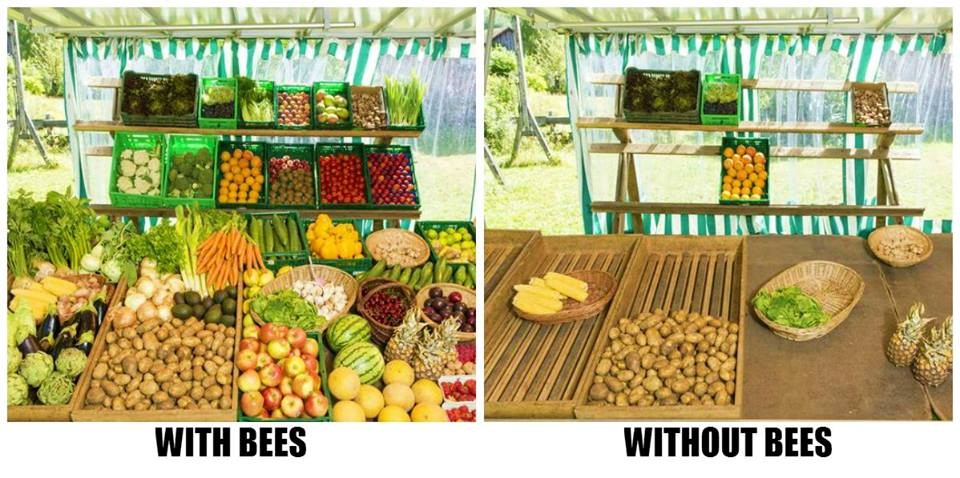
4 Introduction Bees may be small, but their role in sustaining life on Earth is enormous. From the fruits on our plates to the vegetables in our kitchens, bees work silently as nature’s most efficient pollinators. A world without bees is not just an environmental concern — it is a direct threat to food security,Continue reading “World Without Bees: A Silent Crisis for Food, Farmers & the Future”
 Rise Foundation (NGO)