Urban Forestry is increasingly in the limelight because it offers a practical, scalable, and nature-based solution to many urban challenges at once.
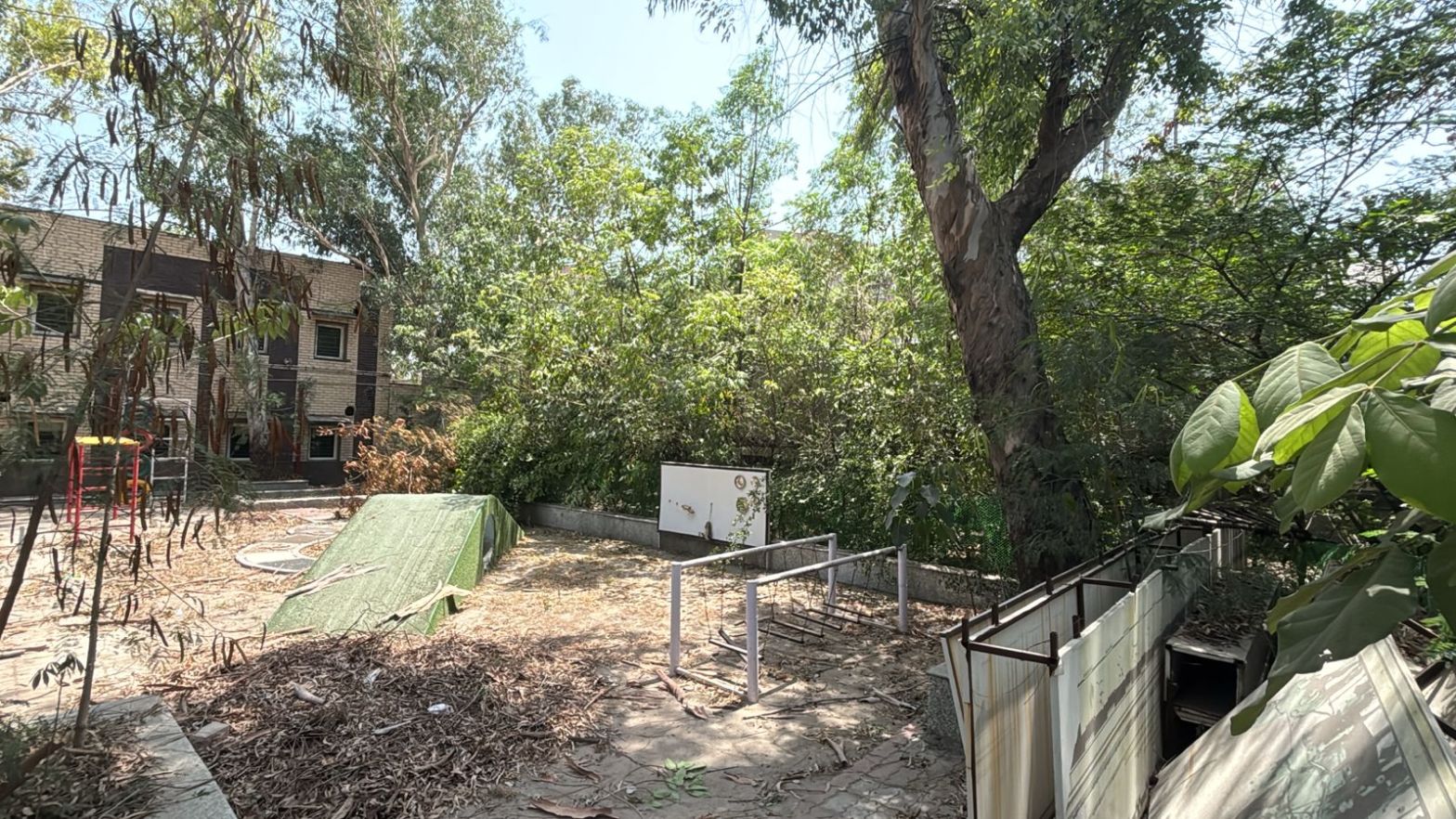
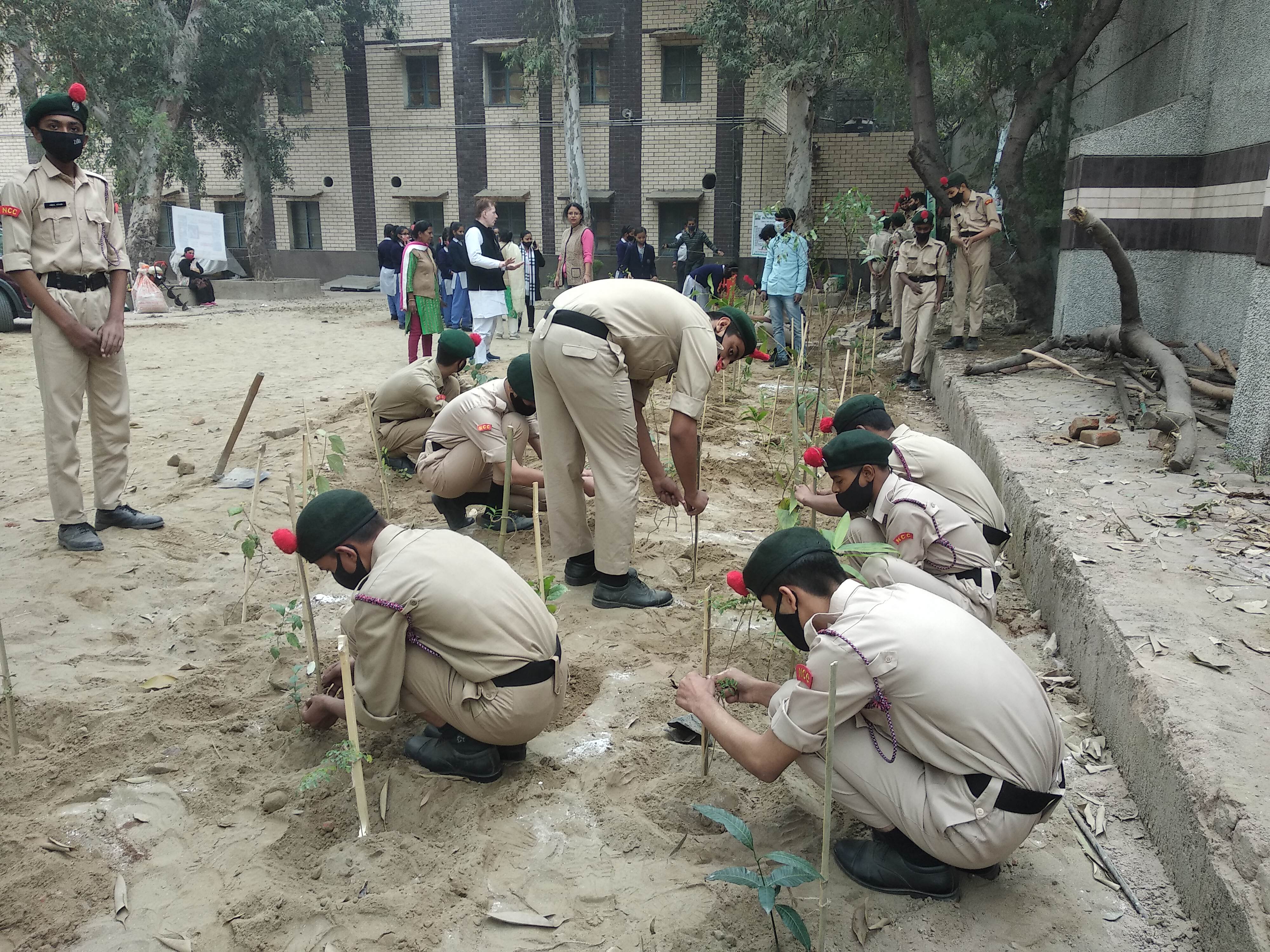
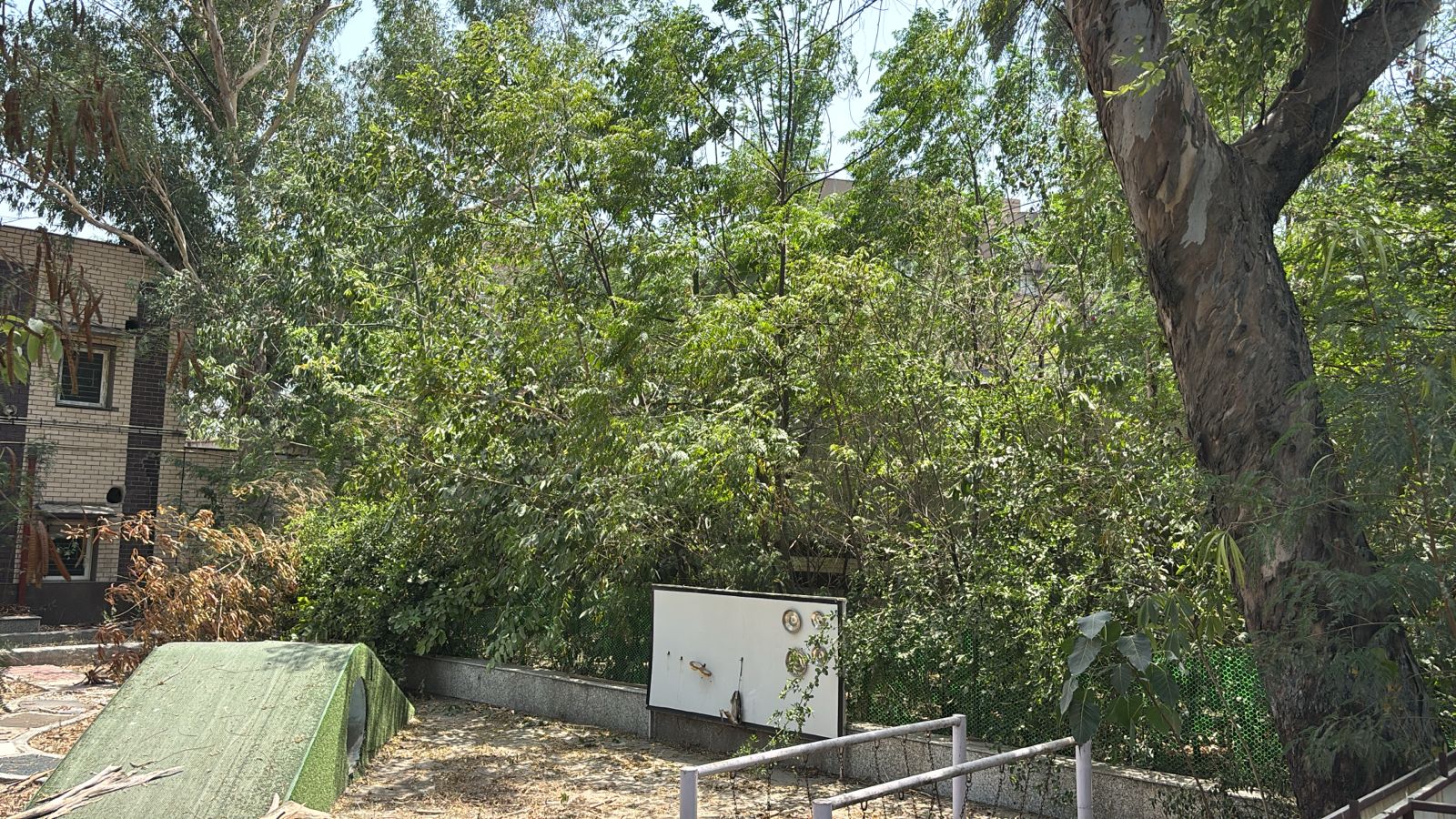
The below image is from 4.5 year old Green patch developed at West Vinod Nagar School , East Delhi by Rise Foundation using Miyawaki Afforestation technique. It is wonderful example of Urban Forestry. Some plants are already achieved 20 feet height.
For a city like Delhi, a well-designed urban forest can:
✅ Improve air quality
✅ Reduce urban heat and the heat island effect
✅ Support biodiversity and pollinators
✅ Enhance groundwater recharge
✅ Sequester carbon
✅ Improve public health and well-being
✅ Create greener, more resilient communities
In my view, an urban forest is not just a collection of trees. It is a living ecosystem with grasses, creepers, shrubs, understory trees, and canopy trees that together create habitat for birds, butterflies, bees, and other wildlife.
As cities continue to grow, urban forestry should become a core part of urban planning—not as an option, but as essential infrastructure for a sustainable future.
🌿 One intervention. Multiple benefits. Lasting impact.
#UrbanForestry #Delhi #NatureBasedSolutions #Biodiversity #ClimateAction #UrbanPlanning #Miyawaki #EcologicalRestoration #GreenCities #Sustainability
 Rise Foundation (NGO)