
Bees, hoverflies and butterflies are considered good pollinators as they have evolved a variety of morphological tricks to find flowers and store pollen efficiently, enabling them to perform all steps of the pollination process.
HAIR :Many pollinating insects have long hairs. Some are branched, which aid pollen attachment. Bees in particular have long densely packed hairs. In some bee species even the eyes are hairy!
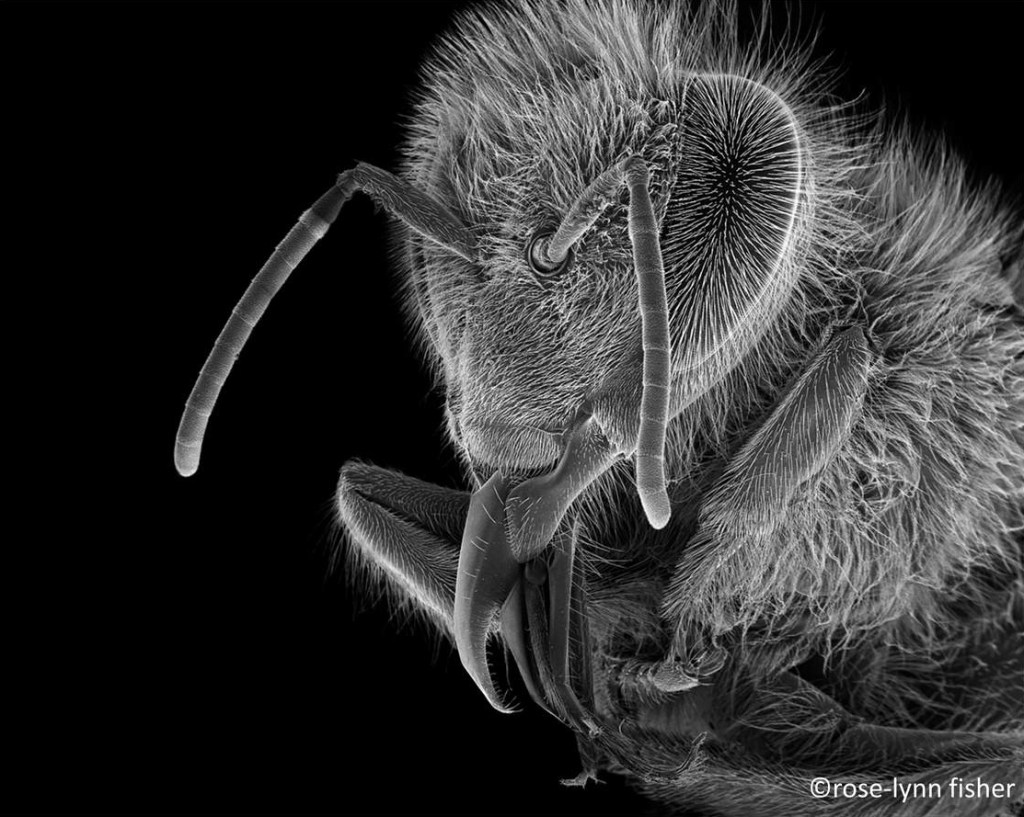
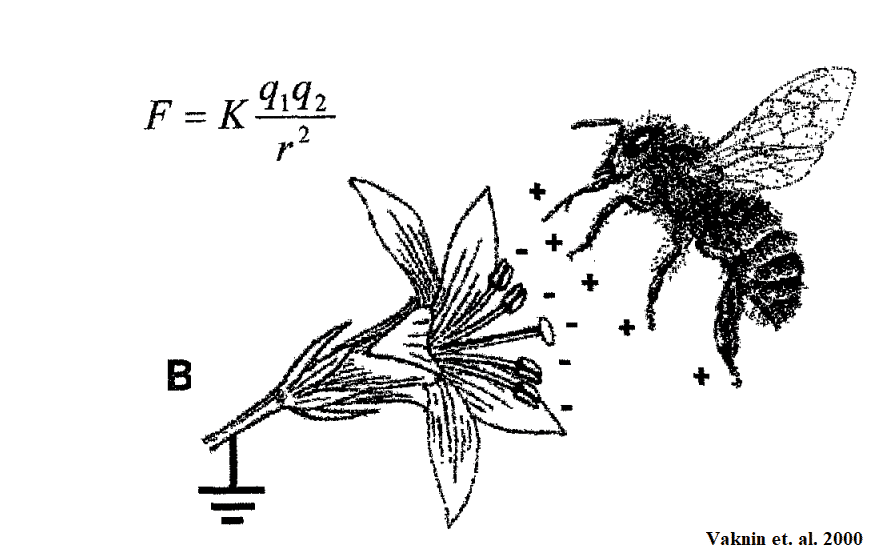
ELECTROSTATIC FORCES: The tips of the plants are often charged negatively, including their pollen. The hairs on an insect’s body, on the other hand, are positively charged by the wind. This is how insects become a pollen magnet and attract pollen without much effort!
EYES :The insect’s eye can see something we can’t: UV light. On a UV photo this becomes clear: the flowers on the left just looks ‘yellow’ to us, but to an insect it looks very different, indicating a landing site!

ANTENNA: Bees, hoverflies (and to some extent butterflies) use their antennae to find pollen. These contain special cells that enables them to smell flower odours, at even the slightest amount. Bees in particular are also known for their learning ability: they can learn to recognize specific plant odours after a rewarding experience. This helps them to become even more efficient in foraging!
 Rise Foundation (NGO)