
Creating a safe space for beneficial insects is one of the easiest ways to support biodiversity in your garden. An insect house provides nesting and shelter for solitary bees, ladybugs, lacewings, and other helpful insects that naturally pollinate plants and control pests.
Simply hanging an insect house isn’t enough—the right location and care make all the difference.
Step 1: Choose a Sunny Location
Beneficial insects prefer warm, dry places.
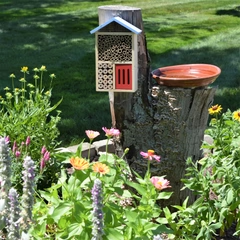
Install your insect house where it receives morning sunlight, ideally facing east or southeast. The warmth helps insects become active earlier in the day.
Avoid placing it in permanent shade.
Step 2: Keep It Dry
Moisture can damage nesting materials and encourage mold.
Mount the insect house beneath a roof overhang, pergola, tree canopy, or another sheltered location where heavy rain cannot enter the nesting holes.
Step 3: Install at the Right Height
For best results, position the insect house approximately 1–2 metres (3–6 feet) above the ground.
This protects insects from excessive moisture, predators, and accidental disturbance.
Step 4: Mount It Securely
An insect house should remain stable throughout the year.
Attach it firmly to a wall, fence, tree, or wooden post so it does not swing in the wind. Constant movement discourages insects from nesting.
Step 5: Plant Pollinator-Friendly Flowers Nearby
An insect house works best when food is available close by.
Grow nectar-rich plants such as:
- Marigold
- Cosmos
- Sunflower
- Lavender
- Basil (Tulsi)
- Coriander
- Mustard
- Native wildflowers
The more flowering plants you have, the more likely beneficial insects will choose your insect house.
Step 6: Avoid Chemical Pesticides
Pesticides can harm the very insects you’re trying to protect.
Choose organic gardening methods whenever possible and encourage natural pest control by attracting ladybugs, lacewings, and predatory insects.
Step 7: Leave It Outdoors All Year
Many beneficial insects spend the winter inside nesting tubes before emerging in spring.
Do not bring the insect house indoors during winter. Let nature complete its cycle.
Step 8: Inspect Once a Year
Minimal maintenance is required.
At the end of the season:
- Remove damaged nesting materials if necessary.
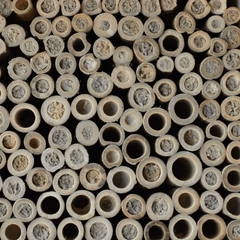
- Check that bamboo tubes remain clean and dry.
- Tighten any loose screws or hanging hooks.
- Replace broken parts if needed.
Avoid disturbing occupied nesting tubes.
What Insects May Visit?
Depending on your location, your insect house may attract:
- Solitary Bees
- Mason Bees
- Leafcutter Bees
- Ladybugs
- Lacewings
- Hoverflies
Each of these insects contributes to healthier gardens through pollination or natural pest management.
 Rise Foundation (NGO)