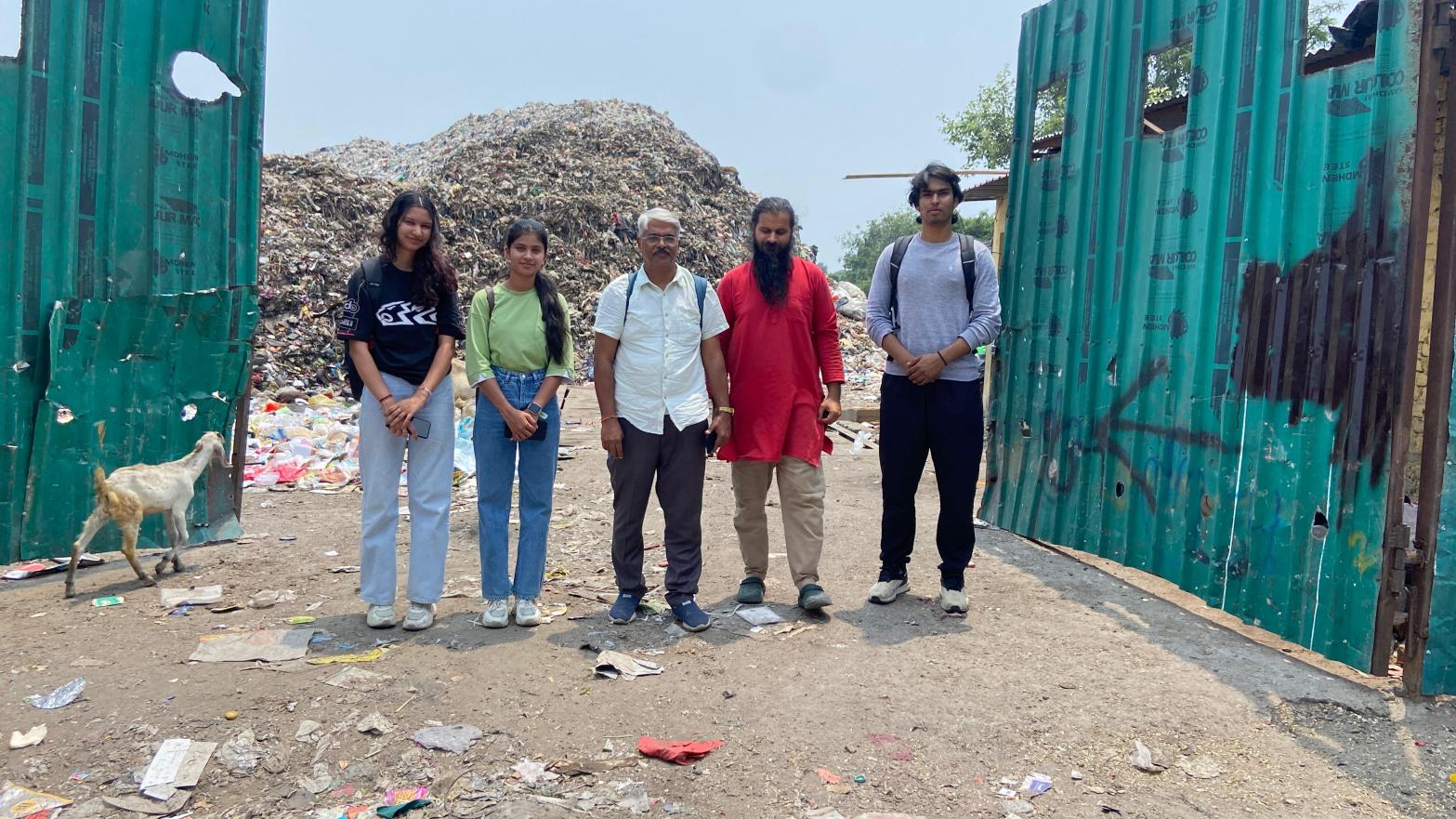
Citizens Take Charge: Clean Air Through Miyawaki Afforestation in Delhi NCR

When the Government Falls Short, Citizens Take Charge!

Air pollution in Delhi NCR has reached alarming levels, affecting millions of lives daily. Despite policies and promises, the pace of afforestation and environmental restoration by the government has been insufficient. But when authorities fail, citizens must take the lead!

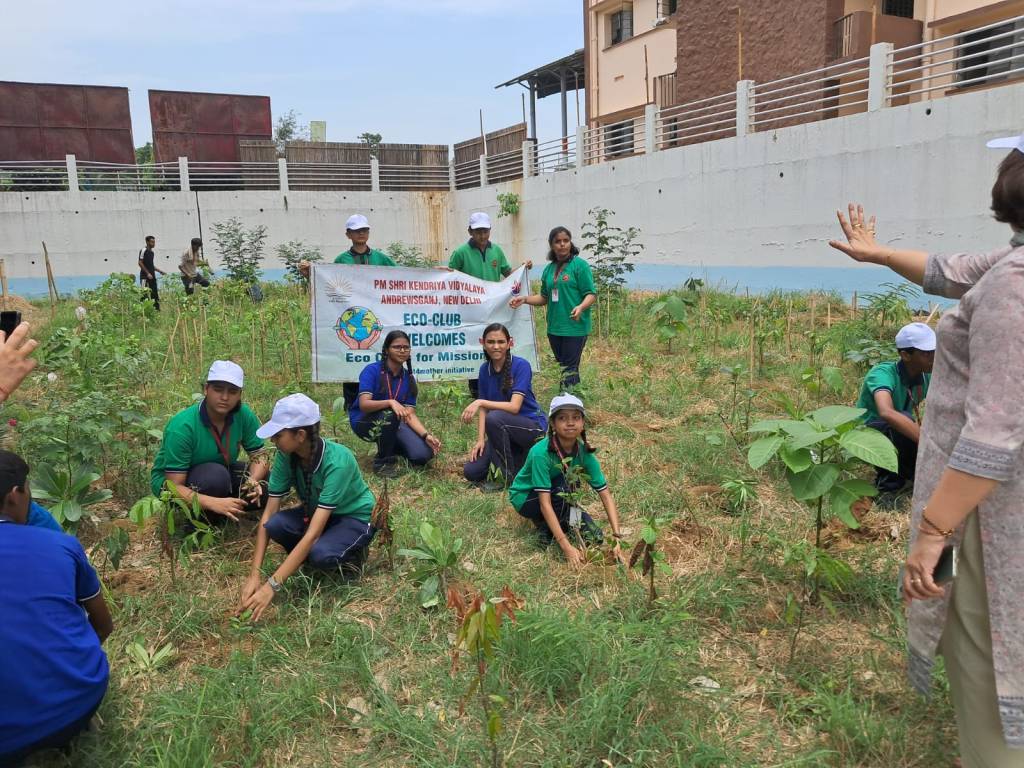
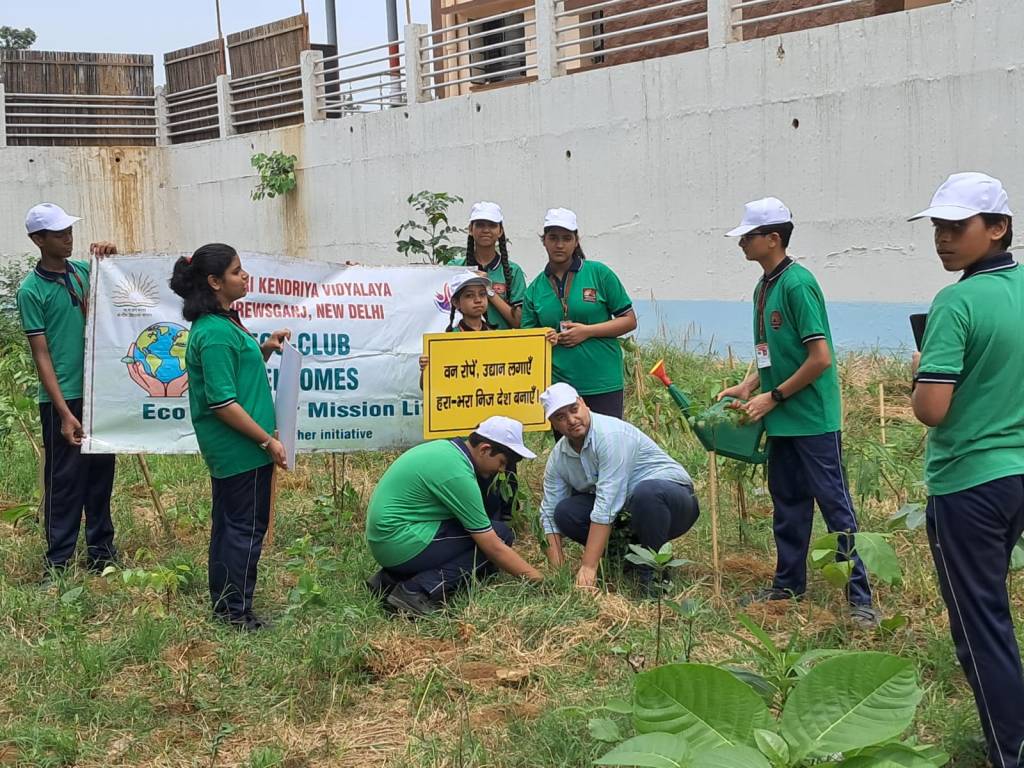
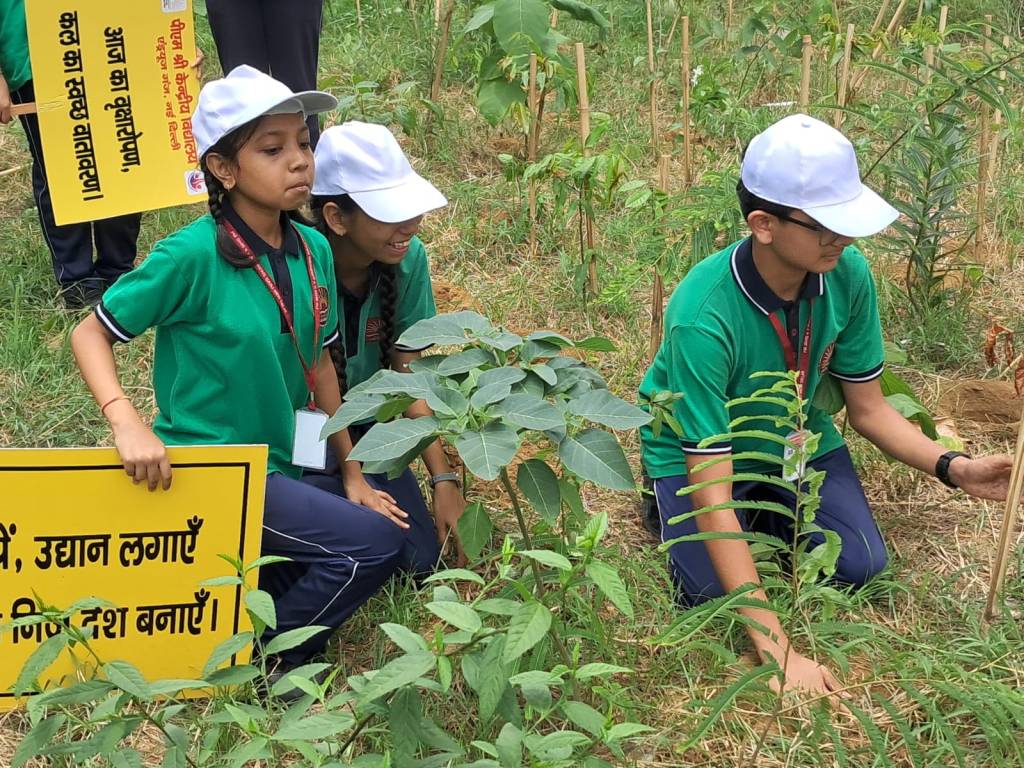
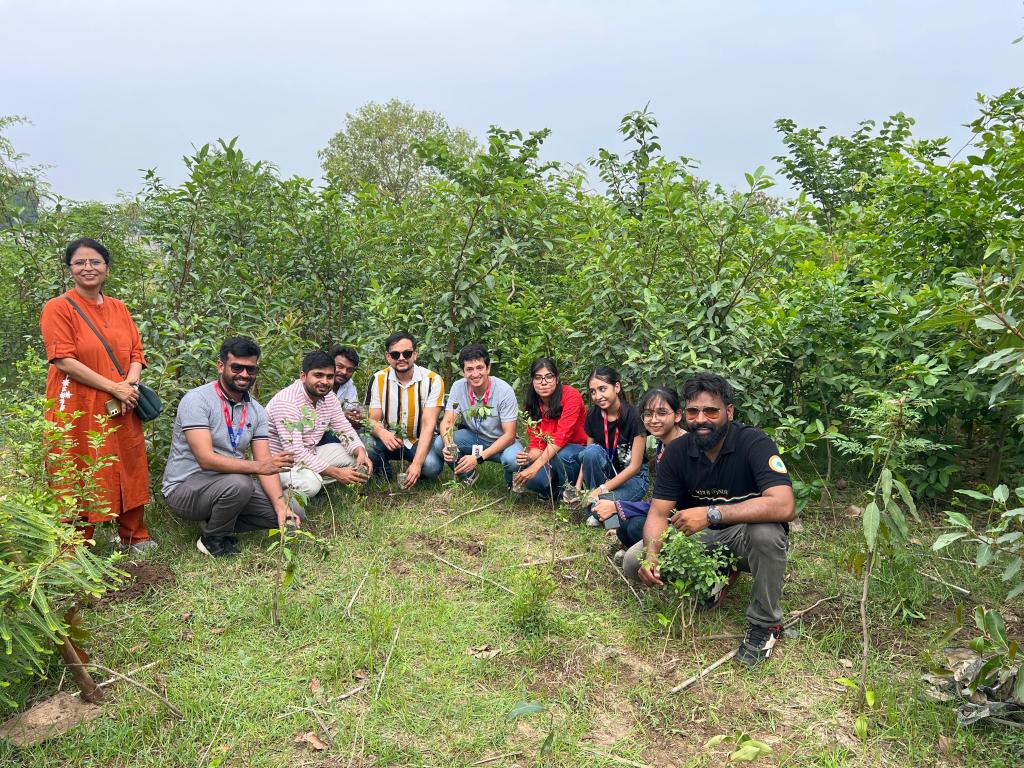
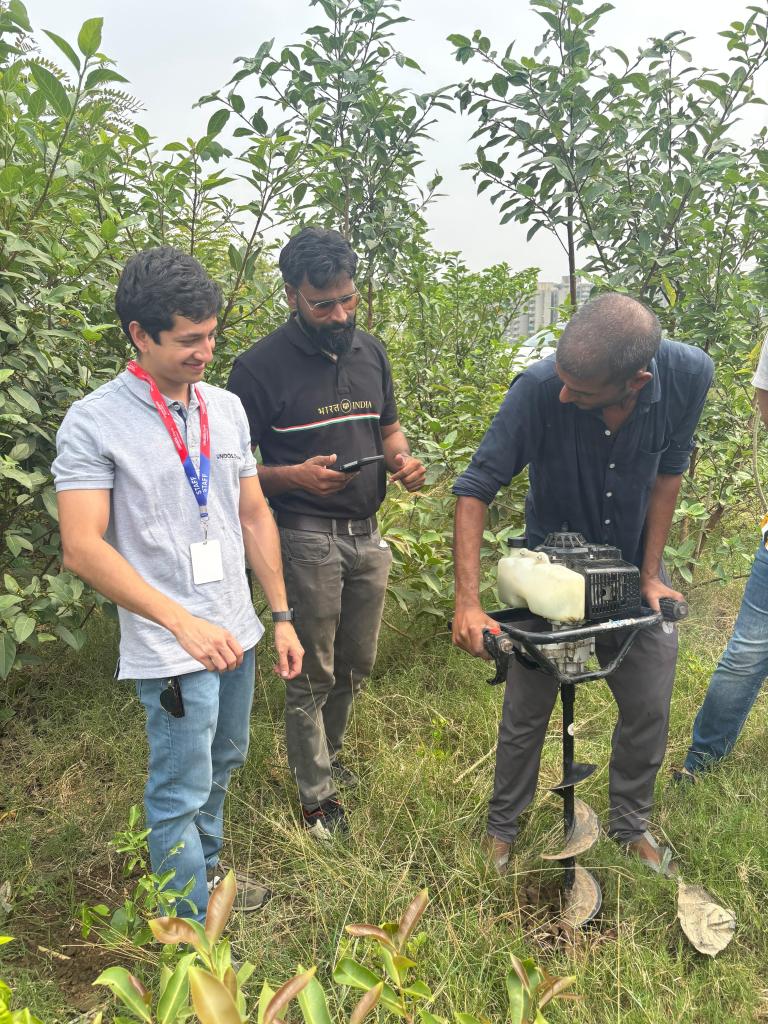
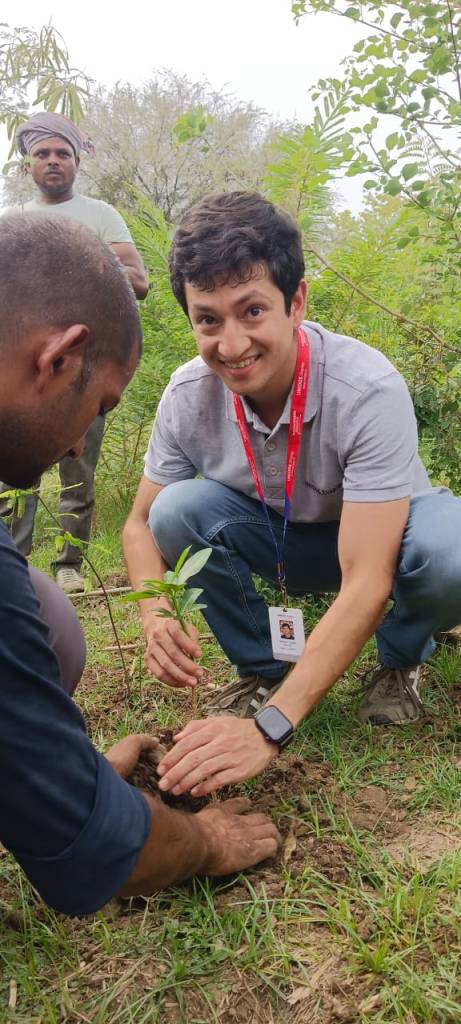
In a powerful step towards clean air and urban greening, Rise Foundation, in association with Max Hospital Dwarka, has established a new green patch with 1,200 native trees using the Miyawaki afforestation technique. This initiative is part of the ‘Million Miyawaki’ movement, aiming to restore Delhi’s green cover and fight air pollution.


Why Miyawaki? A Game-Changer for Urban Afforestation

The Miyawaki technique is a revolutionary afforestation method that helps create dense, self-sustaining forests in urban spaces. Unlike conventional tree plantations, Miyawaki forests:

✅ Grow 10 times faster, reaching maturity within 2-3 years.
✅ Absorb more CO₂ and significantly improve air quality.
✅ Require minimal maintenance after the first 2 years.
✅ Enhance biodiversity, attracting birds, bees, and butterflies.

These microforests are an effective, science-backed solution to tackle Delhi’s worsening air pollution and urban heat island effect.


Establishing a New Green Patch at Max Hospital Dwarka

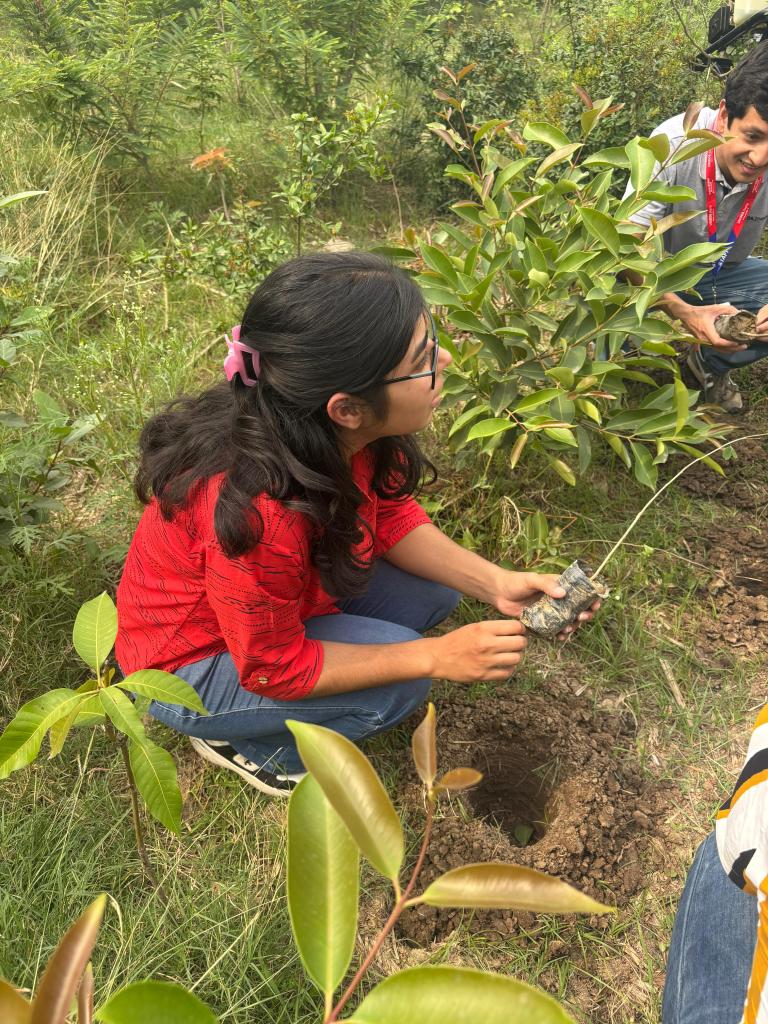
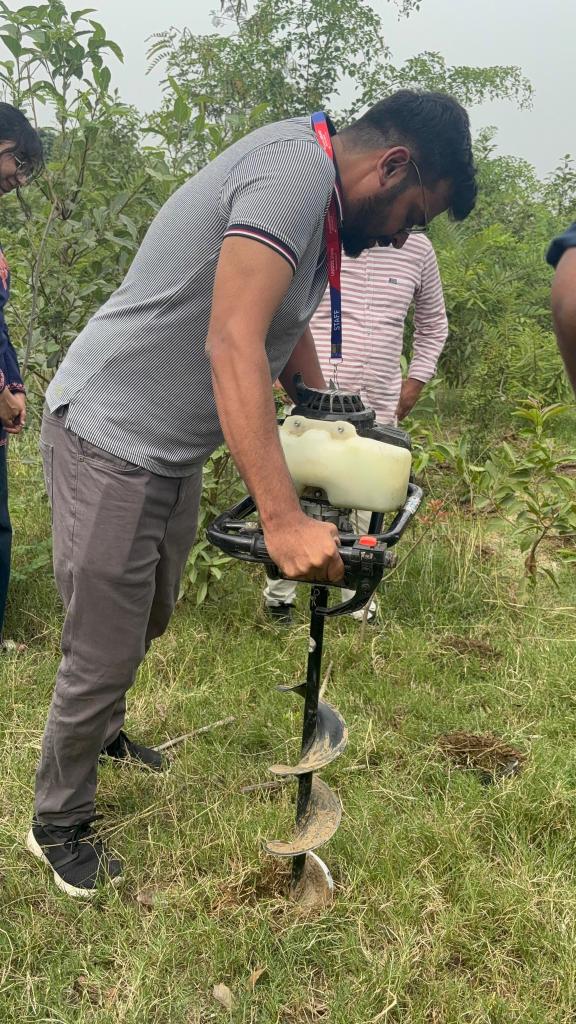
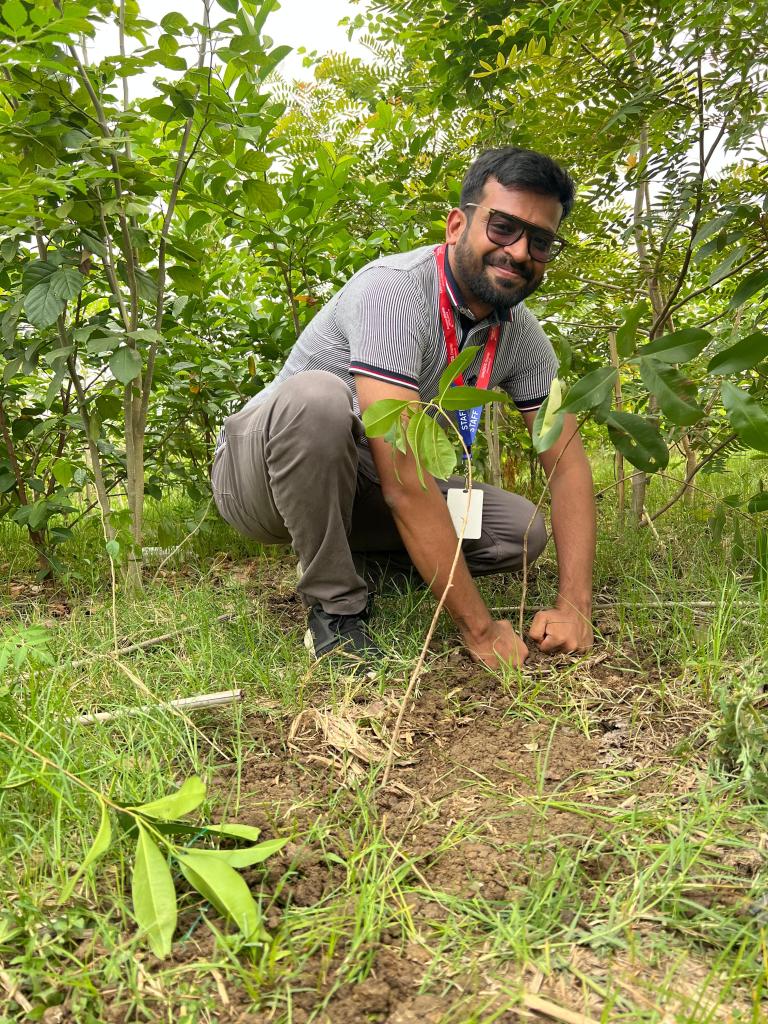
In collaboration with Max Hospital Dwarka, Rise Foundation has successfully planted 1,200 native trees on hospital premises. This green oasis will:

🌳 Absorb pollutants like PM2.5 and CO₂, improving local air quality.
🌳 Lower temperatures and combat the urban heat island effect.
🌳 Support biodiversity, creating a thriving ecosystem in the heart of the city.
🌳 Inspire citizens and businesses to take similar green initiatives.

This afforestation project is a citizen-led revolution proving that change starts from within the community.


A Call to Action: Join the Green Movement!

The air we breathe is a collective responsibility, and it’s time for citizens, corporates, and institutions to step up! You can contribute by:

🌱 Sponsoring Miyawaki forests in your locality.
🌱 Volunteering for tree plantation and maintenance.
🌱 Raising awareness about afforestation and clean air.
🌱 Adopting sustainable habits that reduce carbon footprint.

Let’s reclaim our right to clean air, green spaces, and a healthier future!

Join the movement today! Share this initiative, take action, and let’s create a pollution-free Delhi—one Miyawaki forest at a time! 🌏💚


#Miyawaki #CleanAir #UrbanForests #GreenDelhi #ClimateAction #DelhiNCR #TreePlantation #CarbonSequestration #Sustainability #EcoFriendly #NatureLovers #SaveEnvironment #ActForEarth #PlantMoreTrees #Biodiversity #FutureIsGreen #EnvironmentalImpact #AirPollution #SustainableLiving #RiseFoundation

Rise Foundation’s Miyawaki Forests Changing the Air of Delhi-NCR and UP

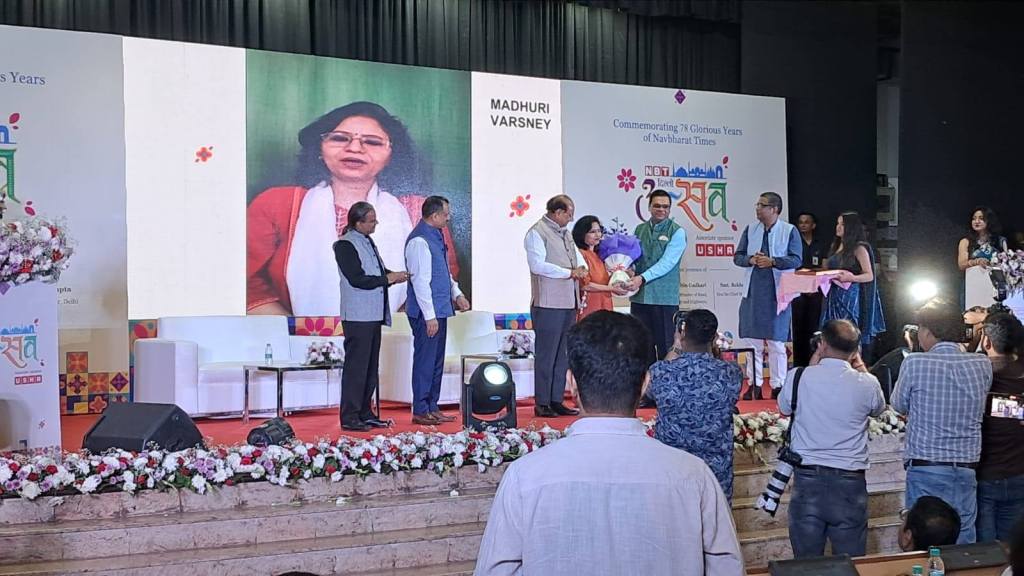
Jagran News Highlights the Inspiring Work of Madhuri and Madhukar Varshney

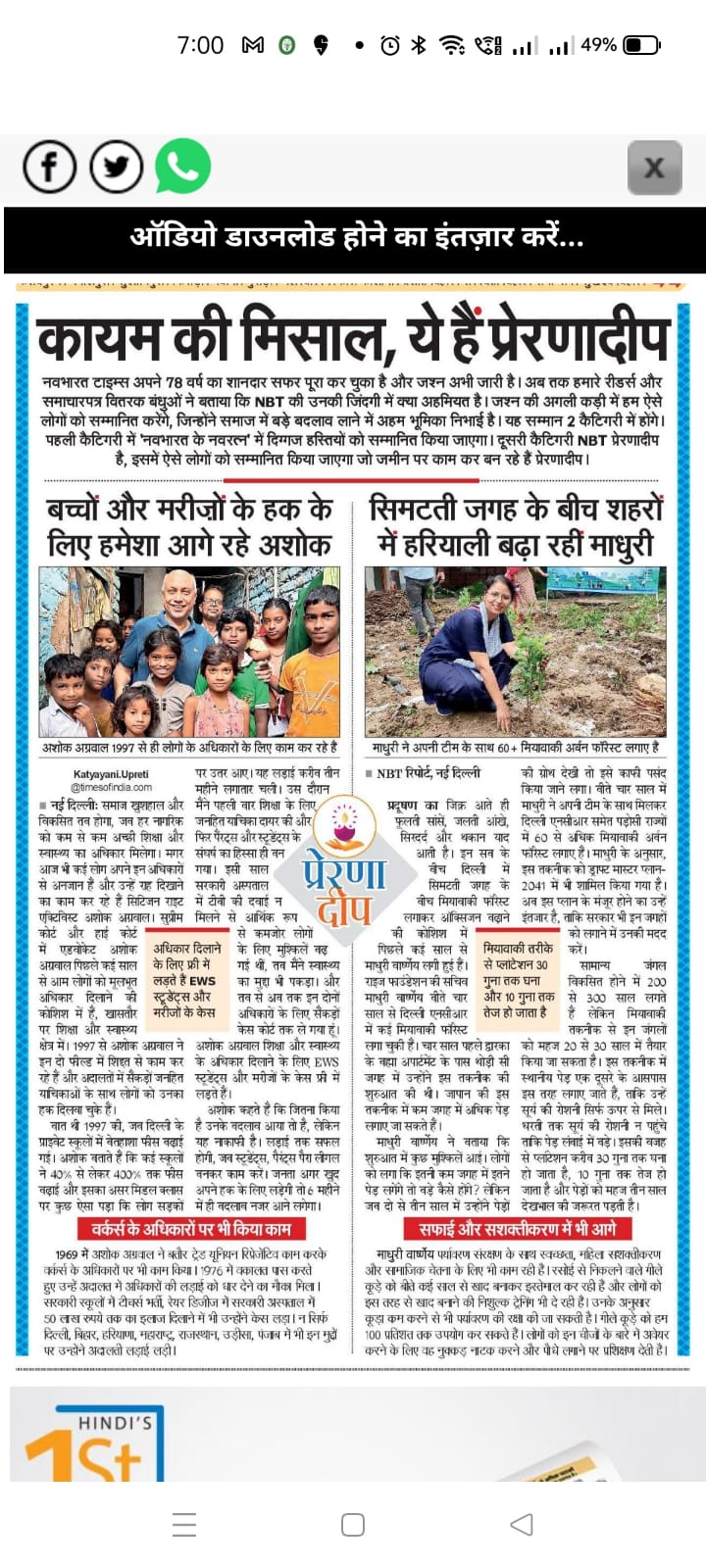
On this Republic Day, Dainik Jagran featured an inspiring story of green revolutionaries—Madhuri and Madhukar Varshney—the visionary couple behind Rise Foundation, who have been on a mission to fight pollution and restore biodiversity through the Miyawaki plantation technique.

🌱 Greener Cities, Healthier Future

The article highlights how the duo, through their foundation, has initiated Miyawaki urban forests across Delhi, Faridabad, and several cities in Uttar Pradesh, making significant strides in combating air pollution and promoting climate action. Over 42,000 trees have already been planted across 60 projects, many of which are situated in government schools and public lands, creating dense micro-forests that are both fast-growing and low-maintenance.

👧🏼 Children, Education & Trees: A Holistic Mission

A unique aspect of Rise Foundation’s work is the integration of environmental education with plantation drives. The article shows how students, like those of Vikaspuri School, are actively participating in these green missions—learning not just how to plant, but why it matters.

Madhuri Varshney is seen educating children on waste management, composting, and the importance of maintaining green spaces, making the initiative deeply community-centric and sustainable.

🌍 A Journey of Devotion & Impact

Their work began as early as 2011, and by 2019, with the adoption of the Miyawaki technique, their movement gained momentum. Even during COVID lockdowns, the Rise team continued to mobilize resources, plant forests, and engage communities safely. Today, their efforts are recognized across Delhi-NCR, Bihar, Haryana, and now, rapidly growing into Uttar Pradesh.

💬 The Jagran article quotes:

“”माधुरी जी और उनके पति ने पर्यावरण के लिए जो लगन और सेवा भाव दिखाया है, वह अन्य लोगों के लिए प्रेरणा का स्रोत है।””


📢 Join the Movement

With the aim to plant 10 million trees by 2030, Rise Foundation invites citizens, corporates, schools, and governments to join hands in this climate-conscious mission.

🪴 One sapling. One child. One future.

#RiseForGreen #MiyawakiMission #DelhiAirAction #CommunityForests

10 Fascinating Facts About Bamboo: The Superplant of the Future 

Bamboo is one of nature’s most versatile and extraordinary plants. Often mistaken for a tree, this fast-growing grass has been a cornerstone of cultures, ecosystems, and industries for centuries. Here’s why bamboo deserves a spotlight in your eco-conscious lifestyle:


1. Bamboo is the Fastest-Growing Plant on Earth

Some bamboo species can grow up to 35 inches (91 cm) in a single day—that’s nearly 1.5 inches per hour! This rapid growth makes it a renewable superstar, capable of regenerating quickly after harvesting.


2. It’s a Grass, Not a Tree

Despite its woody appearance, bamboo belongs to the Poaceae family, the same as lawn grass. Its hollow stems (called “culms”) and lack of secondary growth (like tree rings) classify it as a true grass.


3. Carbon Sequestration Champion

Bamboo absorbs more CO2 than many trees, making it a critical ally in fighting climate change. A bamboo forest can sequester up to 12 tons of CO2 per hectare annually, helping offset carbon emissions.


4. Stronger Than Steel (in Tension)

Bamboo’s tensile strength (resistance to breaking under tension) rivals that of steel, earning it the nickname “green steel.” It’s used in construction for scaffolding, bridges, and even earthquake-resistant buildings.


5. Zero-Waste Wonder

Every part of bamboo is usable:

  • Stalks: Building materials, furniture, and textiles.
  • Leaves: Animal feed or compost.
  • Shoots: A nutritious food source in Asian cuisine.
  • Roots: Prevent soil erosion and stabilize landscapes.

6. The Panda’s Pantry

Giant pandas rely almost exclusively on bamboo for survival, eating up to 30 pounds (14 kg) of bamboo shoots and leaves daily. Protecting bamboo forests is vital for their survival.


7. Natural Antibacterial Properties

Bamboo fiber contains a bio-agent called bamboo kun, which resists bacteria, fungi, and odors. This makes it ideal for eco-friendly clothing, towels, and medical products.


8. Flowering Mysteries

Most bamboo species flower only once every 65–120 years, and many die afterward. This rare phenomenon, called “gregarious flowering,” remains a scientific mystery.


9. Sustainable Alternative to Plastic

Bamboo is replacing single-use plastics in products like straws, cutlery, and packaging. It’s biodegradable, requires no pesticides, and grows without fertilizer.


10. Cultural & Spiritual Significance

In many Asian cultures, bamboo symbolizes resilience, flexibility, and longevity. It’s used in art, music (flutes), festivals, and even as a symbol of friendship in China.


Why Bamboo Matters for the Planet

  • Erosion Control: Its dense root network binds soil, preventing landslides.
  • Water Conservation: Bamboo thrives with minimal water compared to cotton.
  • Biodiversity: Supports countless species, from insects to pandas.
  • Eco-Economy: Provides livelihoods for millions in rural communities.

Final Thought
Bamboo isn’t just a plant—it’s a sustainable revolution. By choosing bamboo products, supporting reforestation, and raising awareness, we can harness this “green gold” to build a greener future. 🌱

#BambooRevolution #SustainableLiving #GreenInnovation #ClimateAction #EcoFriendlyMaterials #ZeroWasteHero #CarbonSequestration #SaveThePandas #RenewableResources #BambooFacts #NatureTech #EcoWarrior #PlantBasedFuture #GreenSteel #SustainableDesign #BambooLife #ConsciousConsumer #GoGreen #EarthFriendly #FutureIsGreen

    5 Ways Bamboo Helps Combat Climate Change

    Bamboo, often referred to as a “wonder plant,” offers remarkable potential in addressing climate change due to its rapid growth and versatility. Here’s how bamboo can contribute to a greener planet:

    1. Exceptional Carbon Absorption
      Bamboo acts as a powerful carbon sink, capturing up to 35% more CO2 than most trees and releasing significant amounts of oxygen. This makes it a valuable resource for reducing greenhouse gases.
    2. Rapid Growth for Reforestation
      Bamboo grows much faster than traditional trees—some species can grow over a meter in a single day. Its speedy growth makes it an excellent option for reforestation and land restoration, quickly replenishing green cover.
    3. Protecting Soil and Preventing Erosion
      The deep and widespread root system of bamboo stabilizes soil, preventing erosion and improving its overall quality. This ability is especially valuable in regions prone to soil degradation or landslides.
    4. Eco-Friendly Alternative to Plastics and Timber
      Bamboo serves as a sustainable substitute for materials like plastic, wood, and steel. Its versatility reduces reliance on environmentally harmful resources, curbing deforestation and plastic pollution.
    5. Resilience to Climate Challenges
      Bamboo thrives in diverse climates and regenerates naturally without replanting. Its ability to adapt and grow in degraded lands makes it a reliable resource for communities facing climate challenges.

    By integrating bamboo into climate action strategies, we can harness its potential to restore ecosystems, reduce carbon emissions, and promote sustainable livelihoods worldwide.

    जलवायु परिवर्तन से लड़ने में बांस कैसे मदद करता है: 5 अनोखे तरीके

    बांस, जिसे अक्सर “चमत्कारी पौधा” कहा जाता है, अपनी तेज़ वृद्धि और बहुआयामी उपयोग के कारण जलवायु परिवर्तन से निपटने में महत्वपूर्ण भूमिका निभा सकता है। आइए जानें बांस कैसे पर्यावरण के लिए फायदेमंद है:

    1. कार्बन अवशोषण में अद्वितीय
      बांस अन्य पौधों की तुलना में 35% अधिक कार्बन डाइऑक्साइड अवशोषित करता है और अधिक मात्रा में ऑक्सीजन छोड़ता है। यह ग्रीनहाउस गैसों को कम करने में अहम भूमिका निभाता है।
    2. तेज़ विकास दर से पुनर्वनीकरण में मदद
      बांस असाधारण तेज़ी से बढ़ता है—कुछ प्रजातियाँ एक दिन में 1 मीटर से अधिक बढ़ सकती हैं। इसकी तेज़ वृद्धि इसे पुनर्वनीकरण और भूमि बहाली के लिए आदर्श बनाती है।
    3. मिट्टी का संरक्षण और कटाव रोकना
      बांस की जड़ें गहराई तक फैलती हैं, जिससे यह मिट्टी को स्थिर रखता है और कटाव को रोकता है। यह उन इलाकों में बेहद उपयोगी है जहां मिट्टी का क्षय या भूस्खलन का खतरा अधिक होता है।
    4. प्लास्टिक और लकड़ी का पर्यावरण अनुकूल विकल्प
      बांस प्लास्टिक, लकड़ी और स्टील जैसे सामग्रियों का टिकाऊ विकल्प है। इसका उपयोग वनों की कटाई और प्लास्टिक प्रदूषण को कम करने में मदद करता है।
    5. जलवायु चुनौतियों से लड़ने की क्षमता
      बांस विभिन्न जलवायु परिस्थितियों में फलता-फूलता है और बिना पुन: रोपण के प्राकृतिक रूप से फिर से उग जाता है। इसकी यह विशेषता इसे उन समुदायों के लिए उपयोगी बनाती है जो जलवायु संकट का सामना कर रहे हैं।

    जलवायु परिवर्तन से निपटने की योजनाओं में बांस को शामिल करके, हम पारिस्थितिकी तंत्र को बहाल कर सकते हैं, कार्बन उत्सर्जन को कम कर सकते हैं, और टिकाऊ जीवनशैली को बढ़ावा दे सकते हैं।

    2/2

    Waste Management Education: Empowering Young Eco-Warriors

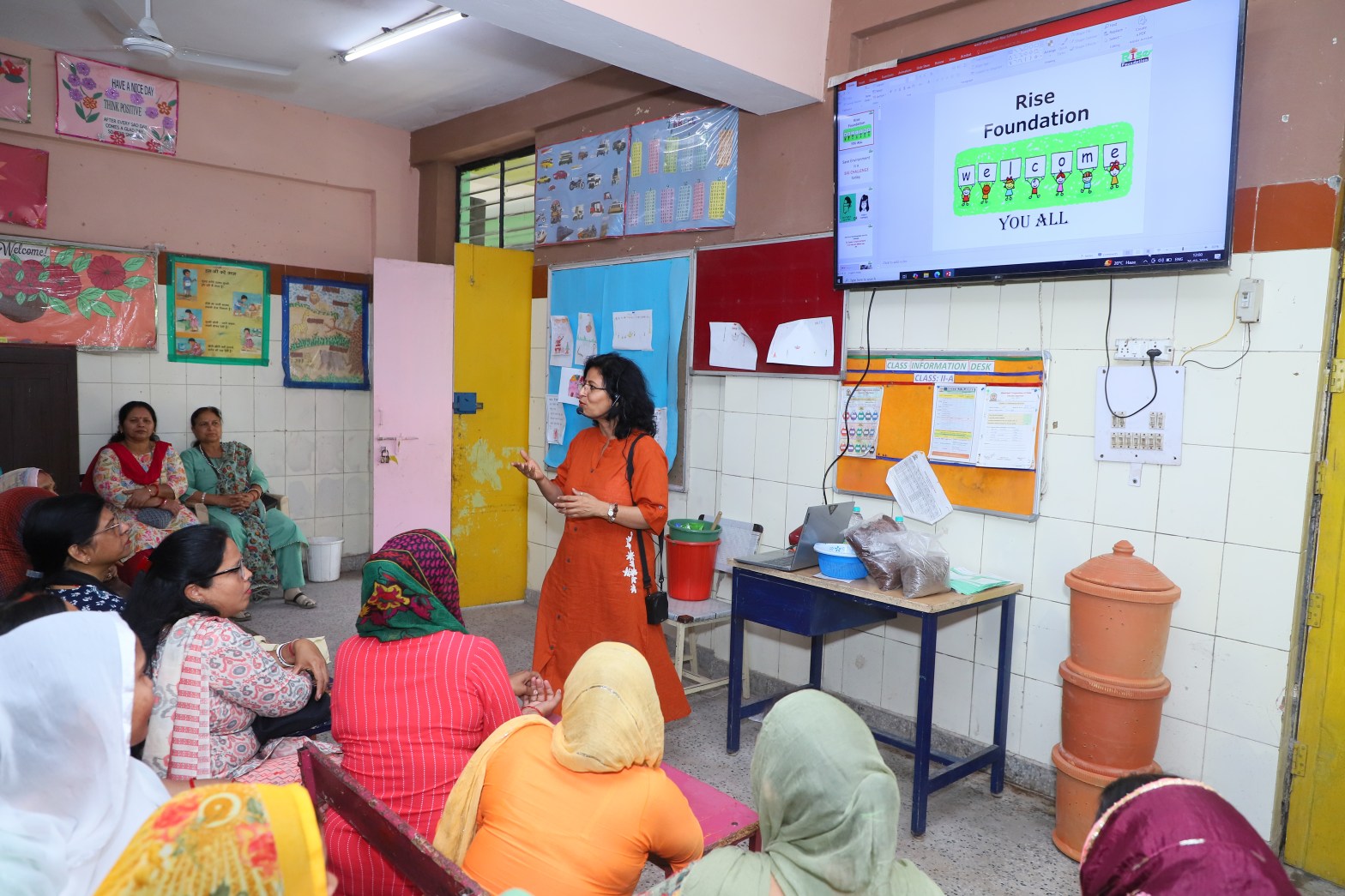
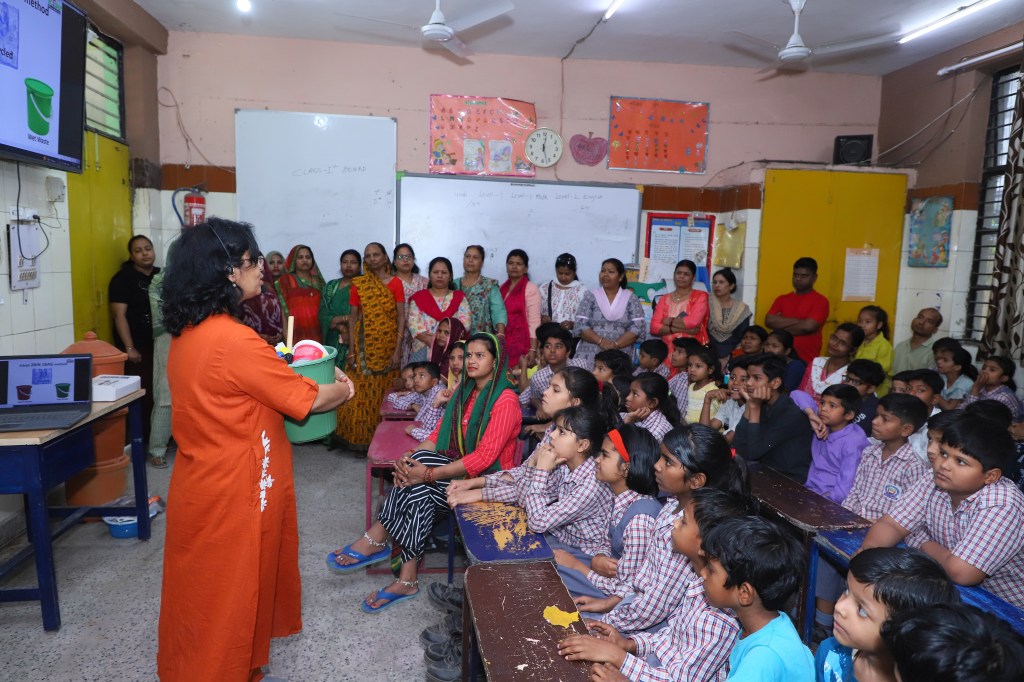
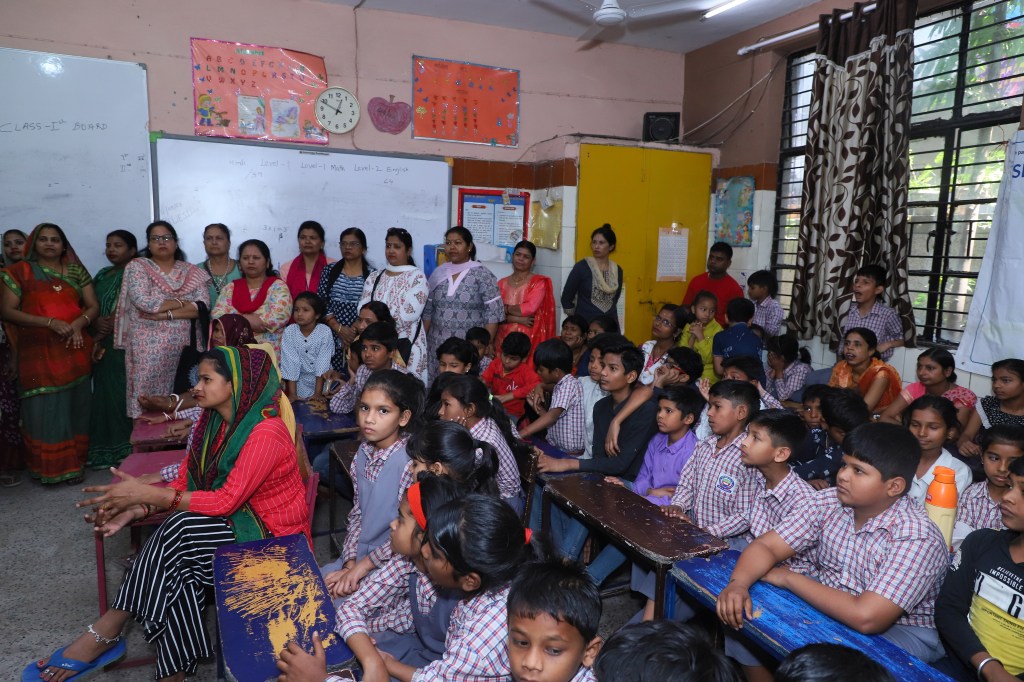
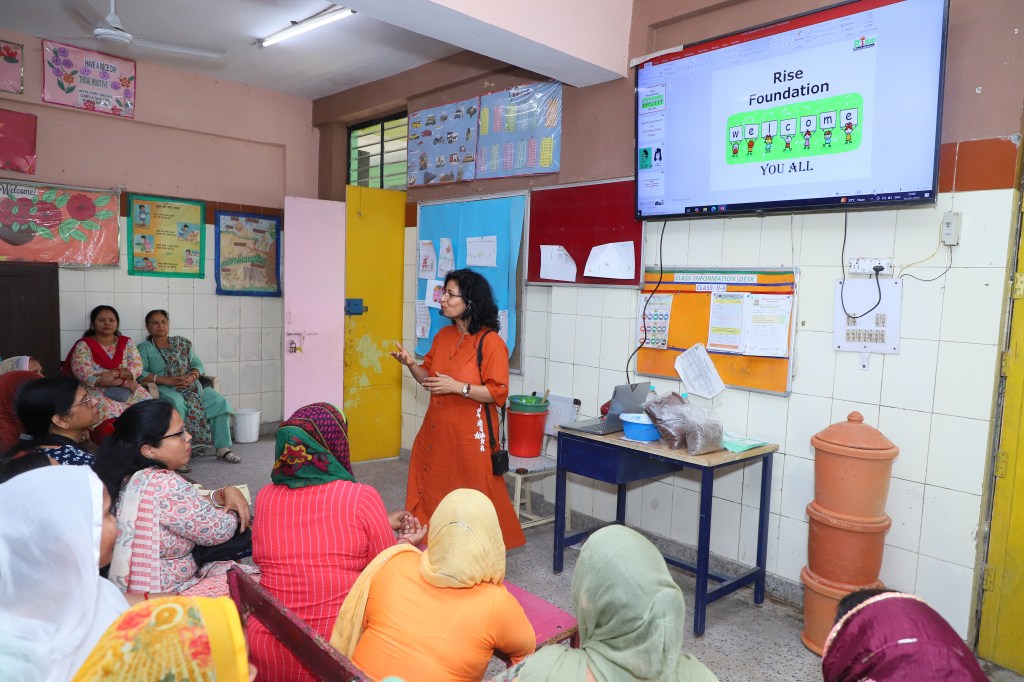
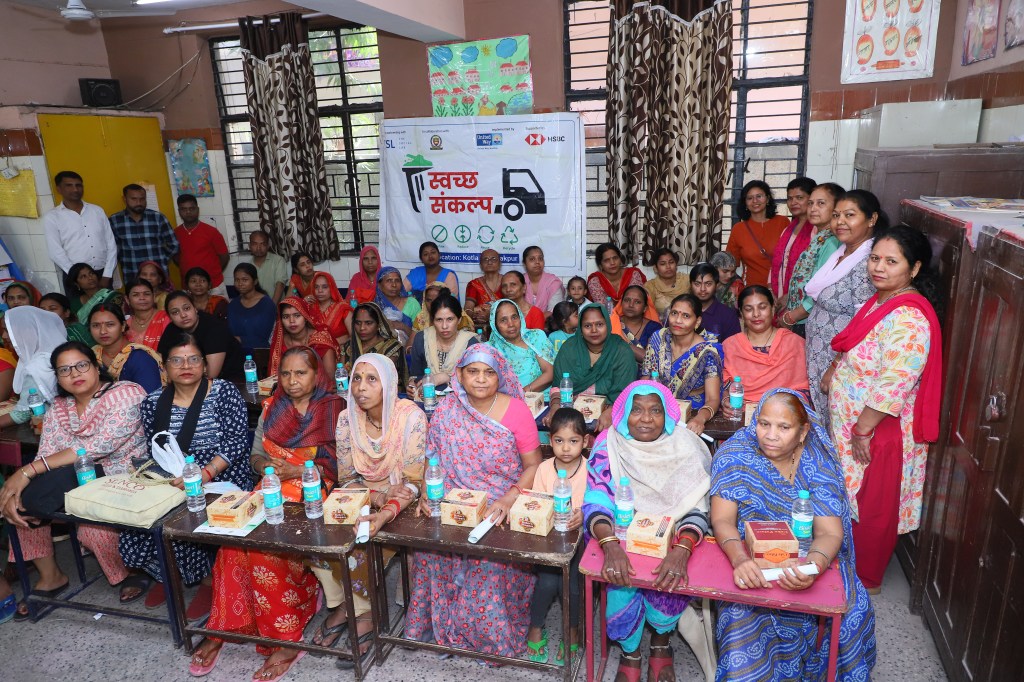
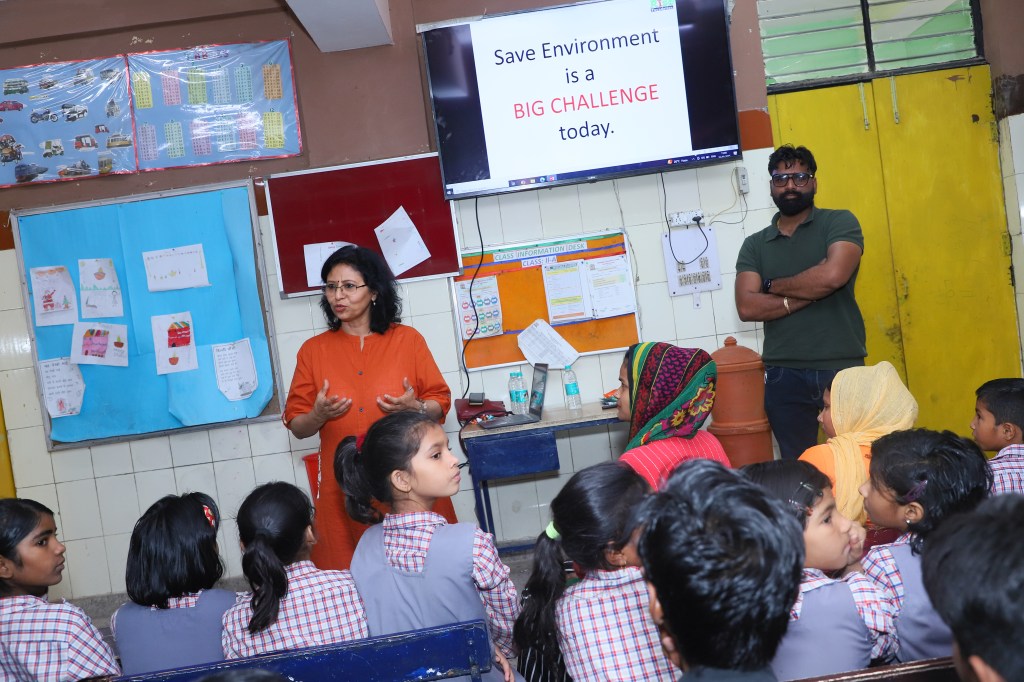
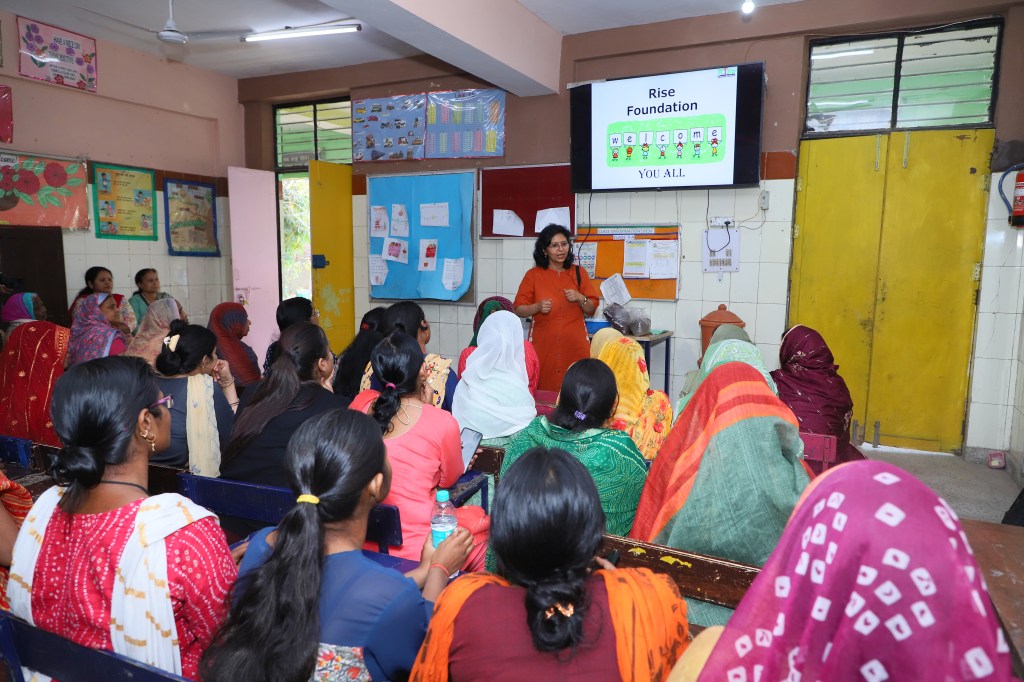
    On 20th Dec 2024, Madhuri Varshney, a key member of Rise Foundation, conducted an insightful session on Waste Management at NDMC Seva Nagar School as part of our ongoing efforts in Climate Change Mitigation Education. This initiative is aimed at instilling sustainable habits and environmental responsibility in young minds.

    The interactive session engaged students in understanding the critical aspects of managing waste effectively, including:
    🌱 Segregation at Source: The importance of separating biodegradable, recyclable, and non-recyclable waste.
    🌱 Reduce, Reuse, Recycle: Practical tips for minimizing waste and reusing materials creatively.
    🌱 Composting: Turning organic waste into valuable compost to enrich soil health.
    🌱 Impact on Climate Change: How responsible waste management can reduce greenhouse gas emissions and protect the environment.

    Students enthusiastically participated in hands-on activities, group discussions, and a Q&A session, leaving them motivated to act as young eco-warriors in their communities.

    We believe that education is the cornerstone of change, and empowering the next generation with knowledge is crucial for addressing climate challenges. Together, we can pave the way for a sustainable future.

    A huge thank you to NDMC Seva Nagar School for their collaboration. We also appreciate Madhuri Varshney’s inspiring leadership in this impactful session!

    #RiseFoundation #WasteManagement #ClimateEducation #Sustainability #ClimateAction #EnvironmentalAwareness #GreenInitiatives #YouthForClimate #EcoWarriors #SustainableFuture #ReduceReuseRecycle #Composting #WasteSegregation #ClimateChangeMitigation #EducationForChange #NDMC #CommunityEngagement #EnvironmentProtection #ActOnClimate #GreenSchools #SaveThePlanet

    50 Miyawaki Afforestation Projects Completed by Rise Foundation!

    In the face of climate challenges, restoring ecosystems is more critical than ever. At Rise Foundation, we are proud to announce the completion of 50 Miyawaki Afforestation projects across various parts of India, planting over 40,000 native trees that are paving the way for a greener, more resilient future.

    The Miyawaki method, known for its rapid forest growth, biodiversity support, and carbon sequestration potential, has been the cornerstone of our mission to combat urban pollution and restore degraded ecosystems.

    Impact Highlights:

    40,000+ Native Trees Planted: Supporting biodiversity, improving air quality, and creating microhabitats for insects, birds, and animals.
    Across India: From urban spaces to rural lands, these forests are flourishing as lungs for their regions.
    Carbon Sequestration: Absorbing carbon dioxide and helping mitigate climate change.
    Community Involvement: Empowering local communities, schools, and volunteers to participate in the journey toward sustainability.

    These forests not only restore nature but also cultivate hope in times of climate uncertainty. As these native trees grow into dense forests, they will serve as powerful tools for climate resilience, air purification, and biodiversity preservation.

    We extend our heartfelt gratitude to all our donors, volunteers, and partners who have made this journey possible. Together, we are not just planting trees but nurturing ecosystems and a sustainable future.

    Let’s keep growing together—one tree at a time! 🌍

    For more information call us at +91 9717764262 or email: mail2risefoundation@gmail.com

    #MiyawakiAfforestation #RiseFoundation #ClimateAction #BiodiversityConservation #UrbanForests #NativeTrees #Sustainability #EnvironmentProtection

    How to keep safe newly plantation in winter of Delhi/ North India?

    🌱 Protecting New Plantations During Delhi’s Winter ❄️

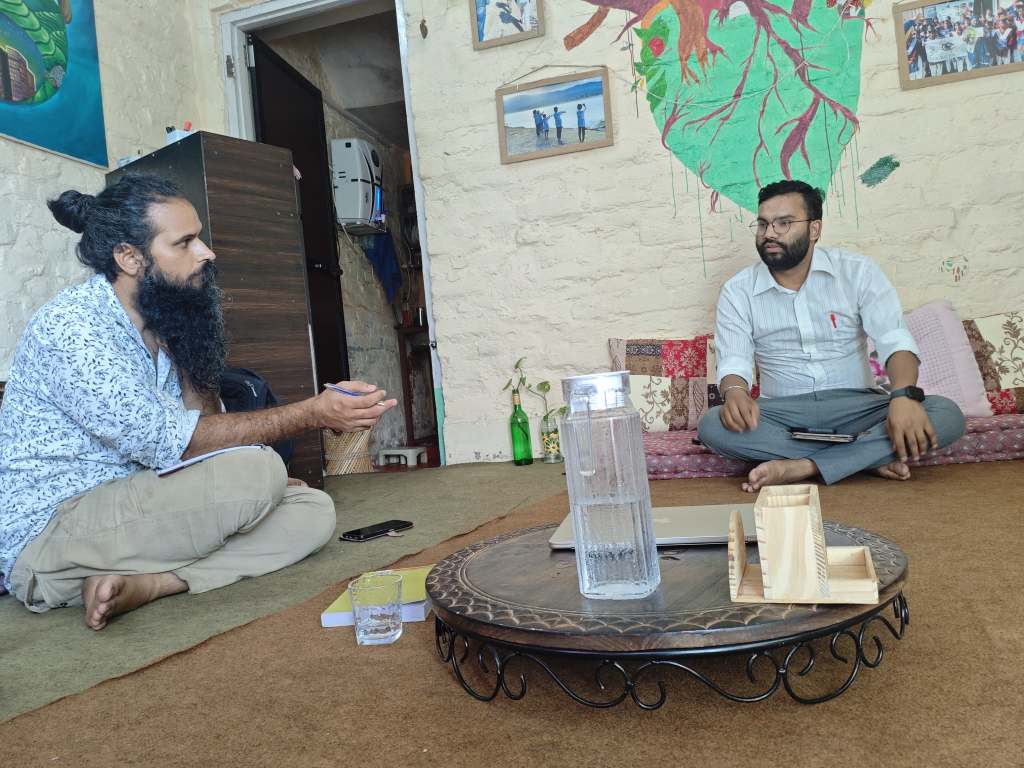
    An insightful discussion with Mr. Madhukar Varshney, Founder of Rise Foundation, and Mr. Inderjeet Singh, exploring practical ways to ensure the safety and survival of newly planted saplings in Miyawaki Afforestation during Delhi’s chilly winters. Here’s what they shared:


    🌿 Key Recommendations:

    1️⃣ Mulching: Applying organic mulch like dry leaves or straw around saplings to retain warmth and moisture.
    2️⃣ Watering in Early Morning: Hydrating plants early to prevent frost damage overnight.
    3️⃣ Frost Protection: Using jute sacks or frost blankets to cover saplings during extreme cold ( applicable for high altitude and hilly areas in North India) .
    4️⃣ Windbreaks: Setting up bamboo mats or plastic shields to guard against cold winds. Use bamboo sticks to support delicate saplings against strong winter winds.
    5️⃣ Monitoring and Maintenance: Regular checks to prune frost-damaged parts and ensure proper care.

    Mulching and supporting plants

    Fencing of site for protection from Cold Winds


    🌍 “Every sapling saved today strengthens our ecosystem for tomorrow,” said Mr. Varshney, emphasizing the need for proactive efforts.

    Let’s join hands to nurture these green lungs and create a sustainable future! 🌳

    #MiyawakiAfforestation #WinterCare #NewPlantations #RiseFoundation #Sustainability #ClimateAction #DelhiWinters

    𝐄𝐥𝐞𝐜𝐭𝐫𝐢𝐜 𝐁𝐢𝐤𝐞 𝐯𝐬. 𝐏𝐞𝐭𝐫𝐨𝐥 𝐁𝐢𝐤𝐞: 𝐀 𝐒𝐭𝐫𝐞𝐞𝐭 𝐂𝐡𝐚𝐭 𝐨𝐧 𝐒𝐮𝐬𝐭𝐚𝐢𝐧𝐚𝐛𝐢𝐥𝐢𝐭𝐲 𝐚𝐧𝐝 𝐒𝐚𝐯𝐢𝐧𝐠𝐬!

    Simple , yet powerful steps for sustainable Living.
    🚴‍♂️ 🚴‍♀️

    While strolling down the street, I struck up an interesting conversation with someone about electric bikes (e-bikes) versus petrol bikes for local commutes. Here’s what we realized together:

    🌱 𝐒𝐮𝐬𝐭𝐚𝐢𝐧𝐚𝐛𝐢𝐥𝐢𝐭𝐲
    𝐄𝐥𝐞𝐜𝐭𝐫𝐢𝐜 𝐁𝐢𝐤𝐞: Zero tailpipe emissions, reduced carbon footprint, and less noise pollution. A clear win for the environment!
    𝐏𝐞𝐭𝐫𝐨𝐥 𝐁𝐢𝐤𝐞: Relies on fossil fuels, contributes to air pollution, and has a higher environmental cost in terms of emissions.
    💸 𝐂𝐨𝐬𝐭 𝐄𝐟𝐟𝐢𝐜𝐢𝐞𝐧𝐜𝐲
    𝐄𝐥𝐞𝐜𝐭𝐫𝐢𝐜 𝐁𝐢𝐤𝐞: With minimal maintenance costs and electricity being cheaper than petrol, it’s the wallet-friendly choice in the long run. 4-5 hours to full charge the battery. Per full charge runs 40Kms odd distance. The approx cost will be Rs 10-30.
    𝐏𝐞𝐭𝐫𝐨𝐥 𝐁𝐢𝐤𝐞: Higher fuel costs and frequent servicing needs add up quickly, making it more expensive for daily local rides. Current cost of Petrol is around 95Rs per ltr. Average distance 50-60Kms per ltr.
    🚀 𝐂𝐨𝐧𝐜𝐥𝐮𝐬𝐢𝐨𝐧
    For short, local rides, electric bikes are a no-brainer! They’re not just better for the planet but also kinder to your budget. Conversations like this remind us how small choices can have big impacts. 🌍

    What’s your pick for a local commute—electric or petrol? Share your thoughts below! 👇

    hashtag#ElectricBike hashtag#SustainableLiving hashtag#EcoFriendly hashtag#PetrolBike hashtag#Sustainability hashtag#GreenTransportation hashtag#CostEfficiency hashtag#UrbanCommute hashtag#GoGreen hashtag#EnvironmentFirst hashtag#EVRevolution hashtag#SaveMoney hashtag#CarbonFootprint hashtag#LocalRides hashtag#CleanEnergy hashtag#ElectricVehicles hashtag#BikeLife hashtag#EcoWarrior hashtag#FutureOfMobility hashtag#ClimateAction

    Rishikesh’s First Miyawaki Afforestation Project at GIC School: A Step Towards Sustainable Green Spaces

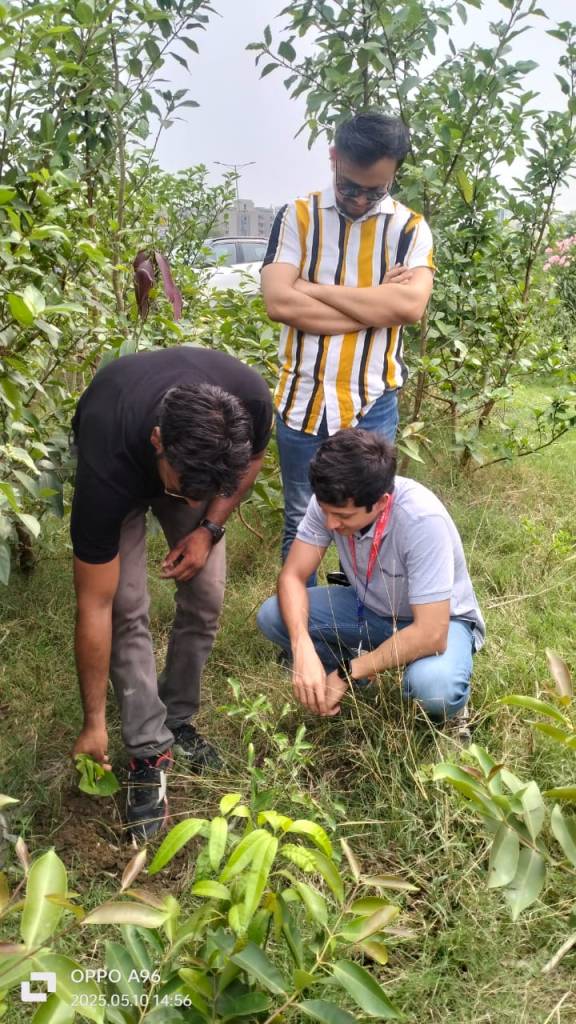
    Rishikesh has taken a bold step toward combating climate change and restoring green cover with the completion of its first Miyawaki afforestation project at GIC School, Laxman Jhula. Led by Rise Foundation, in partnership with Taoveda Foundation, City Bird Rides, and Heal Ayurveda, this initiative marks a significant milestone for environmental conservation and education in the region.

    What is the Miyawaki Method?

    The Miyawaki method is an innovative afforestation technique that accelerates forest growth by planting a diverse mix of native species in densely packed clusters. Developed by Japanese botanist Dr. Akira Miyawaki, this method ensures rapid growth—10 times faster than traditional methods—and helps create self-sustaining forests within a few years. These mini-forests play a crucial role in improving air quality, boosting biodiversity, and capturing more carbon to fight climate change.

    Miyawaki Afforestation at GIC School, Rishikesh: Why it Matters

    The Miyawaki afforestation project at GIC School, Laxman Jhula is more than just a tree-planting initiative. It is an investment in the future of Rishikesh’s environment and its younger generations. This newly established forest will not only enrich the natural landscape but also provide invaluable learning opportunities for students, teachers, and the community.

    Key Benefits of Miyawaki Afforestation for Schools:

    1. Environmental Education for Students:
      By witnessing the forest’s growth, students will gain hands-on experience in biodiversity, sustainability, and the role of green spaces in climate change mitigation. The forest will act as a living classroom, fostering eco-conscious values among the younger generation.
    2. Improved Air Quality:
      The dense planting of trees will help absorb pollutants and carbon dioxide, significantly improving air quality around the school. This clean air will contribute to a healthier environment for students and local residents alike.
    3. Mental and Physical Well-being:
      Green spaces in schools have been proven to enhance mental health, reduce stress, and improve overall well-being. The presence of a thriving forest will provide a calming, natural environment that supports learning and development.
    4. Climate Change Mitigation:
      The project directly contributes to mitigating the impacts of climate change by creating a resilient, green ecosystem that absorbs carbon and promotes biodiversity. It’s a small forest with a big impact, helping to make Rishikesh more climate-resilient.

    A Collaborative Effort for a Greener Rishikesh

    The success of this project wouldn’t have been possible without the collaborative efforts of various organizations. Rise Foundation, Taoveda Foundation, City Bird Rides, and Heal Ayurveda worked together to make this vision a reality, combining their expertise in environmental conservation, logistics, and sustainable health practices.

    • Rise Foundation took the lead in designing and implementing the project, emphasizing its environmental benefits.
    • Taoveda Foundation contributed to community engagement and ecological awareness.
    • City Bird Rides provided essential logistical support to ensure the smooth execution of the project.
    • Heal Ayurveda focused on the healing potential of the native species planted, promoting both environmental and human well-being.

    Long-Term Impact on Rishikesh and Beyond

    This Miyawaki forest is just the beginning. The project’s success opens the door for more such initiatives across Rishikesh and other parts of Uttarakhand. As green patches multiply, they will contribute to a larger network of sustainable, eco-friendly spaces, helping the state maintain its natural beauty and fight the growing threat of climate change.

    Rise Foundation and its partners are already planning to expand this project to other schools and communities, ensuring that more people can benefit from these fast-growing forests. By focusing on urban and semi-urban areas, these efforts will help alleviate the pressure on Uttarakhand’s natural forests and contribute to the state’s overall climate resilience.

    A Community-Driven Initiative

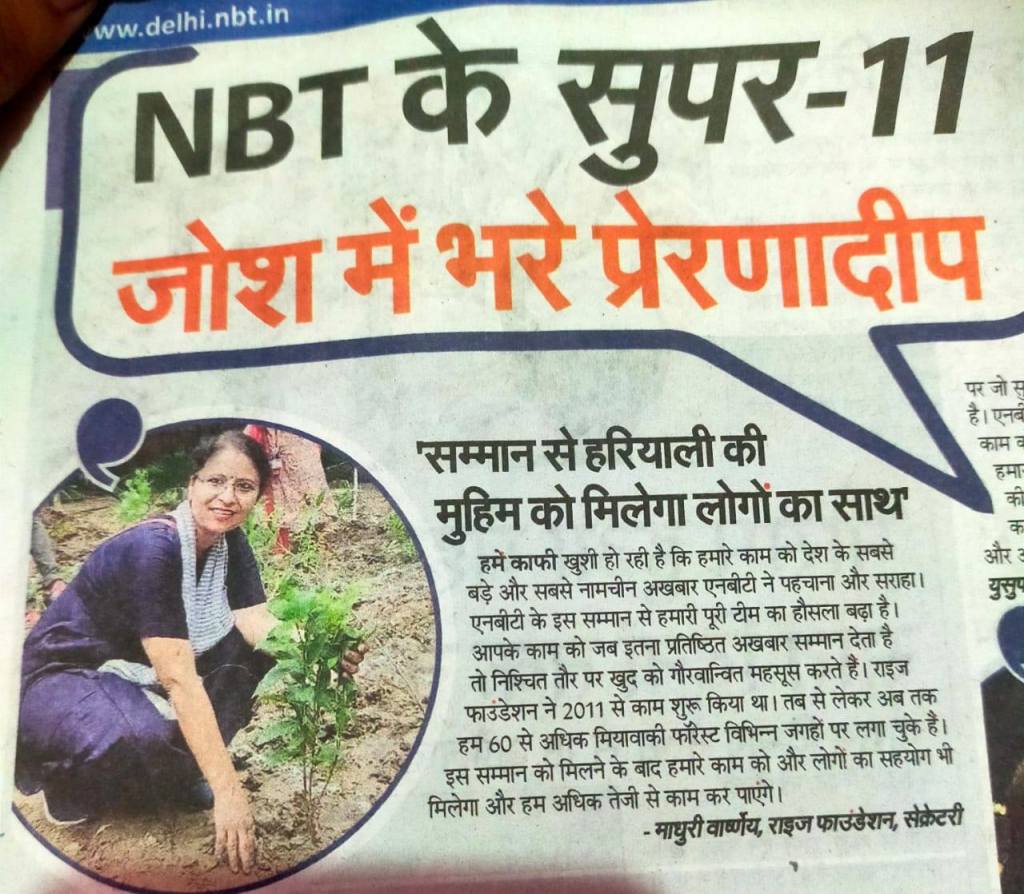
    The Miyawaki afforestation project at GIC School has galvanized the local community, inspiring students, teachers, and residents to get involved. The school’s involvement demonstrates that small actions, when taken collectively, can have a powerful impact on the environment. This project showcases how community-driven efforts can be an integral part of climate action, engaging everyone from young students to local stakeholders.
    Conclusion: A Greener Future for Rishikesh

    The completion of Rishikesh’s first Miyawaki afforestation project at GIC School, Laxman Jhula, is a testament to the power of collaboration and innovation in the fight against climate change. By creating green spaces that benefit both the environment and the community, we are taking a critical step toward a more sustainable and climate-resilient future for Rishikesh.

    With continued efforts from Rise Foundation, Taoveda Foundation, City Bird Rides, Heal Ayurveda, and the local community, we are confident that this is just the beginning of a greener, healthier, and more sustainable Uttarakhand.

    Greening Kishangarh: Rise Foundation’s Miyawaki Forest to Combat Air Pollution and Climate Change

    The fight against climate change and air pollution requires innovative, community-driven solutions. Rise Foundation has taken a significant step towards this goal by introducing a Miyawaki afforestation project at MCD School Kishangarh, New Delhi. This initiative Say Greens aims to create a thriving green patch, contributing to cleaner air, biodiversity enhancement, and climate change mitigation.

    What is Miyawaki Afforestation?

    The Miyawaki method, named after Japanese botanist Akira Miyawaki, is a unique approach to growing dense, native forests in a short period. This method involves planting a variety of indigenous species closely together, which promotes faster growth, resilience, and ecological balance. The result is a dense, multi-layered forest that develops in just a few years, mimicking a natural forest ecosystem that would typically take decades to form.

    Why MCD School Kishangarh?

    MCD School Kishangarh, situated in New Delhi, represents an ideal location for Miyawaki afforestation. Like much of the city, this area faces severe air pollution, primarily due to vehicular emissions, construction dust, and industrial pollutants. By establishing a green patch in the school’s vicinity, the Rise Foundation aims to provide cleaner air for the students and nearby residents, while also creating an educational opportunity for young minds to learn about the environment and the importance of trees.

    Impact on Air Quality and Climate Change

    The Miyawaki forest at Kishangarh will beautify the landscape. It will also play a crucial role in improving air quality. Trees are nature’s air purifiers; they absorb carbon dioxide, release oxygen, and filter harmful pollutants from the air. With dense plantation, this afforestation effort will:

    • Reduce Air Pollution: The closely planted native trees will effectively capture pollutants, thereby helping to reduce the overall pollution levels in the area.
    • Combat Climate Change: The Miyawaki forest will sequester carbon dioxide, a major greenhouse gas, thus contributing to the mitigation of climate change. Over time, the carbon sequestration potential of this small forest will increase, providing long-term environmental benefits.
    • Increase Biodiversity: By planting a diverse mix of native species, the project will support local biodiversity, providing a habitat for birds, insects, and other small creatures, and contributing to a balanced urban ecosystem.

    Community Involvement and Education

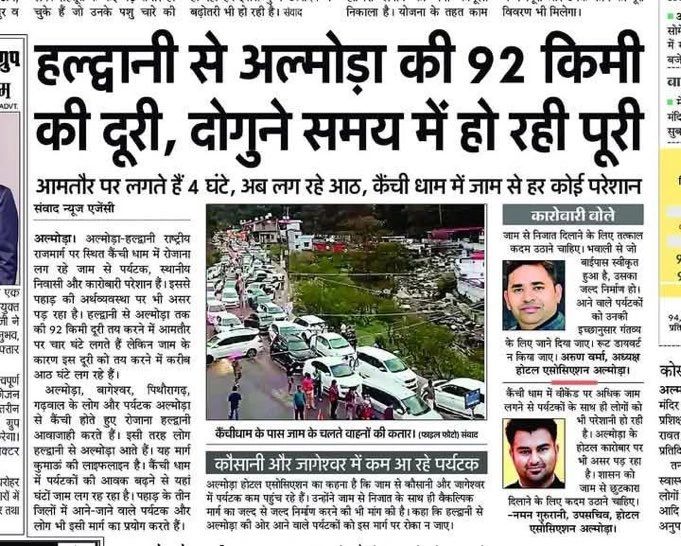
    One of the core values of Rise Foundation is community engagement. The Miyawaki afforestation project at MCD School Kishangarh involves active participation from students, teachers, and local residents. By involving the community in the planting process, we foster a sense of ownership and responsibility towards the environment. The students are encouraged to participate, learn, and take care of the trees, transforming the afforestation site into a living classroom where they can witness first-hand the growth and benefits of the forest.

    The Road Ahead

    This Miyawaki afforestation initiative is just the beginning. Rise Foundation aims to replicate similar projects across other parts of New Delhi and beyond, with the vision of creating green lungs in urban areas and promoting climate resilience. With every sapling planted, we move closer to our goal of a greener, healthier environment for all.
    How You Can Help

    Community involvement is key to the success of such initiatives. You can contribute by volunteering your time, donating resources, or simply spreading the word about the importance of afforestation in fighting climate change and air pollution. Together, we can create a sustainable future for our city and our planet.

    Join us in our journey to make New Delhi greener—one Miyawaki forest at a time.

    For more information on how to get involved, please visit Rise Foundation’s website or follow us on social media Instagram for updates on our ongoing and upcoming projects.

    For more information , feel free to contact us at +91 9717764262 or email at mail2risefoundation@gmail.com