Unidos Exports Joins Hands with Rise Foundation for a Greener Faridabad

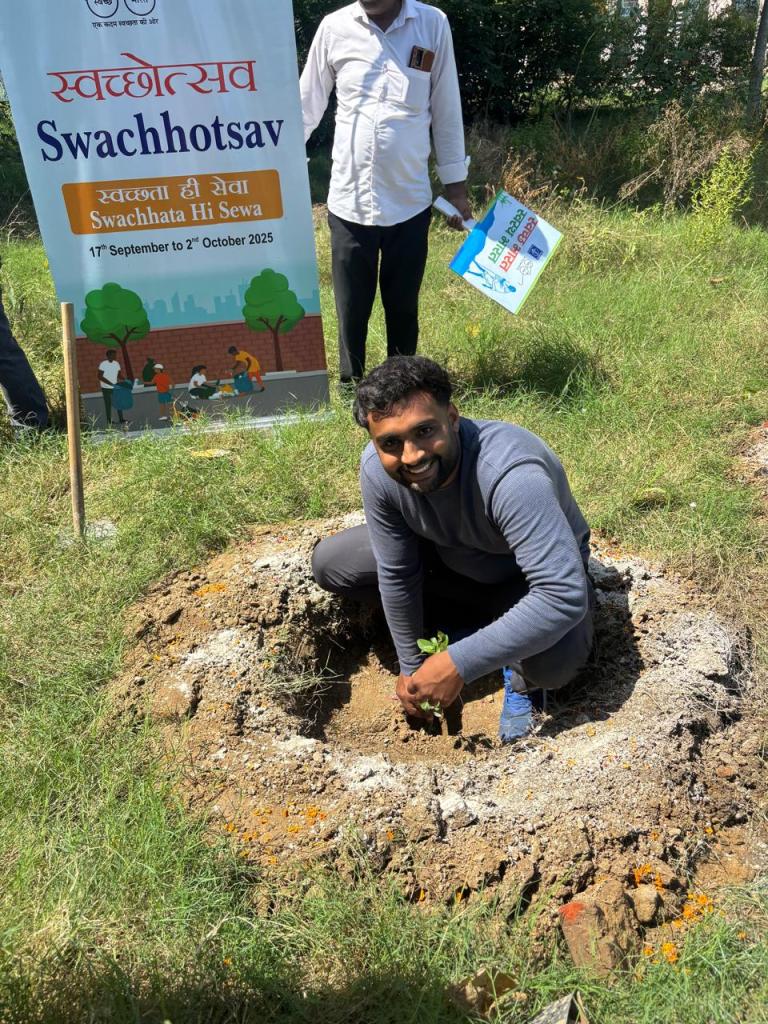
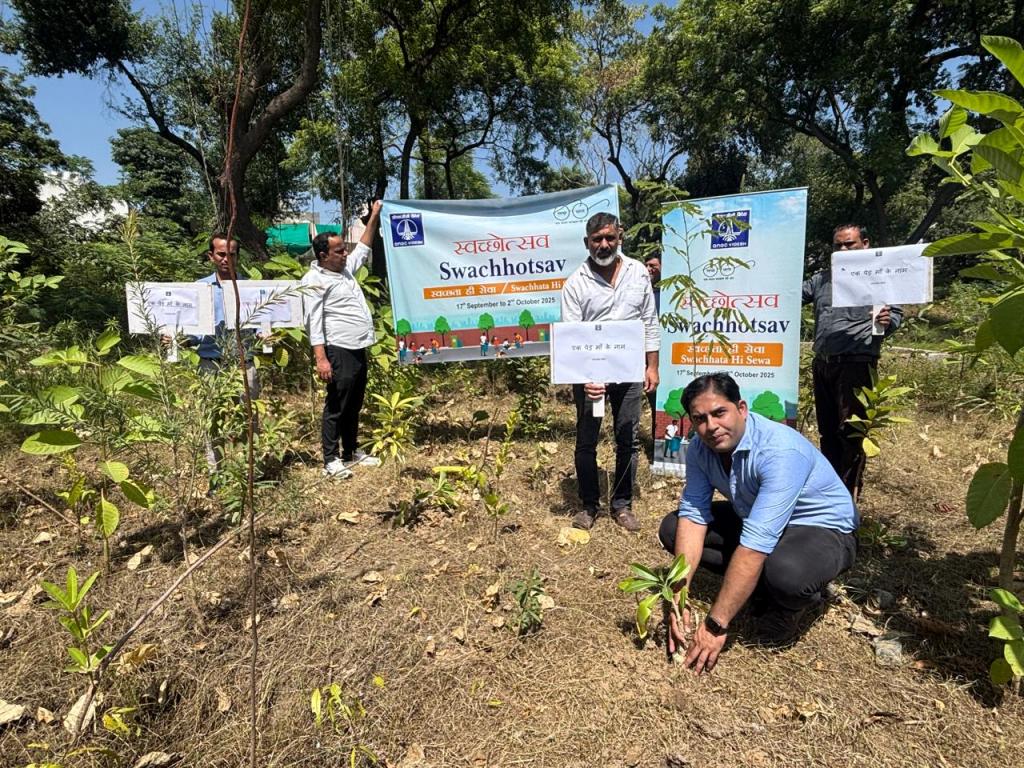
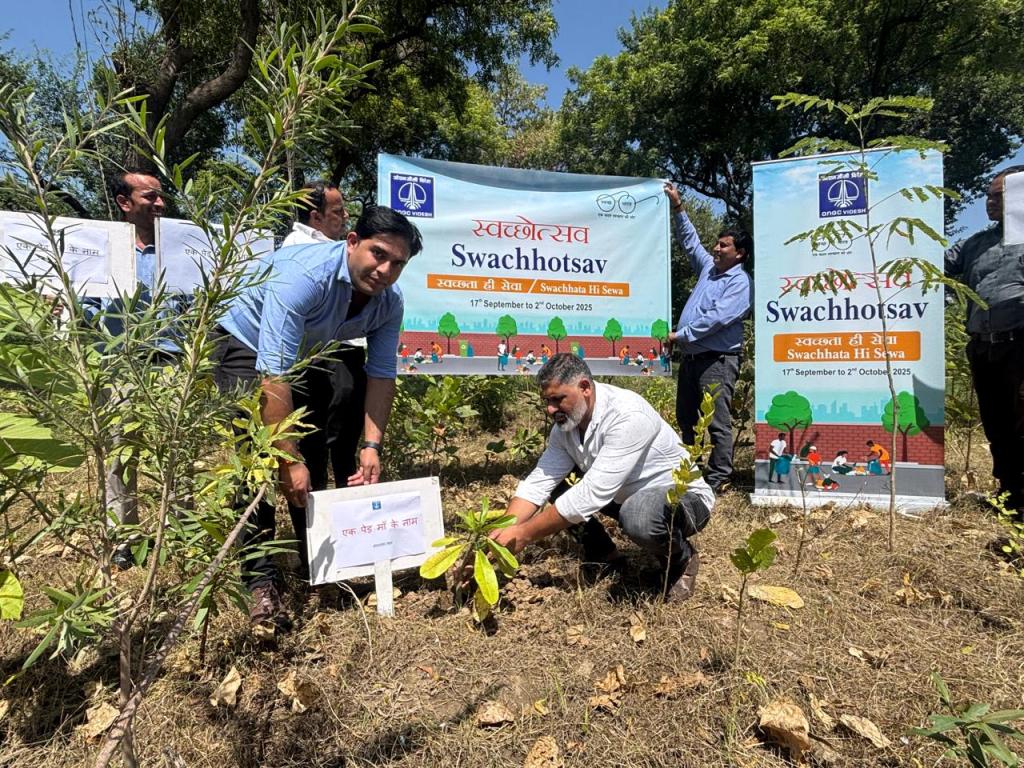
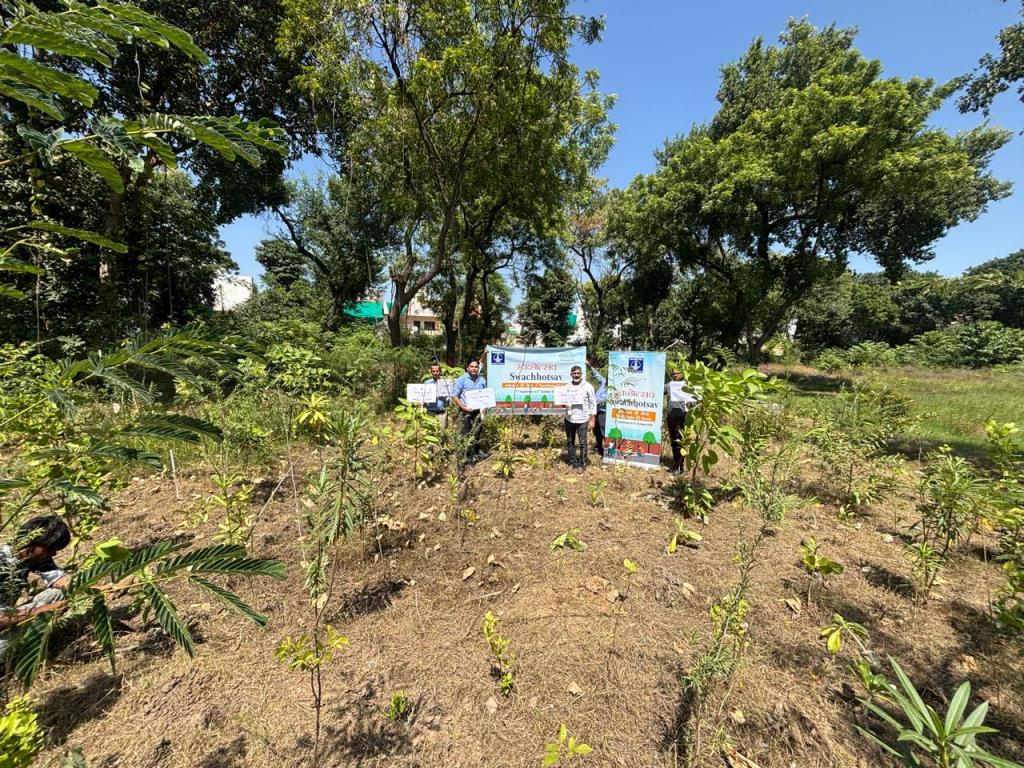
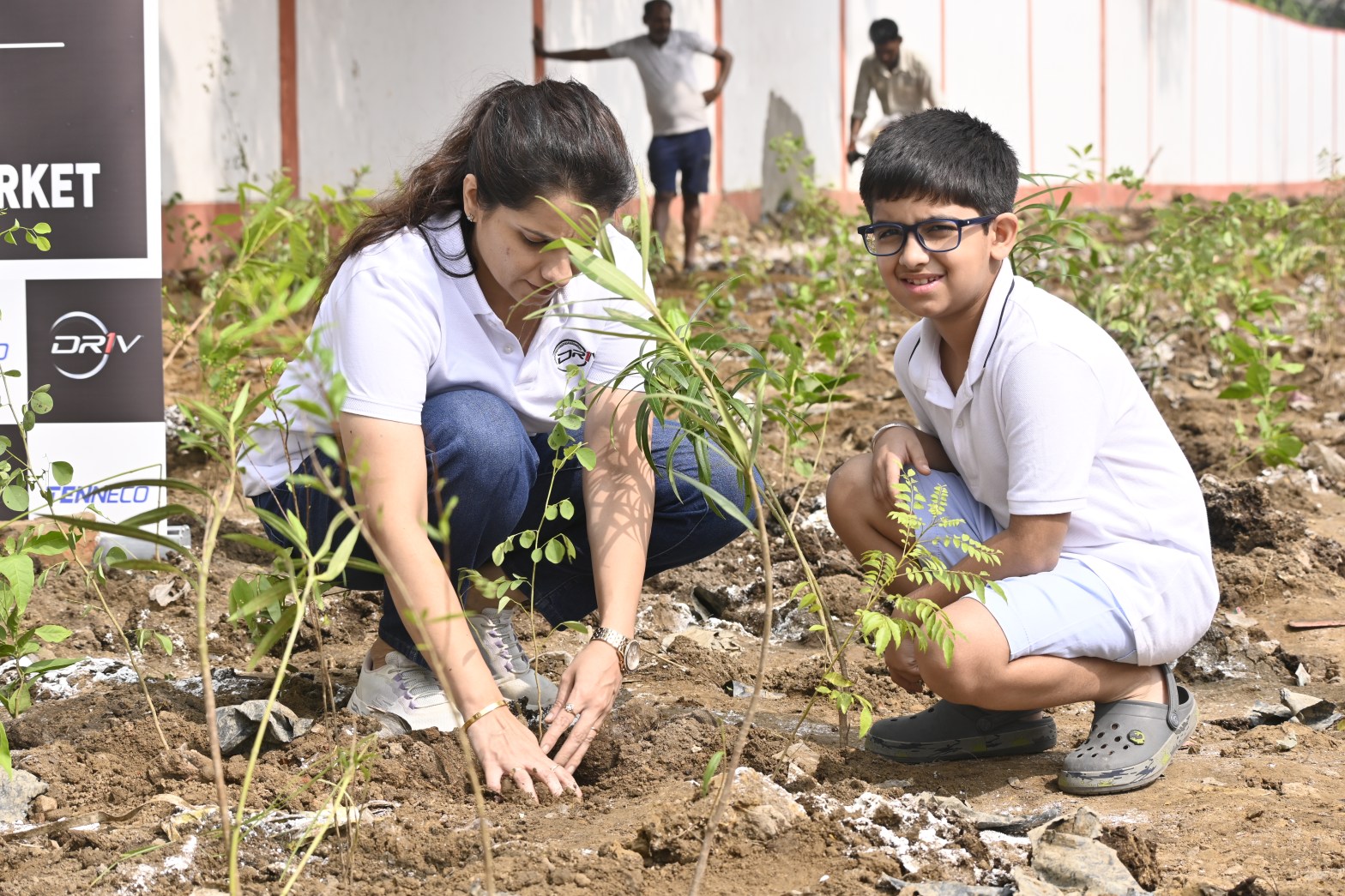
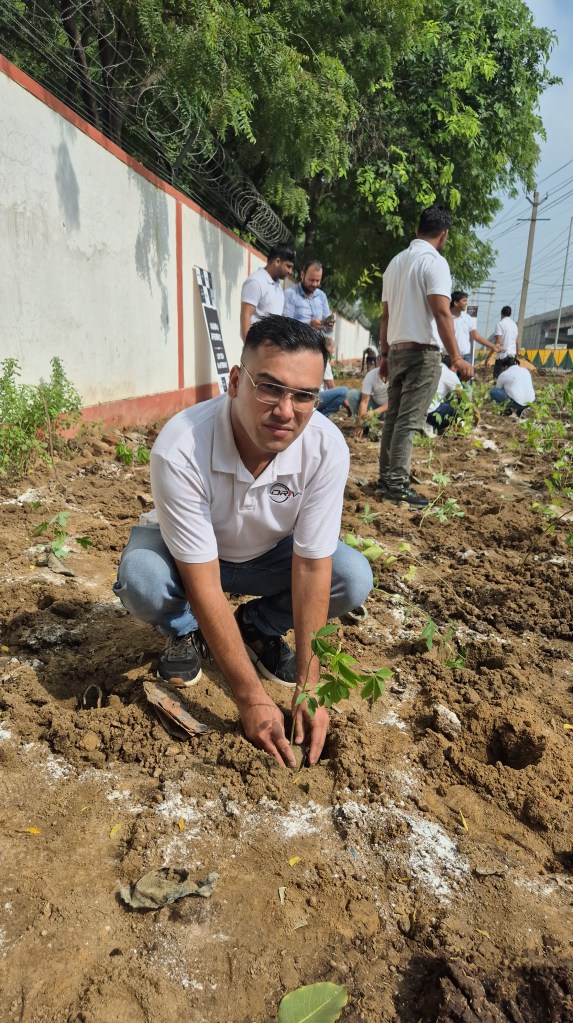
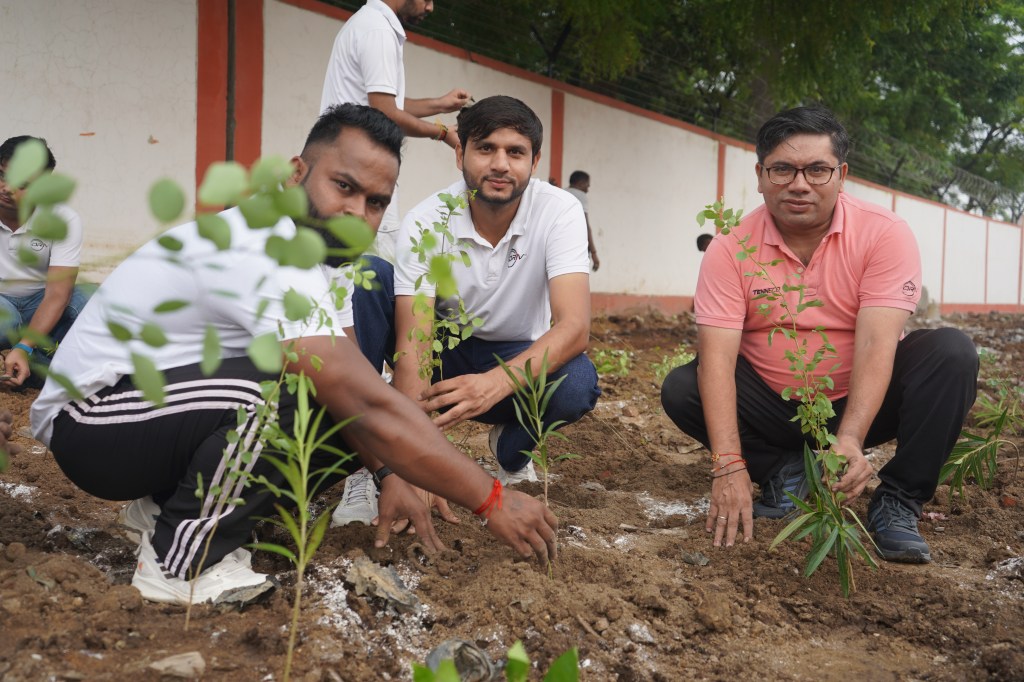
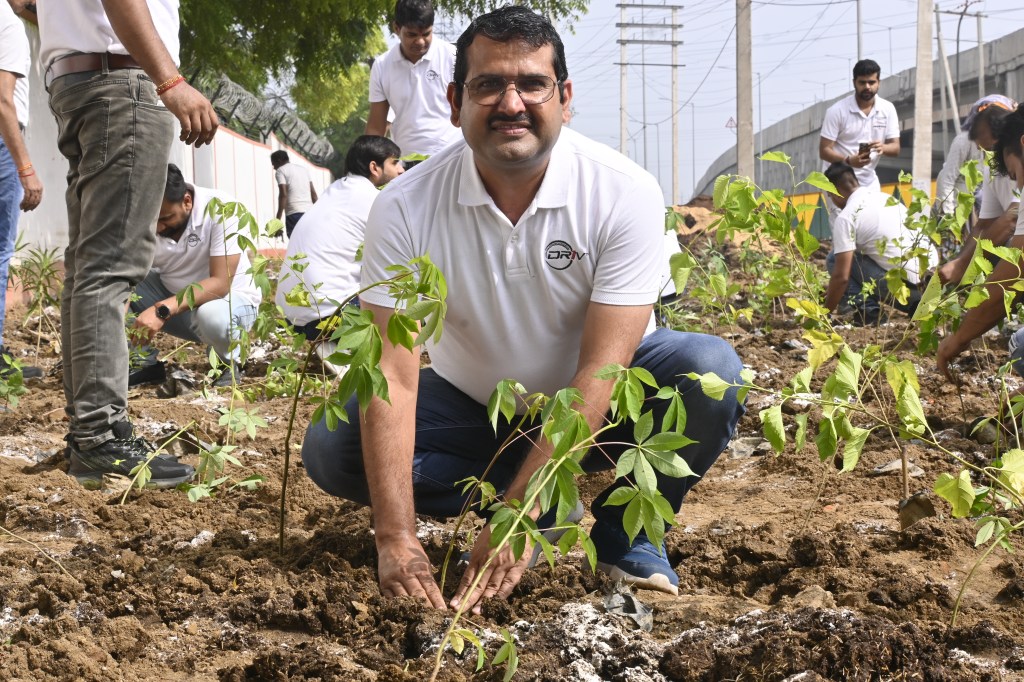
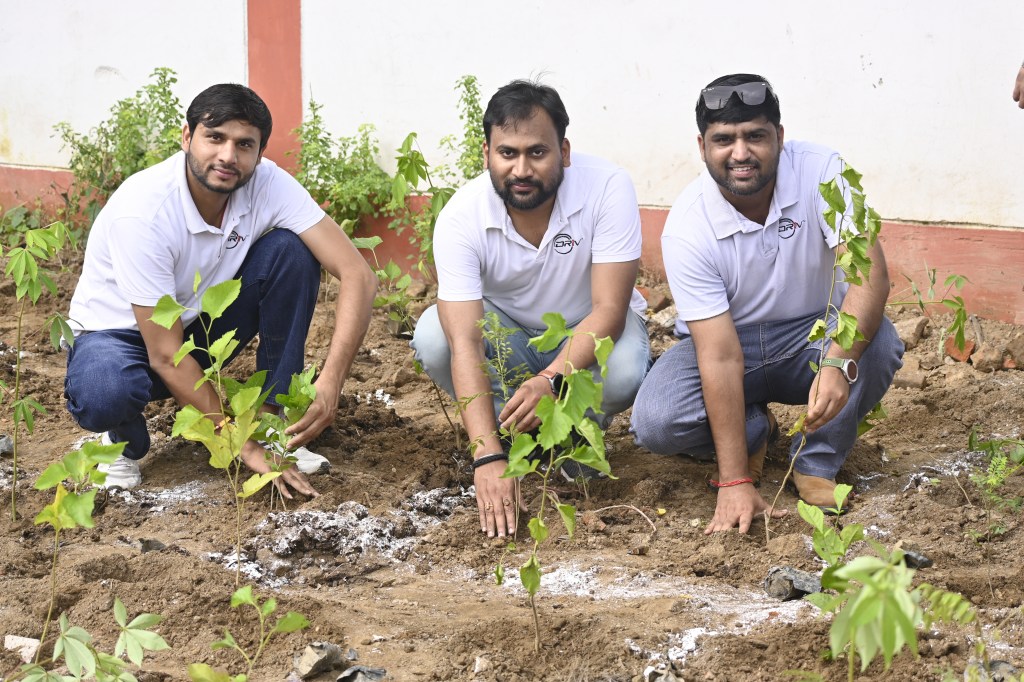
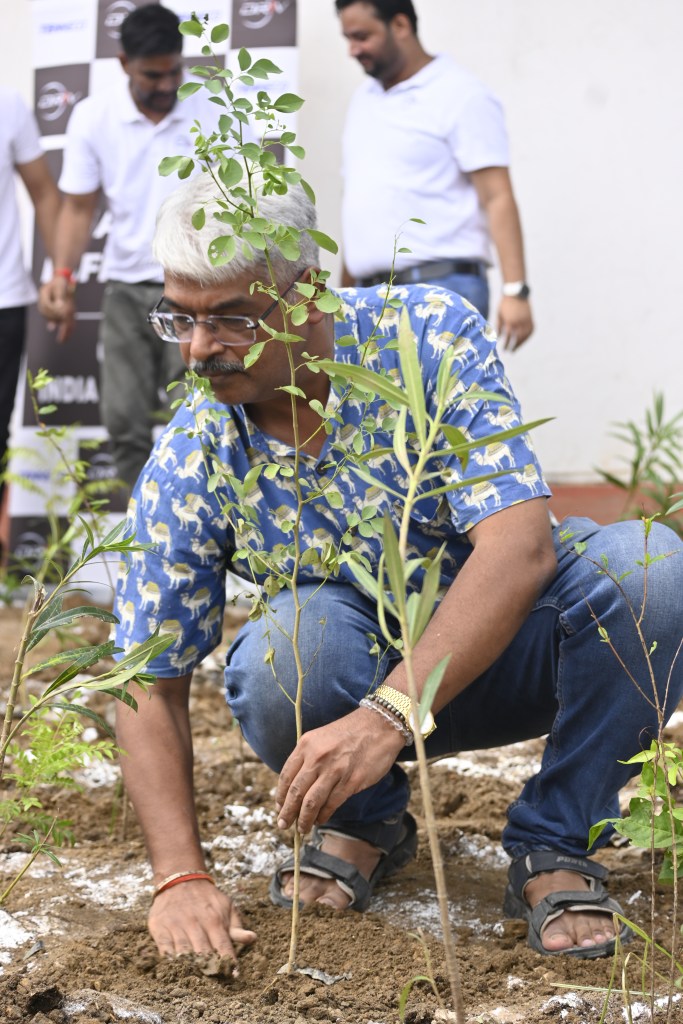
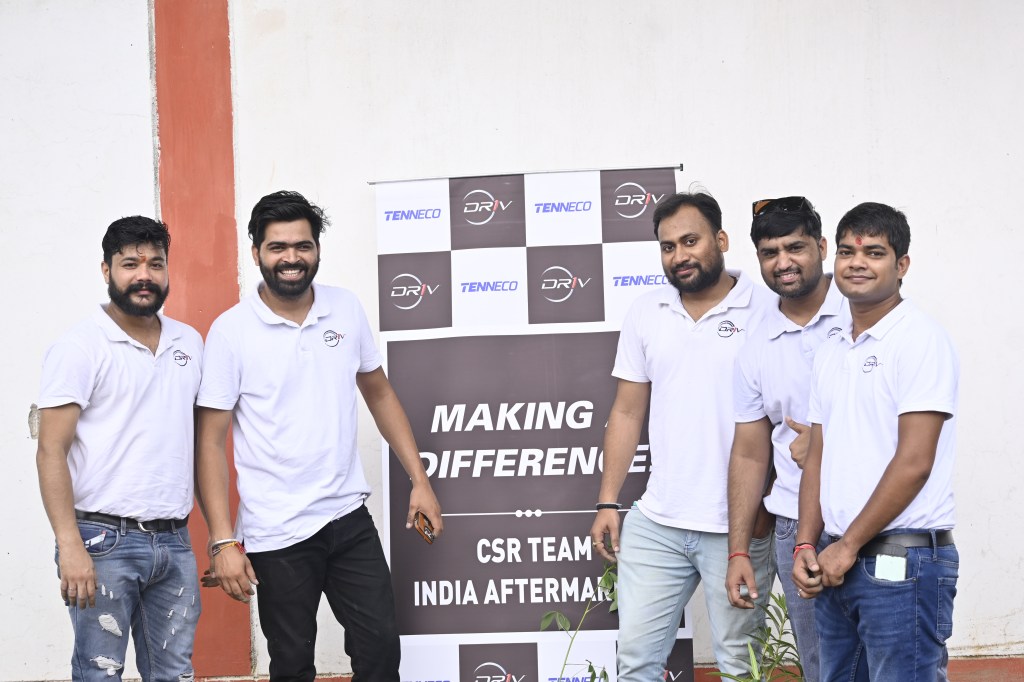
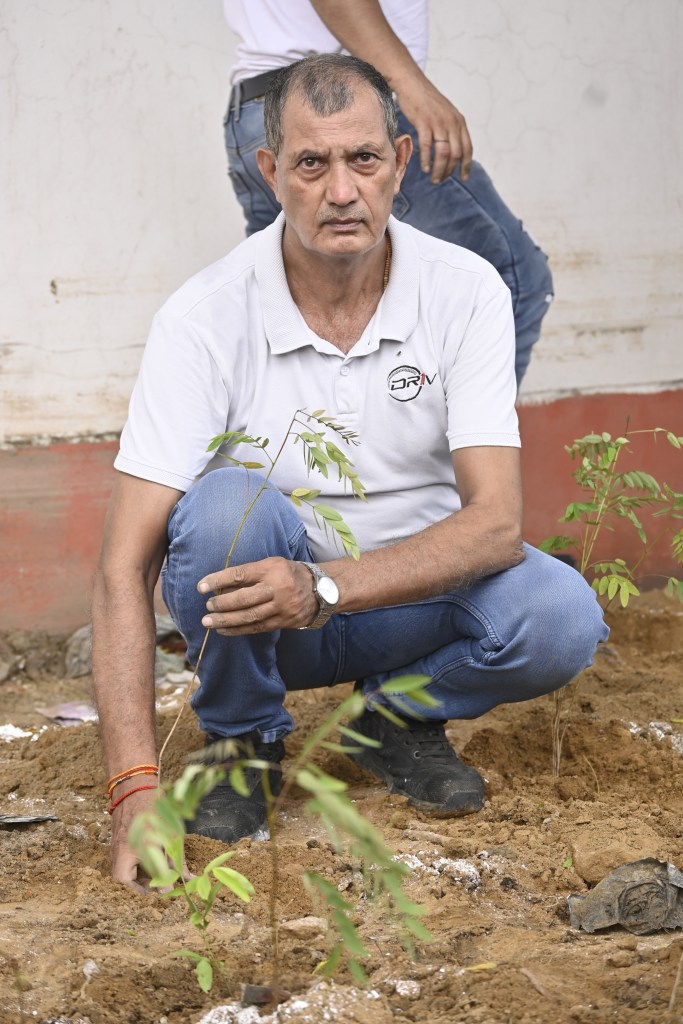
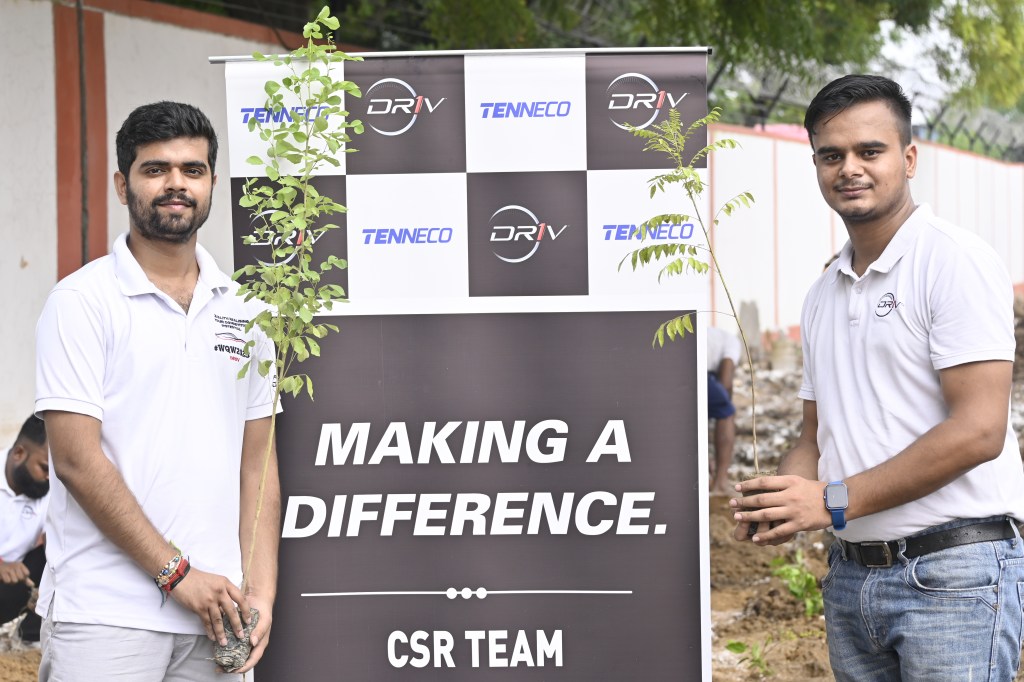
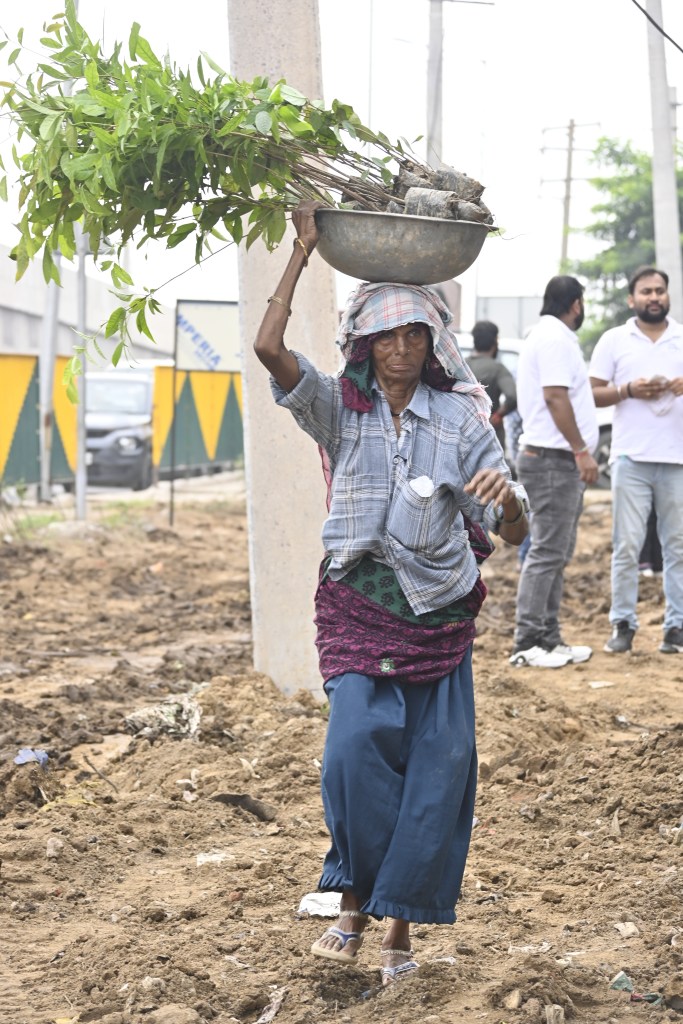
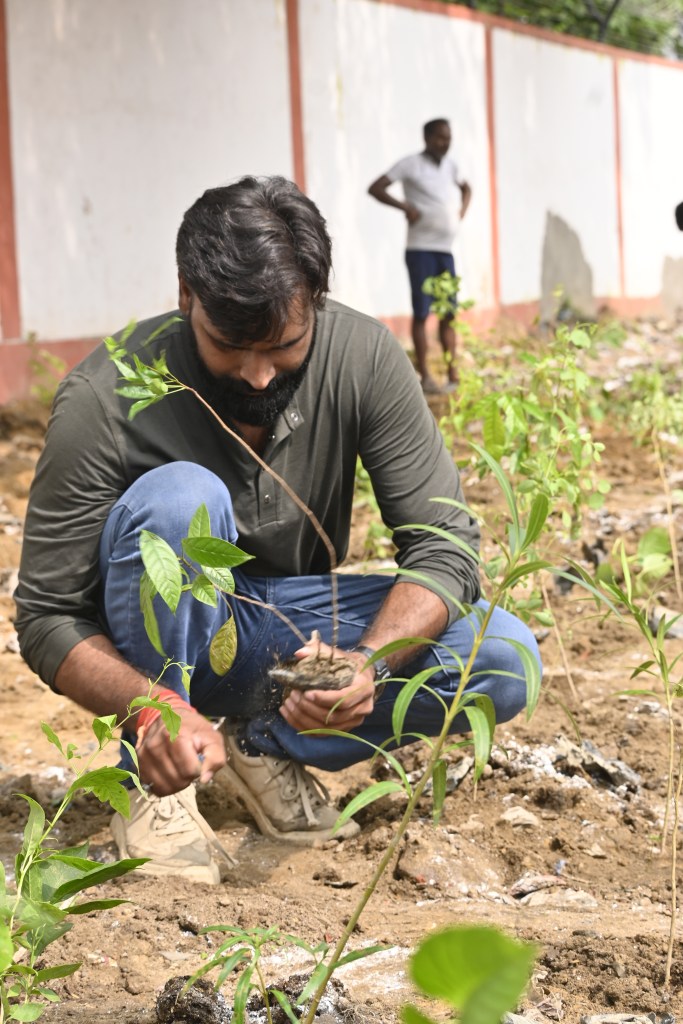
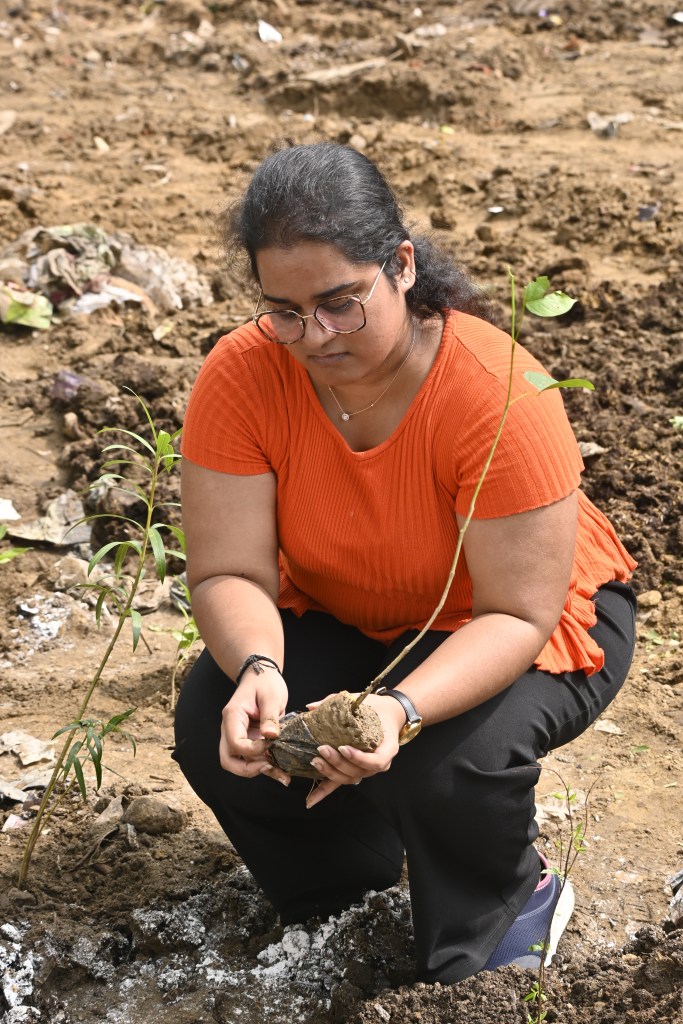
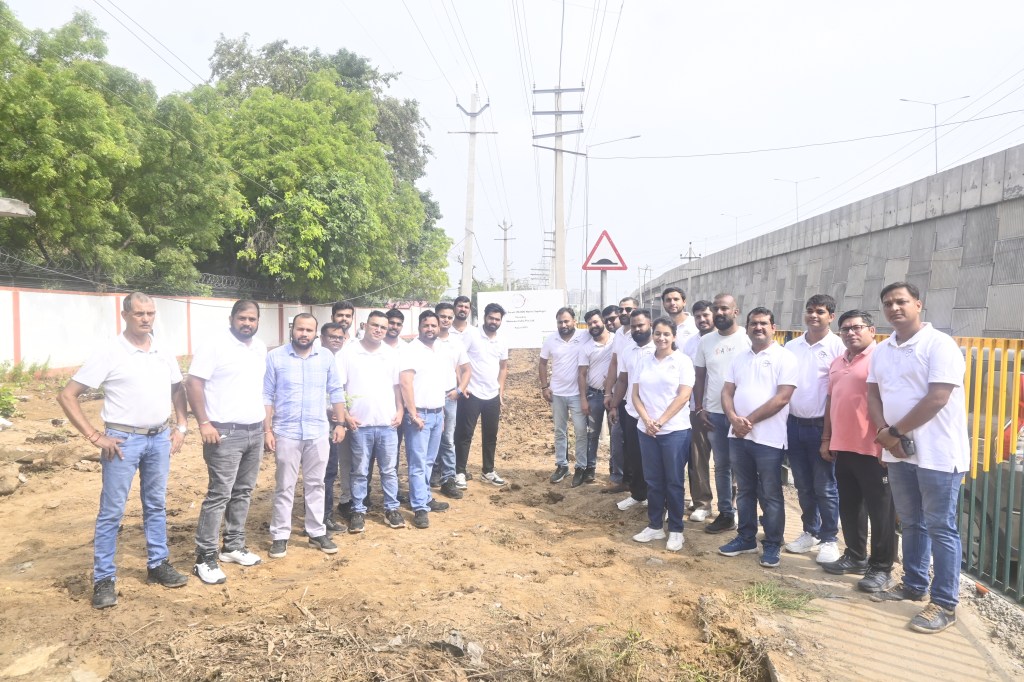
As part of its commitment to sustainability and community well-being, Unidos Exports undertook a meaningful CSR initiative in partnership with Rise Foundation, focusing on native tree plantation in Sector 81, Faridabad on 12th May 2025.

Led by Mr. Soham Gujral, Partner at Unidos Exports, the plantation drive saw enthusiastic participation from Unidos Exports’ team members including Mr. Alton D’Souza Asst. Manager HR and a group of dedicated employees. Representing Rise Foundation were Ms. Madhuri Varshney, Secretary of the organization, and Mr. Deepak Bhardwaj, both known for their active roles in driving environmental change at the grassroots level.

Together, the teams came together to plant native tree species like Sagwan ,Balepatra ,Satparni,Semal,Sehtut,Gulab,Kadam, Tecoma, Kadhi patta, Nimbu , Amrood, Sesham, Amla,Kachnar etc that are not only climate-resilient but also vital for restoring the ecological balance of the region. The initiative aimed to combat urban heat, enhance biodiversity, and contribute to long-term carbon sequestration.

“Planting trees is not just an act of giving back to nature, but an investment in our collective future. We’re proud to collaborate with Rise Foundation and play a small part in creating a sustainable legacy,” said Mr. Soham Gujral.

Rise Foundation, known for its Miyawaki forest projects and urban greening efforts, guided the plantation with expert knowledge on native species selection and long-term maintenance plans.

“We believe that every corporate has the power to influence environmental transformation. This joint effort is a step in the right direction,” shared Ms. Madhuri Varshney.

The event concluded with a collective pledge from all participants to care for the saplings and continue supporting green initiatives across the region. Unidos Exports also expressed interest in exploring further collaborations with Rise Foundation to expand their CSR impact in the coming months.


🌿 Why Native Trees Matter:

  • They require less water and maintenance
  • Support local biodiversity (birds, bees, and insects)
  • Are better adapted to local climatic conditions
  • Play a role in urban cooling and improving air quality

This initiative stands as a shining example of corporate responsibility, community involvement, and ecological restoration working hand in hand.

Together, we grow. 🌳

For Corporate Volunteering, Feel free to contact Rise Foundation via email : mail2risefoundation@gmail.com or Whatsapp at +91 9717764262

NBT Honours Rise Foundation for Environmental Excellence

We are deeply honoured to share that Rise Foundation NGO has been recognized for its outstanding work in the areas of environment protection, urban foresting, Miyawaki afforestation, and waste management on 21st April 2025.

The award was graciously presented by Hon’ble Lieutenant Governor of Delhi, Shri Vinay Kumar Saxena, to Ms. Madhuri Varshney, Secretary of Rise Foundation, at a special felicitation ceremony organized by NBT Dilli.

This recognition is a reflection of the tireless efforts of our entire team and partners who have dedicated themselves to the vision of a greener, more sustainable urban future.

🌱 Heartfelt congratulations to:
Madhuri Varshney, Madhukkar Varshney, Deepak Bhardwaj, Munish Kundra, Inderjeet Singh, Tushar, Gagan, Akhil, Deepanshu, and all our incredible project associates, volunteers, and friends.

This award is not just a moment of celebration, but a reaffirmation of our collective resolve to transform urban landscapes and communities through nature-based solutions.

Thank you to everyone who has been a part of this journey. Let’s continue to plant hope, grow forests, and build a legacy of green for generations to come. 💐💐❤️

#NBTDilli #DelhiLG #VinaiSaxena #RiseFoundation #MadhuriVarshney #EnvironmentProtection #UrbanForesting #MiyawakiForest #WasteManagement #MillionMiyawaki #GreenerIndia #SustainableFuture #EnvironmentalHeroes

Heatwave Exodus: Delhi-NCR’s Escape to the Hills Is a Warning, Not a Solution

As North India grapples with extreme heatwaves, the residents of Delhi NCR are desperately heading to the hills for a breath of relief. But the very act of fleeing is silently making the problem worse.

The recent news from Almora and Haldwani paints a worrying picture — a 92 km stretch now takes 8 hours, double the usual travel time, due to massive traffic jams near popular destinations like Kainchi Dham. The region is choked with cars, carbon emissions, and frustration.
But this isn’t just about a long road trip or delayed vacation.

🚗 The Ripple Effect of the Heatwave Exodus

Every car stuck in these mountain jams is burning fuel, releasing heat, and straining fragile ecosystems that were never designed to host this sudden migration.

  • 🌫️ Air pollution from vehicles worsens mountain air.
  • 🌲 Pressure on local resources in ecologically sensitive zones.
  • 🔥 Further rise in temperature from heat trapped by metal, glass, and asphalt.

This pattern of environmental reaction and counter-reaction is a ticking time bomb.


🌱 The Real Escape Plan: Plant More Trees

Instead of running away from the heat, we need to cool our cities—and the most natural, affordable, and effective way is through urban green spaces and dense tree plantations.

Trees are:

  • Natural air conditioners 🌳
  • Pollution filters 🌬️
  • Groundwater restorers 💧
  • Mental health boosters 🧠

🌳 “Make it or Break it” – This Is Our Climate Turning Point

The current heatwave and traffic crisis is a symptom of our deeper environmental imbalance. And we have two choices:

  1. Continue escaping, congesting hill stations, and warming them too.
  2. Or invest in our home ground — by planting trees, preserving green belts, and making cities livable again.

✅ What You Can Do:

  • Join local plantation drives like the Millions of Trees plantation thru Miyawaki Afforestation by Say Greens initiative .
  • Protect existing parks and roadside greens from encroachment.
  • Reduce personal carbon footprints—less driving, more public transport.
  • Raise awareness in schools, societies, and workplaces.

🌍 Climate Change Starts at Home

If we don’t cool our own cities, we’ll eventually have nowhere to run.
Let’s choose trees over traffic. Let’s make our city the destination people escape to, not from.


📸 Image Source: Recent newspaper coverage on traffic jams from Haldwani to Almora

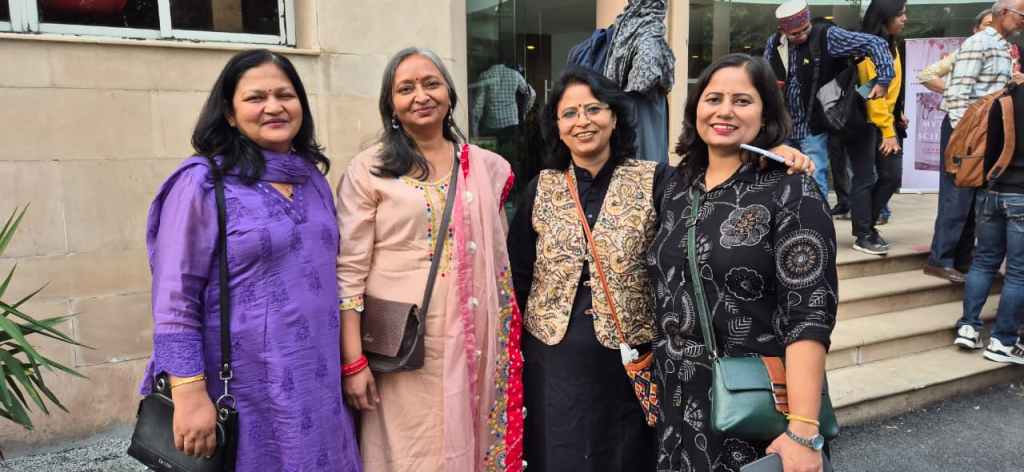
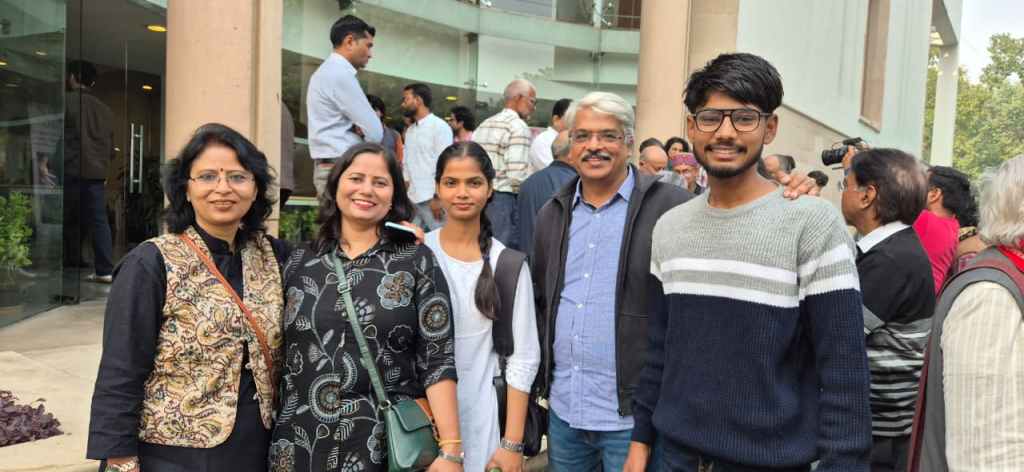
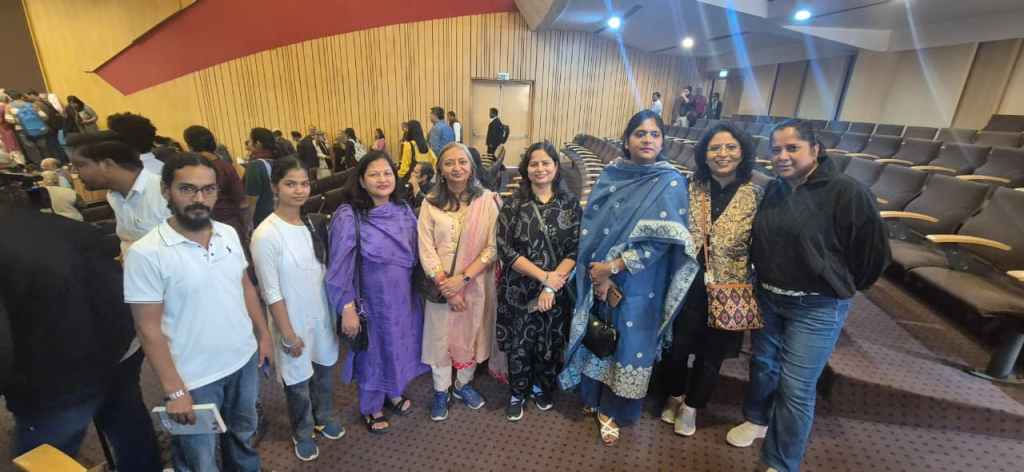
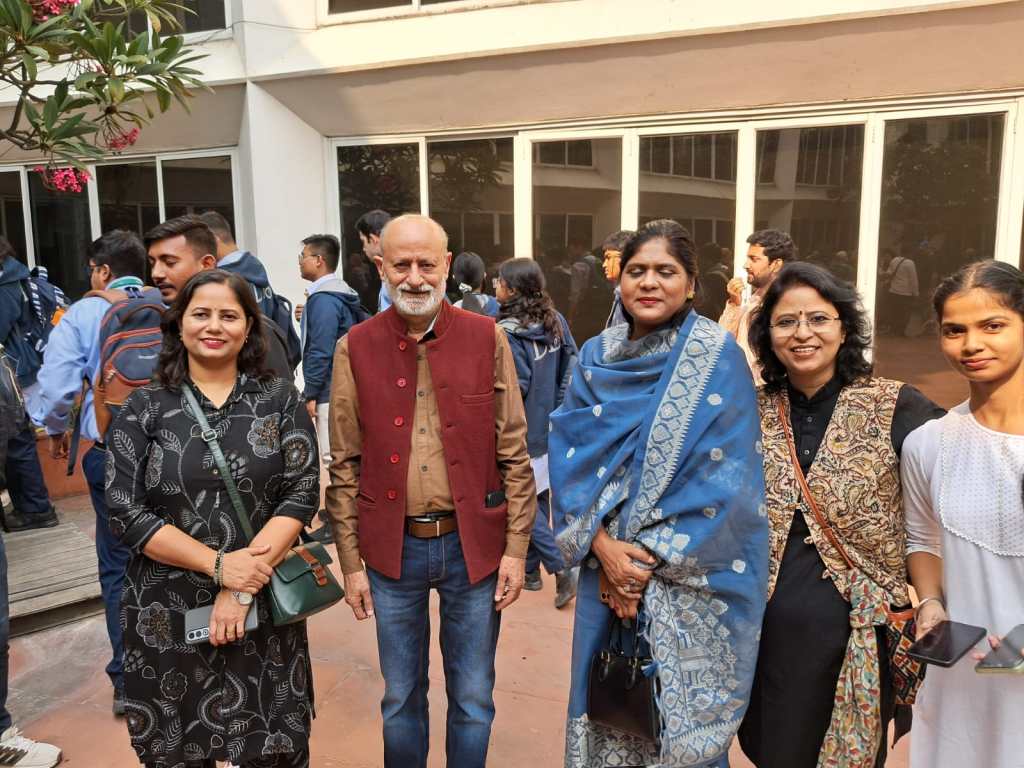
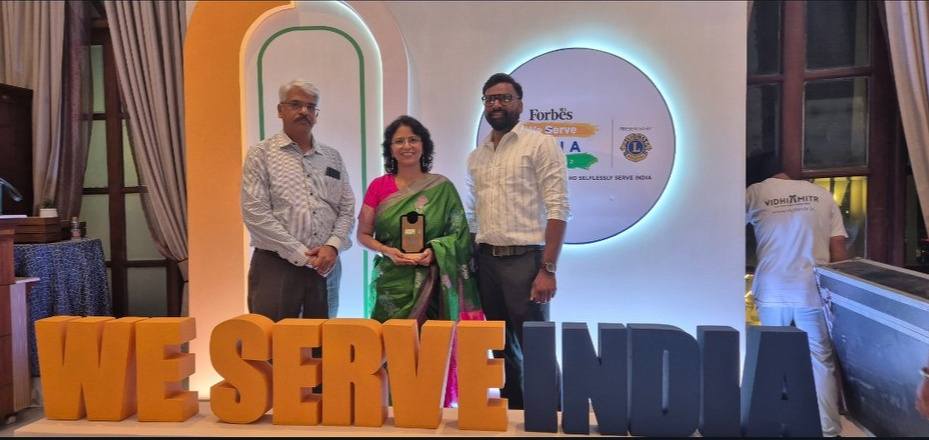
🌟 Madhuri Varshney Honoured with ‘Prerna Deep’ Award by Navbharat Times 🌟

A Torchbearer of Change, A True Inspiration for Society

We are proud to share that Madhuri Varshney, the heart and soul of Rise Foundation, has been honored with the ‘Prerna Deep’ Award by Navbharat Times — a prestigious recognition given to individuals who inspire positive change and selfless service in society.

With a legacy of empowering communities, especially women and youth, Madhuri ji’s dedication spans decades of grassroots mobilization, environmental action, and community empowerment. Her unwavering commitment to improving lives has not only shaped the direction of Rise Foundation but also touched thousands of families across Delhi-NCR and beyond.

🔹 A Lifelong Mission of Impact

From mobilizing communities for green drives under the Million Miyawaki movement, to sensitizing school children on waste segregation and leading initiatives on air pollution awareness, Madhuri Varshney embodies the spirit of Seva, Sankalp, and Samarpan.

Her leadership is not about being at the forefront alone — it is about igniting purpose in others, especially among young girls, volunteers, and changemakers who now proudly walk the path she illuminated.

🔹 Recognized for her Role in Building a Better Tomorrow

The Prerna Deep Award by NBT is not just a personal honor, but a celebration of citizen-led change. It affirms the power of compassion, consistent action, and the belief that one woman’s determination can lead to large-scale transformation.

💬 In Her Words:

“This recognition belongs to every community member, volunteer, and partner who walks this path with us. I am just a medium.”
Madhuri Varshney

🙏 Congratulations from the Entire Rise Foundation Family!

We extend our heartfelt congratulations to Madhuri ji — your journey continues to inspire, enlighten, and uplift all those around you. You are truly a ‘Prerna Deep’ — a guiding light of change.

Resolution Passed in the General Body Meeting (GBM)


Date:
 3rd April 2025
Venue: Online
Chairperson: Smt Jaswanti Rawat 
Attendees: Madhukar Vasrhney , Munish Kundra, Prachi Bhandari, Dr. Prateek Singh Rawat, Madhuri Varshney

Agenda: The meeting was called to discuss and resolve the following key matters concerning the operations and future direction of the Rise Foundation.

Resolutions Passed

  1. Accounts Freezed by ICICI Bank
    • The members deliberated on the freezing of the account by ICICI Bank. It was resolved to immediately reach out to the bank authorities, understand the reason, and initiate necessary steps to unfreeze the account.
    • If required, legal counsel will be sought to expedite the process.
  2. Threat of Cyber Crime and Misuse of Account Information
    • A cybersecurity review will be conducted to assess vulnerabilities.
    • Awareness training for key stakeholders will be organized.
  3. Refunds of Amount Received from Unknown Sources
    • Any unidentified donations or transactions will be thoroughly reviewed with the bank.
    • A resolution was passed to initiate refund procedures for any amounts received from unknown sources that do not comply with NGO funding regulations.
    • A formal report will be submitted to the relevant regulatory authorities if required.
  4. Year 2024-25 Annual Performance Review
    • The performance report of the past financial year was reviewed, covering achievements, impact assessment, and challenges faced.
    • A detailed financial and operational audit will be conducted to ensure compliance and efficiency.
  5. Objectives and New Domains for 2025-26
    • The Foundation will focus on expanding its initiatives in environmental conservation, air pollution control, and community-based sustainability programs.
    • Potential collaborations and new funding sources will be explored to enhance impact.
  6. Any Other Business
    • Members discussed additional concerns and suggestions raised during the meeting, which will be documented and acted upon accordingly.

The meeting concluded with a commitment to resolve the discussed challenges promptly and work towards strengthening the Foundation’s objectives.

Empowering Citizens: Waste Segregation & Composting Session at MCD School South Ext. Delhi

The Rise Foundation, in association with United Way Mumbai, conducted an insightful session on waste segregation and composting at MCD School, South Extension. This initiative aimed to educate students on sustainable waste management practices and their role in building a cleaner, greener future.

Led by Madhuri Varshney, an expert from Rise Foundation, and supported by Pushpendra Yadav (Project Lead), Pushpender Pandey (Field Officer), and Shailendra Kumar (Field Officer) from United Way Mumbai, the session provided hands-on demonstrations and practical knowledge on how to manage waste effectively.

Students actively participated in discussions about dry vs. wet waste, the importance of composting, and how small daily actions can lead to big environmental impacts. The enthusiasm and curiosity displayed by the students and other peoples were truly inspiring!

At Rise Foundation, we believe that empowering young minds with the right knowledge and tools can help create a sustainable and waste-free future. We extend our heartfelt gratitude to United Way Mumbai and MCD School, South Extension, for their support in making this session a success!

🌱 Let’s continue working together for a cleaner planet! 🌍

#WasteSegregation #Composting #ZeroWaste #SustainableLiving #GreenIndia #RiseFoundation #UnitedWayMumbai #MCDSchool #EcoEducation #ClimateAction #SustainabilityMatters #ReduceReuseRecycle #CleanDelhi #CommunityEngagement #FutureLeaders #GoGreen #EnvironmentalAwareness #EcoFriendlyLiving #PlasticFreeFuture #WasteManagement #ActForNature

How Miyawaki Afforestation Can Help Rishikesh and Dehradun Combat Climate Change and Rising Temperatures

Cities like Rishikesh and Dehradun, nestled in the Himalayan foothills, are facing growing challenges due to climate change and rising temperatures, despite their natural beauty and green surroundings. Here’s how Miyawaki afforestation can significantly help:

1. Urban Heat Island Effect Mitigation

  • With increasing urbanization, these cities are experiencing the Urban Heat Island (UHI) effect, where urban areas become significantly warmer than rural surroundings due to concrete and asphalt absorbing heat.
  • Miyawaki forests, being dense and layered, absorb and retain more heat, lowering the ambient temperature. They create natural cooling zones, which are crucial for combating rising temperatures in urban and semi-urban areas.

2. Carbon Sequestration

  • Rapid urbanization in Rishikesh and Dehradun has led to higher vehicular emissions and construction activities, contributing to rising CO2 levels.
  • Miyawaki forests are excellent carbon sinks. They grow 10 times faster and absorb up to 30 times more carbon dioxide compared to traditional forests, helping reduce greenhouse gases.

3. Improved Air Quality

  • These cities face seasonal air pollution, especially during the winter months. Dense Miyawaki forests can act as natural air purifiers, reducing particulate matter and improving air quality for residents and tourists.

4. Flood and Soil Erosion Control

  • The region’s susceptibility to heavy rainfall and flooding is increasing, often causing soil erosion. Miyawaki forests improve soil stability with their complex root systems, preventing erosion and helping manage water runoff more effectively.

5. Biodiversity Restoration

  • The rich biodiversity of these Himalayan cities is under threat due to urban expansion. Miyawaki forests help create micro-habitats, bringing back birds, insects, and small animals, which contribute to a healthier ecosystem.

6. Enhanced Groundwater Recharge

  • Rishikesh and Dehradun are heavily dependent on natural water sources. Miyawaki forests enhance rainwater infiltration, improving groundwater levels and ensuring better water security.

7. Tourism and Well-Being

  • Both cities attract tourists for their natural charm and spiritual retreats. Dense, green spaces created through Miyawaki afforestation enhance the city’s aesthetics, promoting eco-tourism and improving mental well-being for residents and visitors alike.

8. Resilience Against Climate Extremes

  • The increasing frequency of heatwaves, irregular rainfall, and climate extremes in the region is a growing concern. Miyawaki forests, due to their rapid growth and diverse native species, create a natural buffer against these changes.

Why Miyawaki Specifically?

The Miyawaki technique, with its emphasis on native species and high-density planting, is ideal for small spaces in urban settings like Rishikesh and Dehradun. It ensures:

  • A self-sustaining forest in just 2-3 years.
  • Maximum carbon capture in a shorter time.
  • Restoration of the region’s ecological balance.

By incorporating Miyawaki afforestation into city planning, Rishikesh and Dehradun can lead the way as models of climate-resilient cities, harmonizing urban development with environmental conservation.

ऋषिकेश और देहरादून जैसे शहरों को मियावाकी वनीकरण से कैसे मिलेगा जलवायु परिवर्तन और बढ़ते तापमान से लड़ने में लाभ?

ऋषिकेश और देहरादून जैसे शहर, जो हिमालय की तलहटी में स्थित हैं, बढ़ते शहरीकरण और जलवायु परिवर्तन के कारण तापमान में बढ़ोतरी और पर्यावरणीय असंतुलन का सामना कर रहे हैं। इन चुनौतियों से निपटने में मियावाकी वनीकरण एक प्रभावी समाधान साबित हो सकता है। आइए जानें कैसे:

1. शहरी ऊष्मा द्वीप प्रभाव को कम करना

  • शहरीकरण के कारण इन शहरों में कंक्रीट और डामर की सतहें गर्मी को अवशोषित करती हैं, जिससे तापमान ग्रामीण क्षेत्रों की तुलना में अधिक हो जाता है।
  • मियावाकी जंगल, जो घने और बहु-स्तरीय होते हैं, इस गर्मी को अवशोषित करते हैं और आसपास के वातावरण को ठंडा करते हैं। यह शहरी क्षेत्रों में प्राकृतिक शीतलता प्रदान करता है।

2. कार्बन डाइऑक्साइड अवशोषण

  • शहरीकरण के कारण वाहन प्रदूषण और निर्माण गतिविधियों से CO2 का उत्सर्जन बढ़ रहा है।
  • मियावाकी जंगल पारंपरिक वनों की तुलना में 10 गुना तेजी से बढ़ते हैं और 30 गुना अधिक CO2 अवशोषित करते हैं, जिससे ग्रीनहाउस गैसों में कमी आती है।

3. वायु गुणवत्ता में सुधार

  • ऋषिकेश और देहरादून में सर्दियों के दौरान वायु प्रदूषण एक बड़ी समस्या बन जाती है। मियावाकी जंगल प्राकृतिक वायु शोधक का काम करते हैं, धूल-कणों और प्रदूषकों को अवशोषित कर हवा को स्वच्छ बनाते हैं।

4. बाढ़ और मृदा अपरदन को रोकना

  • भारी बारिश के दौरान इन क्षेत्रों में बाढ़ और मिट्टी के कटाव की समस्या आम है। मियावाकी जंगलों की जड़ें मिट्टी को मजबूती देती हैं और जल प्रवाह को नियंत्रित करती हैं, जिससे बाढ़ और कटाव को रोका जा सकता है।

5. जैव विविधता को पुनर्जीवित करना

  • शहरी विस्तार के कारण क्षेत्र की जैव विविधता खतरे में है। मियावाकी जंगल पक्षियों, कीटों और छोटे जानवरों के लिए सूक्ष्म आवास बनाते हैं, जो पारिस्थितिकी तंत्र को संतुलित रखने में मदद करते हैं।

6. भूजल पुनर्भरण में सुधार

  • ऋषिकेश और देहरादून प्राकृतिक जल स्रोतों पर निर्भर हैं। मियावाकी जंगल बारिश के पानी को धरती में सोखने में मदद करते हैं, जिससे भूजल स्तर बढ़ता है और जल सुरक्षा सुनिश्चित होती है।

7. पर्यटन और मानसिक स्वास्थ्य में सुधार

  • ये शहर अपनी प्राकृतिक सुंदरता और आध्यात्मिकता के लिए प्रसिद्ध हैं। मियावाकी जंगलों से हरियाली और सुंदरता में वृद्धि होगी, जिससे पर्यावरण-पर्यटन को बढ़ावा मिलेगा और निवासियों व पर्यटकों को मानसिक शांति मिलेगी।

8. जलवायु परिवर्तन के प्रभावों से बचाव

  • बढ़ती गर्मी, अनियमित बारिश, और जलवायु परिवर्तन के अन्य प्रभावों से लड़ने के लिए मियावाकी जंगल एक प्राकृतिक कवच का काम करते हैं।

क्यों मियावाकी तकनीक?

मियावाकी तकनीक, जो देशी पौधों और घनी वनीकरण पद्धति पर आधारित है, छोटे शहरी क्षेत्रों के लिए आदर्श है। इसके लाभ हैं:

  • 2-3 वर्षों में आत्मनिर्भर जंगल
  • तेजी से कार्बन अवशोषण।
  • पर्यावरणीय संतुलन की पुनःस्थापना।

मियावाकी वनीकरण को अपनाकर ऋषिकेश और देहरादून जलवायु-संवेदनशील शहरों के रूप में एक मिसाल कायम कर सकते हैं, जहां शहरी विकास और पर्यावरण संरक्षण का संतुलन बना रहे।

Empowering Young Minds Against Plastic Pollution!

This week, in collaboration with WWF India, we had the privilege of conducting workshops at Jawahar Navodaya Vidyalaya (JNV) Gurugram and Ghaziabad to address the critical issue of plastic pollution and its impact on our environment.

Together, we explored:
🔹 The devastating effects of plastic waste on our ecosystems,
🔹 The urgent need to reduce single-use plastics, and
🔹 Simple yet impactful actions students can take to drive change.

It was heartening to witness the enthusiasm and proactive participation of the students as they pledged to take small steps toward a plastic-free future. Their passion and ideas were a testament to the power of youth in leading environmental change!

A heartfelt thank you to WWF India for their unwavering support and to the schools, teachers, and students for their incredible engagement. Let’s continue to join hands for a cleaner, greener planet! 🌱

#WWFIndia #PlasticPollution #EnvironmentEducation #Sustainability #YouthForChange #SayNoToPlastic #GreenPlanet #EcoWarriors #ClimateAction #BeatPlasticPollution #ReduceReuseRecycle #CleanEnvironment #SaveOurPlanet #ZeroWaste #GoGreen #EnvironmentalAwareness #FutureLeaders #PlanetEarth #EcoFriendlyLiving #NatureConservation #SustainableFuture

Comparison: SER’s Ecological Restoration vs. Miyawaki Afforestation

Both SER’s Ecological Restoration approach and Miyawaki Afforestation aim to restore degraded ecosystems, but they differ in methodology, scale, and long-term ecological impact. Here’s a detailed comparison:

AspectSER’s Ecological RestorationMiyawaki Afforestation
ObjectiveRestoring entire ecosystems, including soil, water, biodiversity, and ecological functions.Rapid afforestation in urban and degraded areas for quick green cover and biodiversity revival.
ApproachLarge-scale, long-term ecological restoration, often involving natural regeneration and rewilding.Dense, multi-layered plantation using native species for fast-growing forests.
Methodology– Site-specific restoration plans.
– Focus on soil restoration, hydrology, and ecosystem processes.
– Passive regeneration where possible.
High-density planting of 3-5 saplings per square meter.
– Uses native species in four vertical layers (shrub, understory, canopy, emergent).
Species Selection– Prioritizes local biodiversity and keystone species.
– Encourages natural succession.
– Strictly native species.
– Selected based on fast growth, multi-layer canopy structure.
Growth RateNatural pace, often slow but self-sustaining over decades.10x faster growth, self-sustaining within 2-3 years.
Land RequirementSuitable for large-scale landscapes like forests, wetlands, grasslands.Effective for small urban spaces, degraded lands, and compact areas.
Human InterventionFocus on minimal intervention, allowing nature to regenerate naturally.High initial intervention (dense planting, mulching, watering), but minimal maintenance after 3 years.
Ecological Benefits– Restores complete ecosystems (soil, water, flora, fauna).
– Supports long-term climate resilience.
– Increases carbon sequestration and biodiversity.
– Creates urban green lungs.
– Improves air quality, reduces heat islands.
– Boosts local biodiversity and pollinators quickly.
ChallengesTime-consuming (can take decades for full restoration).
– Requires large land areas.
– High initial resource investment (water, labor, compost).
– Not a replacement for natural forests, lacks full ecosystem functions.
Best Use CaseLarge-scale natural ecosystem restoration (forests, wetlands, riverbanks, grasslands).Urban afforestation, small degraded lands, roadside greening, corporate CSR projects.

Which is Better?

  • SER’s Ecological Restoration is best for large-scale, long-term natural recovery with minimal human intervention.
  • Miyawaki Afforestation is best for rapid urban greening and biodiversity enhancement in small spaces.

Both approaches complement each other—while Miyawaki forests create quick-impact green spaces, SER’s full ecological restoration ensures long-term ecosystem health. 🌿🌎

Rise Foundation’s Miyawaki Efforts 🌱

At Rise Foundation, we are actively implementing the Miyawaki method to combat urban deforestation and pollution in Delhi. Through our Million Miyawaki Initiative in association with other social organisations and corporates we aim to plant 1 million native trees by 2026, focusing on government schools, public parks, and degraded lands.

So far, we have:
✅ Planted over 40,000+ native trees across Delhi
✅ Engaged 1,000+ volunteers, students, and communities
✅ Achieved a 90% survival rate with rapid canopy formation
✅ Helped reduce urban heat and improve air quality in high-pollution zones

Our mission is to restore Delhi’s green cover, enhance biodiversity, and create climate-resilient cities using scientific, scalable afforestation models. We welcome collaborations with researchers, SER members, and environmental organizations to accelerate urban ecological restoration! 🌍🌳

 𝐍𝐚𝐭𝐮𝐫𝐞’𝐬 𝐌𝐚𝐠𝐢𝐜 𝐔𝐧𝐟𝐨𝐥𝐝𝐬: 𝟏𝟎-𝐌𝐨𝐧𝐭𝐡-𝐎𝐥𝐝 𝐌𝐢𝐲𝐚𝐰𝐚𝐤𝐢 𝐅𝐨𝐫𝐞𝐬𝐭 𝐚𝐭 𝐕𝐞𝐝𝐚𝐭𝐲𝐚 𝐈𝐧𝐬𝐭𝐢𝐭𝐮𝐭𝐞, 𝐒𝐨𝐡𝐧𝐚

A forest in the making—just 10 months ago, this land was bare. Today, it’s a thriving green ecosystem! 🌿🌼

At 𝐕𝐞𝐝𝐚𝐭𝐲𝐚 𝐈𝐧𝐬𝐭𝐢𝐭𝐮𝐭𝐞, 𝐒𝐨𝐡𝐧𝐚 (𝐇𝐚𝐫𝐲𝐚𝐧𝐚), our Miyawaki plantation is a testament to how nature flourishes when given the right care. This dense, fast-growing forest is not just about trees—it’s about 𝐫𝐞𝐬𝐭𝐨𝐫𝐢𝐧𝐠 𝐛𝐢𝐨𝐝𝐢𝐯𝐞𝐫𝐬𝐢𝐭𝐲, 𝐢𝐦𝐩𝐫𝐨𝐯𝐢𝐧𝐠 𝐚𝐢𝐫 𝐪𝐮𝐚𝐥𝐢𝐭𝐲, 𝐚𝐧𝐝 𝐟𝐢𝐠𝐡𝐭𝐢𝐧𝐠 𝐜𝐥𝐢𝐦𝐚𝐭𝐞 𝐜𝐡𝐚𝐧𝐠𝐞.

🔥 𝐖𝐡𝐲 𝐌𝐢𝐲𝐚𝐰𝐚𝐤𝐢?
✅ 𝟑𝟎𝐗 𝐝𝐞𝐧𝐬𝐞𝐫 than conventional plantations
✅ 𝟏𝟎𝐗 𝐟𝐚𝐬𝐭𝐞𝐫 𝐠𝐫𝐨𝐰𝐭𝐡, creating a self-sustaining forest
✅ A natural habitat for birds, bees, and butterflies 🦋🐝
✅ 𝐇𝐢𝐠𝐡𝐞𝐫 𝐜𝐚𝐫𝐛𝐨𝐧 𝐚𝐛𝐬𝐨𝐫𝐩𝐭𝐢𝐨𝐧 & 𝐬𝐨𝐢𝐥 𝐫𝐞𝐬𝐭𝐨𝐫𝐚𝐭𝐢𝐨𝐧

This transformation wouldn’t have been possible without the 𝐜𝐨𝐥𝐥𝐞𝐜𝐭𝐢𝐯𝐞 𝐞𝐟𝐟𝐨𝐫𝐭 𝐨𝐟 𝐞𝐧𝐯𝐢𝐫𝐨𝐧𝐦𝐞𝐧𝐭𝐚𝐥 𝐞𝐧𝐭𝐡𝐮𝐬𝐢𝐚𝐬𝐭𝐬, 𝐬𝐭𝐮𝐝𝐞𝐧𝐭𝐬, 𝐚𝐧𝐝 𝐭𝐡𝐞 𝐝𝐞𝐝𝐢𝐜𝐚𝐭𝐞𝐝 𝐭𝐞𝐚𝐦 𝐰𝐨𝐫𝐤𝐢𝐧𝐠 𝐛𝐞𝐡𝐢𝐧𝐝 𝐭𝐡𝐞 𝐬𝐜𝐞𝐧𝐞𝐬. Every tree planted is a step toward a greener, healthier planet. 🌎

🌿 𝐍𝐚𝐭𝐮𝐫𝐞 𝐤𝐧𝐨𝐰𝐬 𝐡𝐨𝐰 𝐭𝐨 𝐡𝐞𝐚𝐥 𝐢𝐭𝐬𝐞𝐥𝐟—𝐰𝐞 𝐣𝐮𝐬𝐭 𝐧𝐞𝐞𝐝 𝐭𝐨 𝐠𝐢𝐯𝐞 𝐢𝐭 𝐚 𝐜𝐡𝐚𝐧𝐜𝐞!

📸 The stunning before-and-after transformation!


Let’s continue growing together. Join us in making cities greener, one Miyawaki forest at a time! 🌍💚 Contact Rise Foundation for Miyawaki Afforestation Projects ; contact at +91 9717764262 or mail at mail2risefoundation@gmail.com
hashtag#MiyawakiForest hashtag#Afforestation hashtag#SustainableLiving hashtag#ClimateAction hashtag#Biodiversity hashtag#GreenFuture hashtag#RiseForNature