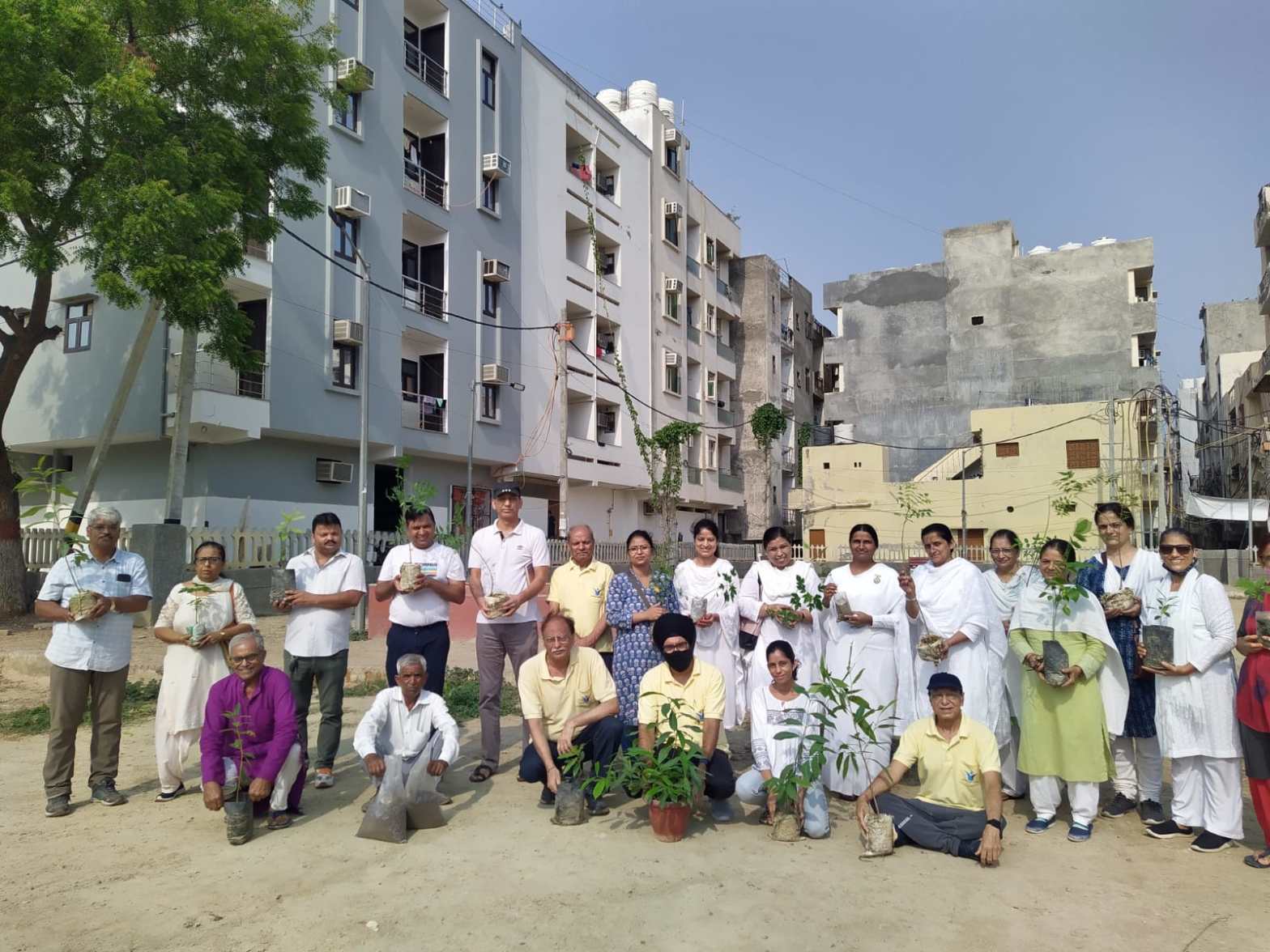
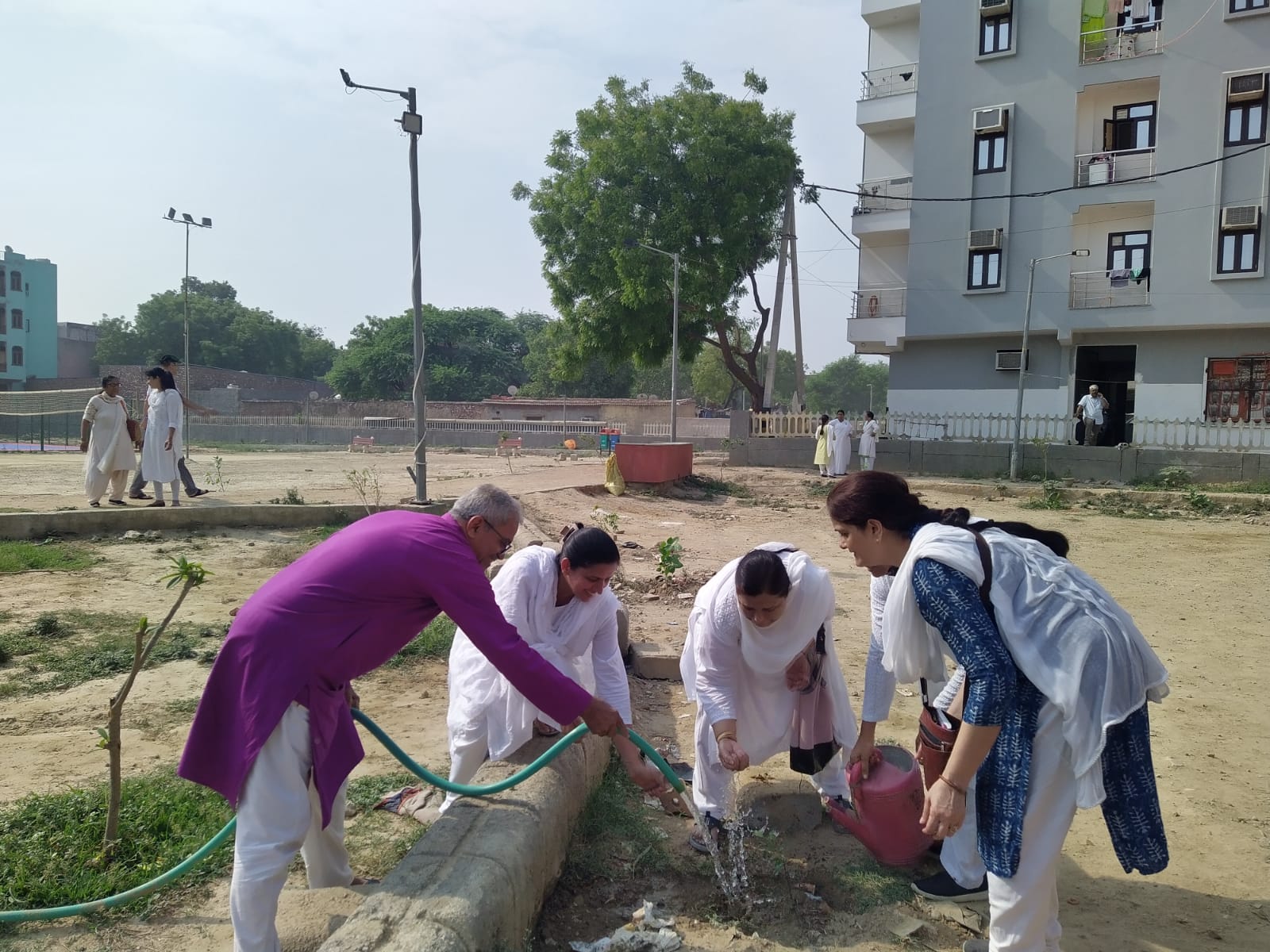
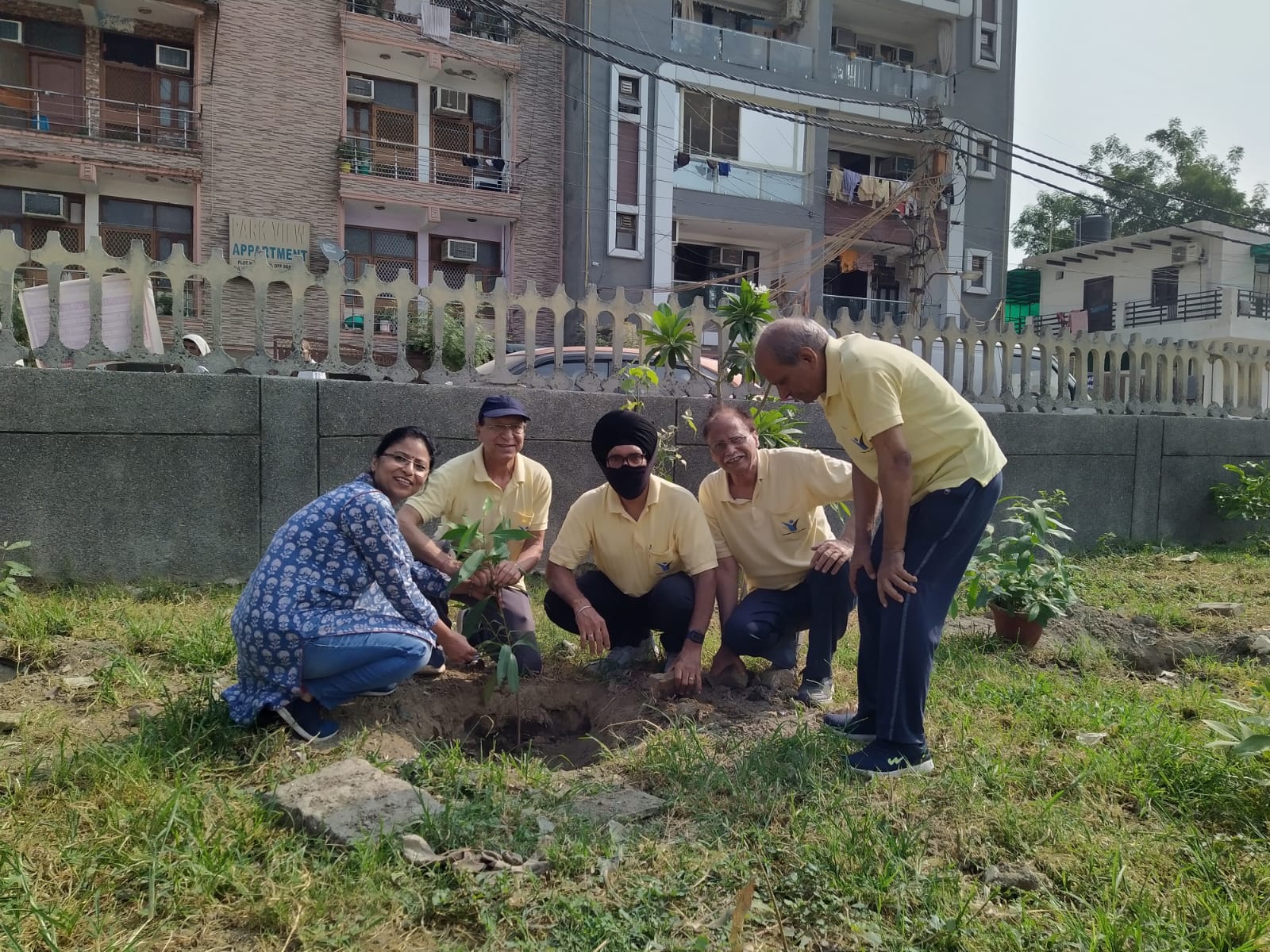
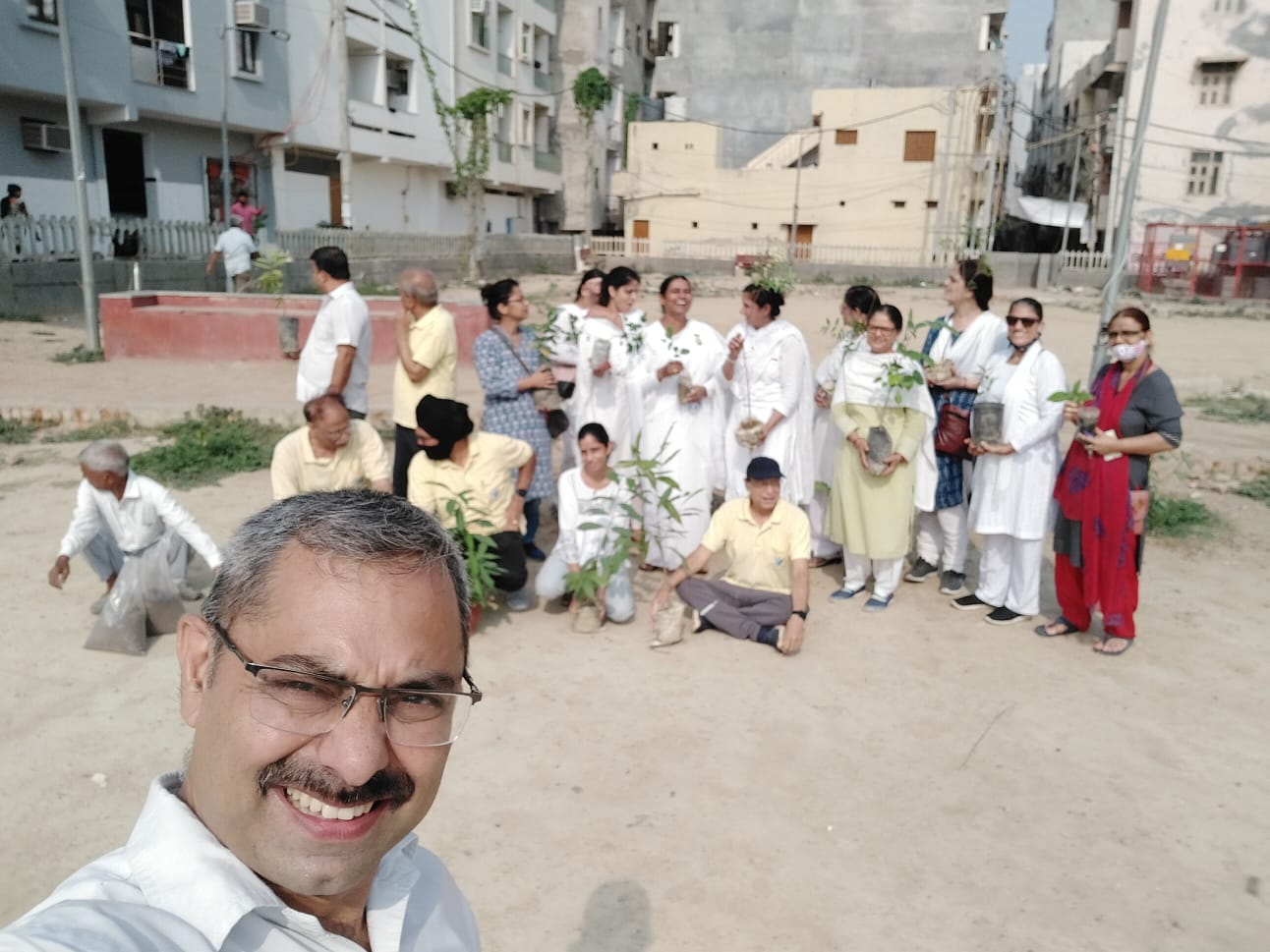
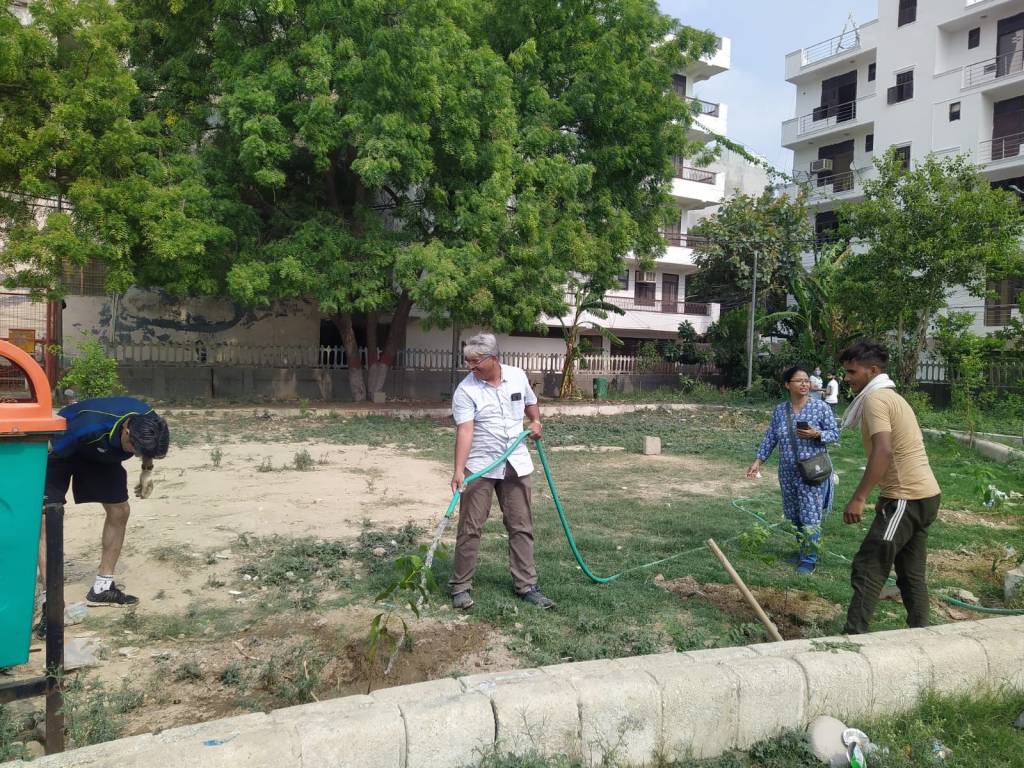
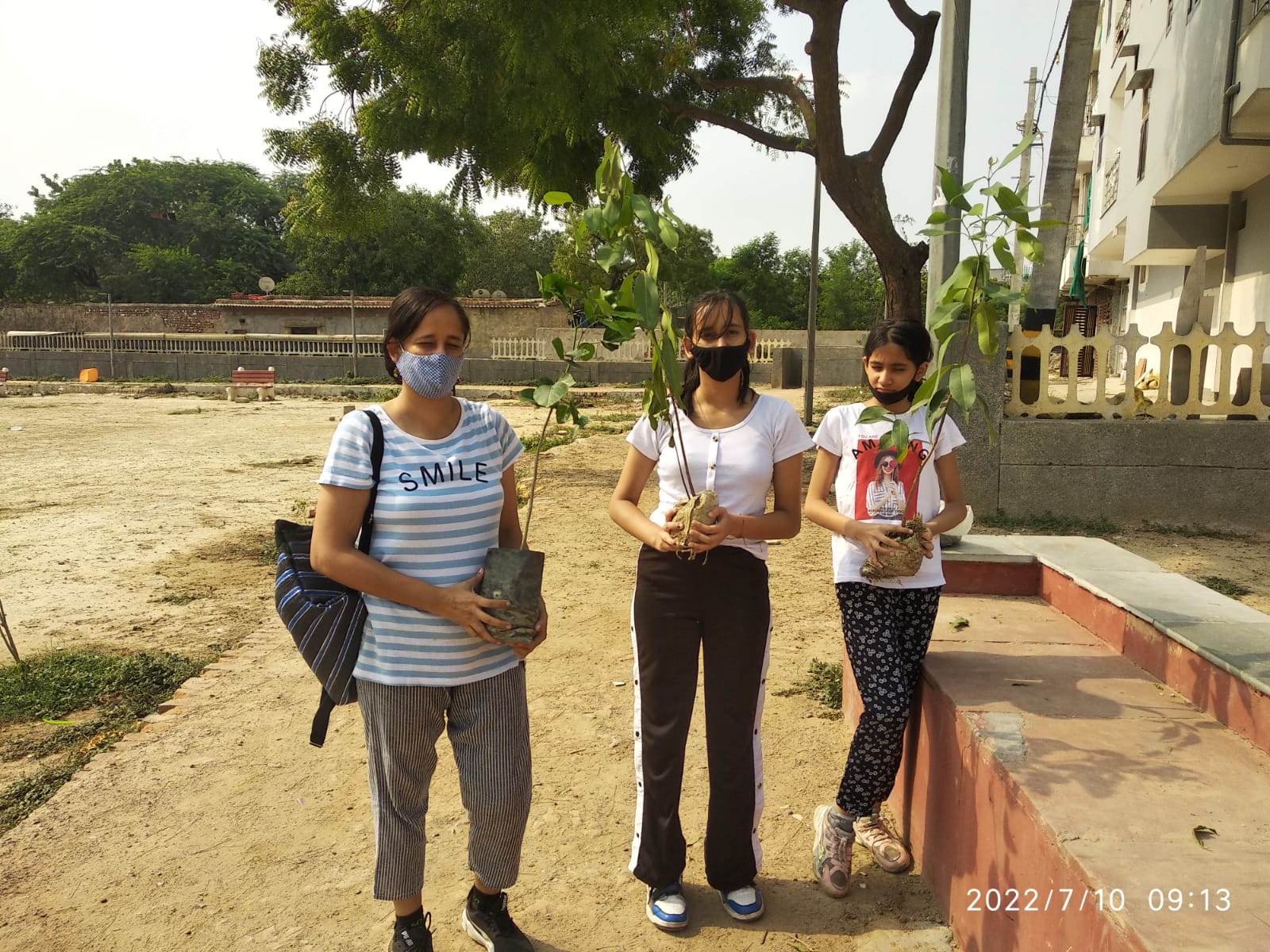
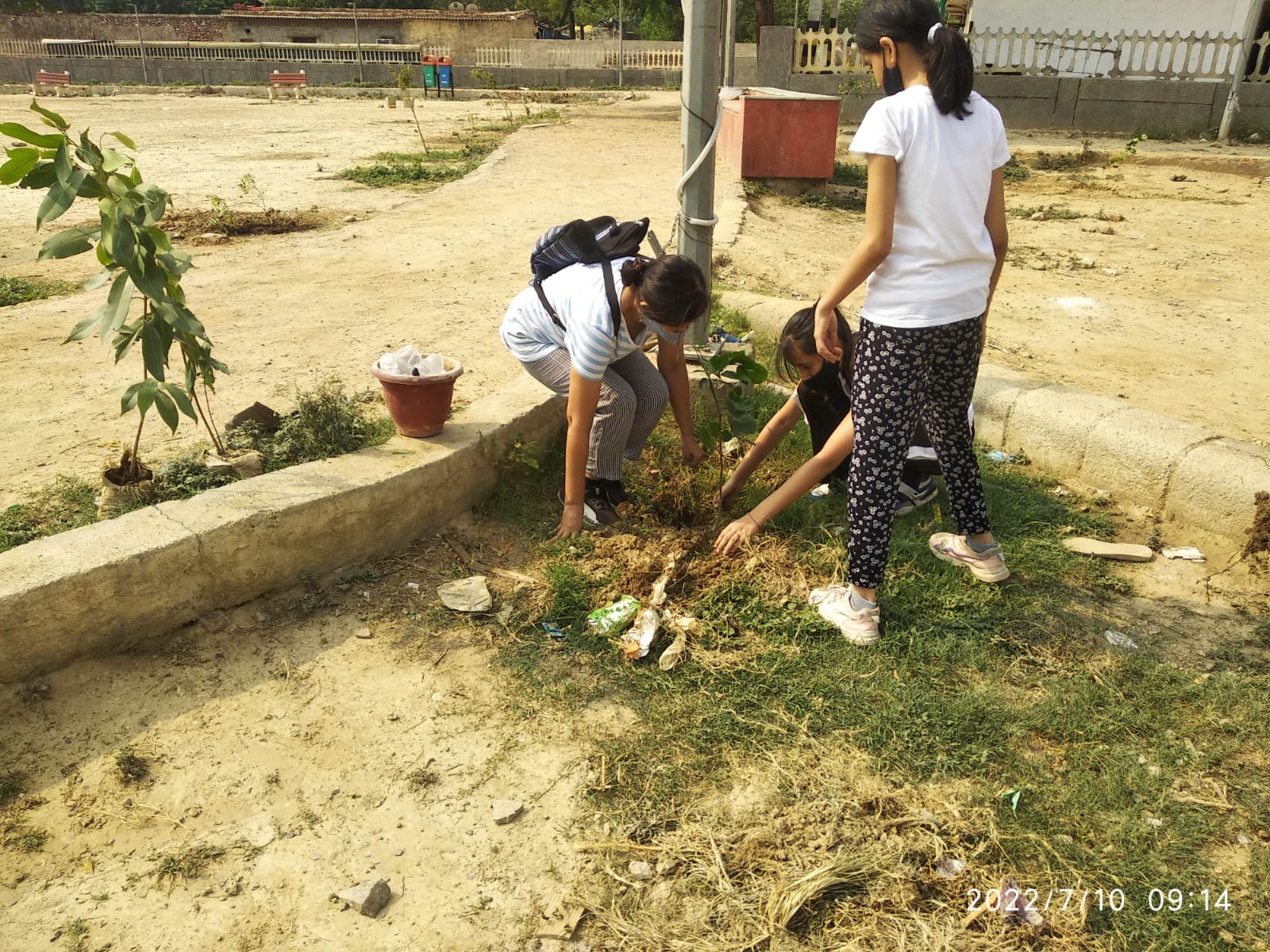
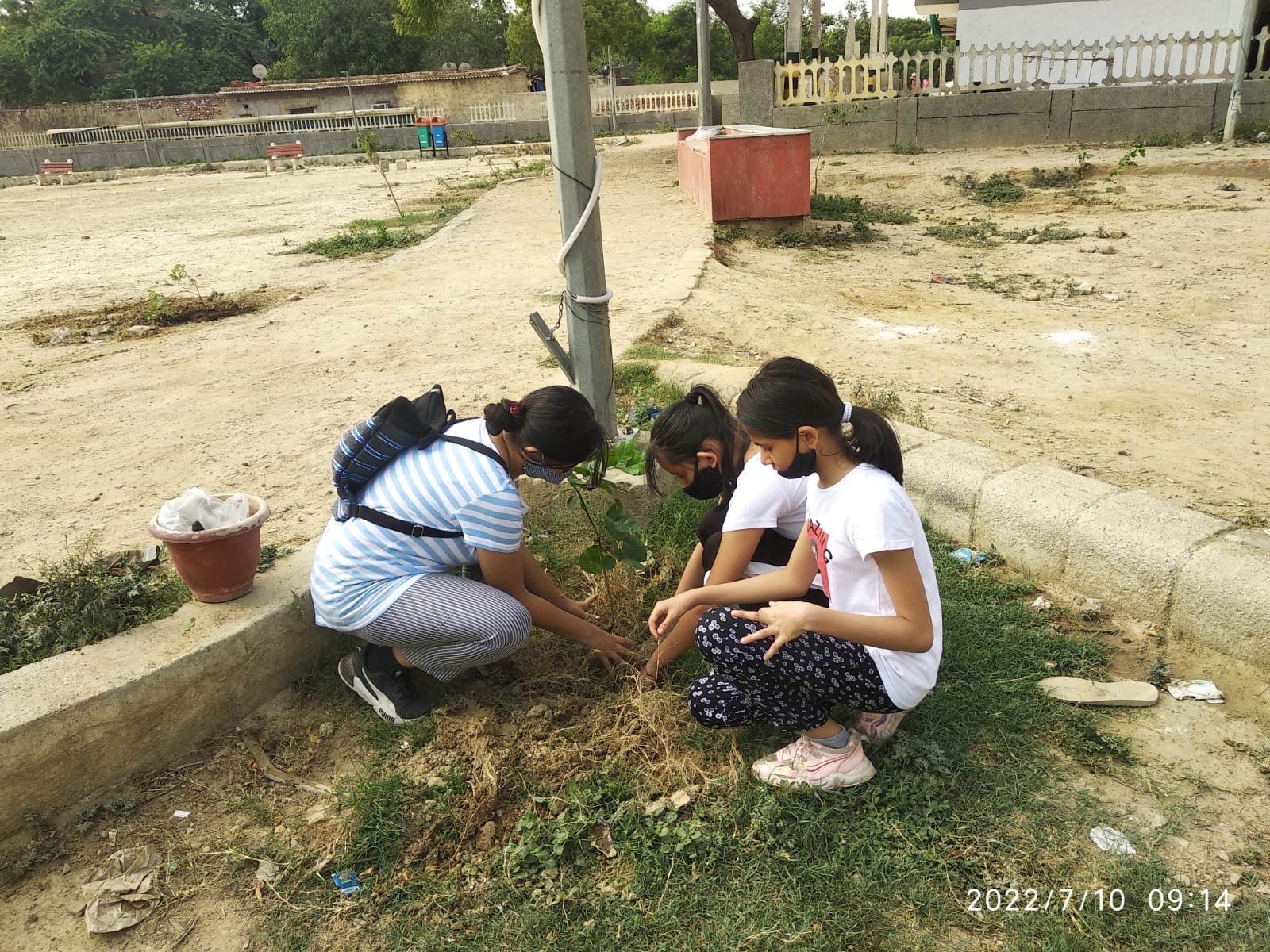
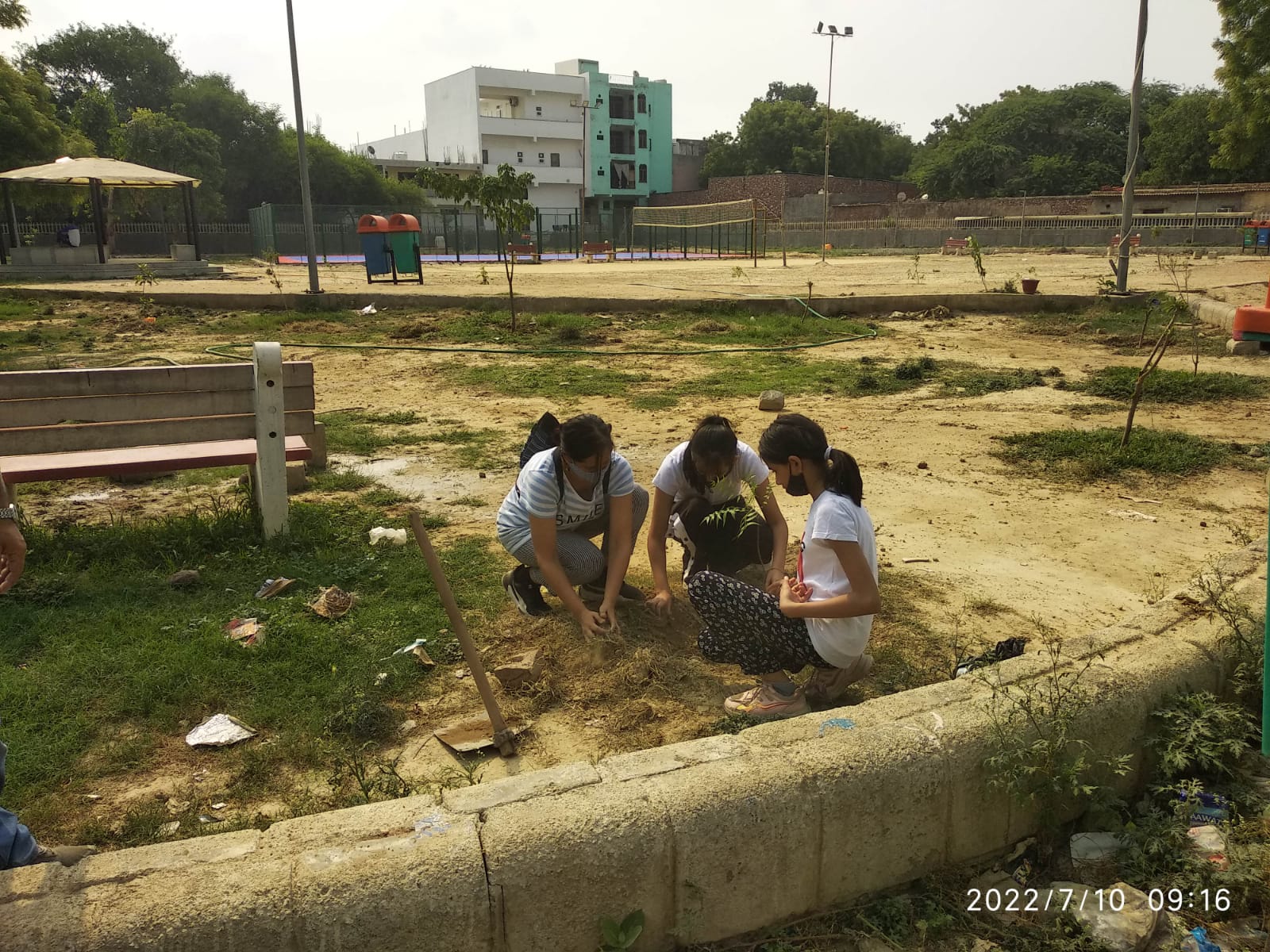
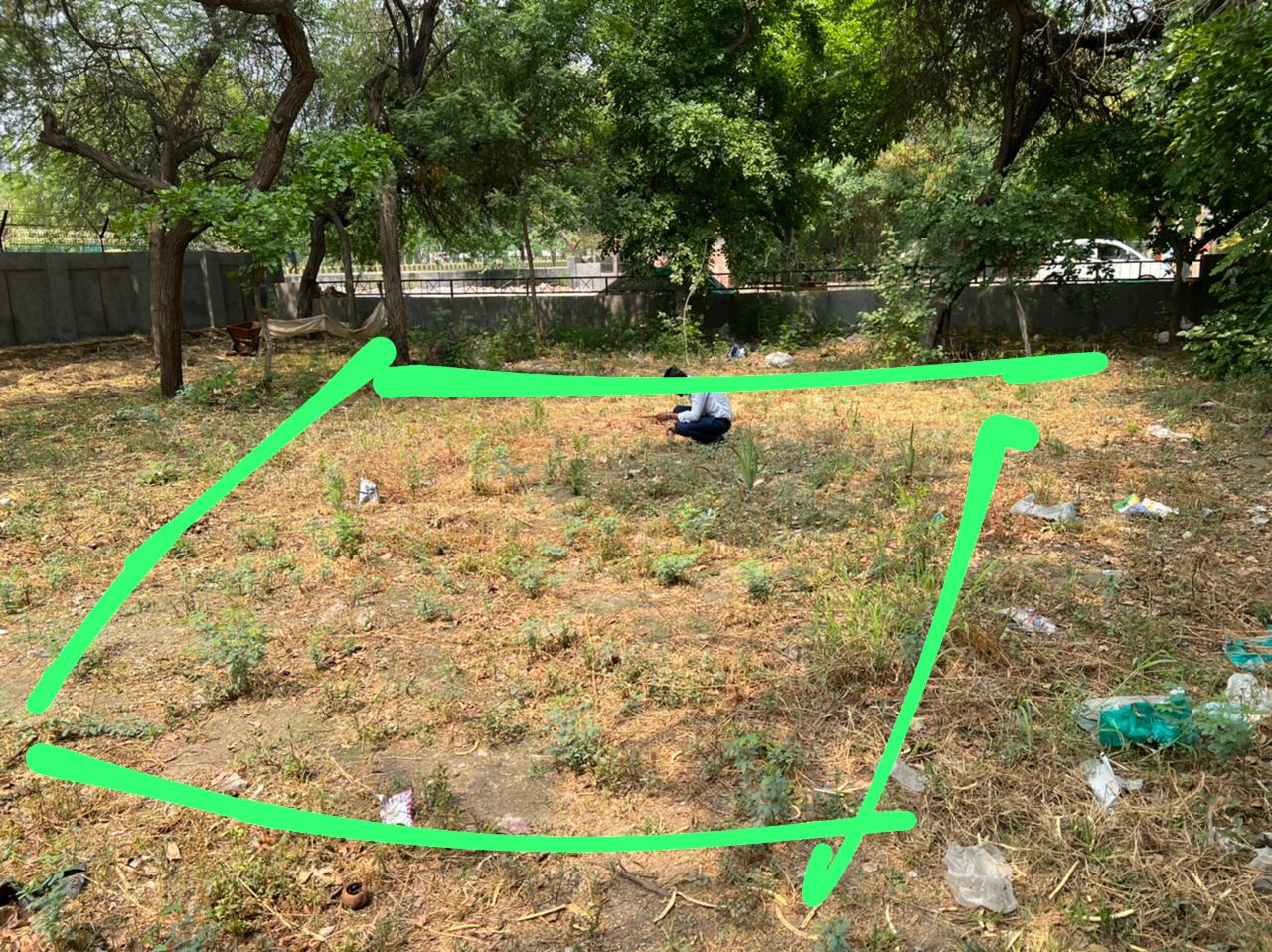
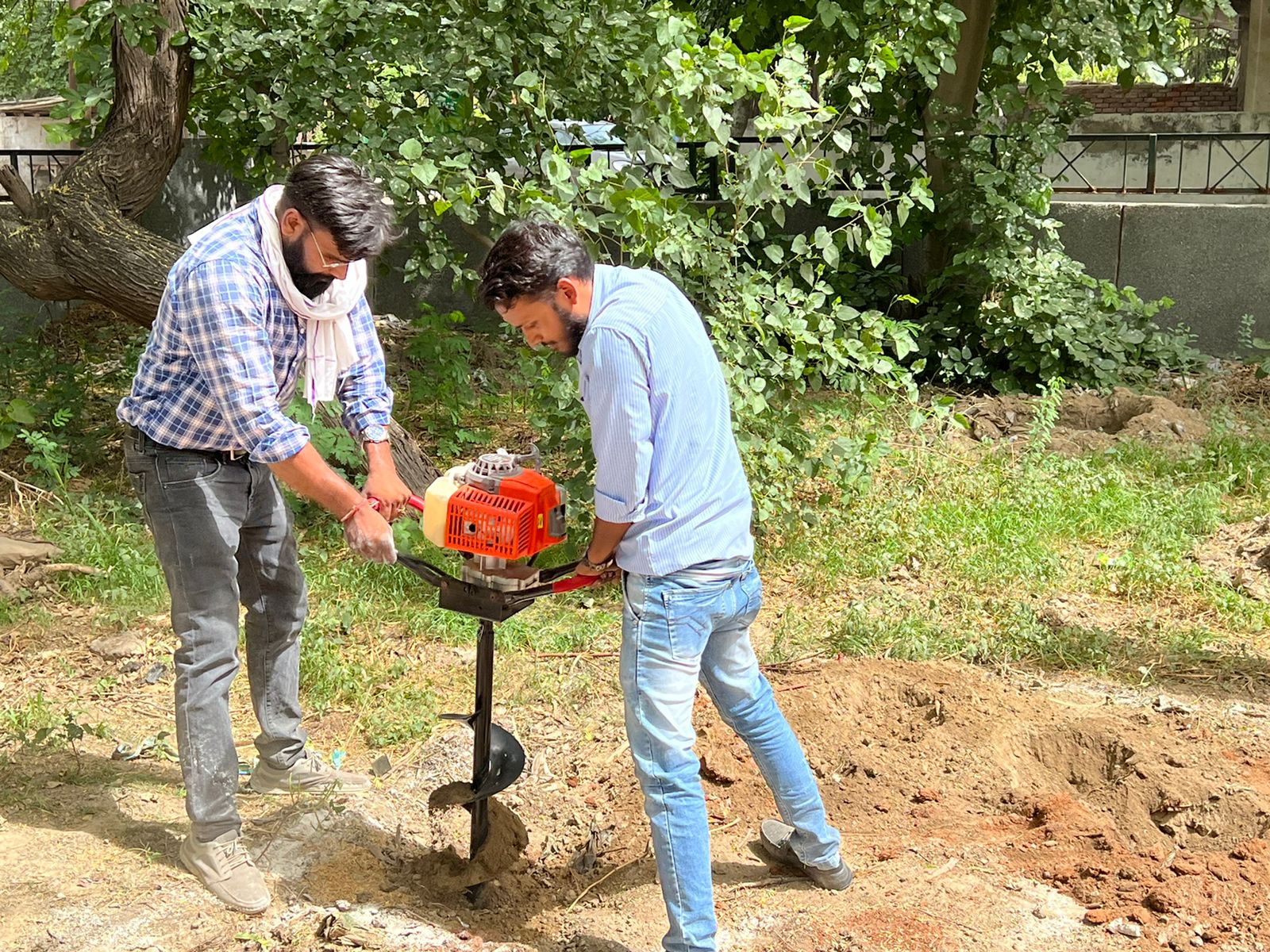
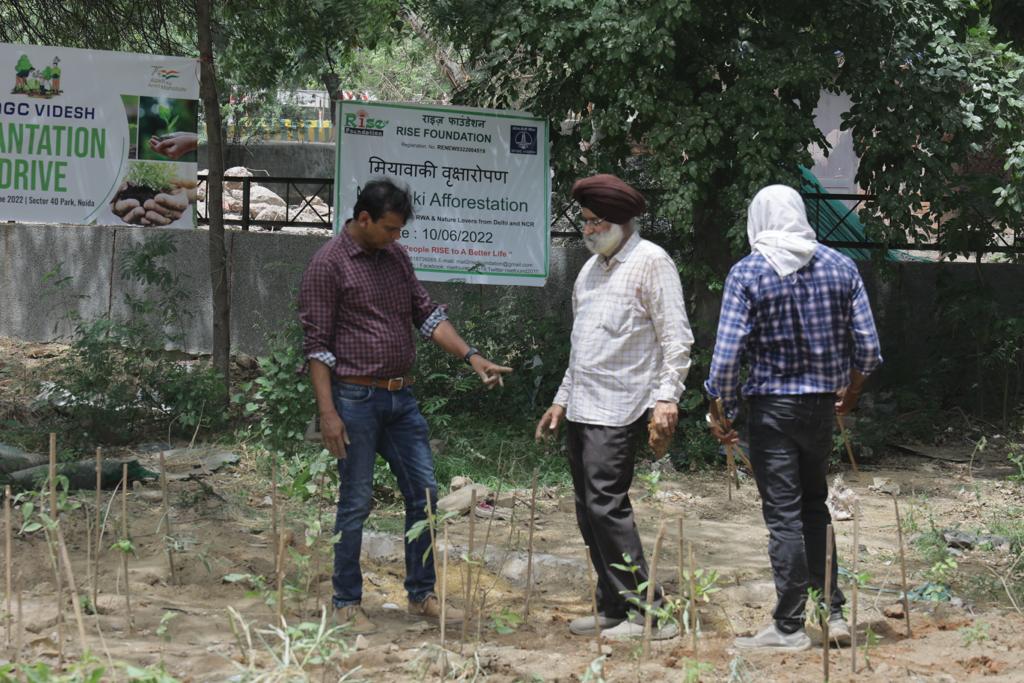
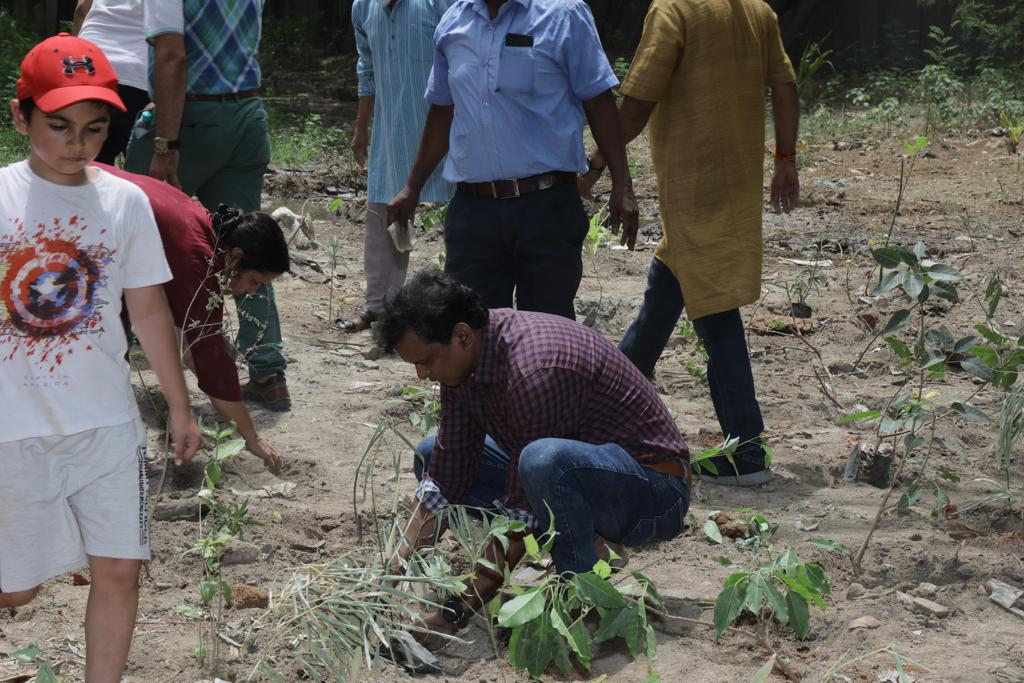
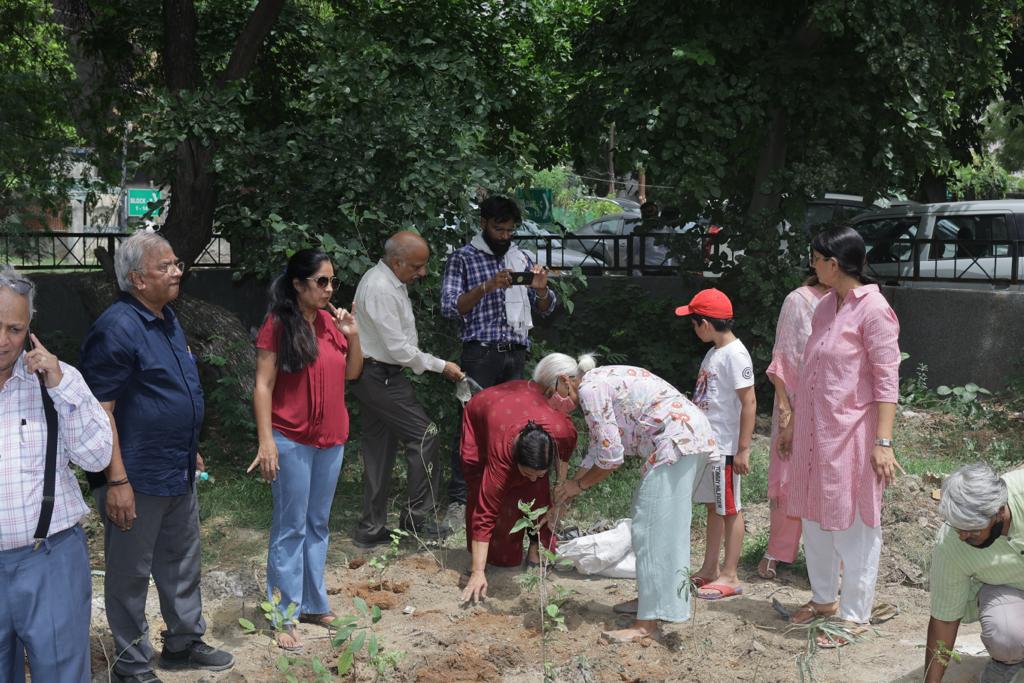
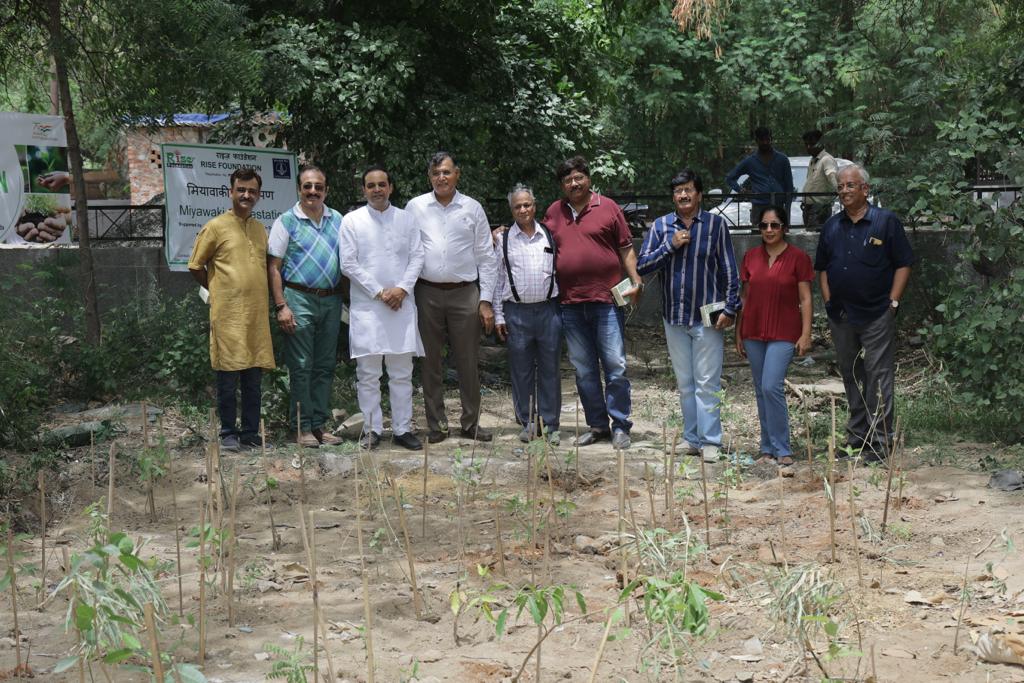
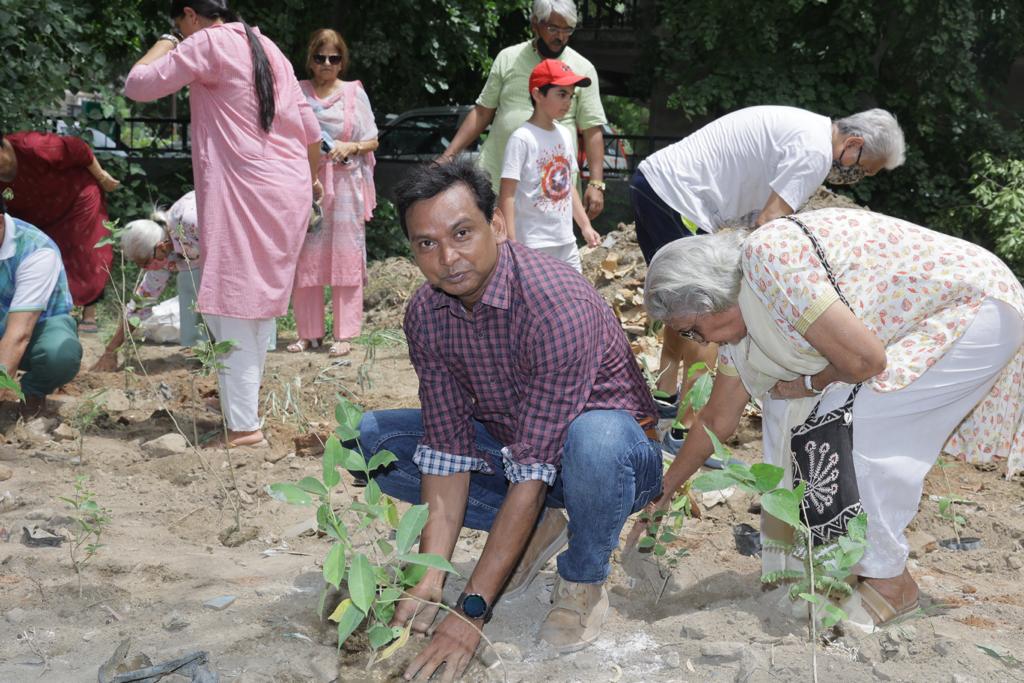
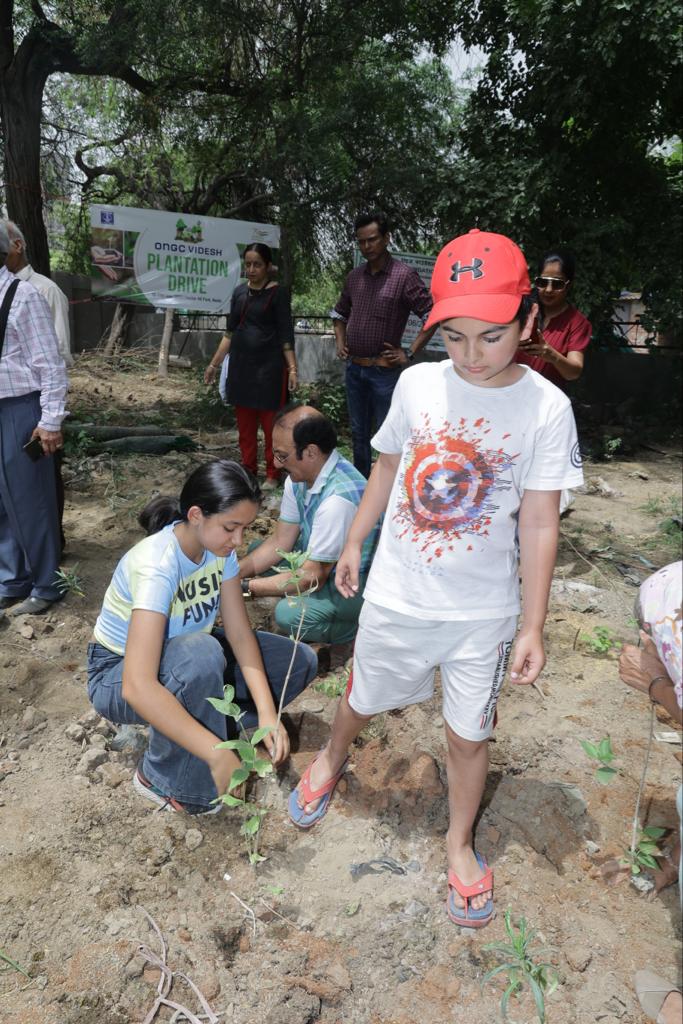
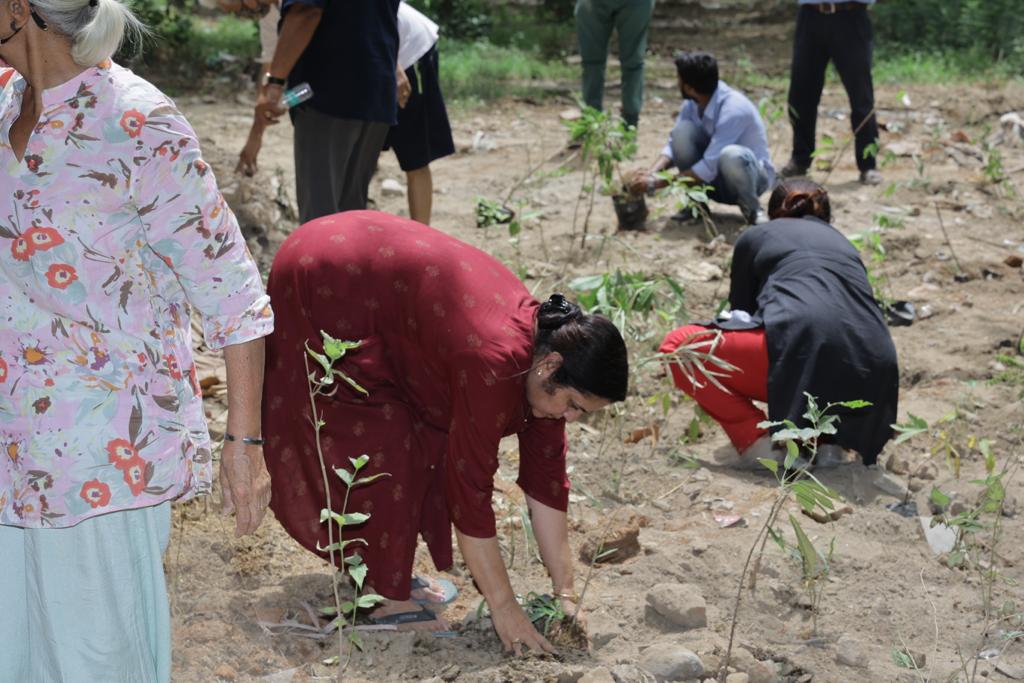
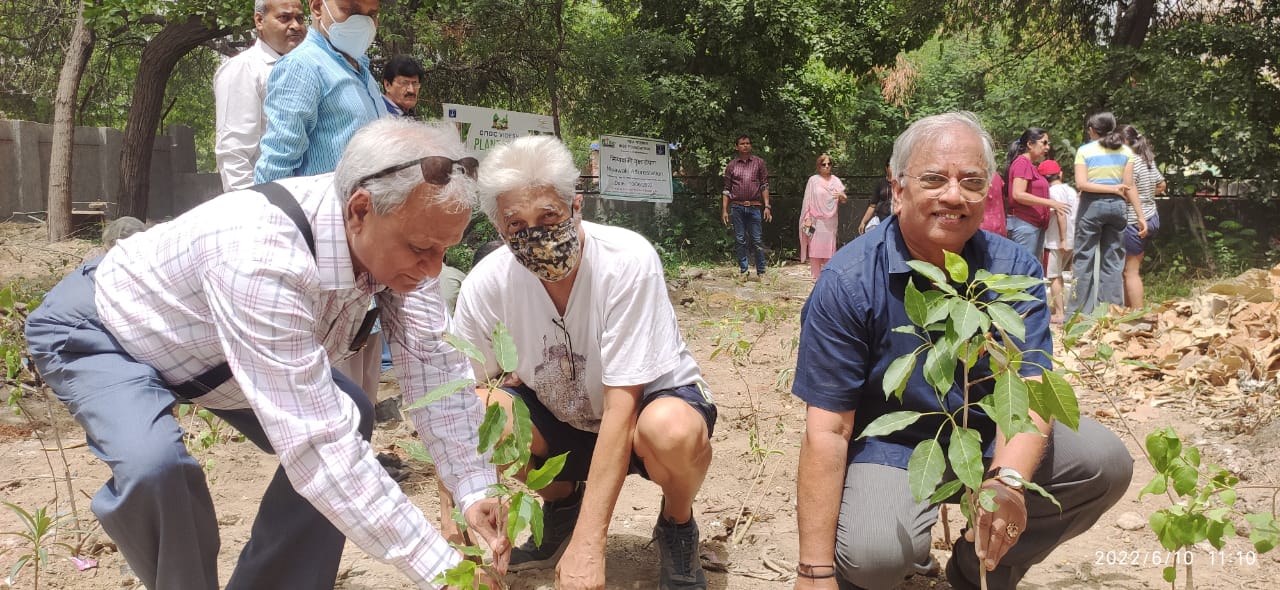
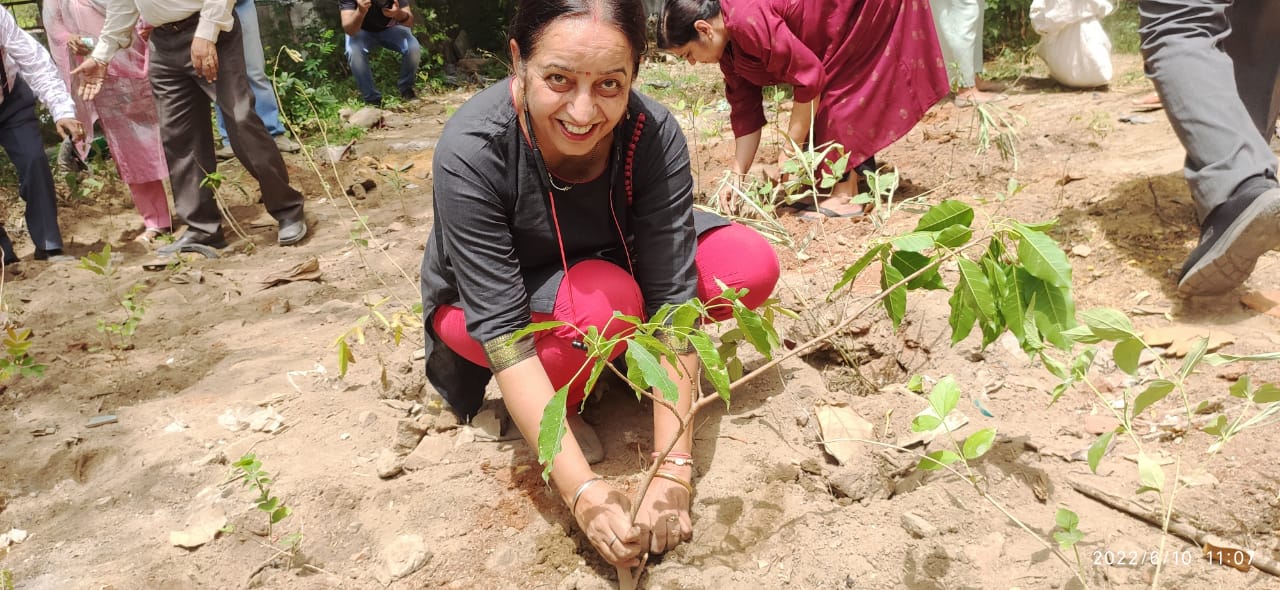
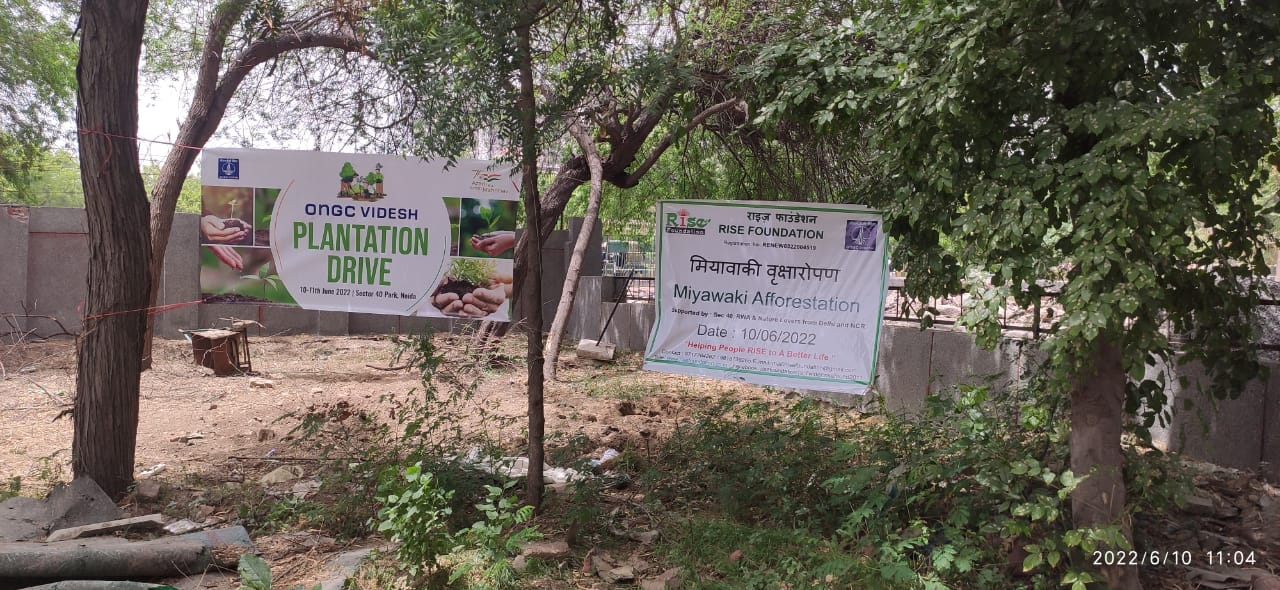
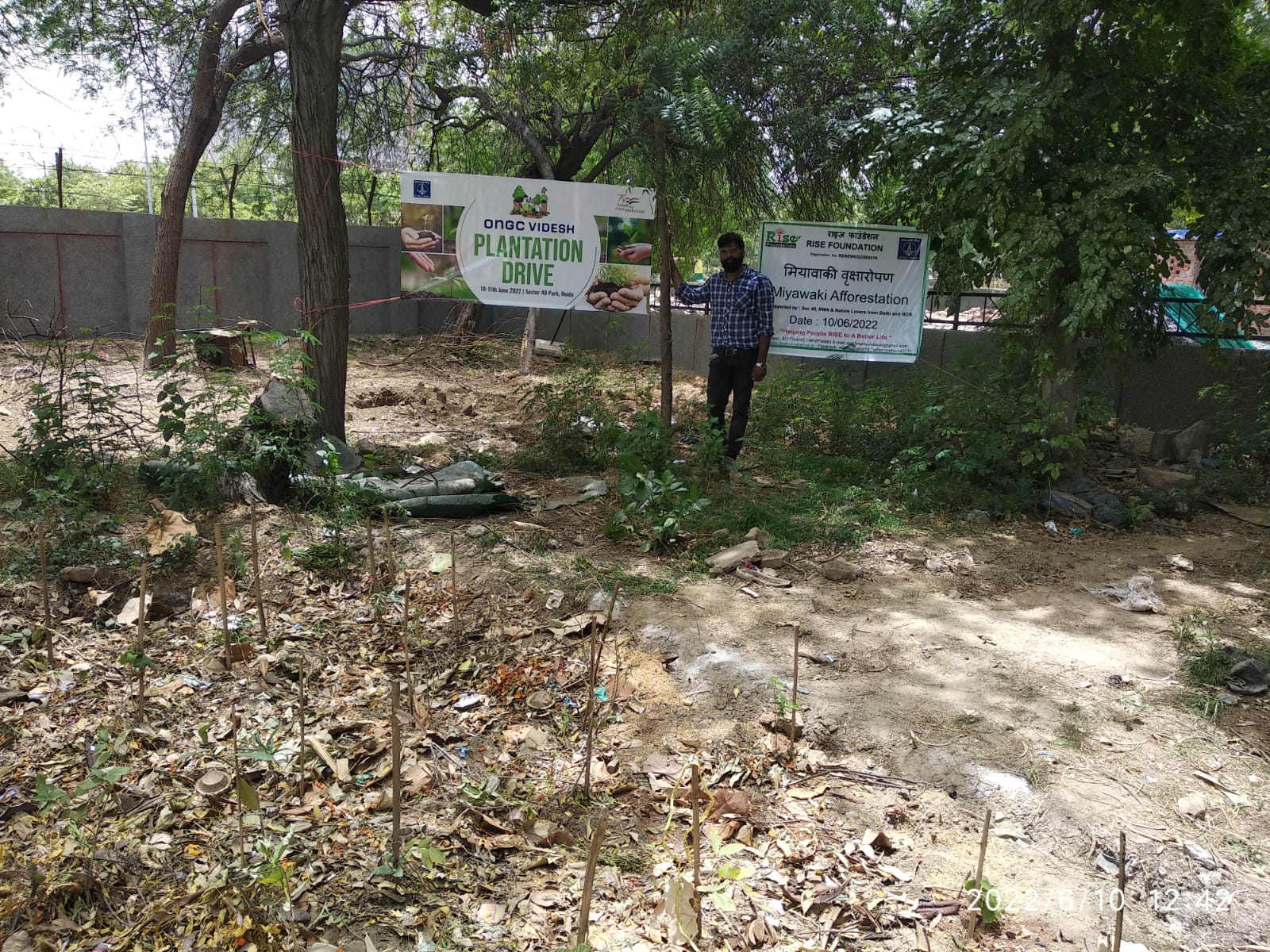
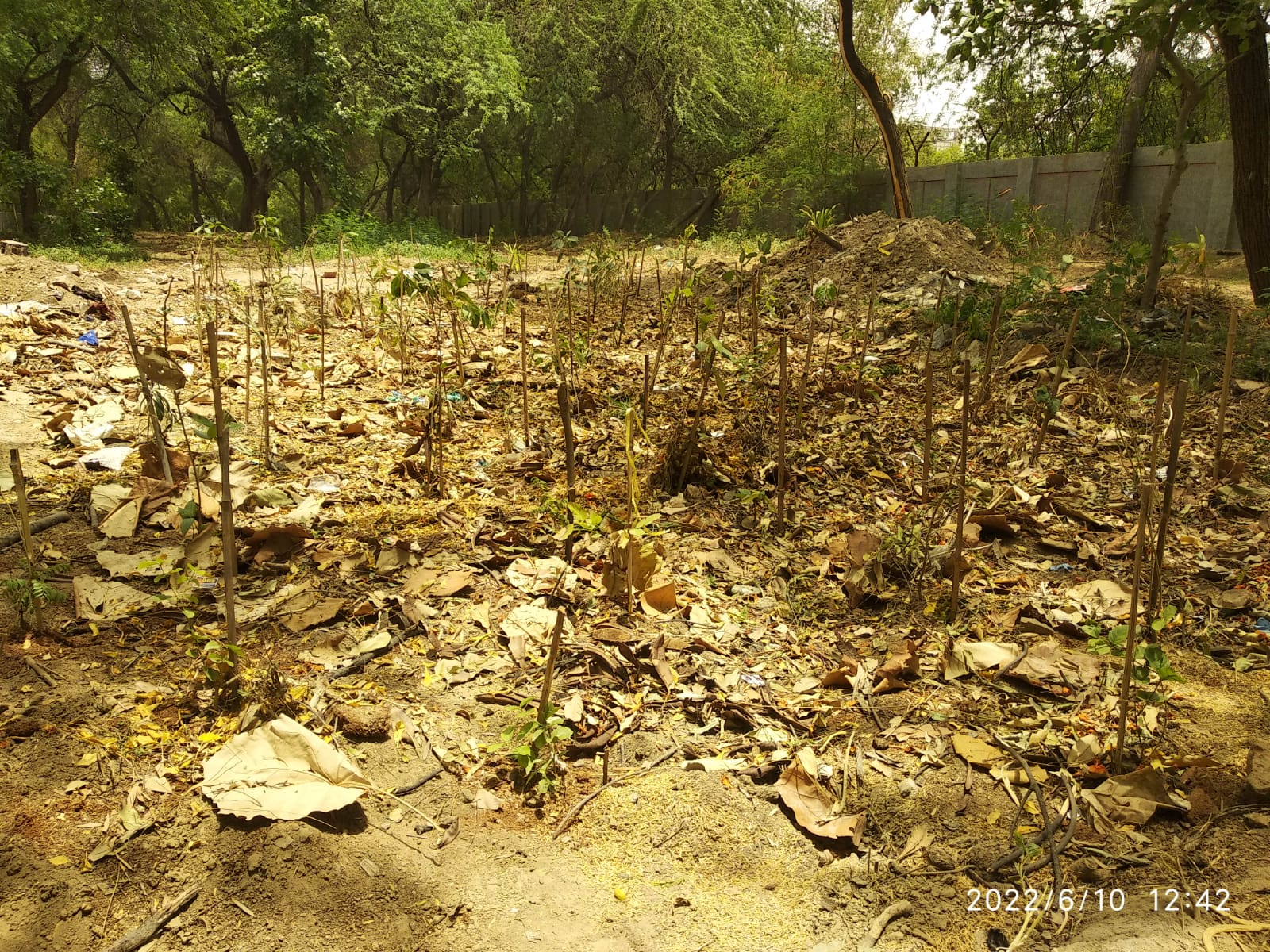
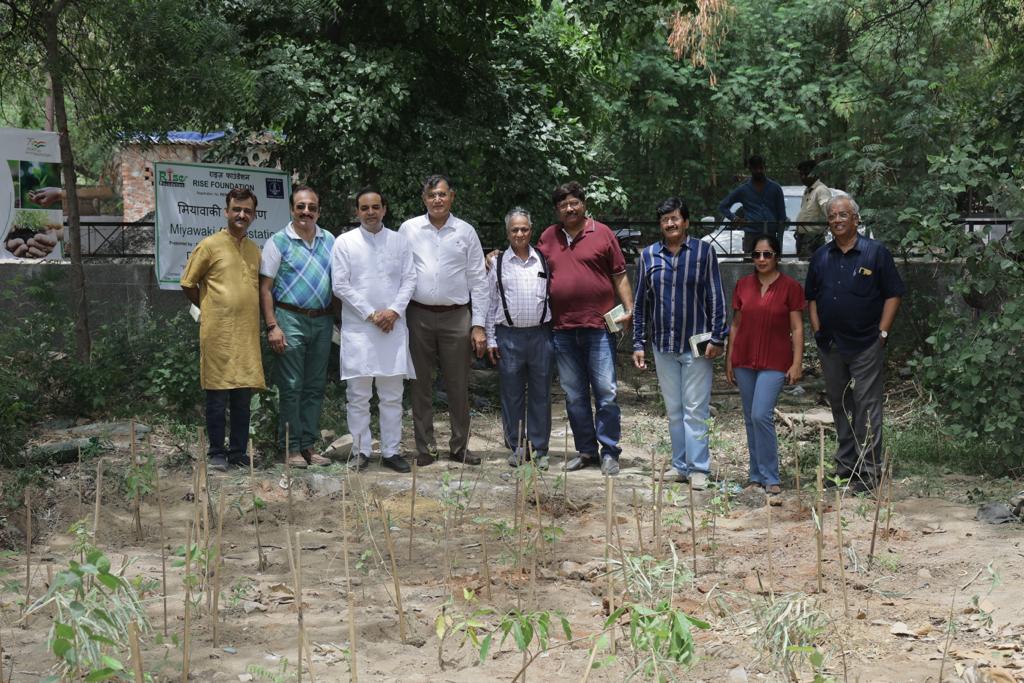
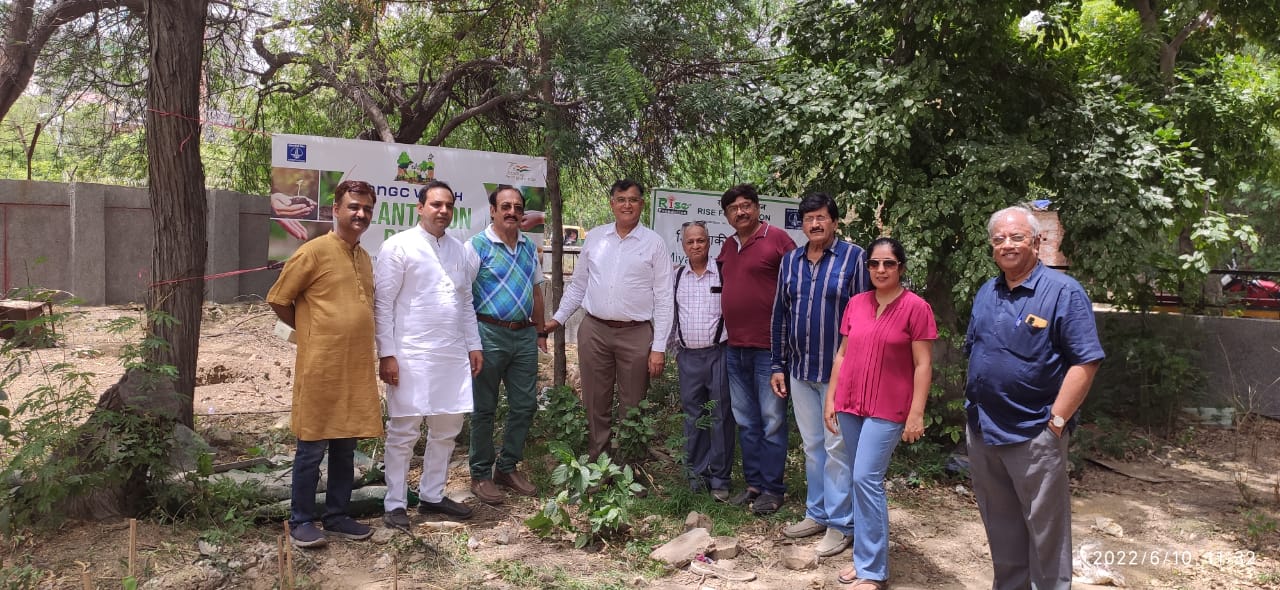
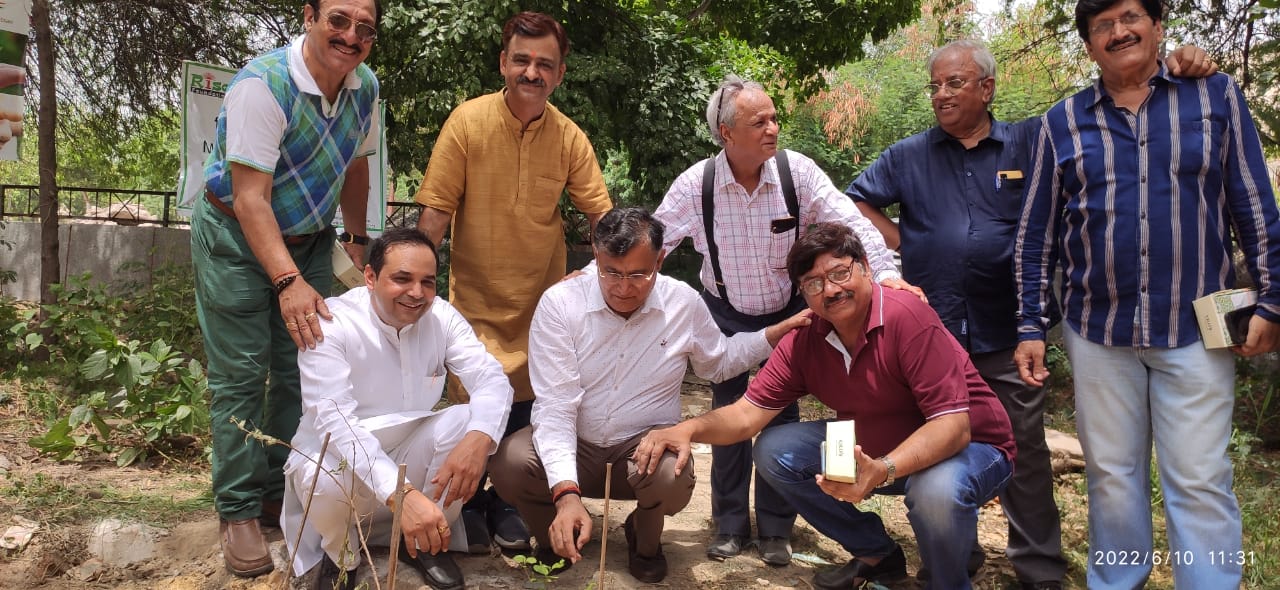
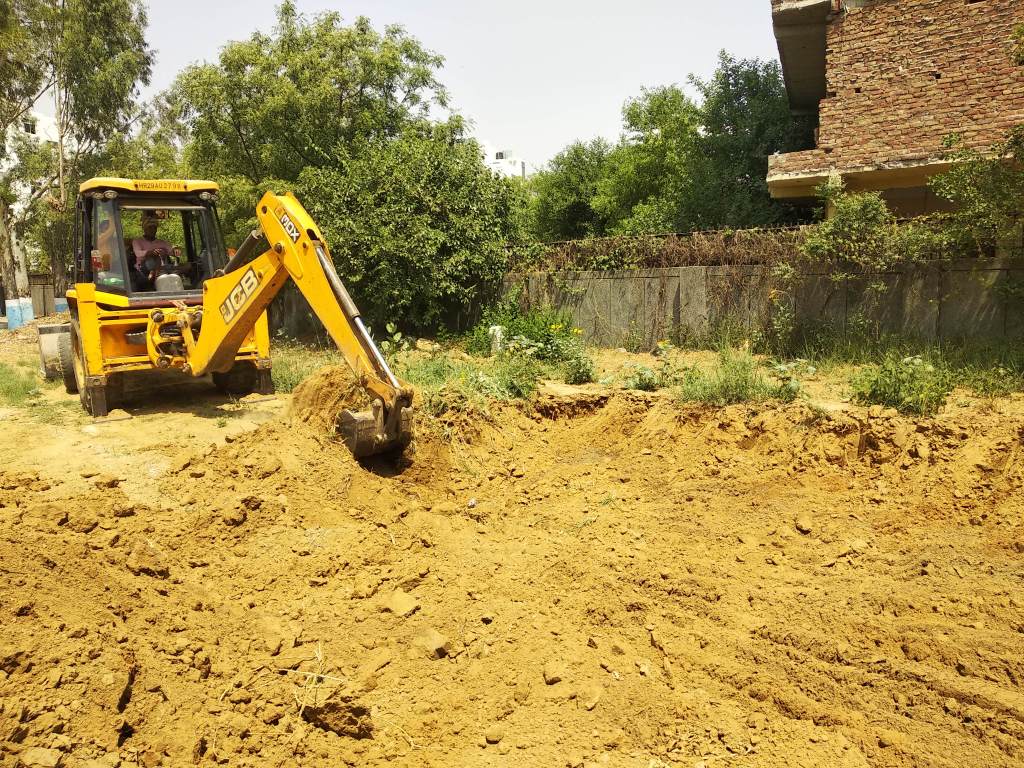
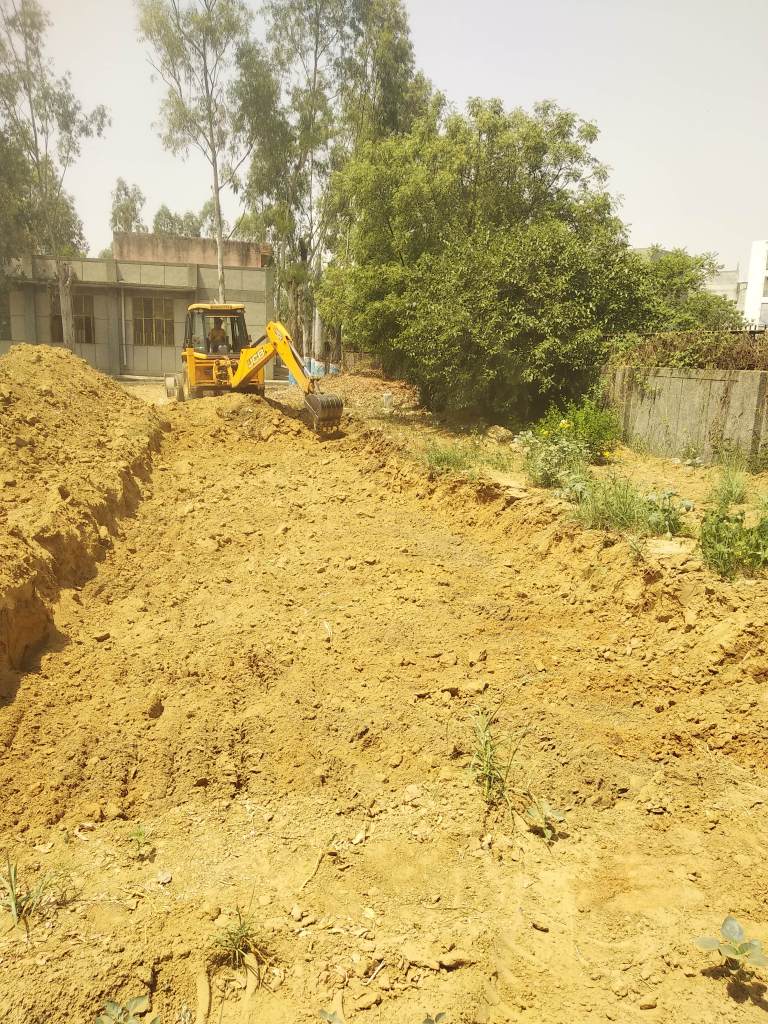
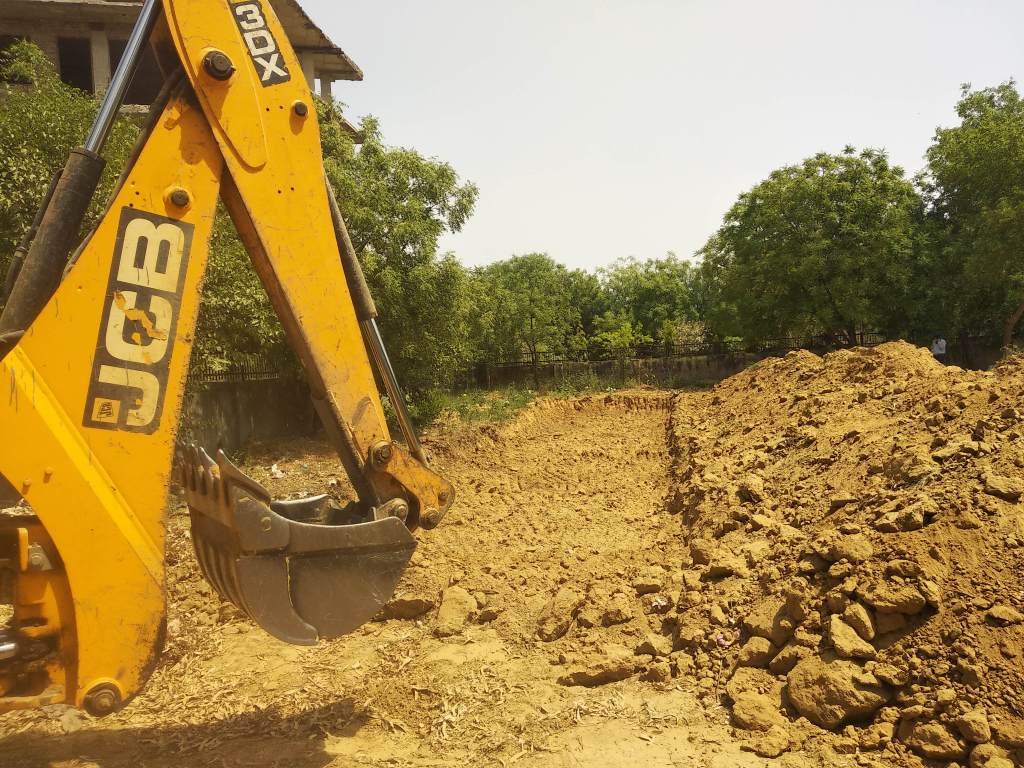
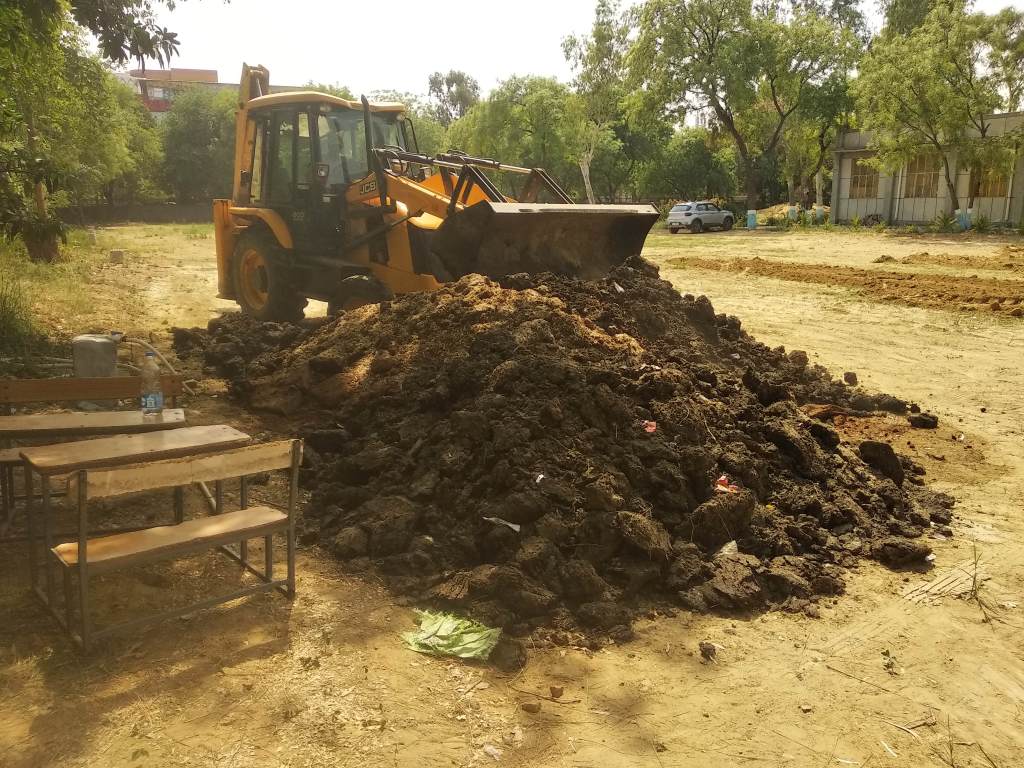
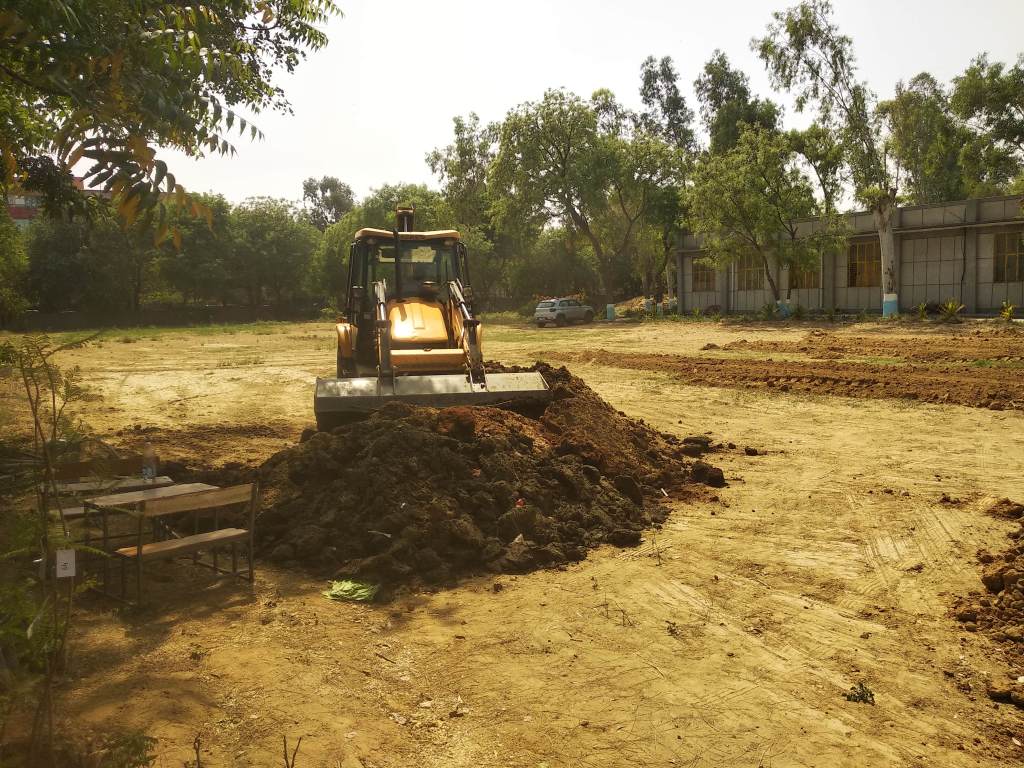
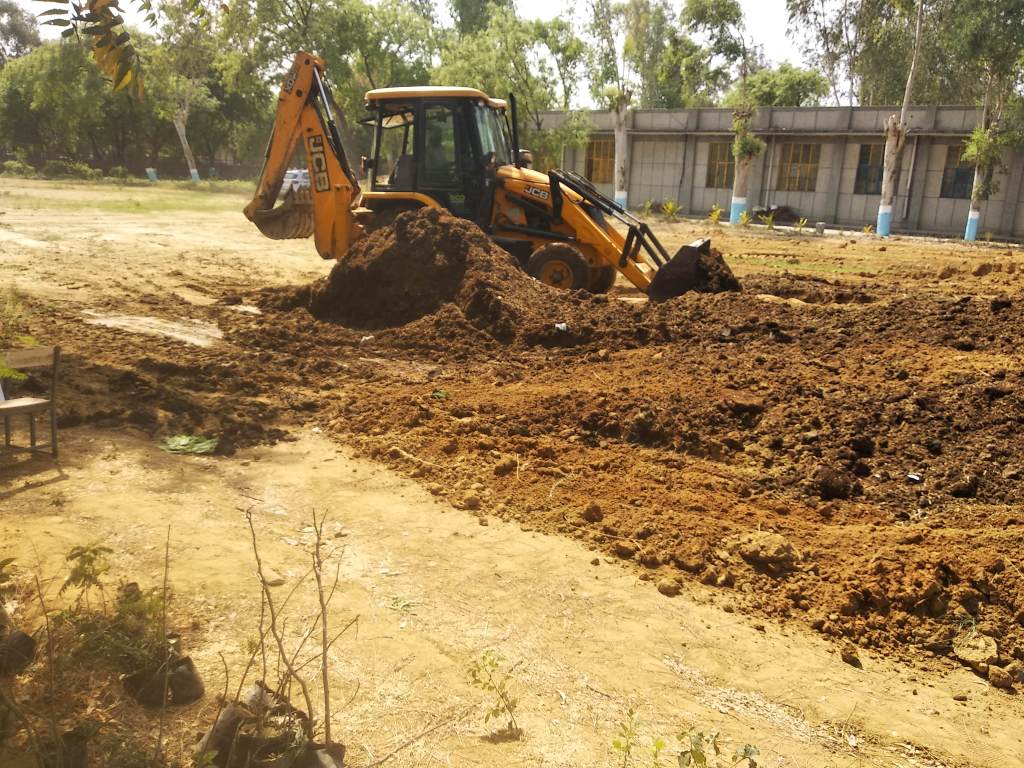
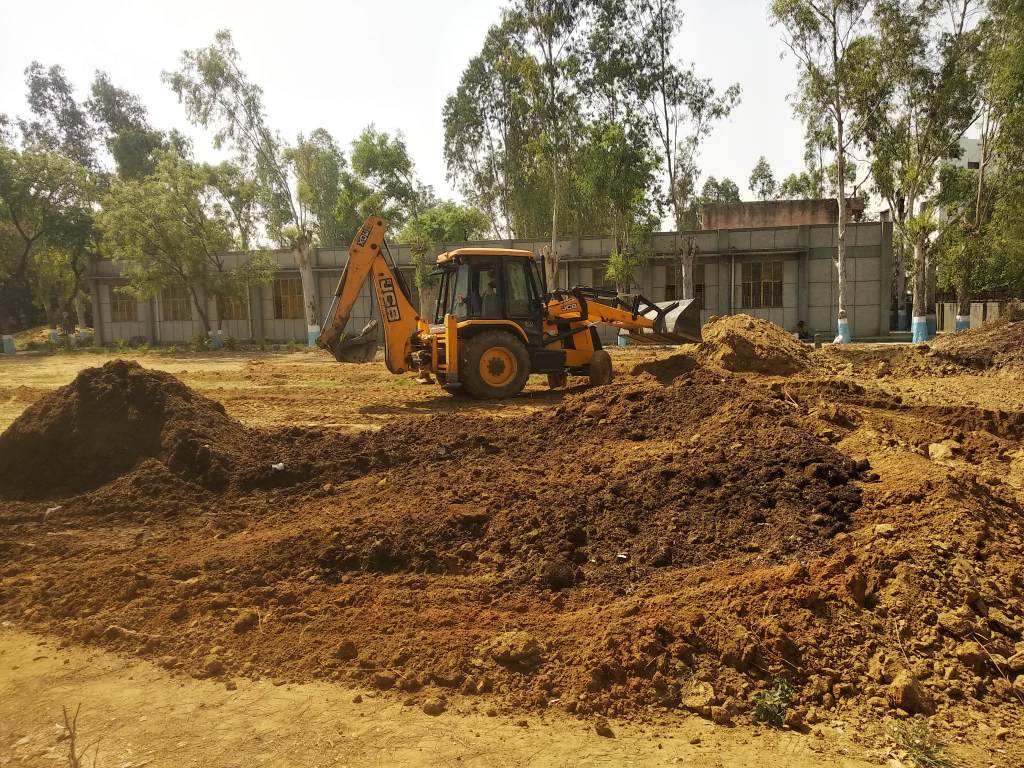
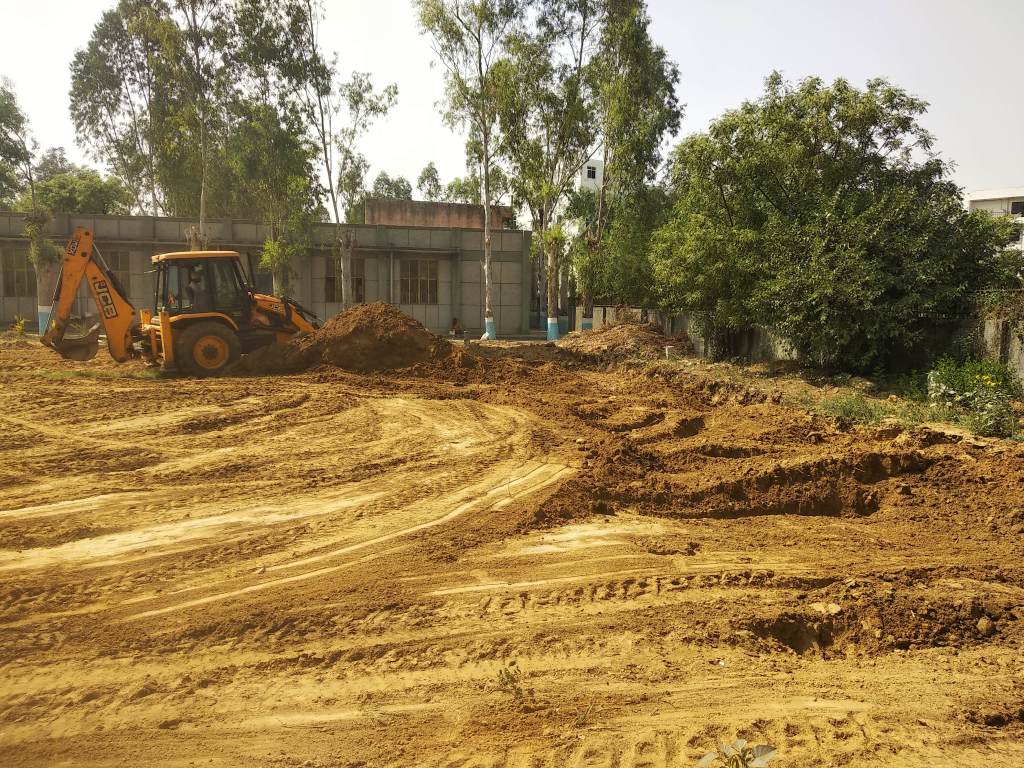
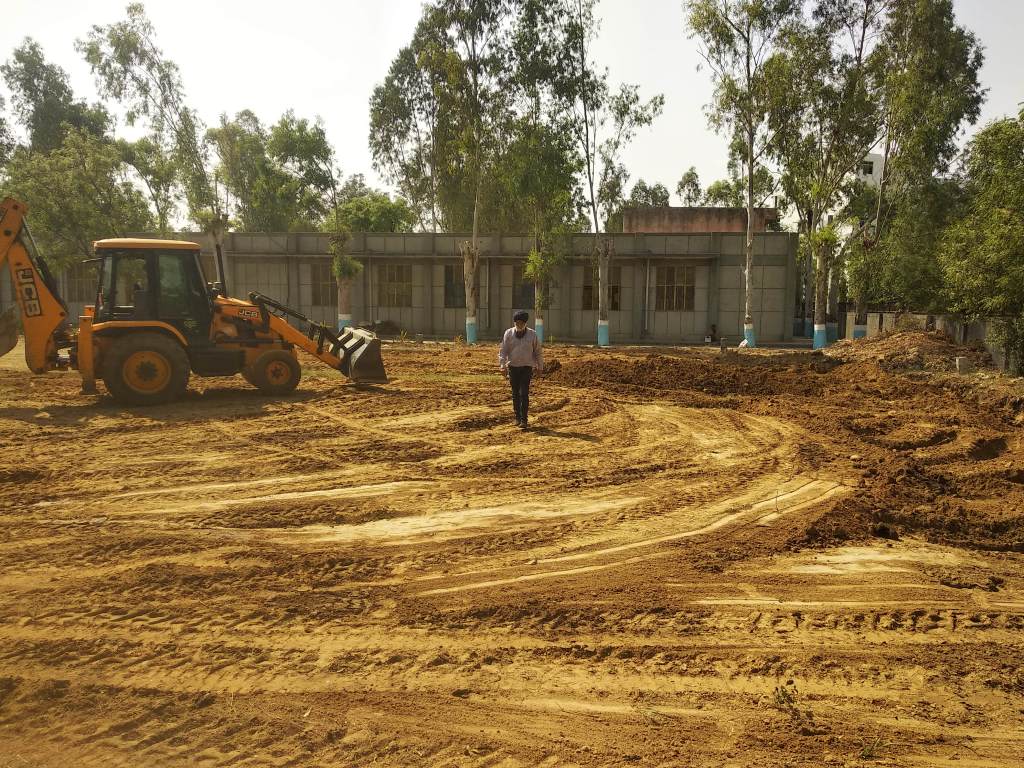
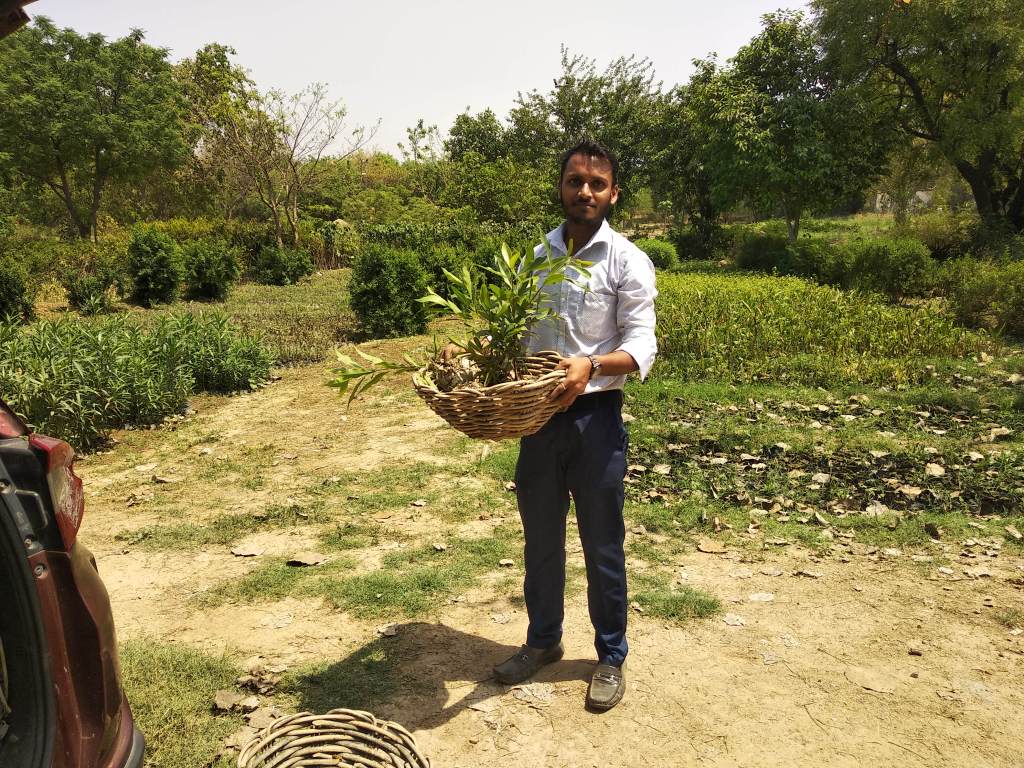
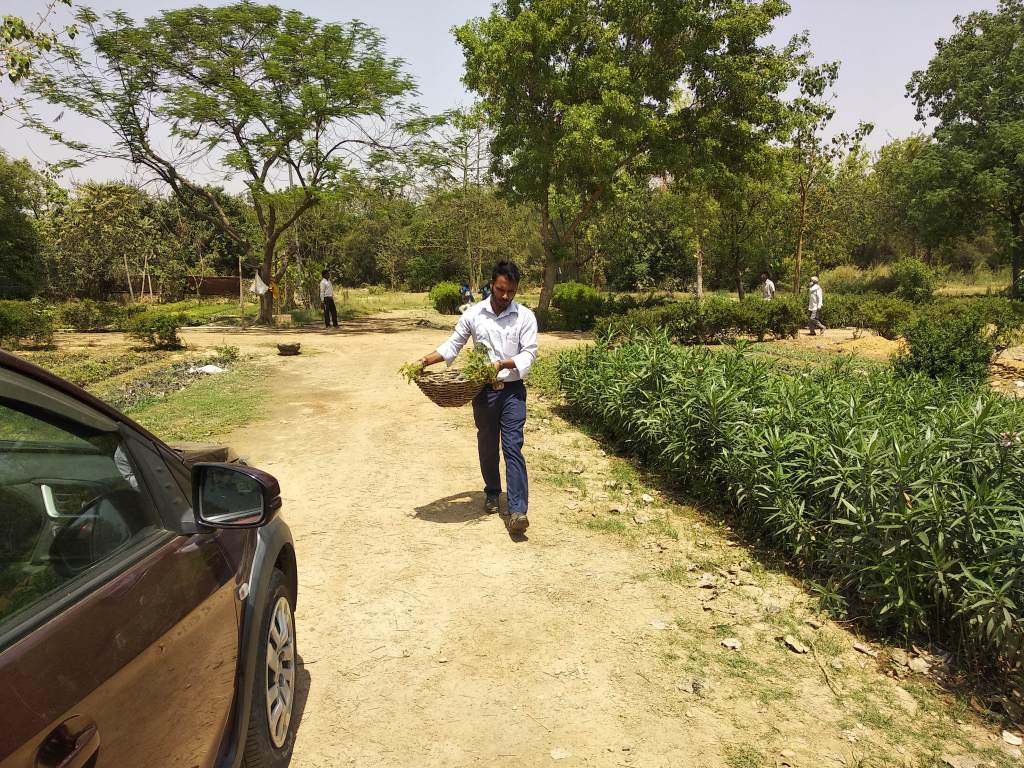
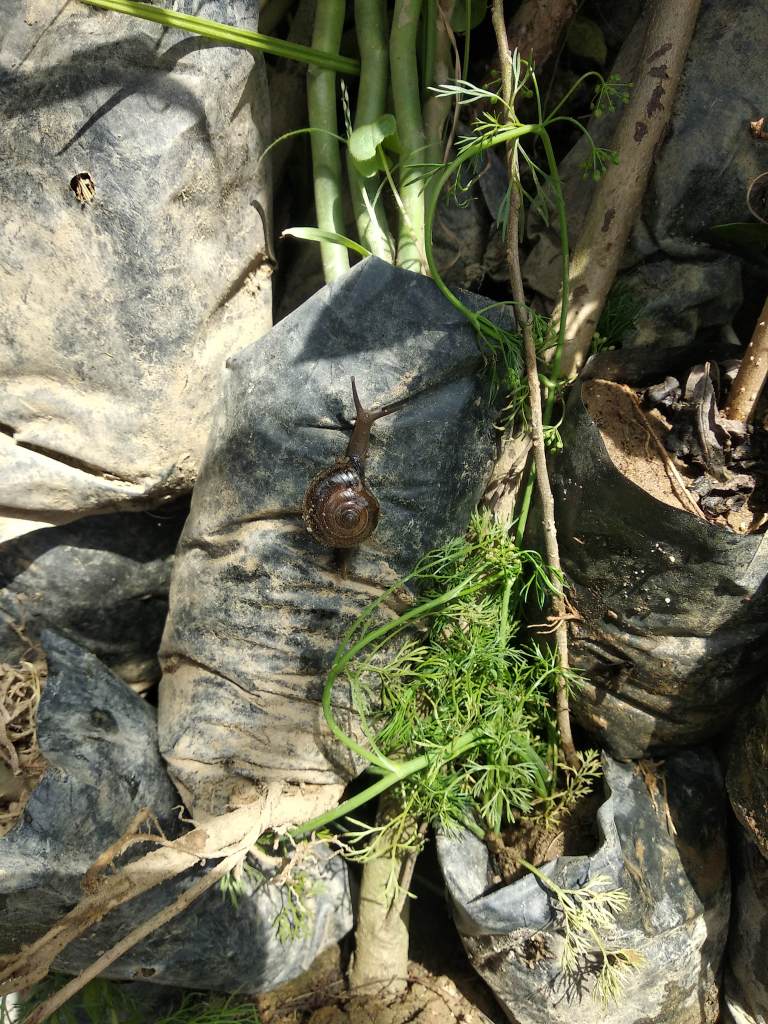
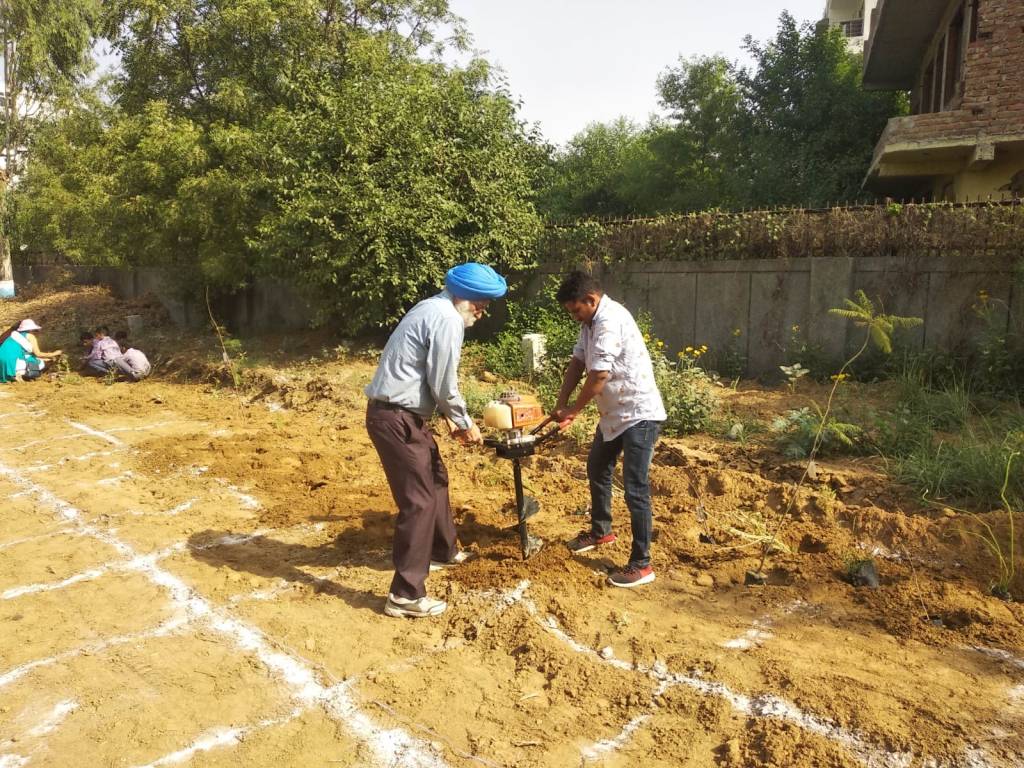
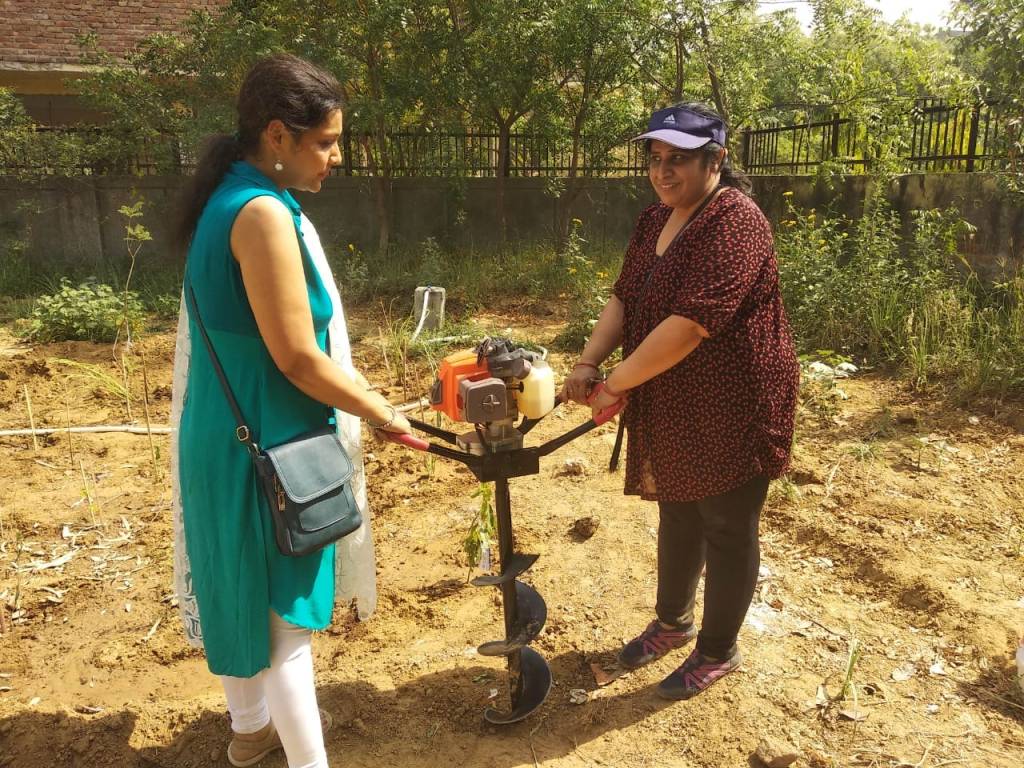
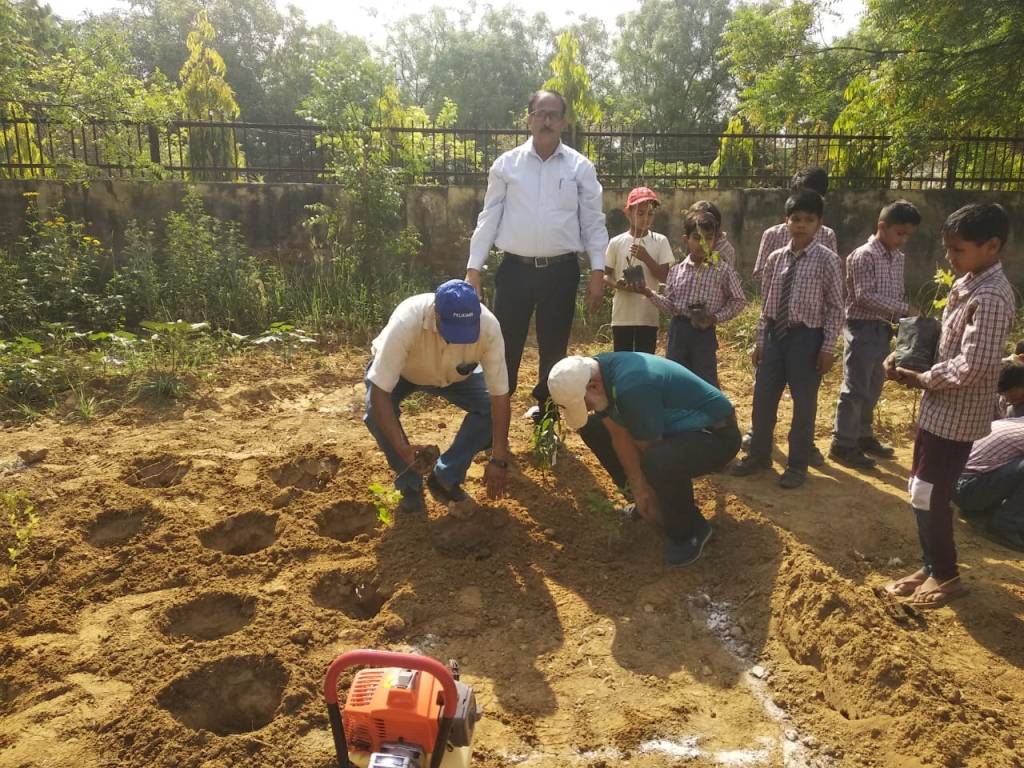
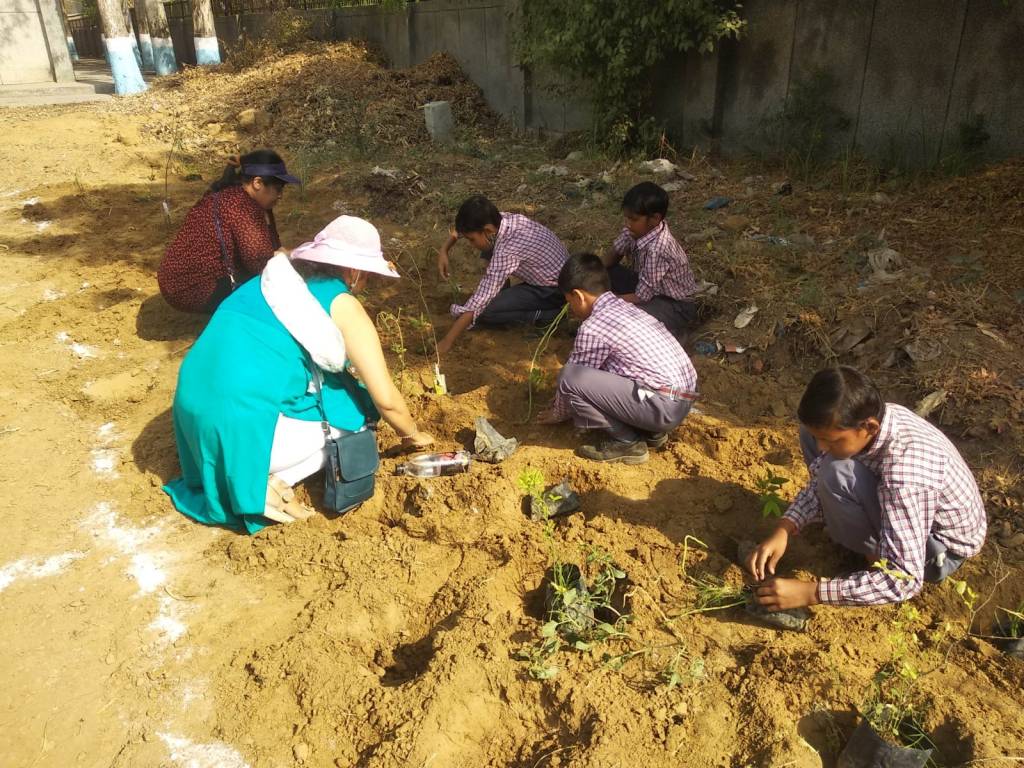
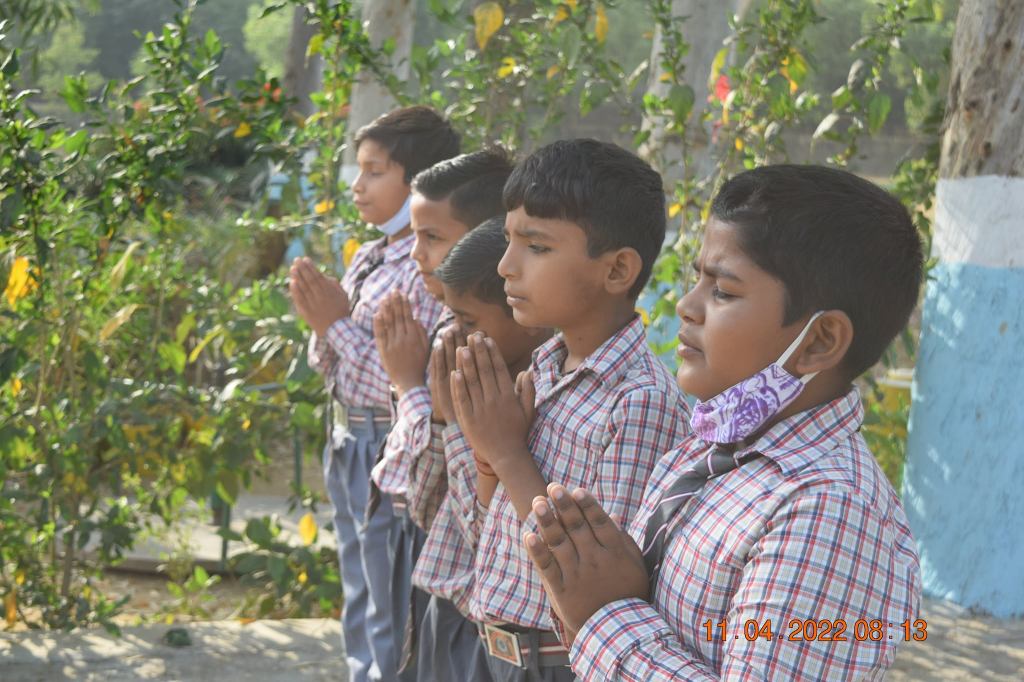
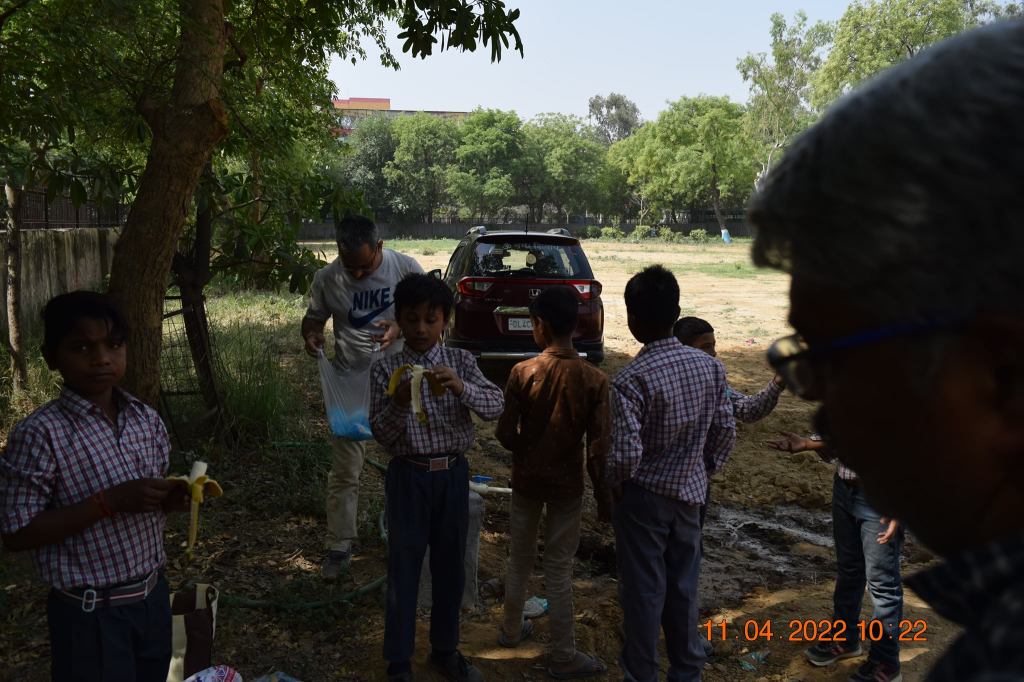
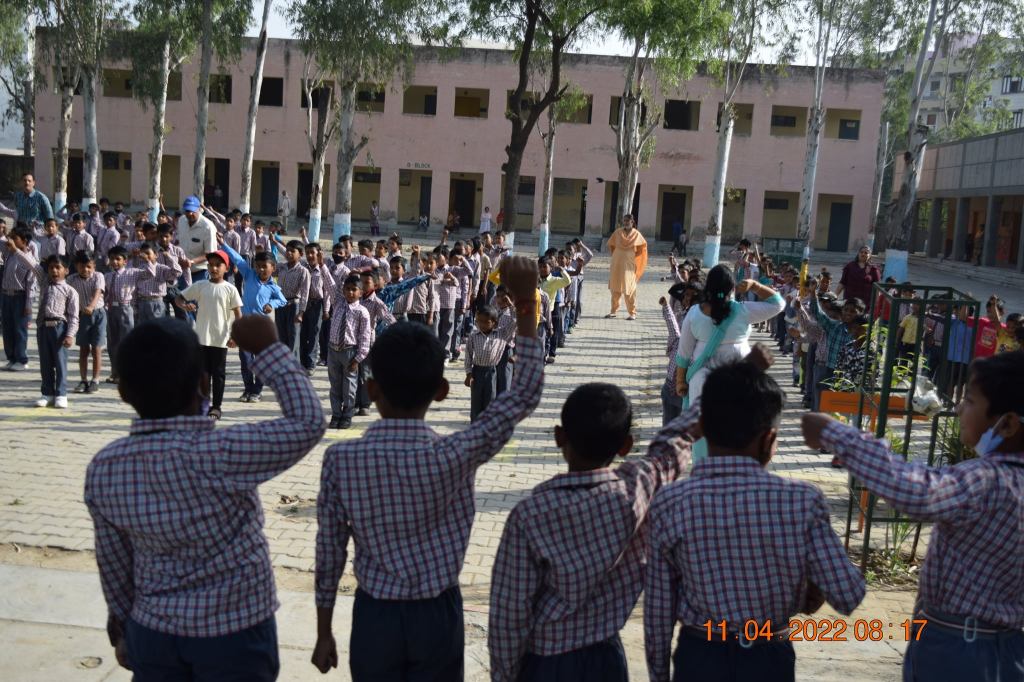
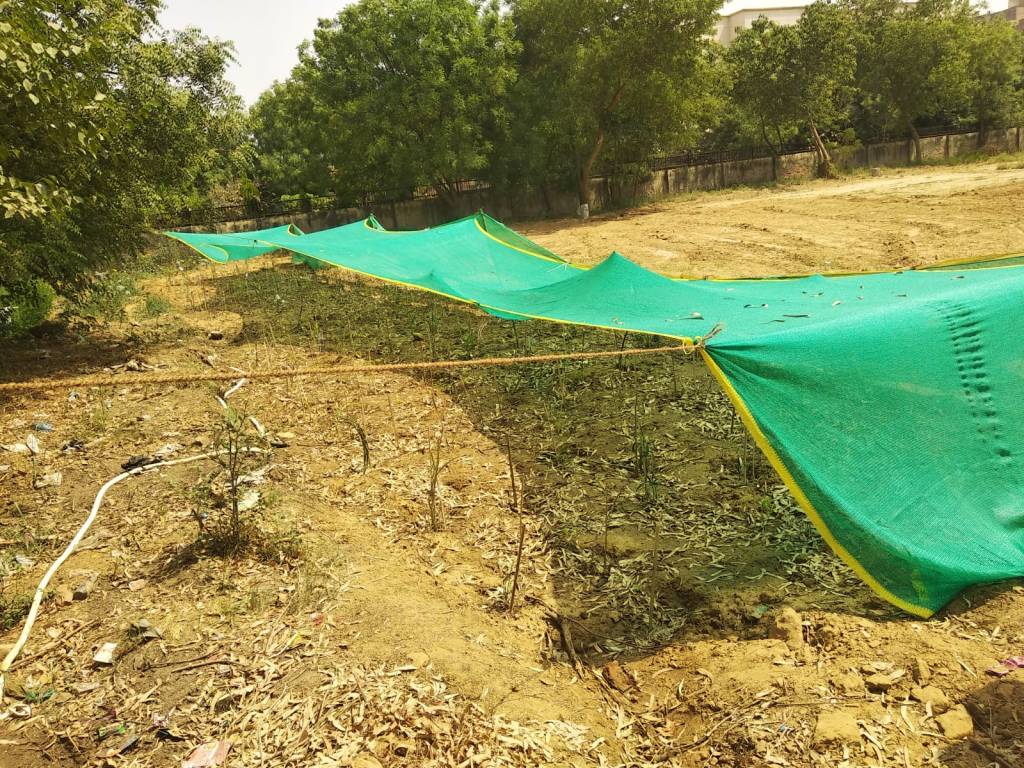
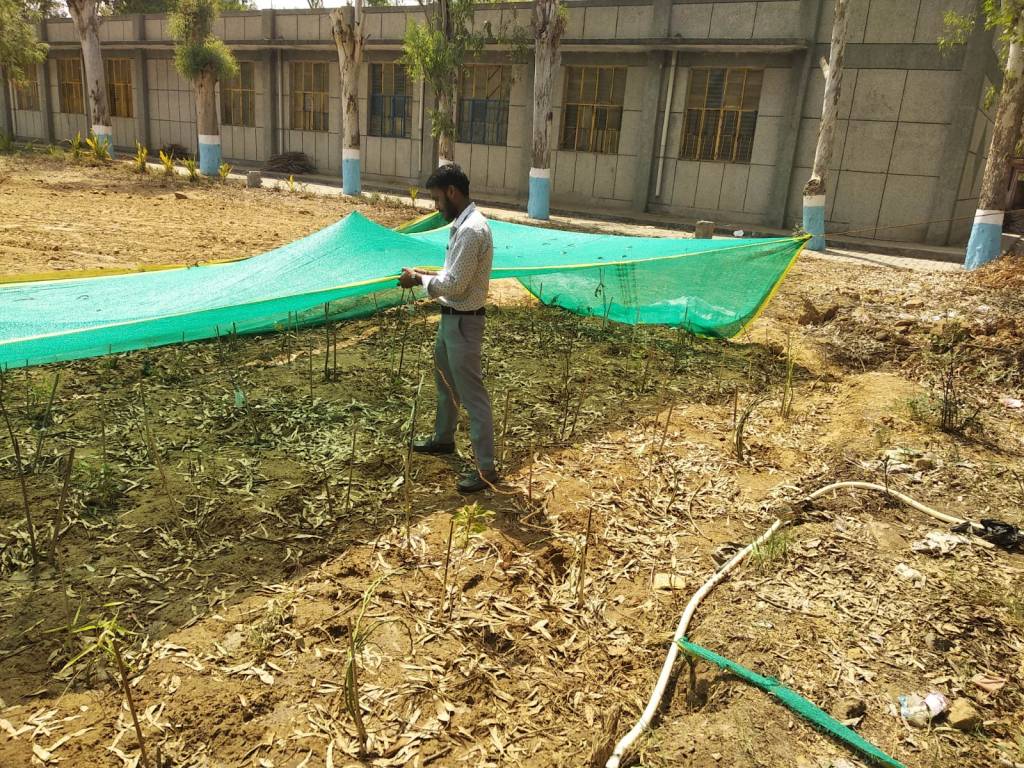
Size : 1000sq ft with 300 native plants sapling plantation
Date : 11 April 2022
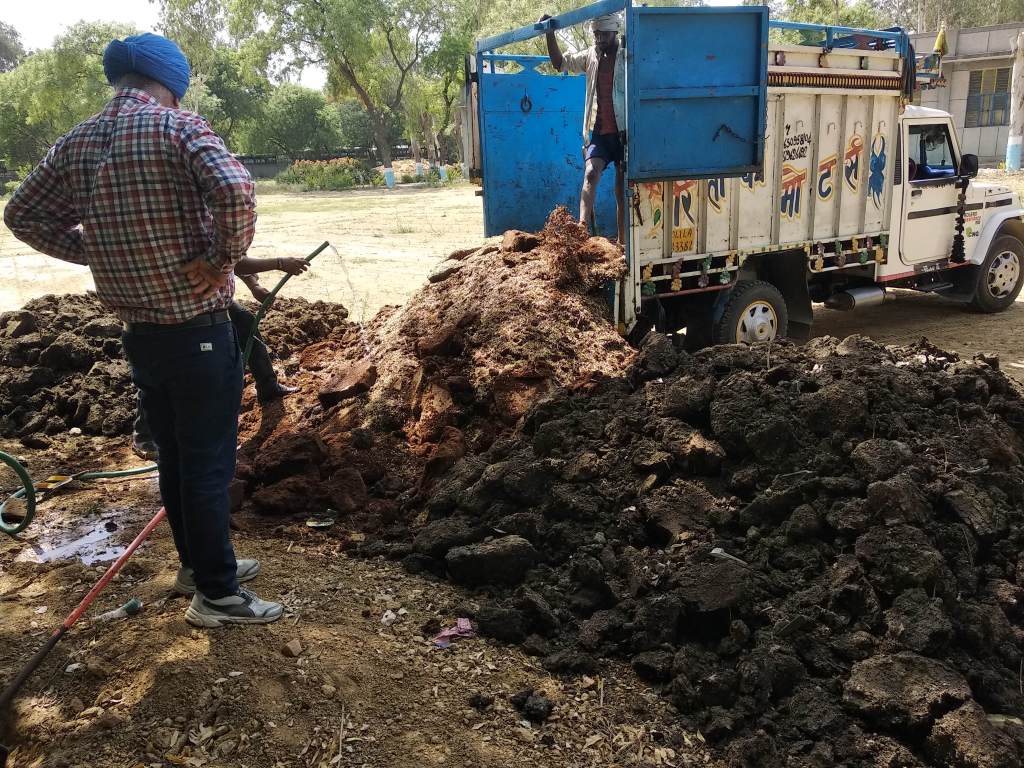
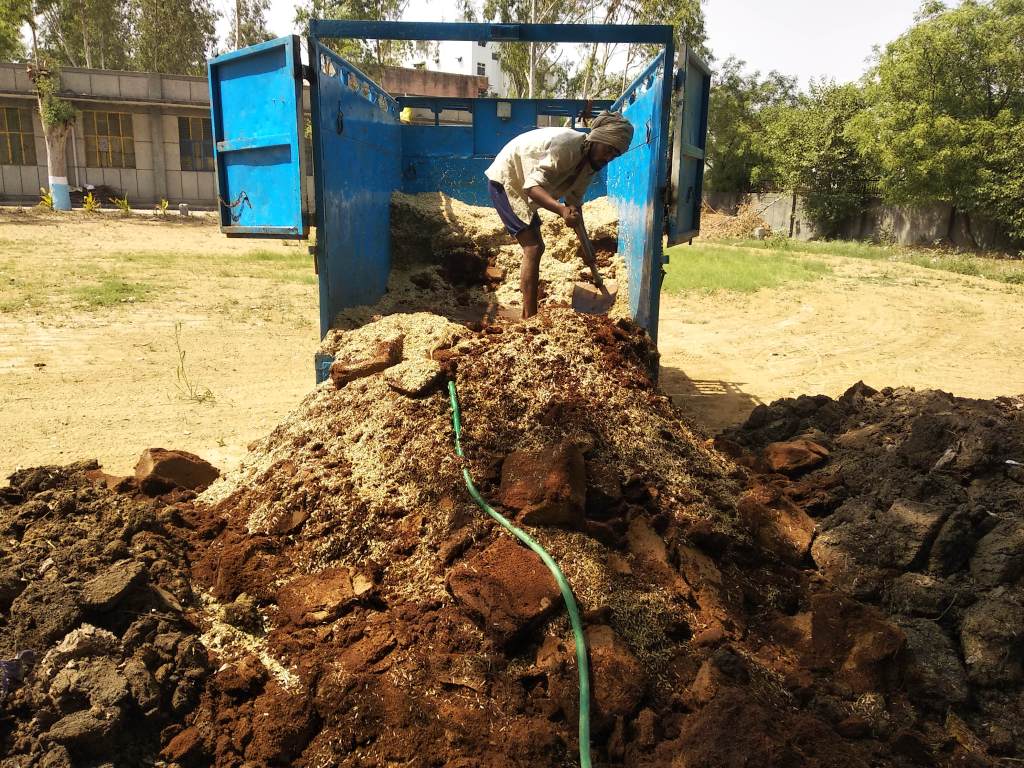
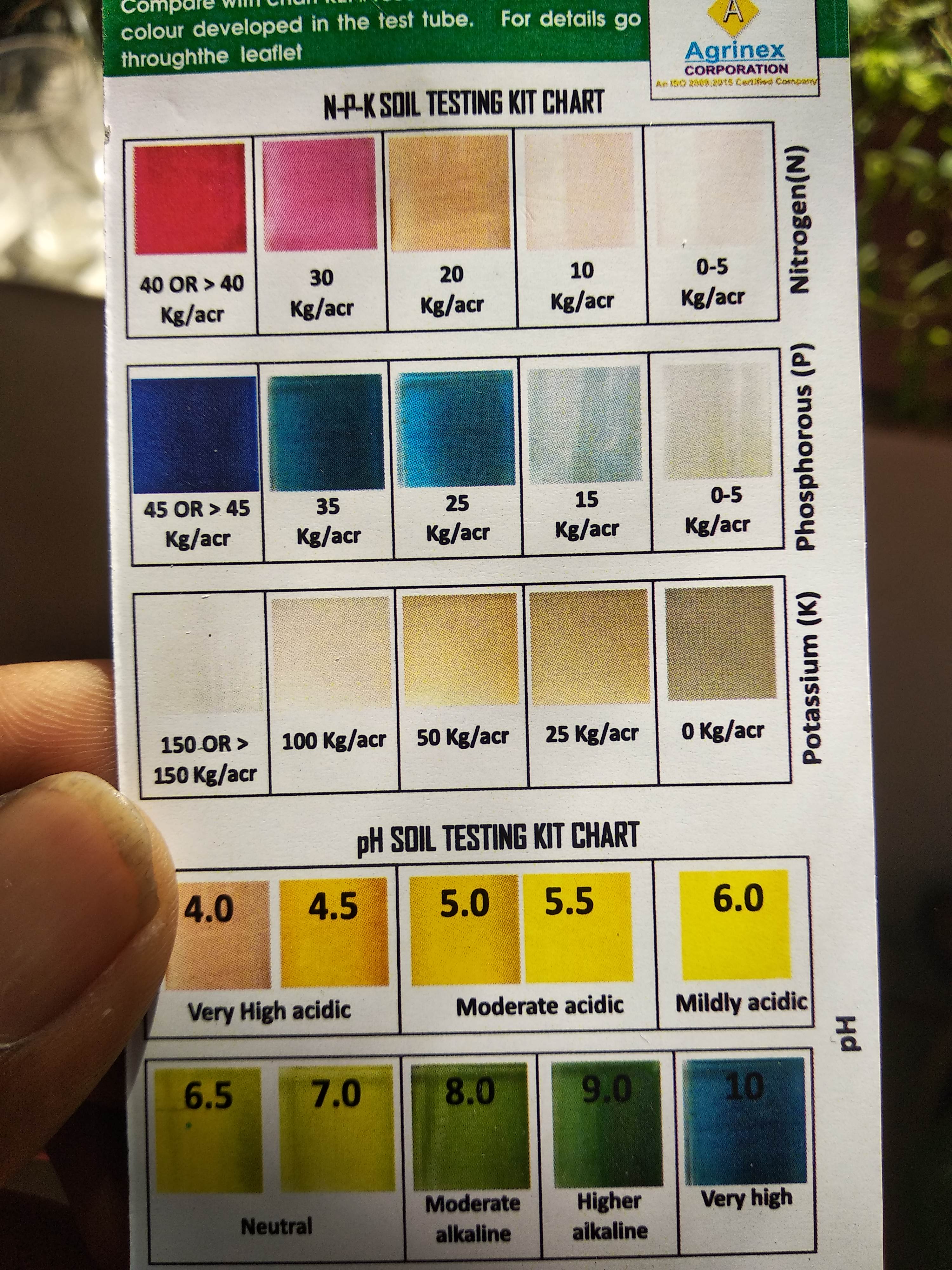
In this project we tried Soil Doctor Product to check the soil quality. It took approx 20 minutes to estimate the NPK and pH values.
As per the given chart the parameters of the soil as follows:
N = 10-15Kg per /acr – Low P = 15 Kg per /acr – Low K= 150 Kg / acr – Low pH = 4.5 High Acidic
The above values lead us to add more Nutrients to the site as the NPK values were quite low and other treatment to make Soil pH value towards 6- 7 (Lime is a soil amendment made from ground limestone rock, which naturally contains calcium carbonate and magnesium carbonate. When lime is added to soil, these compounds work to increase the soil’s pH, making soil less acidic and more alkaline.)
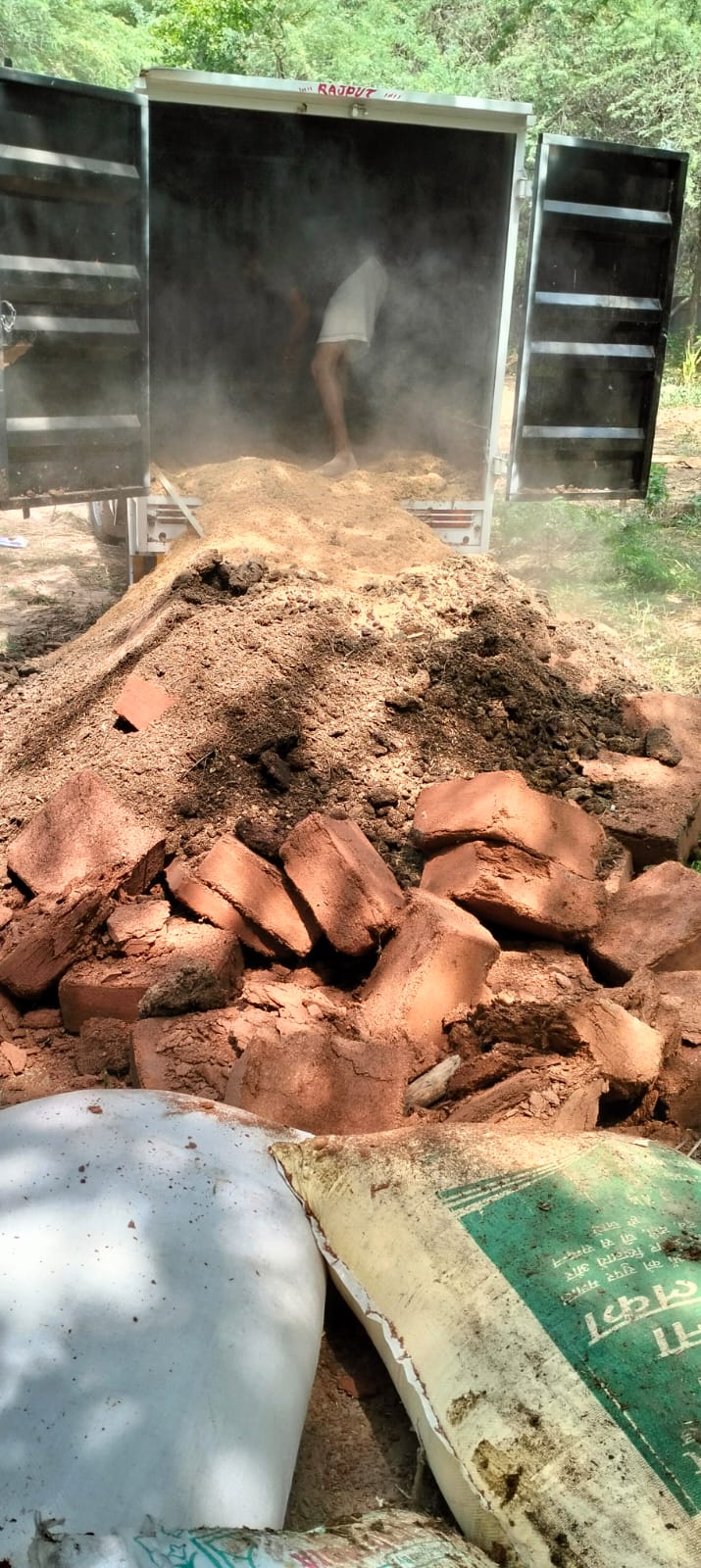
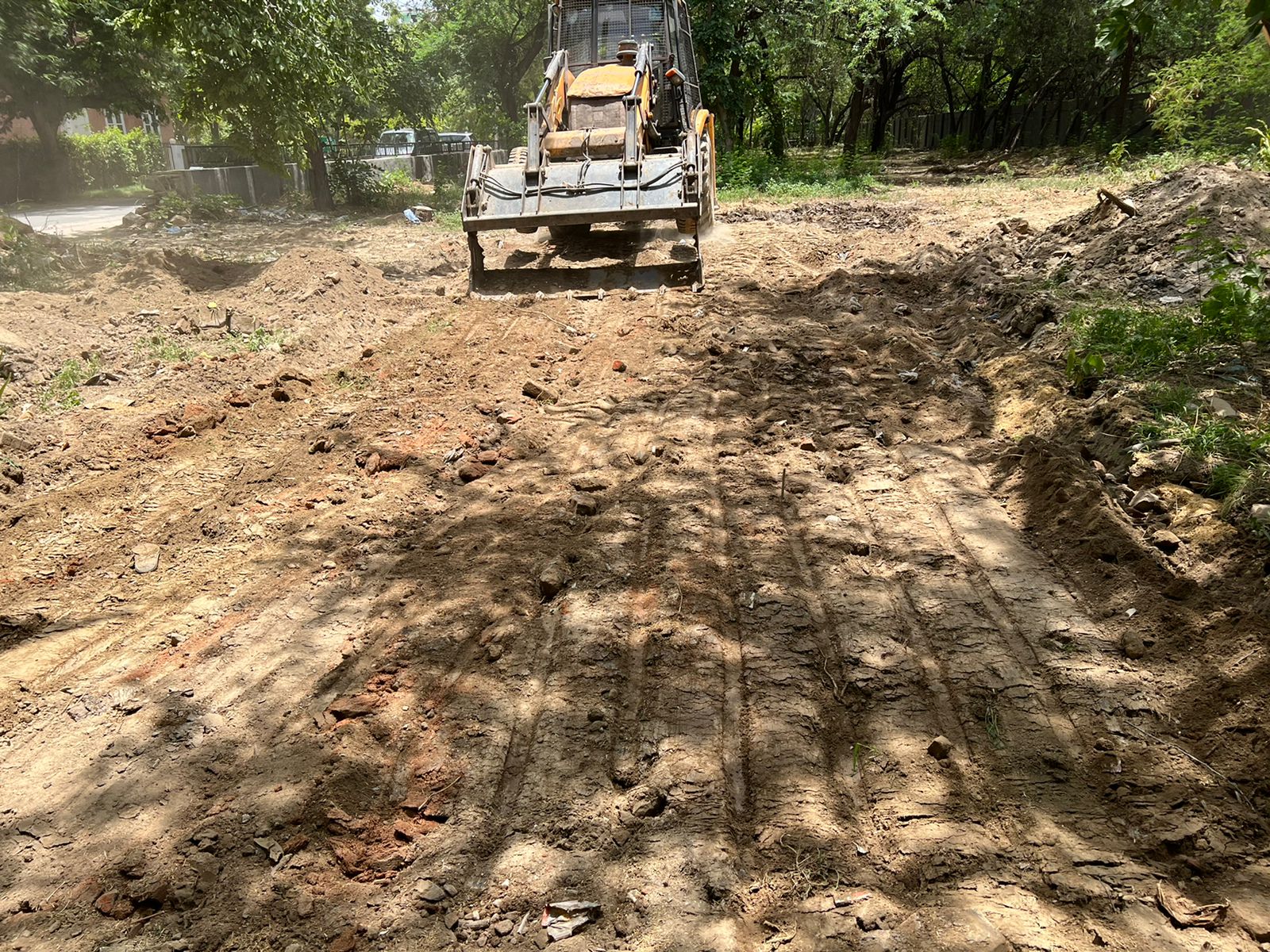
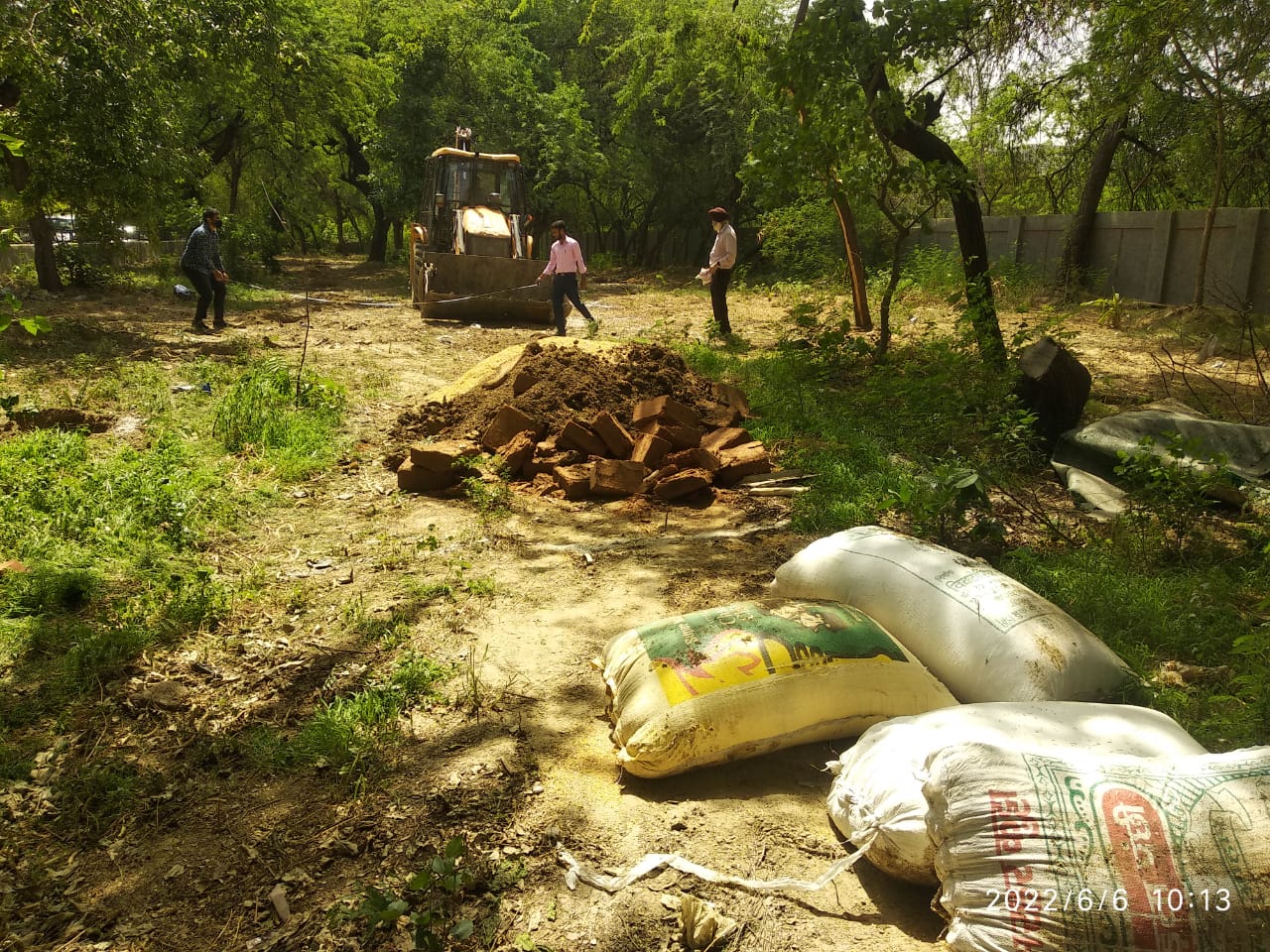
Follow us thru pictures for Site readiness.
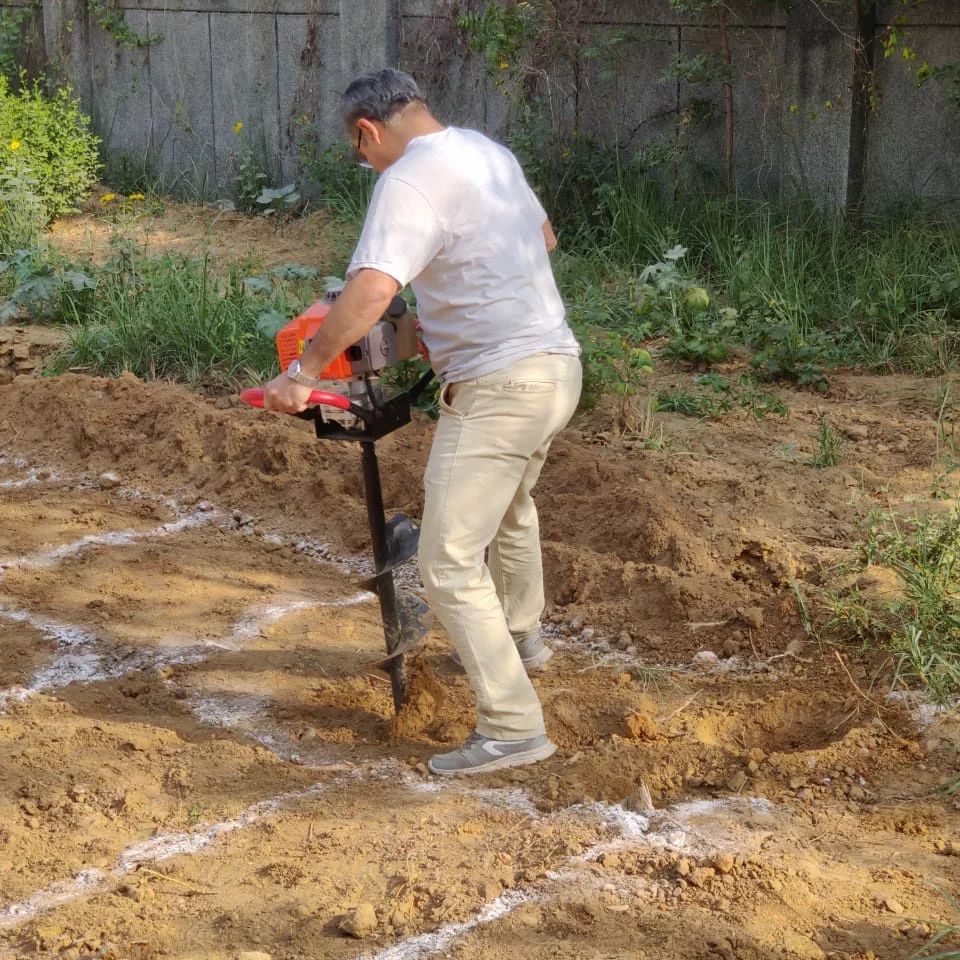
Soil Preparation :
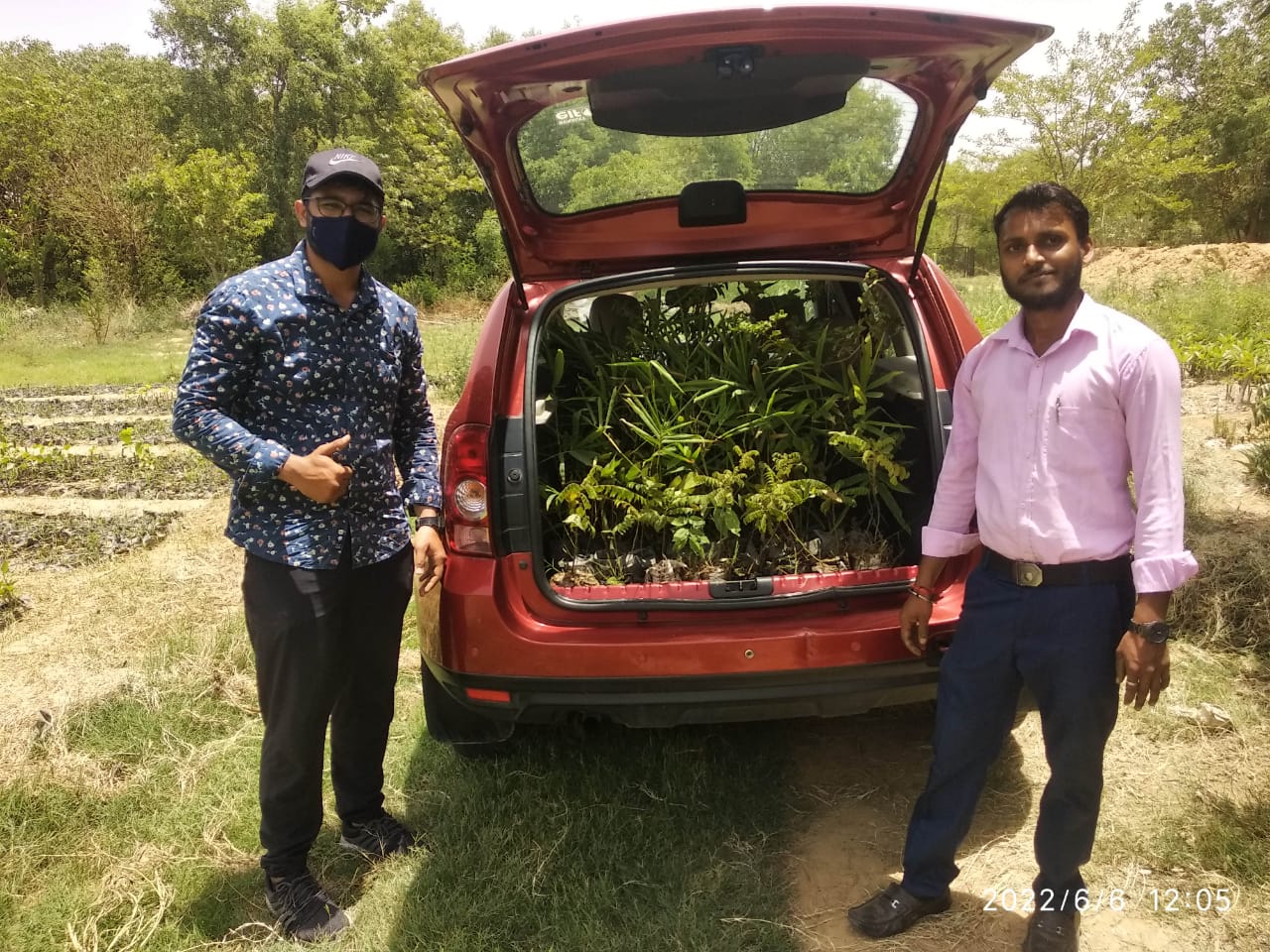
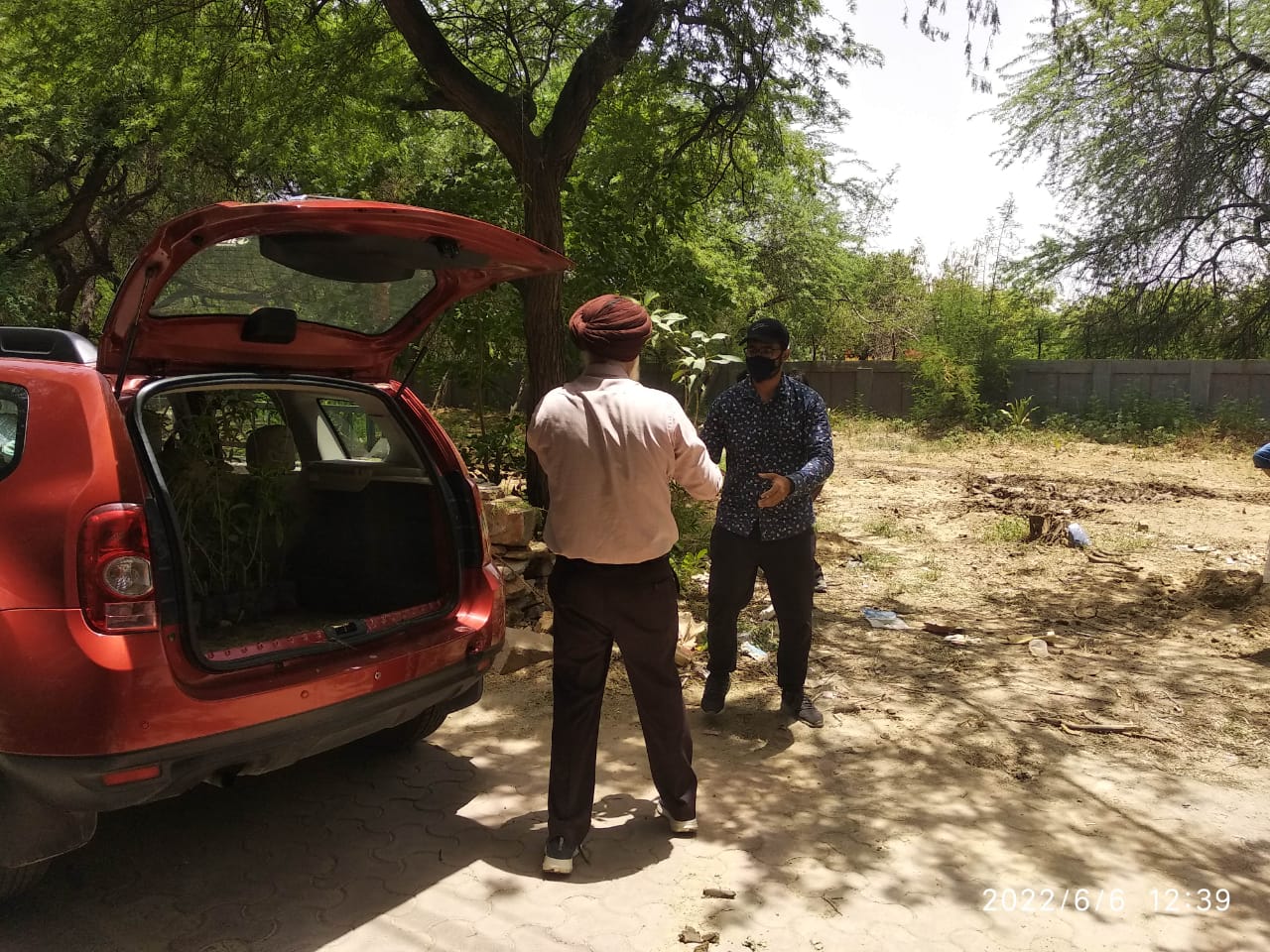
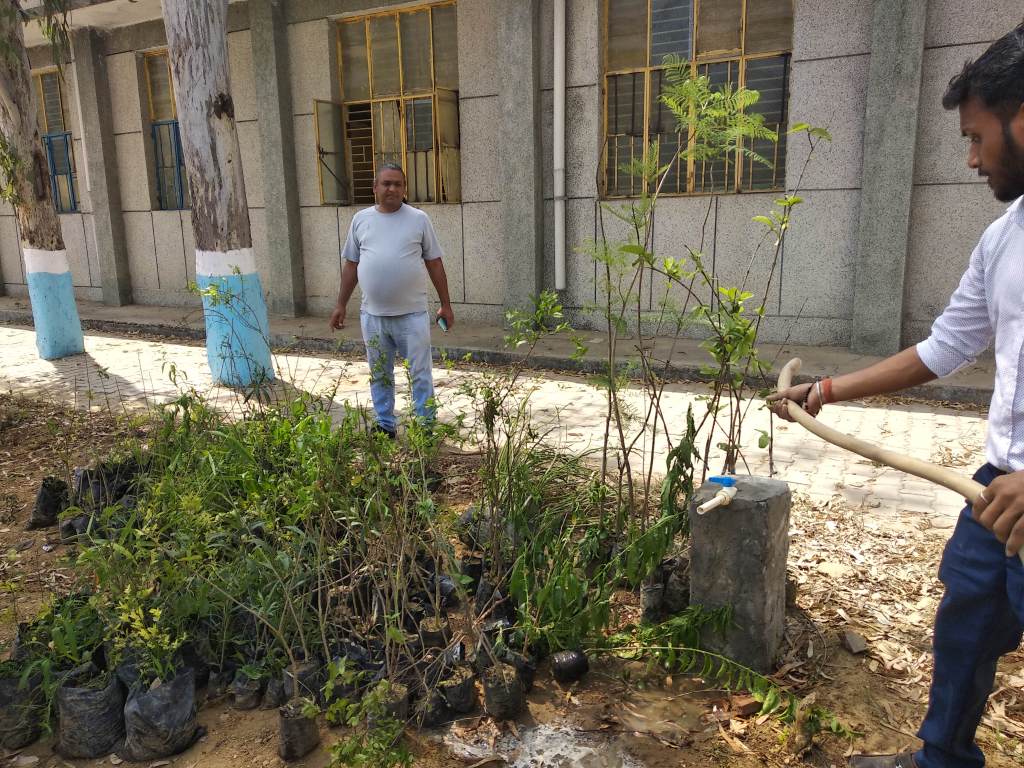
Plants Procurement from Delhi Govt ITO Nursery:
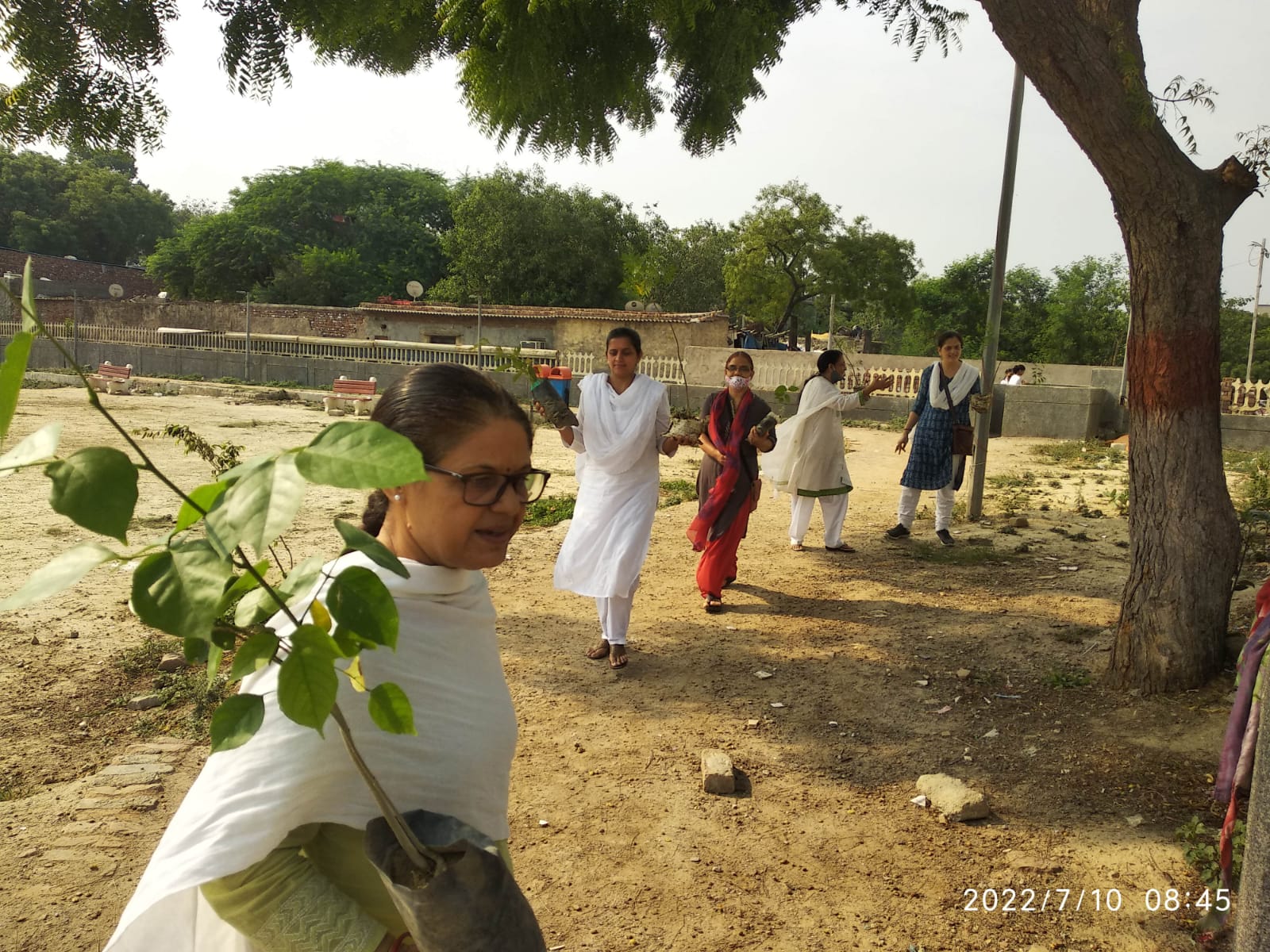
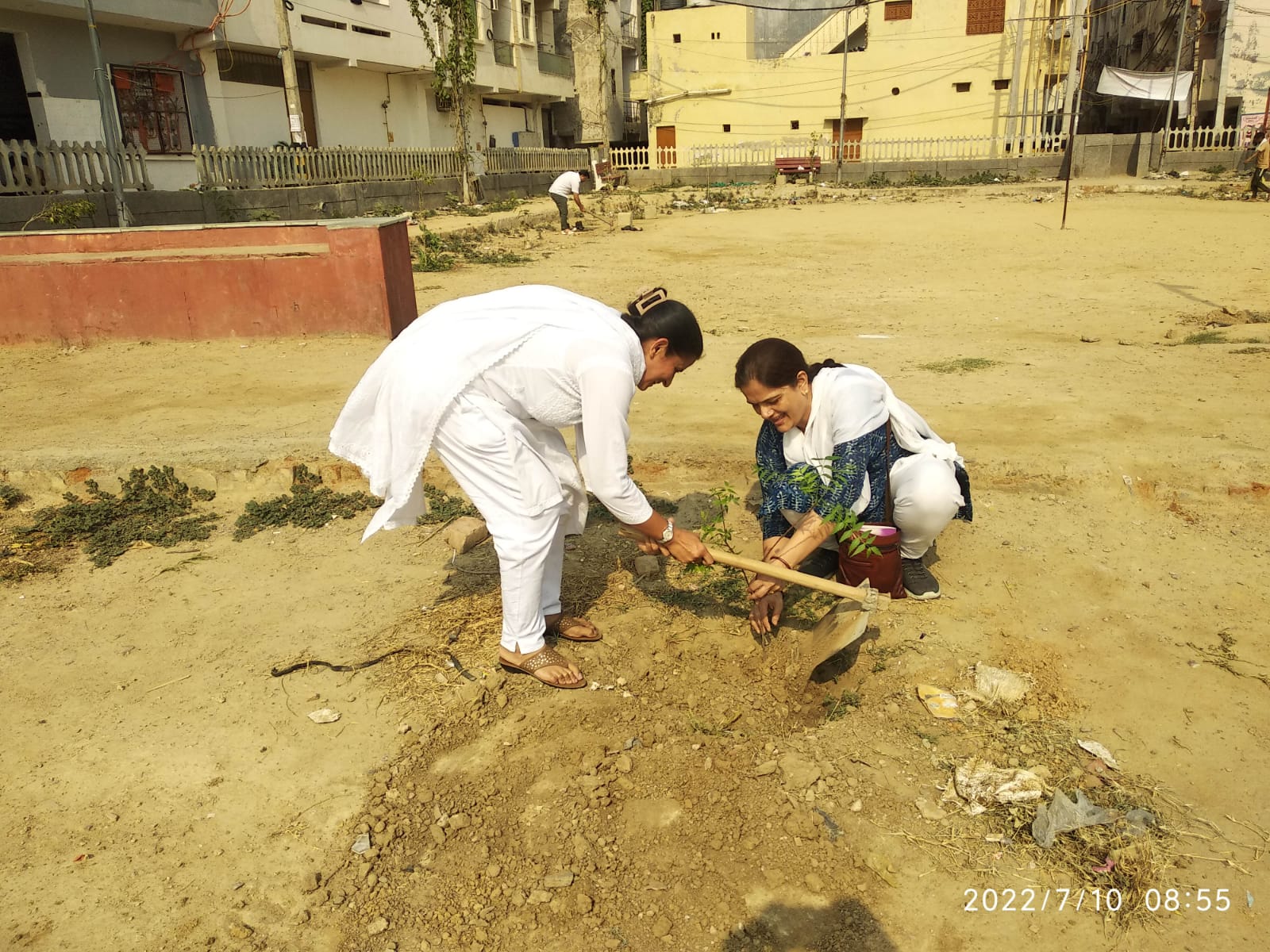
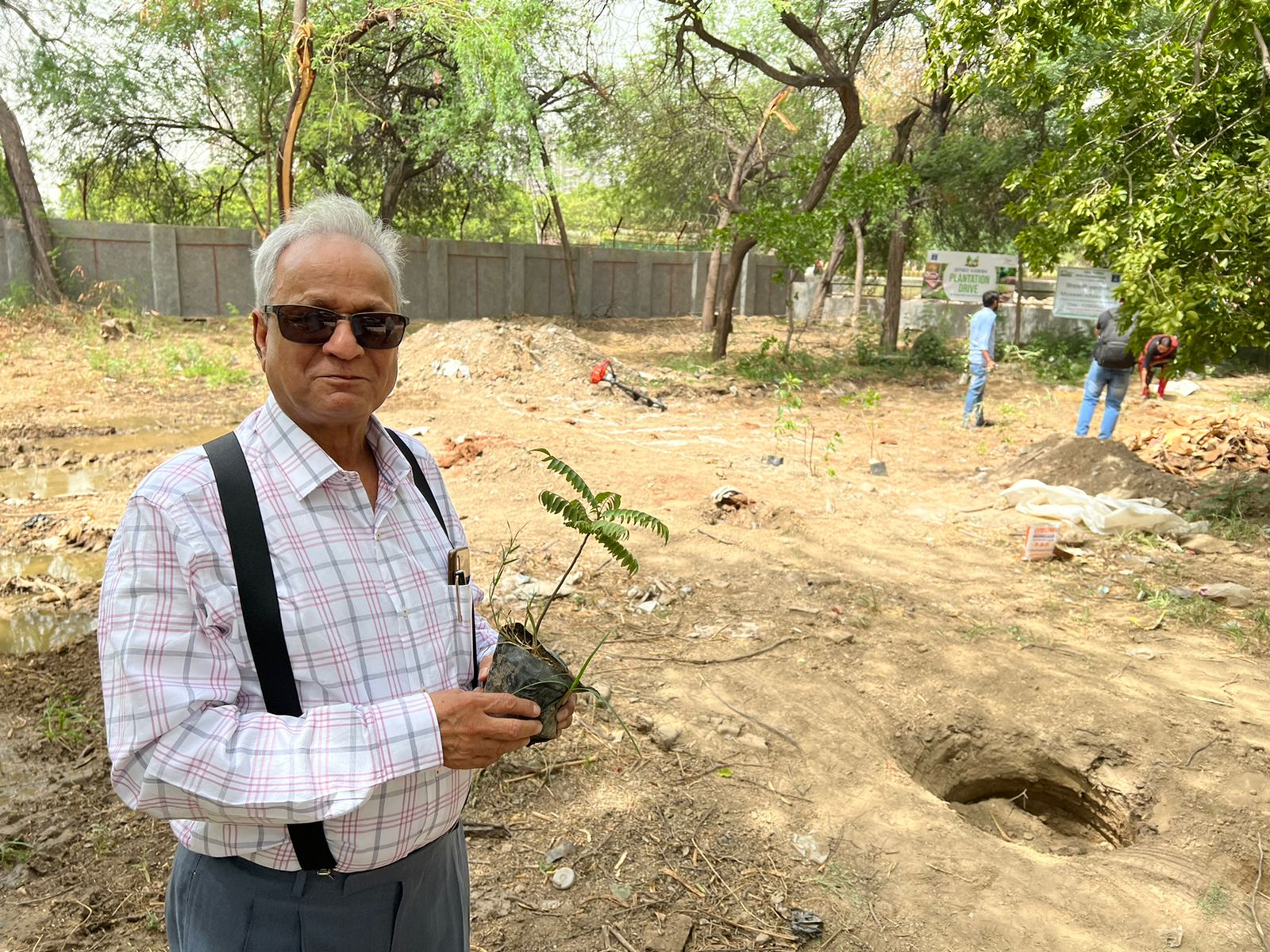
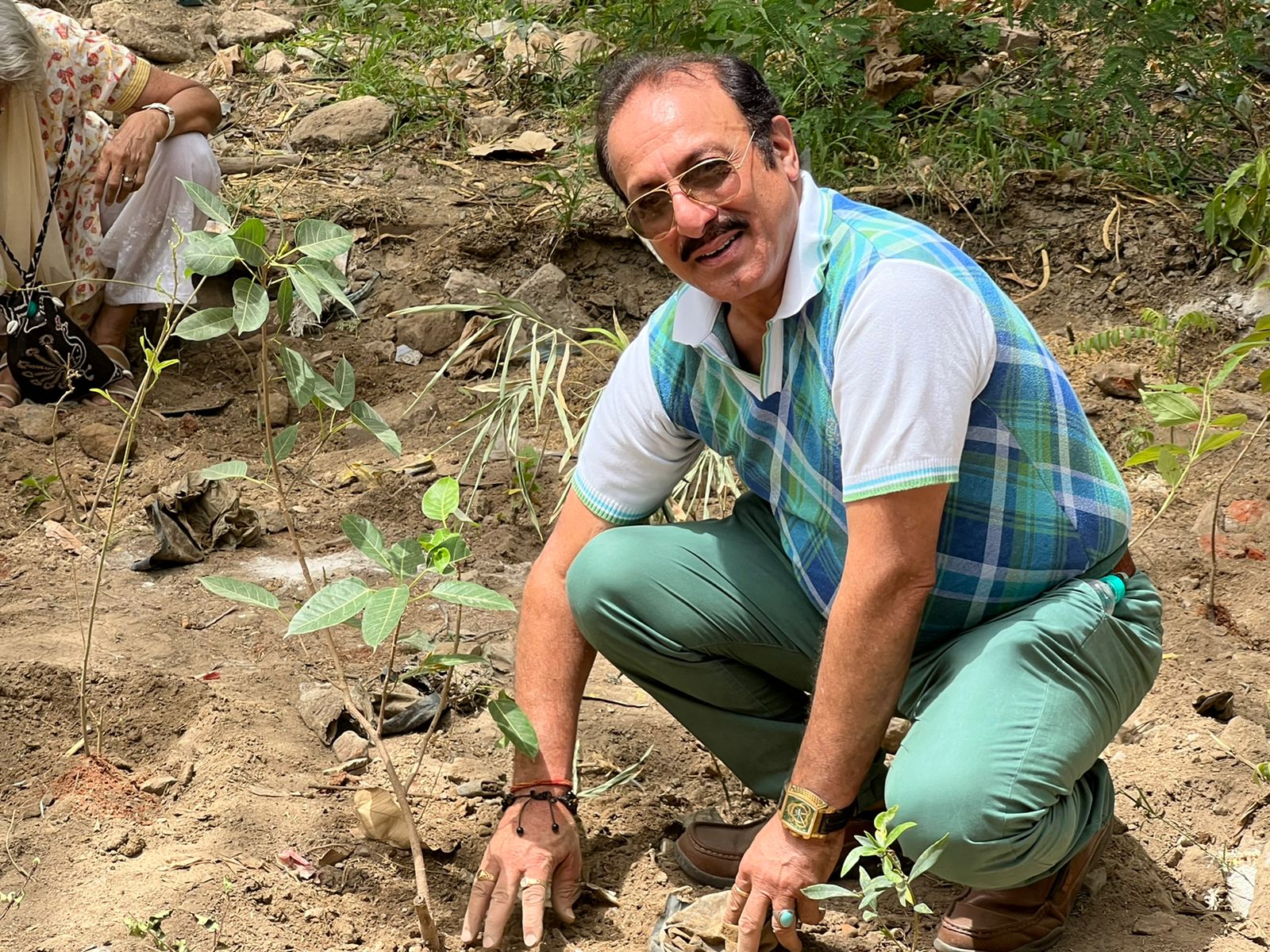
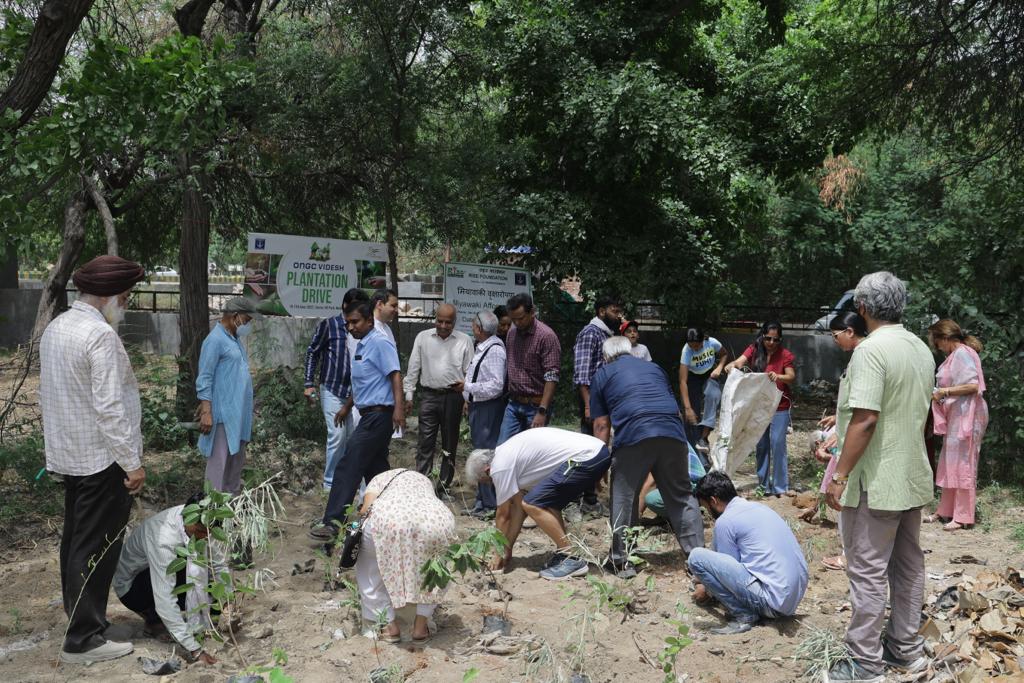
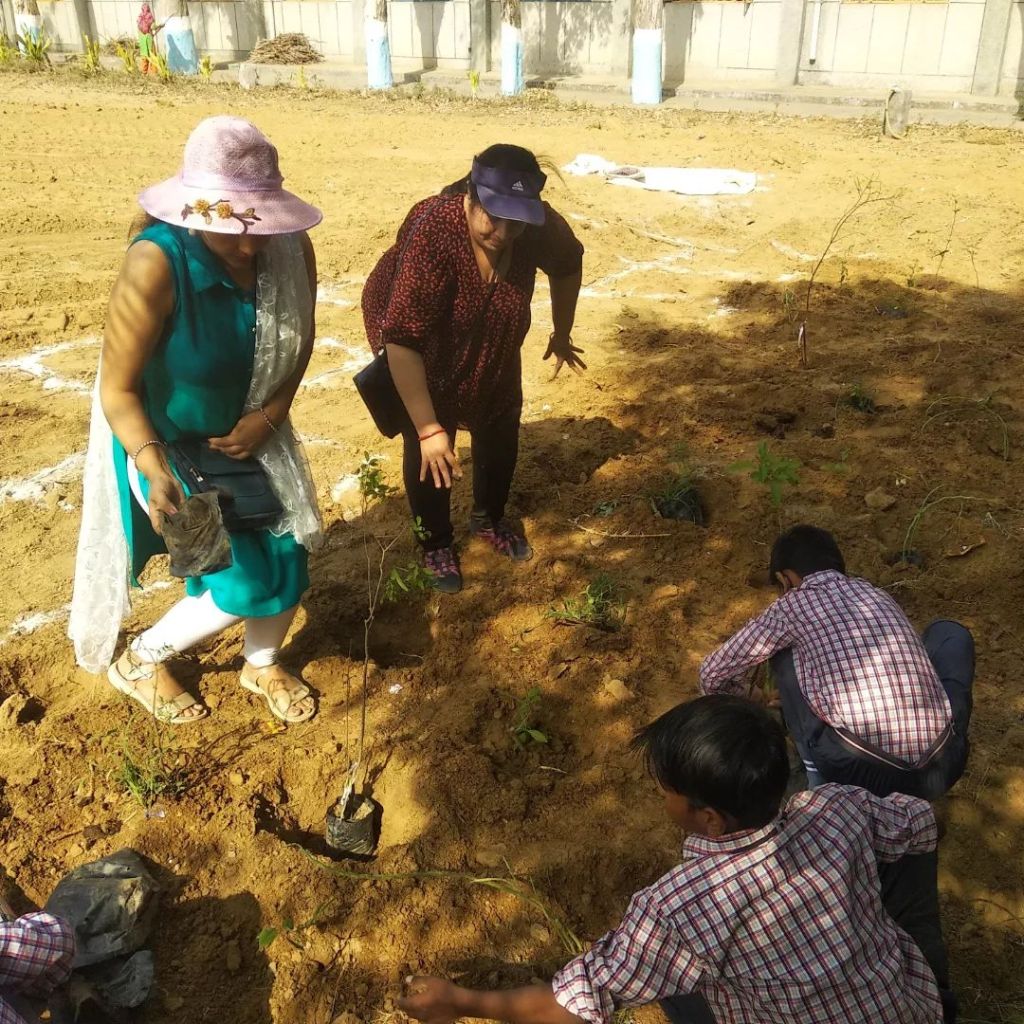
Plantation :
Due to hot season, we decided to have arrangement of shades to new grown saplings so that they will survive thru the summer.
We thanks to School administration, teachers and students to help us to create another Forest in the school.
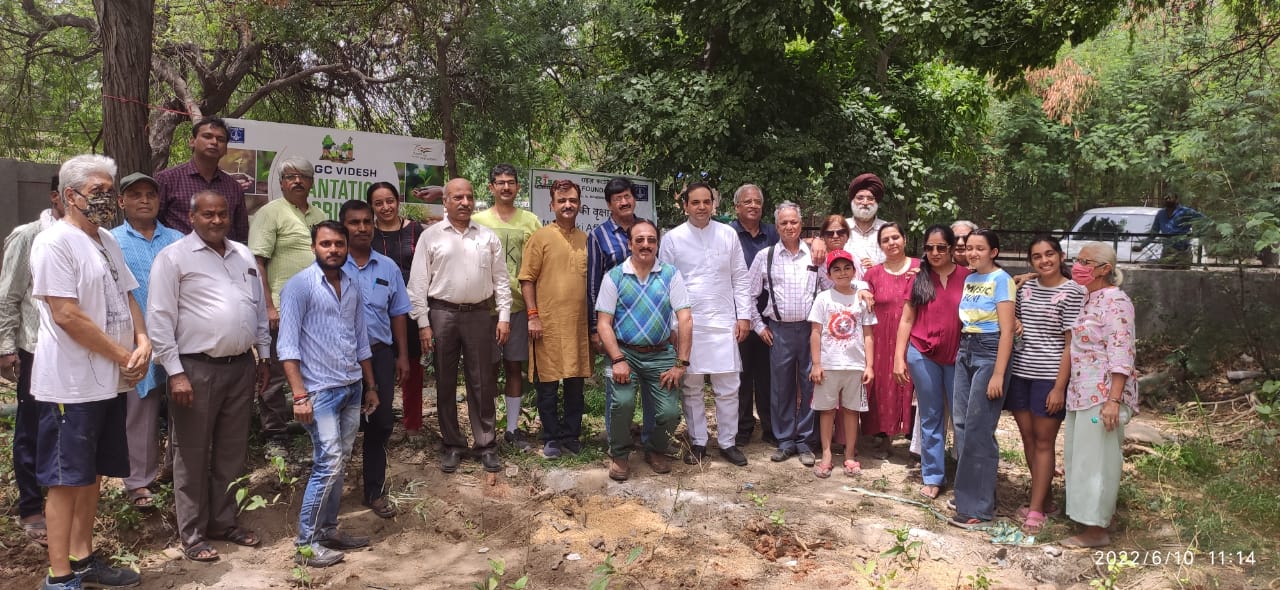
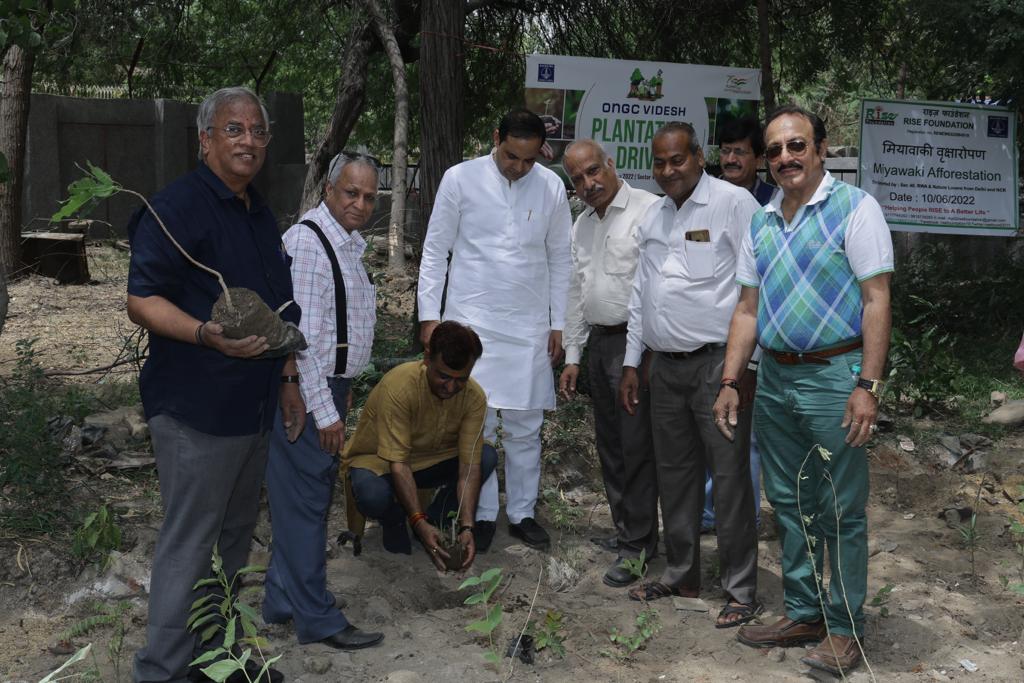
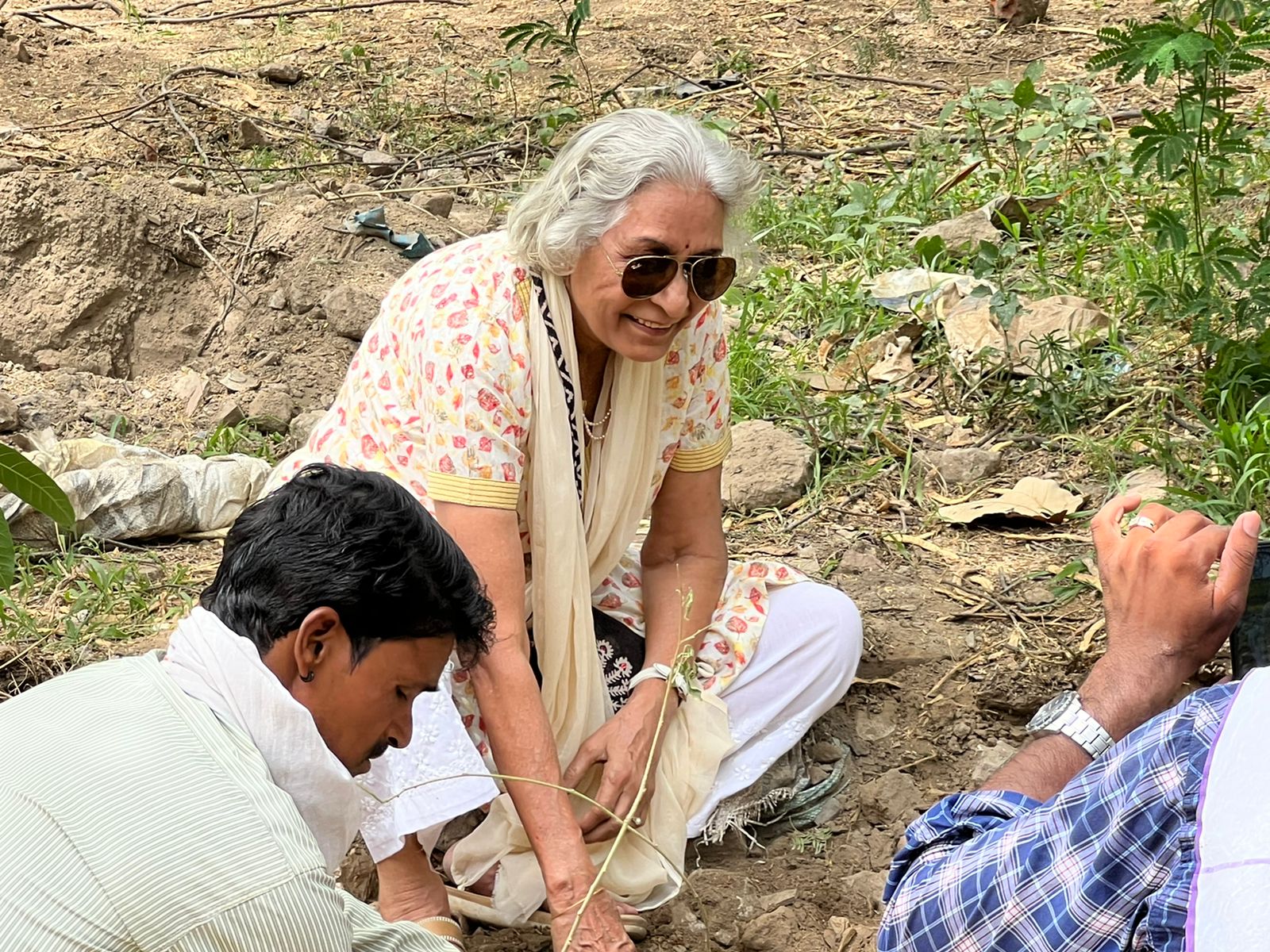
Special thanks to Dr. Madhu Ghai , Ms Sharmila Verma joined us for the plantation. Gratitude to all team members including Inderjeet Singh Sir and Munish Kundra.
Rise Foundation partners with schools colleges & Institutes across Delhi NCR to plant Miyawaki Urban forests closer to the classroom, bringing biodiversity back to playgrounds and nature back into school curriculums.
As per Mr. Madhukar Varshney – Founder Rise Foundation ” Students observe rewilding in progress and exploration of the forest will supplement the studies of both primary and secondary pupils. The dense planting of native trees will also help to reduce pollution in the air, creating a healthier atmosphere for the entire school community.”
If any one is interested to plant Miyawaki Urban Forest, please feel free to reach us at 9717764262 or mail2risefoundation@gmail.com
Mr Thomas from The Residency Apartments, Sector 7, Dwarka shown interest to Mr. Madhukar Varshney – Founder Rise Foundation for residents of the society.
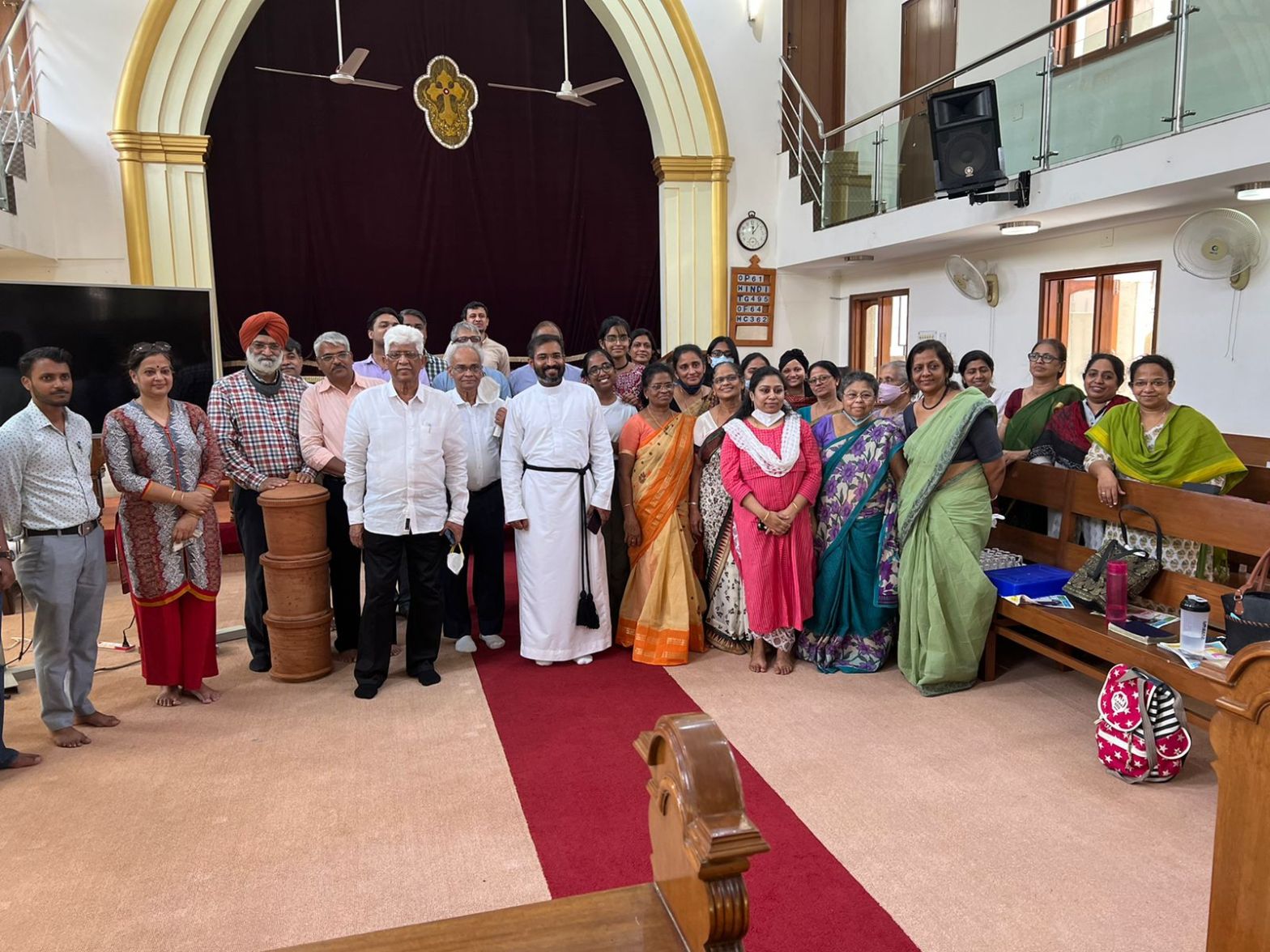
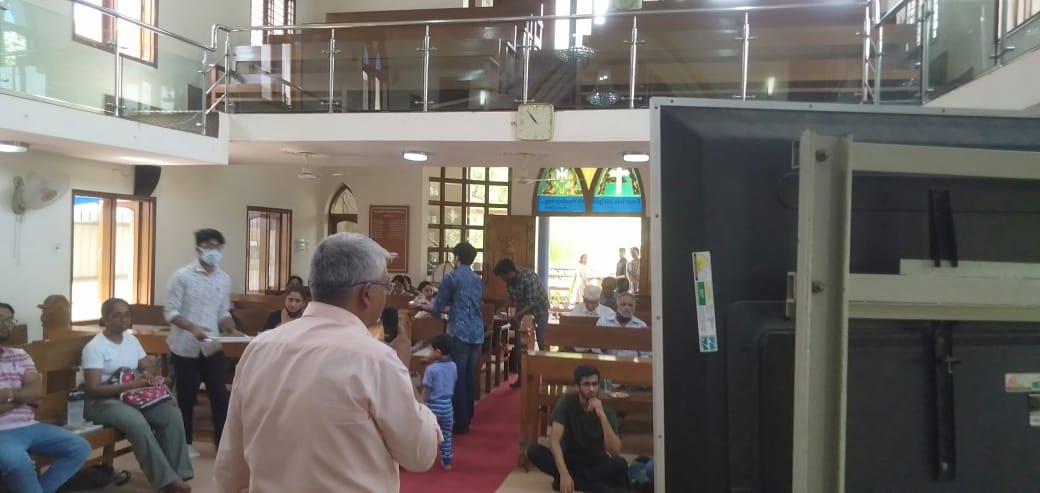
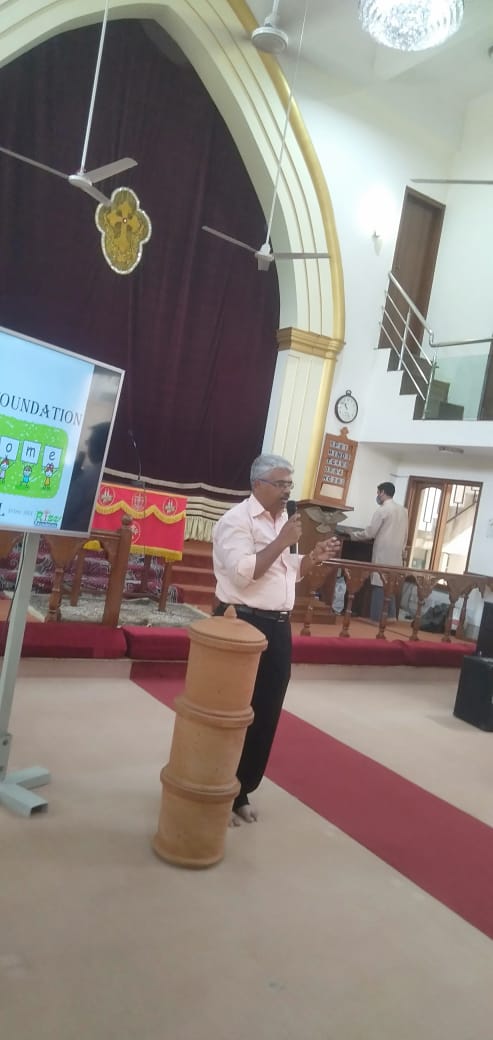
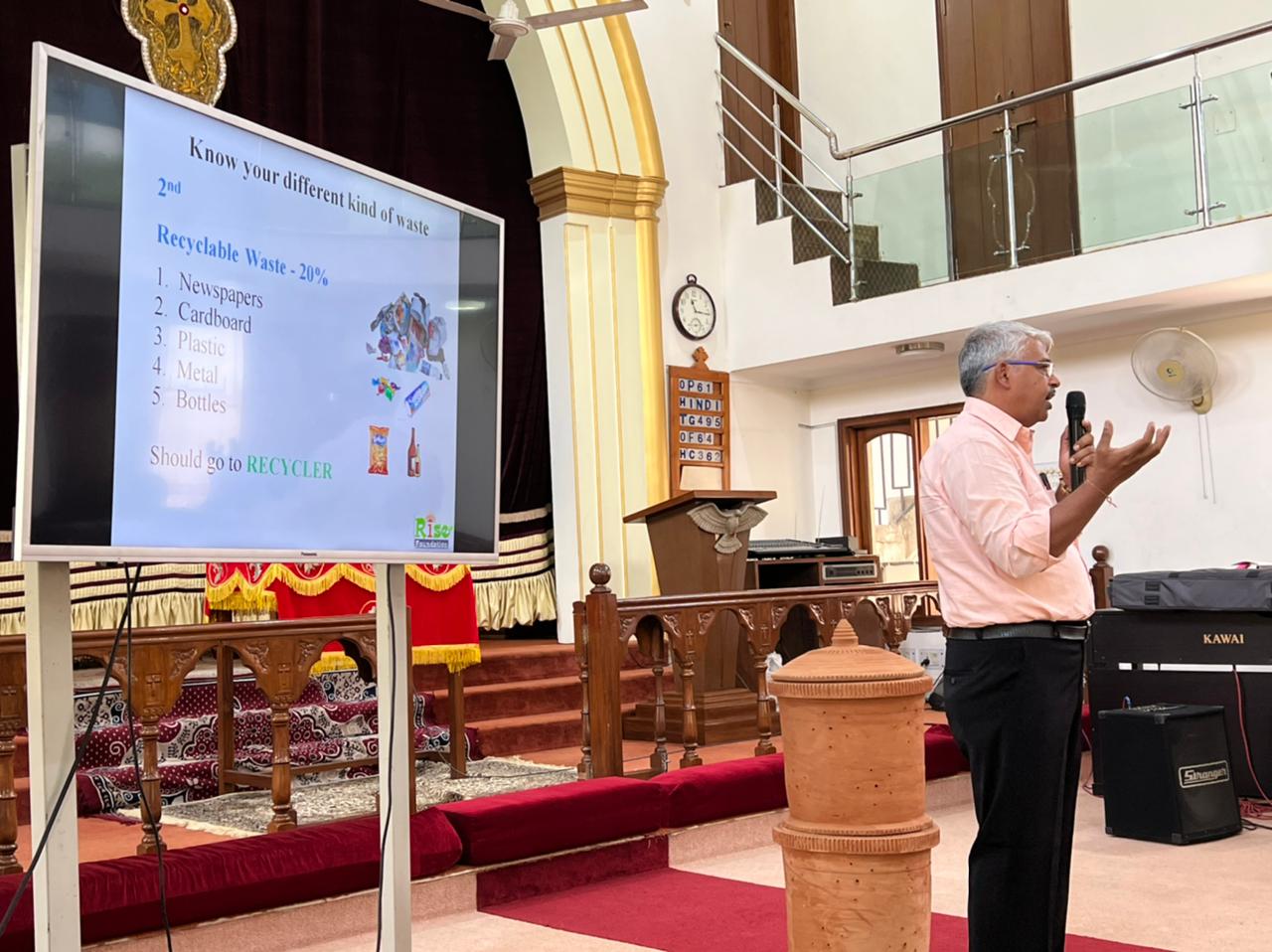
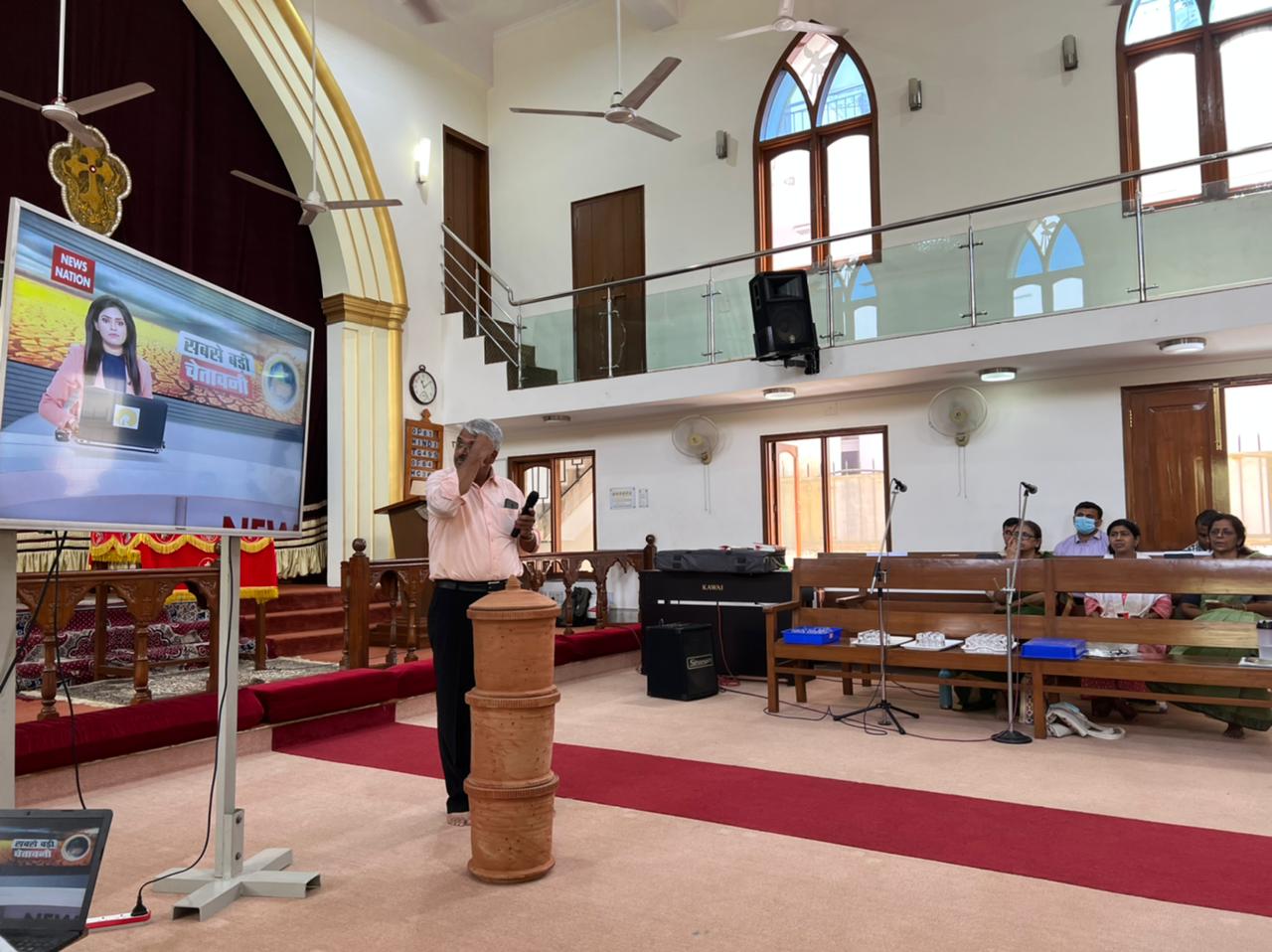
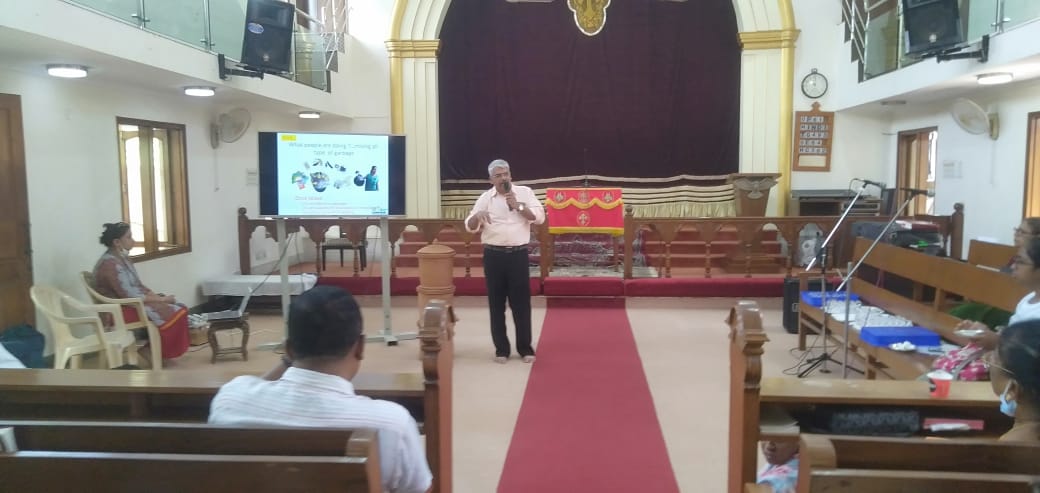
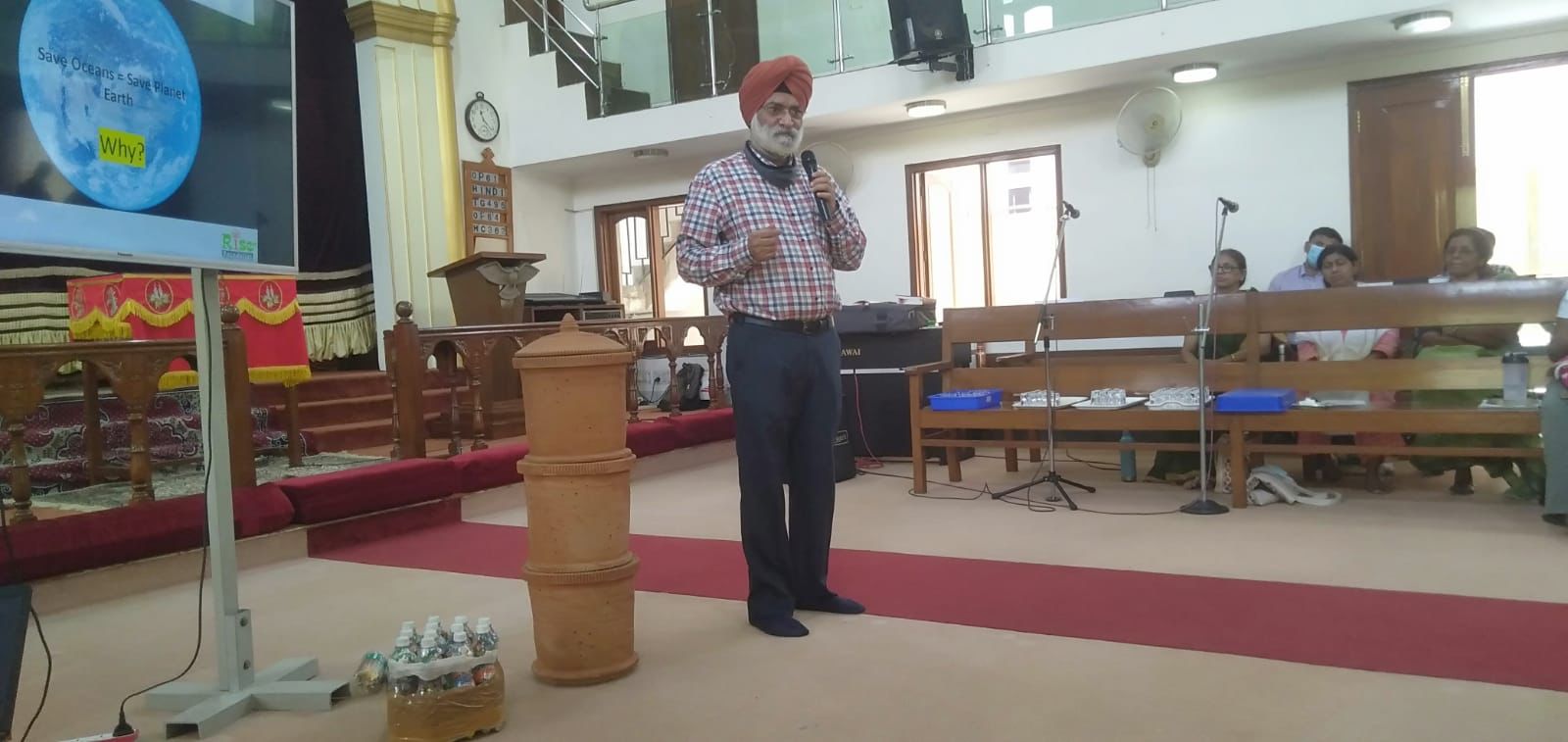
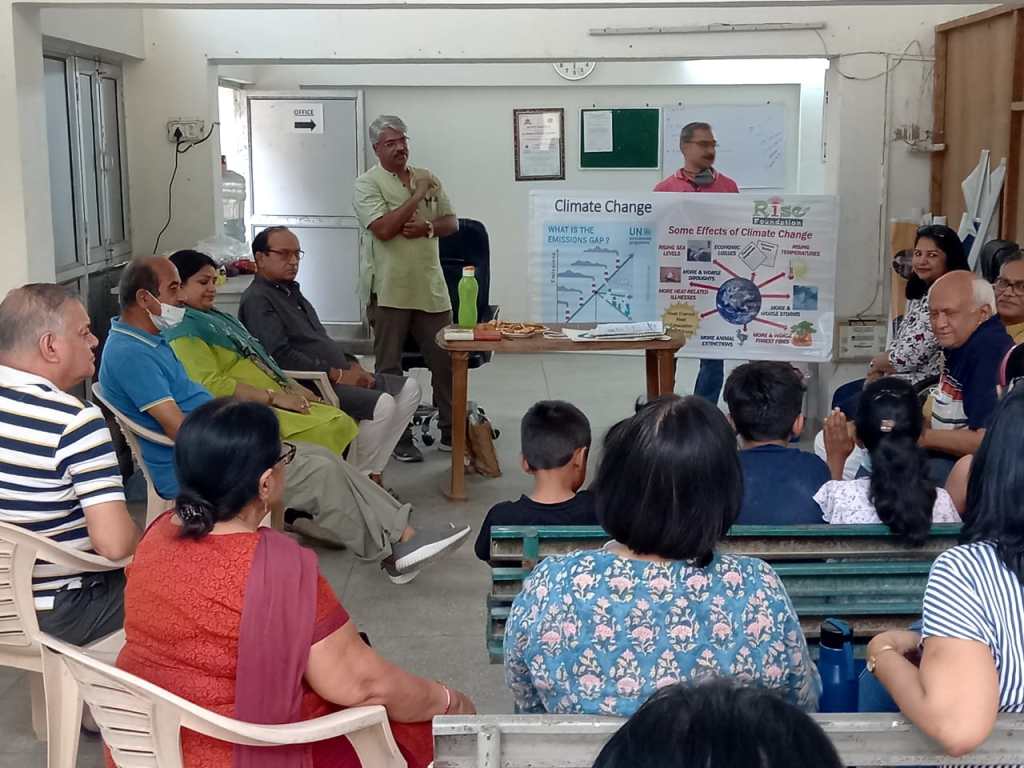
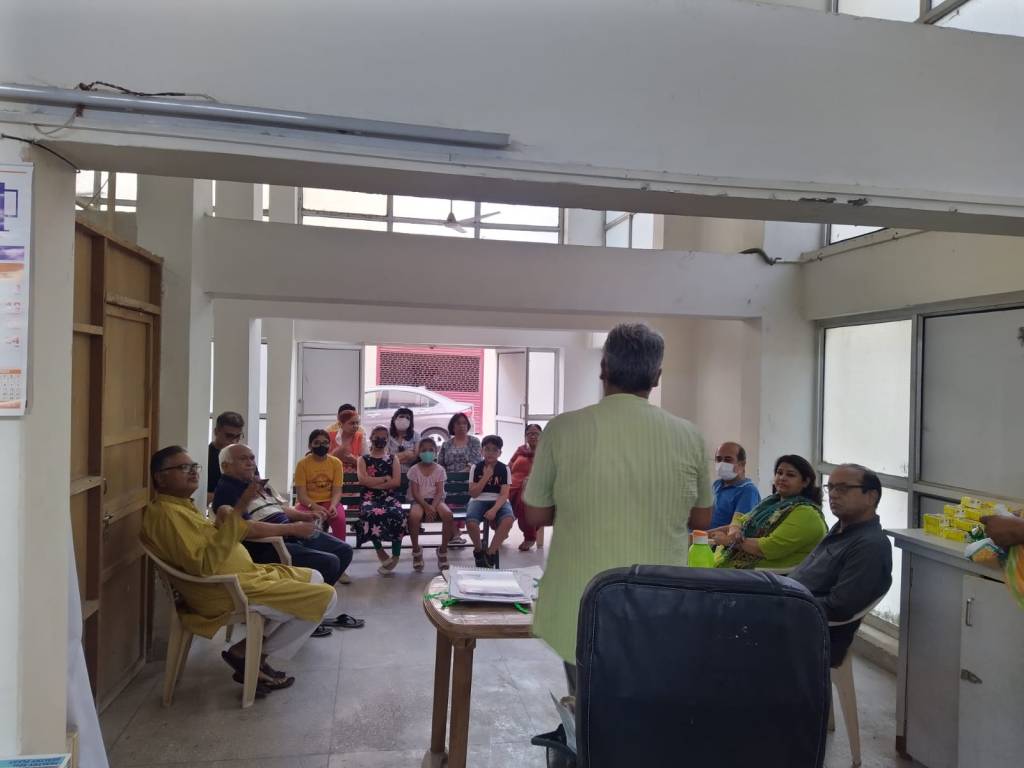
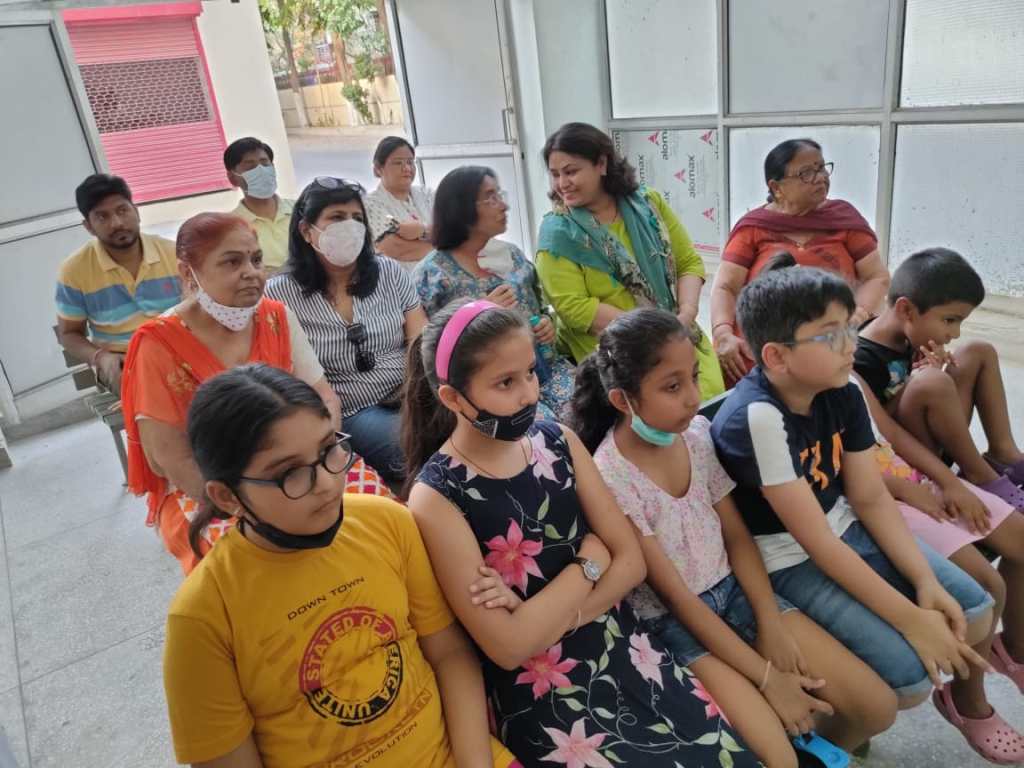
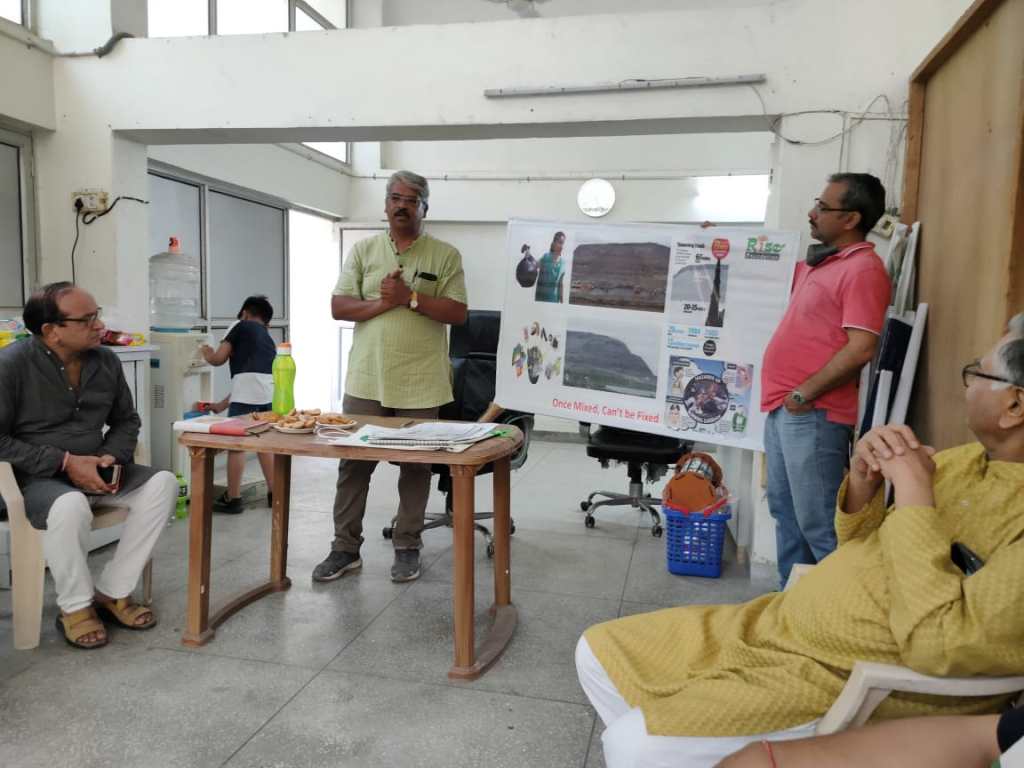
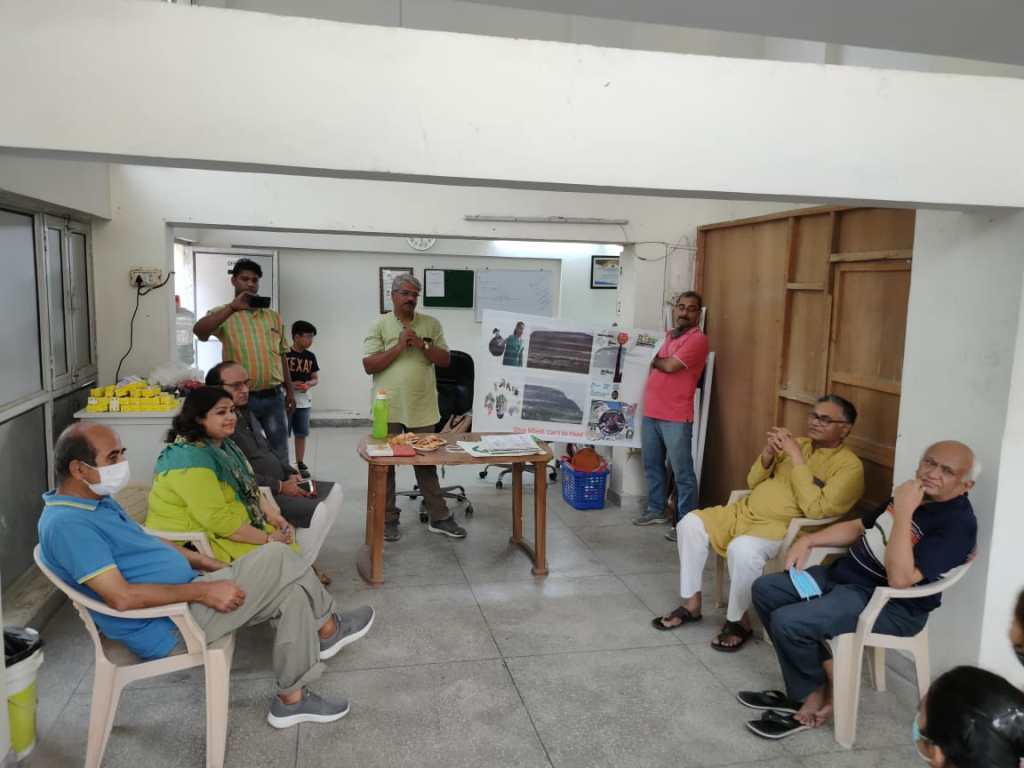
Team Rise Foundation with the help of local volunteers gave the interactive workshop covering following topics:
Why Waste Management
What is the current situation of Waste in Dwarka
What are the major problems because of inefficient waste management by municipality
How climate change is impacted by waste
Why and How composting can be done at individual and community level
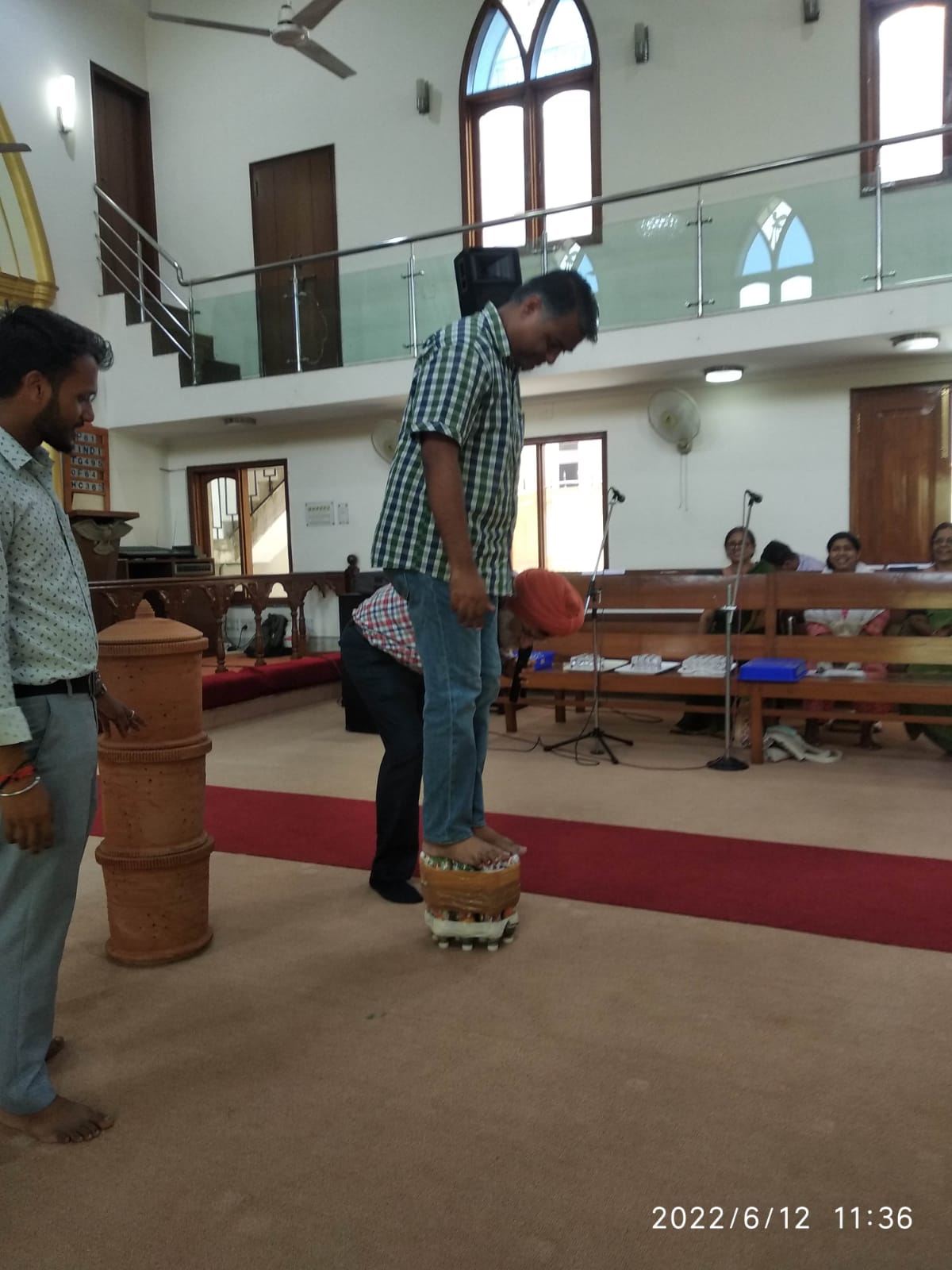
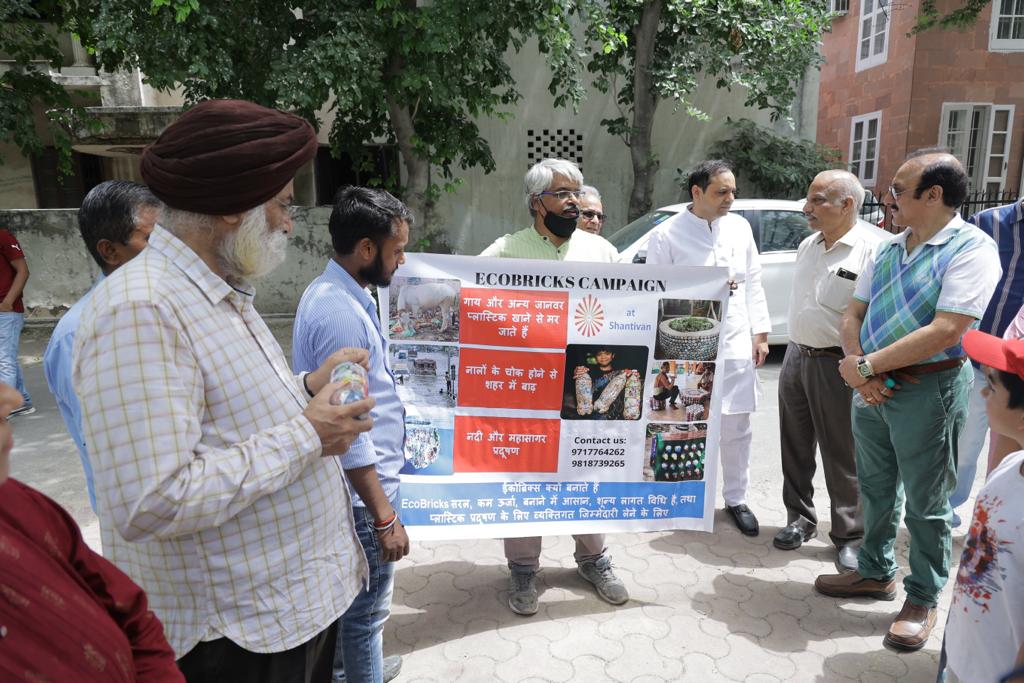
How ecobricks are helpful in reducing plastic pollution to city, rivers and oceans.
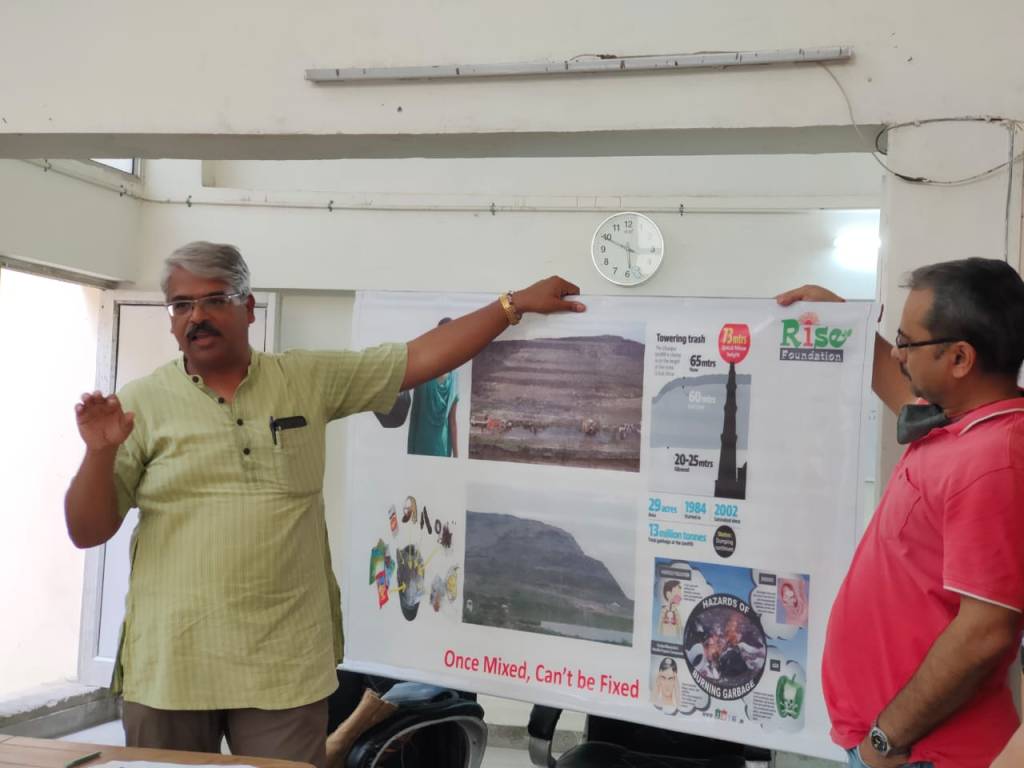
Mr. Madhukar delivered the session of Solid Waste Management, Composting and Climate change.
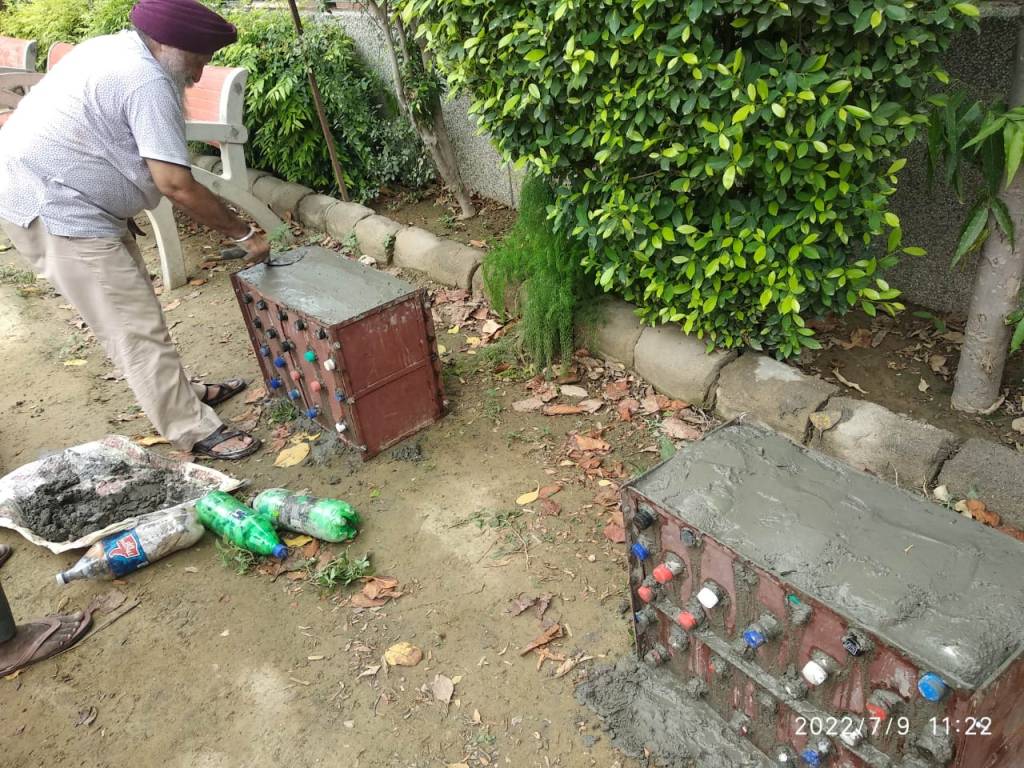
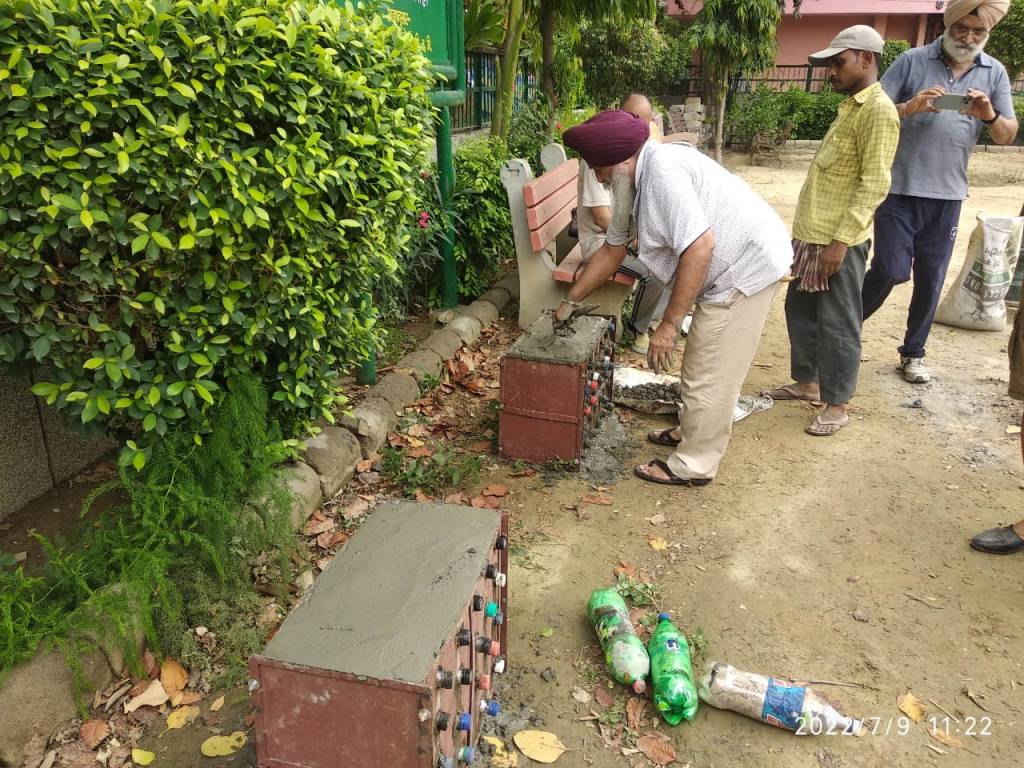
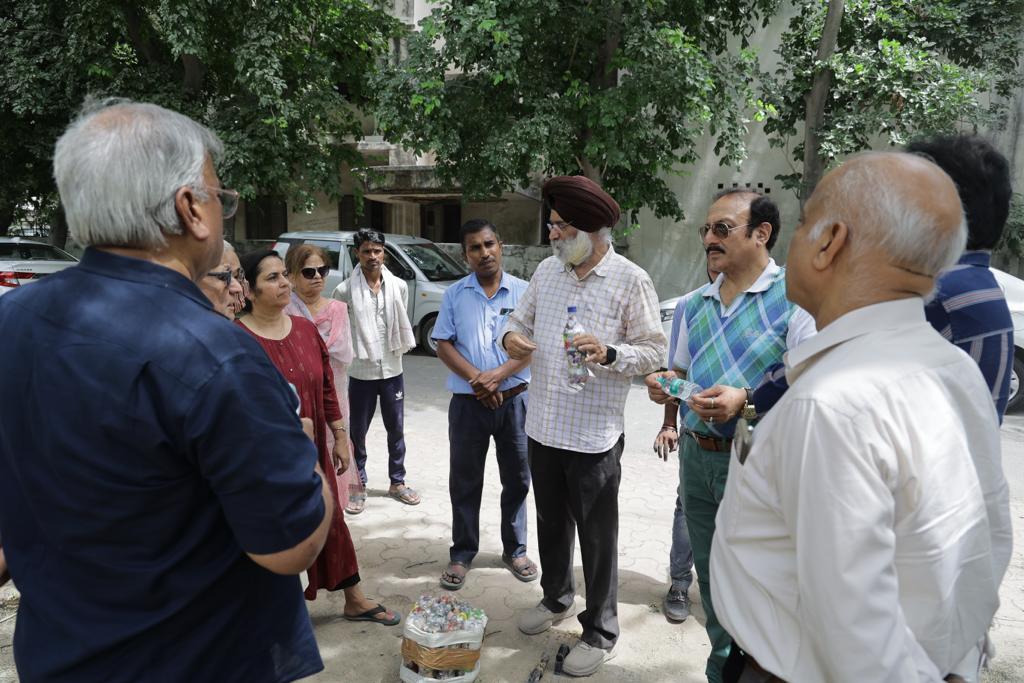
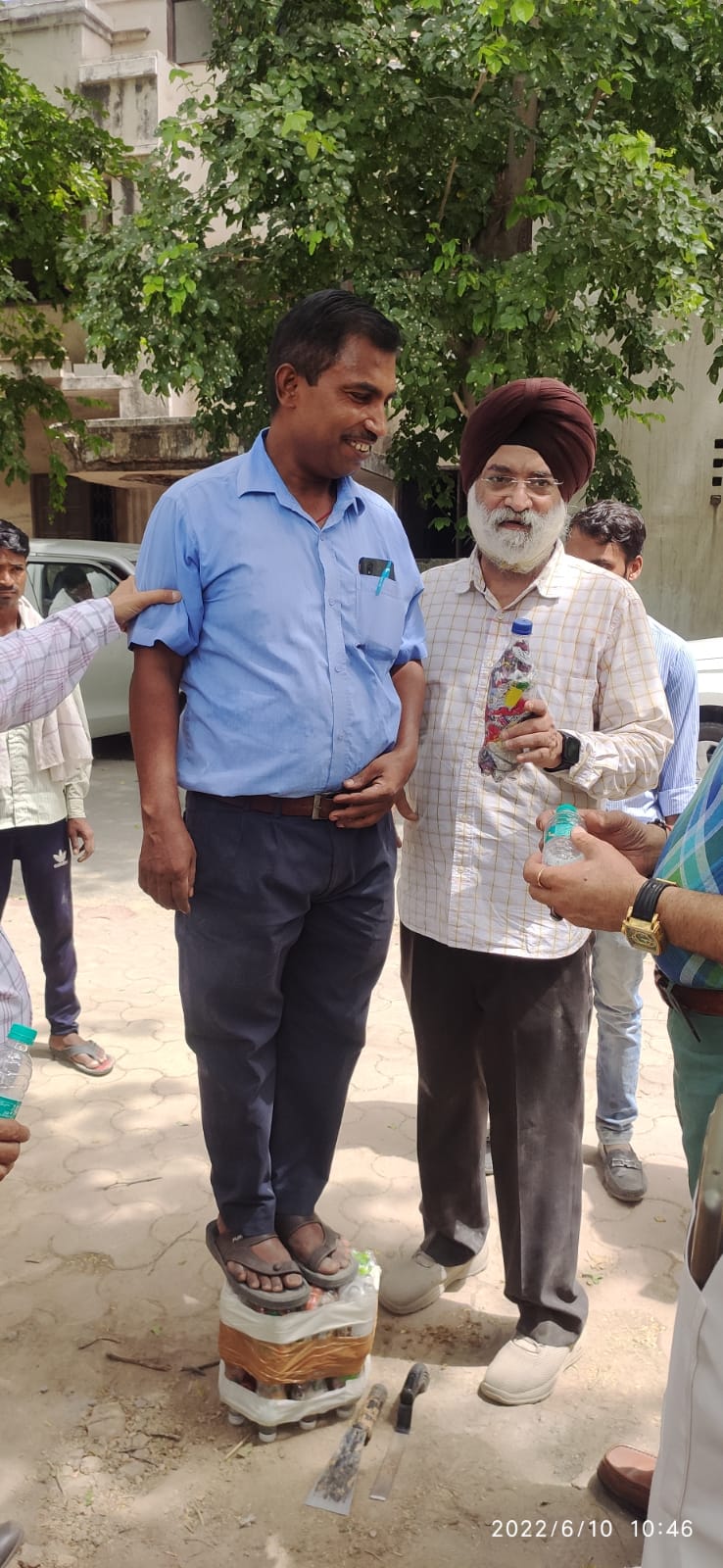
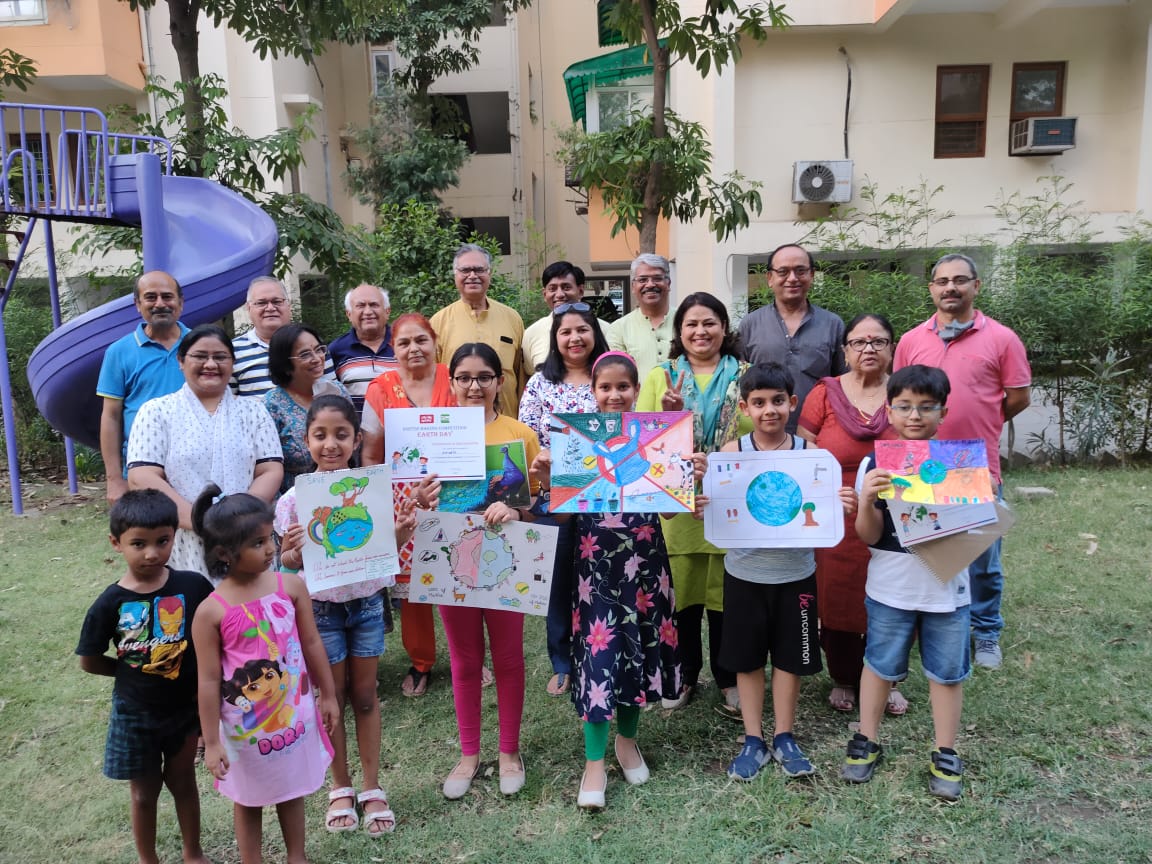
Mr. Munish Kundra delivered interested session on Plastic pollution and ecobricks. Later on society residents visited Brahma Apartments to see the bench made by ecobricks.
President of RWA, thanked team Rise Foundationfor the event and said that more such events should be organised across Dwarka to promote eco-friendly practices in societies.
Composting organic wastes represents an important pathway for carbon flow and nutrient cycling in both developed and developing countries. Composting, often described as nature’s way of recycling, is a self-heating, aerobic, solid-phase process, during which organic waste materials are biologically degraded into an extremely useful humus-like substance. The product resulting from this process is called “compost” (from Latin compositum meaning consisting of more than one substance), which stabilizes biologically numerous types of organic waste by converting them into a final product containing a proportion of humus. The compost, which is rich in nutrients and hygienically safe, is created by reproducing processes that are found in nature that ensure the recycling of nutrients in a controlled and accelerated way. The main protagonists of this dynamic process are microorganisms (via the rapid growth of bacteria, fungi, and actinomycetes) and their enzymes [1]. Human control of the biological decomposition process is what differentiates composting from the natural decomposition of organic matter; in fact, regulating and optimizing the conditions ensures a faster process and the generation of quality end products.
Figure . Temperature changes in the composting process.
The composting process is characterized by four phases:
(1) the initial mesophilic phase (10–42 °C), during which, the temperature rapidly rises and initiates organic matter decomposition;
(2) the thermophilic phase (45–70 °C), which is distinguished by prolonged high temperatures due to the extensive metabolic activities undertaken by endogenous microorganisms;
(3) the middle mesophilic phase (65–50 °C), during which, the temperature decreases, allowing for re-establishment of the heat-resistant microbes;
(4) the finishing phase (50–23 °C), during which, the organic matter and biological heat production stabilize [2].
Moreover, it is carried out by different classes of microbes, such as mesophiles and thermophiles. Generally, mesophilic microorganisms, which function best between 30 and 50 °C, initiate the composting process. As microbial activity increases soon after compost piles are formed, temperatures and density within the piles also increase and thermophilic microorganisms take over at temperatures above 50 °C. The temperature in the compost pile typically increases rapidly from 50 to 70 °C within 24 to 72 h of the pile formation and can stay there for several days depending on feedstock properties, pile size, and environmental conditions. This represents the “active phase” of composting, during which, decomposition is the most rapid. It continues until the materials containing nutrients and energy within the piles have been transformed. As the microbial activity decreases, the pile compost temperature gradually declines to approximately 37 °C. Mesophilic microorganisms recolonize the pile, and the compost enters the “curing phase.” The oxygen consumption during curing declines and organic materials continue to decompose and are converted to biologically stable humic substances that represent the mature or finished compost. Potentially toxic organic acids and resistant compounds are also stabilized during curing. A long curing phase is needed if the compost is unfinished or immature, which is possible if the compost pile contained too little oxygen or either too little or too much moisture [2]
Bugs, Critters, and Microorganisms
When you’re creating the perfect compost pile, what you’re really doing is providing a space for loads of organisms to live and thrive. These organisms help break down all the materials you throw into your heap and create that beautiful compost you can use in your garden. And while they may be creepy and crawly, they’re actually really helpful.
Here are some of the critters you can find in your compost.
Ants – You may find some ants bobbing about as they’re looking for food. While they burrow through the compost, they create passages which allow air to pass through. This helps the other organisms breathe and assists with the degrading process. They also help break down the material into smaller pieces.
Pill bug – These creatures do more than just roll up into a little ball. They help eat all the organic matter and are even able to digest the cellulose fibres of sticks and branches, making them a valuable addition to any compost.
Millipedes –Try not to be intimidated by all their legs – millipedes are very helpful compost critters. They love to eat dead plants, as well as decaying sticks, branches, and leaves.
Soldier Fly Larva – For such a small grub, they sure can eat! Their intense appetite means they can eat a lot of greens and household waste, making these materials easier for worms to then eat and digest.
Worms – They may be slimy, but worms are one of the most important creatures of the compost pile. As they wriggle through the heap, they create passageways for air, water, and other nutrients to fall through. They also enjoy a varied diet of kitchen scraps, newspaper, and garden waste, which they then turn into cast – a substance that’s worth more than gold to a gardener.
On 8th March 2022, Team Rise Foundation along with school administration, School students and other volunteers implemented first phase of Miyawaki Tiny Urban Forest in 1100sq ft area with 280 native trees saplings at MCD Primary School, Dhool Siras ,Sector-24, Dwarka (New Delhi).
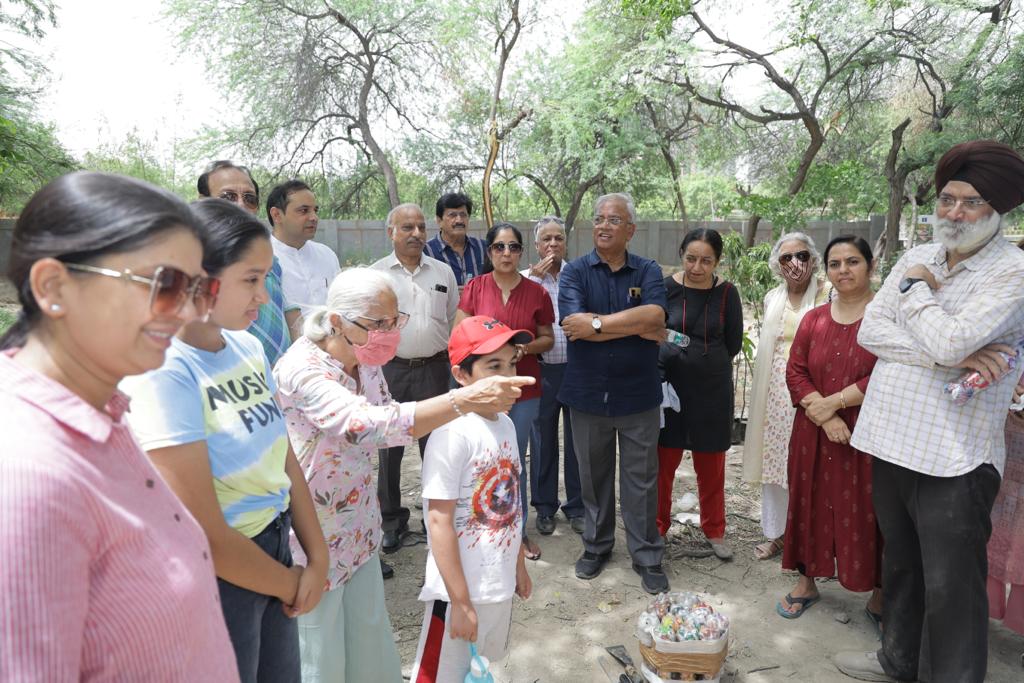
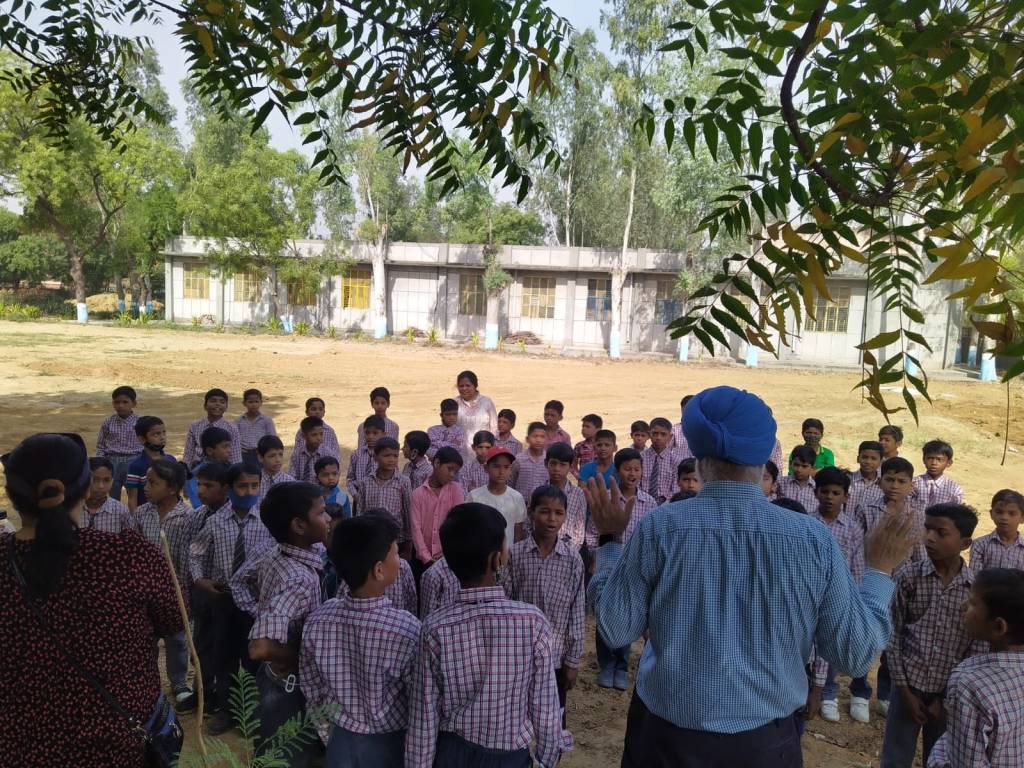
Rise Foundation Founder Member Mr. Madhukar Varshney interacted with students on this occasion and asked various questions from students about trees and forest.
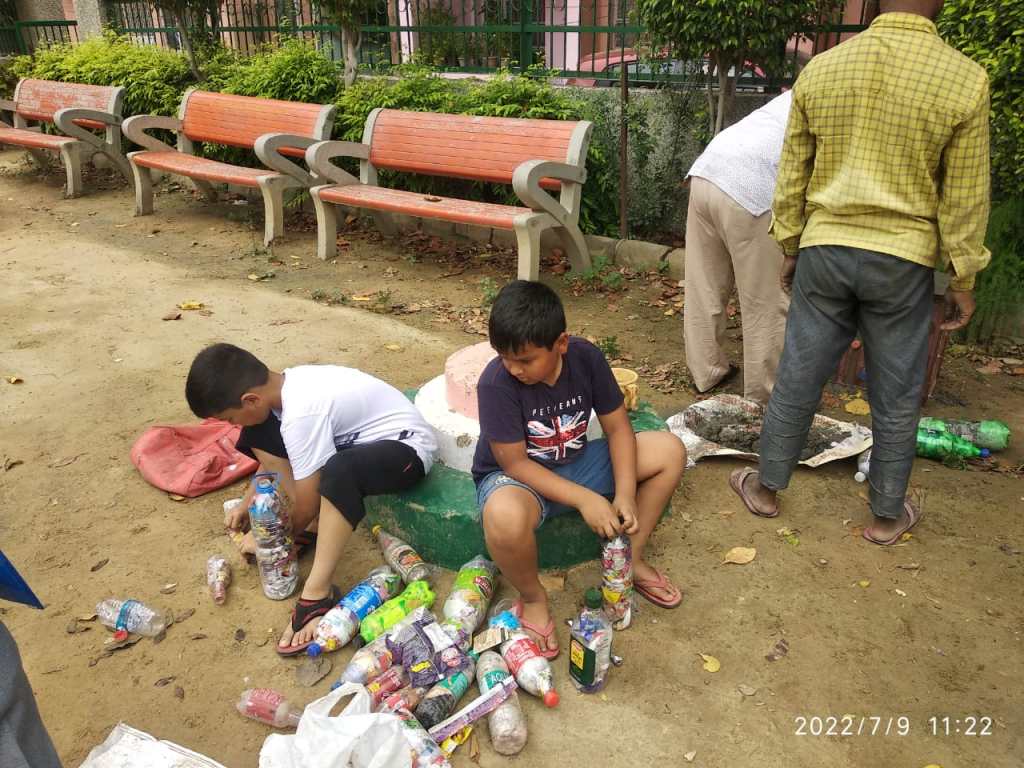
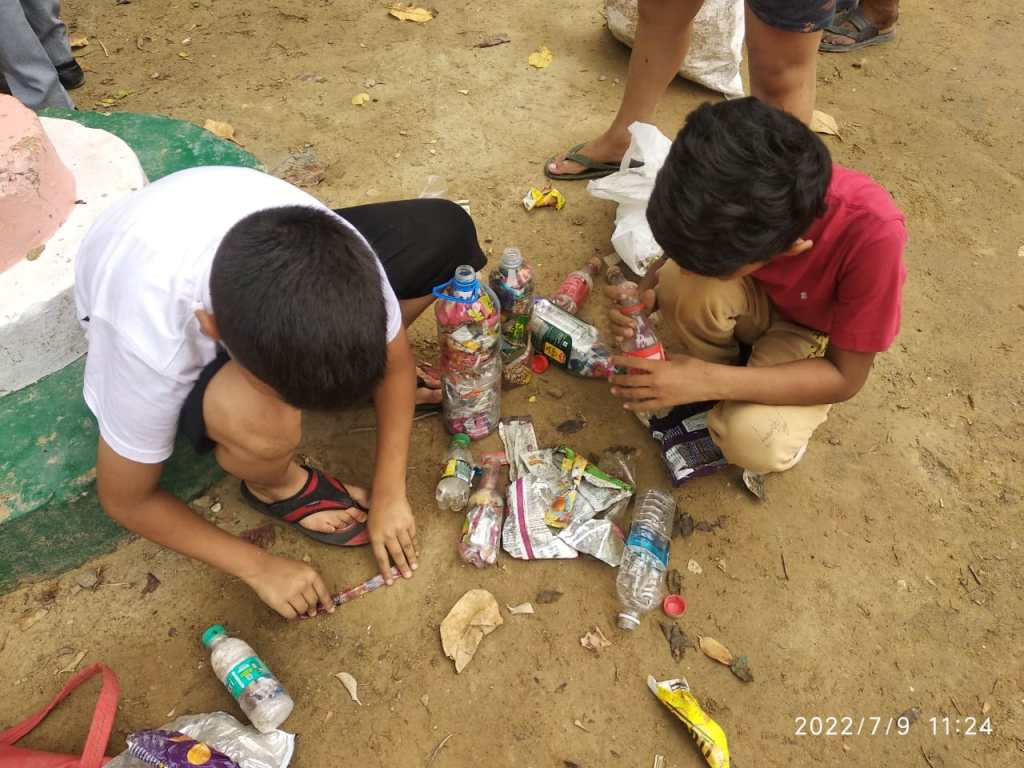
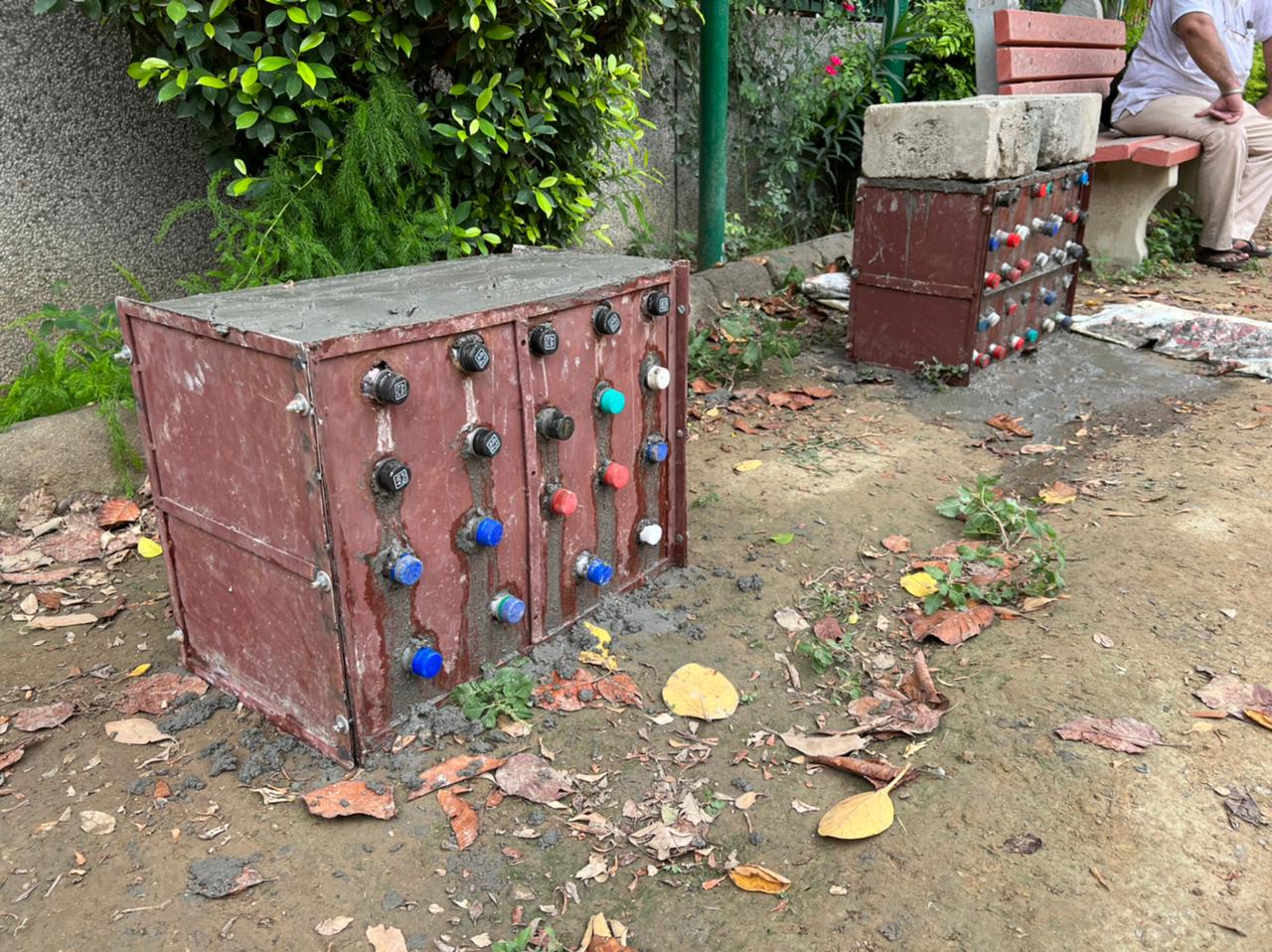
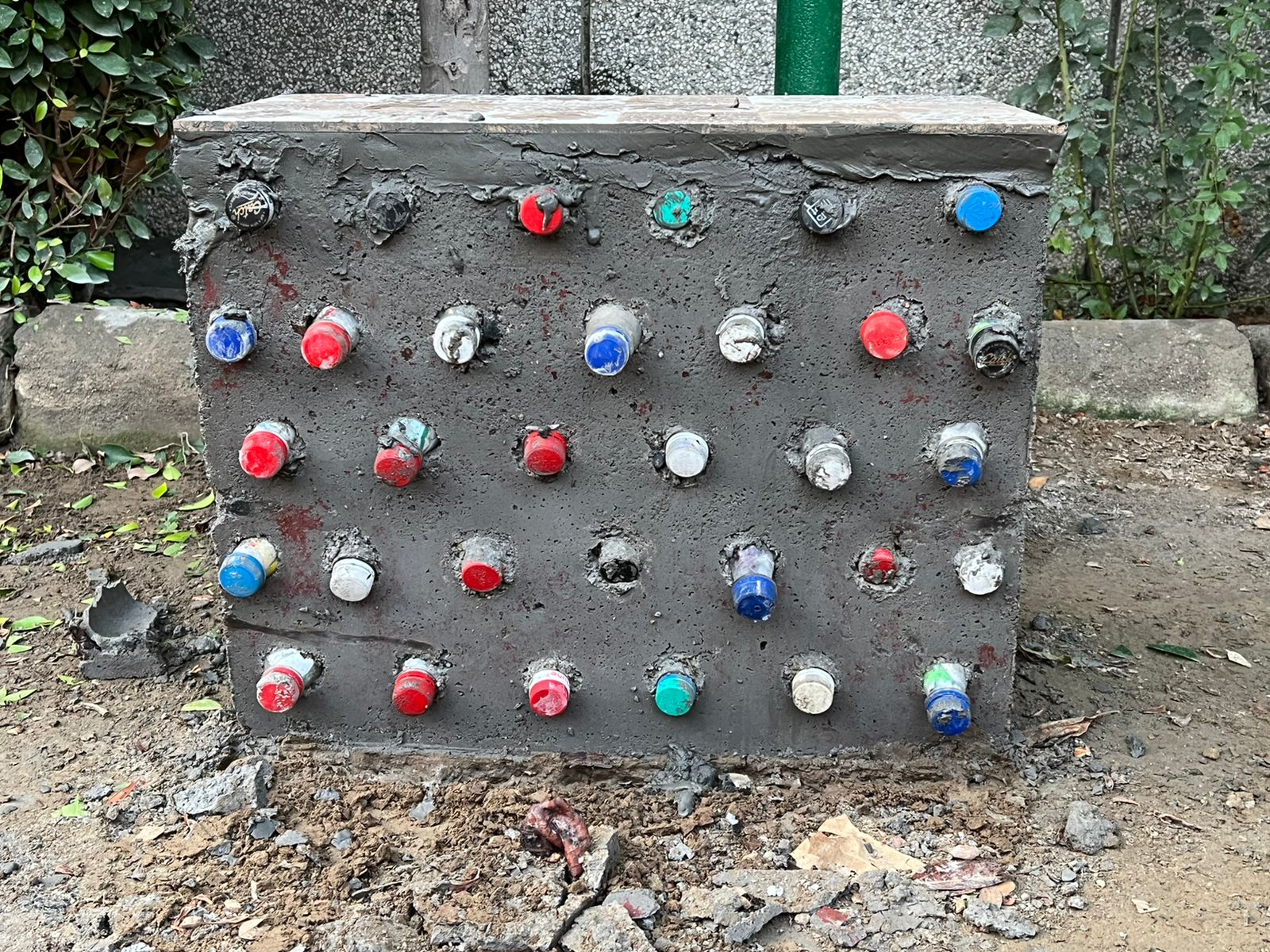
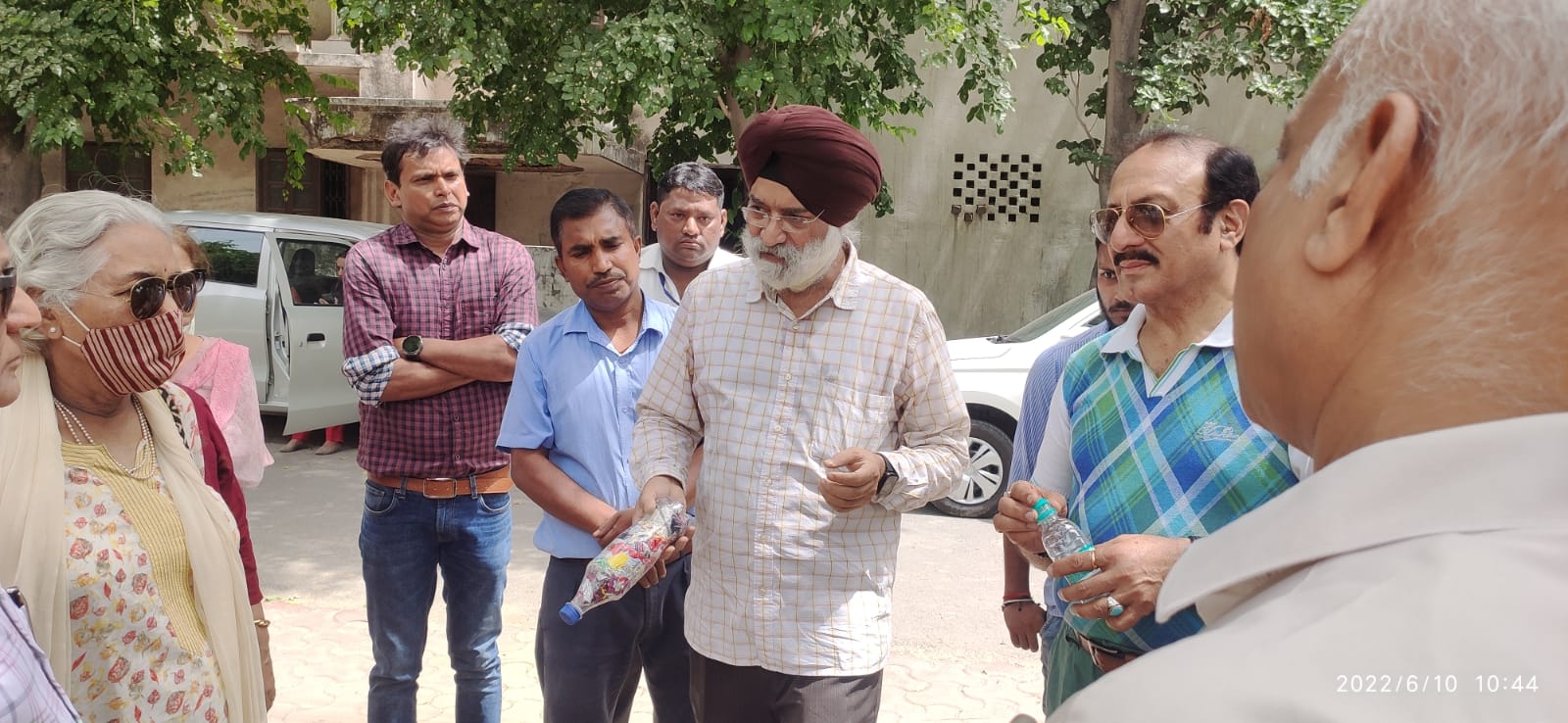
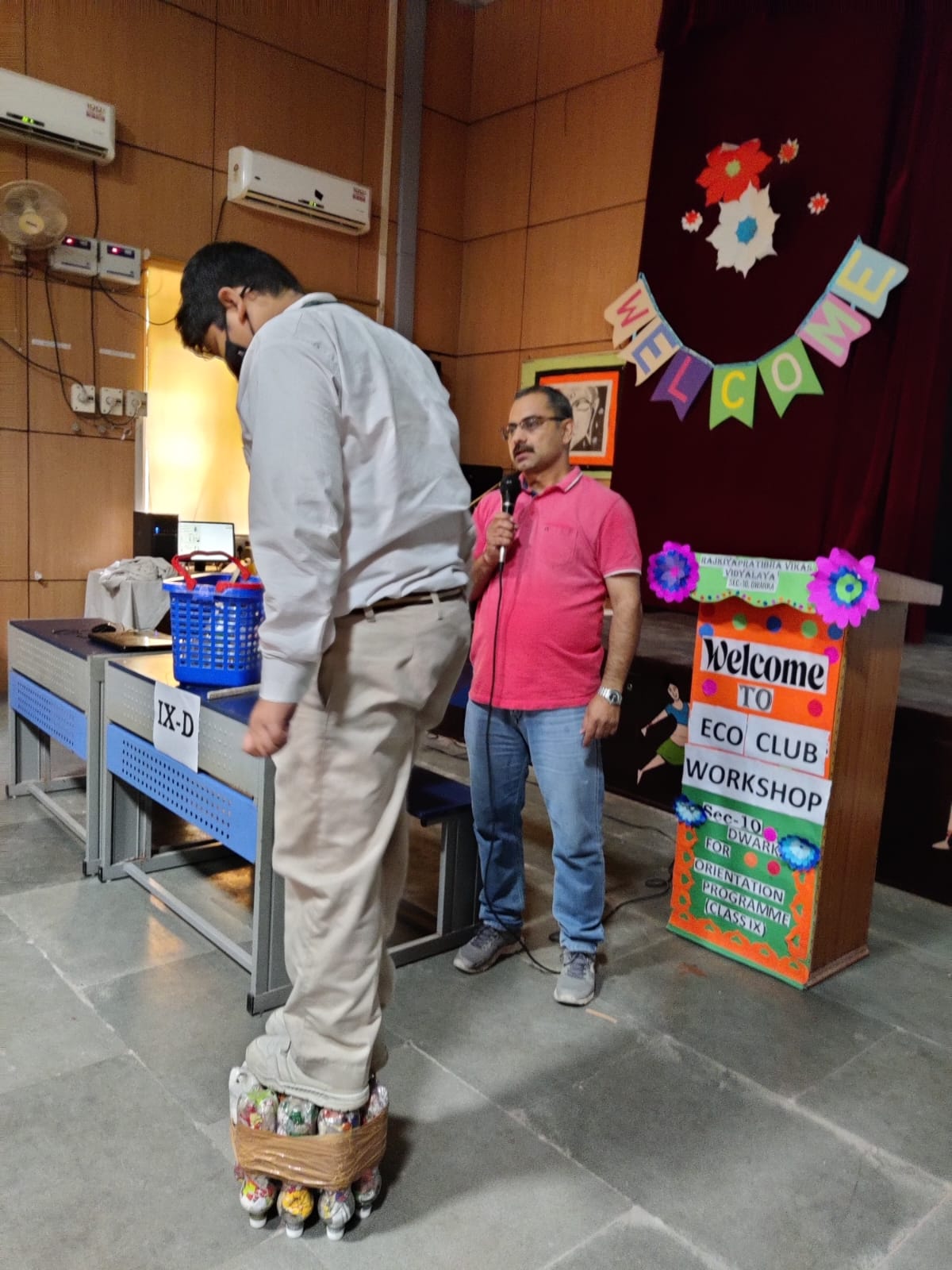
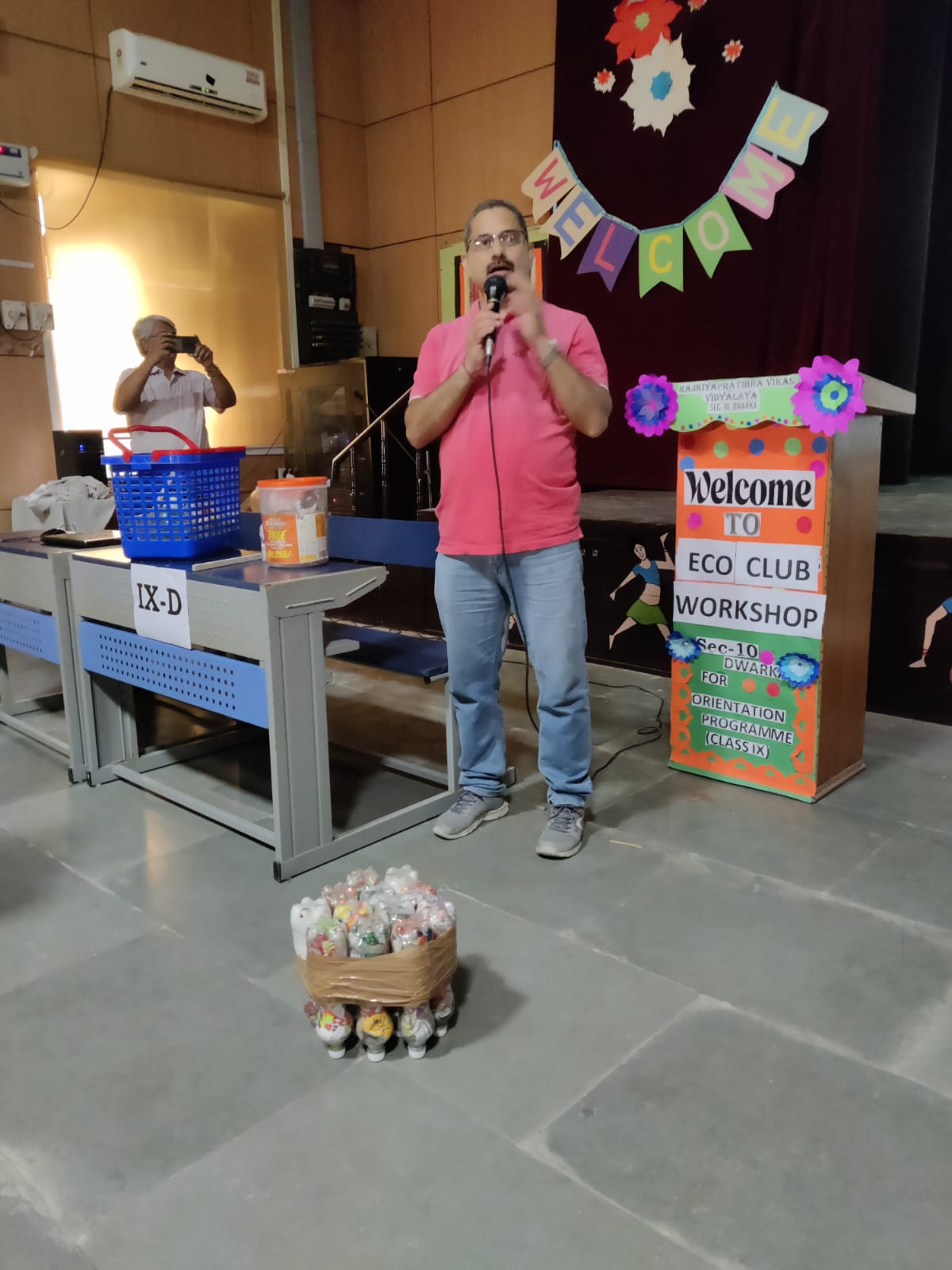
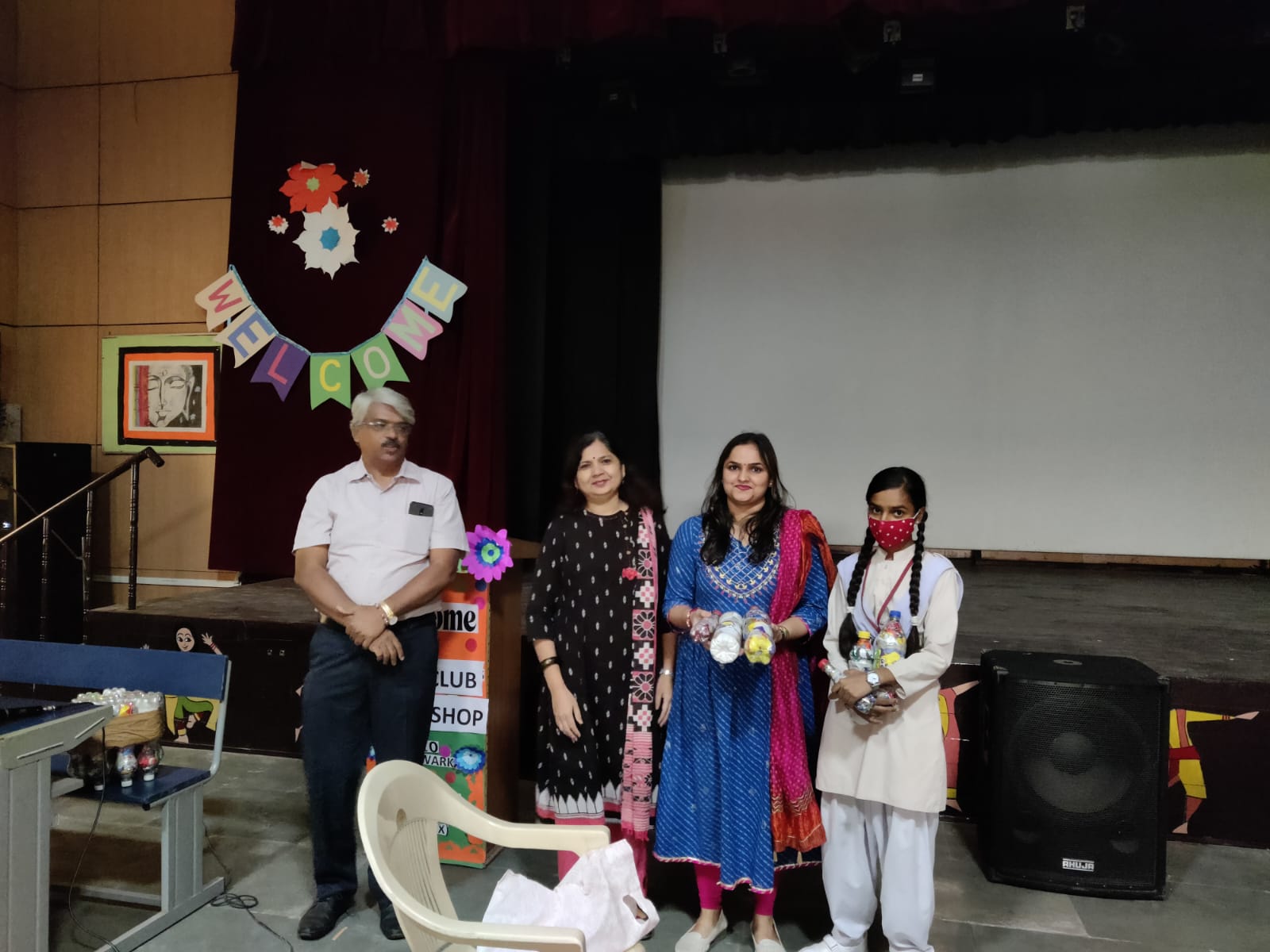
Munish Kundra – Rise Foundation member, gave small session on Plastic pollution and guided students to fill the PET bottles to make ecobricks. All the plastic waste generated from grow bags is used to be filled for making of ecobricks.
Thanks to Inderjeet Singh Sir & Jaswant Singh Sir for helping us to get this project from School administration.
We appreciate the participation from the Ishika Kundra and her college students and Professor of DDU , Mr. Arun (Sec 6- Great India Apartments), Mr. Amit Bhatnagar and Mr. Awadhoot from ThinkGood Foundation.
This project is crowd funded 85% and balance is paid by Rise Foundation.
We are looking forward more such projects in coming months.
Miyawaki is a technique pioneered by Japanese botanist Akira Miyawaki, that helps build dense, native forests. The approach is supposed to ensure that plant growth is 10 times faster and the resulting plantation is 30 times denser than usual. It involves planting dozens of native species in the same area, and becomes maintenance-free after the first three years.
The method involves planting two to four trees per square metre. Miyawaki forests grow in two to three years and are self-sustaining. They help lower temperatures in concrete heat islands, reduce air and noise pollution, attract local birds and insects, and create carbon sinks.
If you want to implement Miyawaki Urban Forest, Feel free to reach us at +91 9717764262.
Radhika Apartments, Sector 14, Dwarka got workshop on Solid Waste Management from team Rise Foundation in Association with City Spidey.
Madhuri Varshney and Madhukar Varshney from Rise Foundation demonstrated how home composting can be done to manage waste, threw light on the eco-brick method to manage waste, and shared effective ways to reduce the extent of single-use plastic.
On the occasion, residents of Radhika apartments and other societies interacted with the team of Rise Foundation and talked about composting at an individual level and community level.
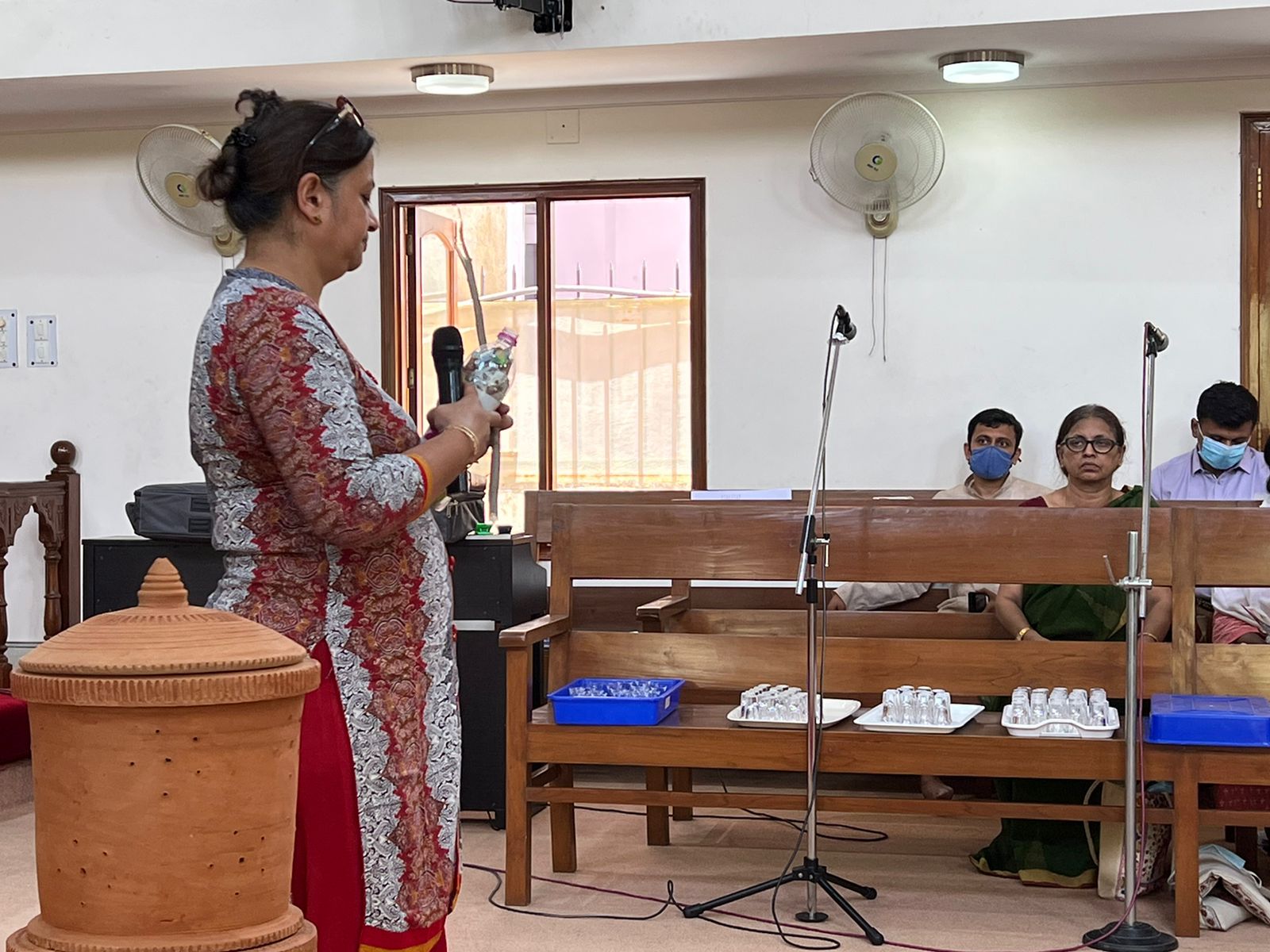
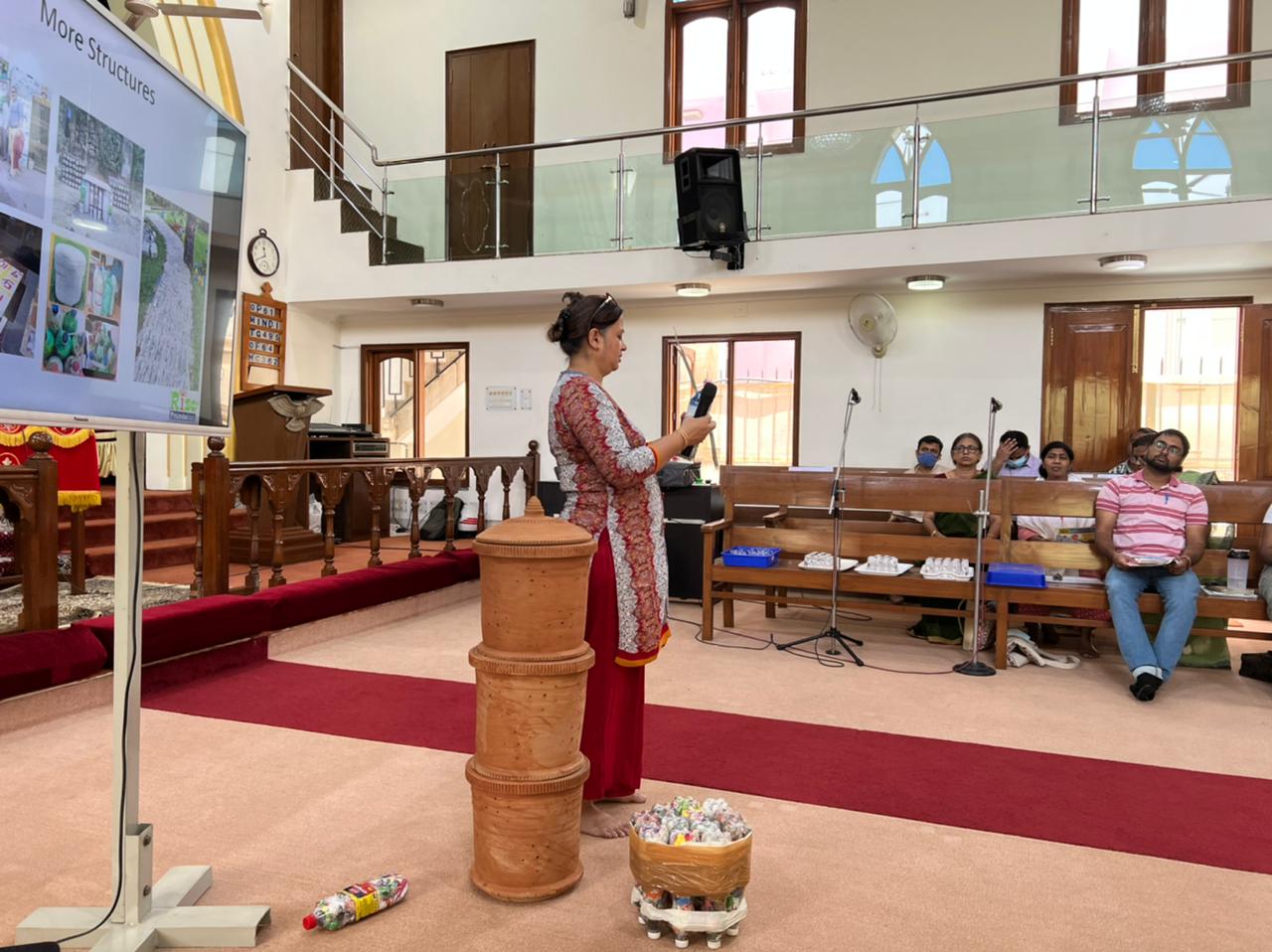
Madhuri Varshney explained how and why Segregation of Waste is important at each household level. Additionally, she explained how to use “Terracotta Home Composter” at home as one of the easy solution to make compost from Kitchen waste in easy steps.
President of RWA, Radhika Apartments, Surendra Mishra thanked CitySpidey for the event and said that more such events should be organised across Dwarka to promote eco-friendly practices in societies.
On 20th Feb 2022 , bright sunny day, Management team and residents of Adarsh Apartments, Sec 3, Dwarka discussed and learnt about Solid Waste Management, Climate Change and Plastic Pollution from the experts from Rise Foundation in association with City Spidey .
Ms Madhuri Rawat Varshney, Social Activist covered the session on Solid Waste Management, Landfill and the Expenses done by municipality for shifting the garbage from Dhalao to Landfills.It is learnt that whopping crores of rupees spent only for transportation of this waste.
The 2nd part of the workshop covered by Mr. Madhukar Varshney, Technology Expert turned Social Entrepreneur cum Environmentalist. As per him the rising carbon emission is leading to global warming leading to temperature rise and severe danger to humanity in coming decade. He emphasize that Home composting and Community composting is also validated solution to reduce green house gases from kitchen waste.
The last session was delivered by Ms Anuradha Ganguly, Social activist from Dwarka. She shared the information about Plastic Pollution, Ocean Pollution and by making Ecobricks at home can control the littering of plastic waste . She mentioned that Rise Foundation is torch bearer in Delhi-NCR for making sturtures like benches, Tree guards etc…using Ecobricks. This is good example of Best from Waste.
At the end, the Mr. Devesh Mundepi and Mr. Thakur residents and part of management team, shared the experience of making compost out of Kitchen waste using Terracotta home composters. Mr. Devesh appreciated the process and quality of compost using this composter. He advised others to join the “Composting Revolution” campaign of Rise Foundation and keep city clean and do your bit to fight climate change.
We look forward to meet more people to create awareness about Waste Management, Composting, Climate Change and Plastic Waste Pollution.
CitySpidey is a young, vibrant, multimedia lifestyle and community news platform since 2014. We are present on the web, app, podcast and video enabled reporting, to bring to you the rich cultural heritage of India, local community happening, holistic health reviews, music, travel, entertainment, and educational contents. Going forward we intend to strengthen our bond with the users by bringing culture, lifestyle, and fine arts involving performing artists, scholars, writers, painters, and community users. Under the new avatar, our young team of content creators would aim to keep the platform vibrant, attractive, current, and relevant for our informed users. You can get more information at https://www.cityspidey.com/
For conducting such workshops in your society or area , reach us thru email : mail2risefoundation@gmail.com or at +91 97764262 (Madhukar Varshney)
Due to Delhi-NCR severe Air pollution , many people are looking fast and reliable ways to combat the same. Miyawaki afforestation is one such technique which need efforts to create small forests in Urban setup. In Urban setup due to space constraint , we look forward this technique is quite useful.
Our work of Miyawaki Afforestation aka Urban Forest is covered by major print media. We thanks to Hindustan Times, Navbharat Times, Dainik Jagran and Nayi Duniya. Our recent project was in MCD School in Mohammad Shahbadpur, Near Dwarka. Here we did plantation of 100+ native saplings of 13 varieties in 600Sq Ft area.
I thanks to whole team of Rise Foundation and other nature lovers joined hand in this noble cause of Environment Protection. The team members directly involved at Mr. Munish Kundra, Madhuri Rawat Varshney, Indrajeet Singh Sir, Anuradha Ganguly, Deepak Bhardwaj and Navin Solanki.
If any one is interested to create Lush Green Space near him or community, feel free to reach us at +91 9717764262 (Madhukar Varshney) or +91 98187 39265 (Munish Kundra)
In continuation of Urban Forest work in Delhi-NCR, team Rise Foundation implemented it’s Miyawaki Afforestation project of year 2022 with school students of SDMC Boys School, Shahbad Mohammadpur , Dwarka.
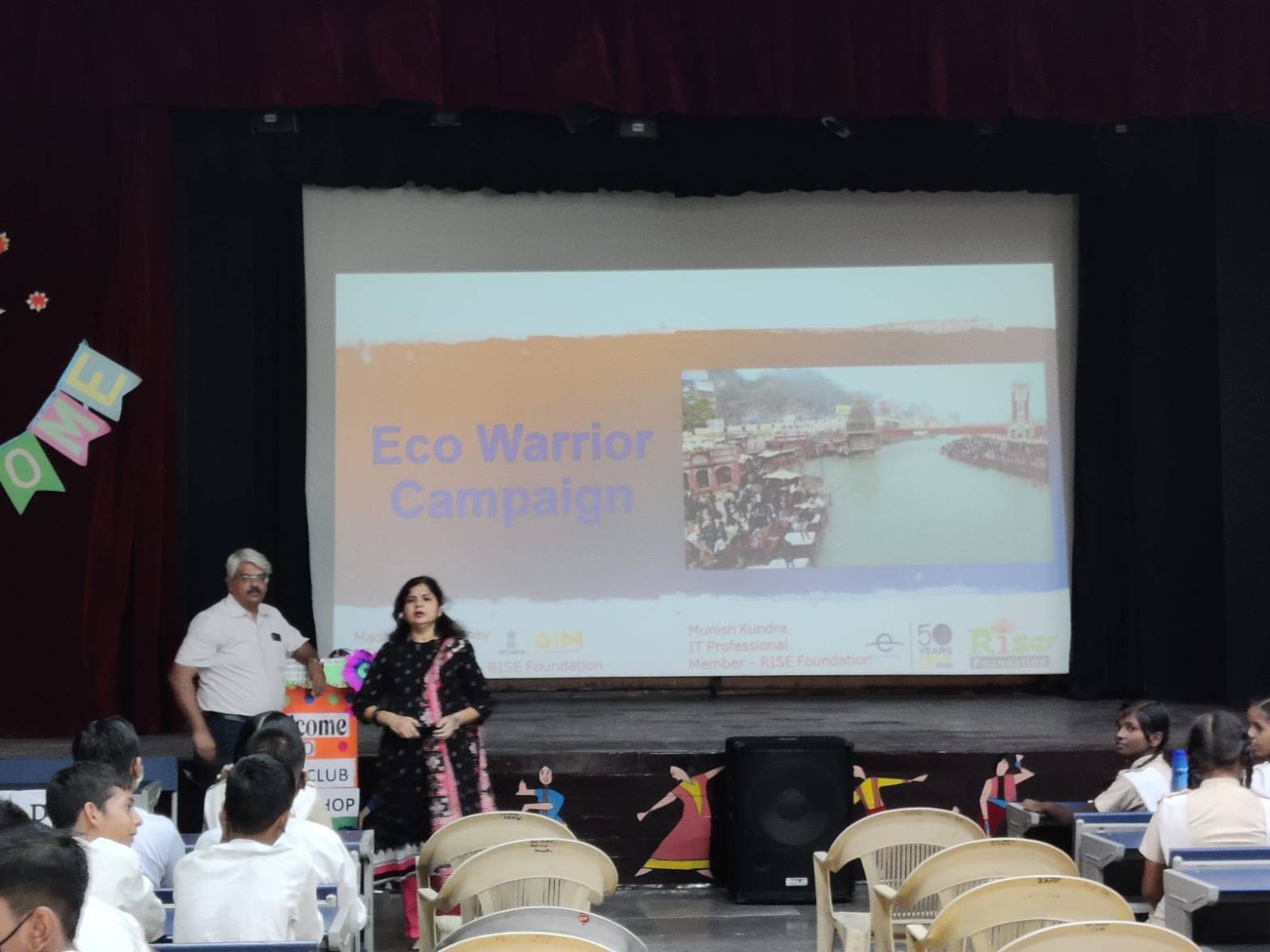
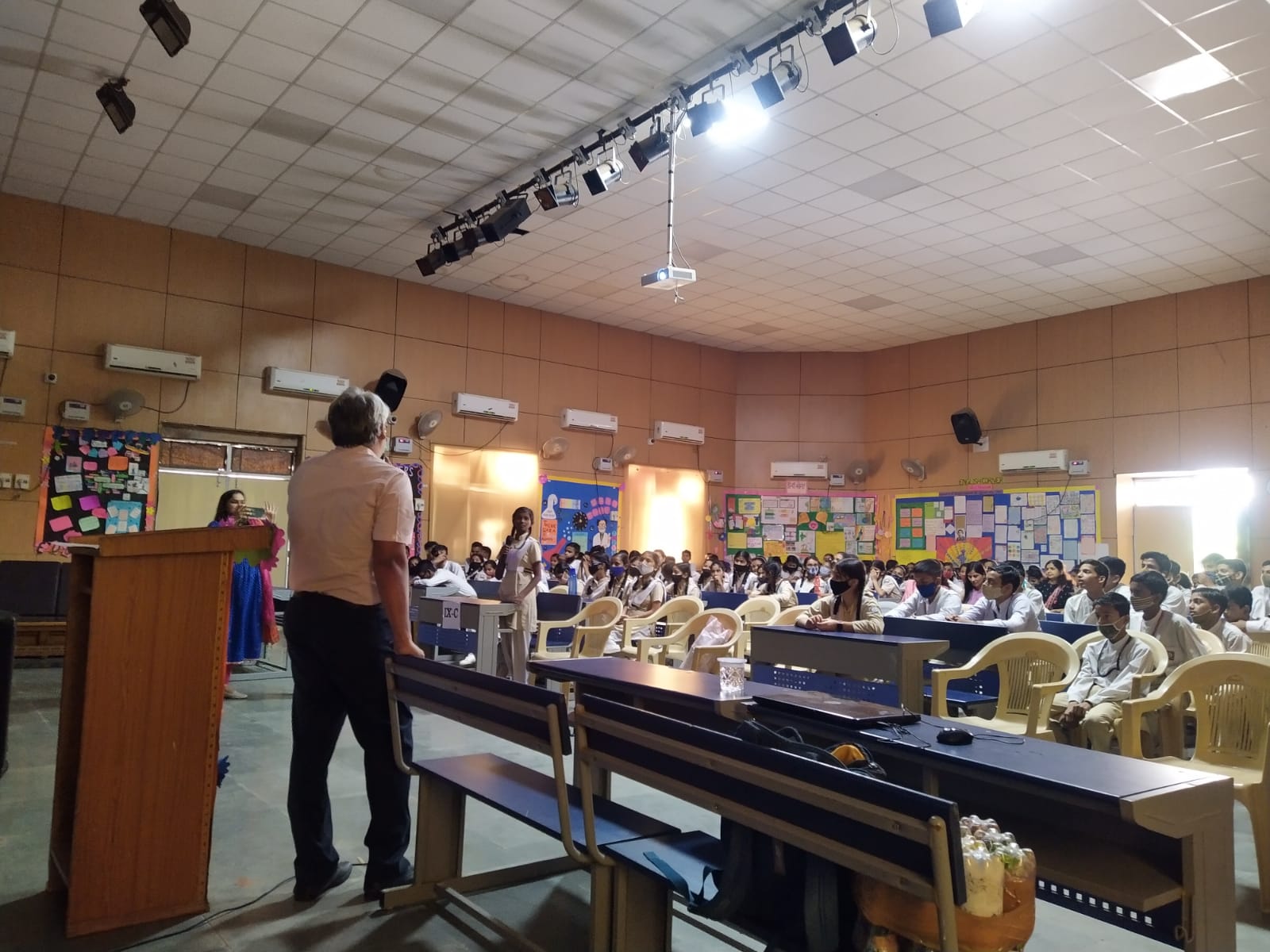
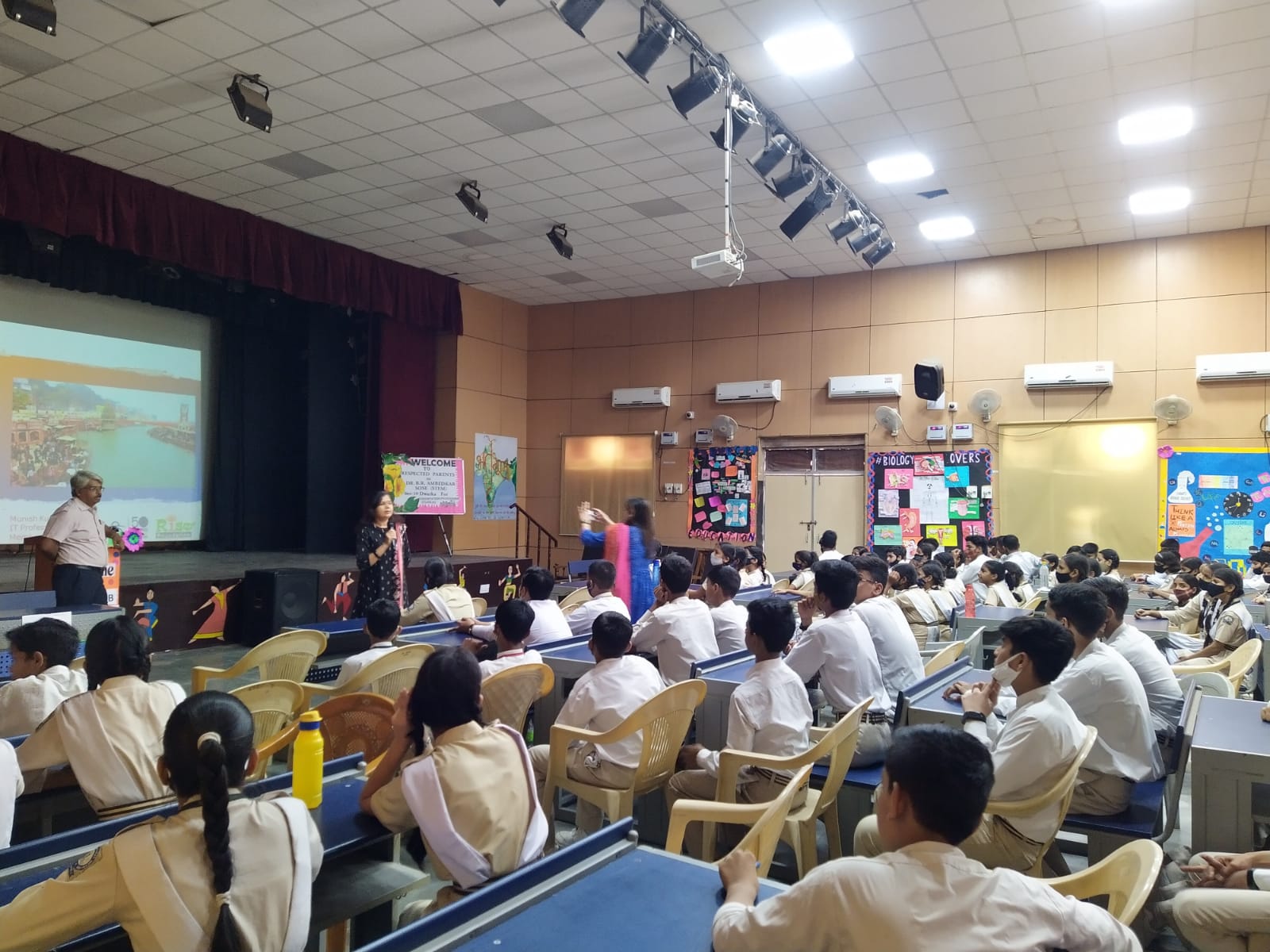
During the session, children were asked about the questions on benefits of Forest and also did small workshop on Plastic Pollution and making of Ecobricks.
Glimpses of Miyawaki Tiny Urban Forest Plantation.
Post plantation, Session on Plastic Pollution, Ocean Pollution and Ecobricks given to the young minds. Students agreed to make ecobricks at home. Soon we will make Bench from Ecobricks in the school premises.
Glimpses of Ecobrick Workshop
15 फरवरी को राइज फाउंडेशन टीम ने sdmc boys स्कूल , शाहबाद मोहम्मदपुर में मियावाकि तकनीक से urban फारेस्ट लगाया। इसमें स्कूल के management का सहयोग रहा।इस प्रोजेक्ट में 600 वर्ग फ़ीट क्षेत्र में 100 पौधे लगाए । जो उचित देखभाल के बाद 3 वर्ष में एक जंगल का रूप ले लेंगे ।।
नरेंद्र कौर प्रिंसिपल , सुशील लम्बा स्कूल टीचर , इंद्रजीत सिंह सेक्टर 12 द्वारका, जसपाल सिंह सेक्टर 22 द्वारका , सुभाष कश्यप घुम्मनहेड़ा , नत्थू राम, विद्या आनंद यादव, अमित भटनागर एवं अवधूत जाधव थिंक गुड फाउंडेशन से, ज्योति त्यागी बसाई दारापुर, कौशल त्यागी बसाई दारापुर , अनुराधा गांगुली , मधुकर वार्ष्णेय, माधुरी वार्ष्णेय , दीपक भारद्वाज , हरीश अवस्थी, रानीश ढाका, प्रवीण कुमार रोहिणी सम्मिलित हुए । दिल्ली में इस तरह की मुहिम की जरूरत है , इससे दिल्ली की हवा को साफ करने में मदद मिलेगा।
अगर आप अपने क्षेत्र में ऐसा कोई फारेस्ट लगवाना चाहते हैं तो राइज फाउंडेशन से 9717764262 पर सम्पर्क कर सकते है।
Sunday 13th Feb 2022, Rise Foundation team in association with CitySpidey online media conducted a comprehensive session on Waste Management, Climate Change and Plastic Pollution. The sessions covered the problem areas and the easily doable solutions by individuals or at community level.
Team Rise Foundation Ms Madhuri Rawat Varshney , Madhukar Varshney shared the current problem of Waste management , Landfill , crores of rupees spent on waste transportation and Climate change respectively.
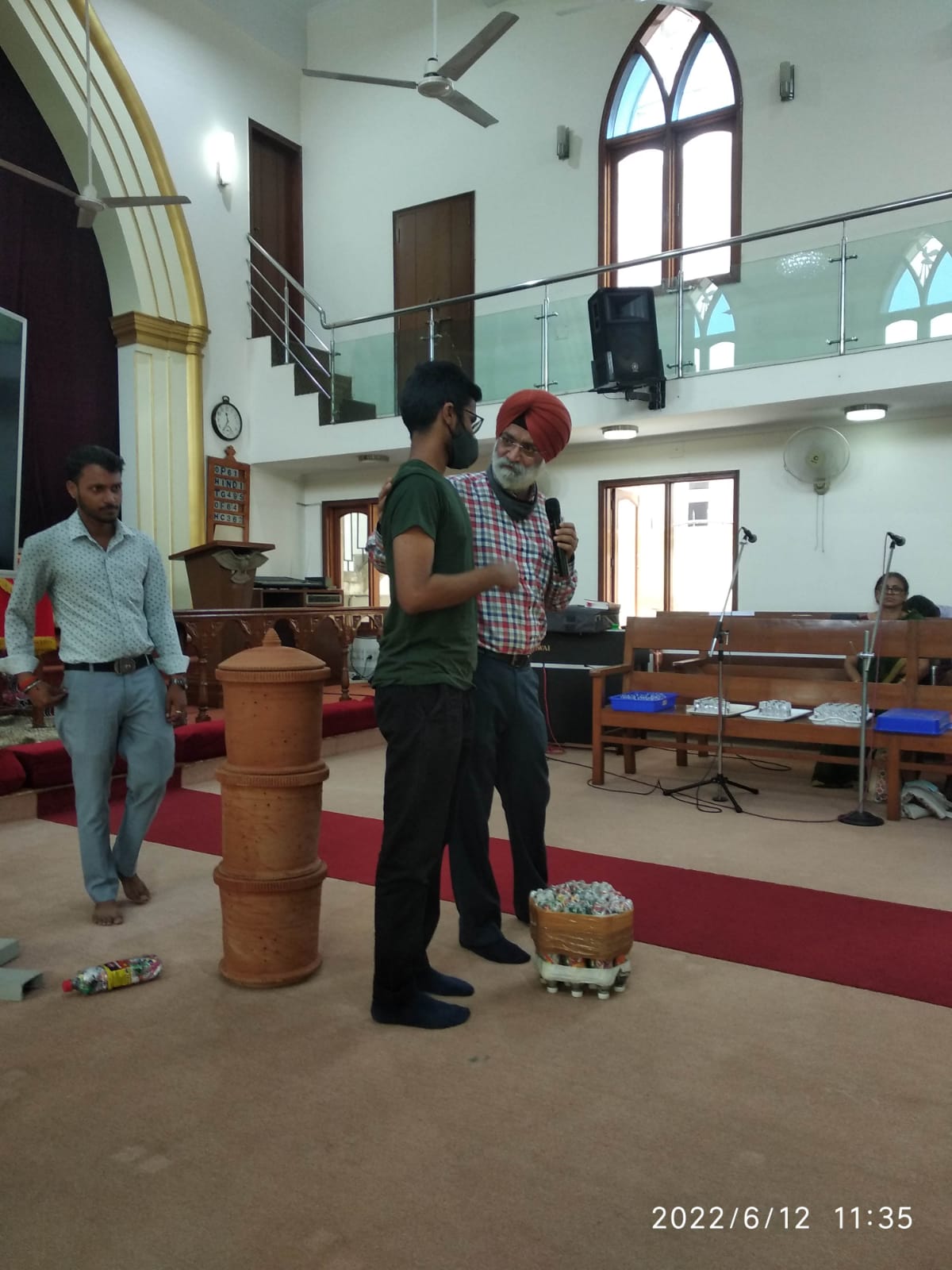
Munish Kundra, also from Rise Foundation and secretary of Brahma Apartments Sector 7, demonstrated the eco brick method to manage single-use plastic which is difficult to dispose of and manage. He shared about the successful initiatives at Brahma Apartments that made use of eco brick method for solid waste management.
S. Kashyap from Ganpati Apartments who was coordinating the event for the society shared how Ganpati Apartments has been managing horticulture waste. She explained the process of home composting and demonstrated how jaggery water, buttermilk and other such ingredients could help more in the process.
President of Ganpati Apartment, KS Bhati gave a vote of thanks and appreciated the efforts made by CitySpidey and Rise Foundation to make the community for the informative session. Residents of Ganpati Apartments residents and management were also thanked for making the event possible.
CitySpidey is a young, vibrant, multimedia lifestyle and community news platform since 2014. We are present on the web, app, podcast and video enabled reporting, to bring to you the rich cultural heritage of India, local community happening, holistic health reviews, music, travel, entertainment, and educational contents. Going forward we intend to strengthen our bond with the users by bringing culture, lifestyle, and fine arts involving performing artists, scholars, writers, painters, and community users. Under the new avatar, our young team of content creators would aim to keep the platform vibrant, attractive, current, and relevant for our informed users. You can get more information at https://www.cityspidey.com/
For conducting such workshops in your society or area , reach us thru email : mail2risefoundation@gmail.com or at +91 97764262 (Madhukar Varshney)
Team Rise Foundation delivered session on Plastic pollution, Ocean Pollution and how to apply #ecobricks as stop gap solution to fight plastic waste at individual and community level at Ismail National Mahila PG College ,Meerut Uttarpradesh.
Our Founder Mr Madhukar Varshney upraised about the current situation of plastic waste and impact on land and oceans.
Indrajeet Singh Sir introduced wonderful concept of I.A.S = Identify the Problem, Accept the Problem & Solve the Problem. In current scenario ,he emphasize on Identify the plastic waste problem ,and accept that we are the generator of the problem and finally work on the solution.
Girls learned about the #ecobricks and college management ensured to create awareness further with our help.
Additionally, we initiated “Arogya Vatika” in the college premises.
Aarogya Vatika is a special health corner where herbs and plants with high medicinal value and the ones that are immunity boosters will be planted in various city parks in different areas to make citizens aware of their health benefits available in our surroundings.
It is wonderful initiative of college administration to extend the learning and benefits of herbal plants to students.