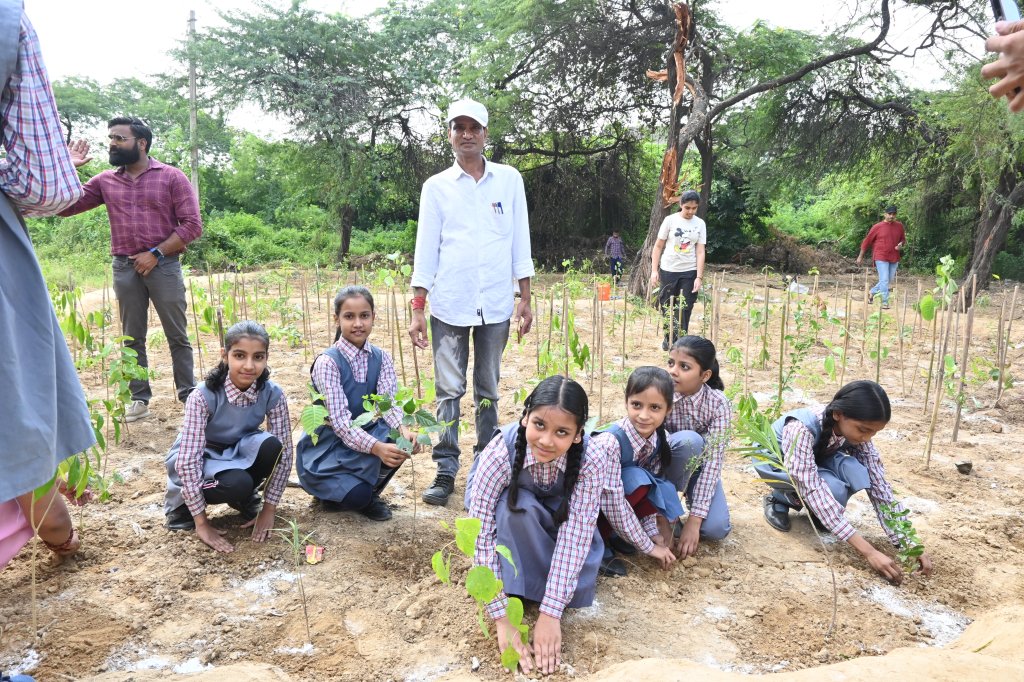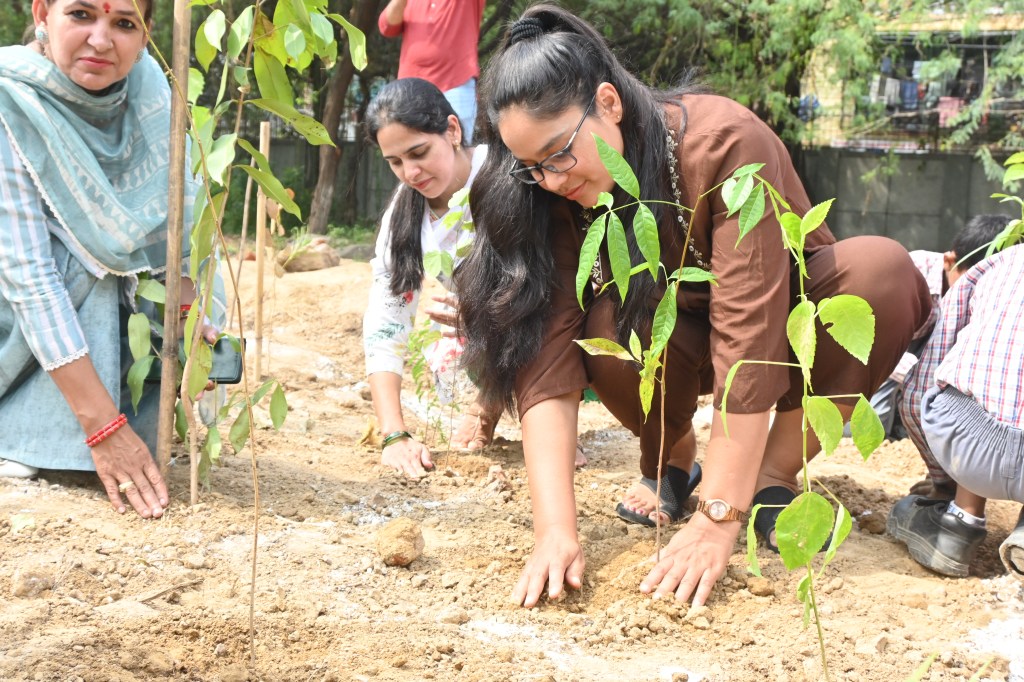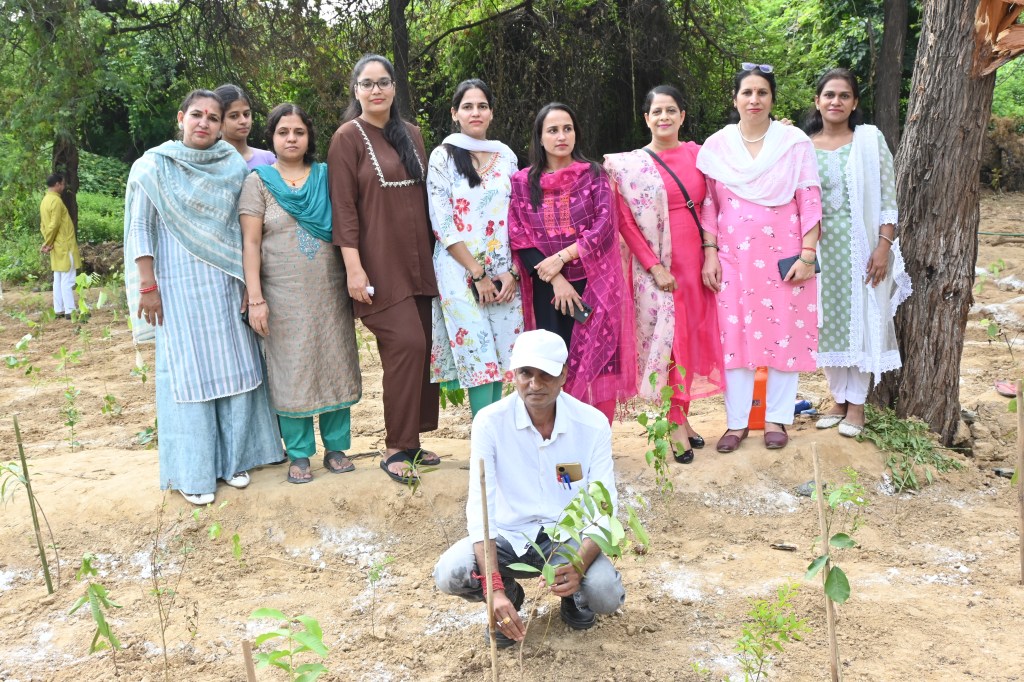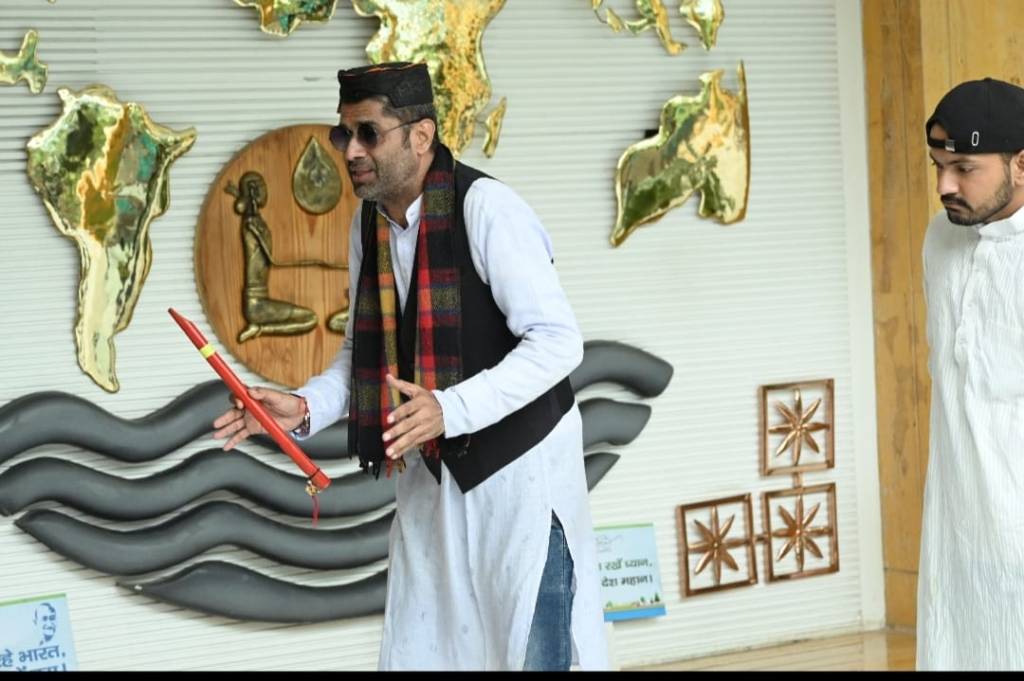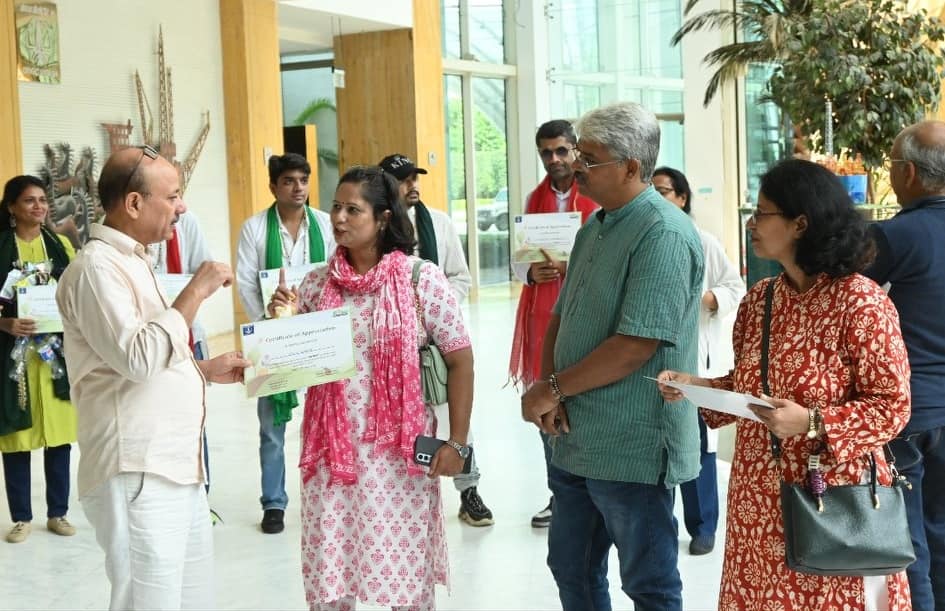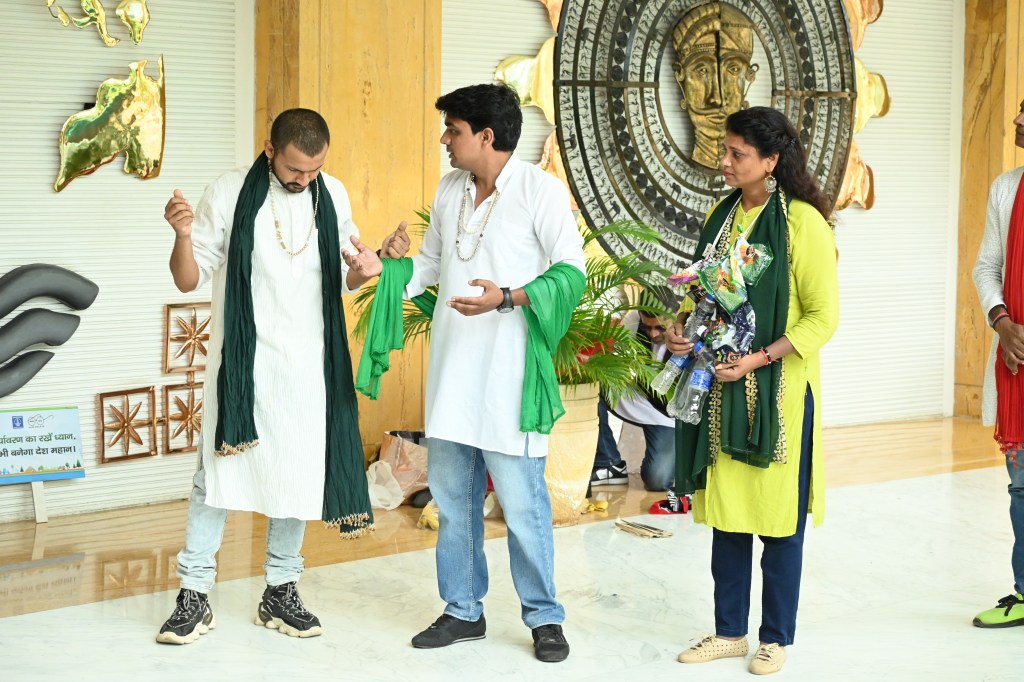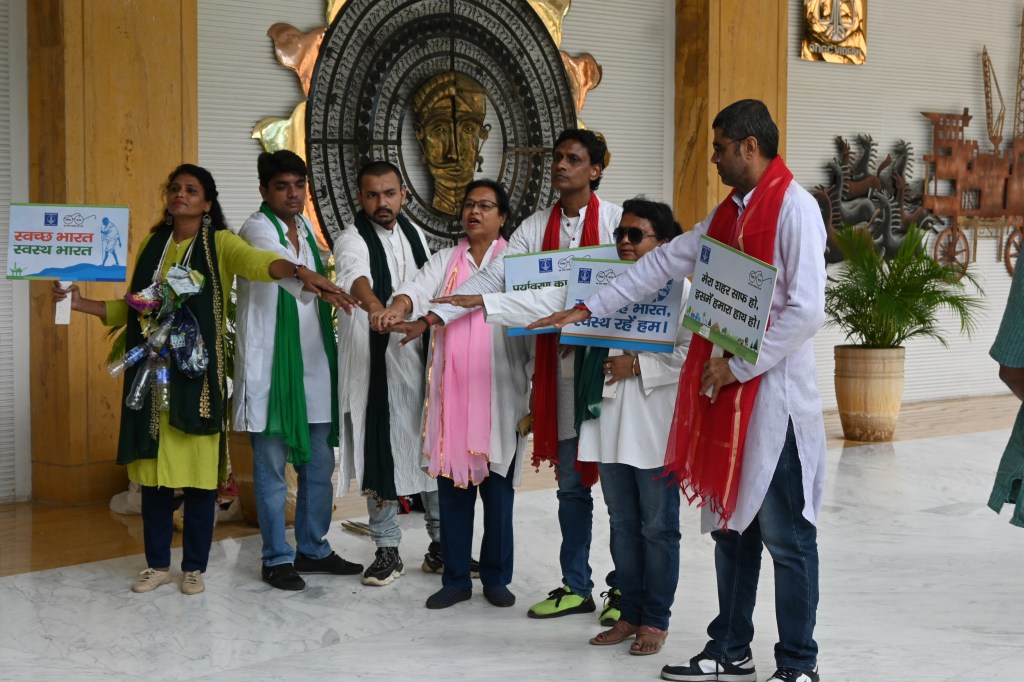
Vibrant Terracotta Composter Painting Competition for Environmental Awareness

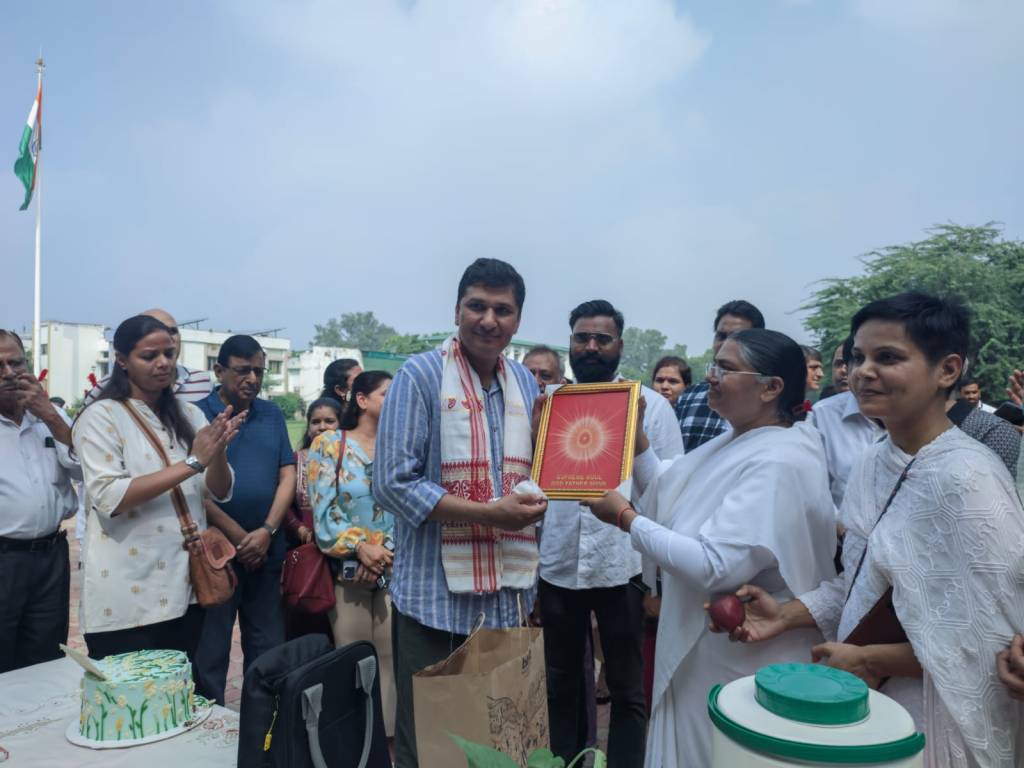
On June 5th, in celebration of World Environment Day, the Rise Foundation in association with the KYK Foundation hosted a unique and vibrant event – the Terracotta Composter Painting Competition. This fun-filled day was designed not only to showcase artistic talent but also to promote sustainability and environmental awareness. Held in a picturesque garden setting, the event attracted artists, environmental enthusiasts, and curious onlookers from all walks of life.

The Setting

The event took place in community hall of Upkari Apartments, Sector 12, Dwarka provided by RWA, where rows of blank terracotta composters awaited their transformation. The atmosphere buzzed with excitement as participants, ranging from children to seasoned artists, gathered around tables filled with paints, brushes, and a plethora of artistic supplies. The hall was adorned with colorful banners and eco-friendly decorations, setting the perfect tone for a day dedicated to creativity and green living.

The Competition

Participants were tasked with painting the terracotta composters, turning these simple, functional items into beautiful works of art using Warli Art form. The competition encouraged themes related to nature, sustainability, and community, giving artists a broad canvas for their creativity. As the painting began, it was clear that the participants were not just painting objects but were pouring their hearts into their creations, each telling a unique story through their designs.

Families painted together, friends teamed up, and solo artists immersed themselves in their work, all while engaging in lively conversations about the importance of composting and sustainable living. The atmosphere was one of camaraderie and shared purpose, with everyone united by their passion for the environment.

The Highlights

Some standout designs included vibrant floral patterns, intricate depictions of wildlife, and abstract representations of natural elements. One particularly striking composter featured a beautiful, hand-painted tree with sprawling branches and roots, symbolizing the deep connection between humans and nature. Another showcased a whimsical scene of butterflies and bees, reminding everyone of the vital role pollinators play in our ecosystem.

The Judges and Prizes

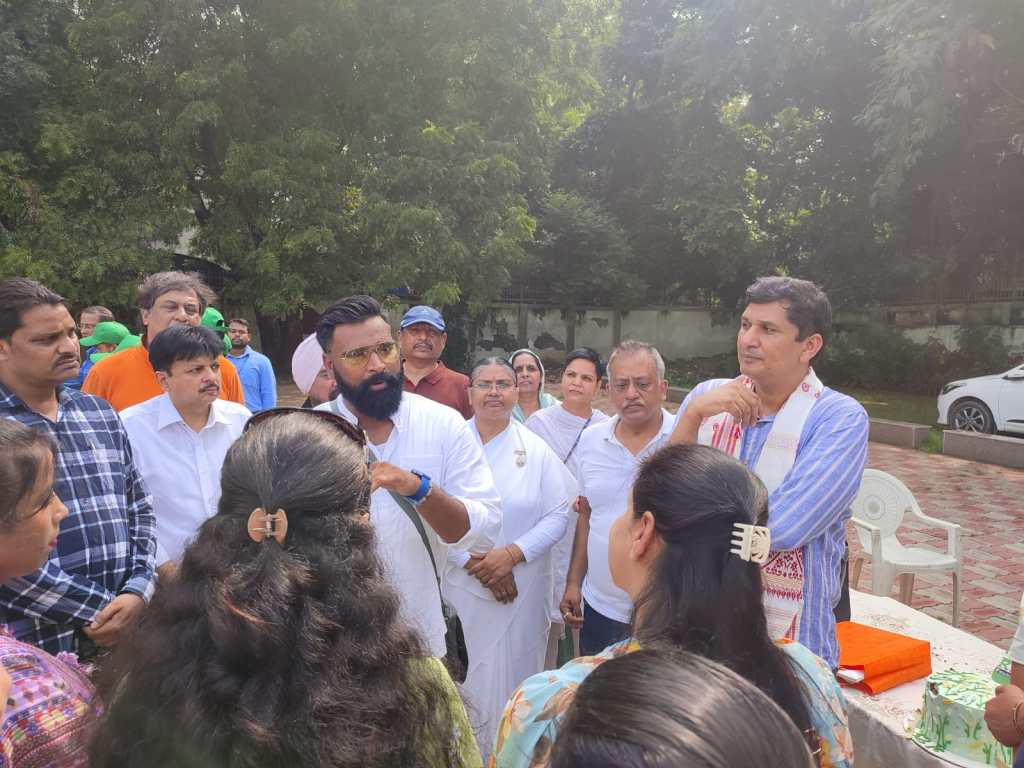
A panel of judges, consisting of well known artists Ms Monita Dheengra , environmentalists Ms Madhuri Varshney & Ms Swati , and community leaders Mr. Dharmender Singh, Mr. Madhukar Varshney, Mr. Munish Kundra, Mr. Deepak Bhardwaj and Mr. Inderjeet Singh , had the challenging task of selecting the winners. Criteria included creativity, adherence to the theme, and overall impact of the design. Prizes were awarded in several categories, including Best Overall Design, Most Creative, Best Use of Color, and Audience Favorite.

The Best Overall Design award went to a young artist who masterfully painted a terracotta composter with a stunning underwater scene, complete with colorful fish and coral reefs, highlighting the importance of marine conservation. The Most Creative prize was awarded to a team that transformed their composter into a 3D sculpture with added elements like leaves and twigs, making it a true piece of environmental art.

Beyond the Competition

While the competition was the main event, the day also featured a variety of workshops and talks on composting, sustainable living, and the benefits of using terracotta composters. Participants had the opportunity to learn from experts, exchange ideas, and gain valuable insights into how small changes in their daily lives can make a significant impact on the environment.

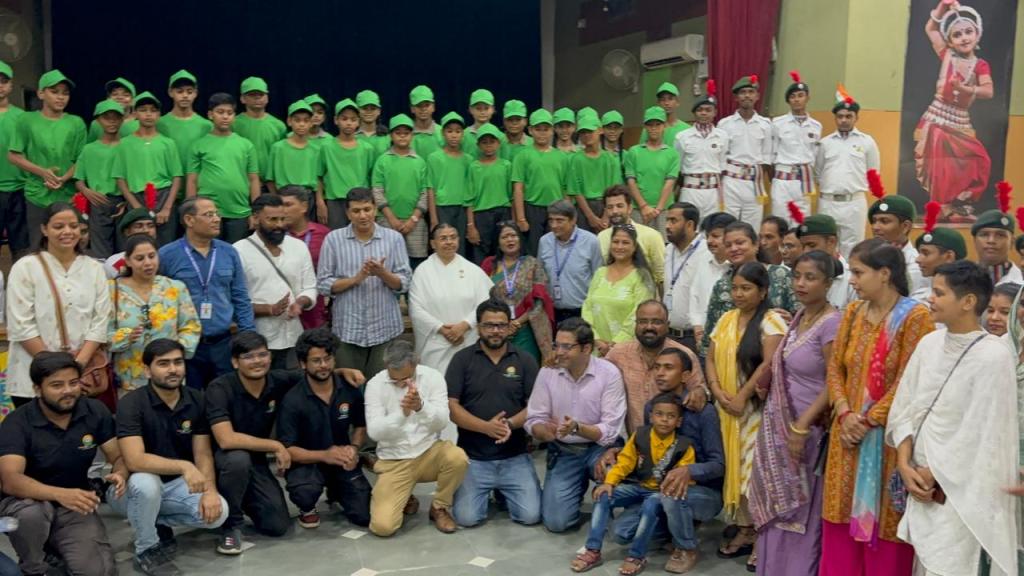
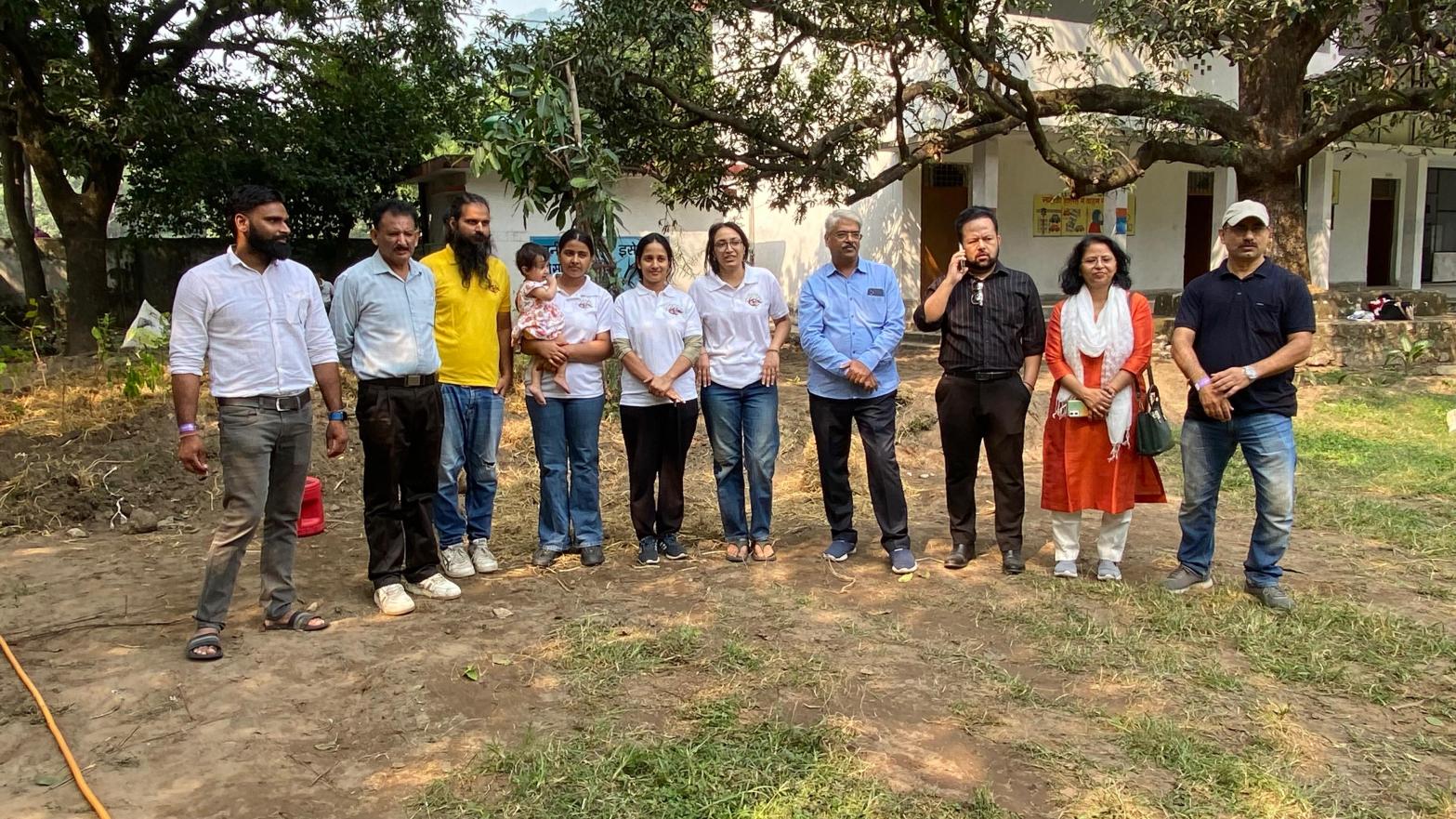
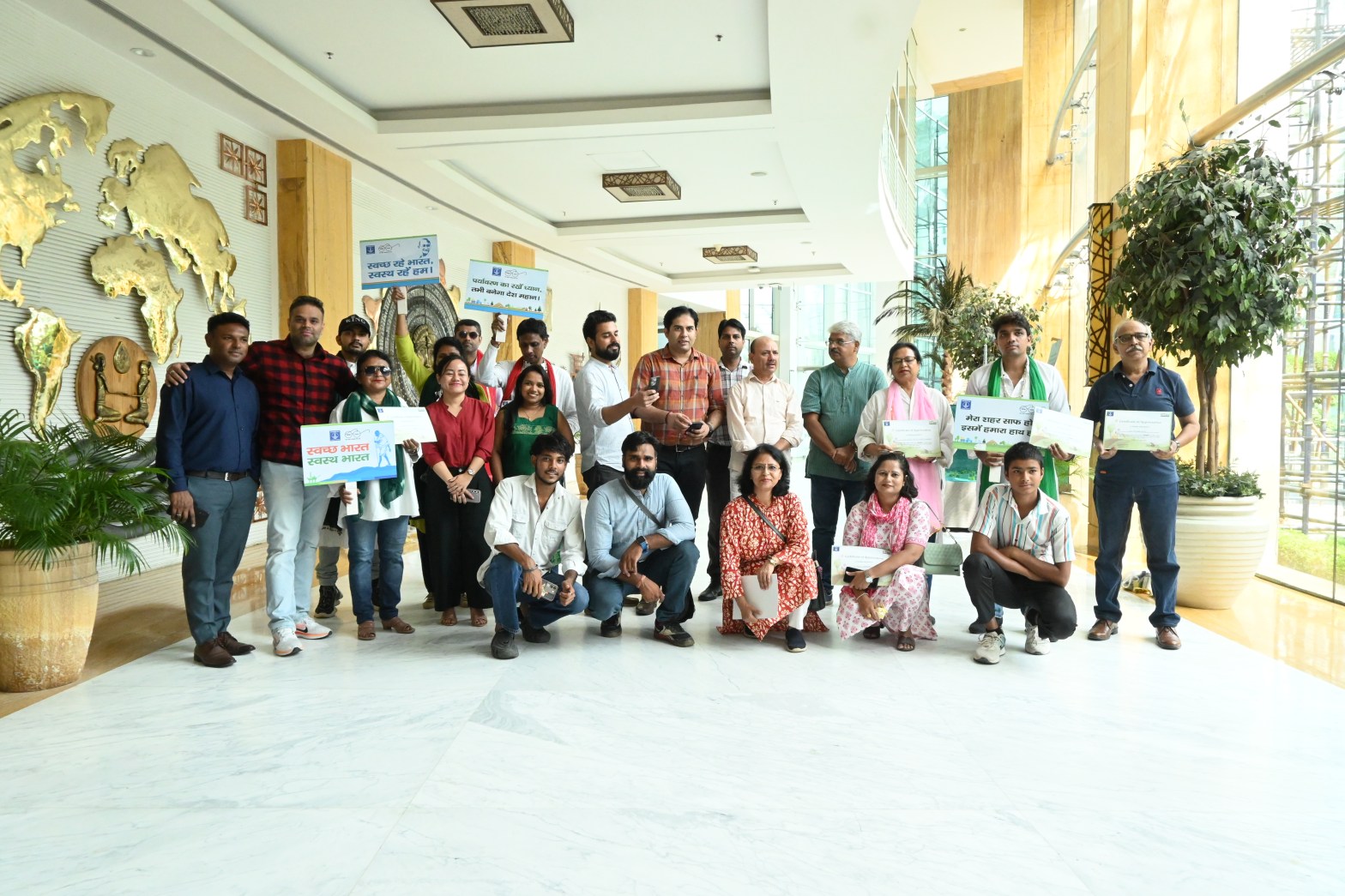
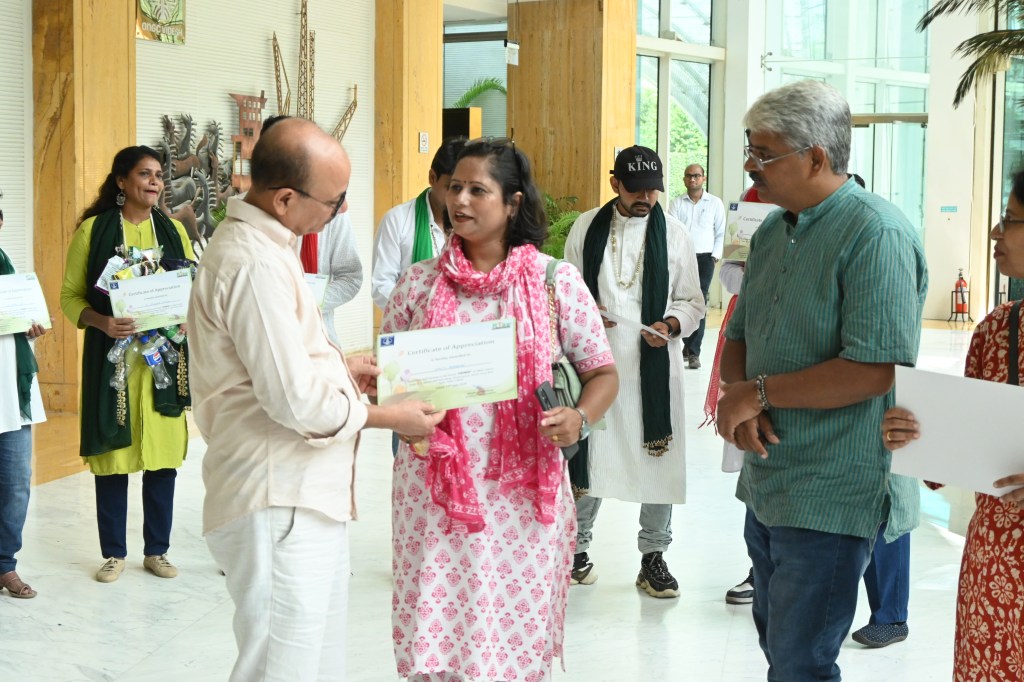
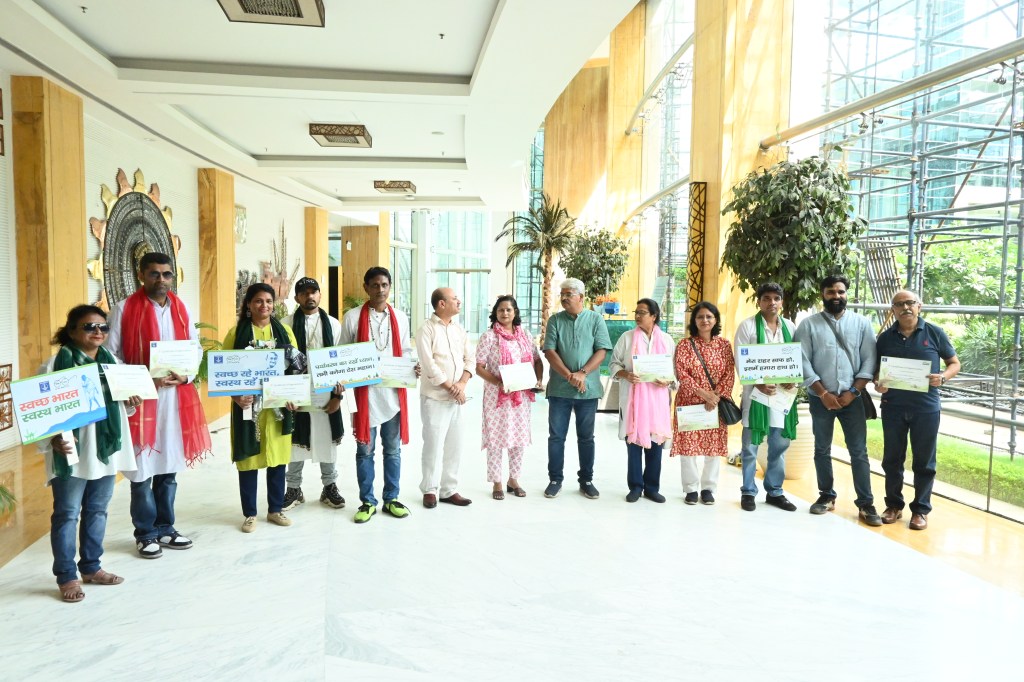
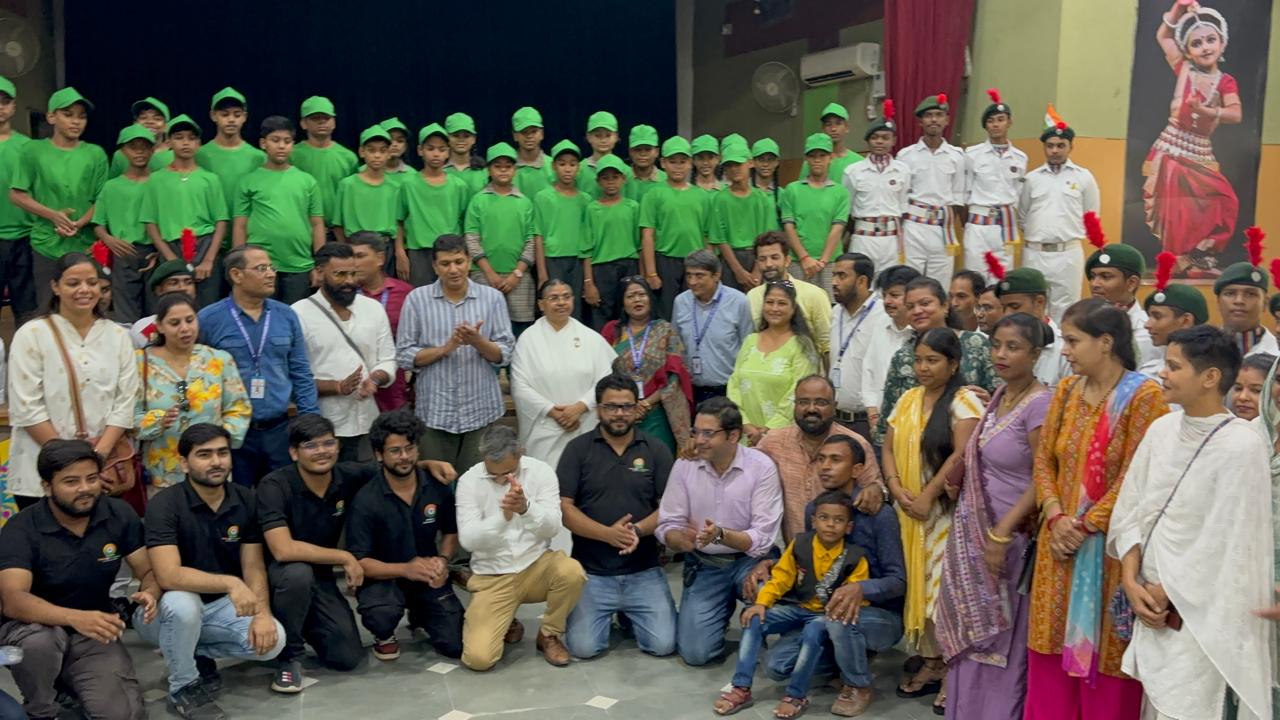
The event concluded with a group photo of all participants with their beautifully painted composters, a testament to the community’s commitment to creativity and sustainability. Each artist took home their unique composter, ready to be used in their gardens, serving as a functional piece of art and a constant reminder of their pledge to the environment.

A Lasting Impact

The Terracotta Composter Painting Competition was more than just a contest; it was a celebration of creativity, community, and the power of collective action for the environment. The Rise Foundation and KYK Foundation succeeded in creating an event that was not only fun and engaging but also deeply meaningful, inspiring participants to continue their journey towards a more sustainable future.

By turning something as simple as a composter into a canvas for art, the event beautifully demonstrated that sustainability can be creative, fun, and a source of community pride. Here’s to many more such inspiring events, where art and sustainability go hand in hand!

नई दिल्ली, 5 जून 2024: इस वर्ष पर्यावरण दिवस विशेष रूप से अनूठे और प्रभावी तरीके से मनाया गया। Rise foundation और KYK Foundation द्वारा आयोजित इस कार्यक्रम में न केवल बच्चों ने बल्कि उनकी माताओं ने भी सक्रिय भागीदारी दिखाई। इस बार के कार्यक्रम का मुख्य आकर्षण मिट्टी से बने कम्पोस्टिंग बिन (जो घर के गीले कचरे से खाद बनाने के काम आता है) पर #worli painting आधारित प्रतियोगिता रही।

कार्यक्रम की मुख्य विशेषताएं:

प्रतियोगिता का आयोजन Rise Foundation NGO और KYK Foundation द्वारा संयुक्त रूप से किया गया।

खाद निर्माण: इन बिनों का उद्देश्य घर के गीले कचरे से जैविक खाद बनाना था, जिससे पर्यावरण संरक्षण में मदद मिल सके।

साझी भागीदारी: माताओं और बच्चों ने मिलकर काम किया, जिससे न केवल बच्चों में बल्कि उनके परिवारों में भी पर्यावरण के प्रति जागरूकता बढ़ी।

राइज फाउंडेशन के संस्थापक श्री मधुकर वार्ष्णेय ने कहा, “इस वर्ष हमने पर्यावरण दिवस को विशेष रूप से यादगार बनाने का प्रयास किया है। माताओं और बच्चों की भागीदारी से यह कार्यक्रम और भी प्रभावी हो गया है। हमारे उद्देश्य हैं कि हर घर में जैविक खाद बनाने की प्रक्रिया को प्रोत्साहित करें और पर्यावरण संरक्षण में योगदान दें।” संस्था के अन्य मेंबर माधुरी वार्ष्णेय, मुनीश कुंद्रा, इंद्रजीत सिंह व दीपक भारद्वाज ने सक्रिय भागीदारी दी। KYK Foundation संस्था के संस्थापक श्री धर्मेंद्र और स्वाती जी की गरिमामय उपस्तिथि रही।

इस कार्यक्रम ने न केवल पर्यावरण के प्रति जागरूकता बढ़ाई बल्कि परिवारों को एक साथ मिलकर काम करने का एक अनूठा अवसर भी प्रदान किया।

For conducting such events, feel free to reach Rise Foundation at +91 9717764262 or mail us at mail2risefoundation@gmail.com
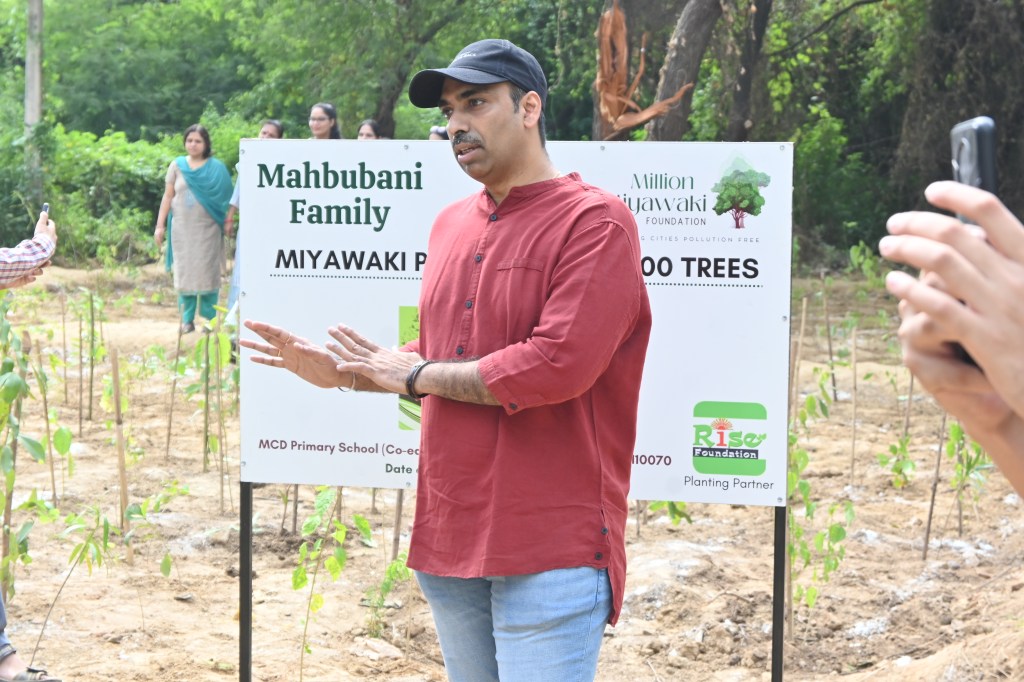
Miyawaki Afforestation at Pyramid Valley International: A Green Initiative by Team Rise Foundation

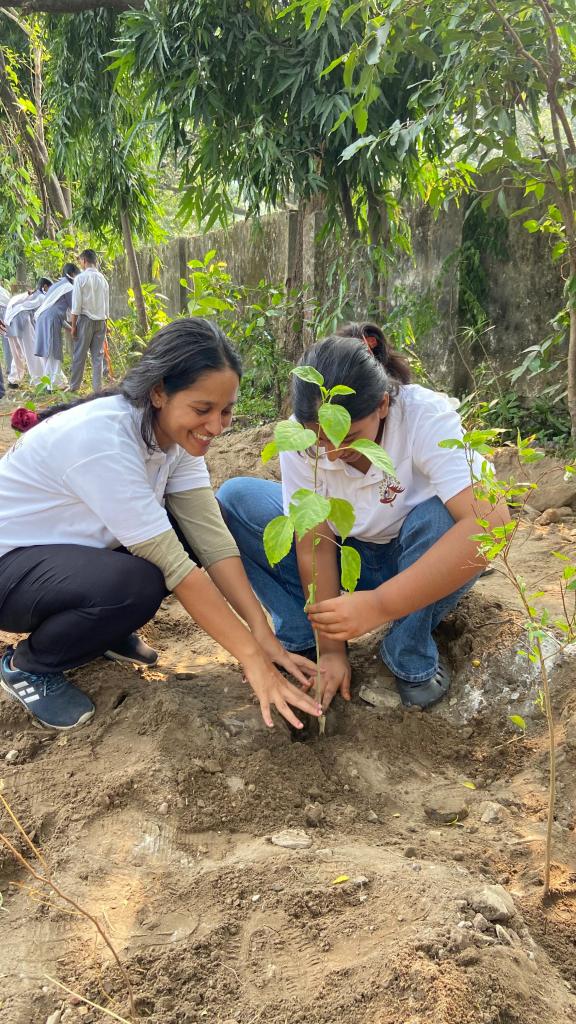
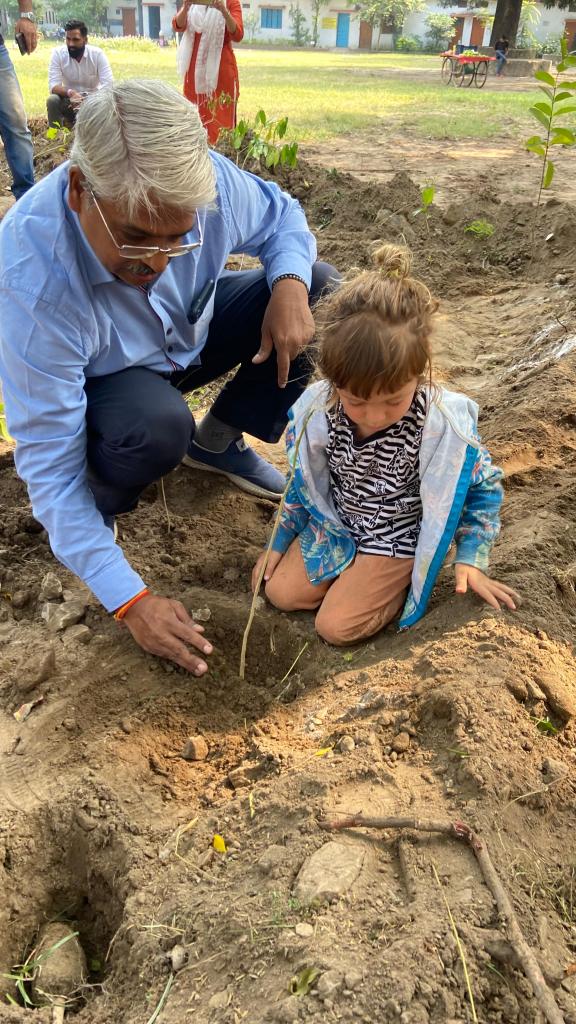
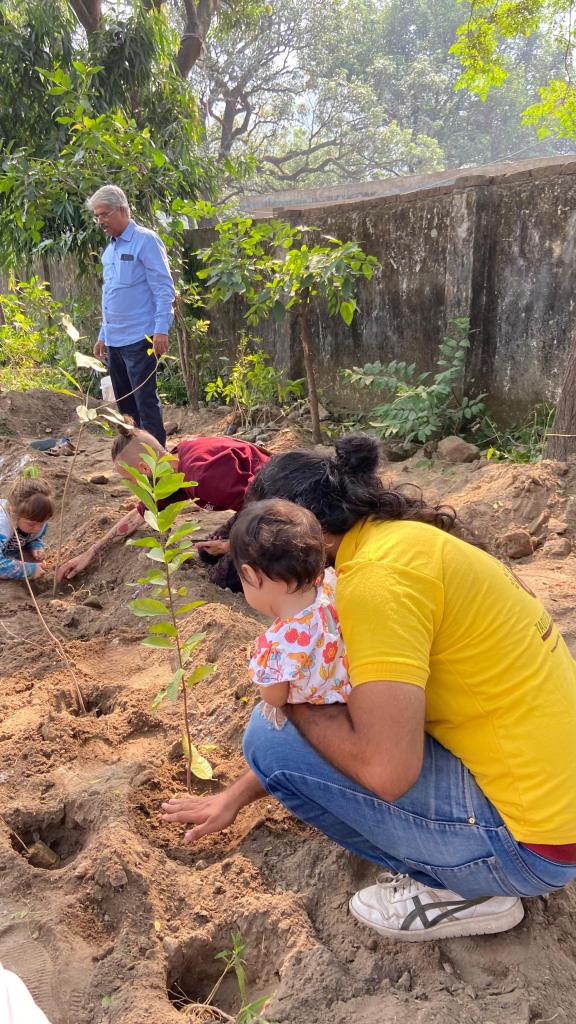
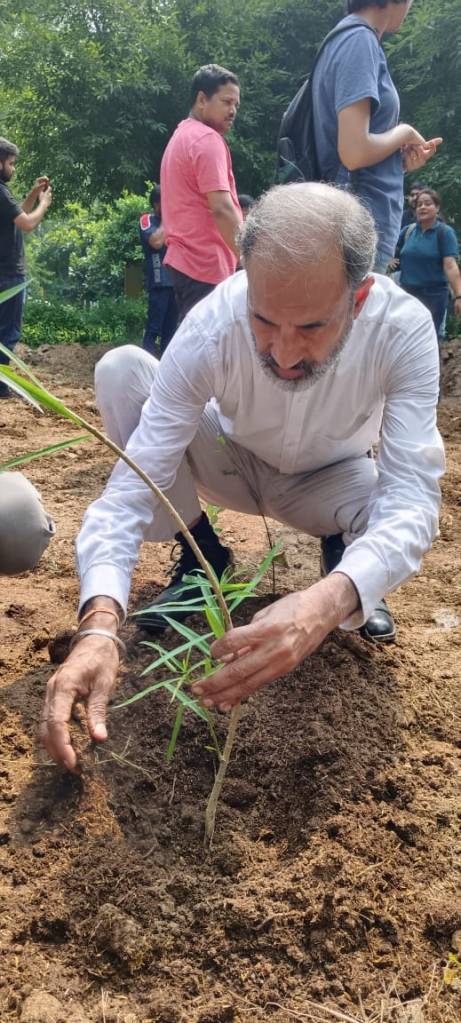
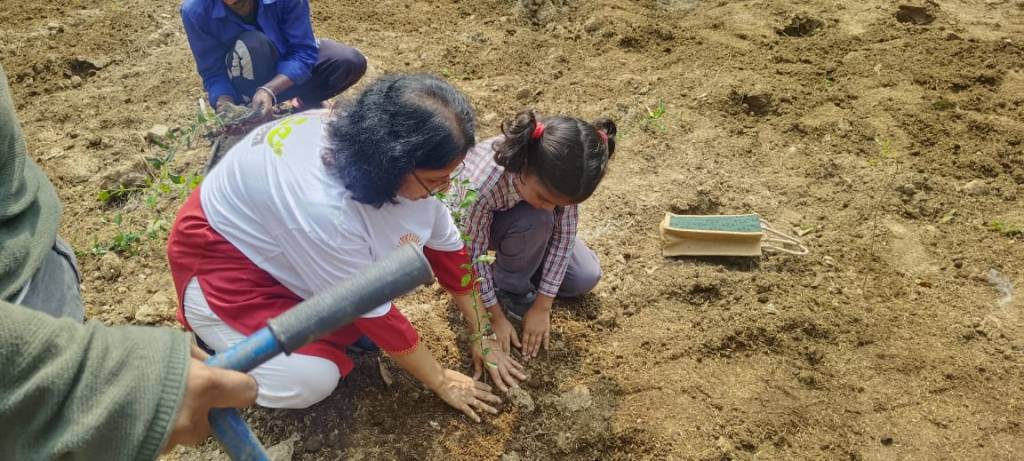
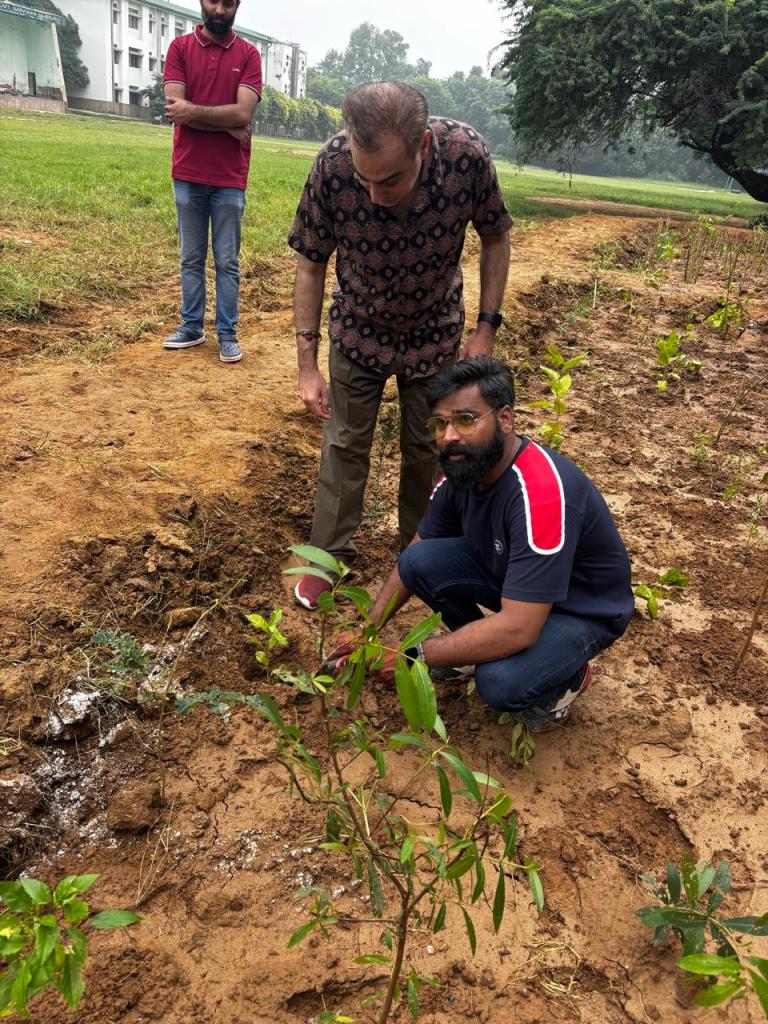
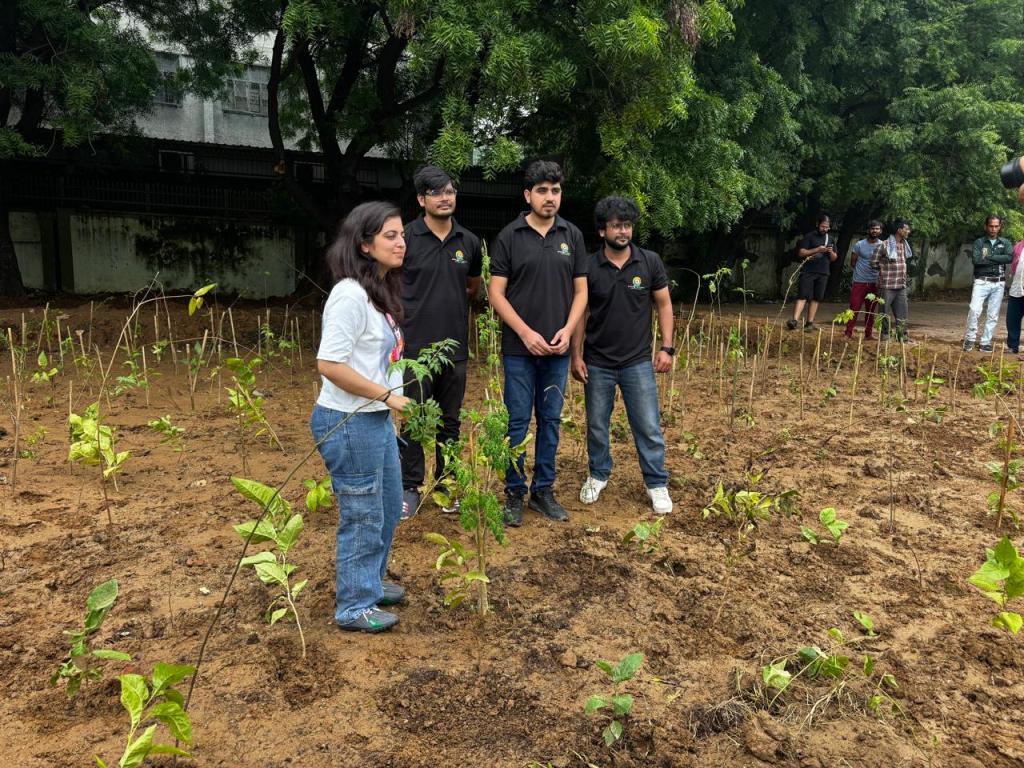
In a world increasingly aware of its ecological footprint, initiatives that strive to restore and protect the environment are more crucial than ever. One such remarkable initiative has been undertaken by the Team Rise Foundation at the Pyramid Valley International Meditation Center: the Miyawaki afforestation project. With the planting of over 400 plants spanning more than 20 species, this project is a beacon of hope for a greener future. The project is implemented on 1st June 2024.

The Vision Behind Pyramid Valley International

Nestled in the serene surroundings of Bengaluru, India, Pyramid Valley International is a unique meditation center that attracts thousands of visitors seeking spiritual and personal growth. Its mission is to foster a peaceful and harmonious environment where individuals can meditate and connect with nature. The introduction of the Miyawaki forest aligns perfectly with this vision, enhancing the center’s natural beauty while contributing to global ecological balance.

more information ,visit https://www.pyramidvalley.org/

What is Miyawaki Afforestation?

The Miyawaki method, developed by Japanese botanist Dr. Akira Miyawaki, is a proven technique to create dense, native forests in a short period. Unlike traditional reforestation methods, Miyawaki forests grow ten times faster and are thirty times denser. This method involves planting native species in a way that mimics natural forest formation, leading to a self-sustaining ecosystem.

The Project: 400+ Plants, 20+ Species

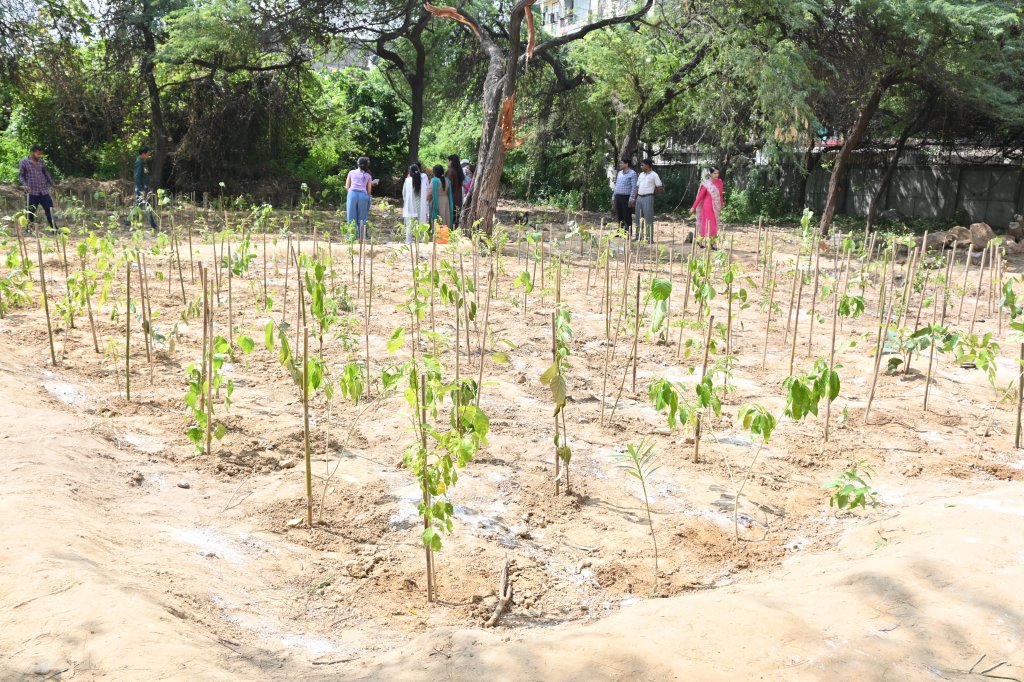
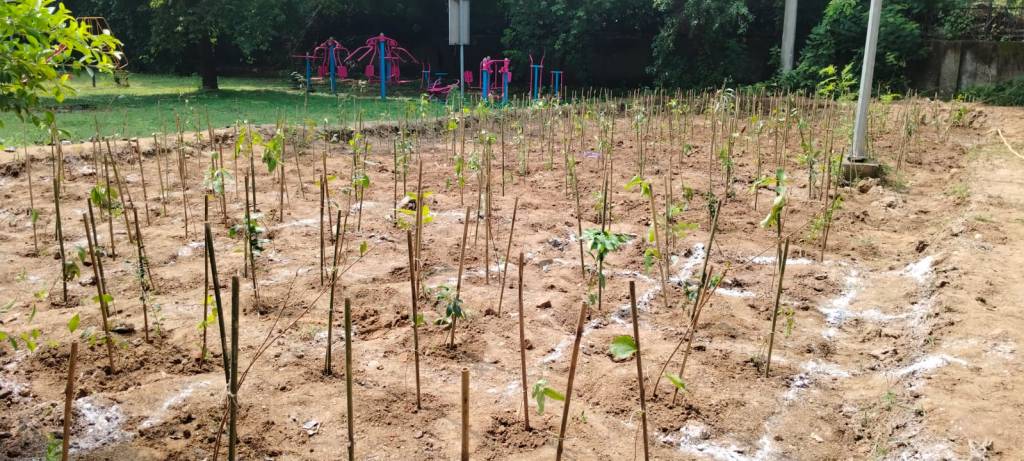
The Miyawaki afforestation project at Pyramid Valley International is a testament to what can be achieved through dedication and innovative ecological practices. With over 400 plants and more than 20 different species, the forest is designed to promote biodiversity and create a resilient ecosystem.

The Planting Process

The first step in the project was to identify and select native species that would thrive in the local climate. These species were chosen for their ecological benefits and their ability to support local wildlife. Some of the species included in the planting are:

  • Neem (Azadirachta indica)
  • Indian Rosewood (Dalbergia sissoo)
  • Banyan (Ficus benghalensis)
  • Indian Gooseberry (Phyllanthus emblica)
  • Flame of the Forest (Butea monosperma)

Next, the soil was prepared by enriching it with organic matter to ensure the young plants had the nutrients they needed to grow. The plants were then densely packed into a small area, a key aspect of the Miyawaki method. This dense planting encourages faster growth as the plants compete for sunlight and resources, mimicking natural forest conditions.

Nurturing the Forest

The initial phase of any afforestation project is critical. The young forest at Pyramid Valley International is being carefully monitored and nurtured to ensure its survival and healthy growth. This includes regular watering, mulching, and protection from pests. Within the next three years, this area is expected to transform into a dense, self-sustaining forest.

Benefits of the Miyawaki Forest

Environmental Impact

The immediate benefit of this project is the significant contribution to the local environment. The dense forest will improve air quality by absorbing carbon dioxide and releasing oxygen. It will also act as a natural water reservoir, helping to recharge groundwater levels and prevent soil erosion.

Biodiversity

By planting a variety of native species, the forest will support a diverse range of wildlife, from insects and birds to small mammals. This increase in biodiversity is crucial for maintaining ecological balance and ensuring the health of the ecosystem.

Community and Spiritual Benefits

For the visitors and residents of Pyramid Valley International, the forest will provide a serene and natural space for meditation and reflection. Studies have shown that spending time in nature can significantly reduce stress and improve overall well-being. The forest will serve as a living testament to the center’s commitment to harmony with nature.

A Step Towards a Greener Future

The Miyawaki afforestation project by Team Rise Foundation at Pyramid Valley International is more than just a tree-planting initiative; it is a step towards a sustainable and harmonious future. It demonstrates the power of collective action and innovative thinking in addressing some of the most pressing environmental challenges of our time.

As the forest grows, it will stand as a symbol of hope and a model for other communities and organizations to follow. By embracing methods like the Miyawaki technique, we can restore our planet’s health, one forest at a time.

In the words of Dr. Akira Miyawaki, “The time to restore our forests is now.” And at Pyramid Valley International, that journey has already begun.

For creating such Forest, contact us at +91 9717764262 ( Madhukar ) or mail us at mail2risefoundation@gmail.com

Empowering Kanganheri School Students for Environmental Action

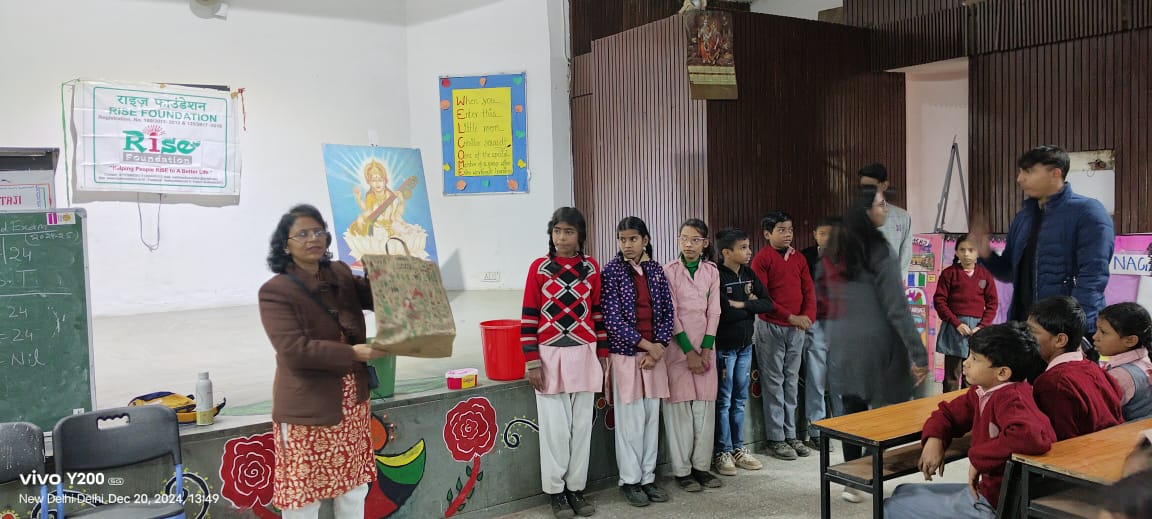
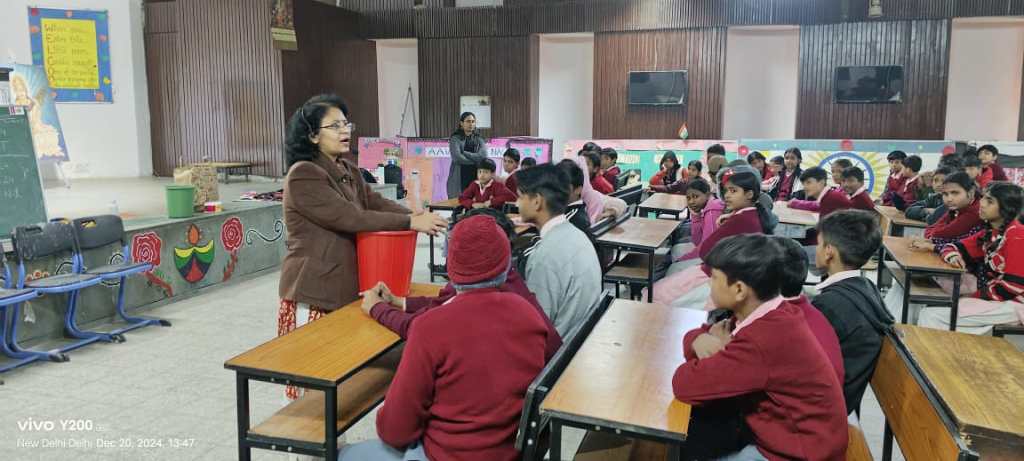
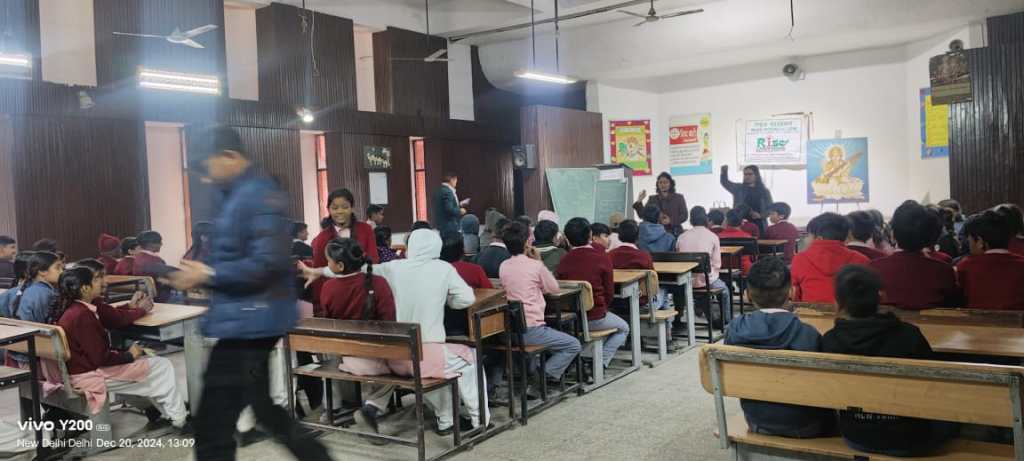
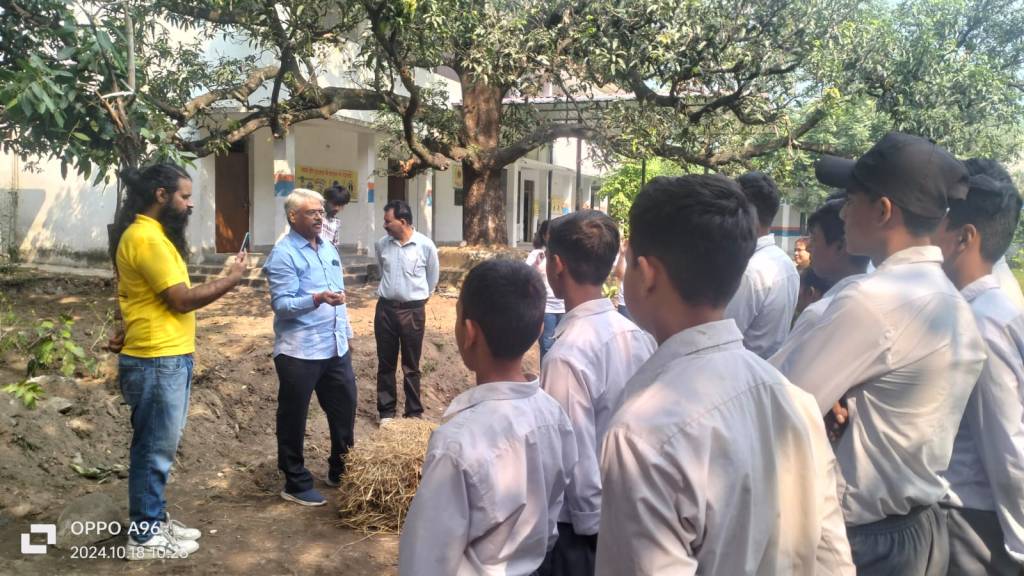
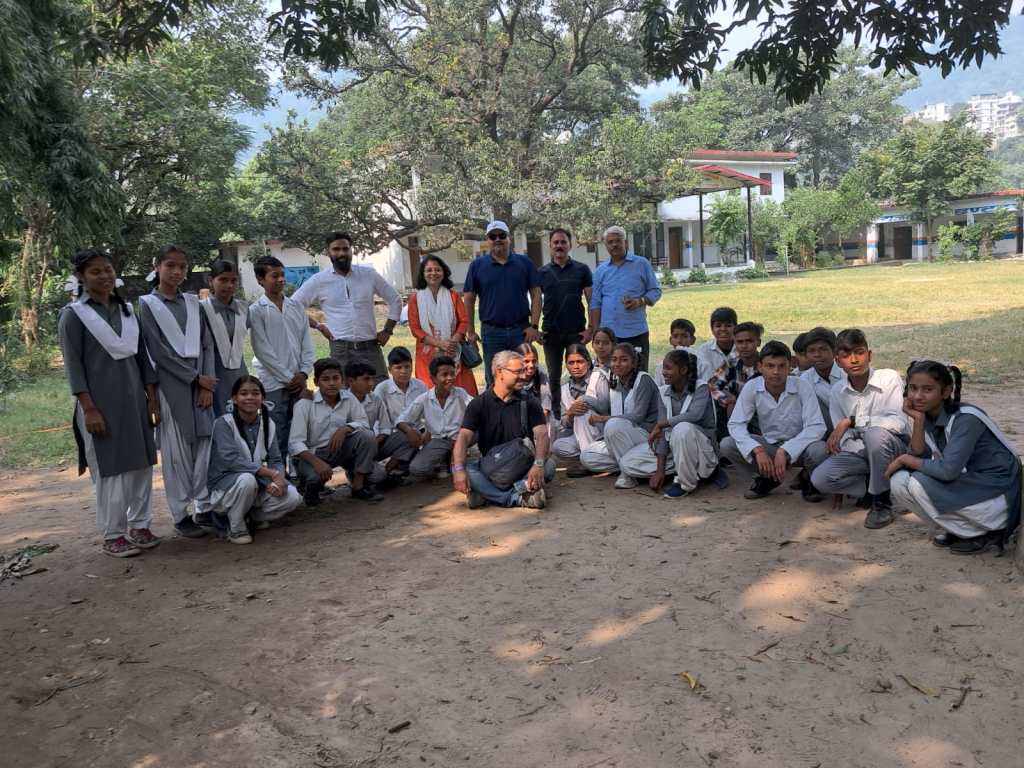
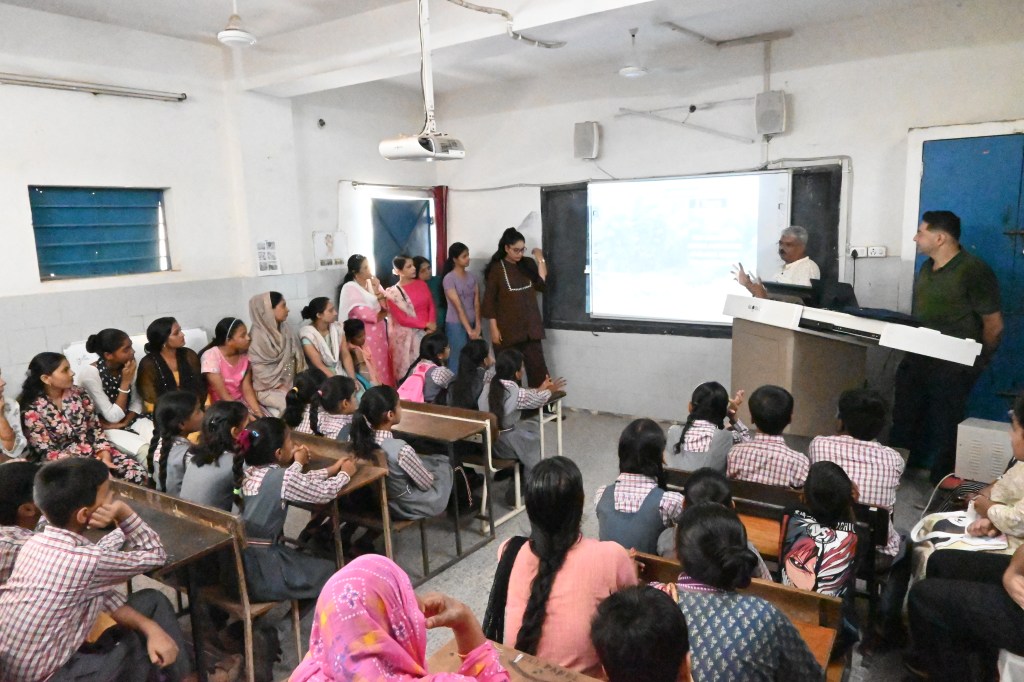
In a collaborative effort to foster environmental consciousness, Mrs. Madhuri Varshney, through Rise Foundation, orchestrated a thought-provoking workshop at Kanganheri School on 19th April 2024. Focused on pivotal issues like Plastic Waste, Ocean Pollution, and Ecobricks, the workshop aimed to instill a sense of responsibility and empowerment among the students.

Through engaging discussions and hands-on activities, Mrs. Varshney captivated the students’ attention, shedding light on the detrimental effects of plastic waste on our oceans and the urgent need for action. The workshop served as a platform for meaningful dialogue and introspection, prompting the young participants to reflect on their role in preserving the environment.

As the day unfolded, the students delved deeper into the concept of Ecobricks, discovering innovative ways to repurpose plastic waste and contribute to sustainable practices. Mrs. Varshney’s passion and dedication resonated with each attendee, leaving a lasting impression on their hearts and minds.

Gratitude fills our hearts as we extend appreciation to Mrs. Madhuri Varshney for her tireless efforts in organizing this impactful workshop. To the students of Kanganheri School, your enthusiasm and eagerness to learn inspire us all to strive for a greener, cleaner future.

To conduct such workshops, contact Rise Foundation at email mail2risefoundation@gmail.com or +91 9717764262

#MrsMadhuriVarshney #RiseFoundation #EnvironmentalAwareness #PlasticWaste #OceanPollution #EcobricksWorkshop #YouthEmpowerment #SustainableLiving #KanganheriSchoolEvent #CommunityEngagement 🌿

Rise Foundation’s Miyawaki Urban Forest in Faridabad: A Green Initiative for Social Upliftment and Environmental Sustainability

In a landmark initiative aimed at enhancing social upliftment and addressing pressing environmental concerns, Rise Foundation, in collaboration with the Impact Guru Foundation, has established a Miyawaki Urban Forest in Faridabad. This ambitious project involves the planting of 10,000 trees, with 60% of them being fruit-bearing species. This effort is a testament to the power of community-driven action in mitigating air pollution, combating climate change, and fostering social welfare.

The Urban Forest: A Vision for Faridabad

Faridabad, like many urban centers, faces significant environmental challenges, including air pollution and the urban heat island effect. The establishment of this urban forest marks a critical step towards creating a healthier and more sustainable cityscape.

Key Features of the Urban Forest:

  • 10,000 Trees Planted: The scale of the project is impressive, with a diverse range of species contributing to a robust and resilient urban forest.
  • 60% Fruit-Bearing Trees: A significant portion of the trees are fruit-bearing, providing multiple benefits, from enhancing biodiversity to offering fresh produce for local communities.

Environmental Benefits

The urban forest initiative by Rise Foundation brings substantial environmental benefits, crucial for the well-being of Faridabad’s residents and the planet.

Mitigating Air Pollution

Faridabad suffers from high levels of air pollution, which poses severe health risks. Trees play a vital role in improving air quality by absorbing pollutants and releasing oxygen. The urban forest will act as a green lung for the city, helping to reduce particulate matter and other harmful pollutants.

Combating Climate Change

Forests are essential in the fight against climate change. They sequester carbon dioxide, a major greenhouse gas, thereby reducing the overall carbon footprint. The Faridabad Urban Forest will contribute significantly to carbon sequestration, helping to mitigate the impacts of global warming.

Enhancing Biodiversity

By planting a variety of species, including a high percentage of fruit-bearing trees, the forest will support local wildlife and enhance biodiversity. This diversity creates a balanced ecosystem that is more resilient to environmental stresses and provides habitat for various species of birds, insects, and small mammals.

Social Upliftment

Beyond environmental benefits, the urban forest initiative is a powerful tool for social upliftment in Faridabad.

Community Involvement

The project has actively involved local communities, from planning to planting. This participation fosters a sense of ownership and responsibility towards the environment, empowering residents to take charge of their local green spaces.

Nutritional Benefits

The fruit-bearing trees will provide fresh produce, which can be harvested by the local community. This not only improves nutritional intake but also supports food security for those in need.

Educational Opportunities

The urban forest serves as an educational resource, where local schools and community groups can learn about ecology, sustainability, and the importance of environmental stewardship. Engaging children and adults alike in these topics promotes lifelong learning and awareness.

Economic Opportunities

The project creates jobs and economic opportunities, from the initial planting phase to ongoing maintenance and harvesting of fruits. This can help uplift economically disadvantaged communities by providing stable employment and income.

Partnership with Impact Guru Foundation

The collaboration between Rise Foundation and Impact Guru Foundation underscores the power of partnerships in driving meaningful change. Impact Guru Foundation’s support has been instrumental in mobilizing resources and raising awareness about the project’s significance.

Conclusion

The Miyawaki Urban Forest in Faridabad is more than just a green initiative; it is a holistic approach to environmental sustainability and social upliftment. Rise Foundation’s dedication to planting 10,000 trees, with a focus on fruit-bearing species, highlights a commitment to improving air quality, combating climate change, and supporting local communities.

As this urban forest grows, it will stand as a testament to what can be achieved through collaborative efforts and community engagement. It serves as a model for other cities grappling with similar challenges, demonstrating that sustainable development and social welfare can go hand in hand.

Rise Foundation has completed more than 30 tiny, small ,medium and large Miyawaki Afforestation projects in Delhi-NCR, UP and Haryana. For more information, feel free to reach us at mail2risefoundation@gmail.com or contact at +91 9717764262

Miyawaki Afforestation at Vedatya Institute: Cultivating Environmental Stewardship Among Children

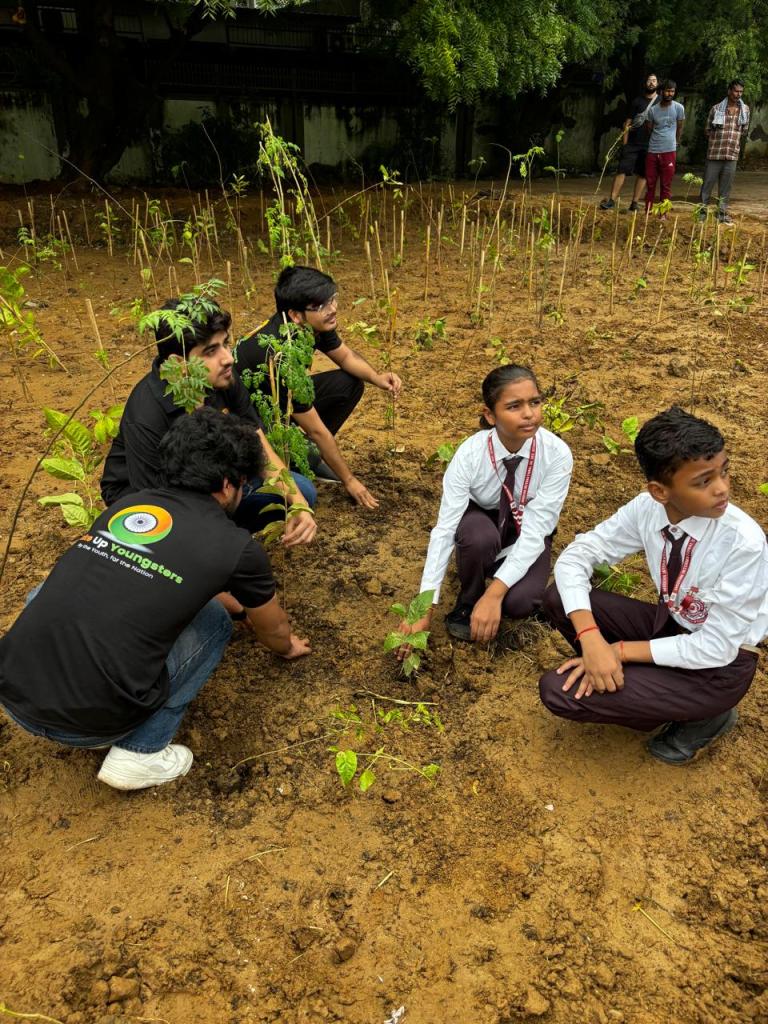
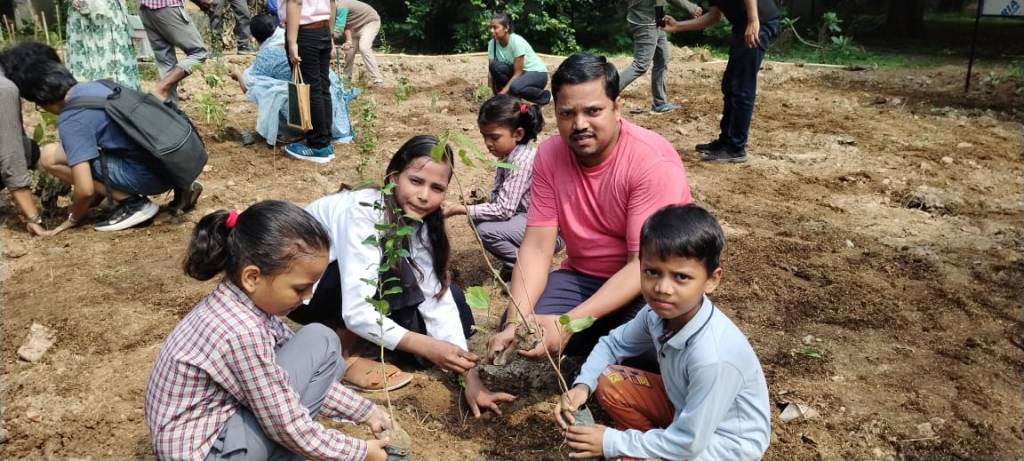
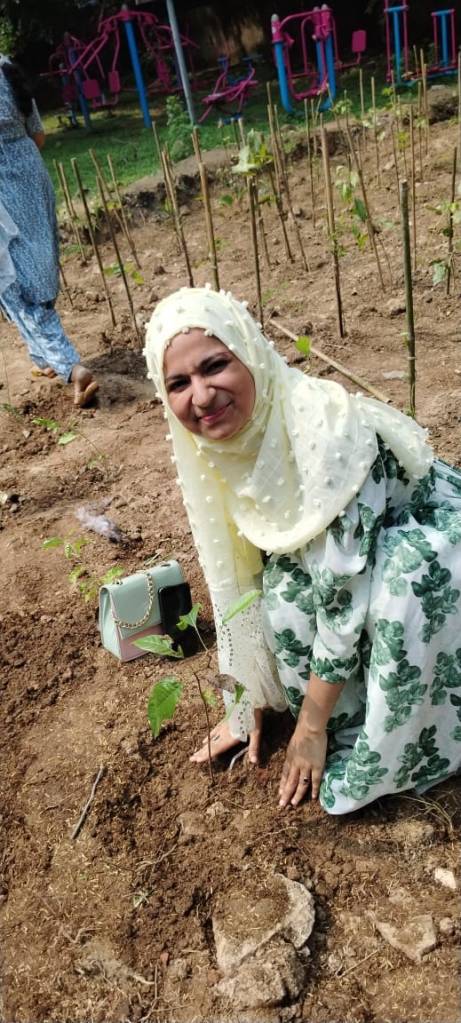
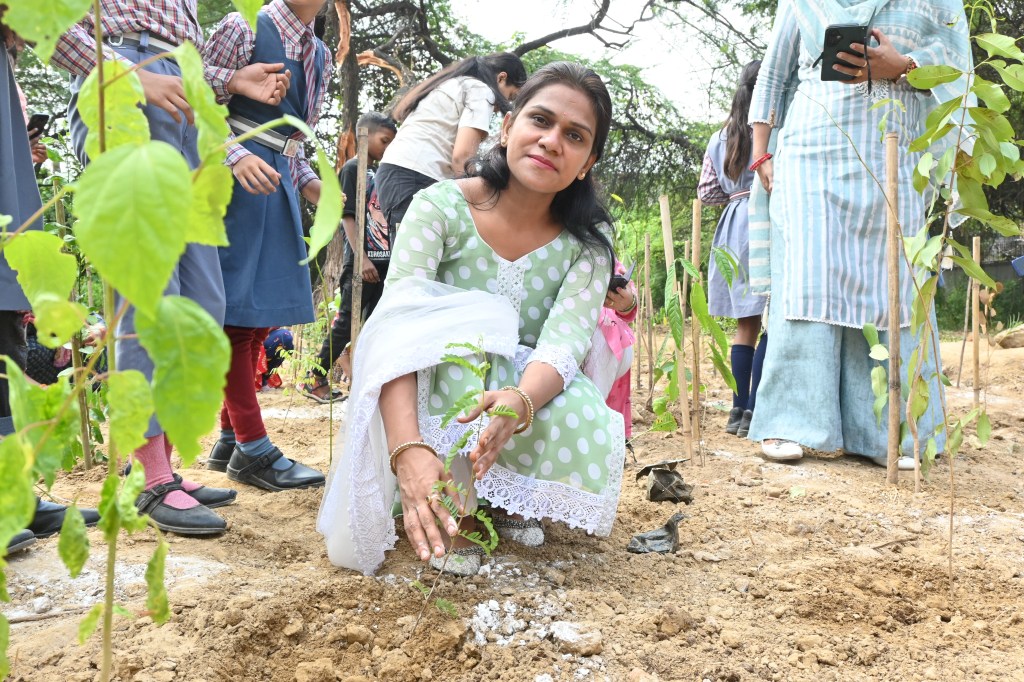
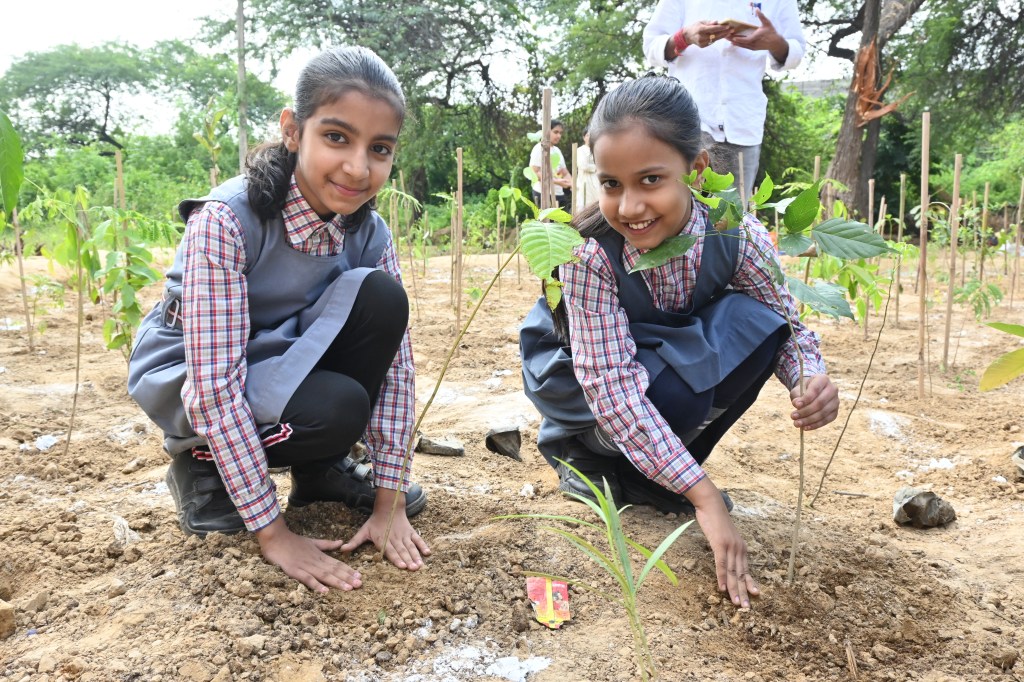
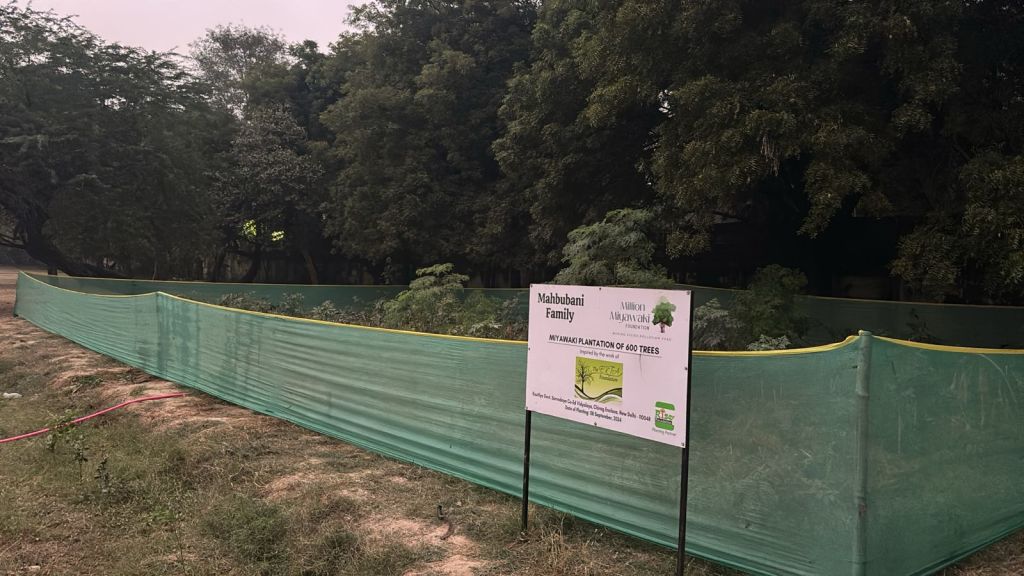
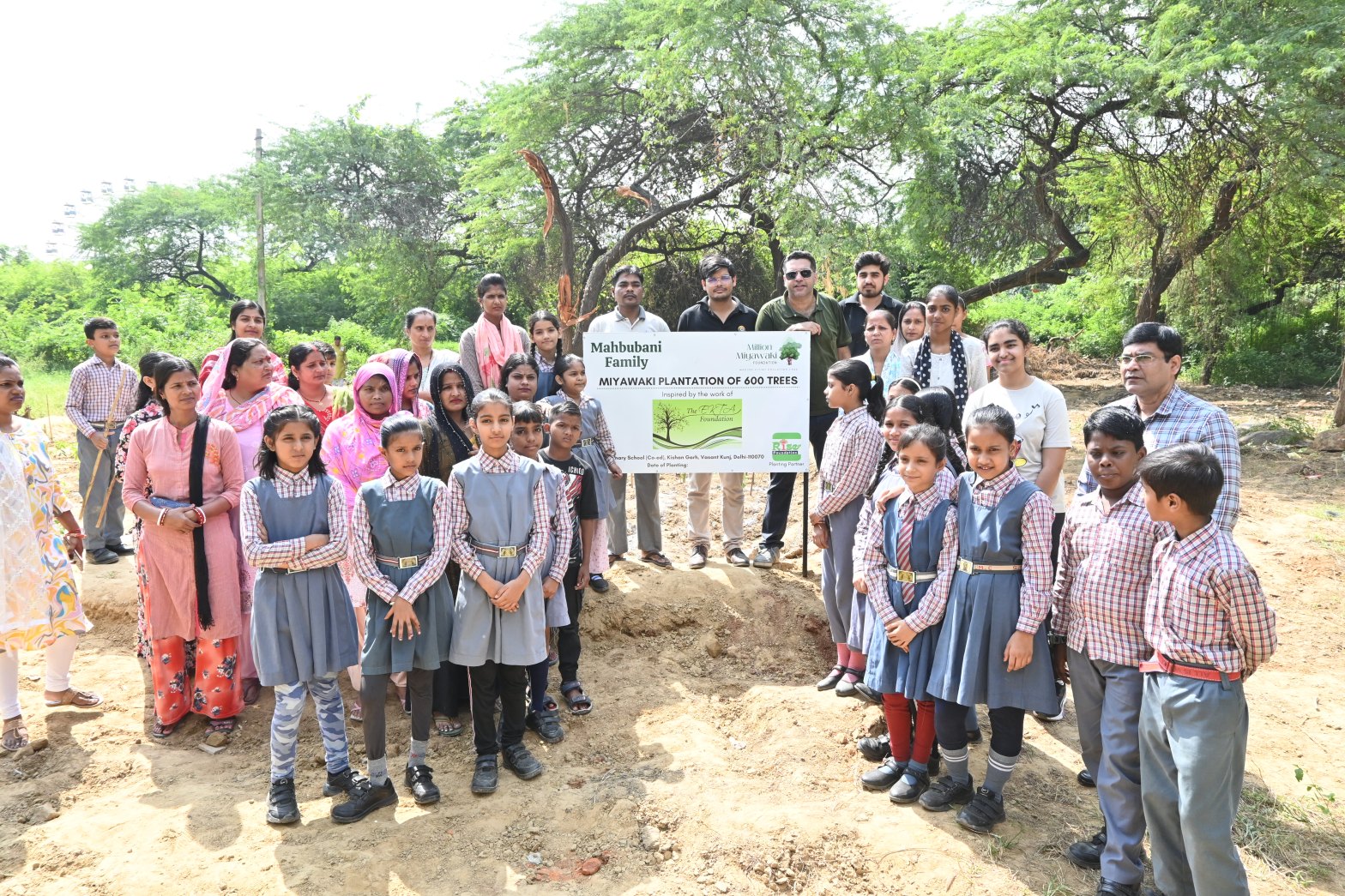
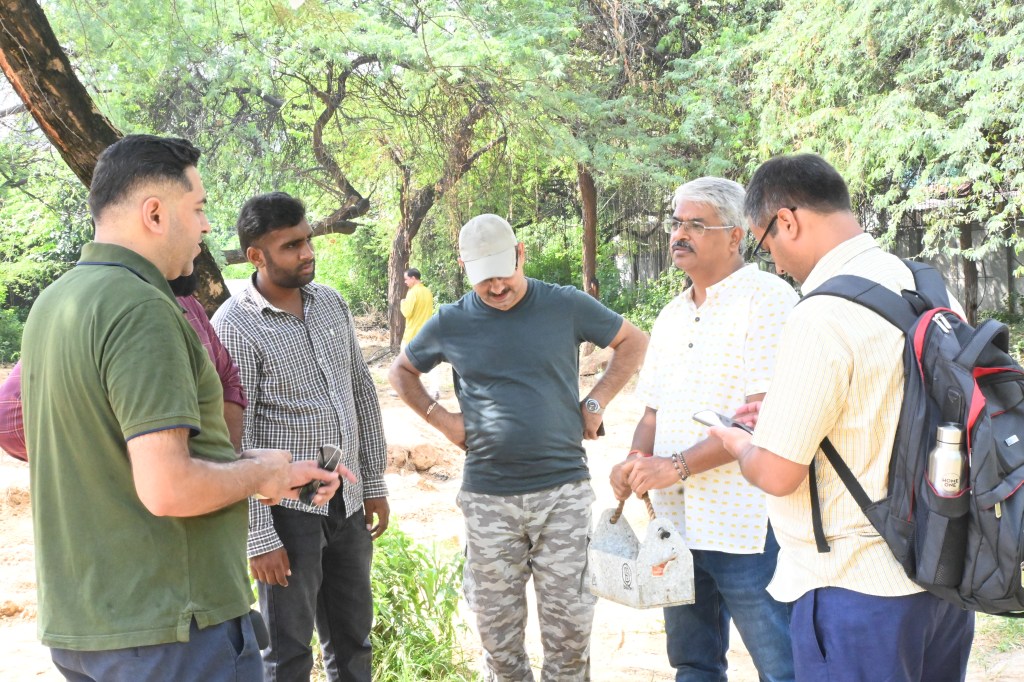
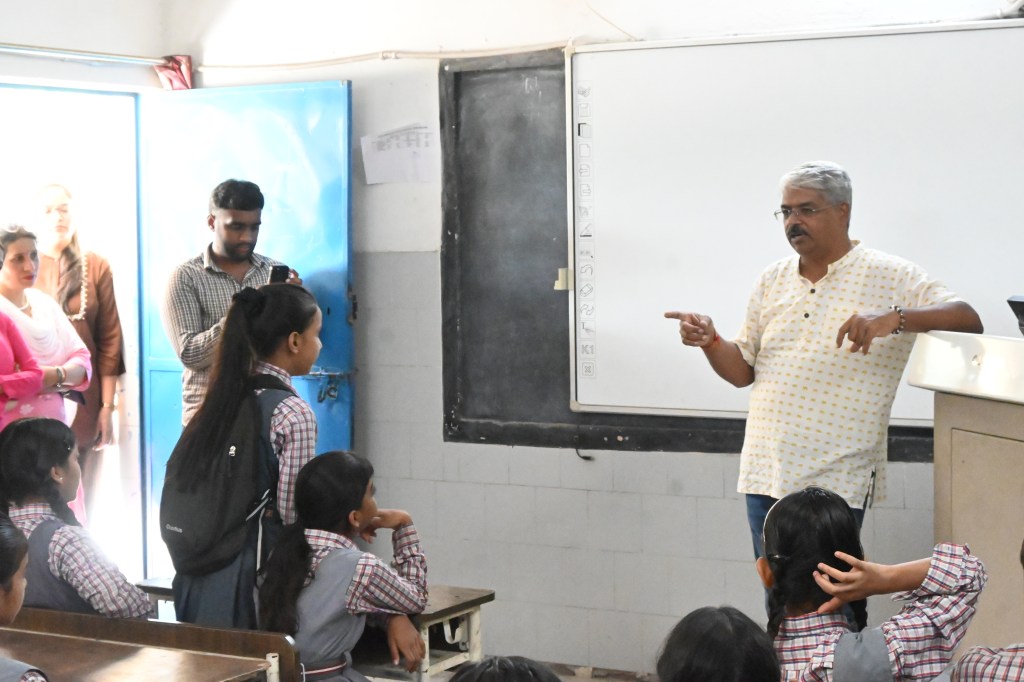
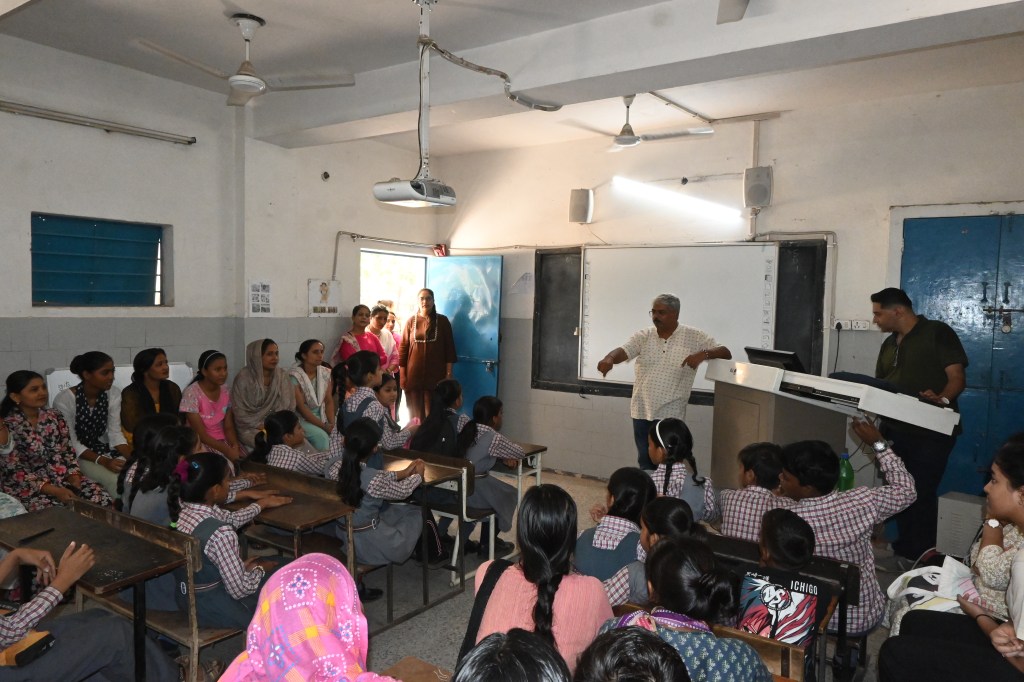
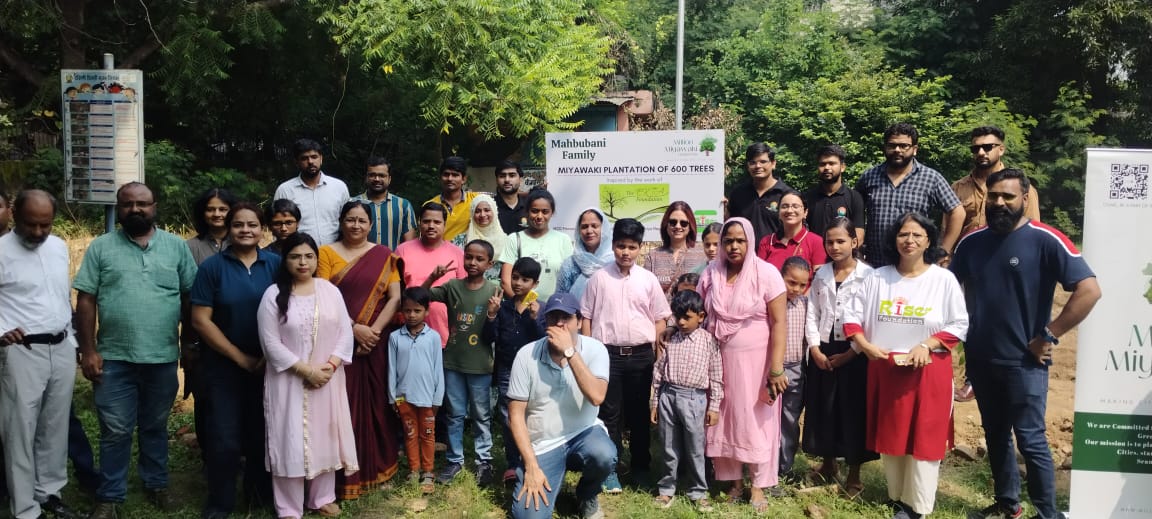
In a significant leap towards fostering environmental awareness and combating climate change, the Rise Foundation, in collaboration with Shiv Nadar School and the Million Miyawaki Foundation (MMF), has successfully initiated a Miyawaki afforestation project at the Vedatya Institute, Sohna Road. This pioneering effort not only aims to create a thriving green space but also serves as an educational platform for children to understand and engage with pressing environmental issues.

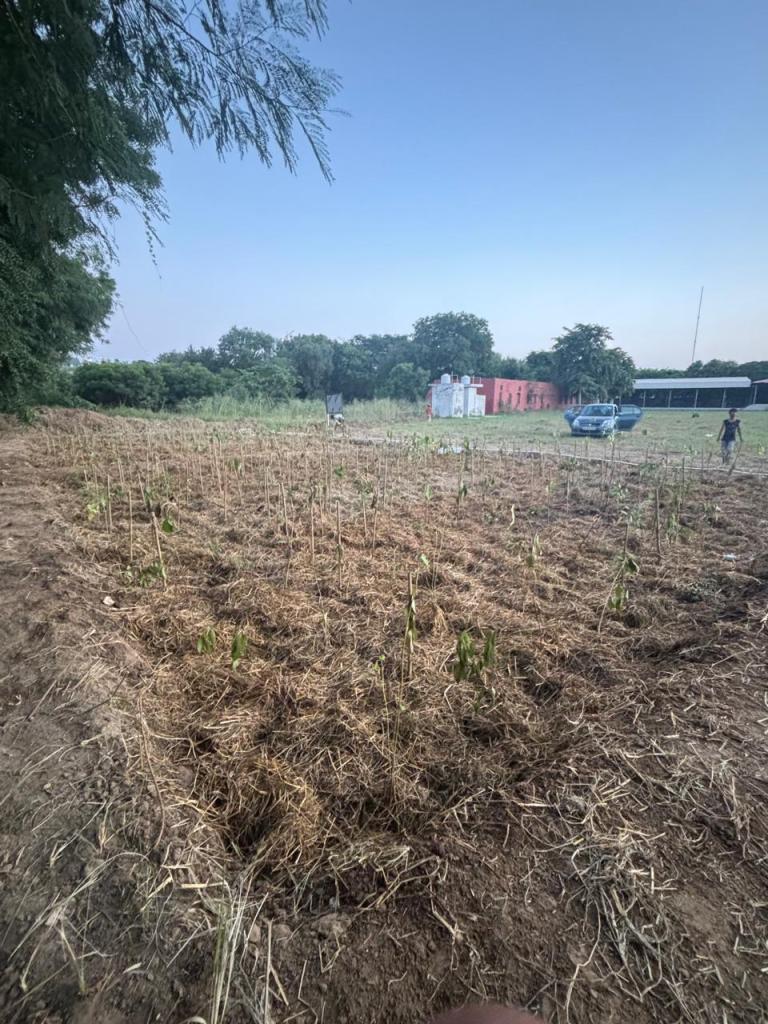
Project Size : 600 native plants in 2000sqft area.

The Miyawaki Method: A Brief Overview

The Miyawaki method, developed by Japanese botanist Dr. Akira Miyawaki, involves planting native trees densely and diversely to rapidly create a self-sustaining forest. This technique, known for its efficiency in fostering biodiversity and rapid growth, is particularly suited for urban areas where green spaces are limited.

Why Miyawaki Afforestation Matters for Children

Engaging children in Miyawaki afforestation projects has profound implications for their understanding of the environment and climate change. Here are some key reasons why such initiatives are crucial:

1. Hands-On Environmental Education

Learning by Doing: Children gain practical knowledge about ecology and biodiversity by actively participating in the planting and maintenance of the forest. This hands-on experience is far more impactful than theoretical learning alone.

Understanding Ecosystems: The Miyawaki method introduces children to the concept of ecosystems, teaching them how different plant species interact and support each other, creating a balanced and sustainable environment.

2. Climate Change Awareness

Carbon Sequestration: By seeing firsthand how trees absorb carbon dioxide and release oxygen, children learn about the vital role forests play in mitigating climate change. This real-world application helps demystify complex concepts.

Impact of Deforestation: The project highlights the consequences of deforestation and the importance of reforestation efforts. Understanding these dynamics fosters a sense of urgency and responsibility towards environmental conservation.

3. Fostering a Connection with Nature

Nature Appreciation: Spending time in green spaces helps children develop an appreciation for nature. This connection is essential for nurturing a lifelong commitment to environmental stewardship.

Mental and Physical Well-being: Interaction with natural environments has been shown to improve mental health and well-being, providing children with a healthy outlet for stress and encouraging physical activity.

The Vedatya Institute Project: A Collaborative Effort

The Miyawaki afforestation project at Vedatya Institute is a shining example of collaborative environmental action. Key aspects of the project include:

Selection of Native Species

Choosing a variety of native species ensures the forest supports local wildlife and adapts well to the regional climate. This biodiversity is crucial for creating a resilient and thriving ecosystem.

Community and Student Involvement

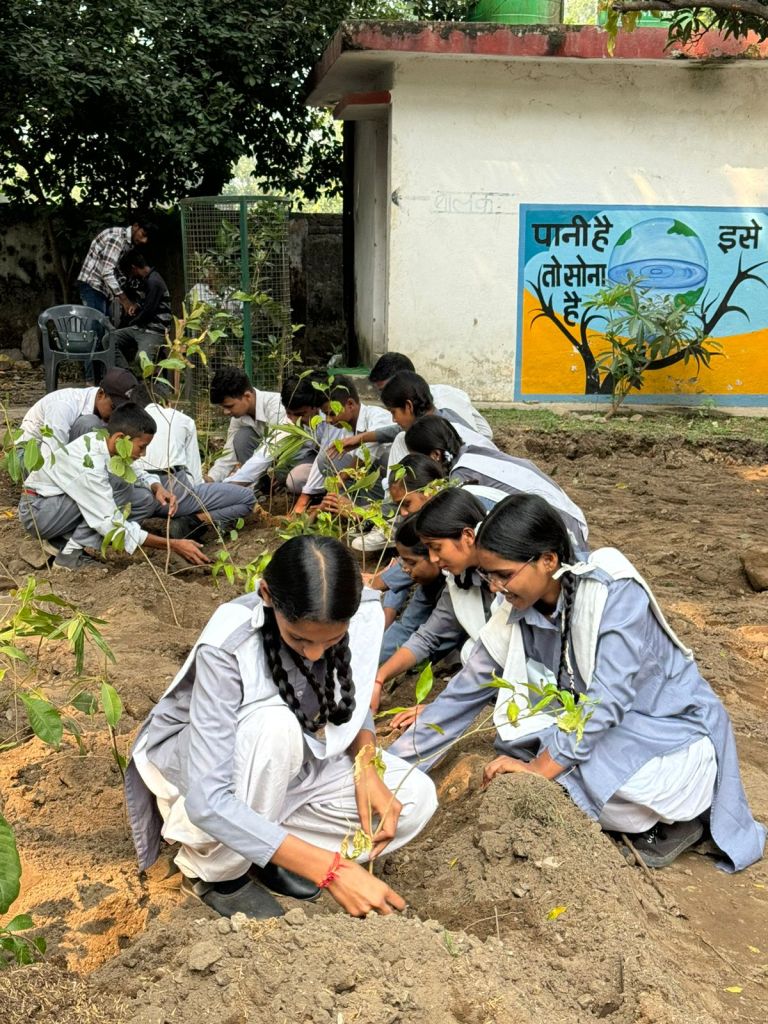
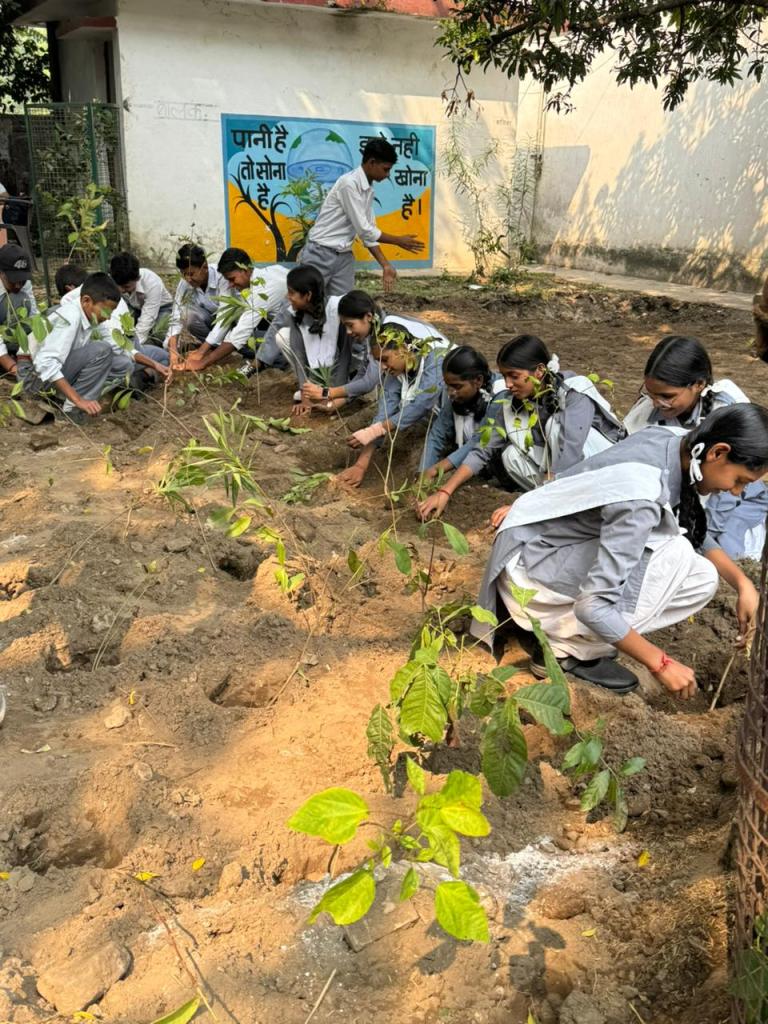
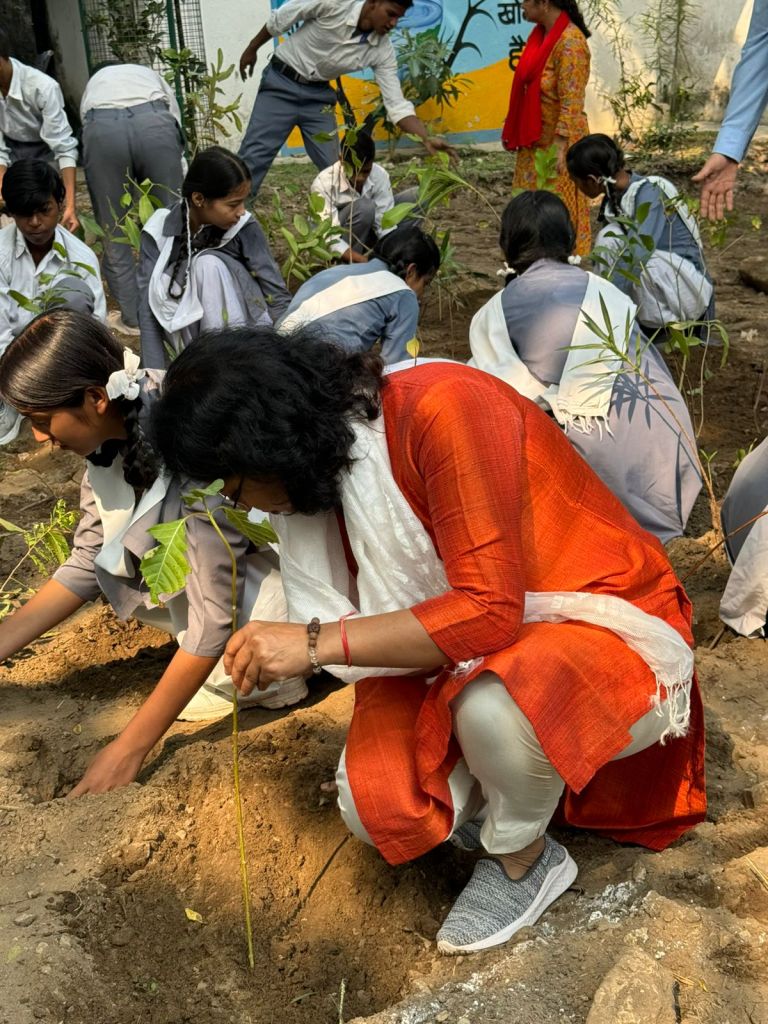
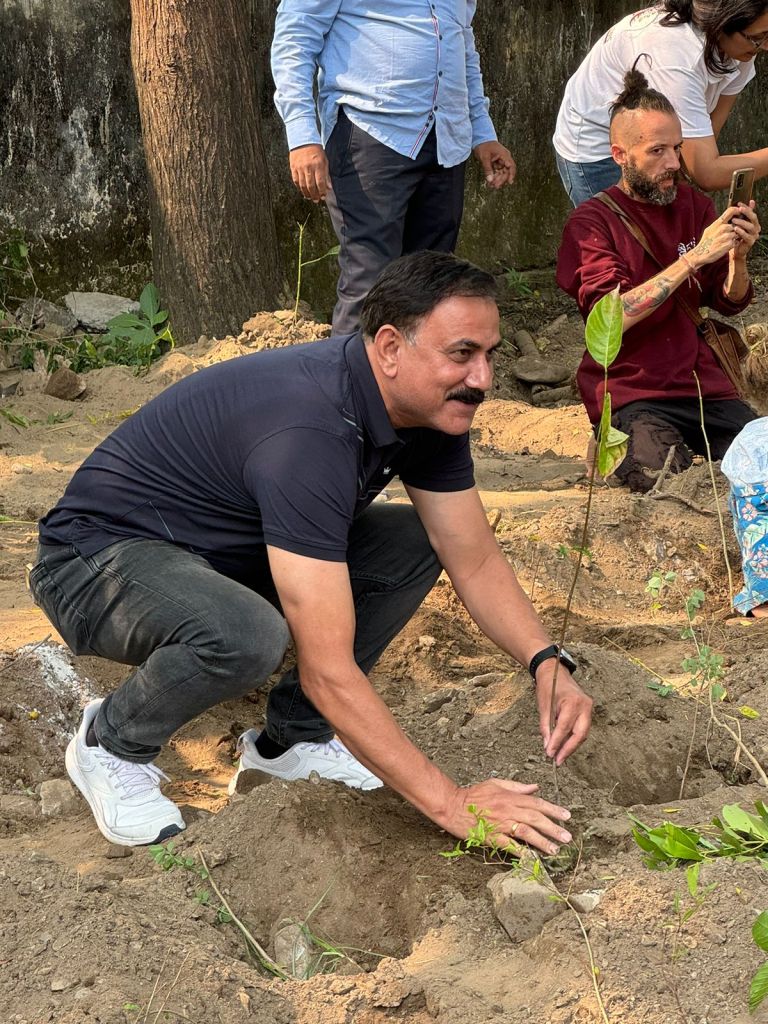
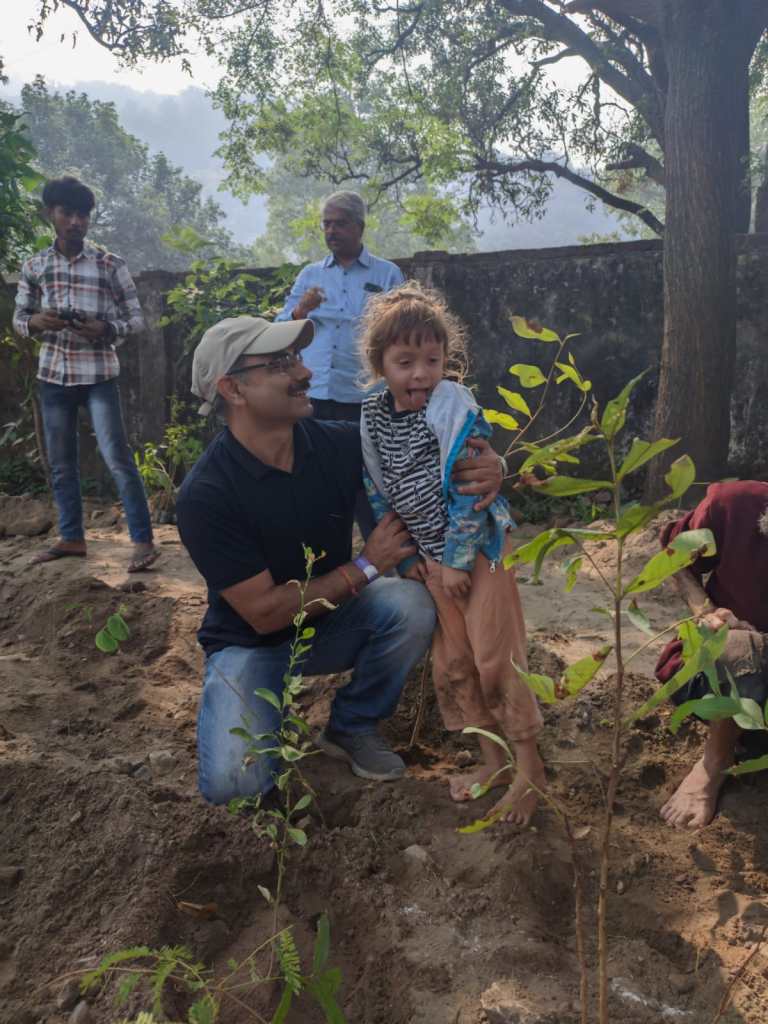
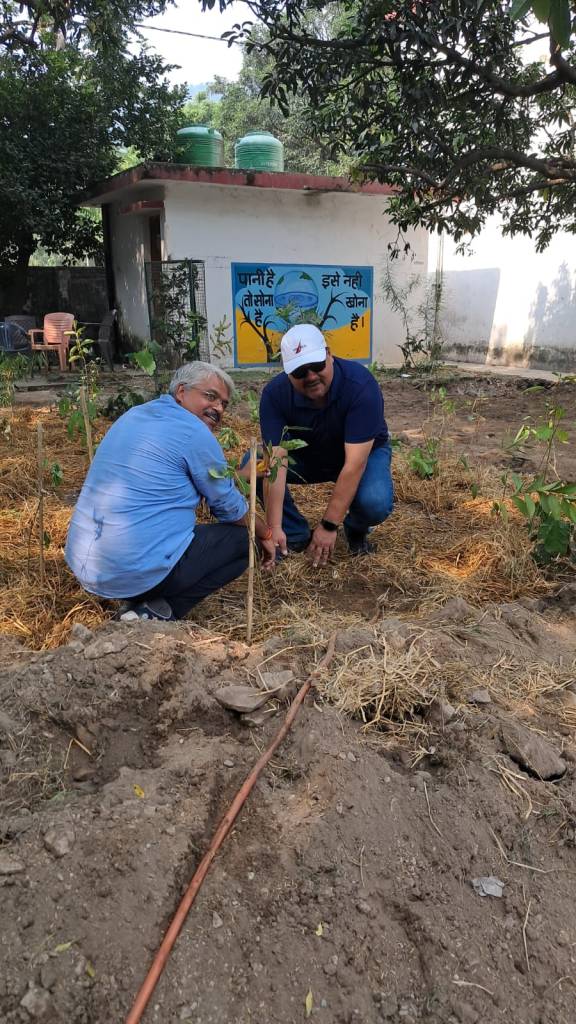
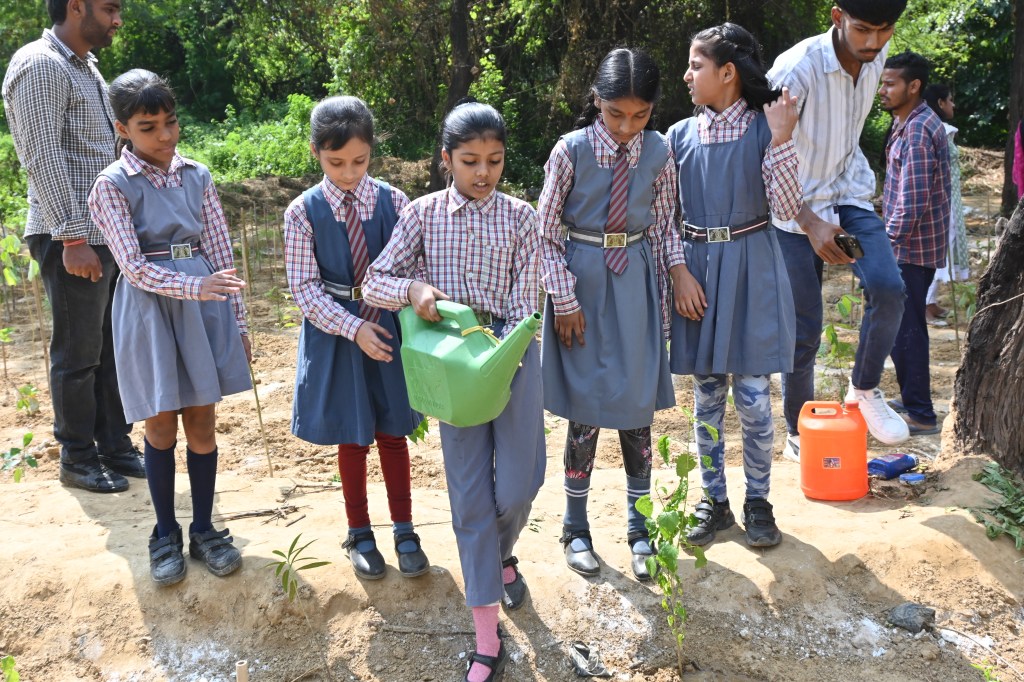
Students from Shiv Nadar School, along with community volunteers, actively participated in planting and nurturing the forest. This involvement instills a sense of ownership and responsibility towards the environment.

Sustainable Practices

The project employs organic composting and mulching techniques to enhance soil fertility and retain moisture, minimizing the need for artificial fertilizers and irrigation. These practices teach children about sustainable agriculture and land management.

Long-Term Benefits and Educational Impact

The Miyawaki forest at Vedatya Institute is not just a green space; it’s an educational tool with far-reaching benefits:

Enhanced Learning Environment

The forest serves as an outdoor classroom where students can observe ecological processes, conduct scientific experiments, and learn about environmental science in a practical setting.

Community Engagement and Awareness

By involving the community, the project raises awareness about environmental issues and promotes collective action. Children see the positive impact of community efforts, fostering a sense of unity and purpose.

Sustainable Development Goals (SDGs)

The project aligns with several UN Sustainable Development Goals, including climate action, life on land, and quality education. Children learn the importance of global cooperation in achieving these goals.

Conclusion

The Miyawaki afforestation initiative at Vedatya Institute, led by Rise Foundation in partnership with Shiv Nadar School and MMF, is a pioneering step towards environmental education and climate action. By engaging children in such meaningful projects, we are not only creating green spaces but also nurturing the next generation of environmentally conscious citizens.

These young participants gain invaluable knowledge about ecology, climate change, and sustainability, equipping them with the tools and inspiration to advocate for a greener future. As the forest at Vedatya Institute grows, so too will the seeds of environmental stewardship planted in the hearts and minds of these children.

For more information, call Rise Foundation at +91 9717764262 or mail us at mail2risefoundation@gmail.com

Growing Green: Delhi Govt. Chhawla School’s Miyawaki Forest Initiative

In the heart of the bustling cityscape, where the hustle and bustle often drown out the whispers of nature, Delhi Govt. Chhawla School emerges as a beacon of hope in the fight against air pollution. With a visionary approach and unwavering dedication, Chhawla School is embarking on a transformative journey by establishing a Miyawaki Forest of 1200 saplings, in collaboration with the Rise Foundation and generously sponsored by AIMIL CSR through the Million Miyawaki Foundation on 15th March 2024.

But what exactly is a Miyawaki Forest, and why is it poised to make a profound impact on the school and its surrounding community? Let’s delve into the benefits of this innovative afforestation technique:

  1. Rapid Growth and Dense Canopy: Unlike traditional afforestation methods, Miyawaki forests are characterized by dense vegetation and rapid growth. By planting a diverse mix of native tree species in close proximity, Chhawla School’s Miyawaki Forest will quickly develop into a thriving ecosystem, providing ample shade and habitat for wildlife.
  2. Air Purification: With air pollution emerging as a pressing concern in urban environments, the Miyawaki Forest serves as a natural air purifier. The dense foliage and diverse plant species work in tandem to filter out harmful pollutants, including particulate matter and carbon dioxide, thereby improving air quality and promoting respiratory health for students and staff alike.
  3. Carbon Sequestration: In the fight against climate change, carbon sequestration plays a crucial role in mitigating greenhouse gas emissions. The rapid growth of trees in the Miyawaki Forest enables efficient carbon capture, helping to offset the school’s carbon footprint and contribute to global efforts to combat climate change.
  4. Biodiversity Conservation: By creating a mini-ecosystem within the school grounds, the Miyawaki Forest enhances biodiversity and ecological resilience. Native plant species attract a diverse array of insects, birds, and other wildlife, fostering a harmonious balance between humans and nature.
  5. Educational Opportunities: Beyond its environmental benefits, the Miyawaki Forest serves as an invaluable outdoor classroom, offering students hands-on learning experiences in ecology, botany, and environmental science. Through tree planting activities, nature walks, and wildlife observation, students develop a deeper connection to the natural world and a sense of stewardship for the environment.

As Chhawla School embarks on this green initiative, it sets a powerful example for schools everywhere, demonstrating the transformative potential of Miyawaki afforestation in combating air pollution and fostering a sustainable future for generations to come. Together, let us nurture and protect our precious green spaces, for they are the lungs of our planet and the legacy we leave for future generations.

For more information, feel free to reach Team Rise Foundation at +91 9717764262 or mail2risefoundation@gmail.com

Report on AFNOE Miyawaki Forest

This Miyawaki Forest is established in the month of Sept 2022, with the help of Air Vistara under CSR and crowd funding by AFNOE RWA , Sector 7 Dwarka.

The area is approx 3600 sq ft area with 900 saplings of native species.

Picture in July 2023 during the monsoon. The project is successful in attracting biodiversity throughout the year.

WhatsApp Image 2023-07-07 at 4.47.26 PM.jpeg
WhatsApp Image 2023-07-06 at 9.56.13 AM.jpeg
WhatsApp Image 2023-07-06 at 9.56.14 AM (1).jpeg
WhatsApp Image 2023-07-06 at 9.56.14 AM.jpeg
WhatsApp Image 2023-07-06 at 9.56.15 AM.jpeg

Progress in Feb 2024 (at present the survival rate of the plants is approx 87%). Rise Foundation team will add the plants to bring it upto the count is coming days.

WhatsApp Image 2024-02-14 at 5.03.45 PM.jpeg
WhatsApp Image 2024-02-14 at 5.03.44 PM (1).jpeg

The Project offers  invaluable benefits to college students, serving as both a practical and educational tool. The project is  providing hands-on experience in planting and nurturing diverse native plant species, fostering a deeper connection to nature and promoting biodiversity awareness.  Students from various colleges, DDU Dwarka, NSUT Dwarka visited to learn more about the Miyawaki Technique and did notional plantation on site and shown interest in participation for future similar projects.

image.png
image.png
image.png
image.png

The Miyawaki Forest project in Shaheed ( Flt lt.) Sunit Mohanty Park near AFNOE Society , Secgtor 7, Dwarka is successfully meeting its objectives of promoting biodiversity, enhancing urban greenery, and fostering community engagement. Through meticulous planning and implementation, diverse native plant species have thrived, creating a lush and vibrant ecosystem. The forest not only contributes to improved air quality and carbon sequestration but also provides valuable habitat for local wildlife. Moreover, active participation from residents and stakeholders has fostered a sense of ownership and pride in the project, strengthening community bonds and promoting environmental stewardship. Overall, the Miyawaki Forest project stands as a testament to the power of nature-based solutions in creating sustainable and resilient urban environments.

Rise Foundation team is having all required expertise to establish Miyawaki Forest in any area. For any information, feel free to write us at mail2risefoundation@gmail.com or whatsapp at +91 9717764262

Delhi School Students Get Their Hands Dirty to Fight Climate Change

A composting program at Delhi Government Schools is helping students get hands-on experience with making dirt while also teaching them ways to address human-driven climate change.

As a part of learning, horticulture waste, all leftover food waste from the school will go into composting containers rather than a landfill where it would just decompose and produce planet-warming green house gasses in association with Celebi Delhi Cargo Terminal Management India Pvt Ltd under CSR initiative

Madhukar Varshney , a social worker, and founder of Rise Foundation ,says the school’s composting program checks a lot of the boxes for effective, positive climate education.

Rather than solely conveying to children that “all these terrible things are happening,” the approach is to emphasize that, amidst challenges, numerous adults are actively working to improve the situation. Moreover, children are encouraged to explore ways they can actively engage and contribute to positive change – Varshney says.

The school’s composting program started in Dec 2023, the school held a celebration to reveal what happened inside a series of cage composters.

“Green Initiative Milestone: Miyawaki Pocket Forest Takes Root in Kangaheri Village with Billion Tree Foundation and Brenntag Partnership”

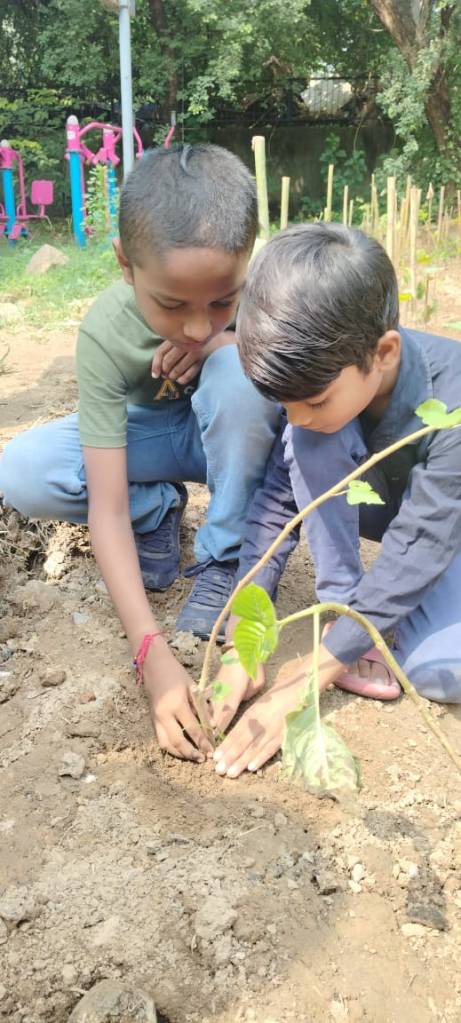
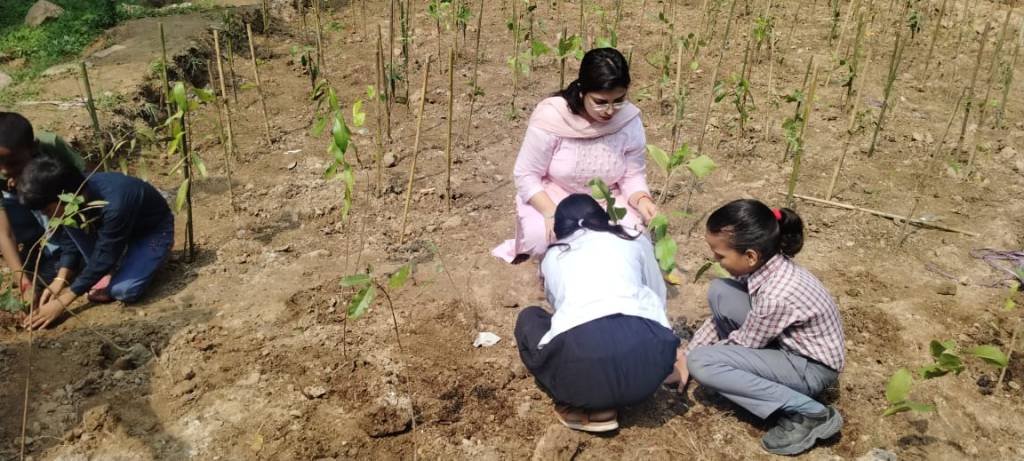
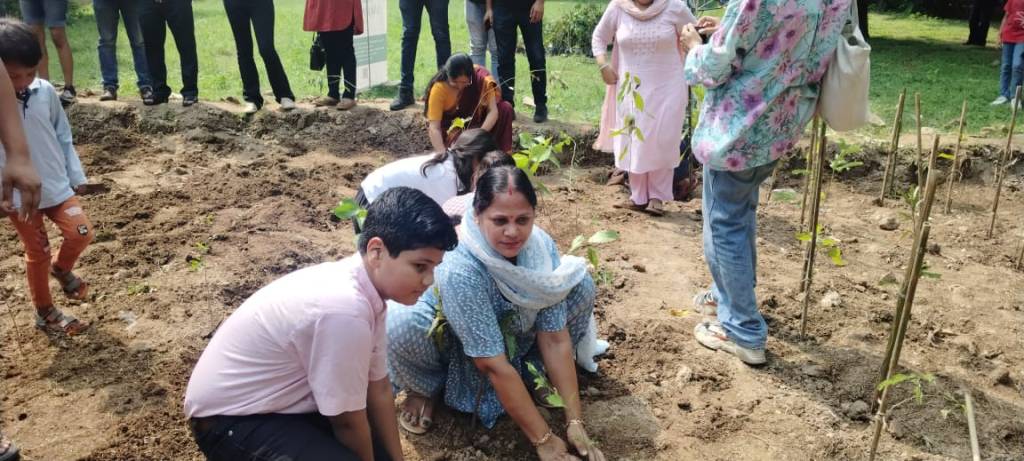
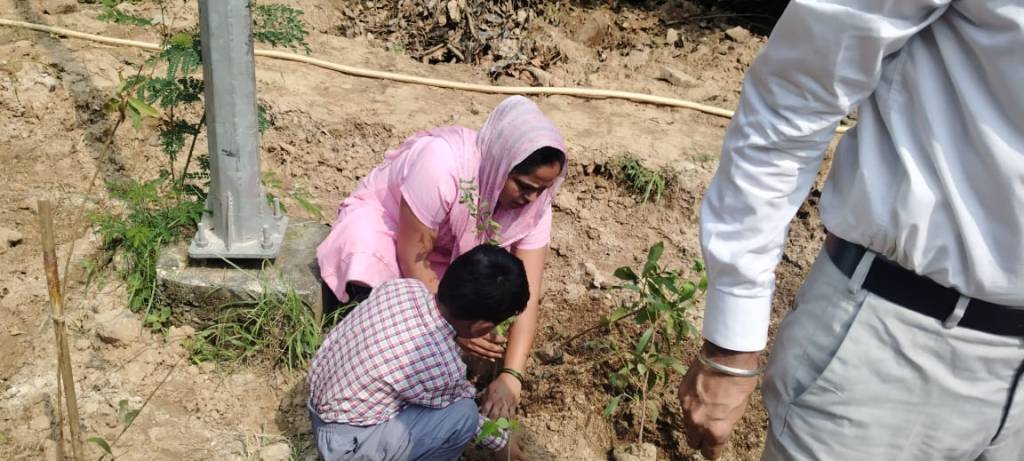
In a remarkable stride towards environmental conservation and sustainable development, Kangaheri Village under the guidance of Rise Foundation team, witnessed the establishment of a 22nd Miyawaki Pocket Forest on January 5, 2024. This significant initiative is the result of a collaborative effort between the Billion Tree Foundation and Brenntag, marking a promising start to the new year. The soil preparation work was done by Rise Foundation.

The Miyawaki Pocket Forest Concept: The Miyawaki method, pioneered by Japanese botanist Dr. Akira Miyawaki, is an innovative approach to afforestation. It involves planting a diverse mix of native plant species in a small, dense area, fostering rapid growth and ecological richness. This method is renowned for its ability to create resilient and biodiverse forests in urban and rural settings alike.

Billion Tree Foundation’s Commitment: The Billion Tree Foundation, dedicated to global reforestation, played a pivotal role in initiating this Miyawaki Pocket Forest project. With a vision to combat deforestation and enhance biodiversity, the foundation has been actively involved in similar projects worldwide.

Brenntag’s Corporate Social Responsibility: Global chemical distribution company, Brenntag, demonstrated its commitment to environmental sustainability by partnering with the Billion Tree Foundation for this noble cause. As part of their corporate social responsibility initiatives, Brenntag contributed resources and manpower to ensure the successful implementation of the Miyawaki Pocket Forest in Kangaheri Village.

Local Impact: The establishment of the Miyawaki Pocket Forest in Kangaheri Village is not just a symbolic gesture but a tangible step towards creating a greener and healthier environment. The project is expected to yield numerous benefits, including improved air quality, soil conservation, and the creation of a vibrant ecosystem that supports local flora and fauna.

Community Involvement: The success of this initiative also relies on community involvement. Local residents actively participated in the tree-planting event, fostering a sense of ownership and environmental stewardship among the villagers.

Looking Ahead: The Miyawaki Pocket Forest in Kangaheri Village stands as a testament to the power of collaboration between environmental organizations and corporate entities. As the forest takes root and flourishes, it sets a positive precedent for future projects aimed at restoring and preserving our planet’s precious ecosystems.

Conclusion: The establishment of the Miyawaki Pocket Forest at Kangaheri Village on January 5, 2024, is a momentous occasion that showcases the potential for positive change when organizations join forces for a common cause. With the Billion Tree Foundation, Brenntag, and the local community working hand in hand, this project exemplifies how collective efforts can contribute to a sustainable and greener future.

For more information, feel free to reach us at +91 9717764262 or mail us : mail2risefoundation@gmail.com

Climate READY – Fostering the emergence of future climate leaders within Delhi’ government schools

We are happy to get recognised for our valuable contribution in providing mentorship and technical assistance in implementation of community action projects for environment, under Project Climate- READY (Climate Representation, Education and Action with Delhi Youth) being initiated by Delhi Government with school students.

In a world grappling with the consequences of climate change, fostering sustainable practices becomes paramount. The Delhi Government, recognizing the urgency of this global issue, has initiated a program aimed at educating students on key aspects of sustainability. This comprehensive initiative covers water conservation, waste management, and the establishment of kitchen gardens within government schools. Partnering with the Delhi Government in this noble endeavor is the Rise Foundation, a renowned organization committed to environmental conservation and community development.

Waster Conservation :

Students are educated about the importance of water, its scarcity, and the need for responsible consumption. Rise Foundation experts conduct engaging workshops, practical demonstrations, and interactive sessions to impart knowledge on water-saving techniques and the significance of preserving this precious resource.

Students are encouraged to adopt water-saving habits in their daily lives and implement them within their communities. Practical activities like rainwater harvesting simulations and awareness drives further reinforce the importance of water conservation.

Waste Management:

In waste management, emphasizing the 3 Rs—Reduce, Reuse, and Recycle. Rise Foundation, with its expertise in waste management, collaborates with the government schools to introduce sustainable waste disposal practices.

Workshops cover the basics of waste segregation, composting, and the proper disposal of electronic waste. Hands-on activities such as creating recycled art projects and waste audits make the learning experience both enjoyable and impactful. The goal is to instill a sense of responsibility in students, empowering them to become advocates for a cleaner environment.

Kitchen Gardens:

Recognizing the vital role of sustainable agriculture, introduces students to the concept of kitchen gardens. Rise Foundation provides insights into the benefits of growing one’s food, promoting a healthier lifestyle while reducing the carbon footprint associated with food transportation.

Practical sessions involve setting up small garden patches within the school premises. Students learn about soil preparation, seed planting, and basic horticultural practices. The joy of watching their efforts bloom into fresh produce not only instills a sense of accomplishment but also reinforces the importance of self-sufficiency and reducing the ecological impact of food production.

In the final week, the focus shifts to integrating the knowledge gained throughout the program. Students participate in group projects that combine water conservation, waste management, and kitchen gardening. These projects encourage creative problem-solving and demonstrate the interconnectedness of these sustainability pillars.

To mark the conclusion of the initiative, students are encouraged to make individual and collective pledges for ongoing sustainable practices. Rise Foundation supports these pledges with resources, guidance, and ongoing collaborations to ensure the longevity of the positive impact generated by the program.

About Climate READY Initiative :

Climate READY’ is a pioneering initiative designed to educate students enrolled in Delhi’s government schools about climate change and environmental concerns, arming them with the knowledge and tools to actively address these issues and develop a heightened sense of environmental consciousness as responsible citizens.

यह परियोजना दिल्ली के छात्रों को जलवायु परिवर्तन के बारे में शिक्षित करने, उन्हें पर्यावरण के प्रति जागरूक बनने के लिए और अधिक सक्रिय बनाने की एक पहल है।

Link : https://www.instagram.com/projectclimateready/

For such Climate Change Actions Initiatives, we are inviting schools and colleges to reach Rise Foundation’s expert team to collaborate for imparting most critical life skills. Contact us at : mail2risefoundation@gmail.com or +91 9717764262