Introduction:
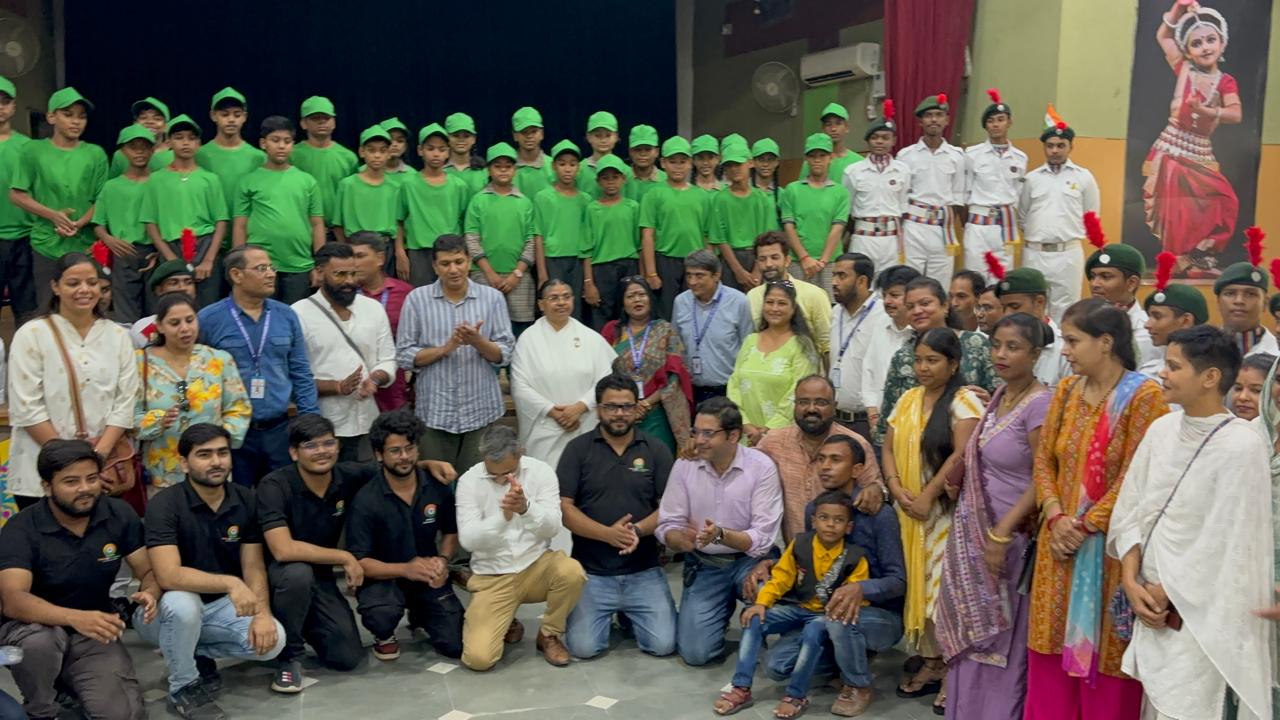
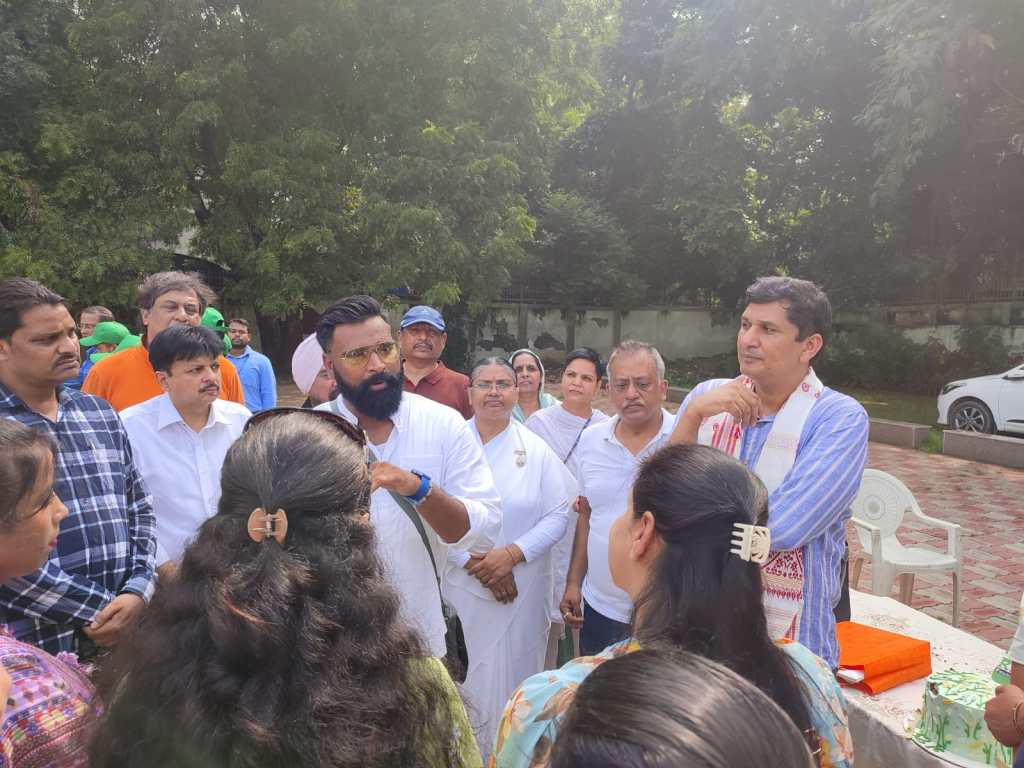
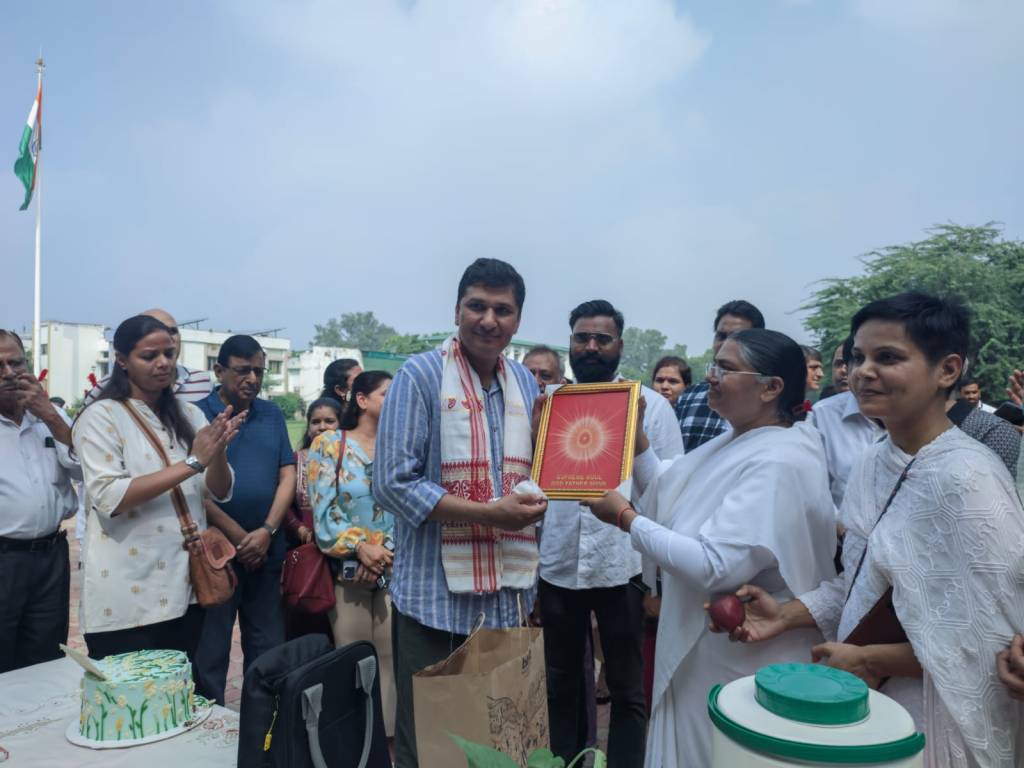
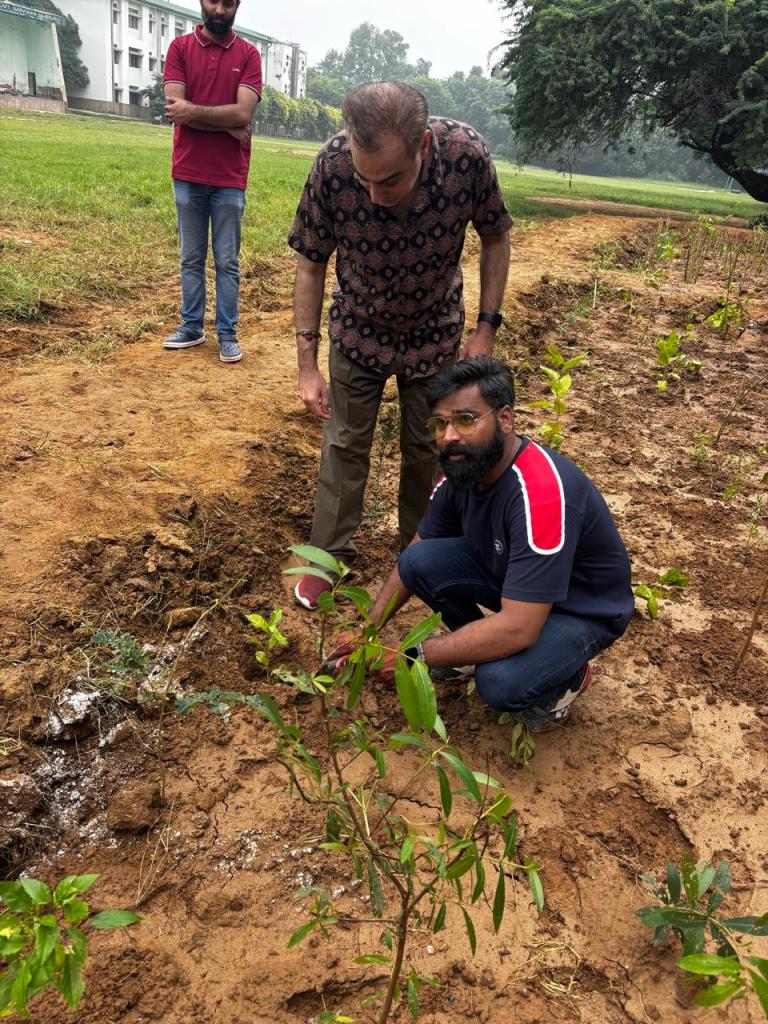
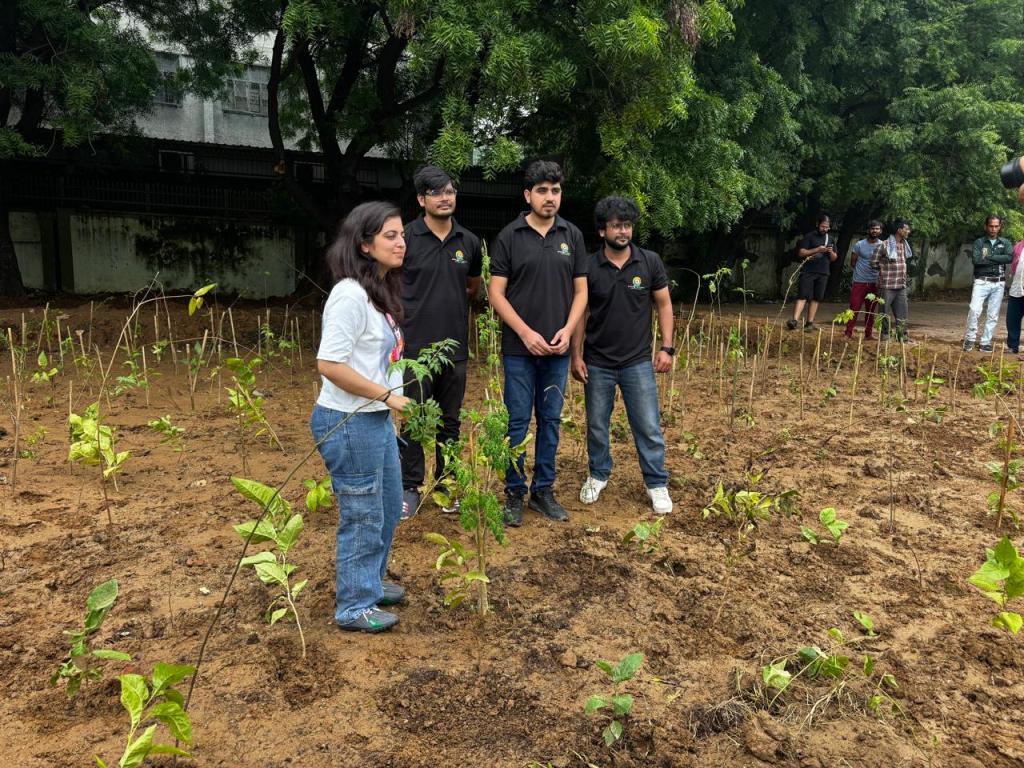
In a remarkable step towards environmental conservation and fighting air pollution, MLA Shri Saurabh Bhardwaj inaugurated the Miyawaki afforestation project at Kautilya Govt Sarvodaya (Co-ed) Vidyalaya. This project, initiated by Rise Foundation, aims to create a lush green forest on the school campus, contributing to cleaner air and promoting biodiversity. With air pollution levels in Delhi consistently alarming, this initiative is a much-needed intervention to enhance air quality and foster environmental awareness among students and the community.
What is Miyawaki Afforestation?
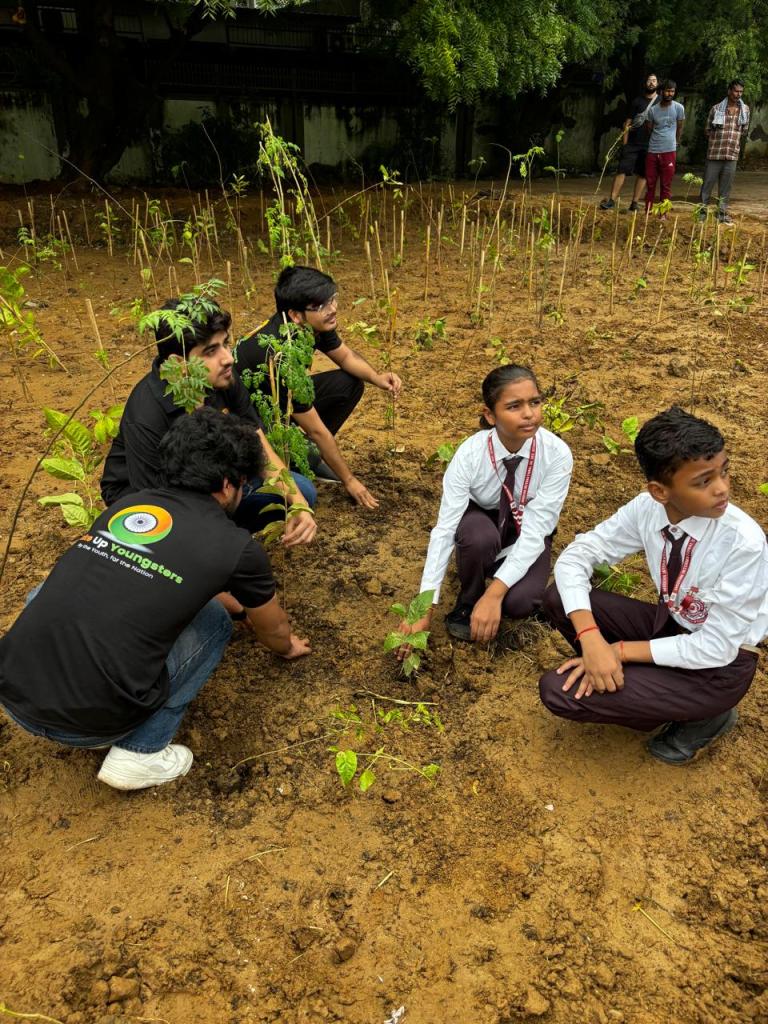
The Miyawaki method involves planting native species closely together to create a dense, natural forest in a relatively short time. This approach accelerates the growth of trees, making them mature ten times faster and grow thirty times denser than those planted using conventional methods. This method ensures that the forest is self-sustaining, promoting biodiversity and enhancing the local ecosystem.




Benefits of Miyawaki Afforestation for Air Pollution:
- Enhanced Air Quality: The newly planted Miyawaki forest at Kautilya Vidyalaya will significantly help in reducing air pollution. Trees play an essential role in absorbing pollutants like carbon dioxide (CO2), particulate matter (PM2.5 and PM10), and other harmful gases. The Miyawaki method maximizes this effect, providing cleaner and healthier air for everyone on campus and in the surrounding area.
- Carbon Sequestration: With the rise in carbon emissions in urban areas, the Miyawaki forest acts as a carbon sink, helping reduce greenhouse gases. This is crucial for combating climate change and ensuring a healthier environment for future generations.
- Reduction in Heat and Dust: Dense afforestation helps reduce local temperatures, creating a microclimate that provides relief during Delhi’s scorching summer months. The forest also captures dust and particulate matter, reducing the presence of pollutants in the air, thus contributing to better respiratory health.
- Increased Oxygen Production: The Miyawaki forest will also serve as a rich source of oxygen for the area. This is vital for creating a healthier learning environment for students, helping them focus and thrive.
- Educational Opportunities: The project provides an excellent opportunity for experiential learning. Students will have a hands-on experience of how afforestation can positively impact air quality, fostering an understanding of the importance of ecology and conservation. The forest will be a living laboratory, inspiring students to care for their environment.
- Promoting Biodiversity: By planting diverse native species, the forest will attract various forms of wildlife, including birds, insects, and butterflies. This biodiversity helps maintain the ecological balance and provides students with an opportunity to observe nature up close.
Community Impact:
The Miyawaki afforestation project is not just about creating a green space at the school; it is about building a community resource. The initiative will have a positive impact on the residents of the surrounding area, providing improved air quality and a cooler environment. MLA Saurabh Bhardwaj emphasized the importance of such community-driven initiatives in combating the severe air pollution in Delhi and encouraged other schools to adopt similar projects.
MLA Saurabh Bhardwaj’s Message:
Speaking at the inauguration, Shri Saurabh Bhardwaj said, “The Miyawaki afforestation project at Kautilya Vidyalaya is a significant step towards addressing the pressing issue of air pollution in our city. It’s inspiring to see students and the community come together for this green initiative. This forest will not only improve air quality but also create a thriving habitat for biodiversity, benefiting the entire neighborhood.”
Conclusion:
The Miyawaki afforestation project, inaugurated by MLA Saurabh Bhardwaj and spearheaded by Rise Foundation, represents a vital step towards creating a cleaner, greener, and more sustainable environment at Kautilya Govt Sarvodaya Vidyalaya. The benefits of this dense forest go beyond air purification; it also serves as an educational tool, a haven for biodiversity, and a beacon of hope for a cleaner Delhi.
As the green patch grows, it will serve as a testament to what collective action can achieve. This project is a model for other schools and communities to follow, showing that even small steps can lead to substantial environmental benefits. Let’s join hands to fight air pollution and create a sustainable future—one tree at a time.
 Rise Foundation (NGO)