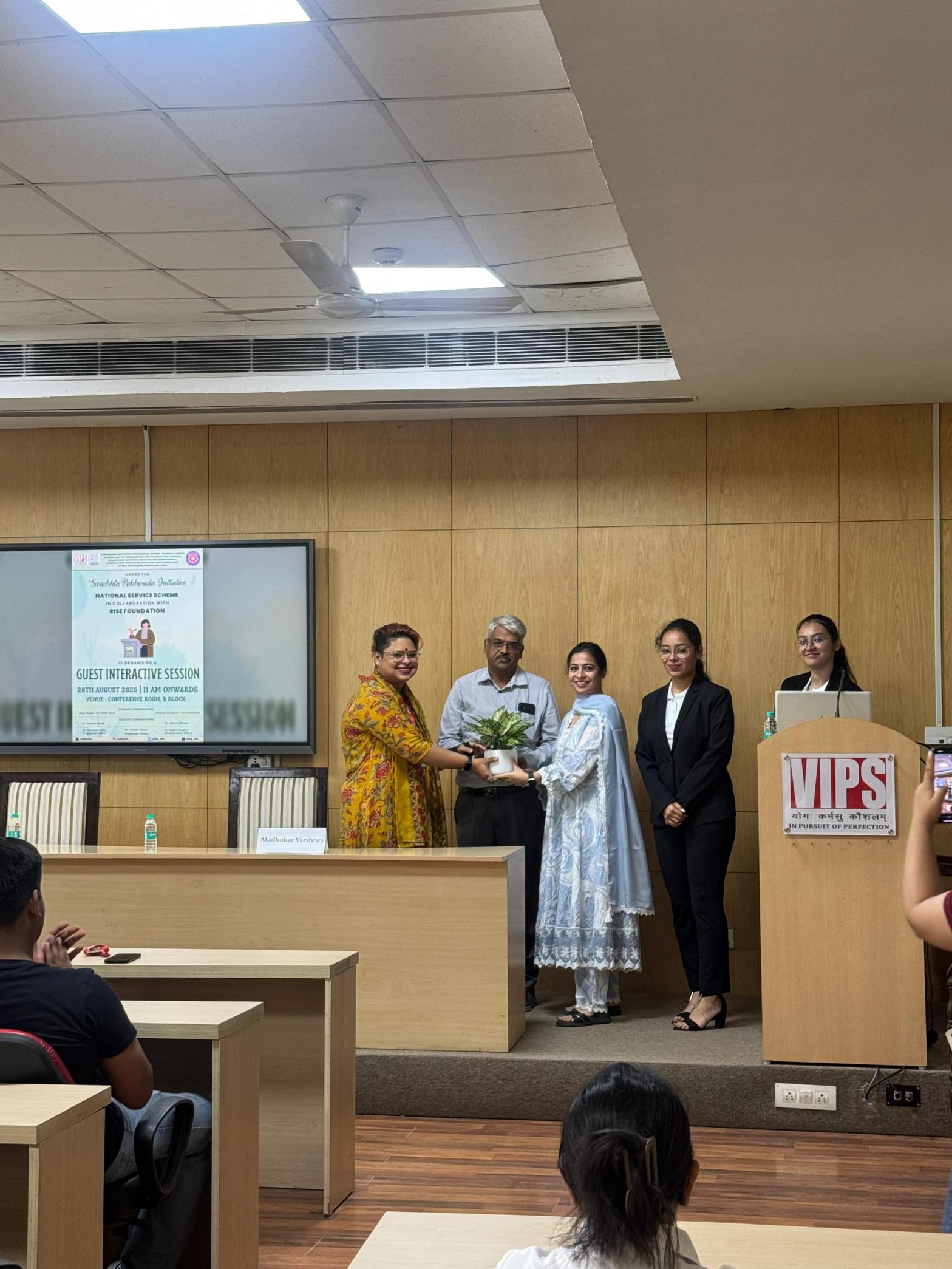
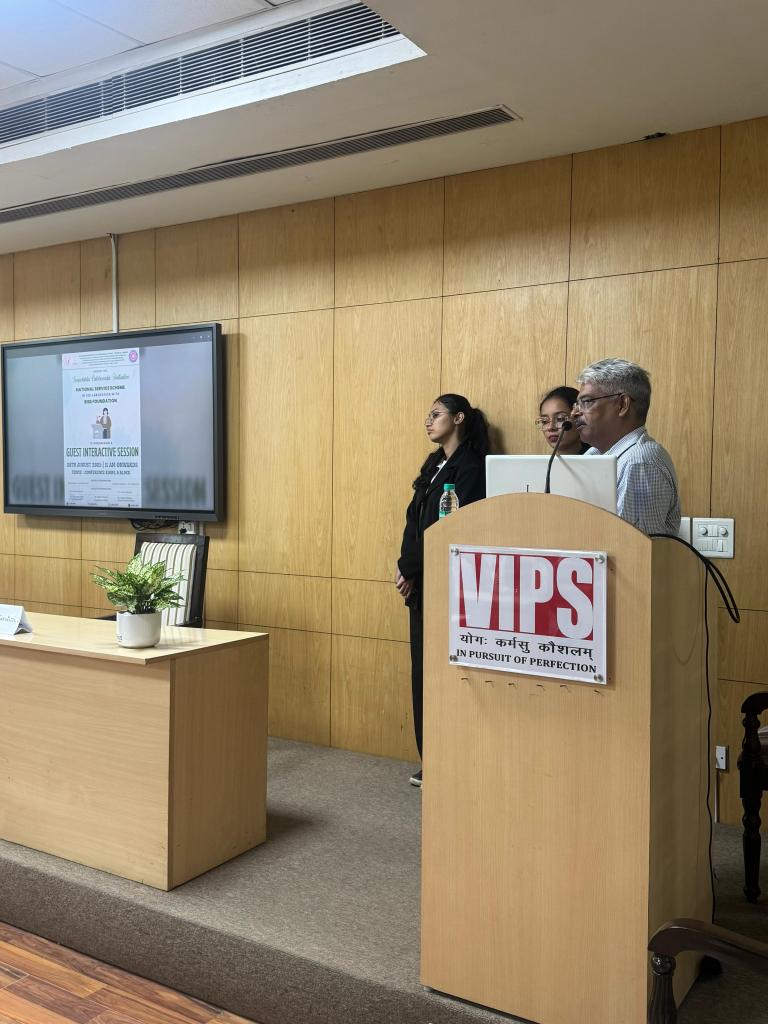
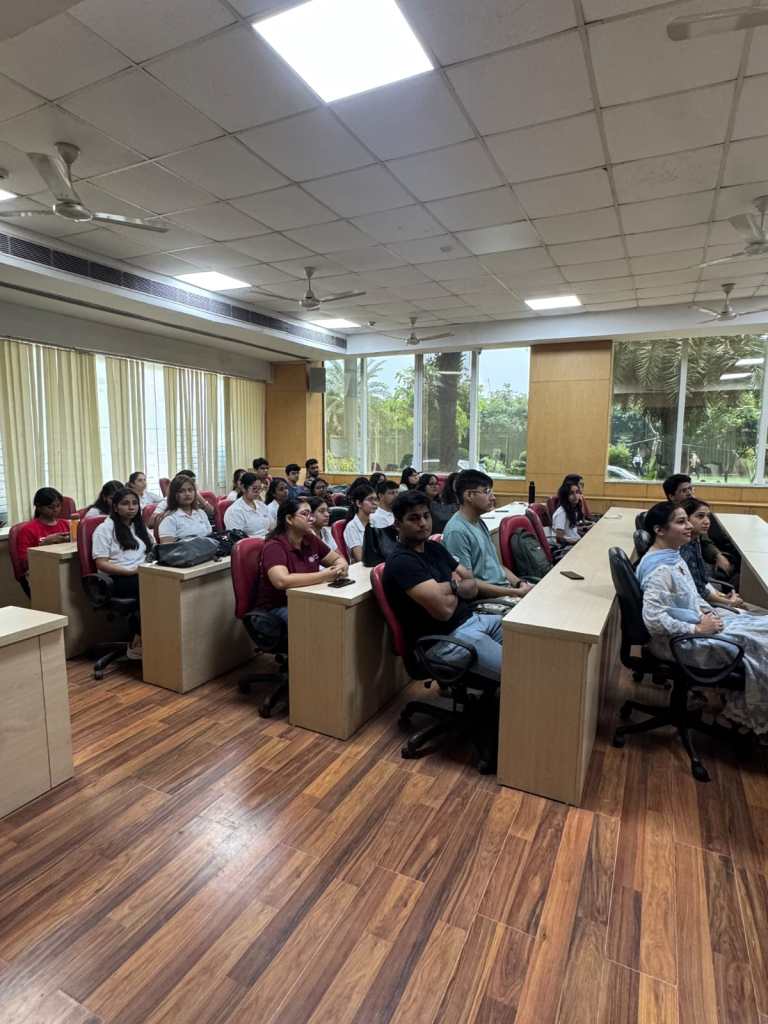
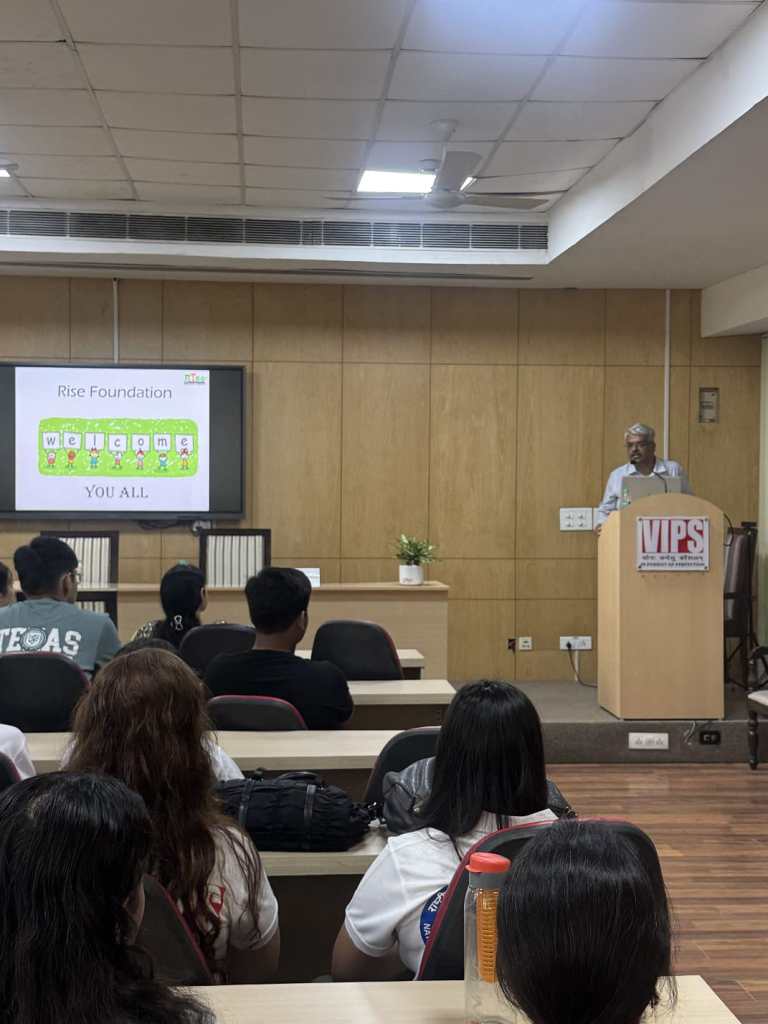
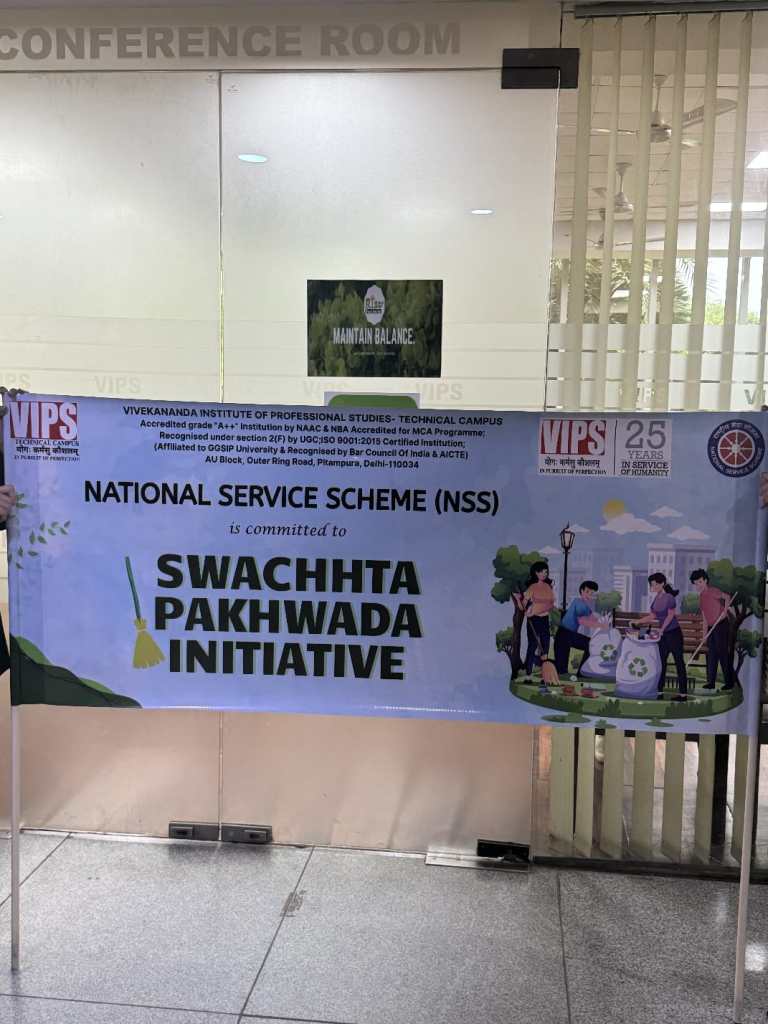
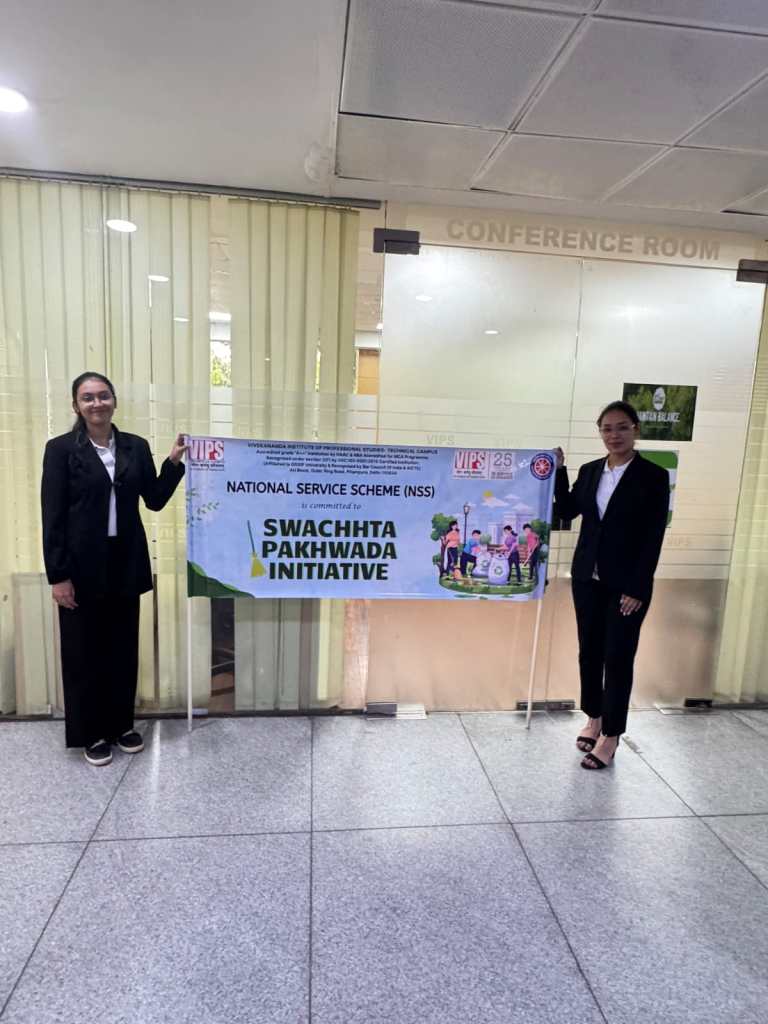
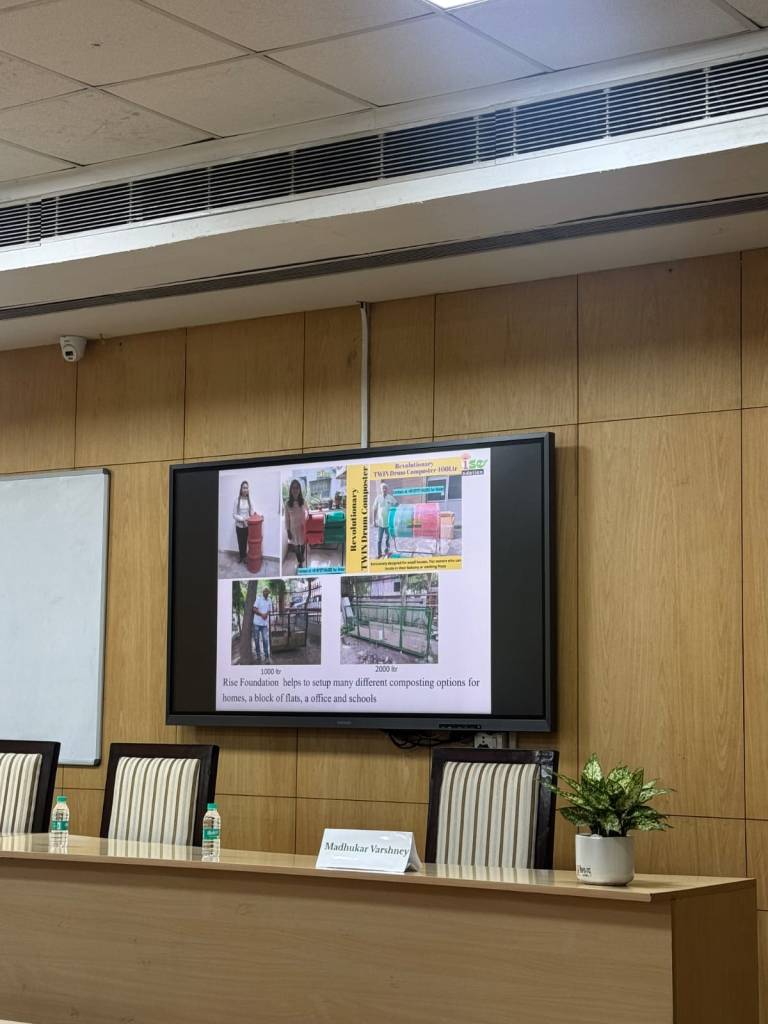
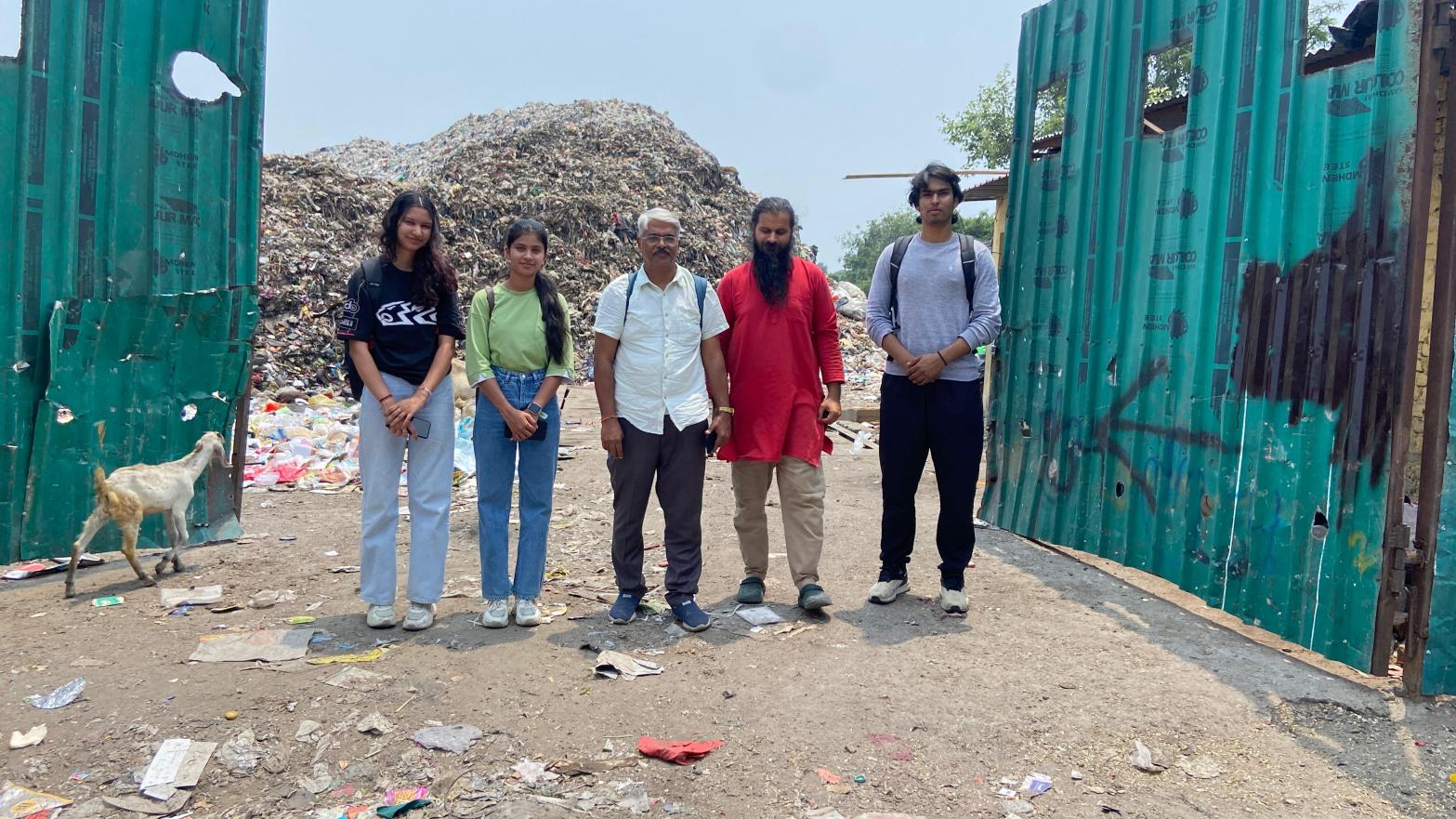
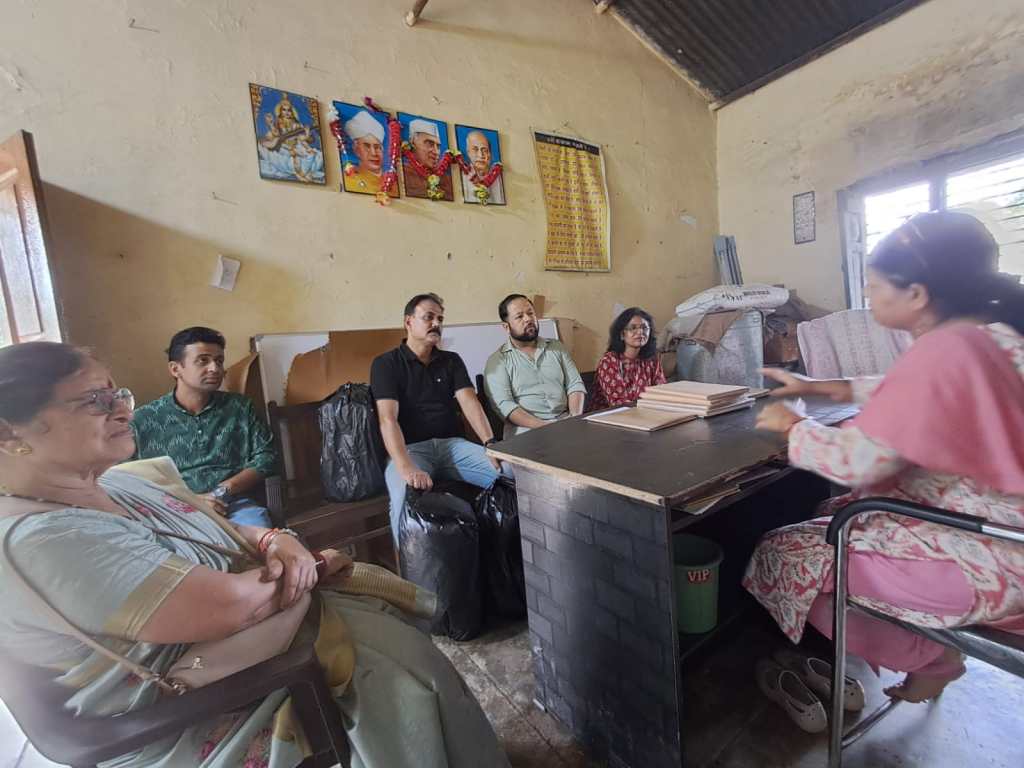
On 28 August 2025, Rise Foundation organized an offline awareness session with the enthusiastic NSS volunteers of Vivekananda Institute of Professional Studies – TC (VIPS-TC). The session was a part of the nationwide Swachhata Pakhwada initiative, aimed at spreading awareness about cleanliness, sustainability, and active citizenship.
The lecture highlighted:
The importance of youth participation in cleanliness and sustainability.
How small actions lead to big societal change.
Practical ways students can contribute to environmental and community well-being.
The event was a success thanks to the warm support of Ms. Mala Thakar (NSS Coordinator) and faculty members – Dr. Priyam Ghosh, Dr. Asheetu Bhatia, Dr. Avantika Raina, and Dr. Shailee Bhatia .
Such collaborations between academia and social foundations strengthen the spirit of collective action for a cleaner, healthier, and more responsible nation.
Rise Foundation remains committed to empowering the youth and shaping them into future leaders of sustainability. 🌿
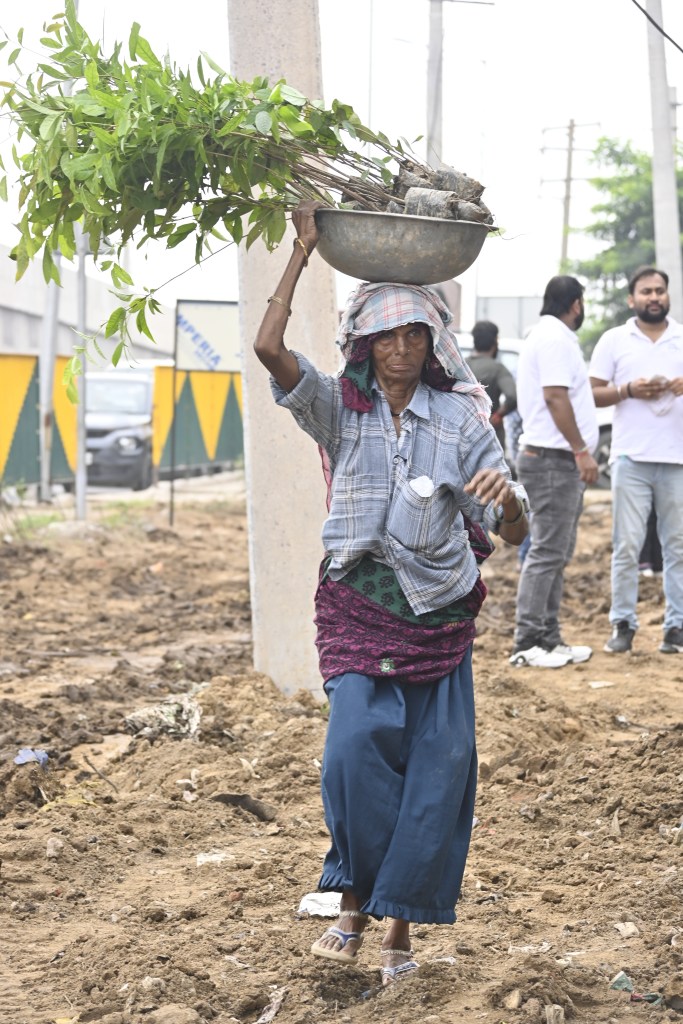
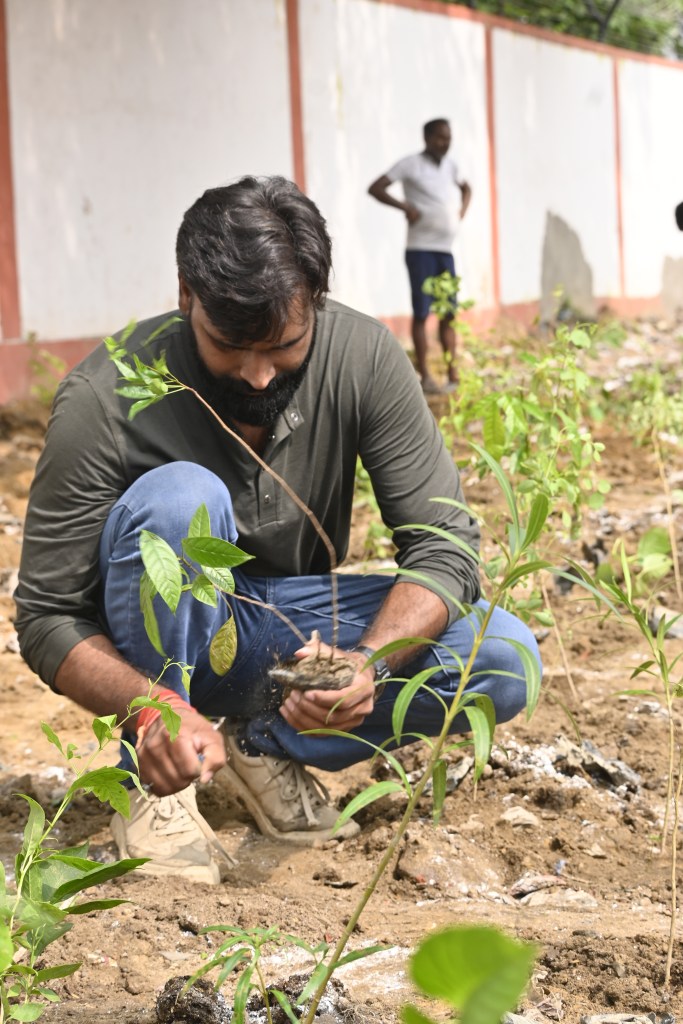
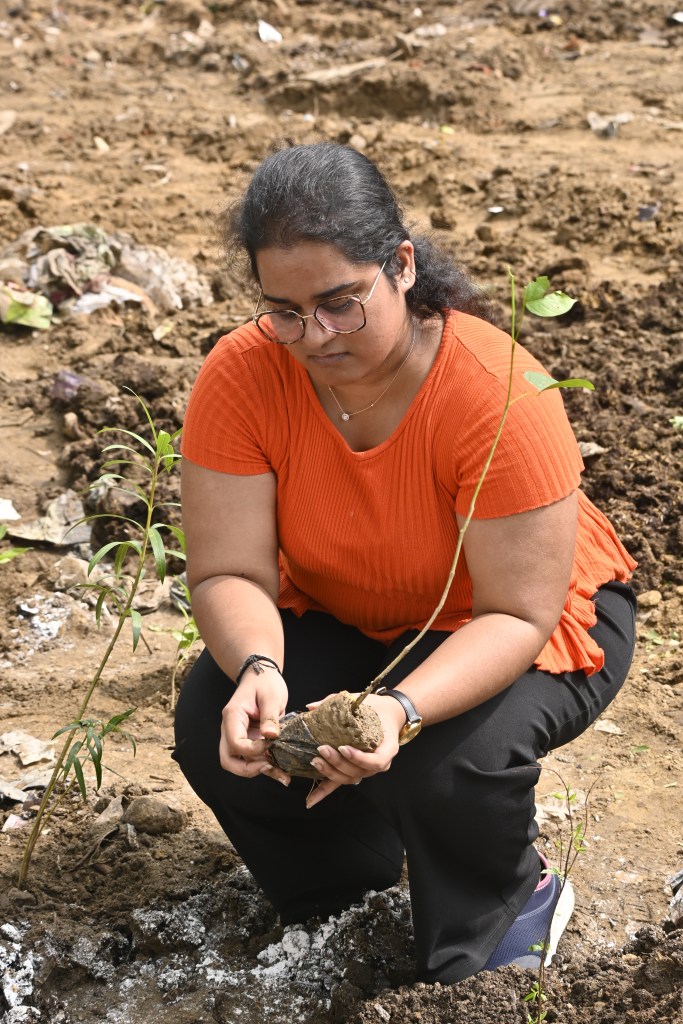
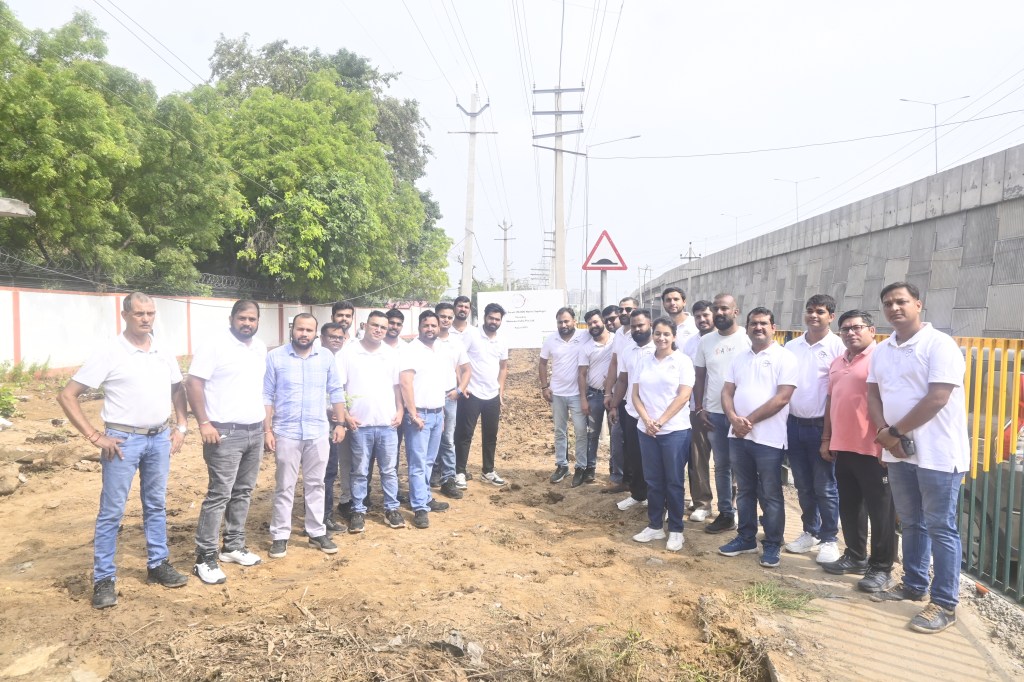
10,000 Native Trees. One Urban Forest. That’s the bold vision Rise Foundation is bringing to life at Sector 33, Faridabad, through the Miyawaki afforestation technique.
🌳 Why Miyawaki?
Creates a dense, multilayered, high-biodiversity forest in just a few years
Motocare India – for on-ground support and resources
Avad India – for strategic collaboration
Volunteers – whose passion and hands-on work are the backbone of this drive
This forest isn’t just about planting trees—it’s about cultivating a living legacy: cleaner air, richer biodiversity, and a green space that connects communities.
We invite more organizations, residents, and changemakers to partner with us in scaling such initiatives across cities. Because one forest can inspire many.
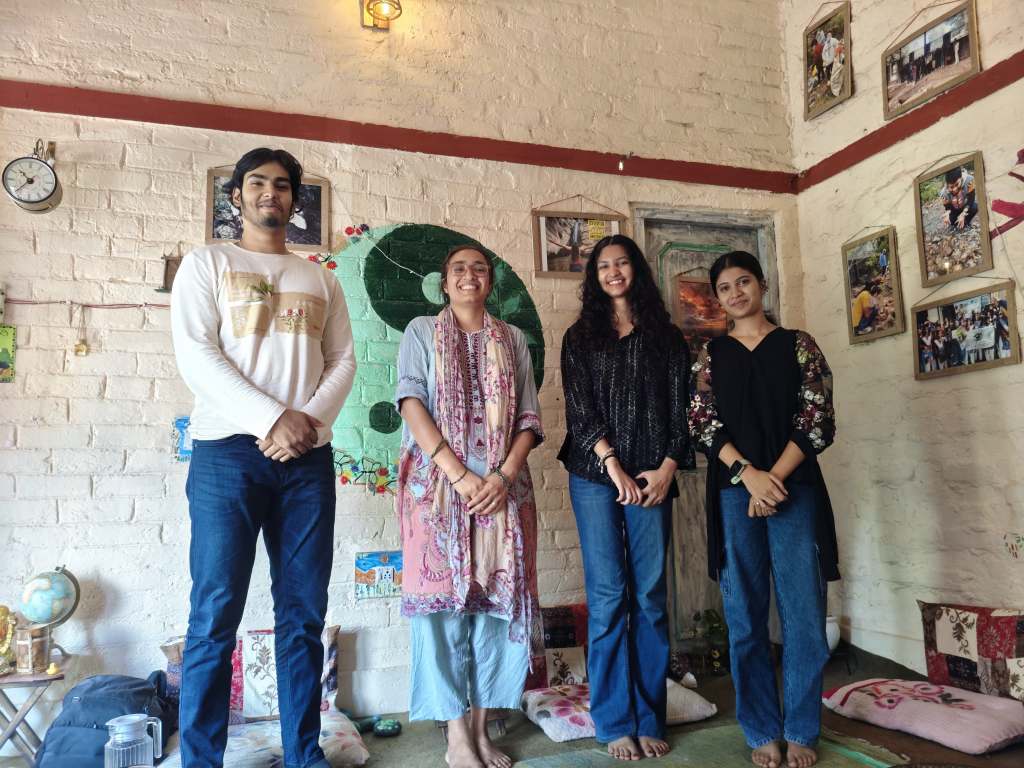
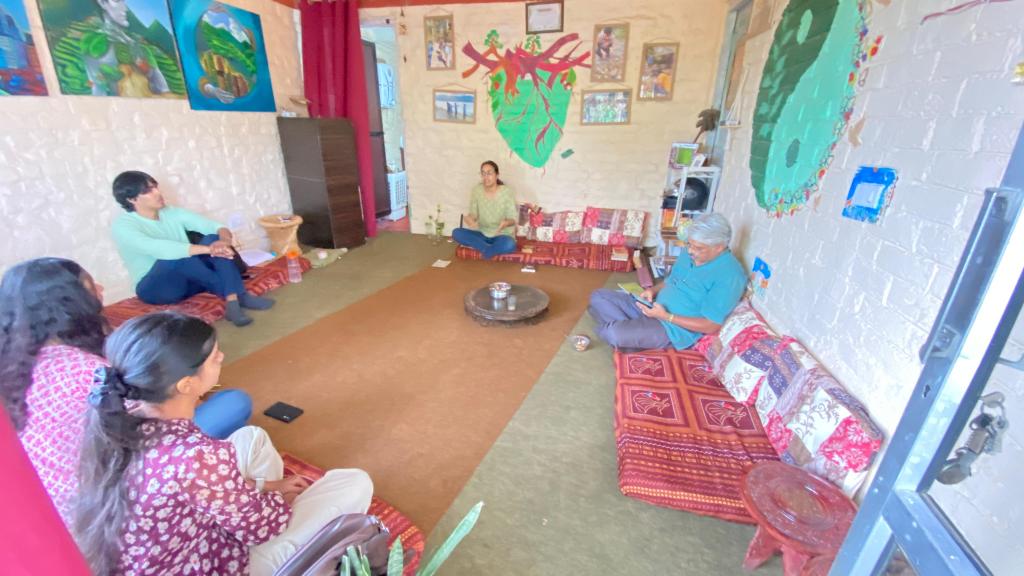
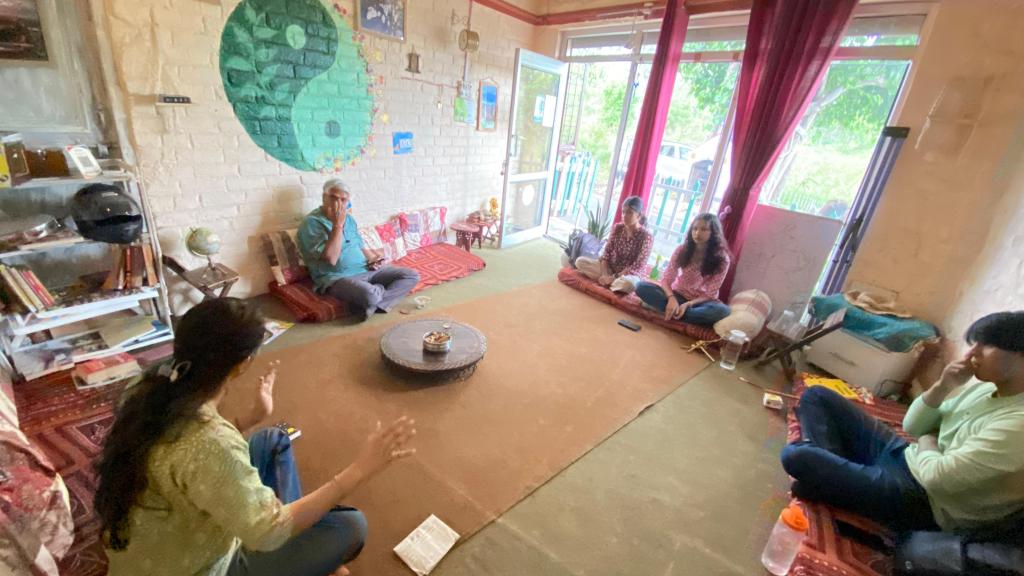
We are happy to announce the successful completion of a rewarding internship program with the students of UPES (University of Petroleum and Energy Studies) Srijan 5.0 , in collaboration with Tao Veda Dimensions and Rise Foundation.
This internship was designed to provide hands-on exposure, critical insights, and practical applications beyond classroom learning. The students demonstrated immense creativity, problem-solving abilities, and a passion for making a difference.
Key highlights of the internship included:
💡 Innovative project ideas
🌱 Research and discussions around sustainability
🤝 Collaboration and teamwork
📈 Skill development for future career readiness
We sincerely thank UPES for their trust, Tao Veda Dimensions for their support, and Rise Foundation for guiding this journey with its vision of sustainability and social impact.
This marks not just the end of an internship but the beginning of a continuous journey of learning, innovation, and positive change. 🌟
Note : UPES Srijan 5.0 refers to the fifth iteration of the Srijan Social Internship program at UPES, where first-year students engage in a 6-8 week mandatory full-time program with social organizations to gain practical experience and contribute to community development.
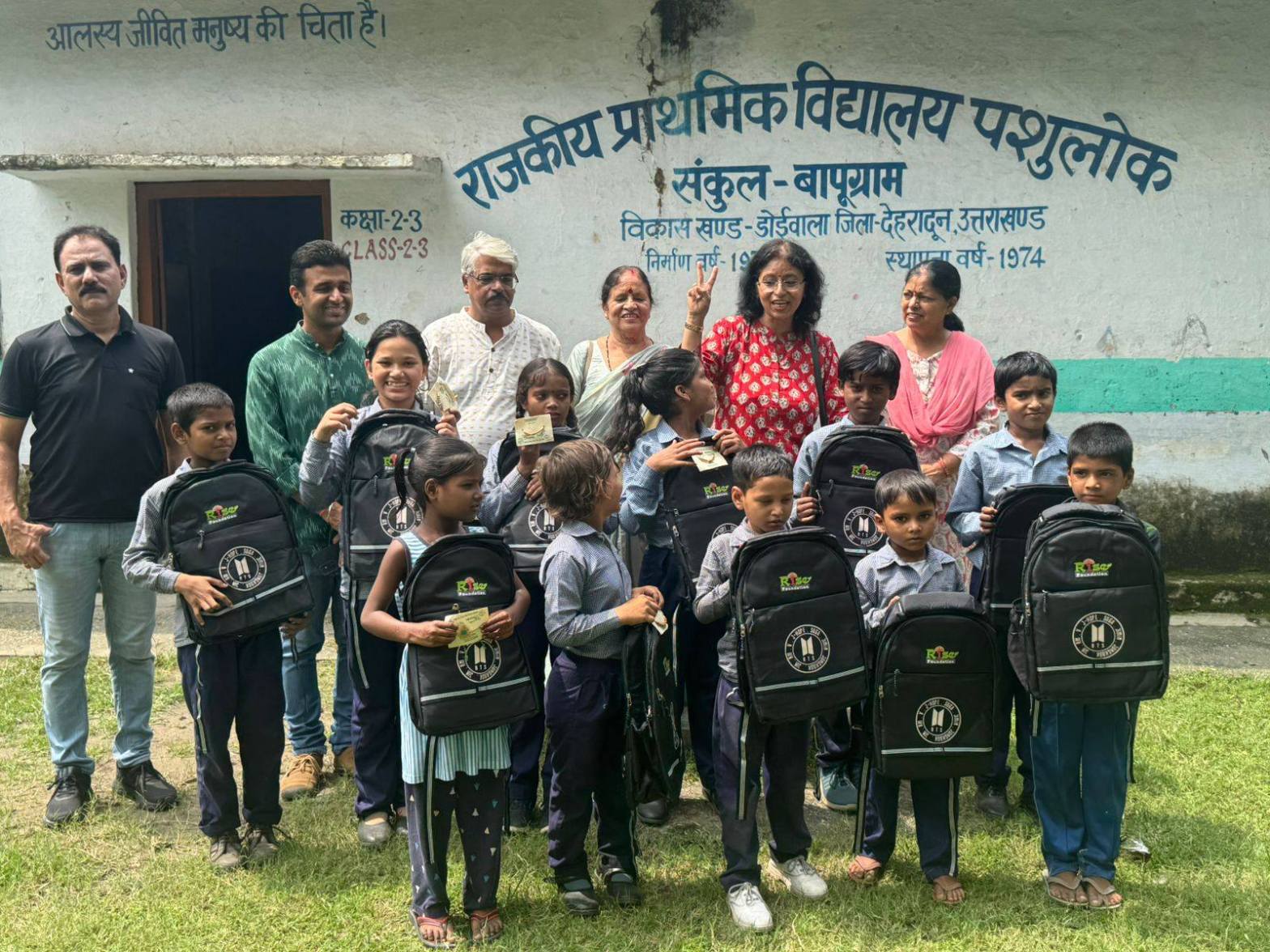
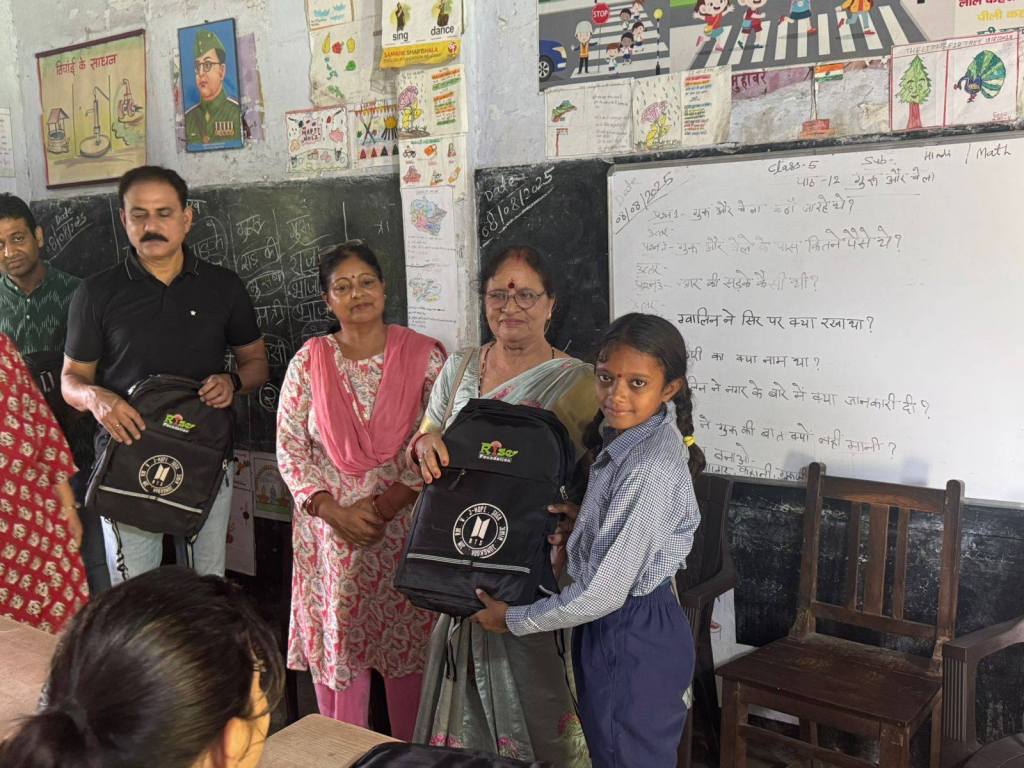
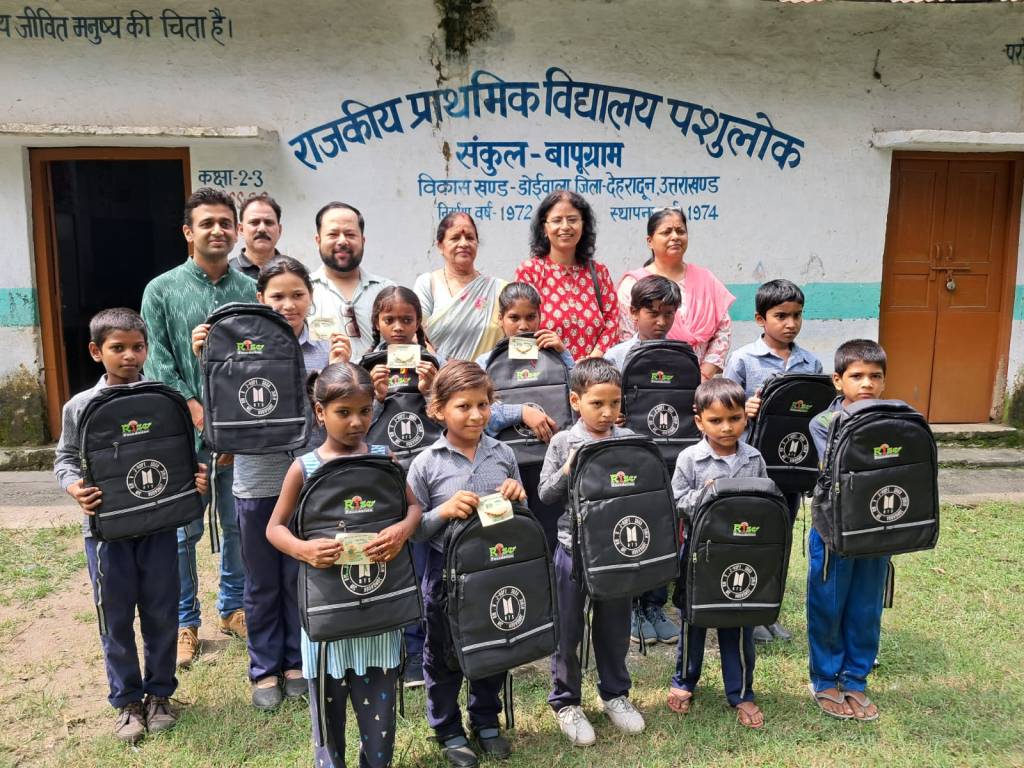
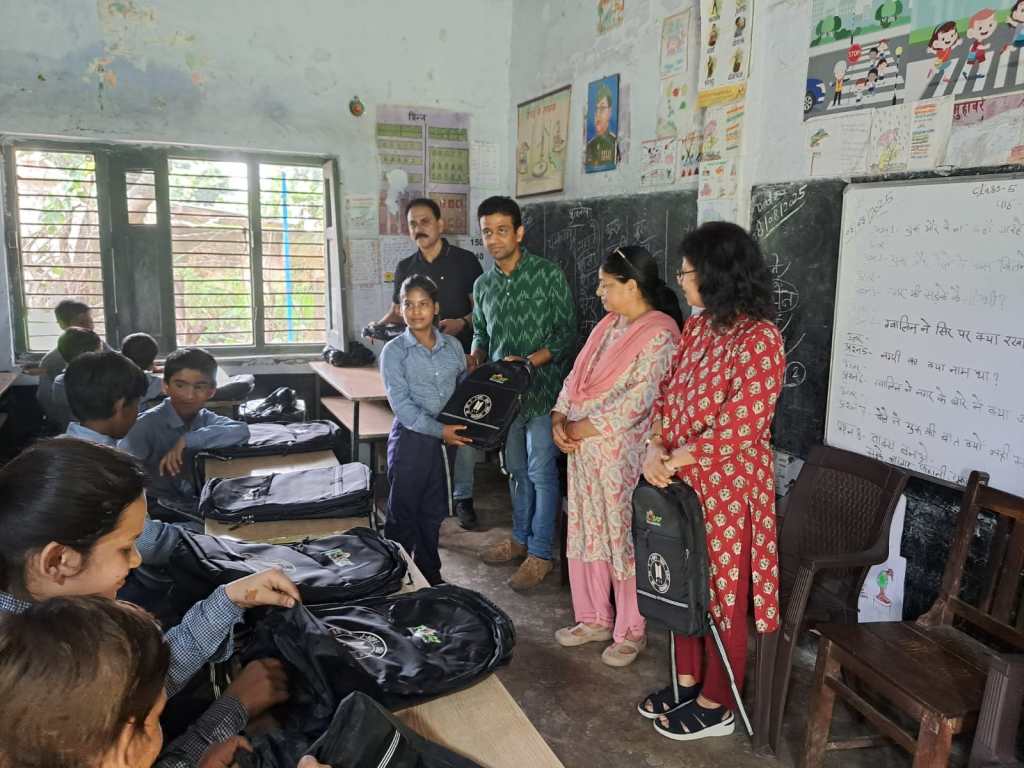
On the joyful occasion of Raksha Bandhan and Independence Day, Rise Foundation took another step towards empowering young minds by distributing school bags to the children of Rajkiya Prathmik Vidyalaya, Pashulok, Dehradun (Uttarakhand) on 8th Aug 2025.
Education is the strongest tool to break the cycle of poverty, and having the right resources plays a crucial role in motivating children to attend school and learn with confidence. The bright smiles on the faces of these young students reflected their excitement and happiness as they received their new school bags.
This initiative was not just about giving bags—it was about encouragement, equality, and opportunity. The Rise Foundation team interacted with the children, inspired them to focus on their studies, and assured them of continued support in their educational journey.
On this occasion Mrs Jaswanti Rawat – Chairperson ; Madhuri Varshney – Secretary; Madhukar Varshney – Treasurer, Naveen Mohan – Founder City Birds Rides and Shubh Yatra Travel , Dr. Prateek and Mr. Rishi Agarwal joined .
Celebrating Raksha Bandhan symbolizes protection, care, and love, and what better way to honor this spirit than by investing in the future of our children? Coinciding with Independence Day, the event also reminded us of the importance of freedom through education, empowerment, and awareness.
The Rise Foundation remains committed to creating impactful change through education, environmental action, and community development. Every small step taken today builds a stronger, greener, and more inclusive tomorrow.
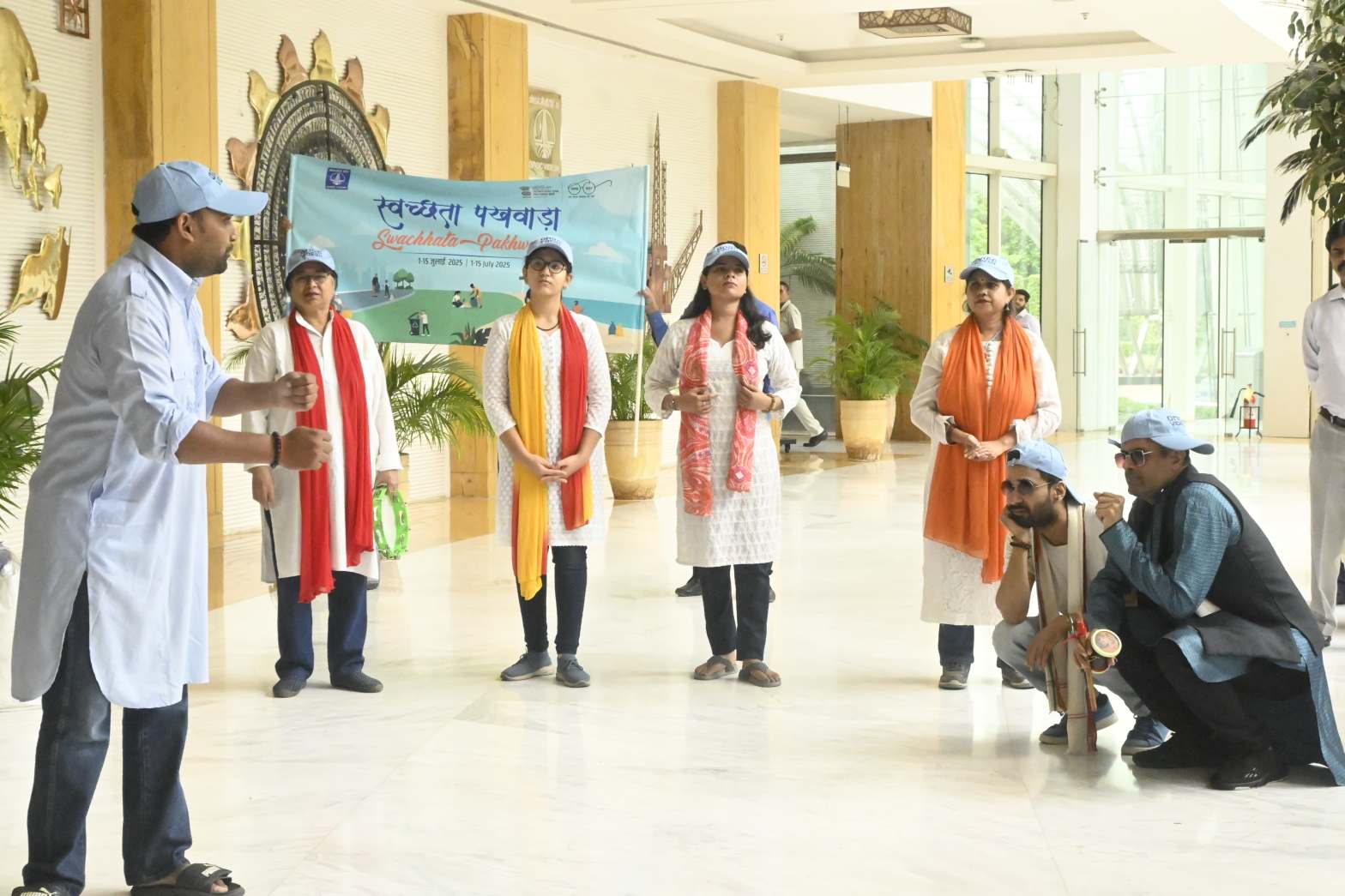
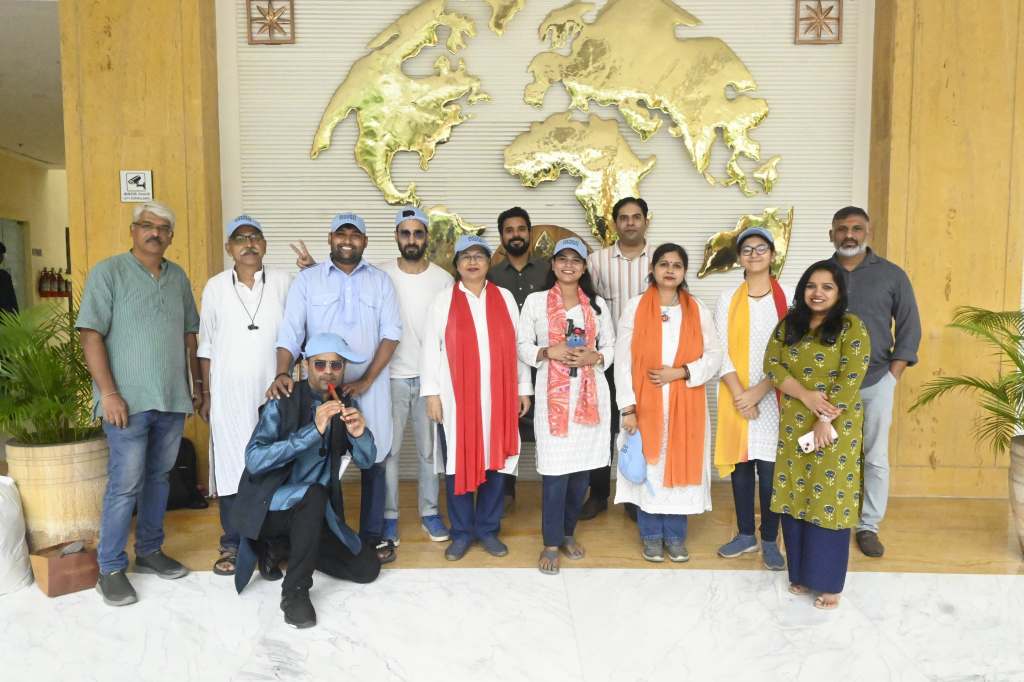
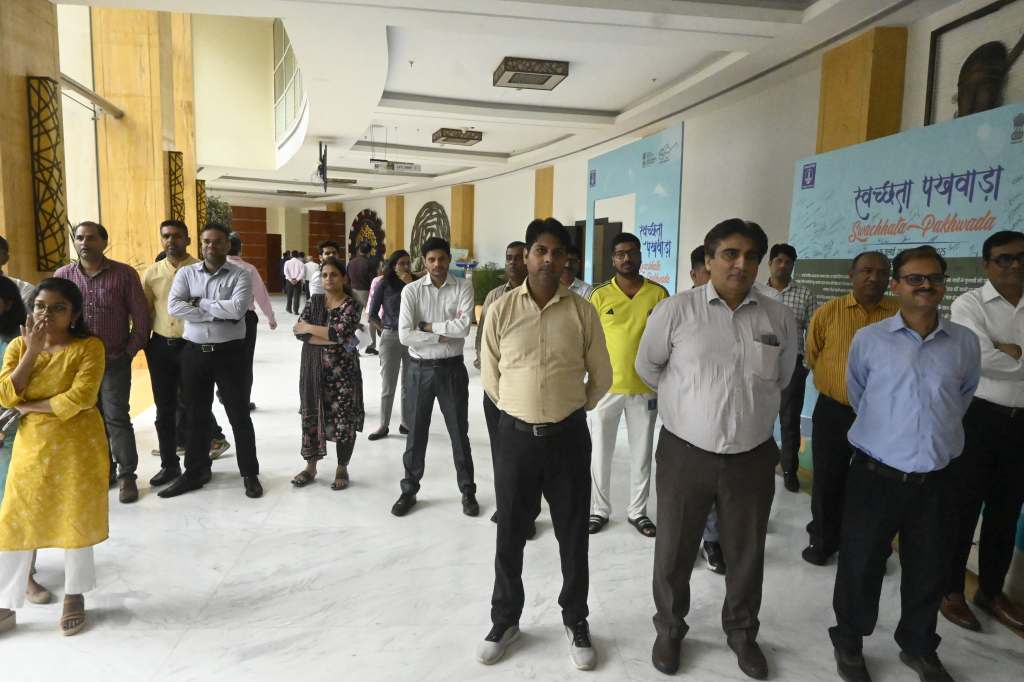
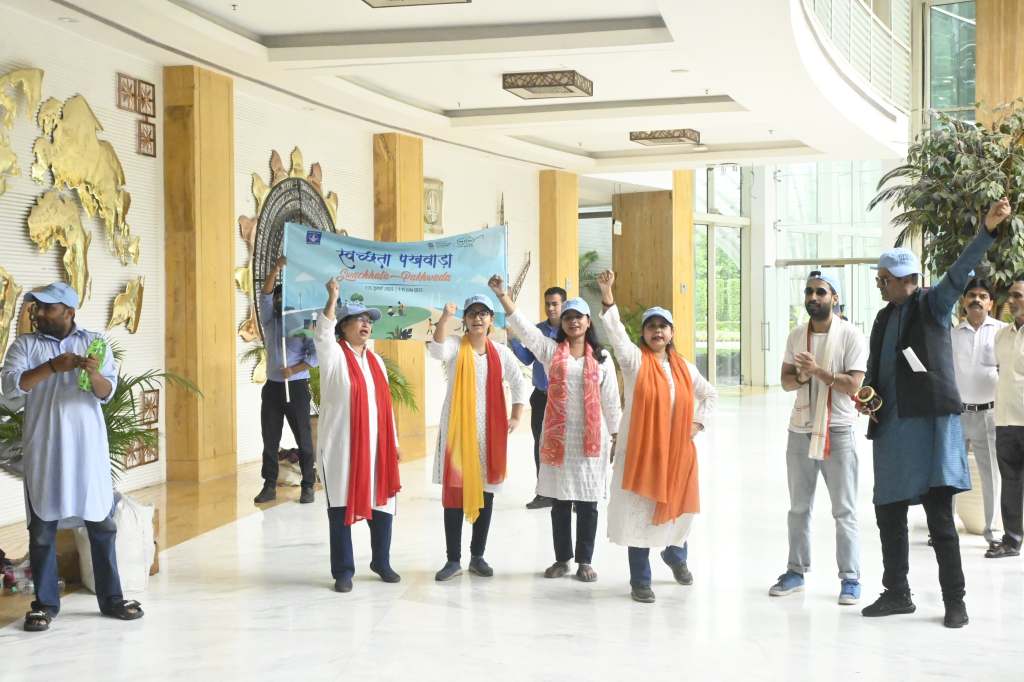
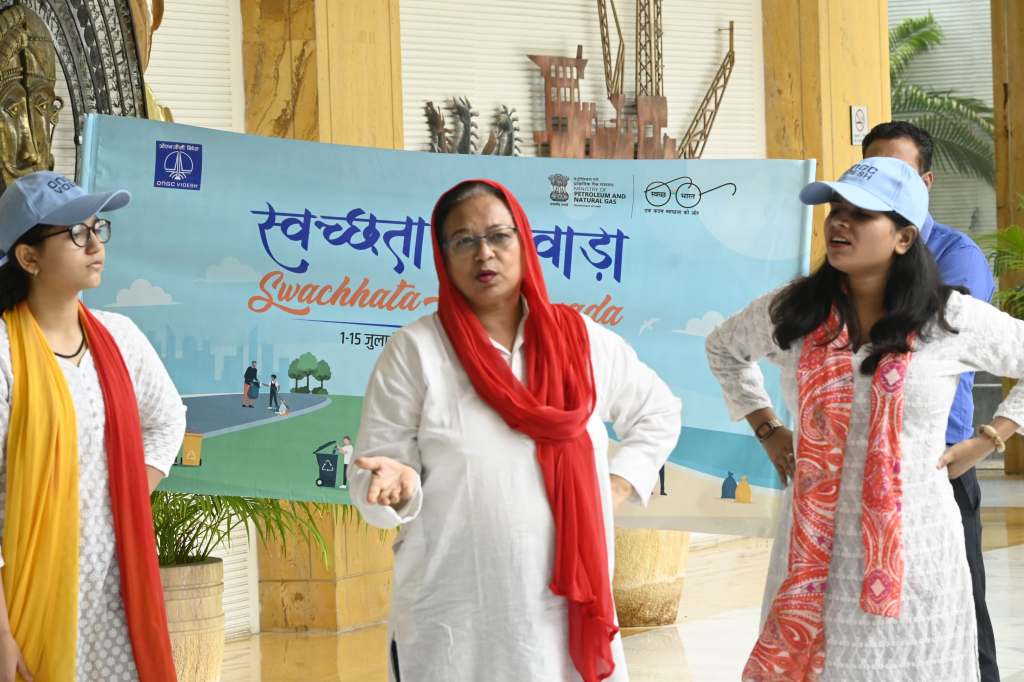
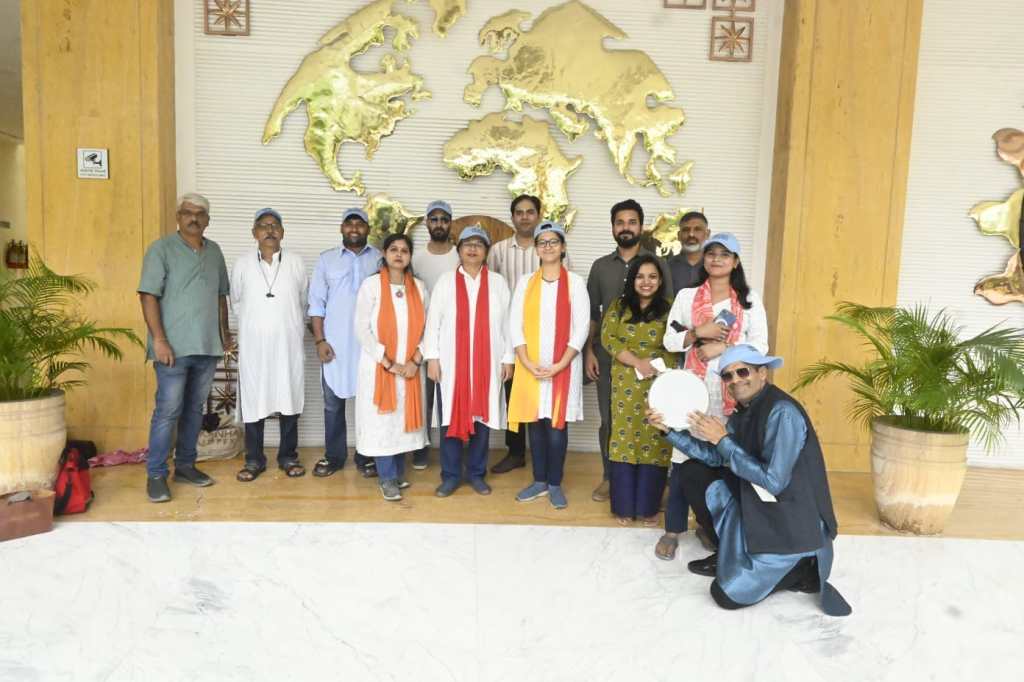
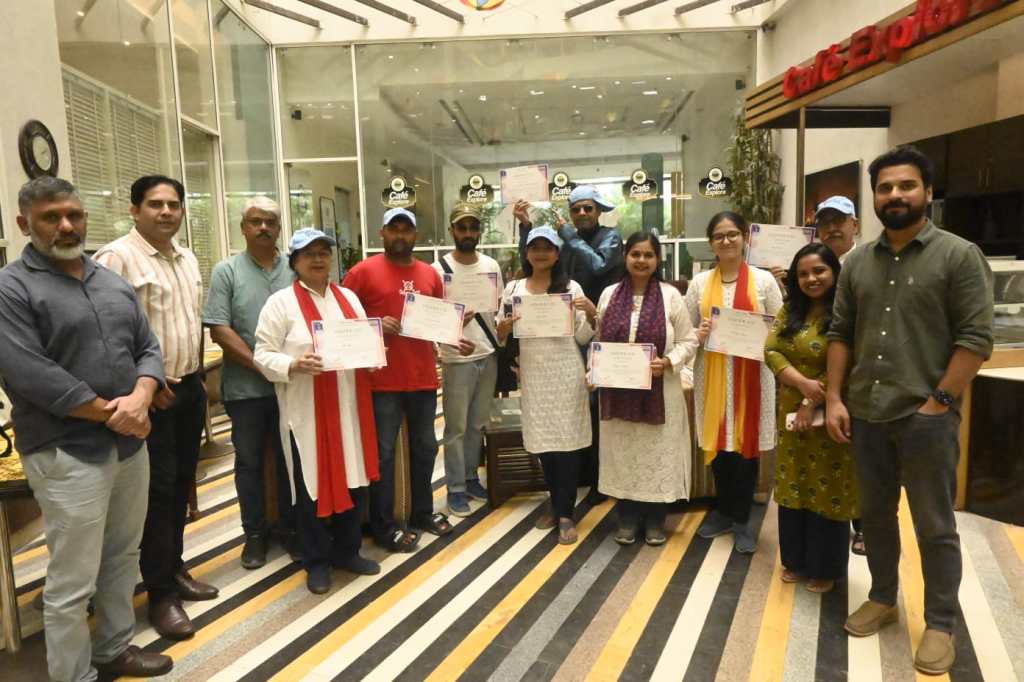
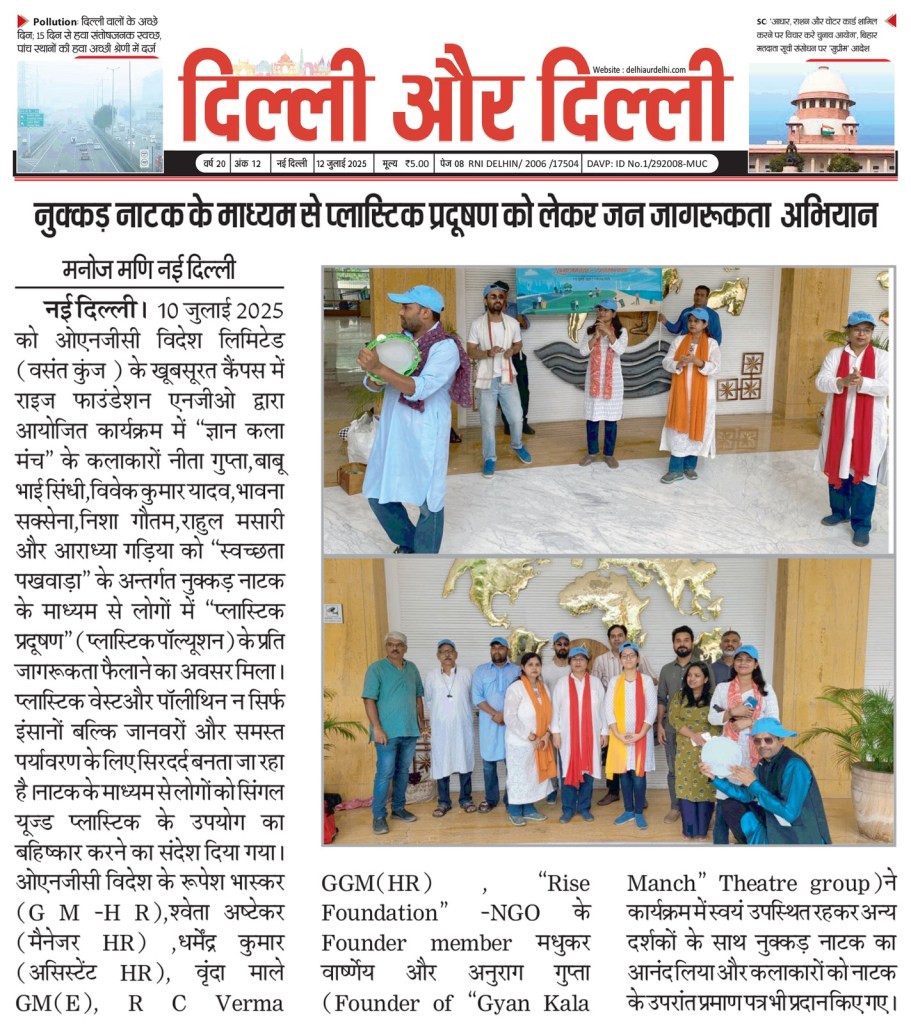
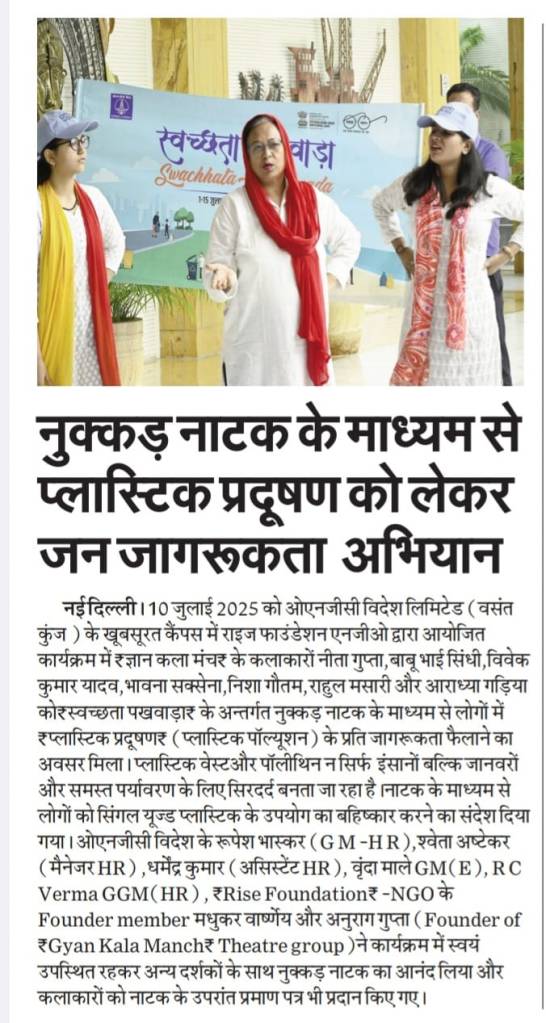
Rise Foundation, in association with ONGC Videsh, proudly organized a powerful Nukkad Natak performed by the talented team of Gyan Kala Manch to raise awareness on the pressing issue of Plastic Pollution and the urgent need to Say No to Single-Use Plastic on 10th July 2025 on occasion of Swachhata Pakhwada 2025.
Through impactful storytelling, engaging performances, and hard-hitting dialogues, the street play connected with the local community and inspired action towards a plastic-free future.
This initiative is part of our ongoing efforts to: ♻️ Promote sustainable alternatives 🚯 Eliminate single-use plastics 🧠 Drive behavior change through awareness and culture 🌱 Reconnect people with the planet
👏 A big thank you to the artists of Gyan Kala Manch, our partner ONGC Videsh, and the enthusiastic audience who joined hands in this environmental movement.
Let’s continue working together to build a greener, cleaner India. 💚 Thanks to offline media to cover the event.
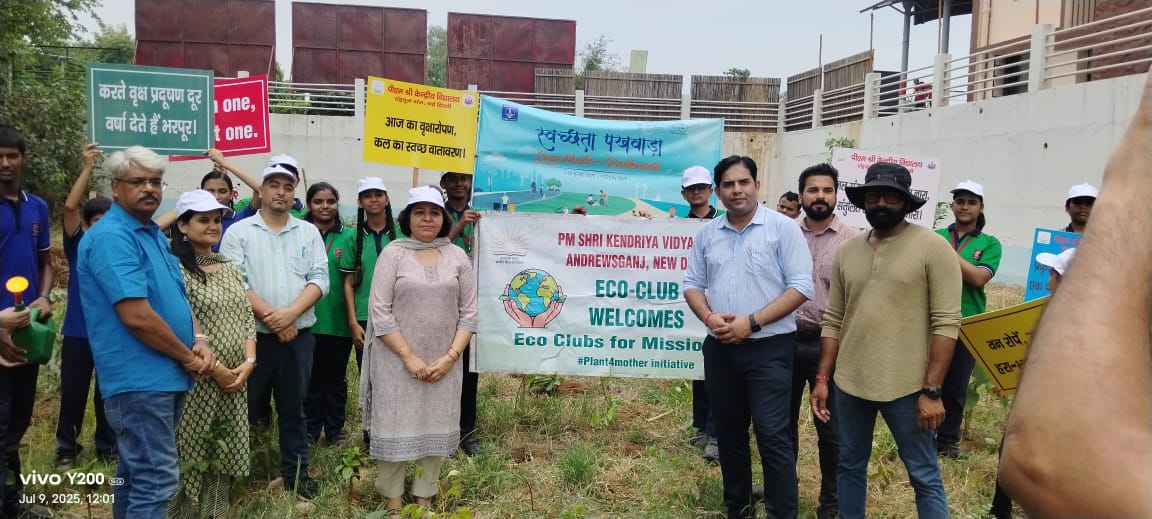
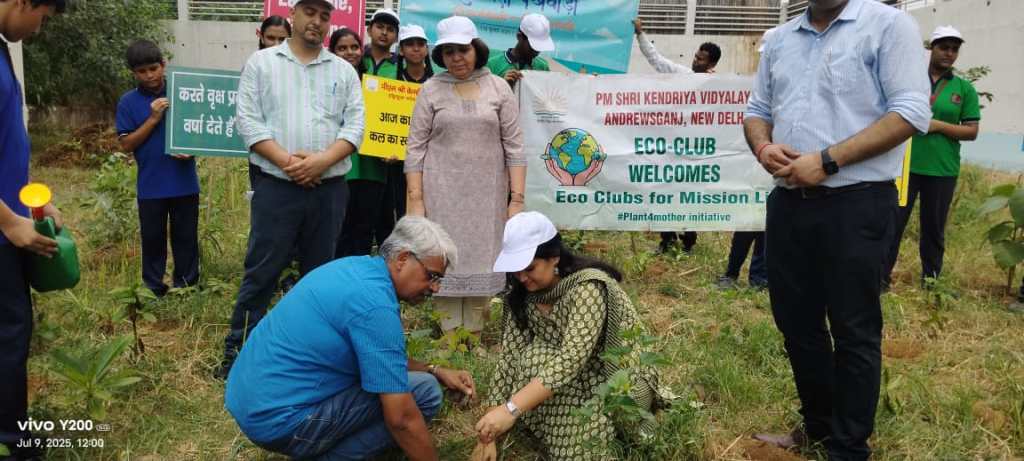
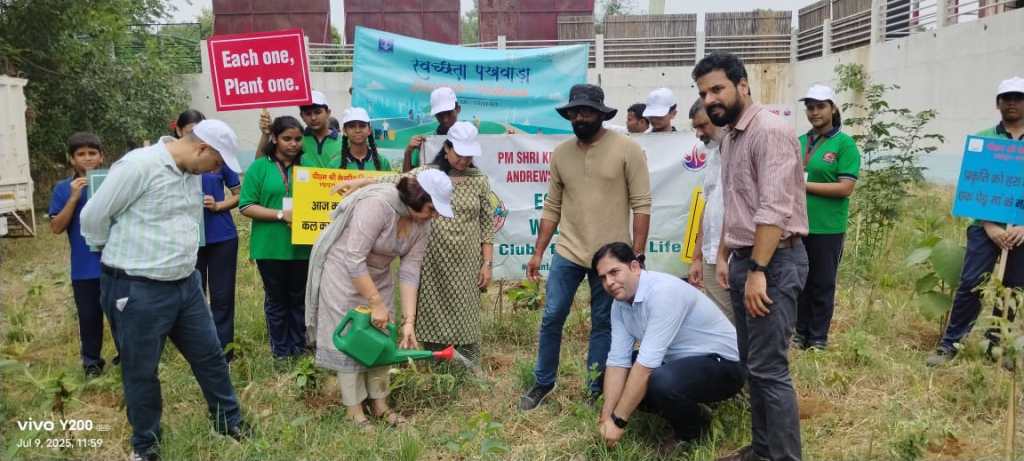
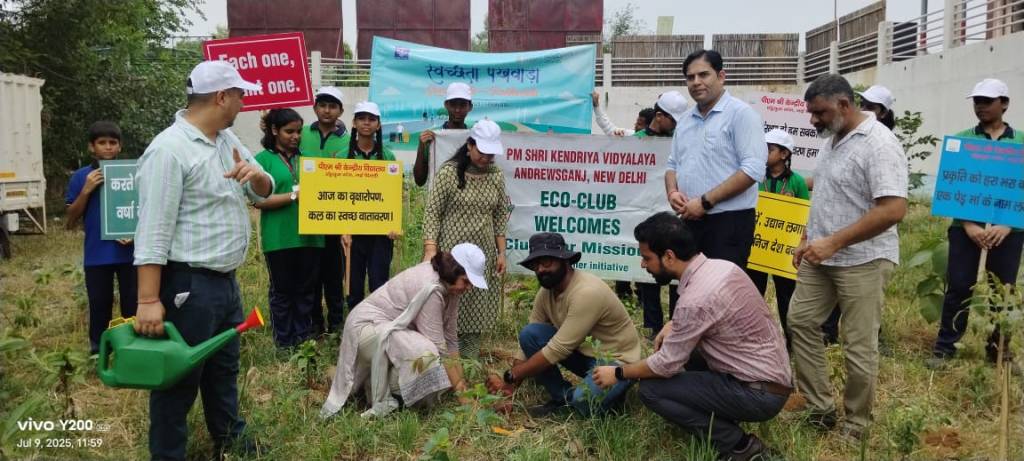
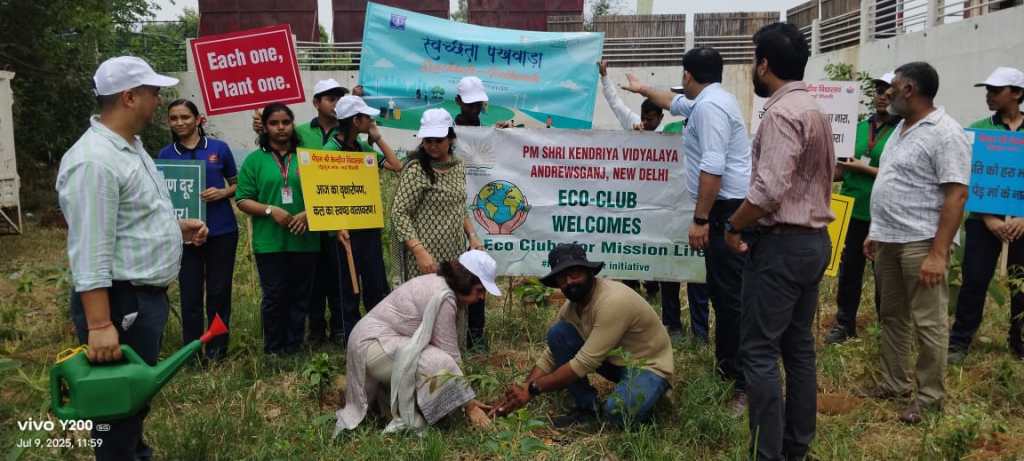
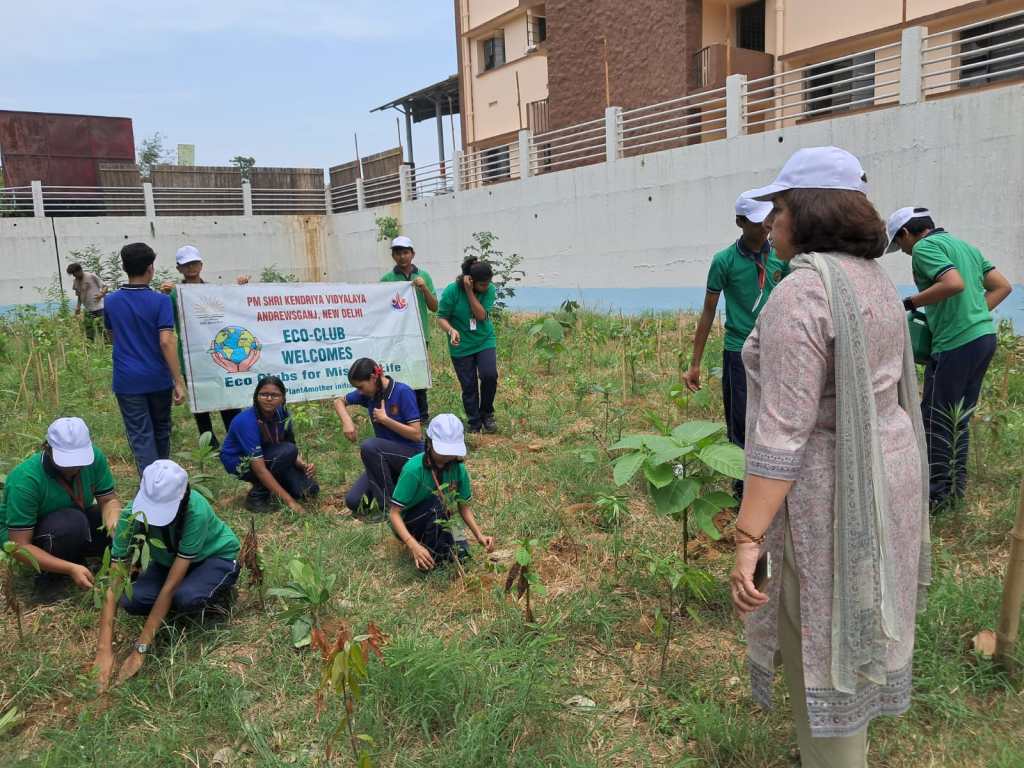
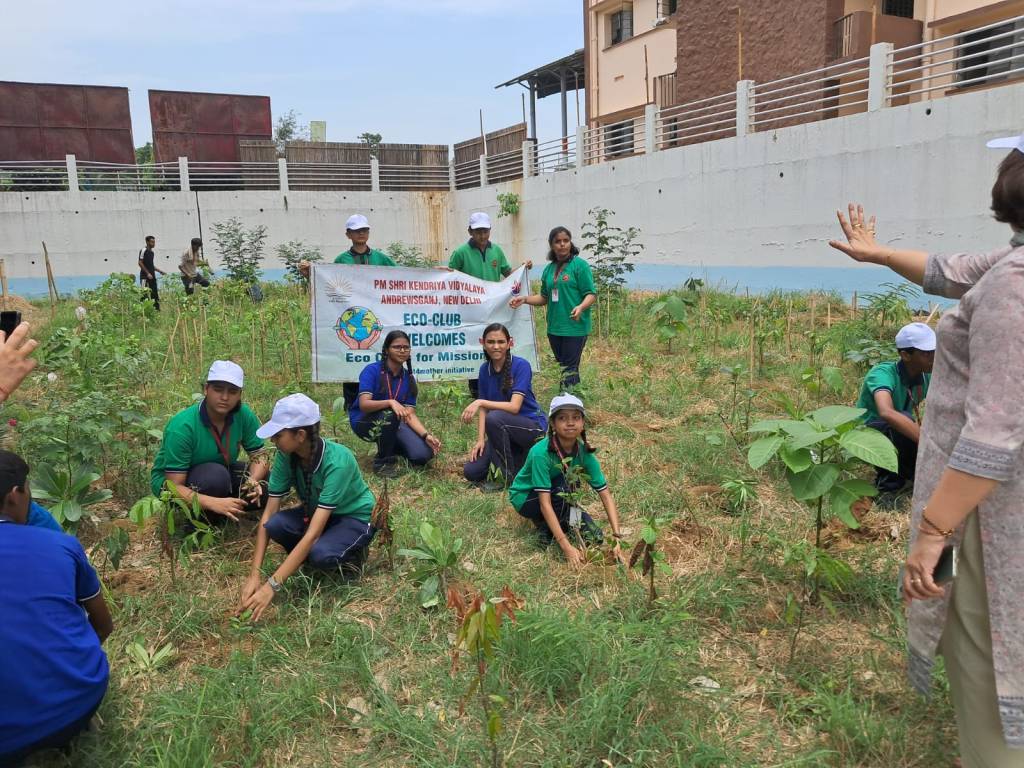
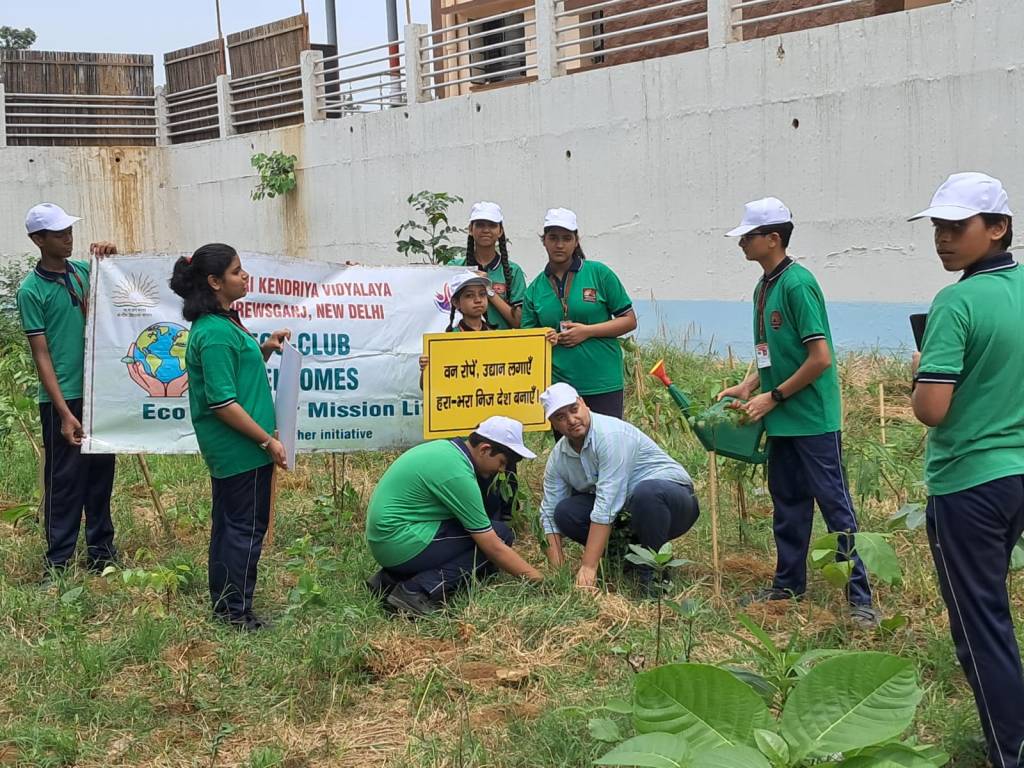
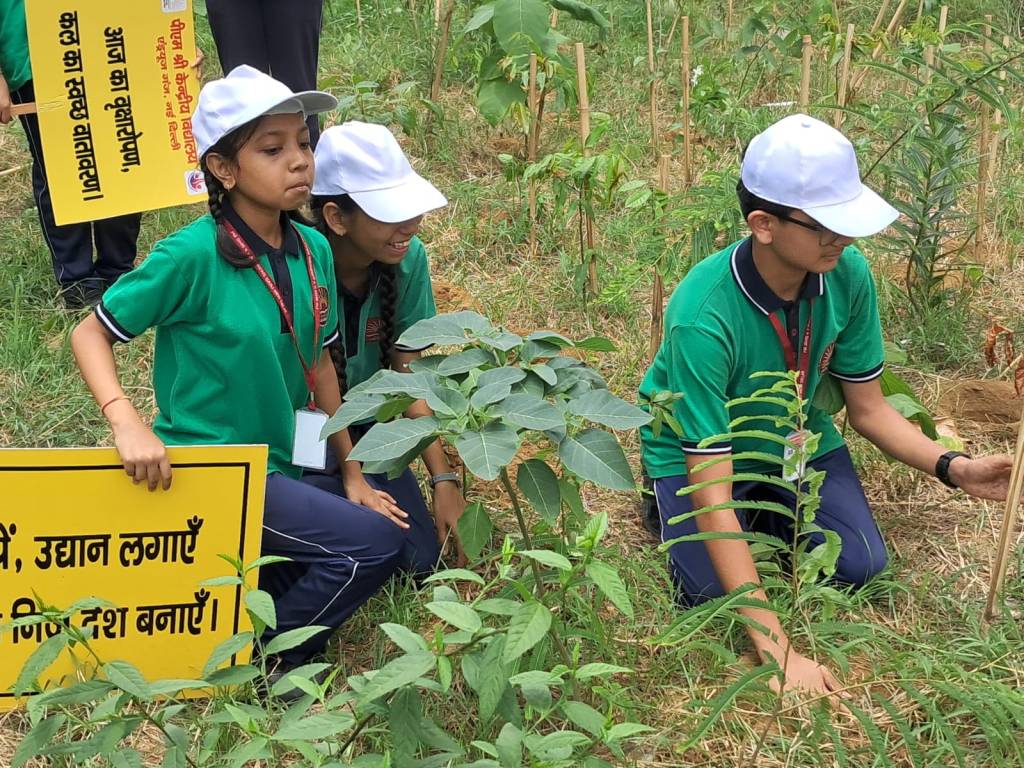
Planting Hope with the Future: Tree Plantation Drive at Kendriya Vidyalaya, Andrews Ganj, New DelhiIn association with ONGC Videsh & Rise Foundation
On a bright and inspiring day in New Delhi, the lush grounds of Kendriya Vidyalaya, Andrews Ganj came alive with the laughter, energy, and purpose of young students. In collaboration with ONGC Videsh, Rise Foundation organized a tree plantation drive to foster a deeper connection between children and nature.
But this wasn’t just about planting trees — it was about planting values.
🌿 Learning Through Doing
Before the first sapling even touched the soil, students engaged in a meaningful conversation on why trees are important. Their responses reflected a maturity beyond their years:
“Trees give us oxygen.”
“They provide livelihood to people.”
“They help maintain ecological balance.”
These weren’t just textbook answers — they were heartfelt insights coming from a generation that truly understands the climate challenges ahead.
🌱 Creating Green Corners, One Sapling at a Time
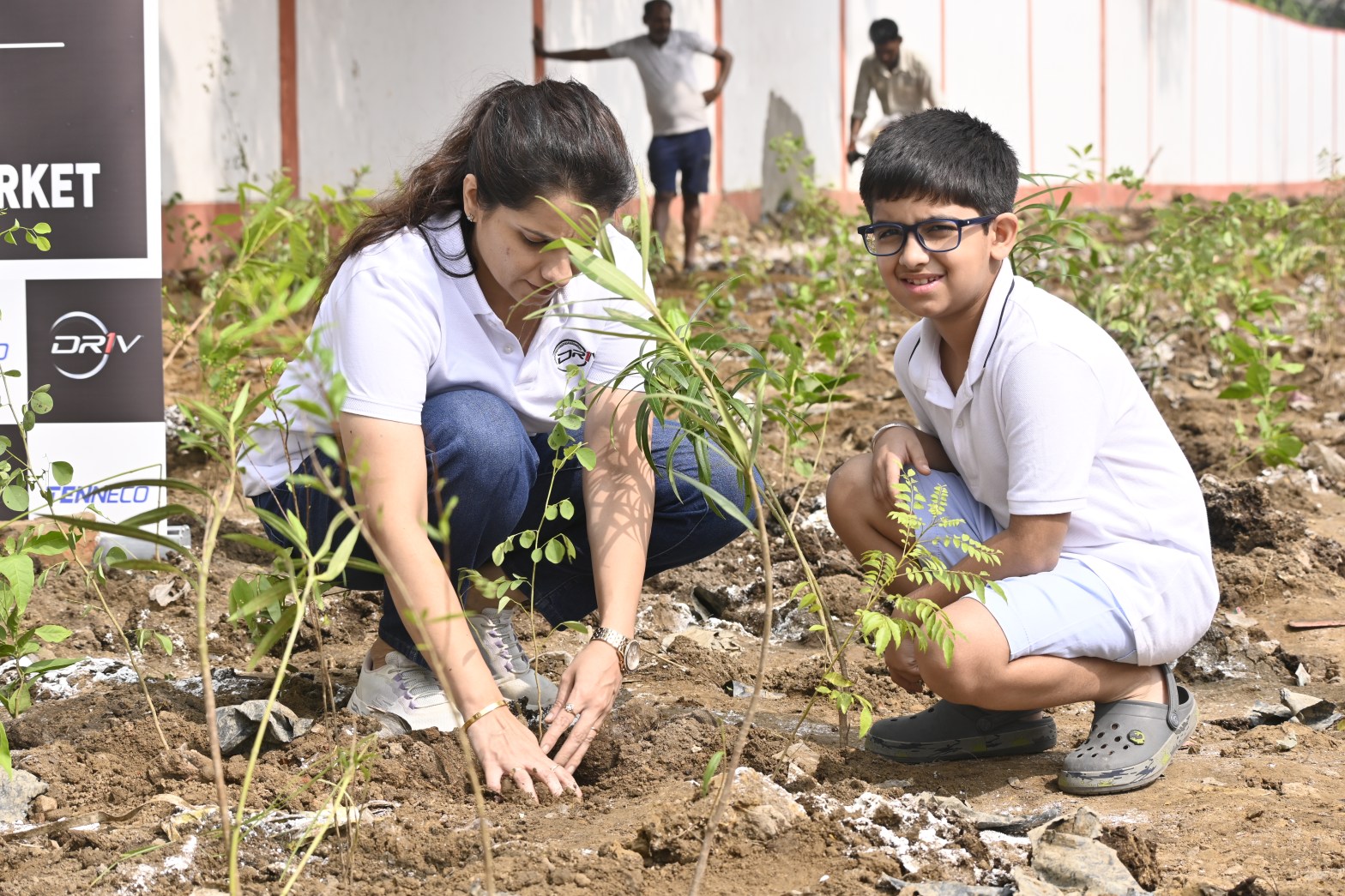
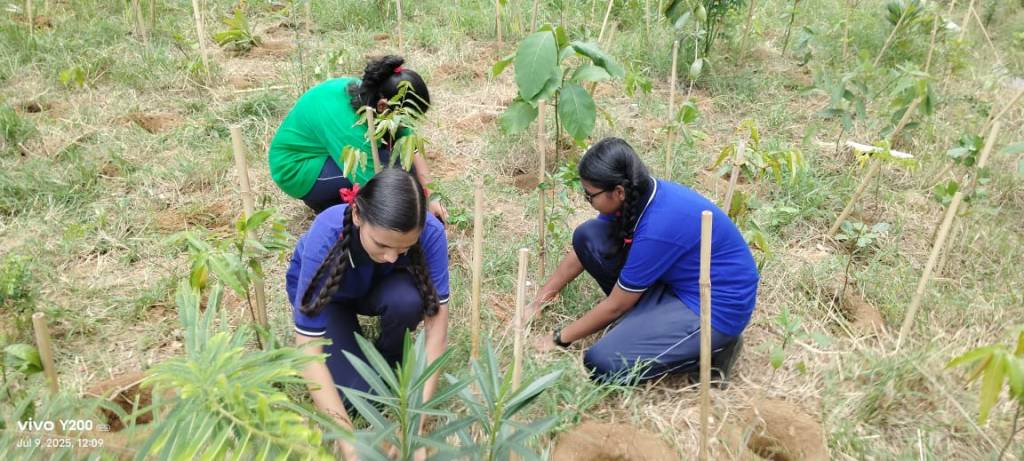
With sleeves rolled up and smiles on their faces, the students — guided by teachers, ONGC Videsh representatives, and Rise Foundation volunteers — planted native tree species chosen for the local climate and ecology. The goal wasn’t just to green the space, but to build resilient micro-ecosystems that will thrive for years to come.
This plantation initiative is part of Rise Foundation’s broader commitment to promoting biodiversity and increasing Delhi’s green cover using sustainable models like Miyawaki Afforestation.
🌎 Why It Matters
In an urban setting like New Delhi, where green spaces are fast disappearing, such efforts hold immense importance. Engaging students early in environmental action not only improves ecological outcomes but also nurtures a generation of environmentally conscious citizens.
The success of this event shows what’s possible when community, corporations, and youth come together — rooted in a shared vision for a greener, healthier tomorrow.
Let’s continue to plant. Let’s continue to rise. #PlantWithPurpose #RiseFoundation #KendriyaVidyalaya #ONGCVidesh #TreePlantation #EcoEducation #UrbanForests #YouthForClimate #GreenDelhi #EnvironmentalAwareness #MiyawakiForest
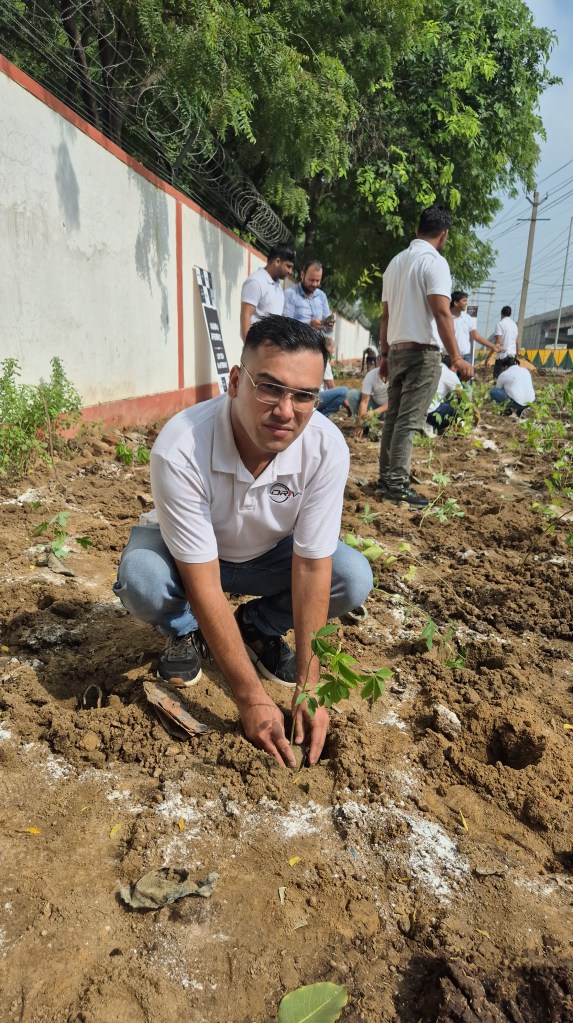
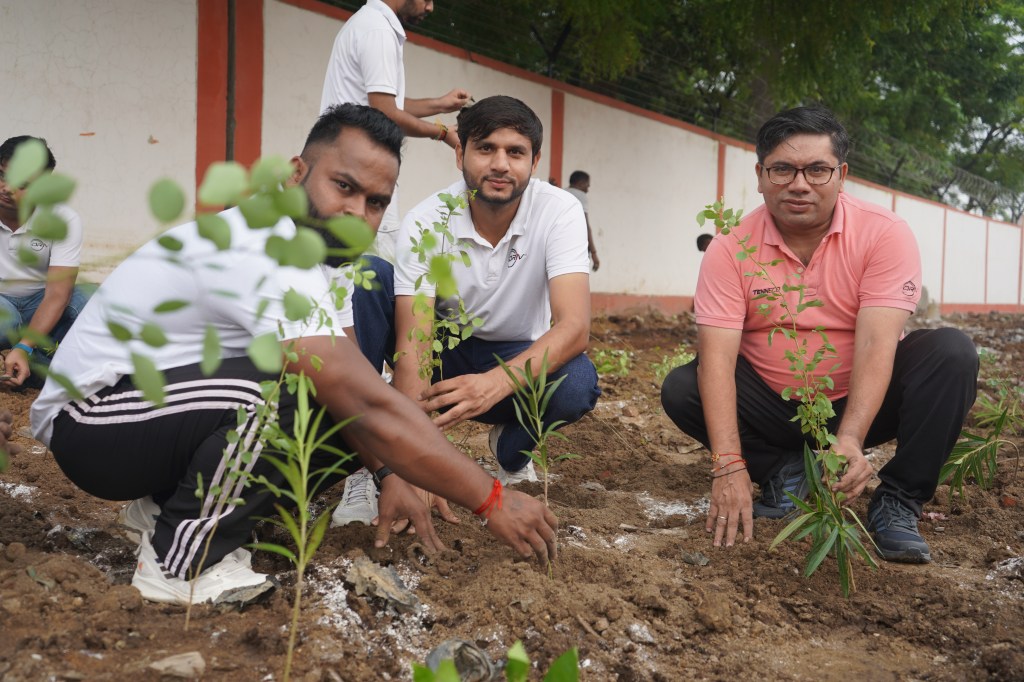
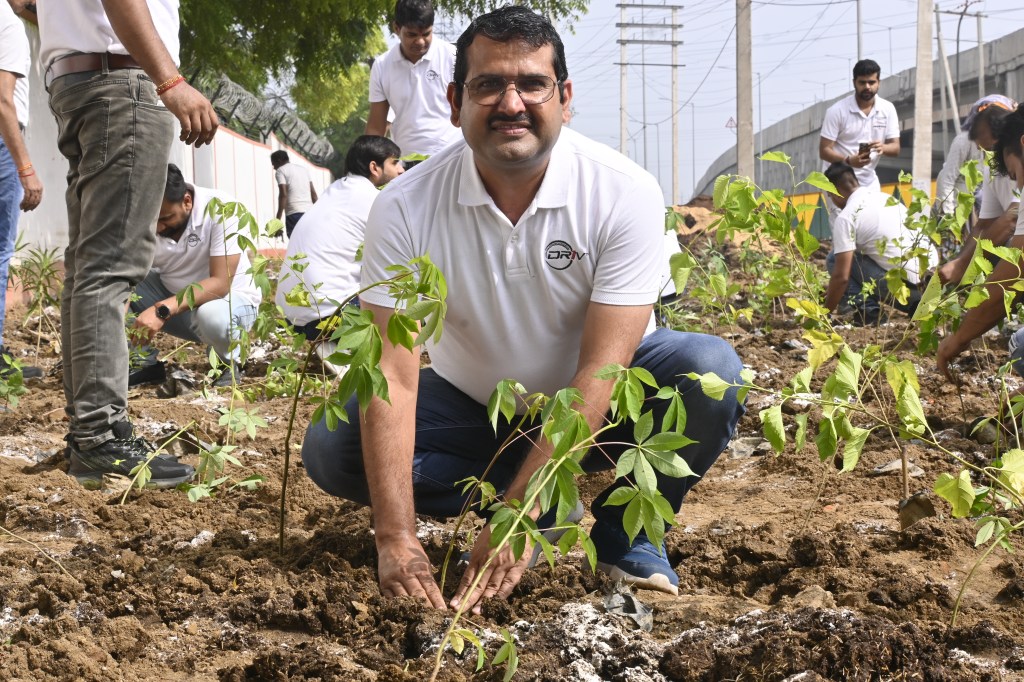
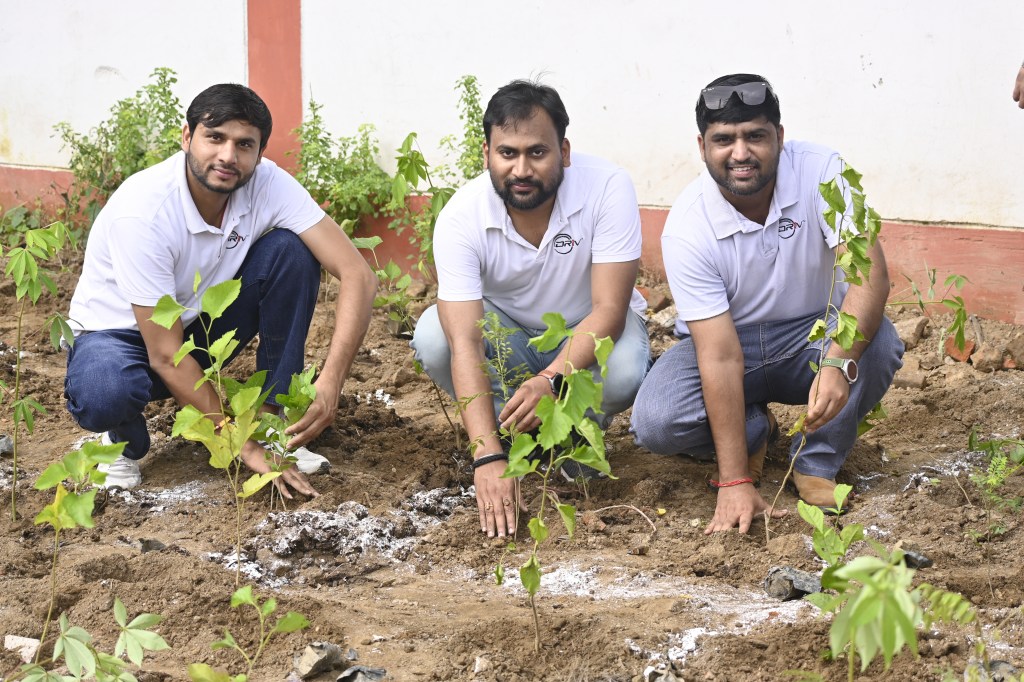
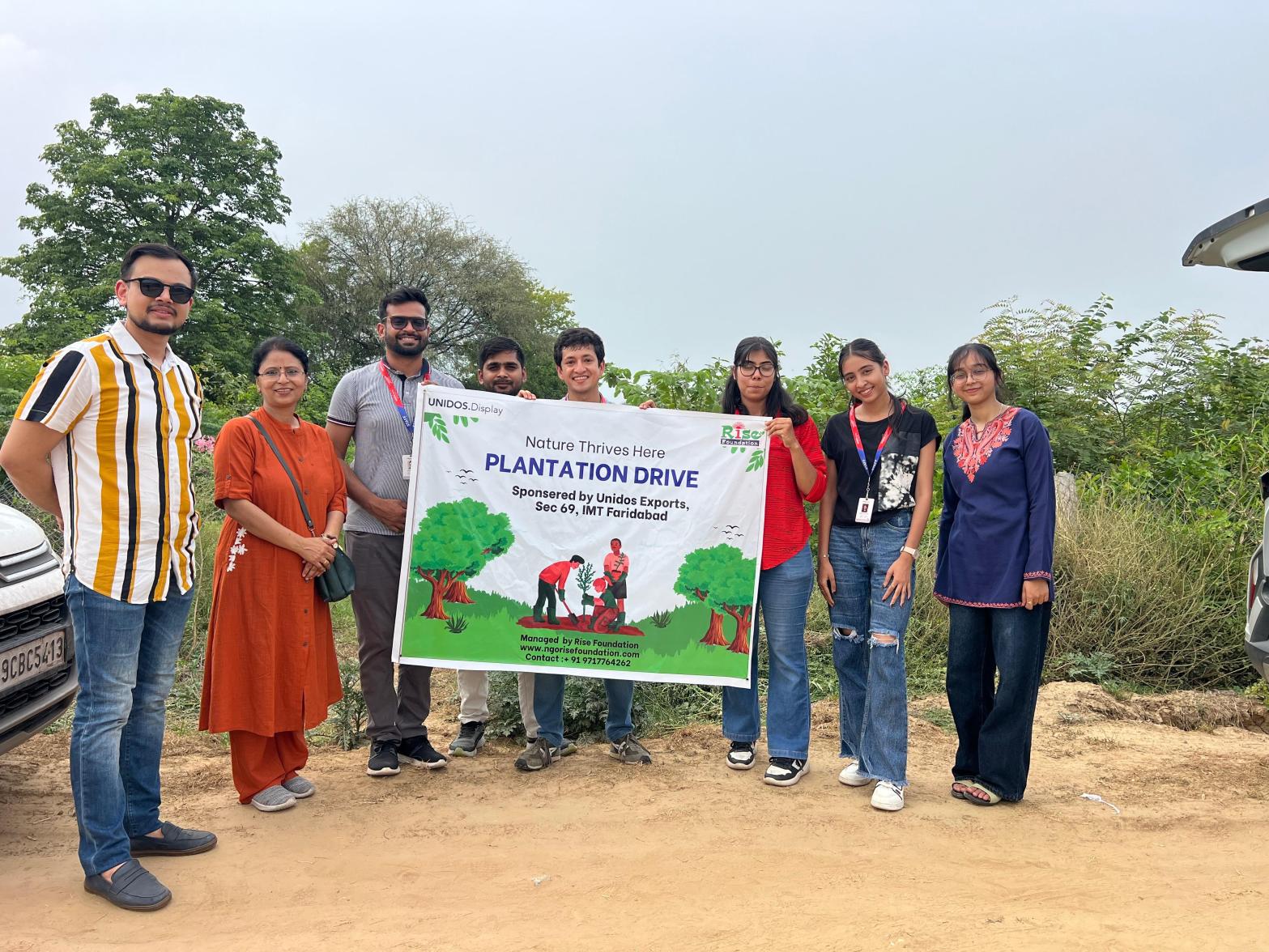
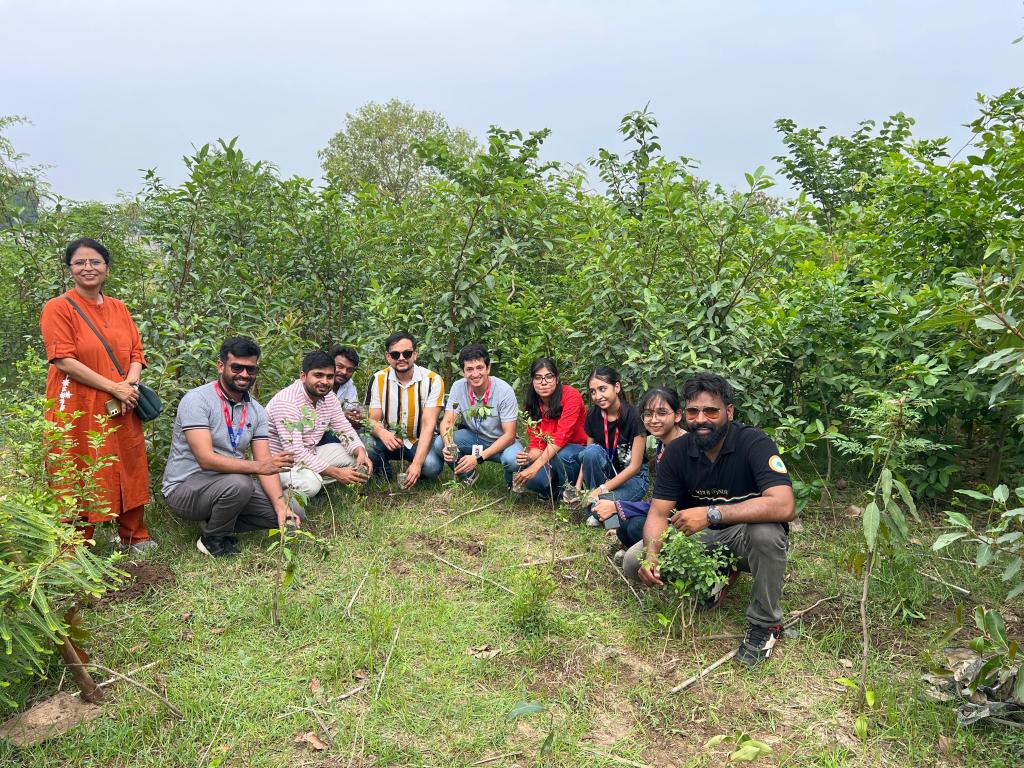
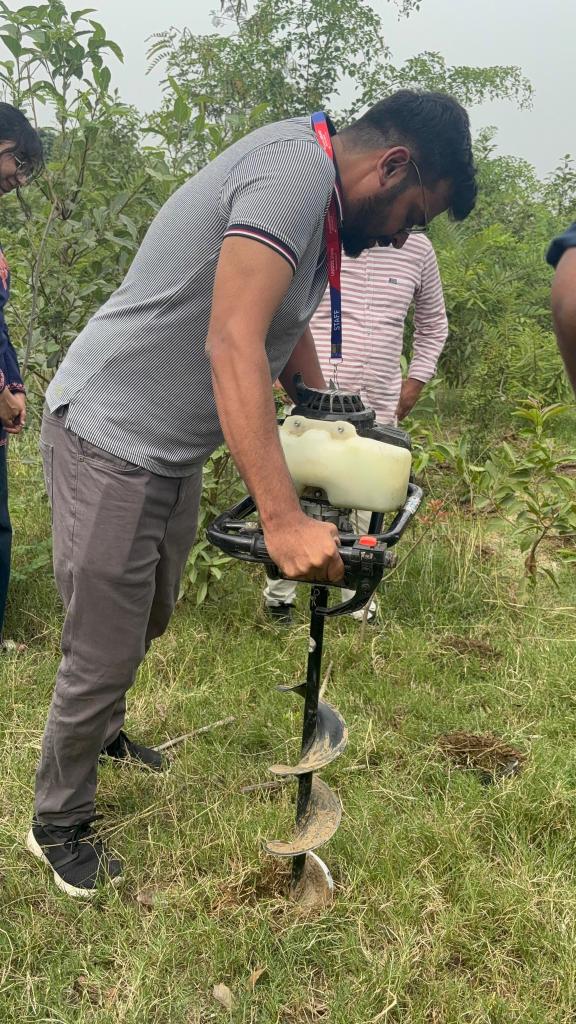
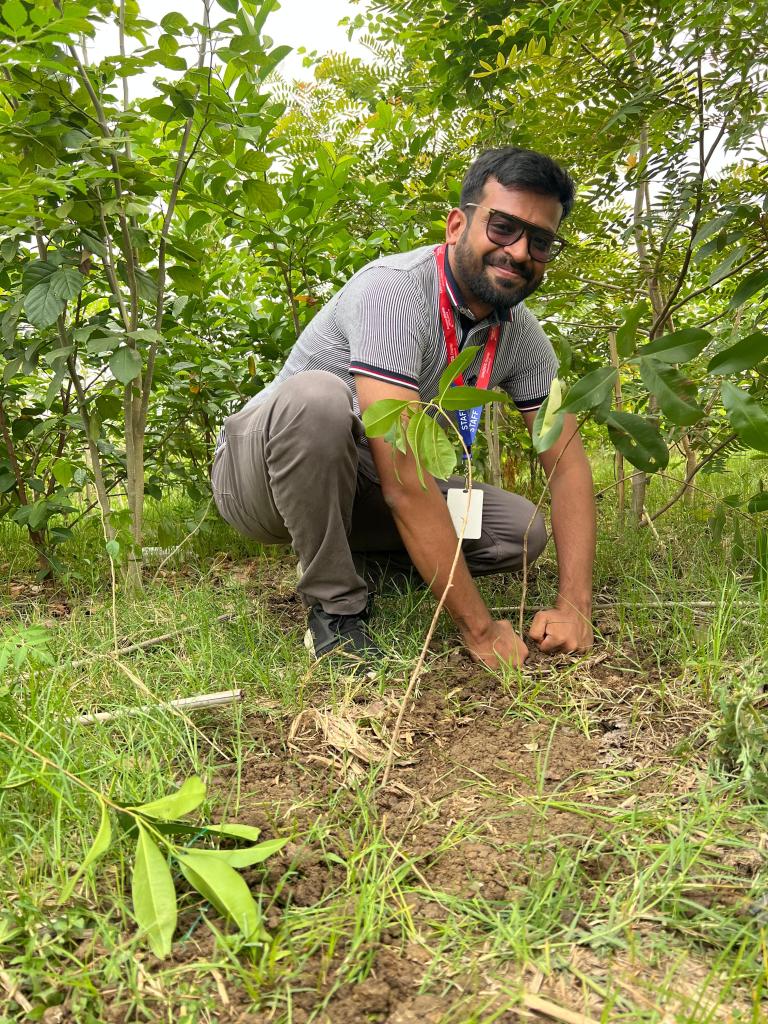
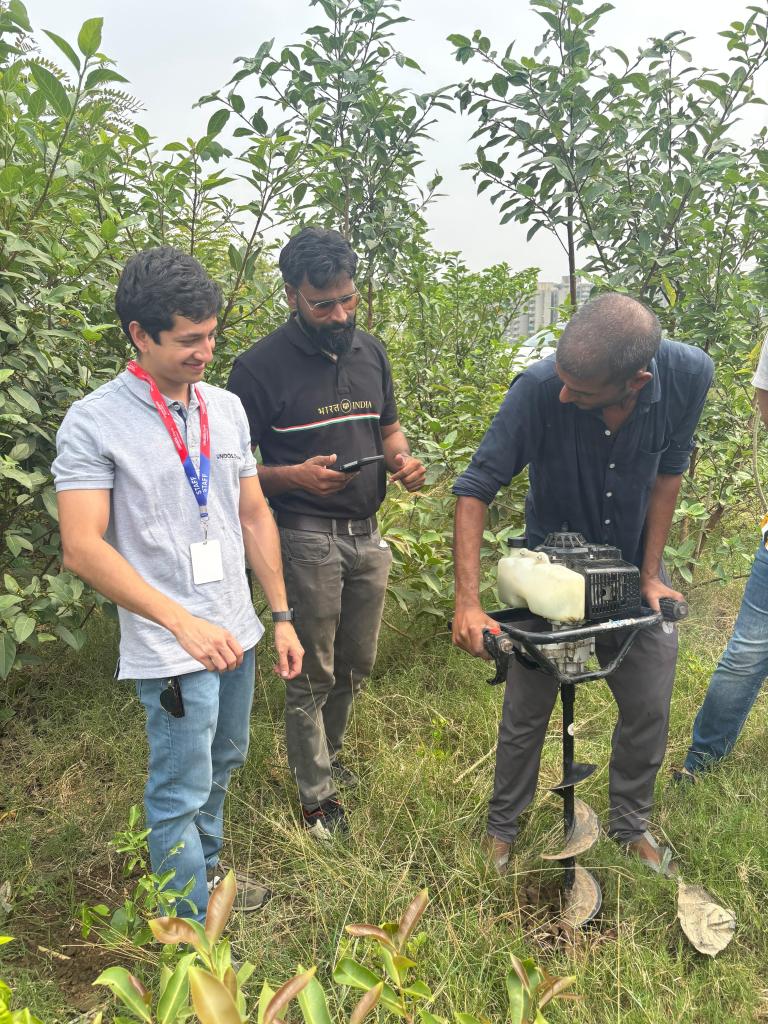
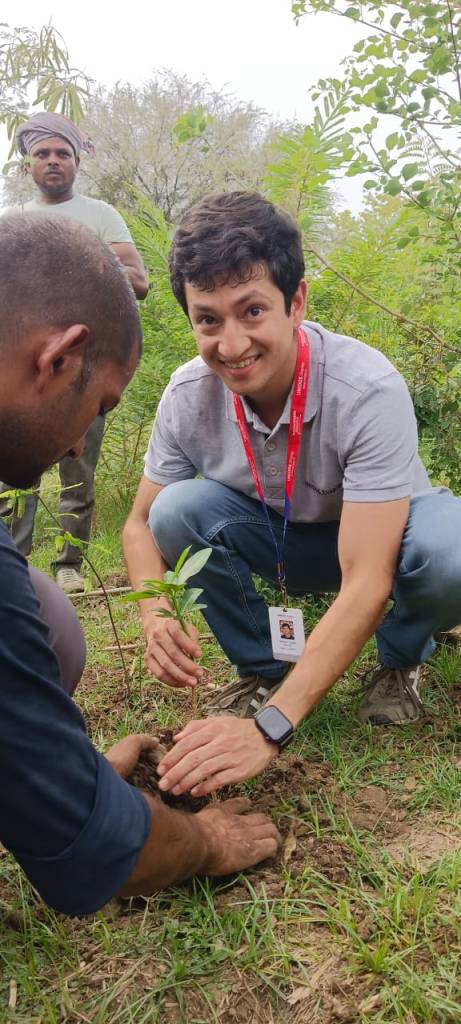
As part of its commitment to sustainability and community well-being, Unidos Exports undertook a meaningful CSR initiative in partnership with Rise Foundation, focusing on native tree plantation in Sector 81, Faridabad on 12th May 2025.
Led by Mr. Soham Gujral, Partner at Unidos Exports, the plantation drive saw enthusiastic participation from Unidos Exports’ team members including Mr. Alton D’Souza Asst. Manager HR and a group of dedicated employees. Representing Rise Foundation were Ms. Madhuri Varshney, Secretary of the organization, and Mr. Deepak Bhardwaj, both known for their active roles in driving environmental change at the grassroots level.
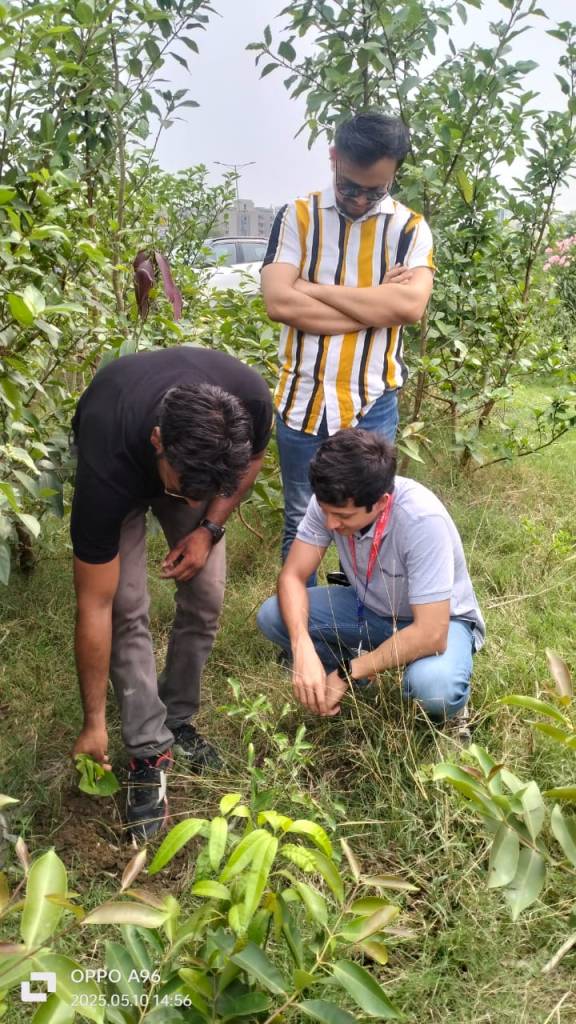
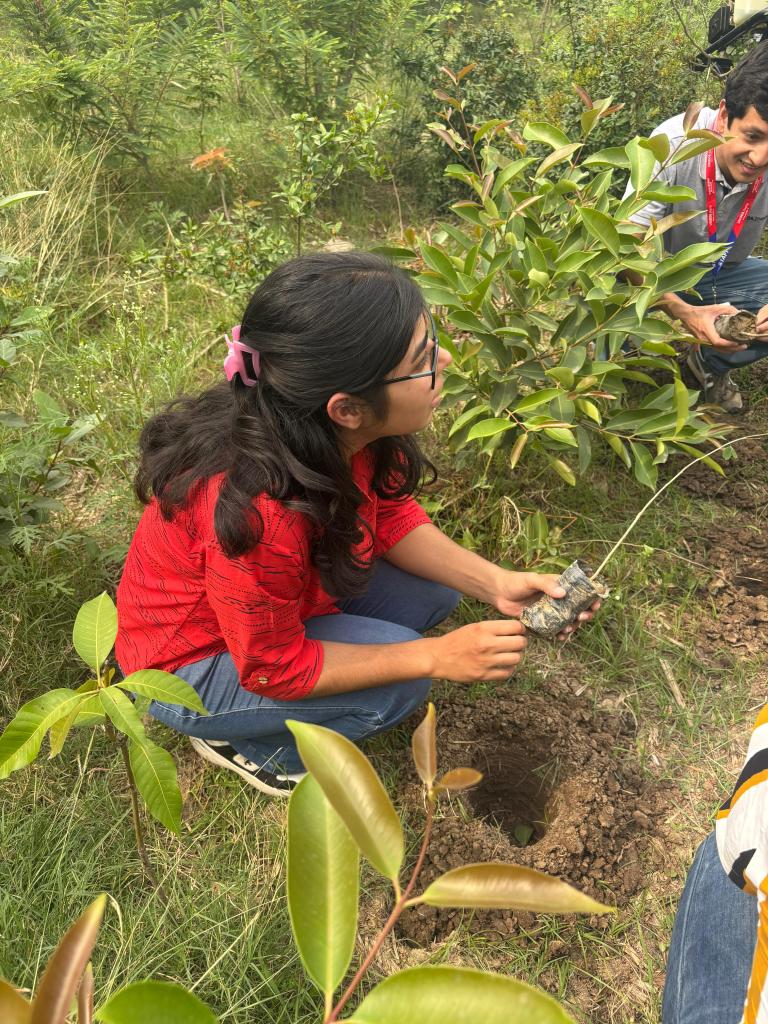
Together, the teams came together to plant native tree species like Sagwan ,Balepatra ,Satparni,Semal,Sehtut,Gulab,Kadam, Tecoma, Kadhi patta, Nimbu , Amrood, Sesham, Amla,Kachnar etc that are not only climate-resilient but also vital for restoring the ecological balance of the region. The initiative aimed to combat urban heat, enhance biodiversity, and contribute to long-term carbon sequestration.
“Planting trees is not just an act of giving back to nature, but an investment in our collective future. We’re proud to collaborate with Rise Foundation and play a small part in creating a sustainable legacy,” said Mr. Soham Gujral.
Rise Foundation, known for its Miyawaki forest projects and urban greening efforts, guided the plantation with expert knowledge on native species selection and long-term maintenance plans.
“We believe that every corporate has the power to influence environmental transformation. This joint effort is a step in the right direction,” shared Ms. Madhuri Varshney.
The event concluded with a collective pledge from all participants to care for the saplings and continue supporting green initiatives across the region. Unidos Exports also expressed interest in exploring further collaborations with Rise Foundation to expand their CSR impact in the coming months.
🌿 Why Native Trees Matter:
They require less water and maintenance
Support local biodiversity (birds, bees, and insects)
Are better adapted to local climatic conditions
Play a role in urban cooling and improving air quality
This initiative stands as a shining example of corporate responsibility, community involvement, and ecological restoration working hand in hand.
Together, we grow. 🌳
For Corporate Volunteering, Feel free to contact Rise Foundation via email : mail2risefoundation@gmail.com or Whatsapp at +91 9717764262
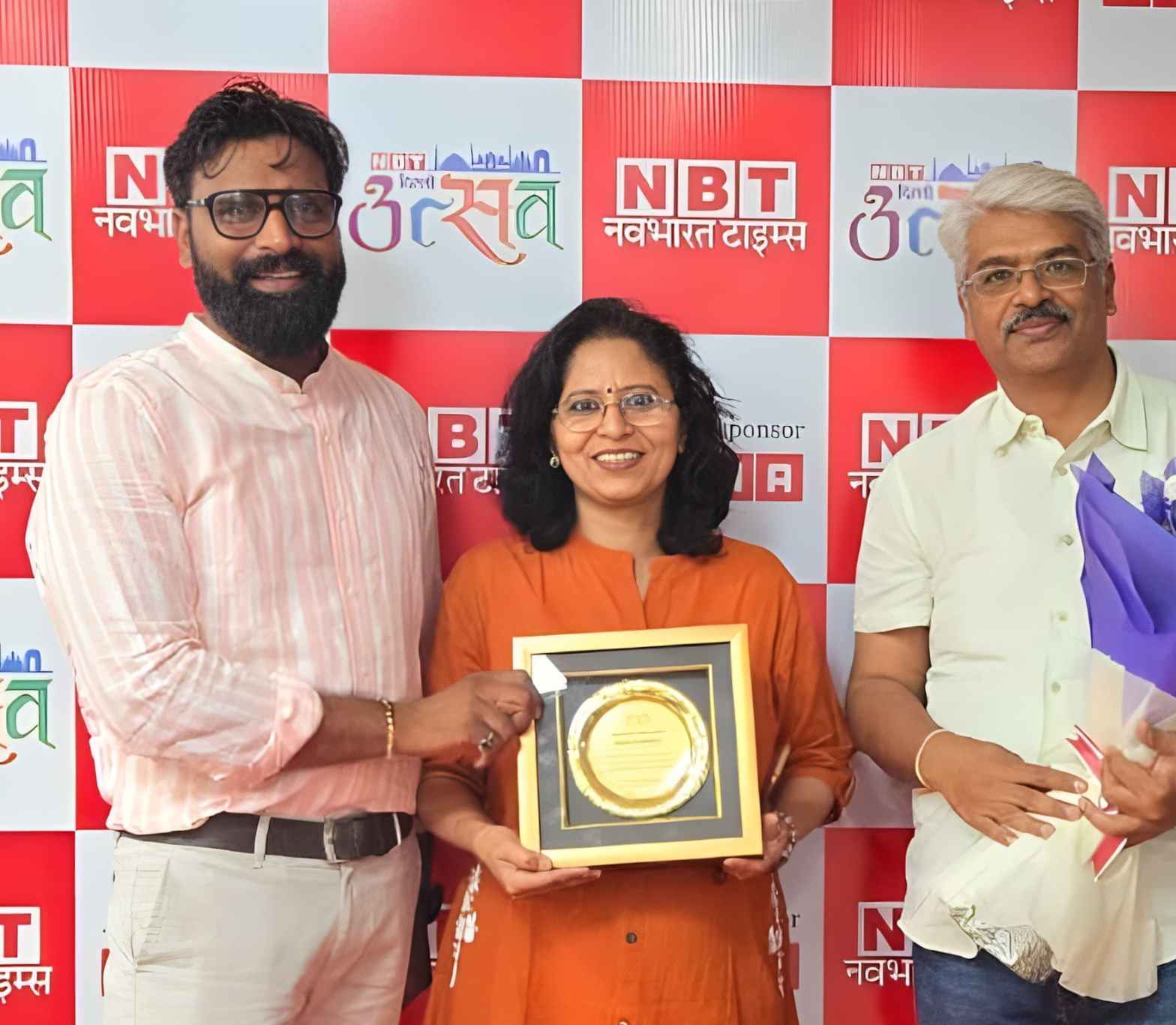
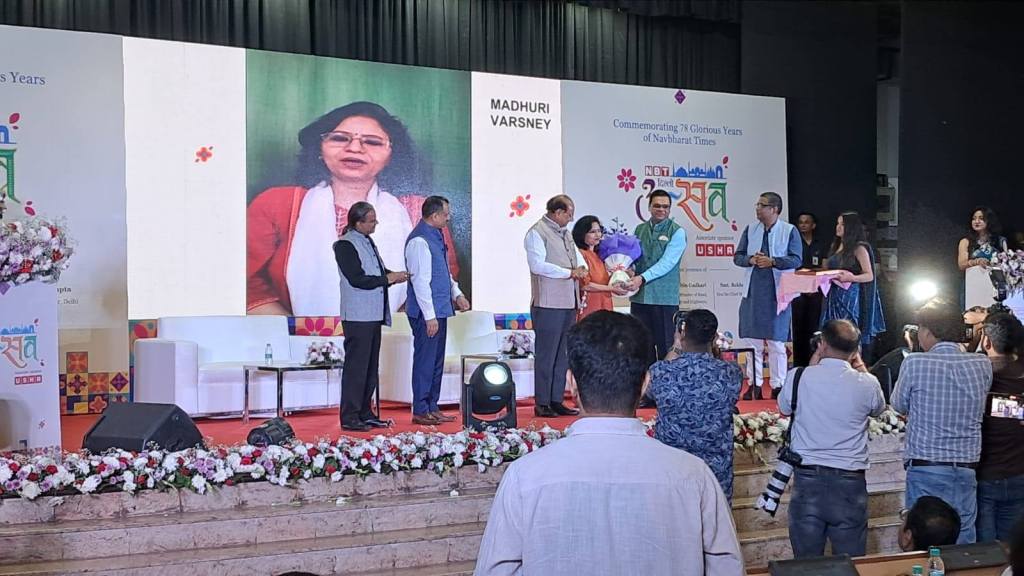
We are deeply honoured to share that Rise Foundation NGO has been recognized for its outstanding work in the areas of environment protection, urban foresting, Miyawaki afforestation, and waste management on 21st April 2025.
The award was graciously presented by Hon’ble Lieutenant Governor of Delhi, Shri Vinay Kumar Saxena, to Ms. Madhuri Varshney, Secretary of Rise Foundation, at a special felicitation ceremony organized by NBT Dilli.
This recognition is a reflection of the tireless efforts of our entire team and partners who have dedicated themselves to the vision of a greener, more sustainable urban future.
🌱 Heartfelt congratulations to: Madhuri Varshney, Madhukkar Varshney, Deepak Bhardwaj, Munish Kundra, Inderjeet Singh, Tushar, Gagan, Akhil, Deepanshu, and all our incredible project associates, volunteers, and friends.
This award is not just a moment of celebration, but a reaffirmation of our collective resolve to transform urban landscapes and communities through nature-based solutions.
Thank you to everyone who has been a part of this journey. Let’s continue to plant hope, grow forests, and build a legacy of green for generations to come. 💐💐❤️
As North India grapples with extreme heatwaves, the residents of Delhi NCR are desperately heading to the hills for a breath of relief. But the very act of fleeing is silently making the problem worse.
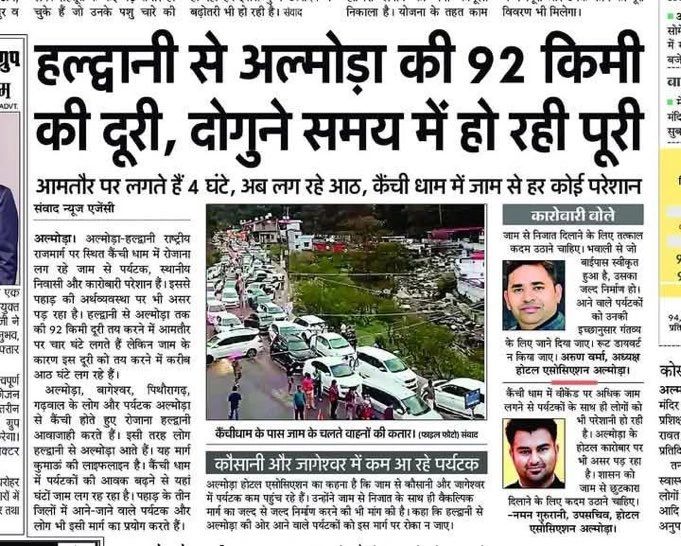
The recent news from Almora and Haldwani paints a worrying picture — a 92 km stretch now takes 8 hours, double the usual travel time, due to massive traffic jams near popular destinations like Kainchi Dham. The region is choked with cars, carbon emissions, and frustration.
But this isn’t just about a long road trip or delayed vacation.
🚗 The Ripple Effect of the Heatwave Exodus
Every car stuck in these mountain jams is burning fuel, releasing heat, and straining fragile ecosystems that were never designed to host this sudden migration.
🌫️ Air pollution from vehicles worsens mountain air.
🌲 Pressure on local resources in ecologically sensitive zones.
🔥 Further rise in temperature from heat trapped by metal, glass, and asphalt.
This pattern of environmental reaction and counter-reaction is a ticking time bomb.
🌱 The Real Escape Plan: Plant More Trees
Instead of running away from the heat, we need to cool our cities—and the most natural, affordable, and effective way is through urban green spaces and dense tree plantations.
Trees are:
Natural air conditioners 🌳
Pollution filters 🌬️
Groundwater restorers 💧
Mental health boosters 🧠
🌳 “Make it or Break it” – This Is Our Climate Turning Point
The current heatwave and traffic crisis is a symptom of our deeper environmental imbalance. And we have two choices:
Continue escaping, congesting hill stations, and warming them too.
Or invest in our home ground — by planting trees, preserving green belts, and making cities livable again.
✅ What You Can Do:
Join local plantation drives like the Millions of Trees plantation thru Miyawaki Afforestation by Say Greens initiative .
Protect existing parks and roadside greens from encroachment.
Reduce personal carbon footprints—less driving, more public transport.
Raise awareness in schools, societies, and workplaces.
🌍 Climate Change Starts at Home
If we don’t cool our own cities, we’ll eventually have nowhere to run. Let’s choose trees over traffic. Let’s make our city the destination people escape to, not from.
📸 Image Source: Recent newspaper coverage on traffic jams from Haldwani to Almora
A Torchbearer of Change, A True Inspiration for Society
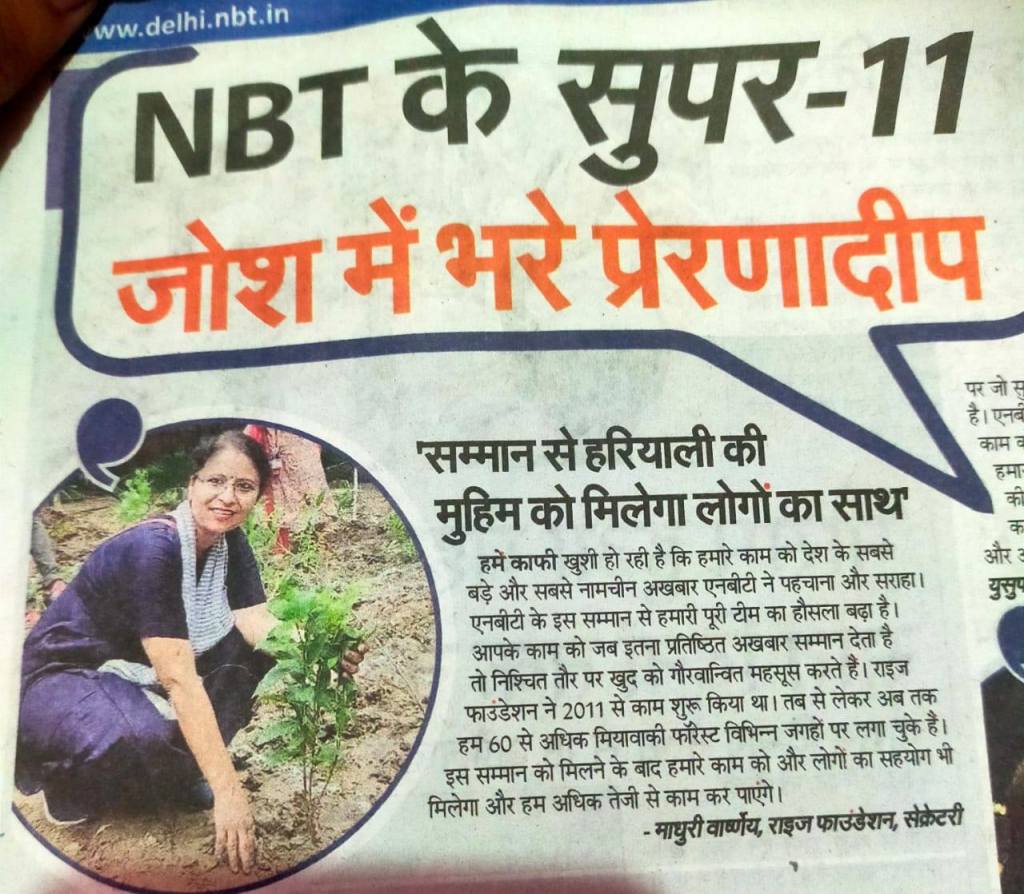
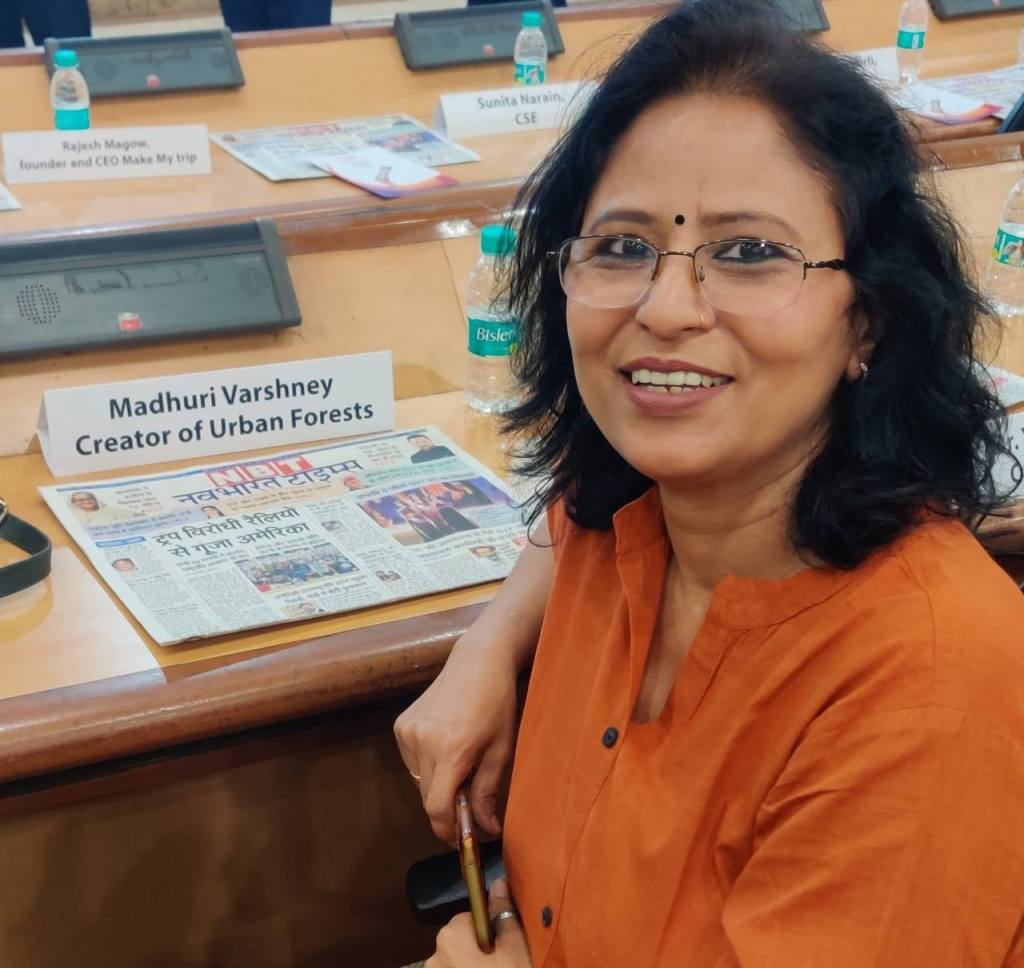
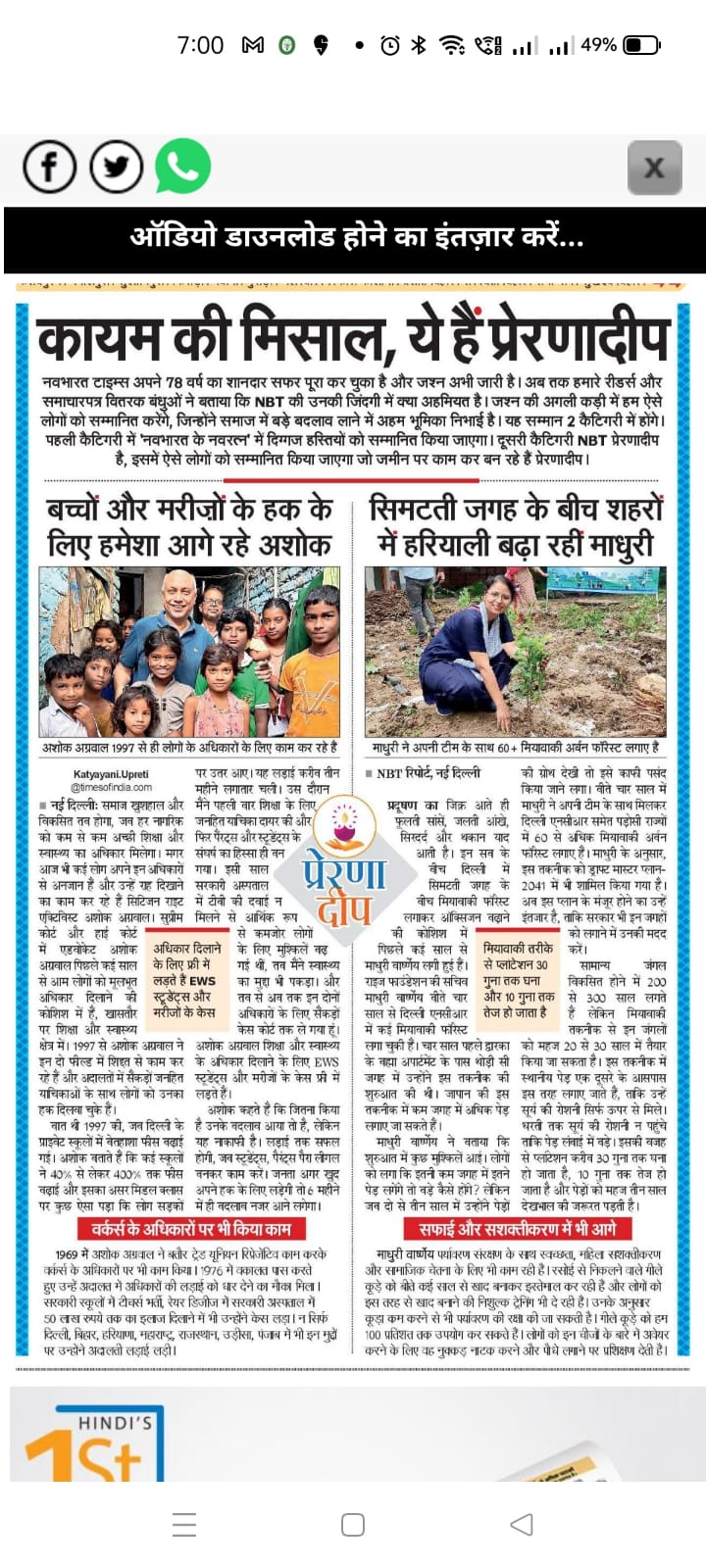
We are proud to share that Madhuri Varshney, the heart and soul of Rise Foundation, has been honored with the ‘Prerna Deep’ Award by Navbharat Times — a prestigious recognition given to individuals who inspire positive change and selfless service in society.
With a legacy of empowering communities, especially women and youth, Madhuri ji’s dedication spans decades of grassroots mobilization, environmental action, and community empowerment. Her unwavering commitment to improving lives has not only shaped the direction of Rise Foundation but also touched thousands of families across Delhi-NCR and beyond.
🔹 A Lifelong Mission of Impact
From mobilizing communities for green drives under the Million Miyawaki movement, to sensitizing school children on waste segregation and leading initiatives on air pollution awareness, Madhuri Varshney embodies the spirit of Seva, Sankalp, and Samarpan.
Her leadership is not about being at the forefront alone — it is about igniting purpose in others, especially among young girls, volunteers, and changemakers who now proudly walk the path she illuminated.
🔹 Recognized for her Role in Building a Better Tomorrow
The Prerna Deep Award by NBT is not just a personal honor, but a celebration of citizen-led change. It affirms the power of compassion, consistent action, and the belief that one woman’s determination can lead to large-scale transformation.
💬 In Her Words:
“This recognition belongs to every community member, volunteer, and partner who walks this path with us. I am just a medium.” – Madhuri Varshney
🙏 Congratulations from the Entire Rise Foundation Family!
We extend our heartfelt congratulations to Madhuri ji — your journey continues to inspire, enlighten, and uplift all those around you. You are truly a ‘Prerna Deep’ — a guiding light of change.
 Rise Foundation (NGO)