Why Seasonal Vegetables Are Best for Health

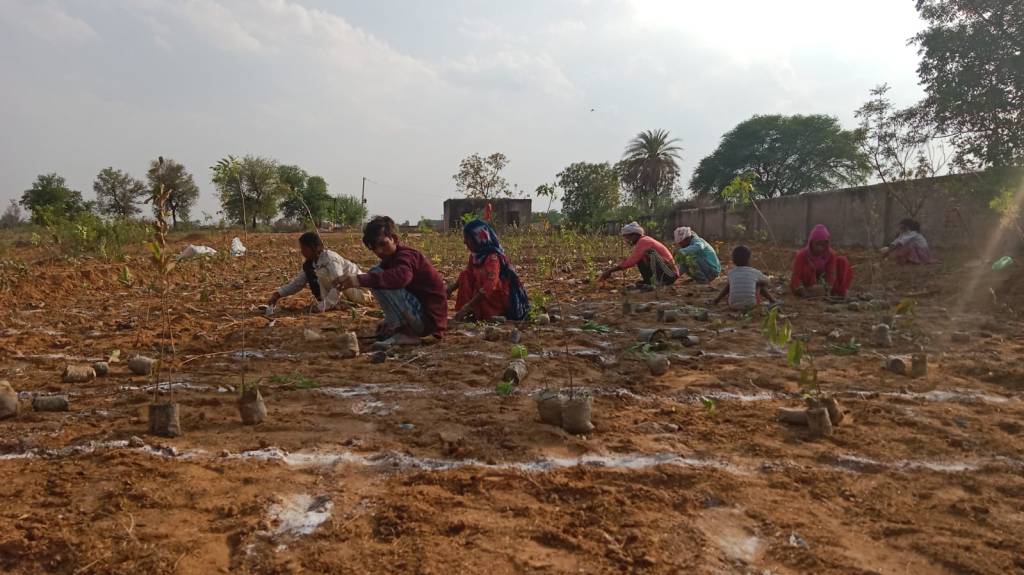
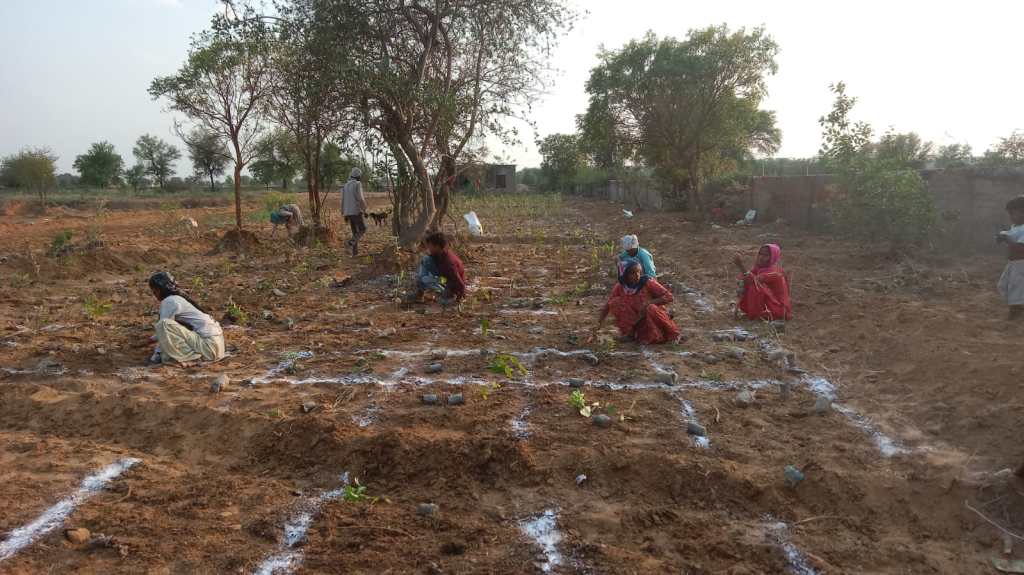
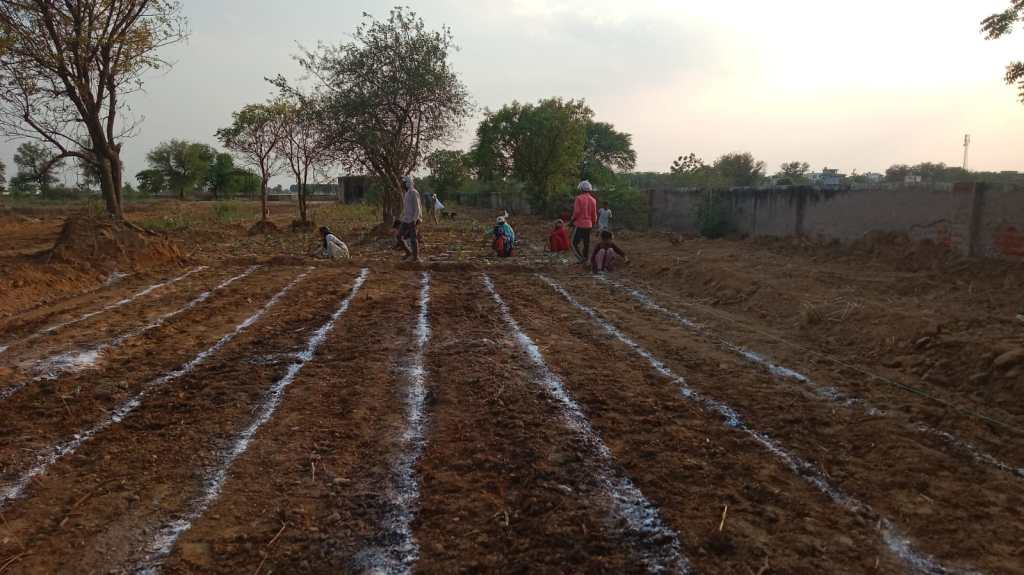
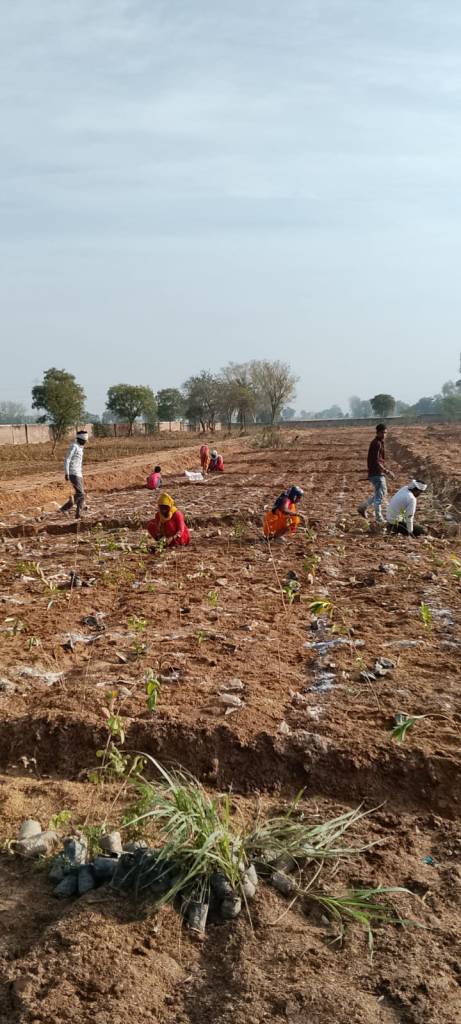
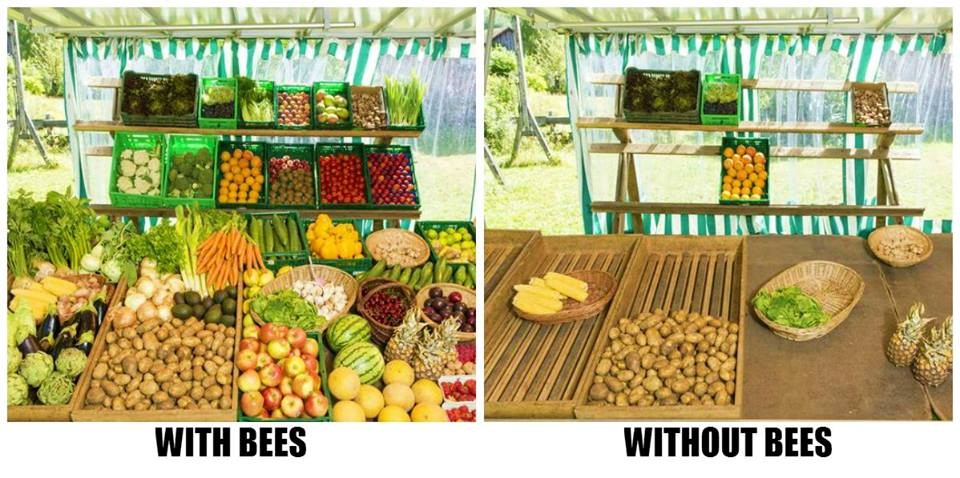
In today’s world of year-round availability, we often forget a simple truth: our bodies are designed to eat what grows naturally in a season.

1️⃣ Higher Nutritional Value

Seasonal vegetables are harvested at the right time, when nutrient levels—vitamins, minerals, antioxidants—are at their peak. Off-season produce often loses nutrition due to long storage and transport.

2️⃣ Better Digestion & Immunity

Nature provides what the body needs in each season:

  • Summer vegetables cool the body
  • Winter vegetables build warmth and immunity

This natural balance supports digestion and overall health.

3️⃣ Fewer Chemicals

Off-season vegetables often require:

  • Artificial ripening
  • More pesticides
  • Cold storage

Seasonal vegetables usually need fewer chemical inputs, making them safer.

4️⃣ Better for Soil & Climate

Seasonal farming respects soil cycles, uses less energy, and reduces carbon emissions from storage and transport.

5️⃣ Affordable & Local

When supply is natural and local, prices drop—and farmers benefit.

✅ Final Thought

Seasonal vegetables nourish not just our bodies, but our soil, farmers, and climate.

Disaster for India’s National Capital Region

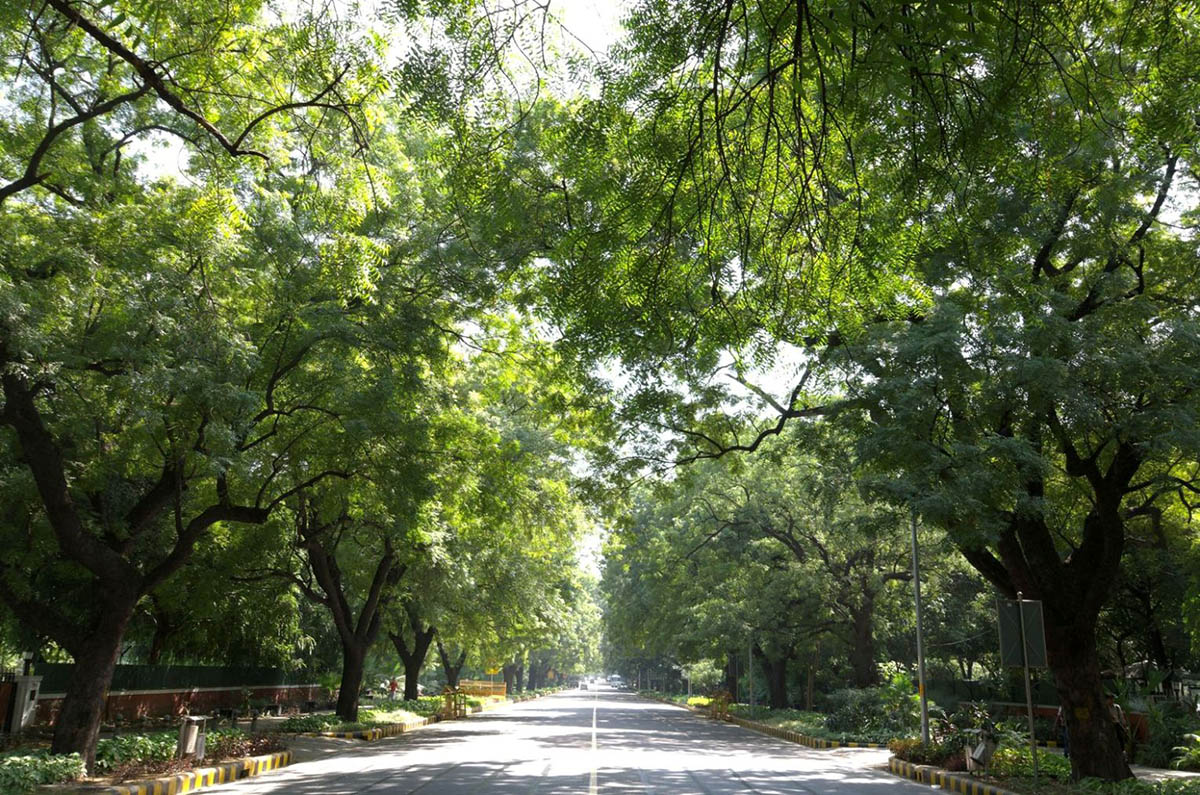
Millions of people in Delhi–NCR may soon be left without their natural shield against dust, heat and pollution. A new rule introducing a 100-metre height cut-off has put almost 90% of the Aravalli hills at risk, simply because most of these ridges are naturally low in height.

But these so-called “low” Aravallis are the ones that quietly perform the toughest jobs — blocking desert winds, trapping dust and PM2.5, cooling the region, and recharging groundwater for an already water-stressed NCR.

If these protective ridges are opened up for mining and construction, the consequences will be immediate and severe. Dust storms, toxic particulate matter and sand from the west will enter the NCR unhindered, pushing the region deeper into its ongoing air-quality emergency.

Source : @indianexpress Nov 27, 2025

Aravalli #SaveAravalli #AravalliHills #DelhiNCR #NCRPollution #AirPollutionCrisis #DustPollution #PM25 #CleanAirRight #EnvironmentalJustice #EcoProtection #UrbanEcology #ClimateActionNow #ProtectOurHills #GreenShield #StopMining #SustainableCities #EnvironmentalAwareness #NatureBasedSolutions #GreenInfrastructure #DelhiAirCrisis #AirQualityMatters #SaveOurEnvironment #StopDeforestation #WaterRecharge #ClimateEmergency

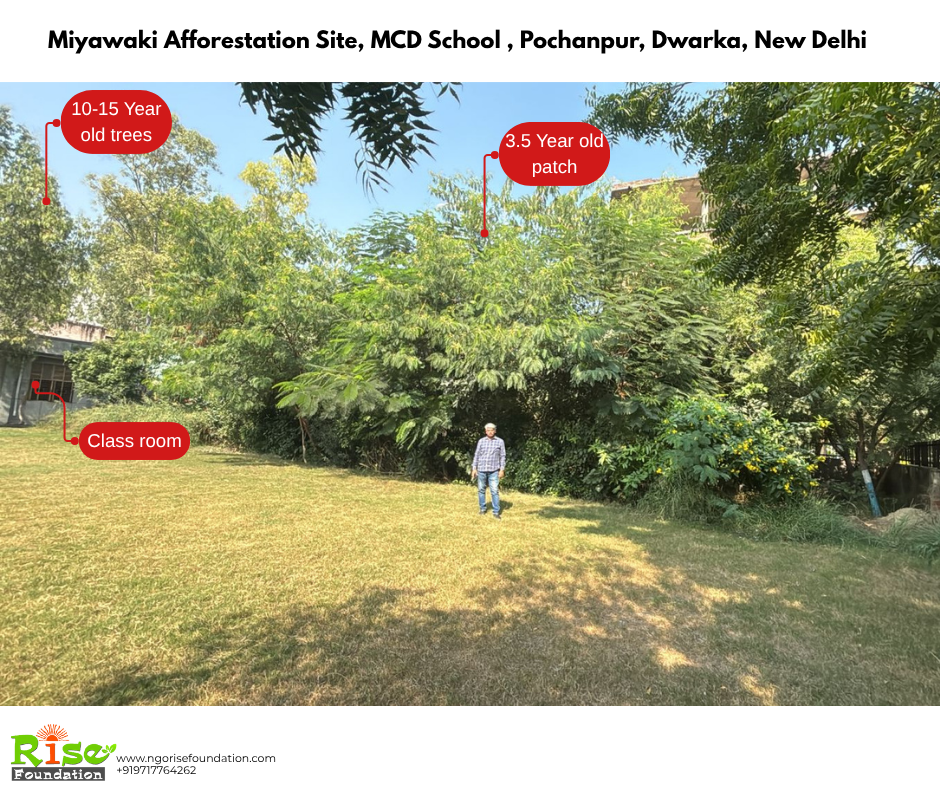
Greening Pochanpur: Small Green Patches, Big Urban Impact

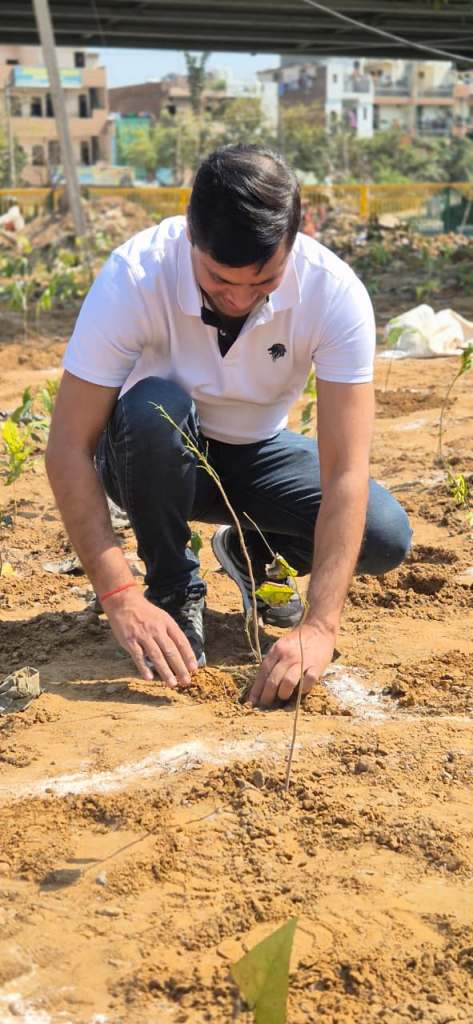
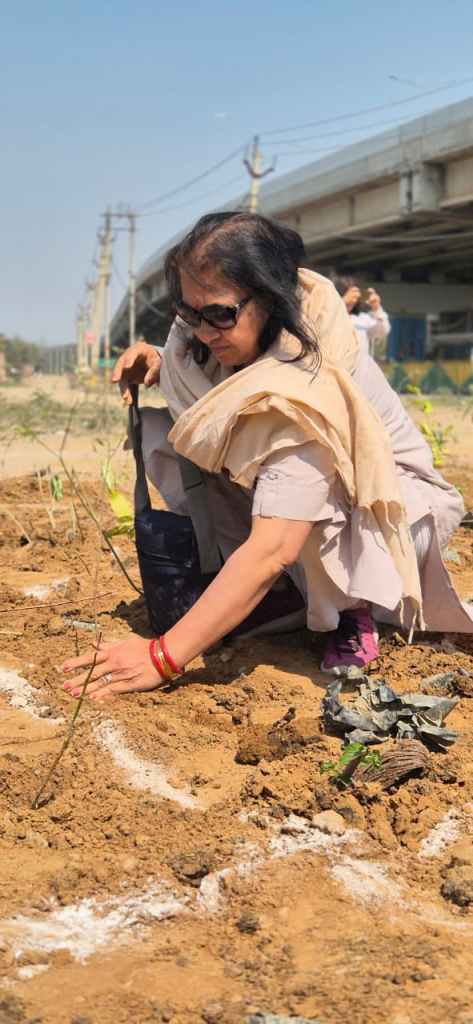
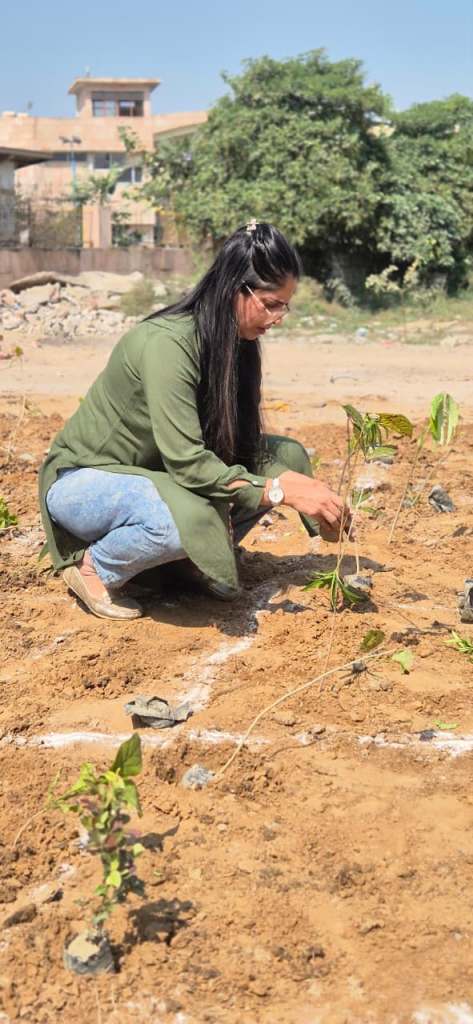
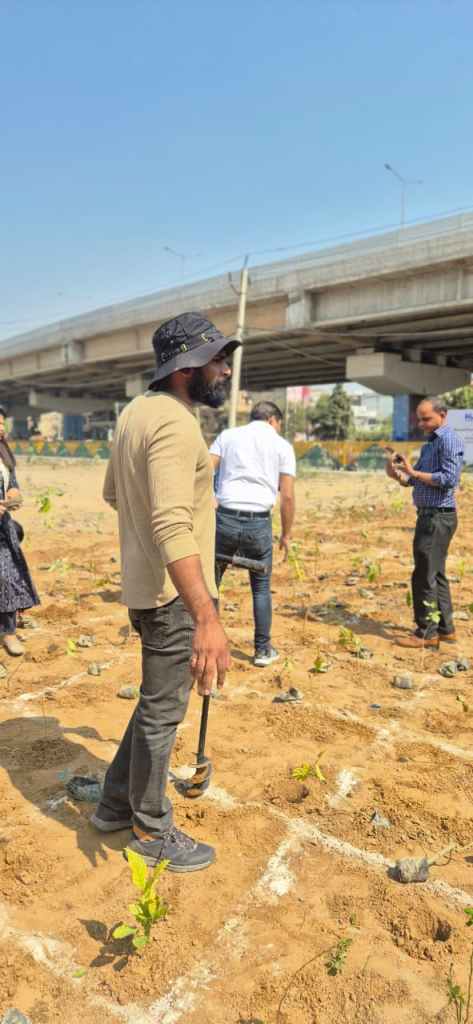
Pochanpur in Southwest Delhi is expanding rapidly — and with it come rising pollution levels, heat stress, and a growing disconnect from nature. In this scenario, even small green patches make a powerful difference.

🌿 1. Better Air Quality (AQI)

Micro-forests and green pockets help reduce particulate pollution.

  • Trap dust and PM2.5
  • Improve local oxygen levels
  • Enhance AQI by 20–30% in the immediate zone

☀️ 2. Reduced Urban Heat Island Effect

Dense greenery cools the neighborhood naturally.

  • Lowers surrounding temperatures by 2–4°C
  • Provides shade and reduces heat absorption from concrete

👧👦 3. Student Mental Wellbeing

Green spaces in schools give children calm, focus, and emotional balance.

  • Improved concentration
  • Reduced stress and irritability
  • Healthier breaks with less screen-time

🌱 4. Community Building & Local Biodiversity

Green patches bring people together and revive local ecology.

  • Students, RWAs, and residents join hands
  • Birds, butterflies, and pollinators return
  • A shared sense of ownership emerges

Rise Foundation’s Call to Action

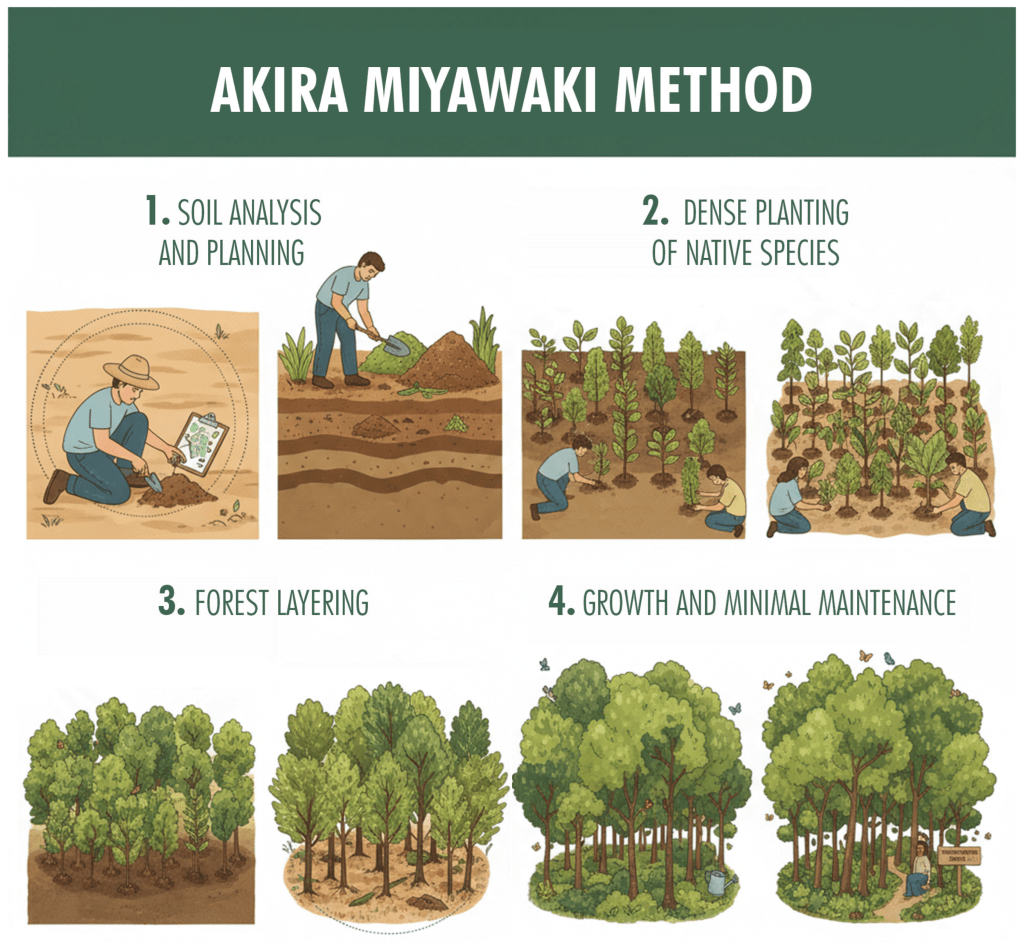
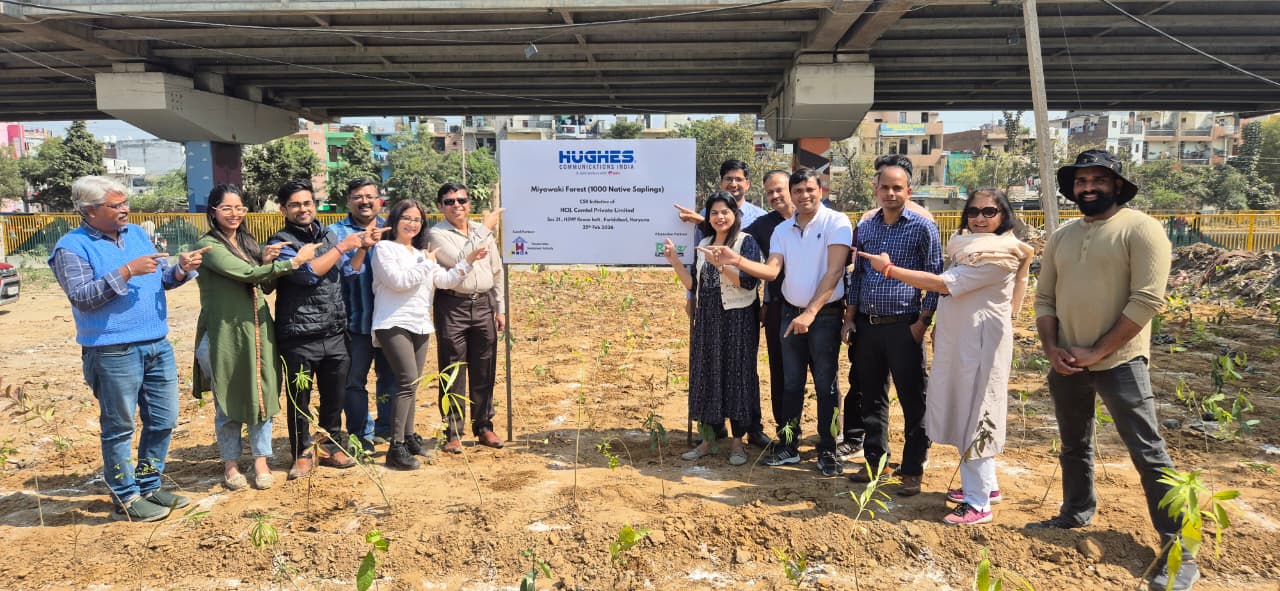
Rise Foundation is creating Miyawaki forests and green patches across Delhi to fight poor AQI, heat islands, and ecological decline.
Connect with us to develop a green patch in your school, institution, colony, or community. Together, we can regenerate Pochanpur and beyond.

Youth Power in Action: How Three GKFTII Students Are Documenting Delhi’s Air Pollution Crisis


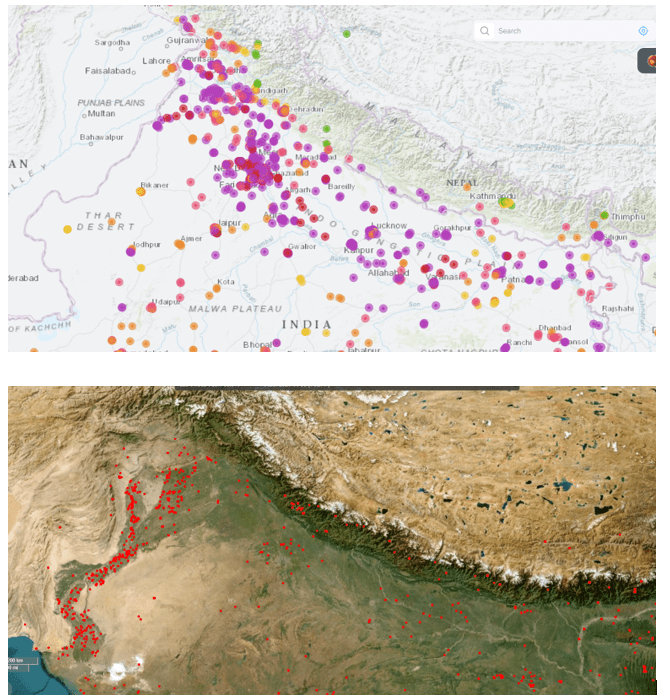
Delhi is among the world’s most pollution-affected cities, where deteriorating air quality has become a daily reality. Rapid urbanization, vehicular emissions, industrial activity, stubble burning, and dust pollution together push the city’s Air Quality Index (AQI) into the “severe” category multiple times each year.

While many people discuss this issue only through complaints or social media rants, three young students from TSeries/ GKFTII — Avantika, Trisha, and Mahima — have taken a bold step forward.

They are shooting a documentary that explores Delhi’s air pollution, its root causes, its impacts on health, and the possible way forward.

This is not just a college project.
It is a powerful expression of their passion, responsibility, and commitment to environmental change.

Delhi’s Air Pollution: Why It Demands Attention

Delhi’s pollution problem is not seasonal anymore — it is a year-round concern.
The city often records AQI levels that are hazardous even for healthy individuals. Prolonged exposure to such polluted air increases the risks of respiratory diseases, asthma, heart problems, weakened immunity, and long-term health complications.

Raising awareness about this crisis is essential — and seeing young creators take on this responsibility gives hope that the next generation will approach the issue with seriousness and innovation.

What Their Documentary Aims to Capture

The documentary by Avantika, Trisha, and Mahima is not limited to highlighting the problem. They are focusing on:

The major causes of Delhi’s air pollution

How different sectors contribute to the crisis

The health and environmental impact

What policies and efforts have made a difference

What innovative and practical solutions can be adopted

How citizens can contribute through mindful behavior


Their approach is solution-oriented, grounded in research, and aimed at inspiring action.

Why This Initiative Deserves Appreciation

Because it shows that change begins with awareness — and awareness begins with courage.
Documenting a major environmental issue like Delhi’s pollution requires fieldwork, research, interviews, data analysis, and creative storytelling.

The dedication shown by these three students reflects the power of youth participation in solving real-world problems. At a time when Delhi needs more voices advocating clean air, their initiative stands out as both timely and impactful.

A Glimpse of Hope: Youth as Change-Makers

Organisations like Rise Foundation are working towards sustainable solutions — whether it is Miyawaki forests, soil conservation, or environmental education in schools.
When passionate young individuals step in with their ideas and energy, the collective impact becomes even stronger.

The work of these GKFTII students is a reminder that youth are not just the future — they are active contributors to the present. With their documentary, they are helping shape a narrative that could influence public perception and inspire action.
From Myths to Science: Nurturing the Spirit of Inquiry for a Sustainable Future

New Delhi, 11 November 2025 — In an inspiring evening that celebrated knowledge, curiosity, and the power of human thought, the book “From Myths to Science: The Evolving Story of the Universe” by Gauhar Raza was launched in the presence of Javed Akhtar and Purushottam Agrawal.

The event brought together three brilliant minds who spoke about how humanity’s journey — from interpreting the cosmos through myths to exploring it through science — reflects our constant urge to understand, adapt, and evolve.

Javed Akhtar shared how myths once helped early civilizations make sense of life’s mysteries, while science continues that same quest with logic and evidence. Purushottam Agrawal emphasized that questioning, reasoning, and dialogue have always been part of India’s cultural DNA. Gauhar Raza highlighted the importance of making science accessible and relatable, especially in an age when misinformation can easily cloud public understanding.

At the end, Javed Akhtar recited his powerful nazm “Waqt”, capturing the essence of time, transformation, and the endurance of human spirit. His words echoed the evening’s theme — that progress begins when we dare to question and continue to learn.

For Rise Foundation, this message resonates deeply. Our efforts in environmental sustainability, soil conservation, and afforestation are rooted in the same scientific temperament — to observe, understand, and act based on evidence and reason.

As we move from myths to science in our collective consciousness, we also move toward a more sustainable and resilient planet — one where knowledge becomes the seed for change. Below are the links for Poetry by Gauhar Raza- Hadon ke Bahar and Javed Akhtar – WAQT.


🌿 Key Reflection

“Science is not against wonder — it helps us understand the wonder more deeply. And in that understanding lies the path to sustainability.”

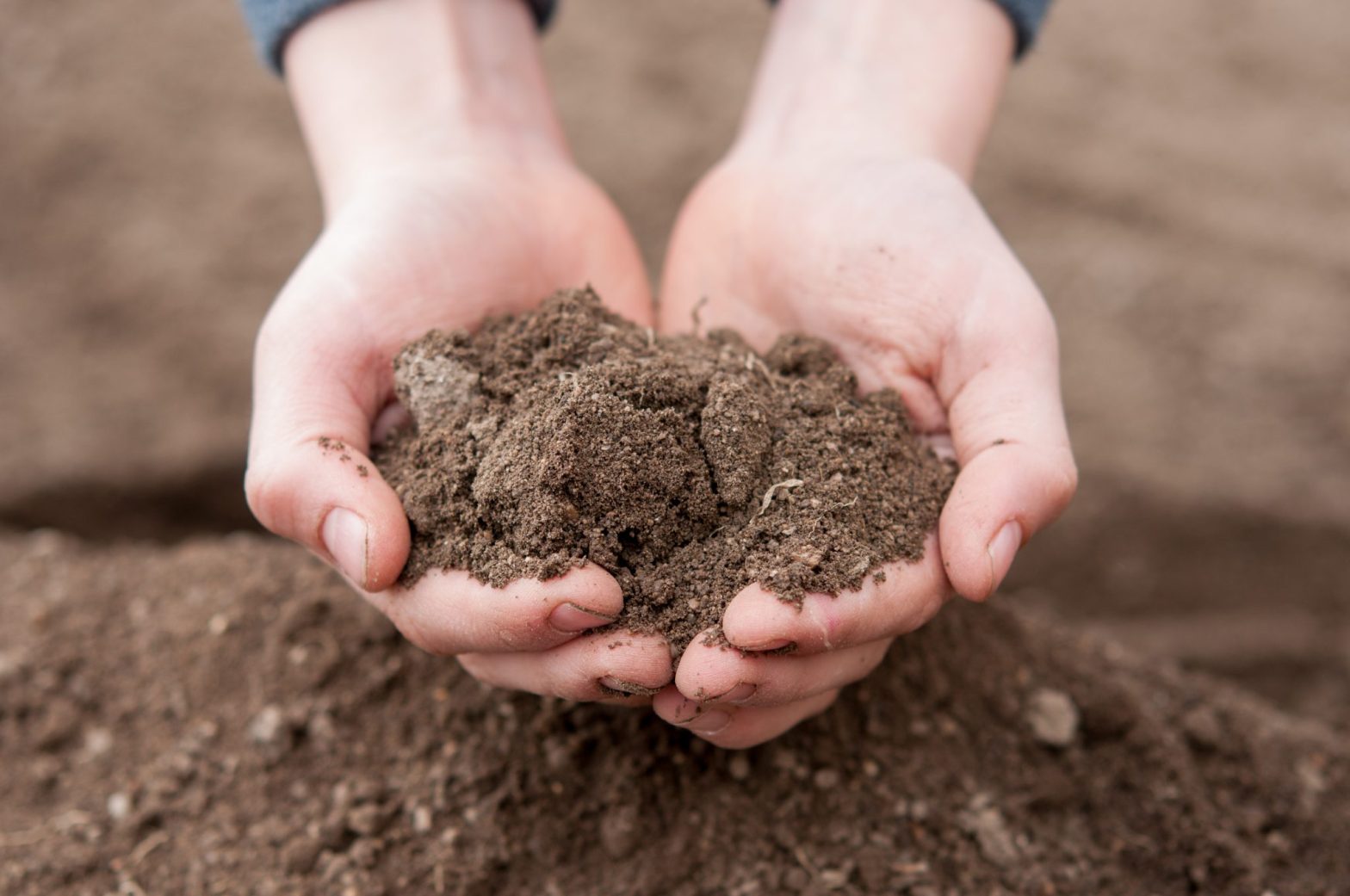
मिट्टी परीक्षण — धरती की सेहत का सच्चा आईना

हमारी ज़मीन, हमारे खेत और बगीचे की जड़ में छिपा होता है जीवन का आधार — मिट्टी।
लेकिन यह मिट्टी कैसी है, इसमें कौन-से पोषक तत्व हैं, कौन-से नहीं — यह हम तब तक नहीं जान पाते जब तक हम इसका परीक्षण नहीं करते।

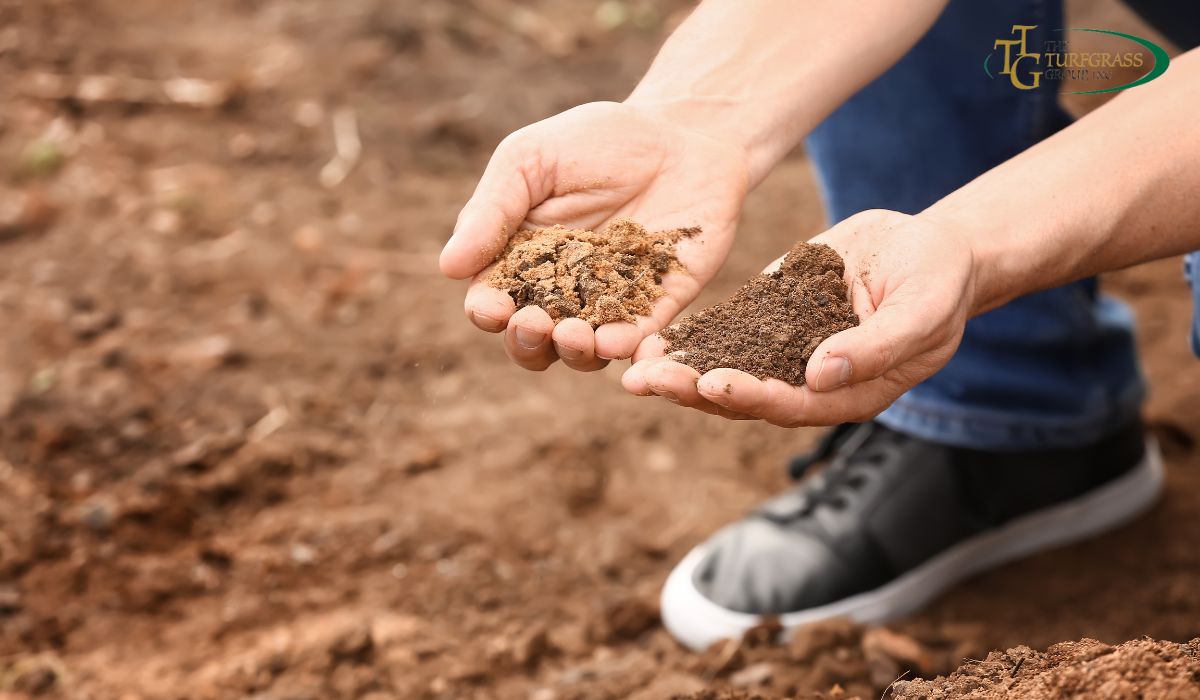
मिट्टी परीक्षण (Soil Testing) एक ऐसा वैज्ञानिक तरीका है, जो मिट्टी की असली स्थिति बताता है। यह बताता है कि आपकी मिट्टी में कौन-से पोषक तत्व कम हैं, कौन-से ज़्यादा हैं, और कौन-सी फसल उसके लिए सबसे उपयुक्त रहेगी।


🔍 मिट्टी परीक्षण में क्या होता है?

जब आप अपनी मिट्टी का नमूना किसी प्रयोगशाला (lab) या मिट्टी जांच केंद्र में देते हैं, तो वहाँ कई तरह की जाँच की जाती है —

  • भौतिक गुण: मिट्टी का प्रकार (रेतीली, दोमट, चिकनी), जलधारण क्षमता और वायु संचार।
  • रासायनिक गुण: नाइट्रोजन, फॉस्फोरस, पोटेशियम (NPK) जैसे पोषक तत्व, सूक्ष्म पोषक तत्व (जैसे जिंक, आयरन), pH स्तर और लवणता।
  • जैविक गुण: मिट्टी में मौजूद सूक्ष्मजीवों और जैविक पदार्थों की सक्रियता।

इन जाँचों के आधार पर एक मिट्टी स्वास्थ्य रिपोर्ट (Soil Health Report) तैयार होती है, जो आपको बताती है कि कौन-से पोषक तत्वों की कमी है और कौन-सी सुधारात्मक कार्रवाई करनी चाहिए।


🌾 मिट्टी परीक्षण क्यों ज़रूरी है?

  • बेहतर फसल उत्पादन: सही जानकारी मिलने पर आप सही खाद या जैविक पदार्थ का उपयोग कर सकते हैं, जिससे उपज बढ़ती है।
  • 💰 लागत में बचत: बिना ज़रूरत के खाद डालने की आदत खत्म होती है। केवल उतना ही पोषक तत्व दें जितना ज़रूरी है।
  • 🌿 पर्यावरण की सुरक्षा: संतुलित खाद और जैविक सुधार से भूजल और नदियाँ प्रदूषित नहीं होतीं।
  • 🔄 दीर्घकालिक स्थिरता: नियमित परीक्षण से आप मिट्टी की दशा पर नज़र रख सकते हैं और भविष्य के लिए इसे उपजाऊ बनाए रख सकते हैं।
  • ⚠️ छिपे खतरे से बचाव: कुछ मिट्टियों में भारी धातुएँ या लवणता जैसी समस्याएँ होती हैं — मिट्टी परीक्षण इन्हें समय रहते पहचान लेता है।

🧭 कैसे करें मिट्टी परीक्षण का सही उपयोग

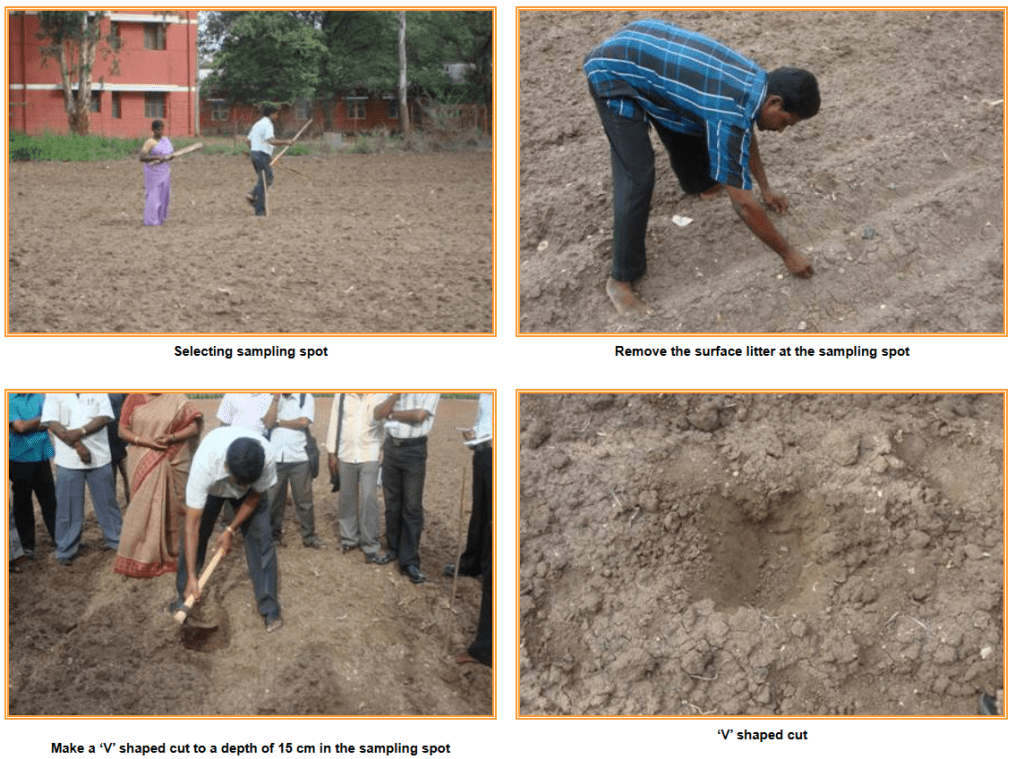
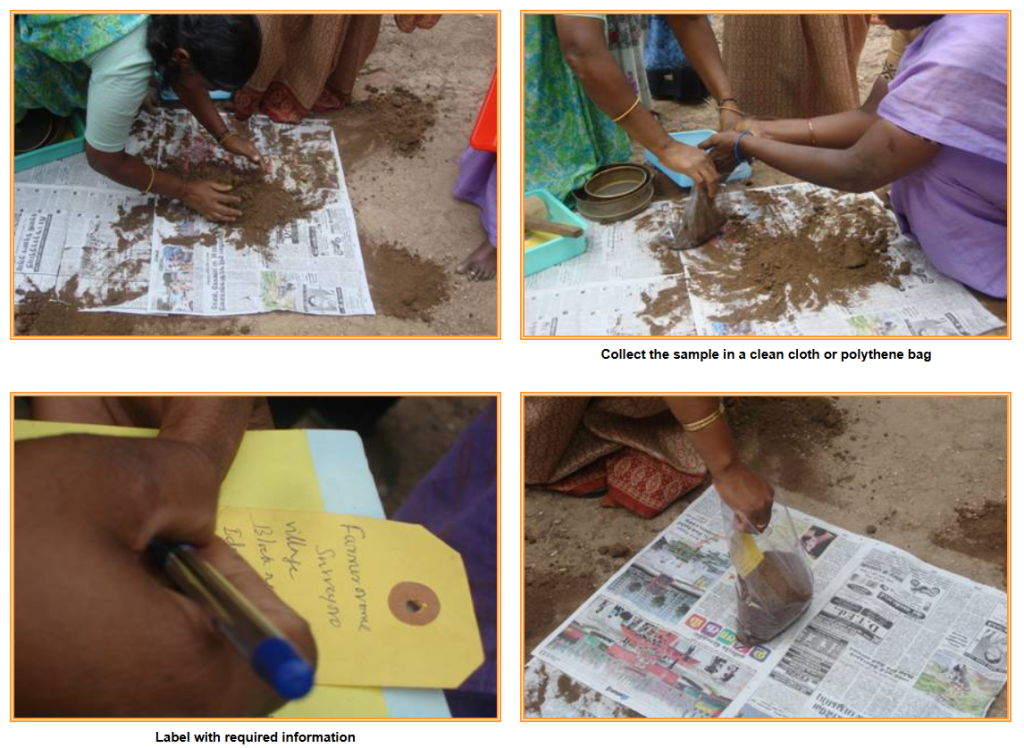
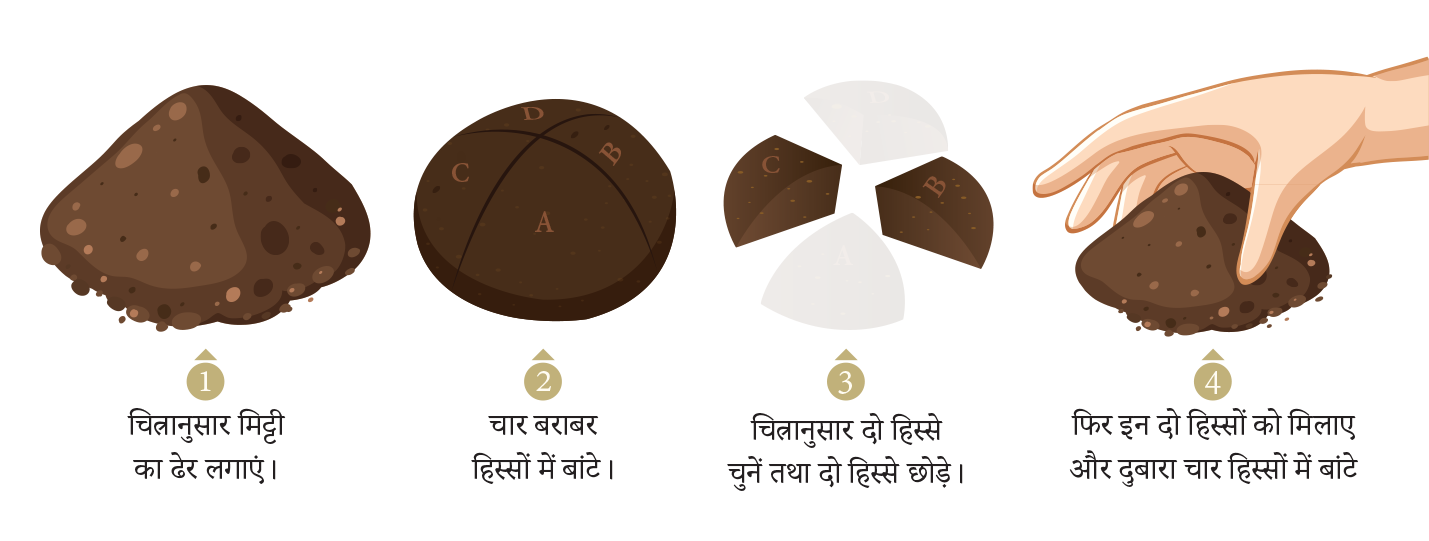
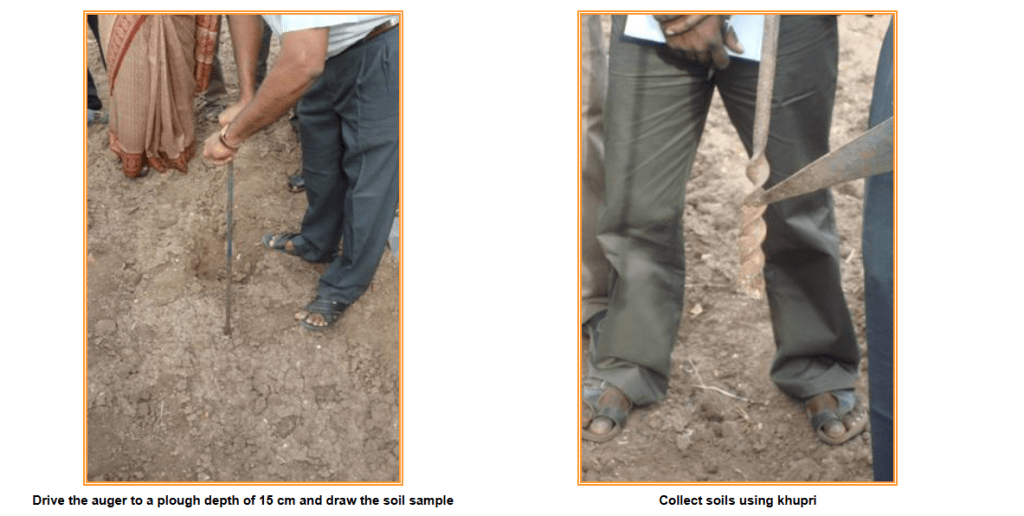
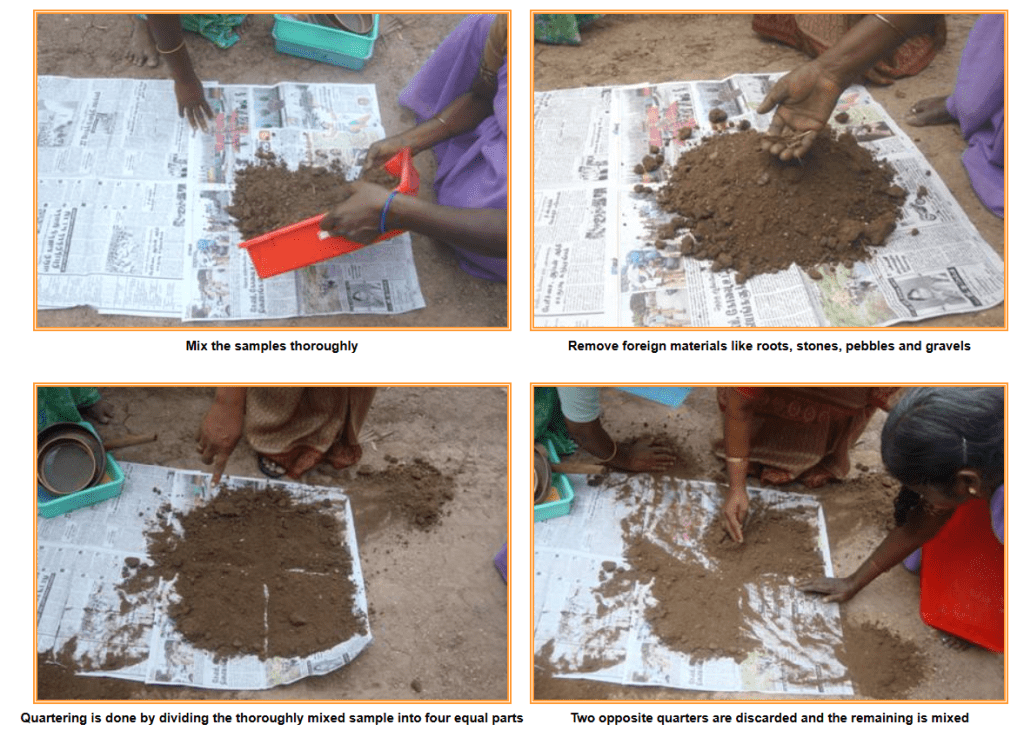
  1. खेत या बगीचे से अलग-अलग जगहों से मिट्टी के 15-20 छोटे नमूने लें।
  2. इन्हें मिलाकर एक समान मिश्रण बनाएं और लगभग 15 से.मी. गहराई से नमूना लें।
  3. किसी प्रमाणित प्रयोगशाला या मिट्टी जांच केंद्र (SoilQ- Soil testing Center ) में भेजें।
  4. रिपोर्ट आने के बाद सुझावों को ध्यान से पढ़ें — pH, NPK स्तर और अनुशंसित सुधार उपाय देखें।
  5. खाद की मात्रा, फसल चयन या जैविक पदार्थ उसी अनुसार बदलें।
  6. हर 2–3 साल में दोबारा मिट्टी परीक्षण कराएं और पुरानी रिपोर्ट से तुलना करें।

🌍 निष्कर्ष

मिट्टी परीक्षण केवल एक प्रयोग नहीं है — यह एक जिम्मेदारी है।
यह हमें हमारी धरती की सेहत समझने में मदद करता है ताकि हम उसे सही पोषण दे सकें। जब मिट्टी स्वस्थ होती है, तभी फसलें, किसान और पर्यावरण — सभी स्वस्थ रहते हैं।

👉 इसलिए याद रखें: “पहले मिट्टी को जानें, फिर उसमें बीज बोएं।”

Menstrual Hygiene Workshop at JJ Cluster, Dwarka – Breaking Myths, Building Confidence

Rise Foundation recently organized a Menstrual Hygiene Awareness Workshop at the JJ Cluster near Dwarka, led by Madhuri Varshney, who has been consistently working at the grassroots level to improve community health and women empowerment.

For many adolescent girls and women in underserved communities, menstruation is still surrounded by silence, taboo, and misinformation. Recognizing this, the workshop was designed to create a safe, open, and interactive space where participants could learn, share, and ask questions freely.

🌸 Key Highlights of the Workshop

✔ Explanation of the menstrual cycle in simple, science-based terms
✔ Myths vs. facts – addressing common misconceptions
✔ Demonstration of proper menstrual hygiene practices
✔ Guidance on choosing safe products: cloth pads, sanitary pads, menstrual cups
✔ Discussion on waste disposal and biodegradable alternatives
✔ Open Q&A with the girls and women

One of the most encouraging moments was seeing young girls raise questions confidently—questions they were hesitant to ask at home or school. This reflects a shift from shame to awareness, from silence to empowerment.

Madhuri Varshney emphasized that menstrual hygiene is essential for dignity, health, and equality. The workshop also highlighted the need for family support, school sensitization, and better community-level access to hygiene products.

Rise Foundation remains committed to enabling healthier and informed communities through awareness, education, and sustainable practices.

Because when women and girls understand their bodies, they understand their power.

EcoBricks & Plastic Pollution Awareness at Durga Puja, Gurgaon

This Durga Puja, sustainability took center stage at Durga Puja Samiti, GGN with an insightful session on EcoBricks and Plastic Pollution led by Inderjeet Singh sir and Munish Kundra from team Rise Foundation NGO . 🙏

They inspired the community with simple yet powerful solutions—how every one of us can convert non-recyclable plastic into EcoBricks and help reduce the burden of plastic waste on our planet. 💚

Durga Puja is a celebration of good over evil—what better way to honor the spirit than by uniting against the evil of plastic pollution? ♻️🌱

A big thank you to the organizers, speakers, and participants for making this initiative a step towards a greener, cleaner future. 🌏✨

#EcoBricks#PlasticFreeFuture#SustainableFestivals#DurgaPuja2025#RiseForEarth

Celebrating a Milestone: Rise Foundation Honoured at Forbes India We Serve India Awards 2025

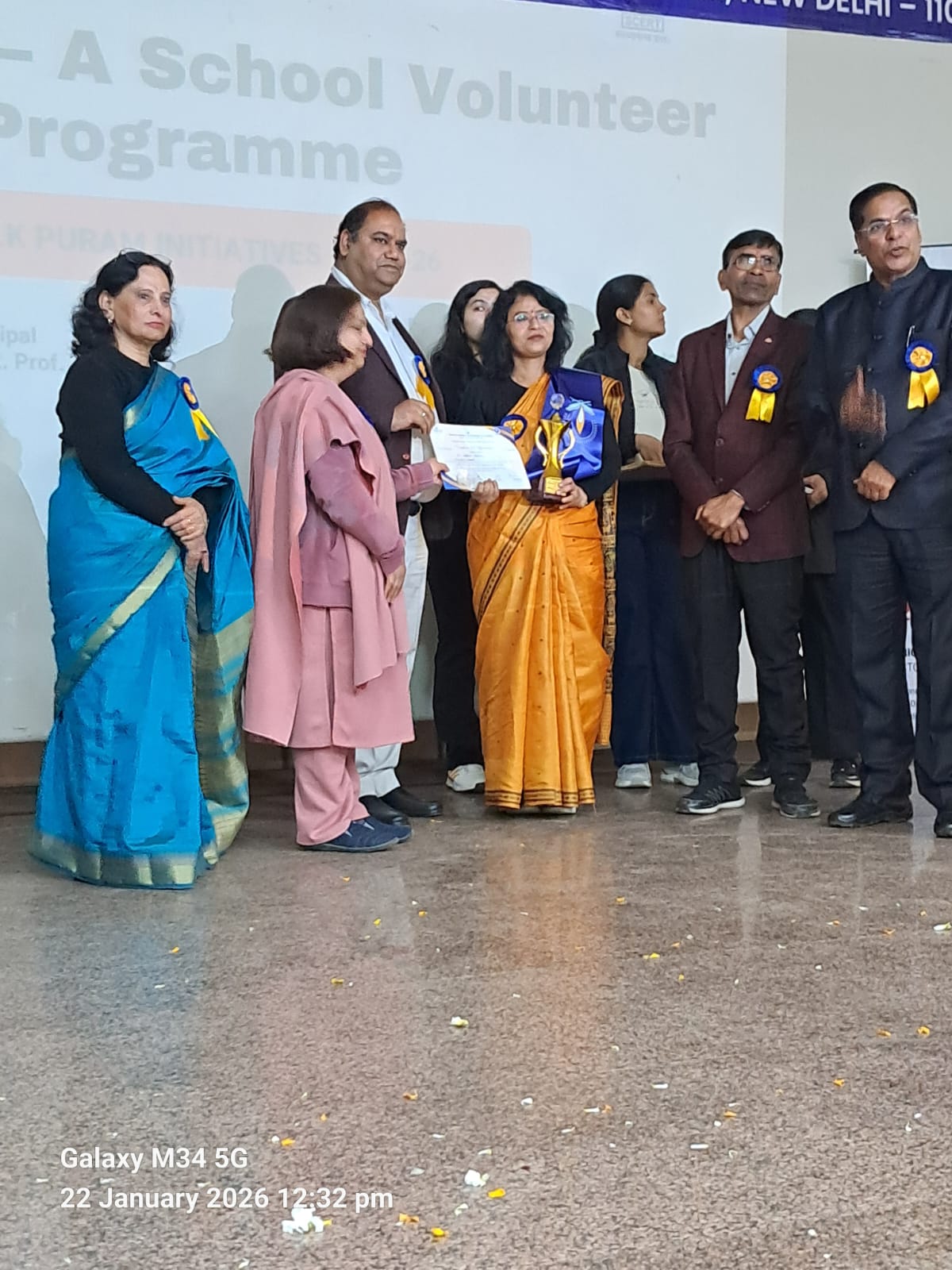
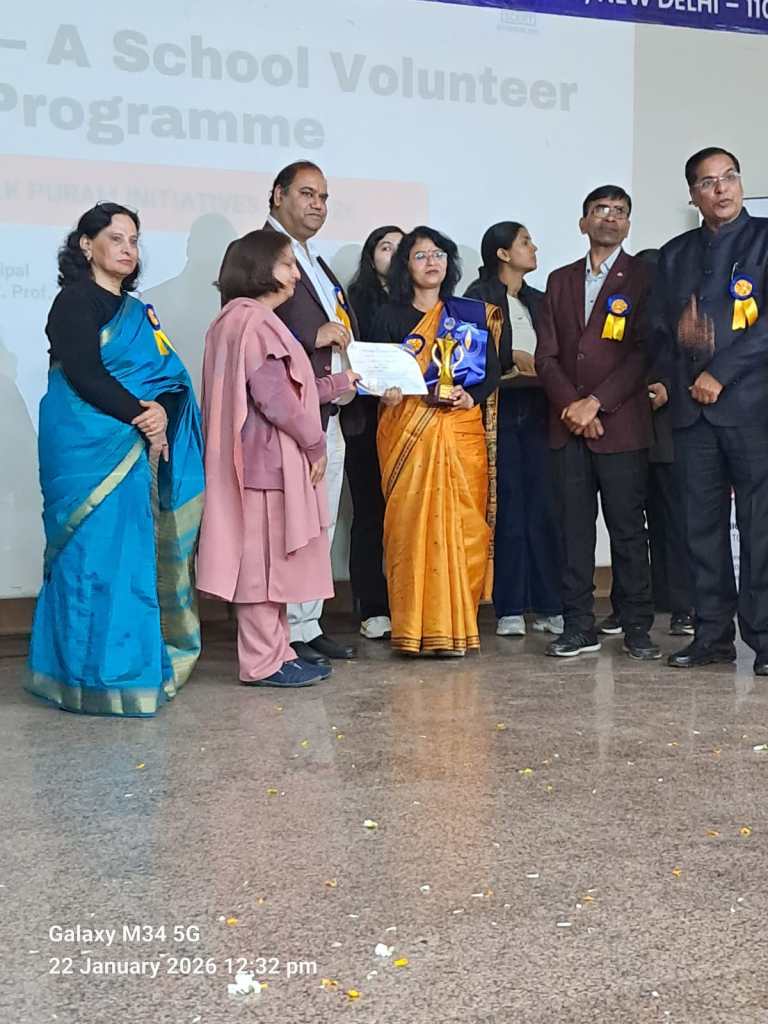
We are deeply humbled and proud to share that Madhuri Varshney, Secretary, Rise Foundation, has been chosen as a Regional Winner at the #ForbesIndia – #WeServeIndiaAwards2025, presented by #LionsClubsInternational, in the category of #WomenLed #Social #Innovation for her exemplary work as a #Miyawaki #Urban #Forest Creator. 🌳

The award was graciously presented by Hon’ble Deputy Chief Minister Shri Keshav Prasad Maurya ji, Smt. Babita Chauhan ji, Chairperson – Women Commission, Uttar Pradesh, and Shri Jitendra Chauhan ji, Director – Lions Clubs International. It was truly an honour to receive this recognition from such esteemed dignitaries. 🙏

This recognition belongs to our entire Rise Foundation family — our passionate team members, dedicated volunteers, supporters, and well-wishers who have stood by us through every step of this journey.

Together, we’ve been working to restore nature, empower communities, and inspire change through sustainable initiatives like Miyawaki urban forests, waste management programs, and environmental education.

A heartfelt thank you to Forbes India, the esteemed jury members, and EY (#ErnstAndYoung LLP) for acknowledging our efforts and believing in the power of community-driven environmental action. ✨

Here’s to empowering lives, building impact, and driving positive change — one green step at a time. 💚🌍

#ForbesIndia #WeServeIndiaAwards #SocialInnovation #WomenChangemakers #Sustainability #Gratitude #RiseFoundation #MiyawakiForest #Environment #Leadership #CommunityImpact

200 Native Saplings Planted in Gurugram under Seva Pakhwada 2025

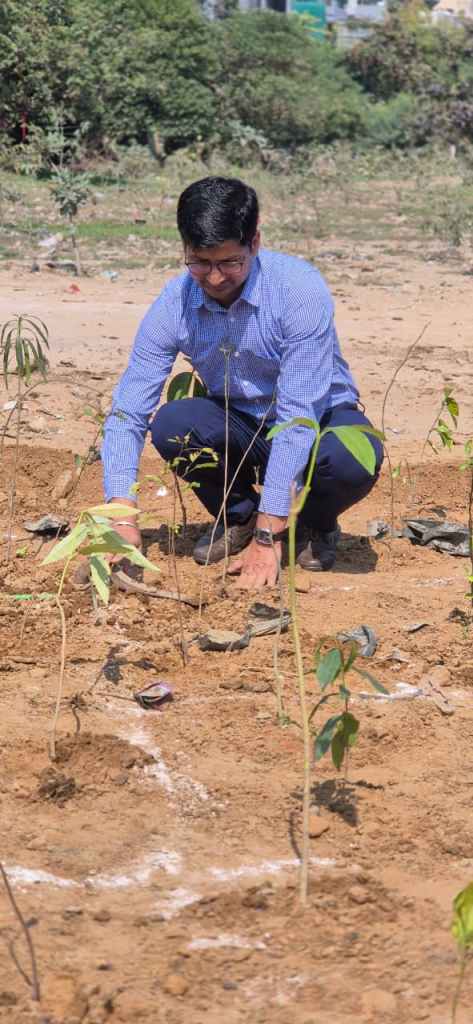
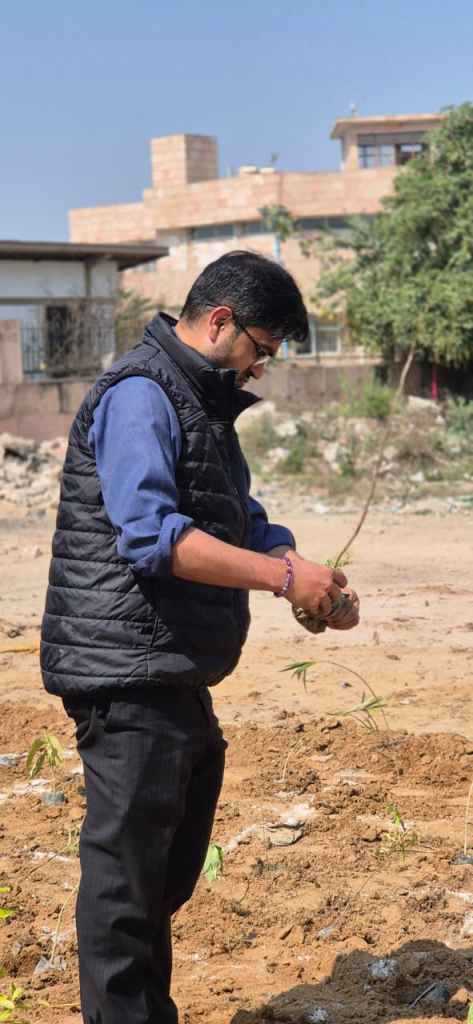
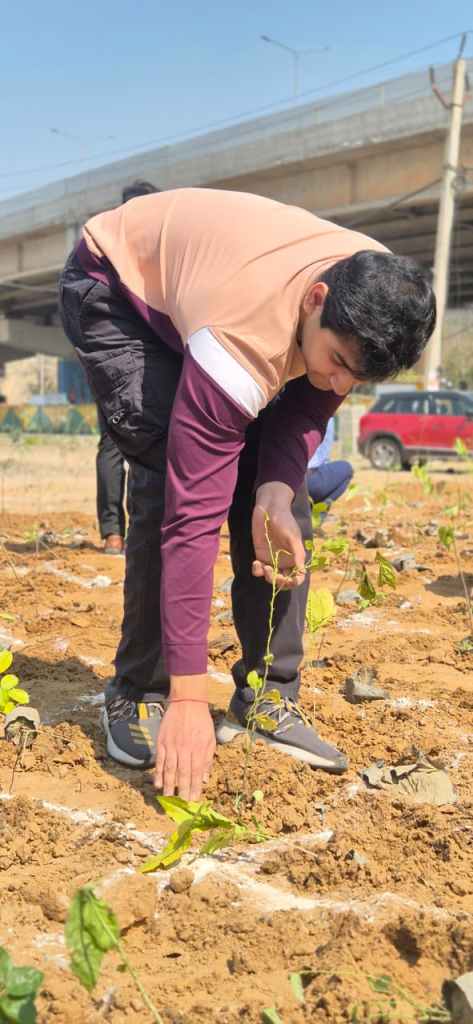
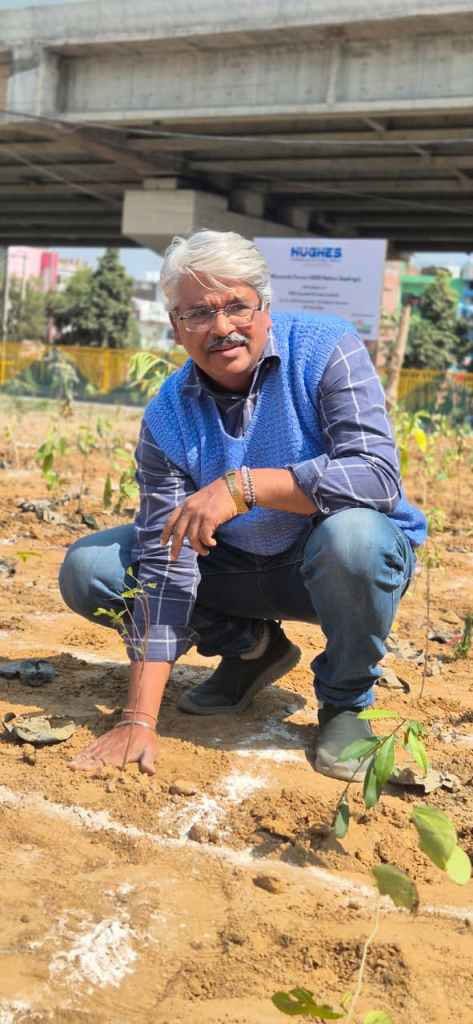
As part of the Seva Pakhwada 2025 campaign on 23rd Sep 2025 , Rise Foundation NGO joined hands with ONGC Videsh Limited to carry out a meaningful plantation drive in Govt School, Sector 4, Gurugram. In a collective effort to enhance urban green cover and combat air pollution, volunteers and local residents planted 200 saplings of diverse native species, dedicating the initiative to the heartfelt theme “Ek Ped Maa Ke Naam – A Tree for Mother,” reinforcing the commitment to sustainability and community participation.


सेवा पखवाड़ा 2025 अभियान के अंतर्गत राइज़ फ़ाउंडेशन एनजीओ और ओएनजीसी विदेश लिमिटेड के संयुक्त प्रयासों से आज गुरुग्राम सेक्टर 4 में एक विशेष पौधारोपण कार्यक्रम आयोजित किया गया। स्थानीय नागरिकों और स्वयंसेवकों की सहभागिता से 200 विविध प्रजातियों के पौधे लगाए गए, जिन्हें भावनात्मक संदेश “एक पेड़ माँ के नाम” को समर्पित किया गया। यह पहल शहर की हरियाली बढ़ाने, स्वच्छ वायु और पर्यावरण संरक्षण की दिशा में एक महत्वपूर्ण कदम है।