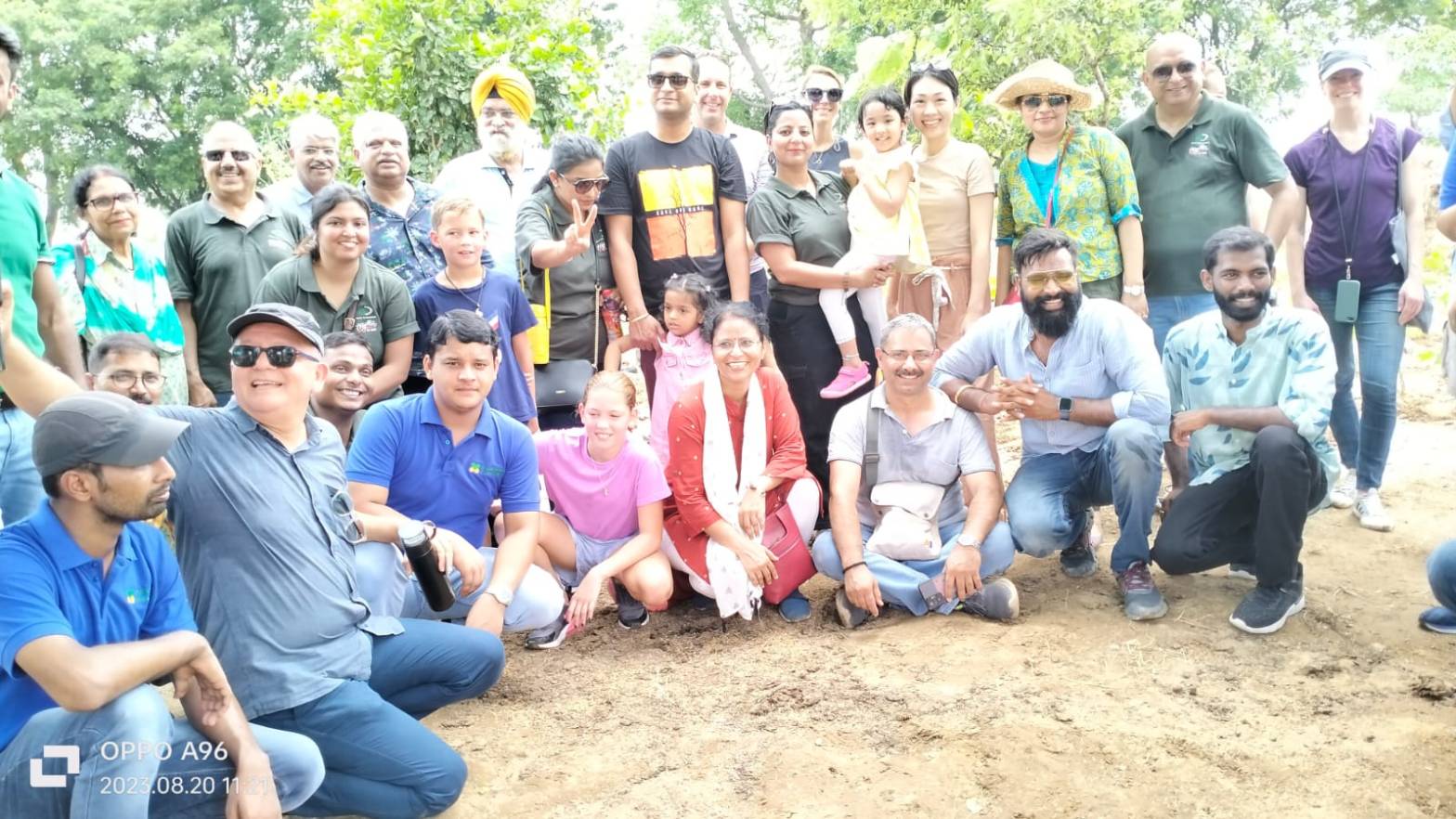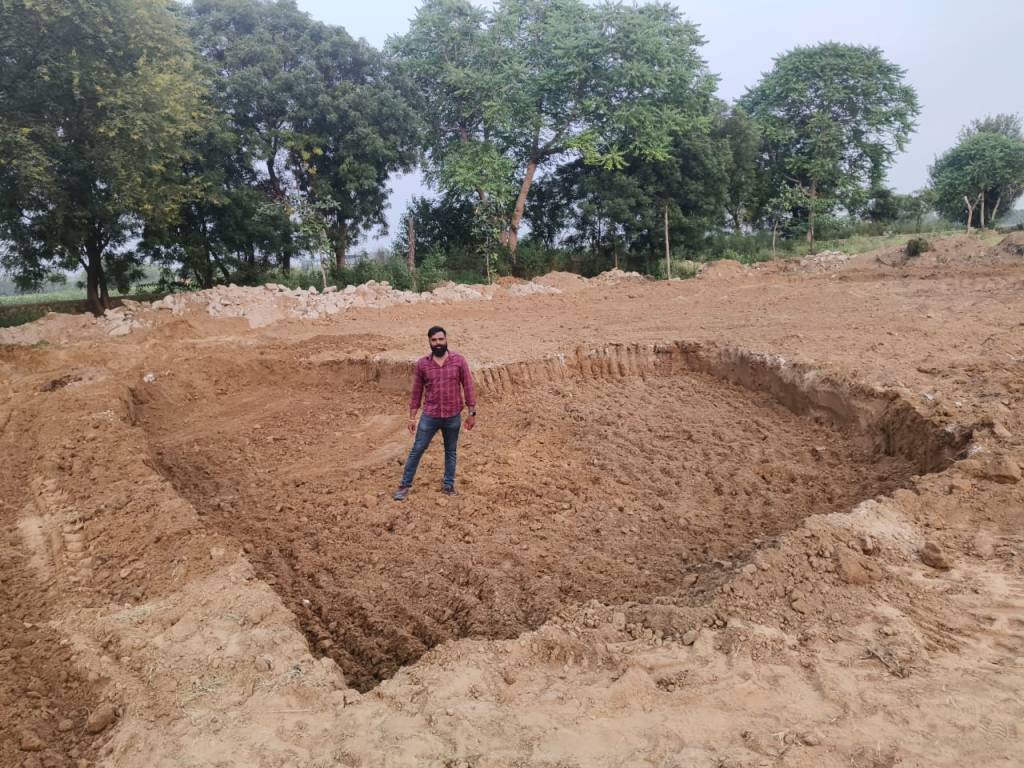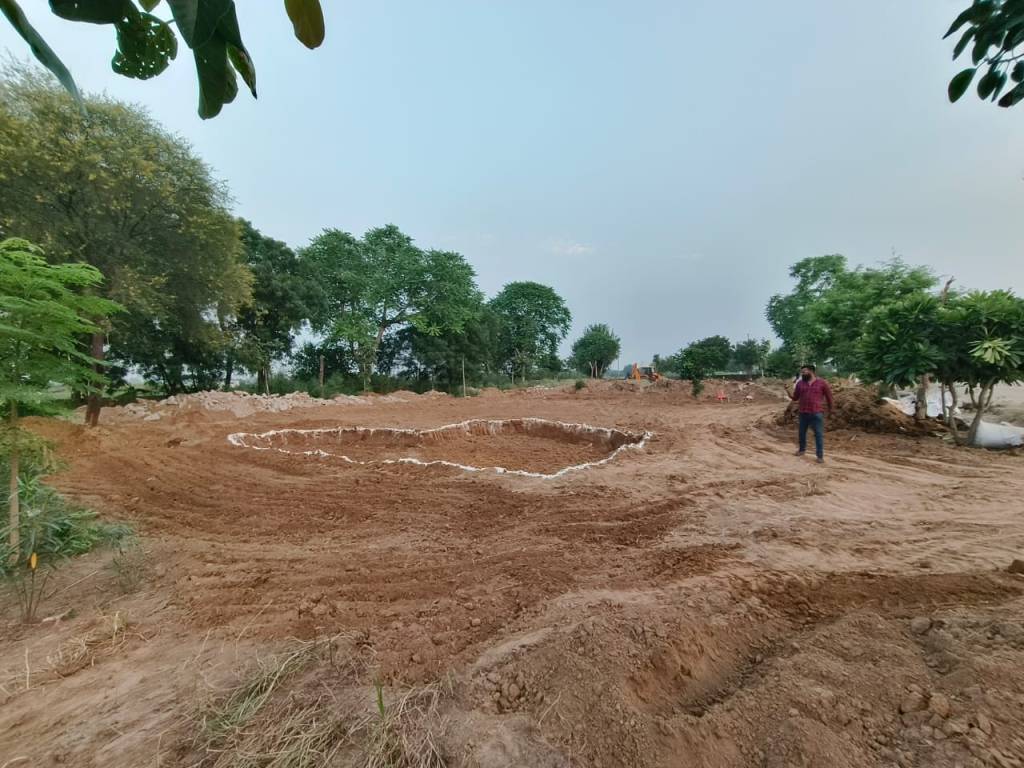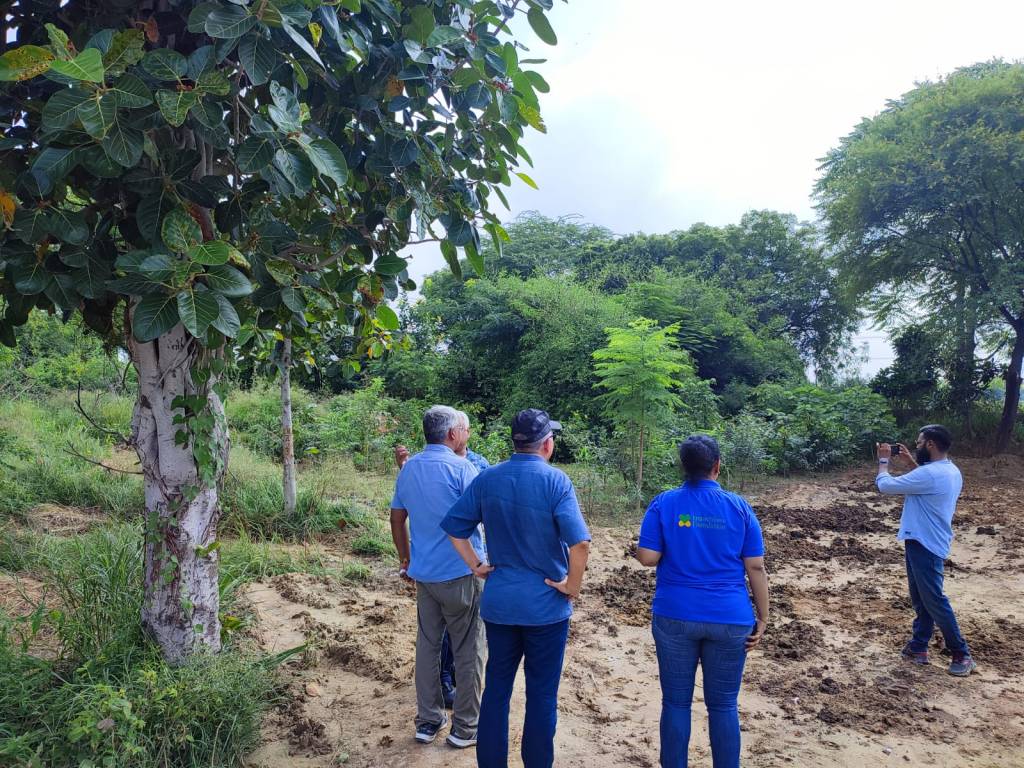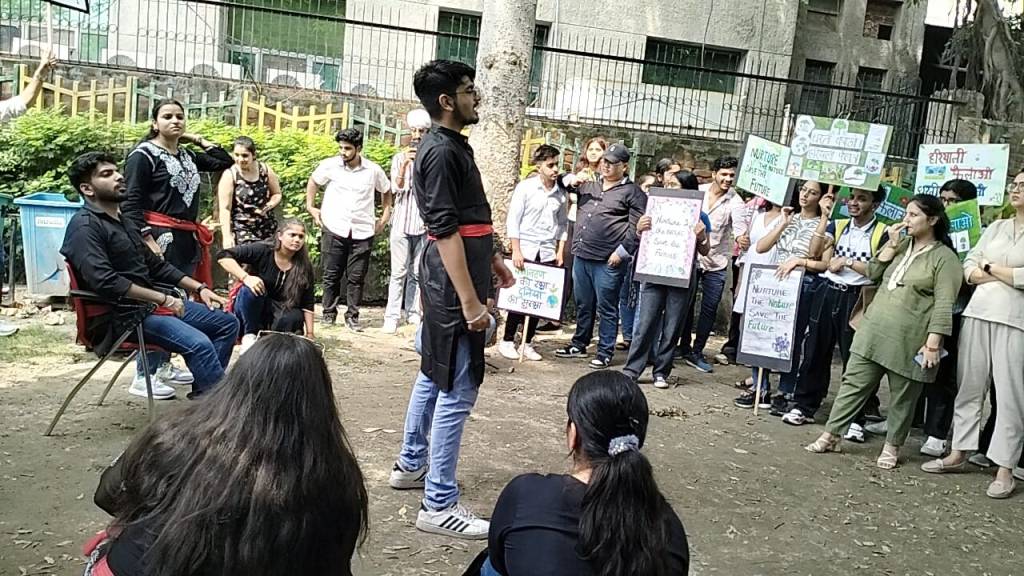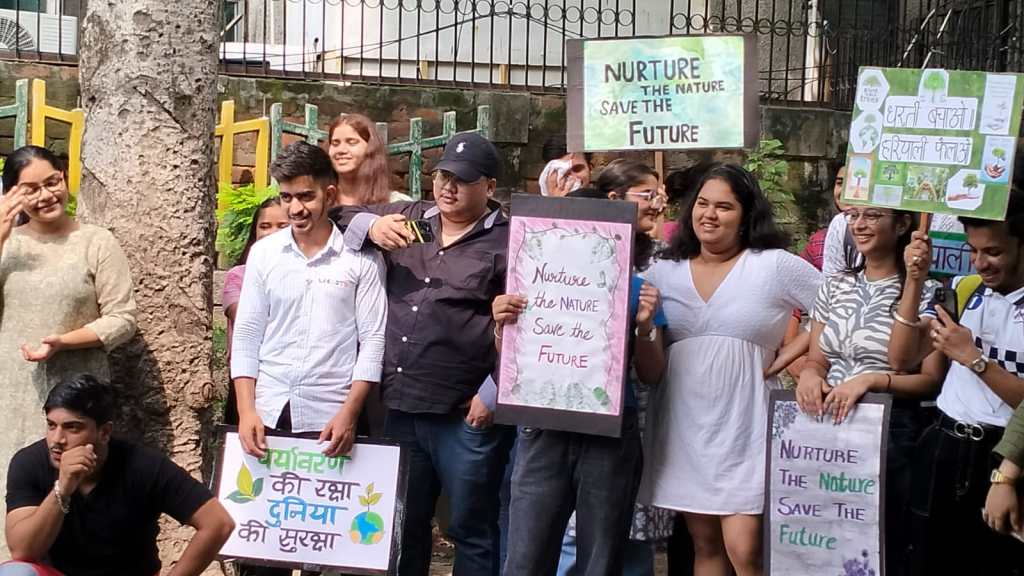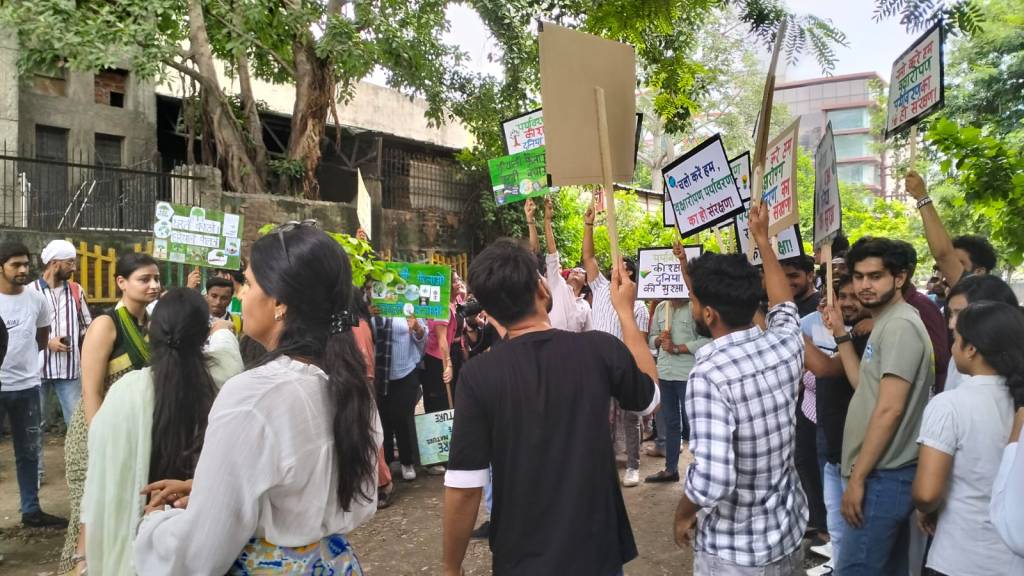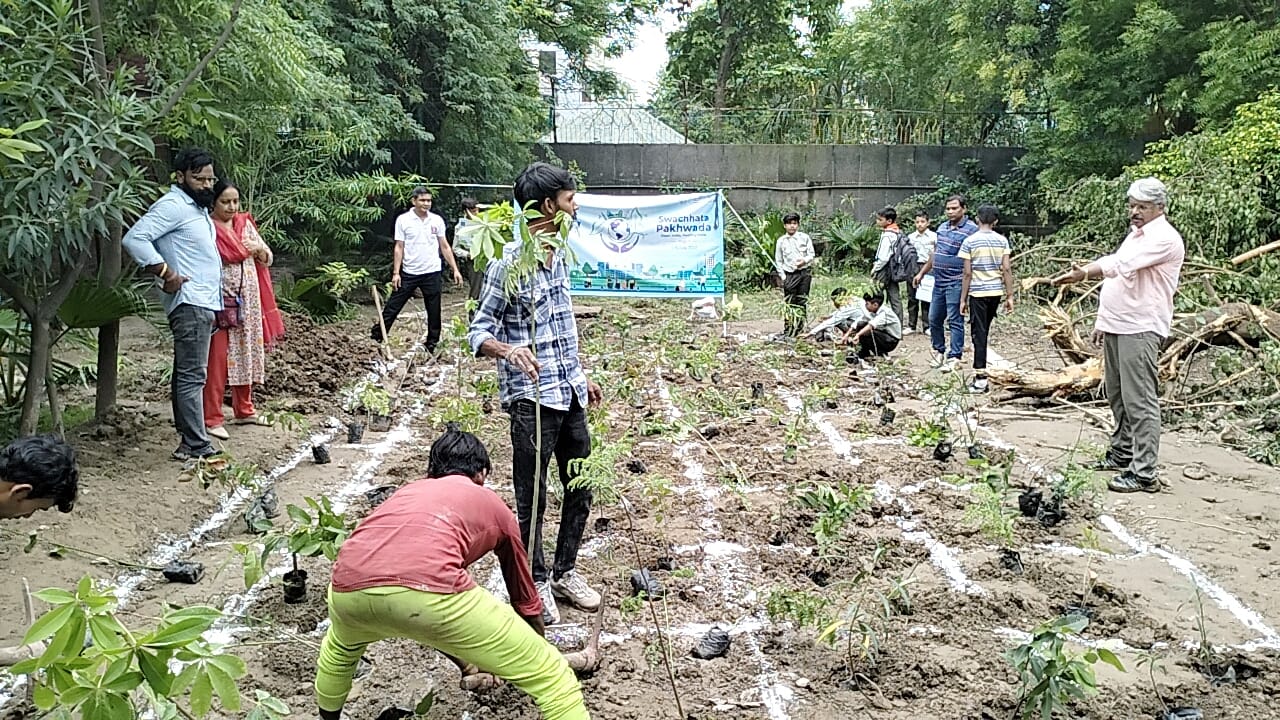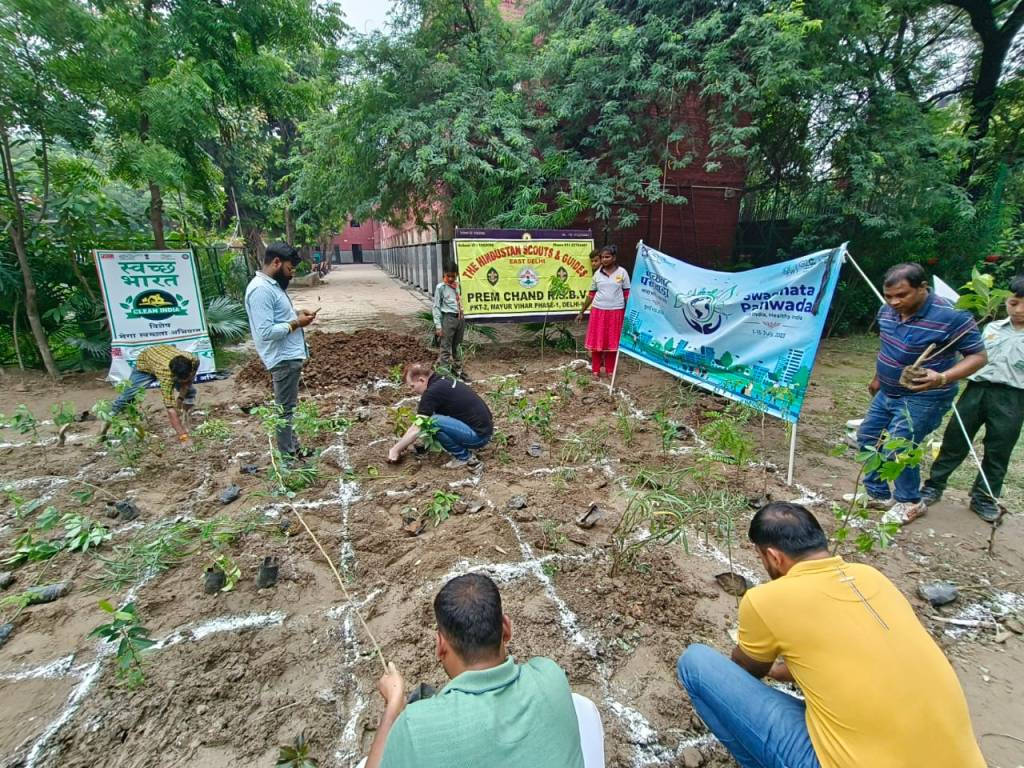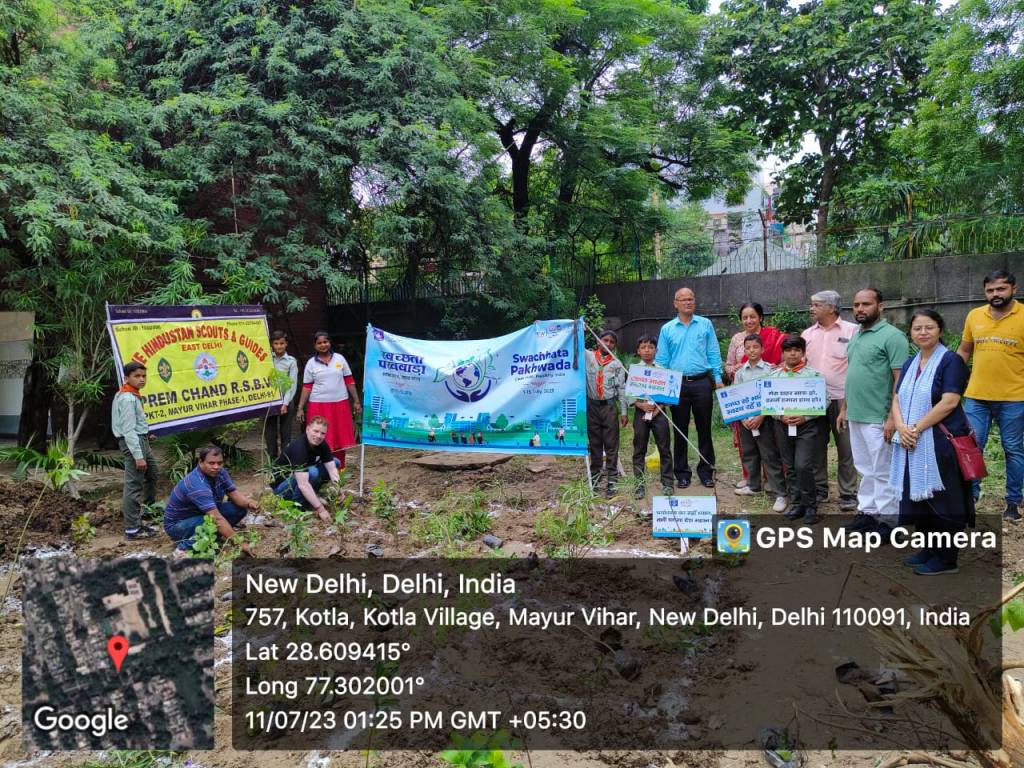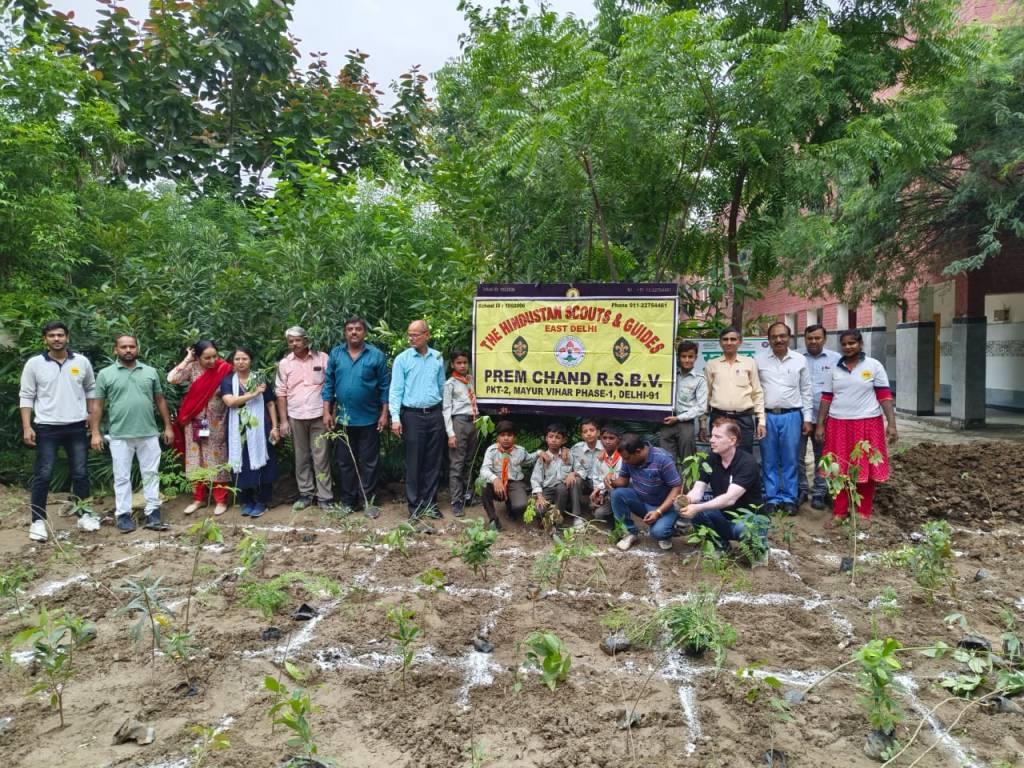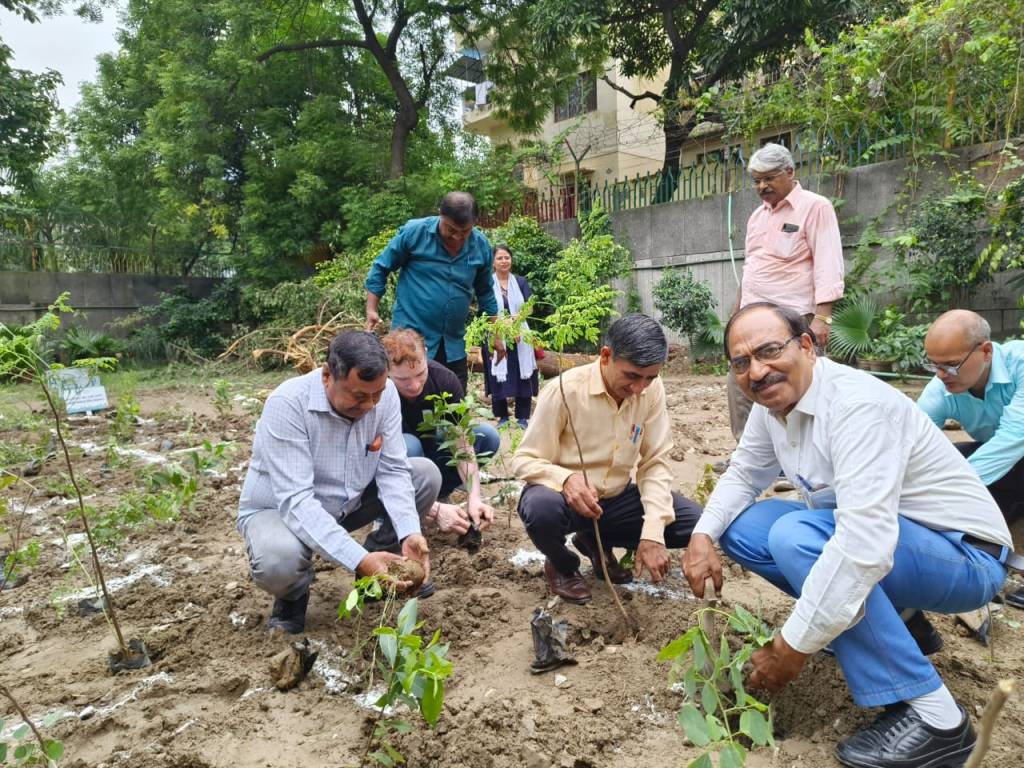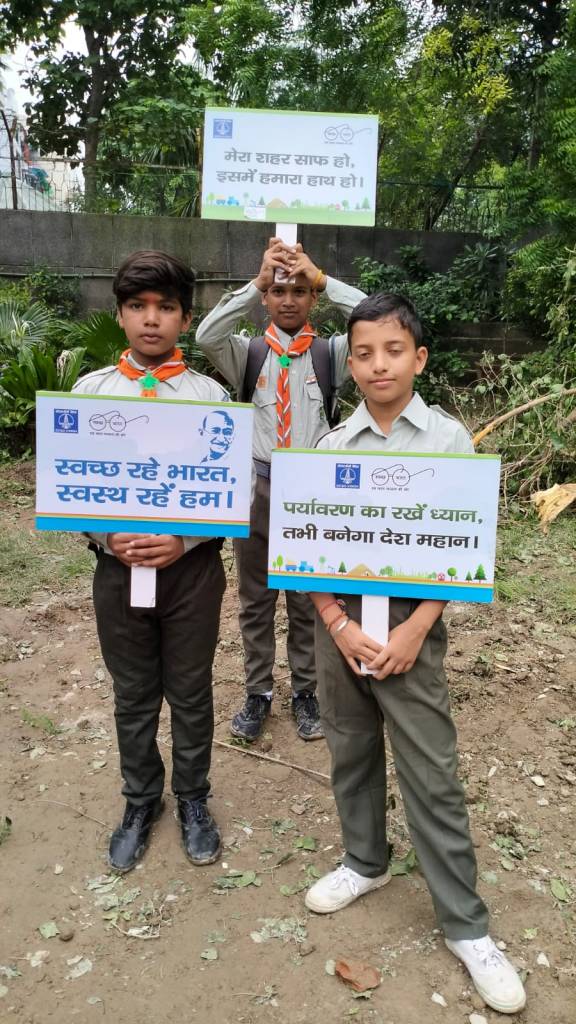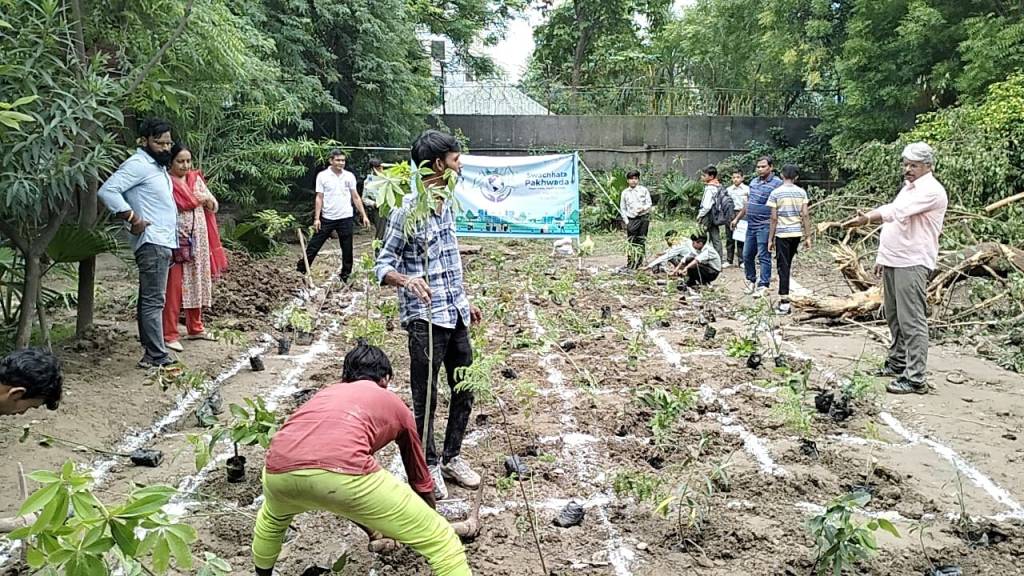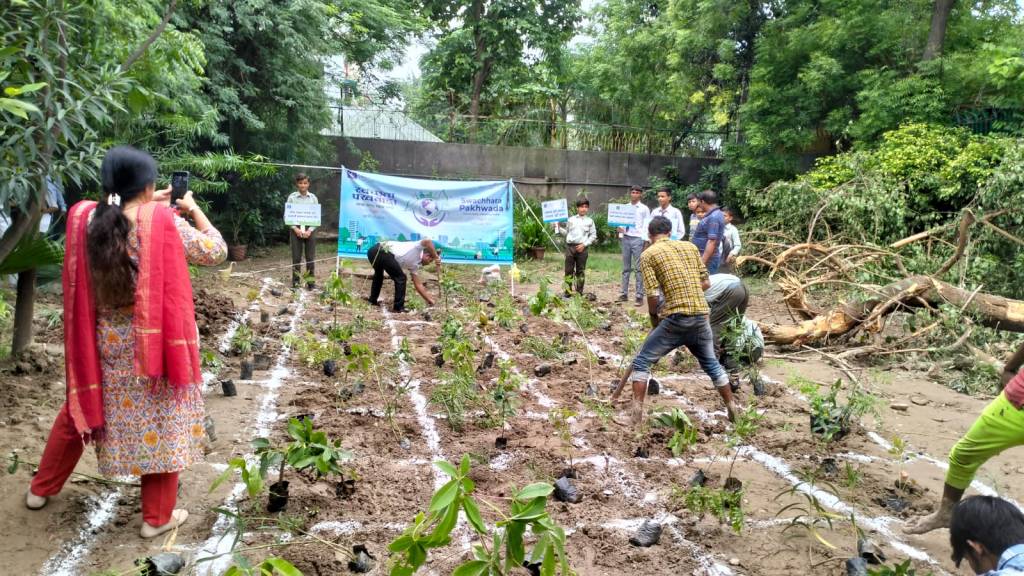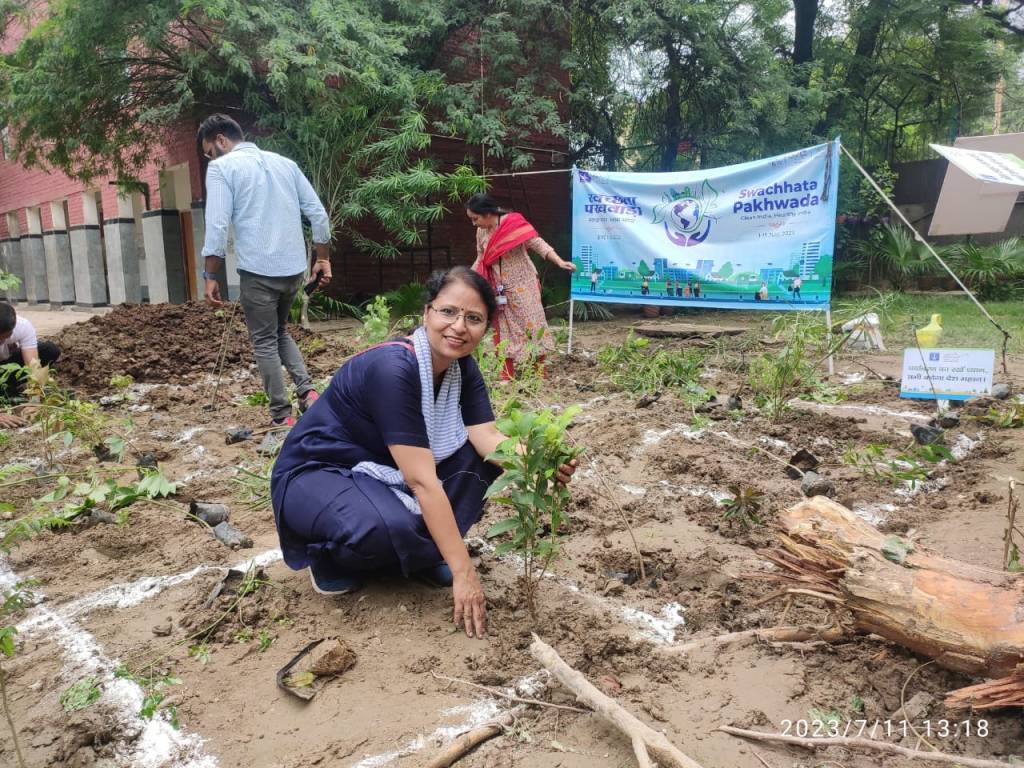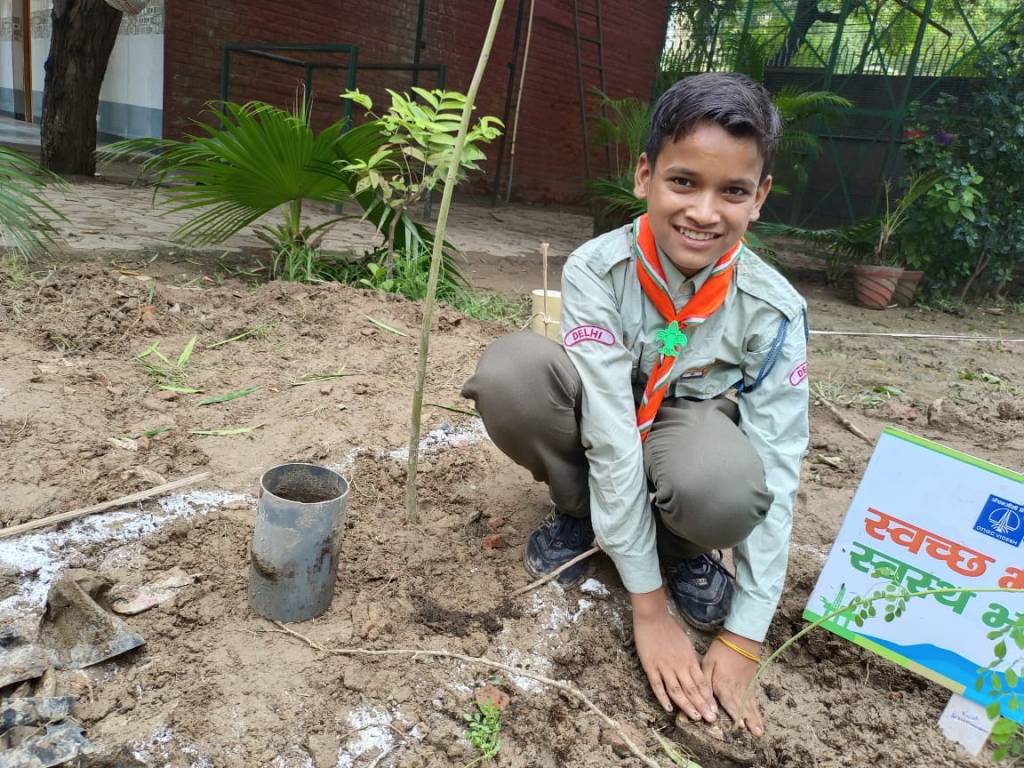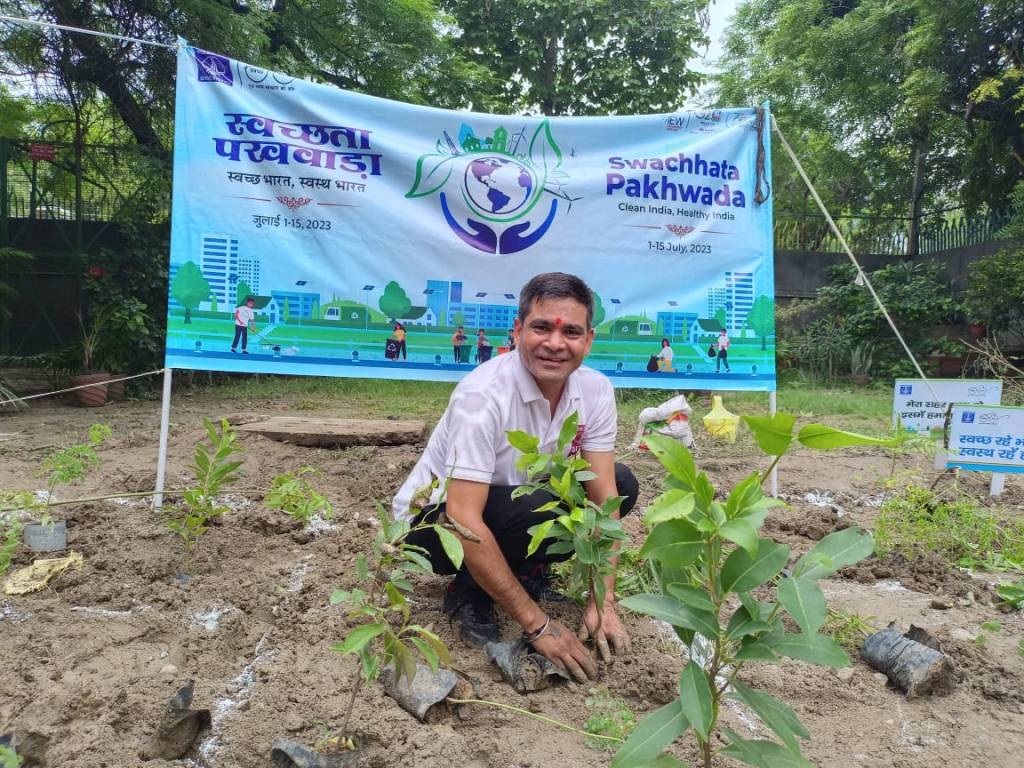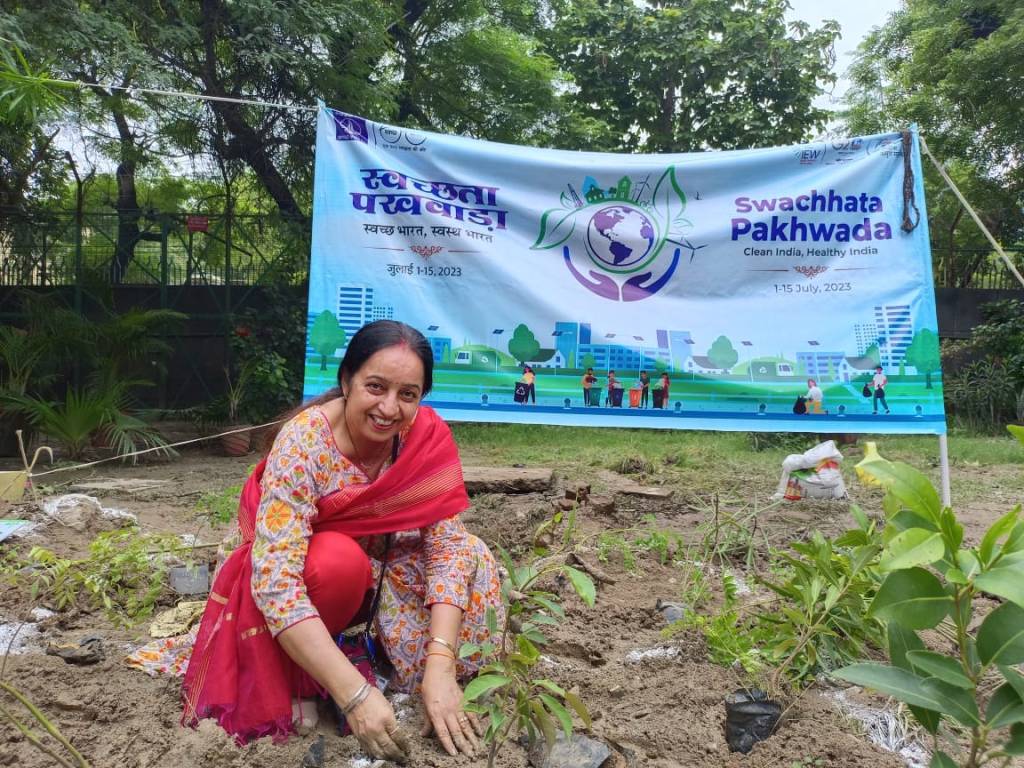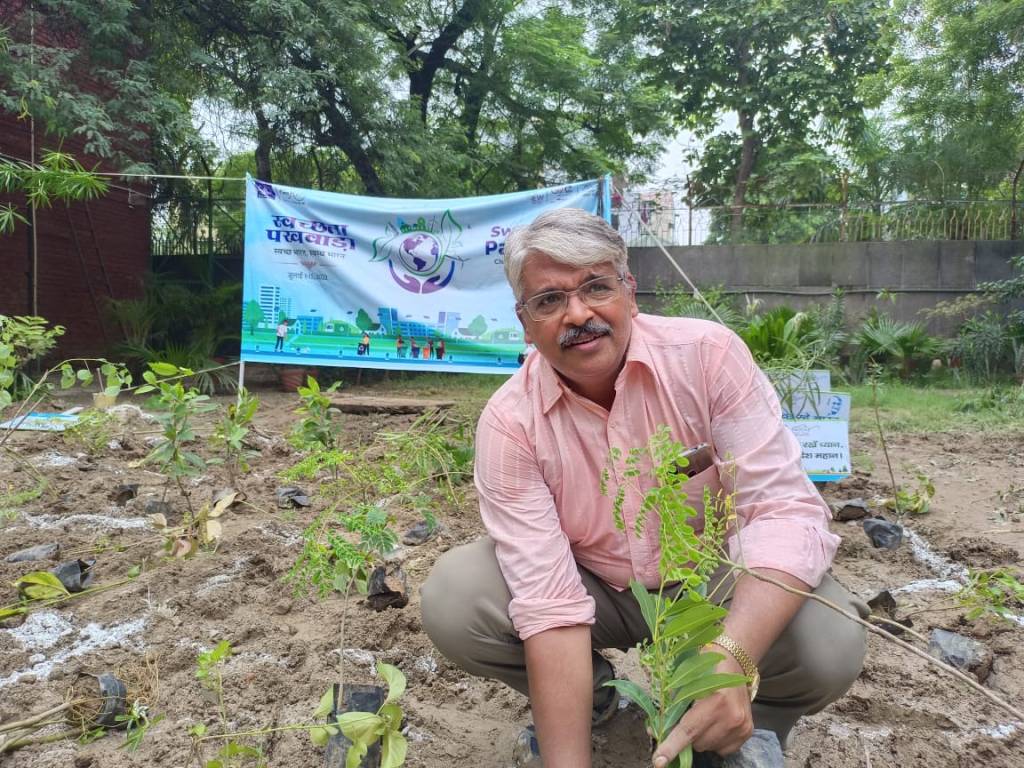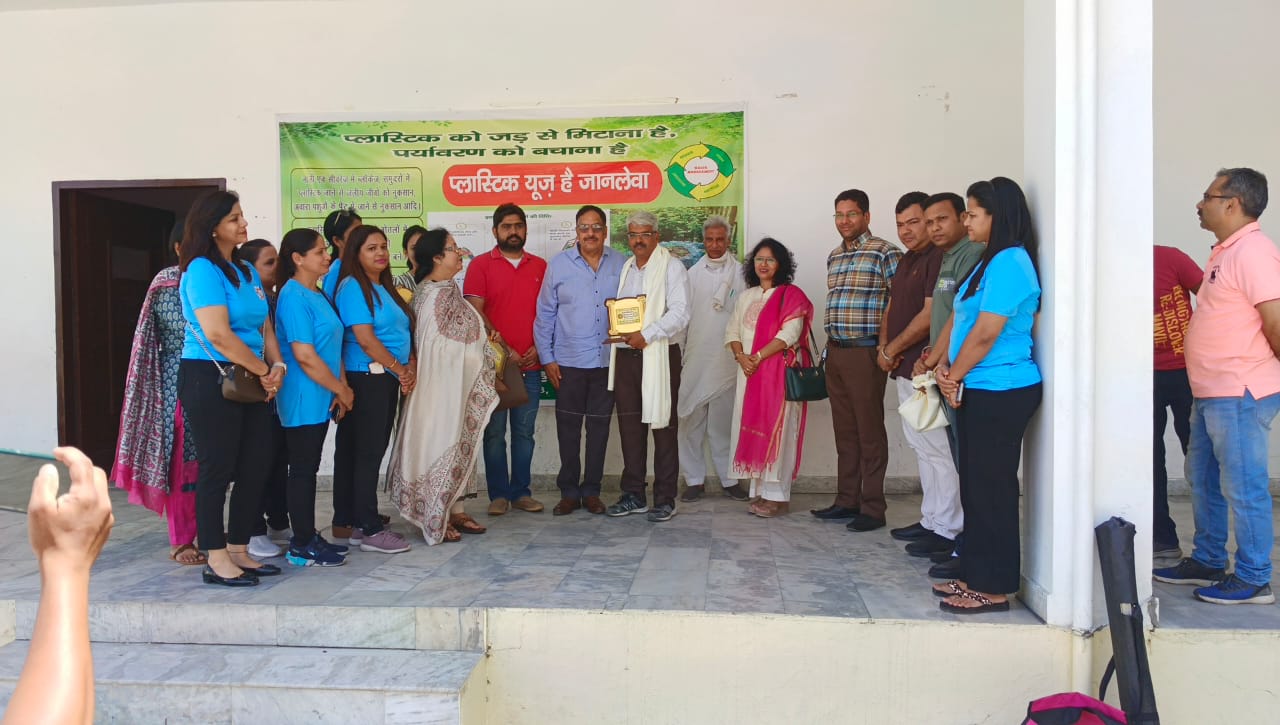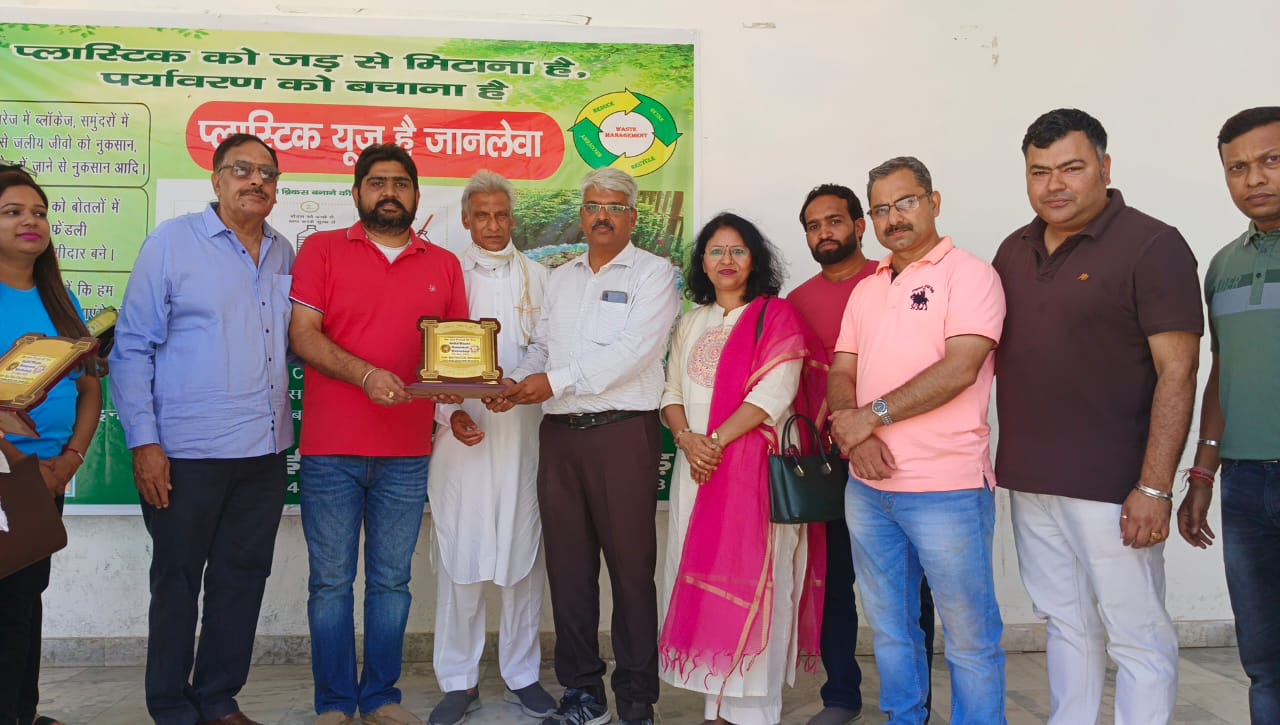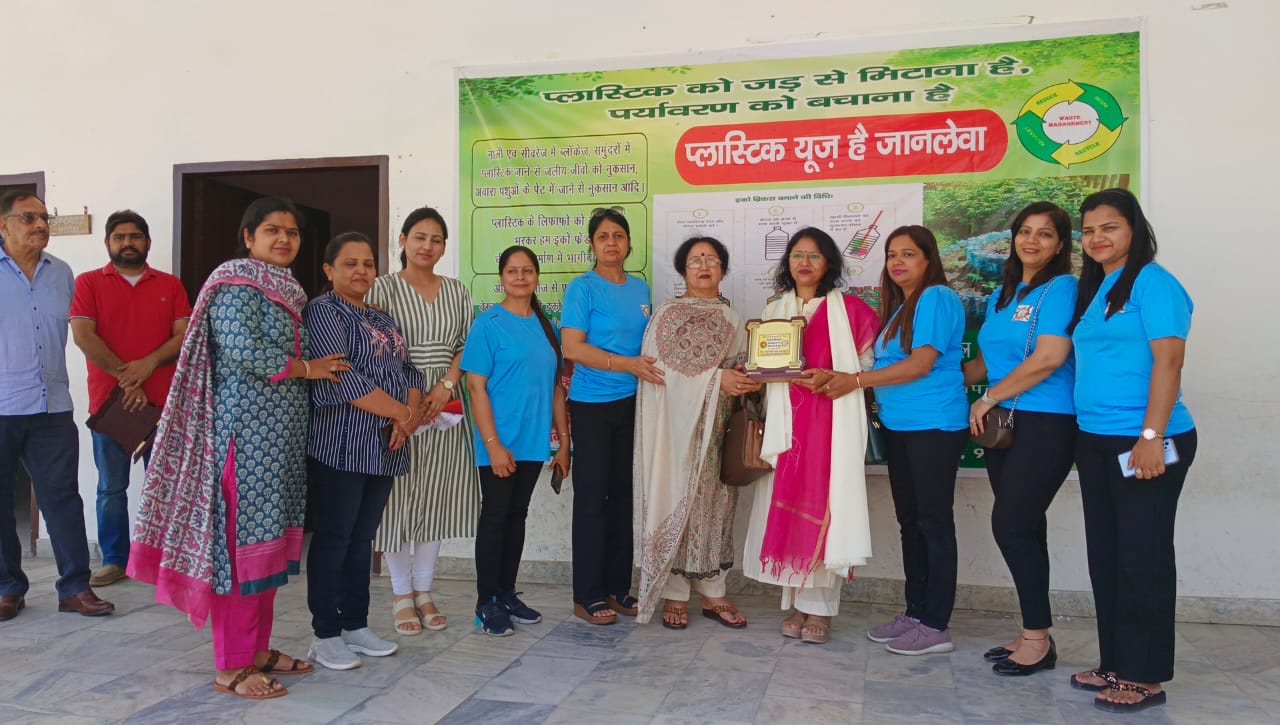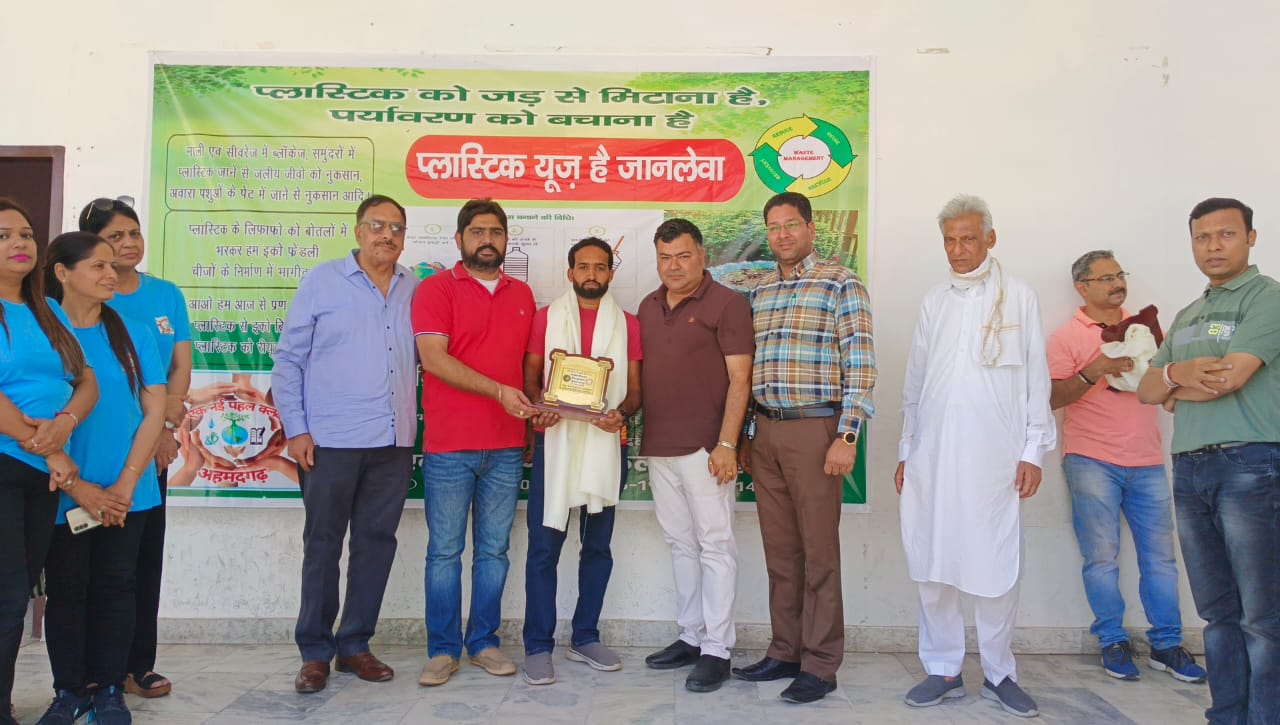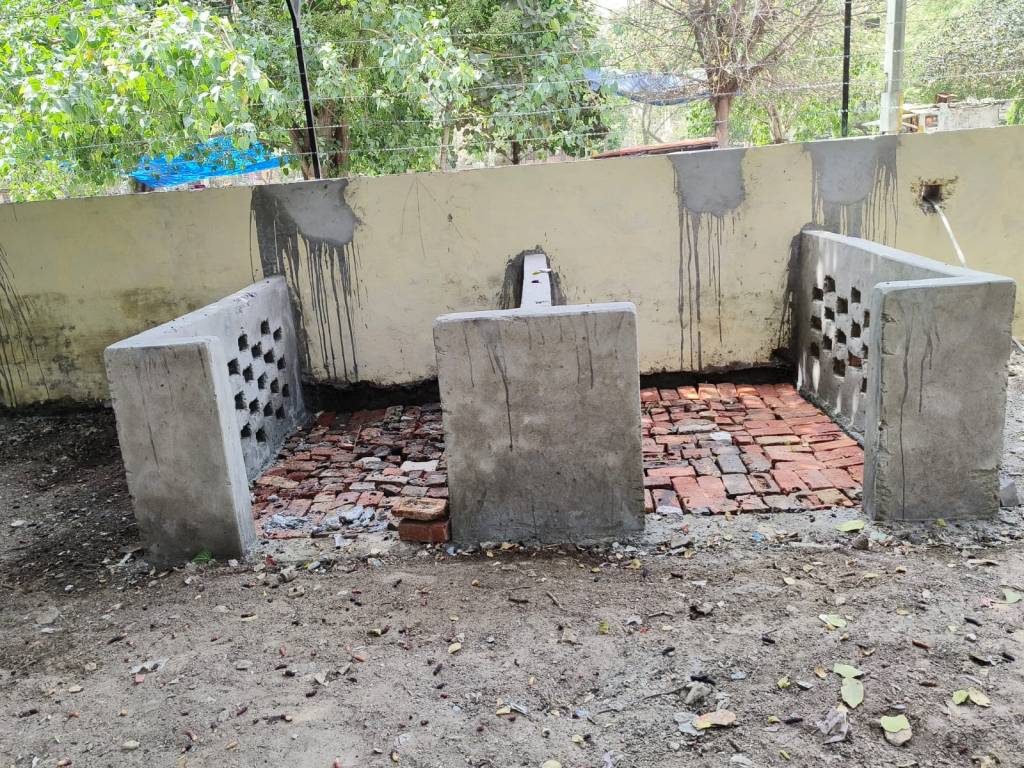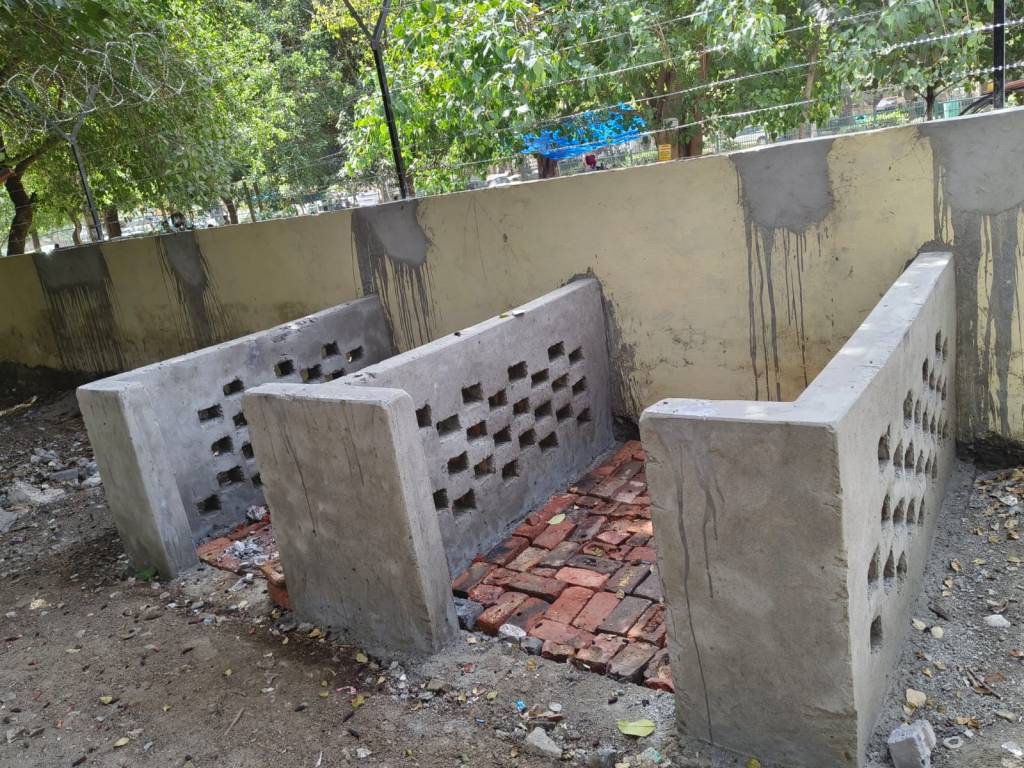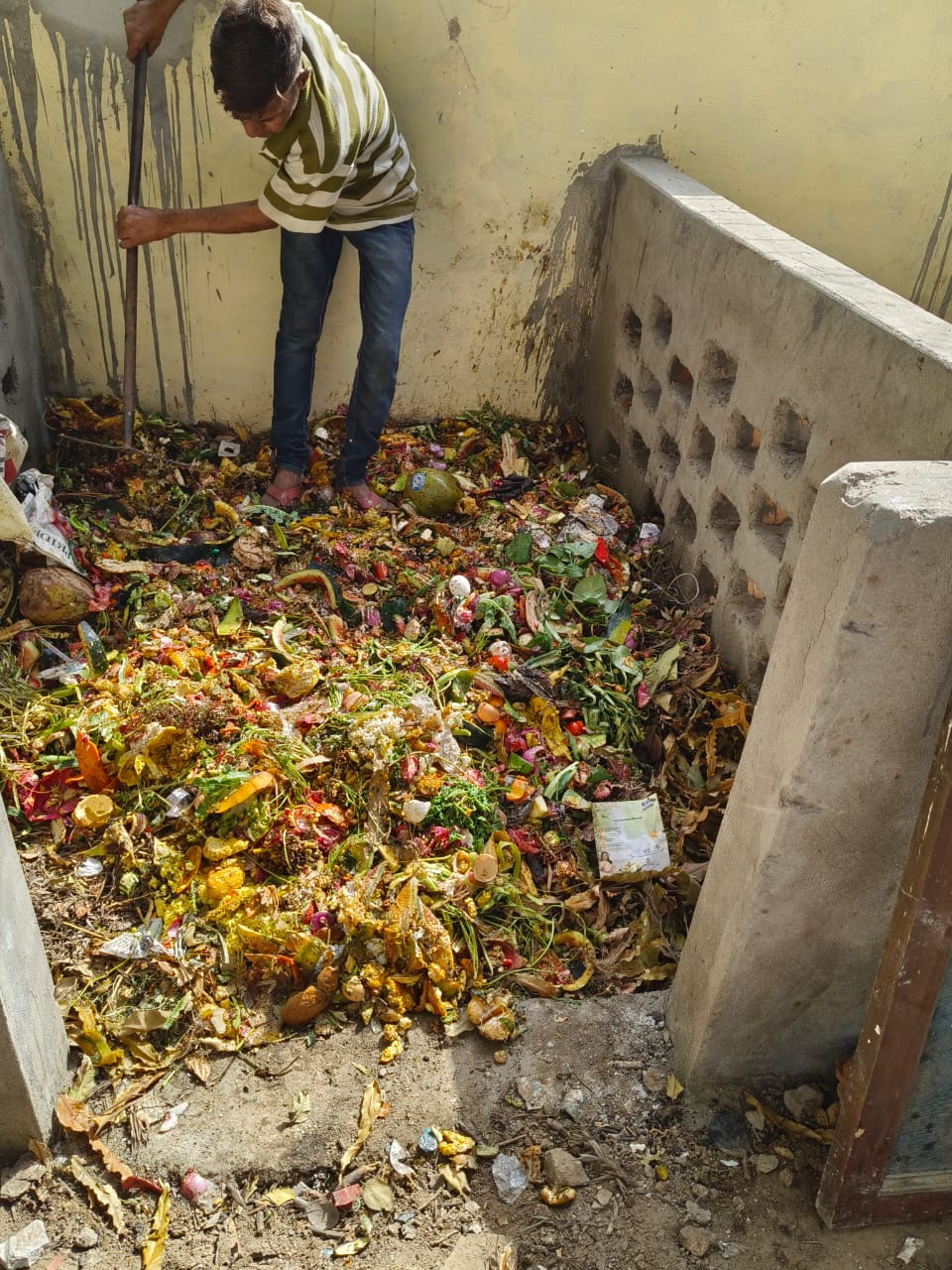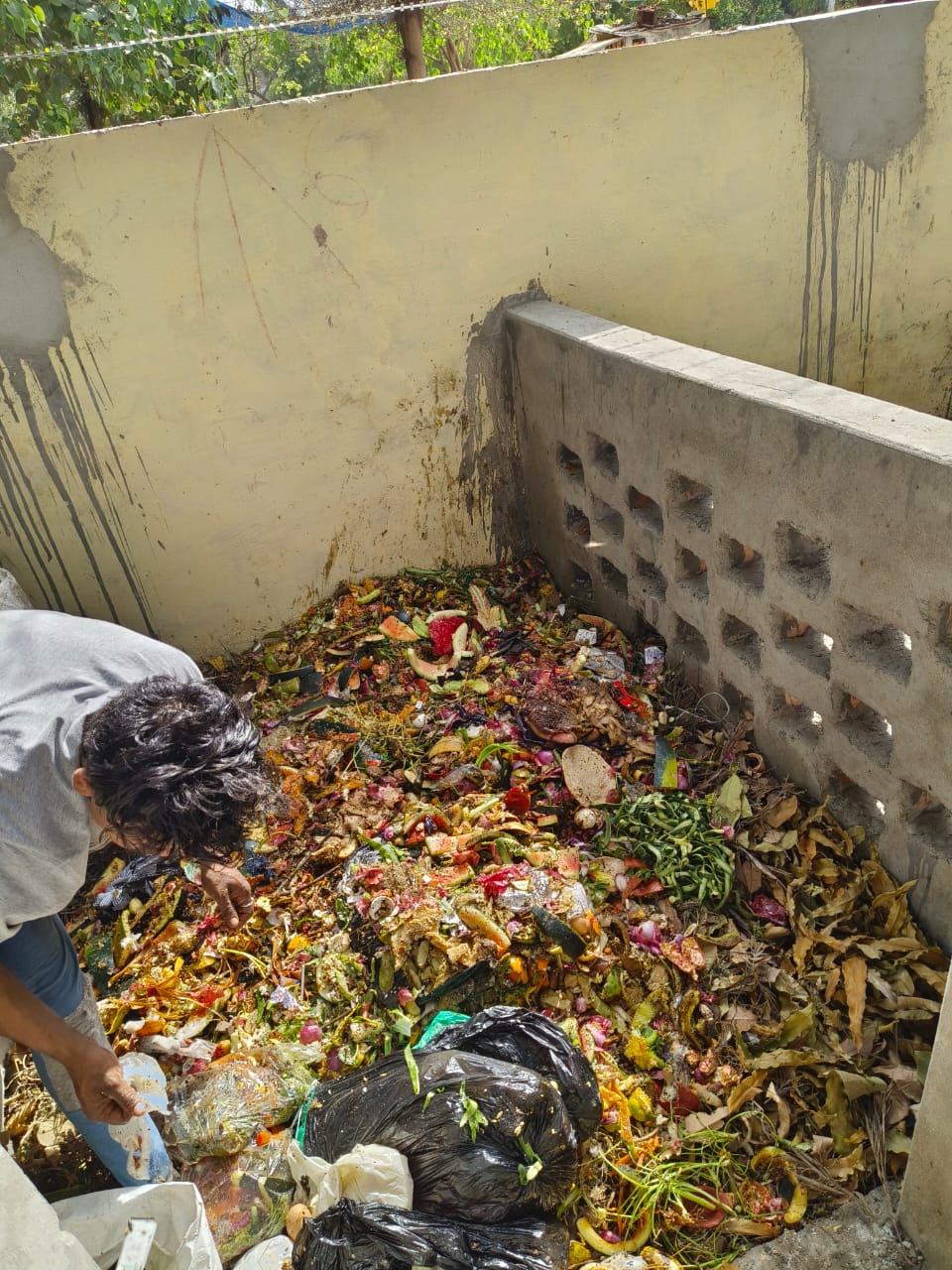
As the world continues to urbanize, access to green spaces has become increasingly important. Not only do green spaces improve mental and physical health, but they also provide environmental benefits such as air purification, carbon sequestration, and water management. These benefits are particularly important for schools, where students spend a significant amount of their time.
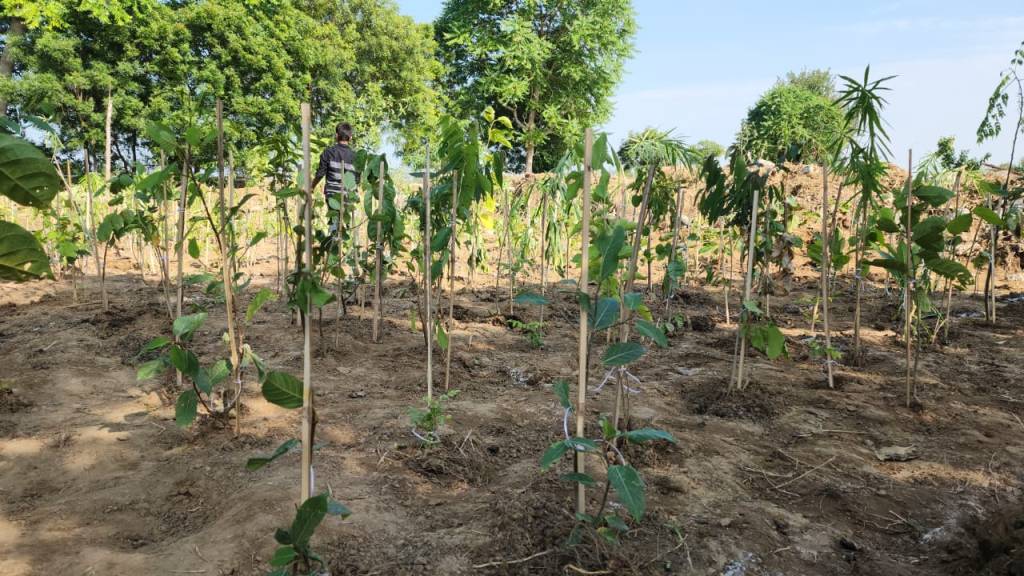
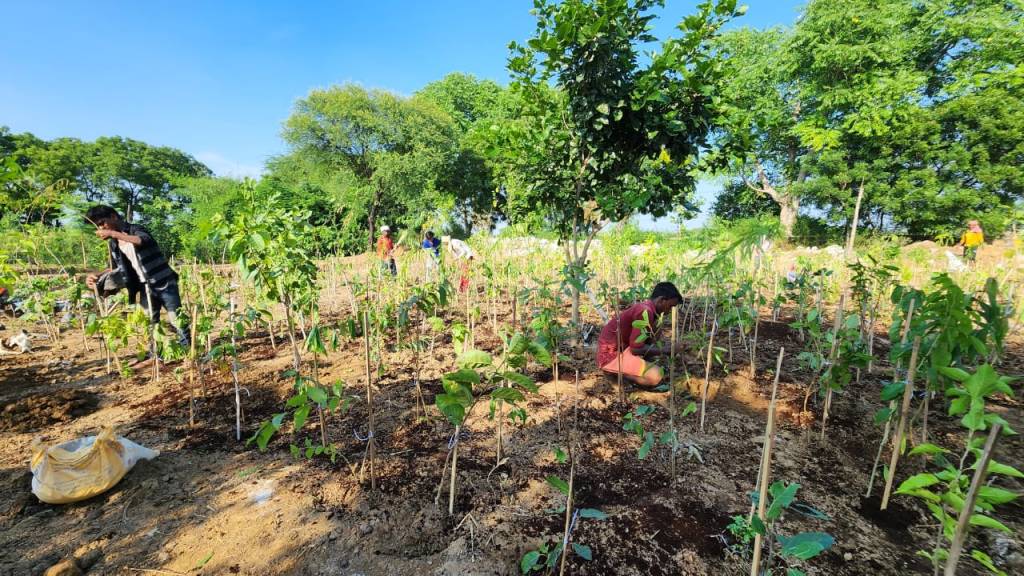
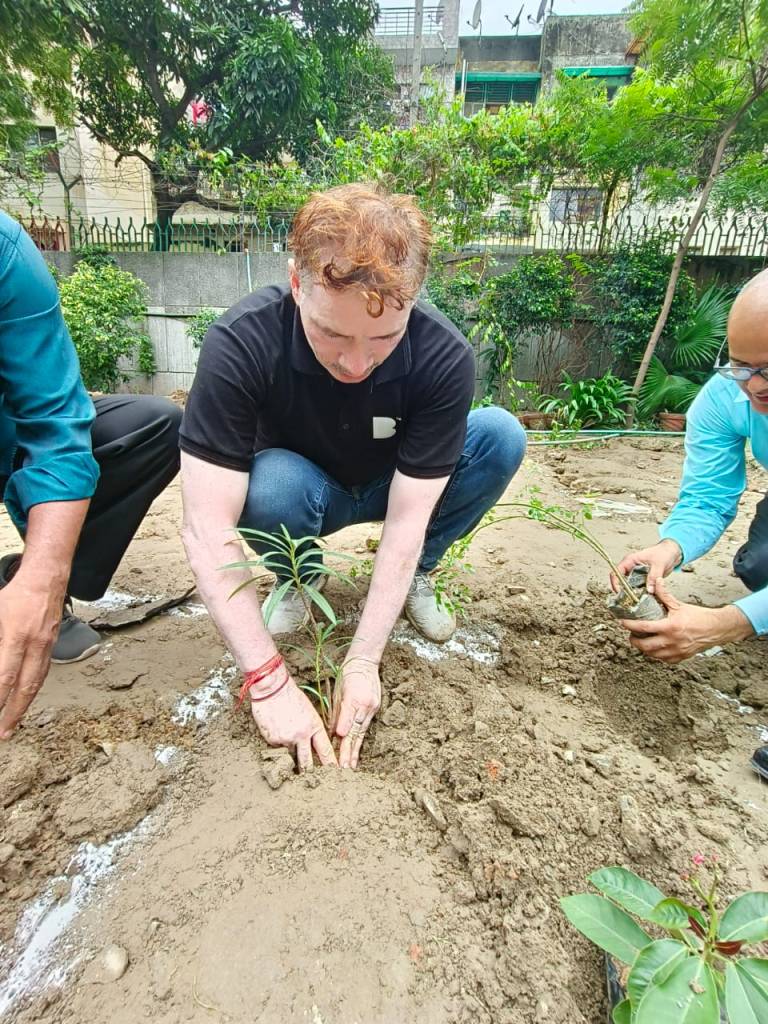
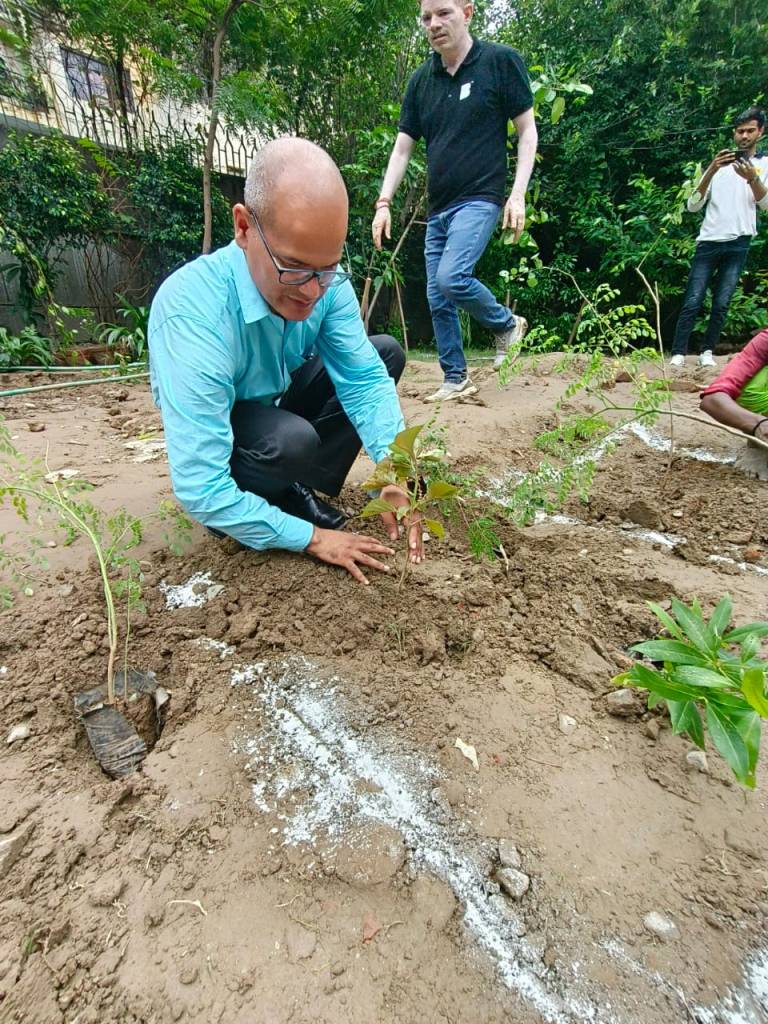
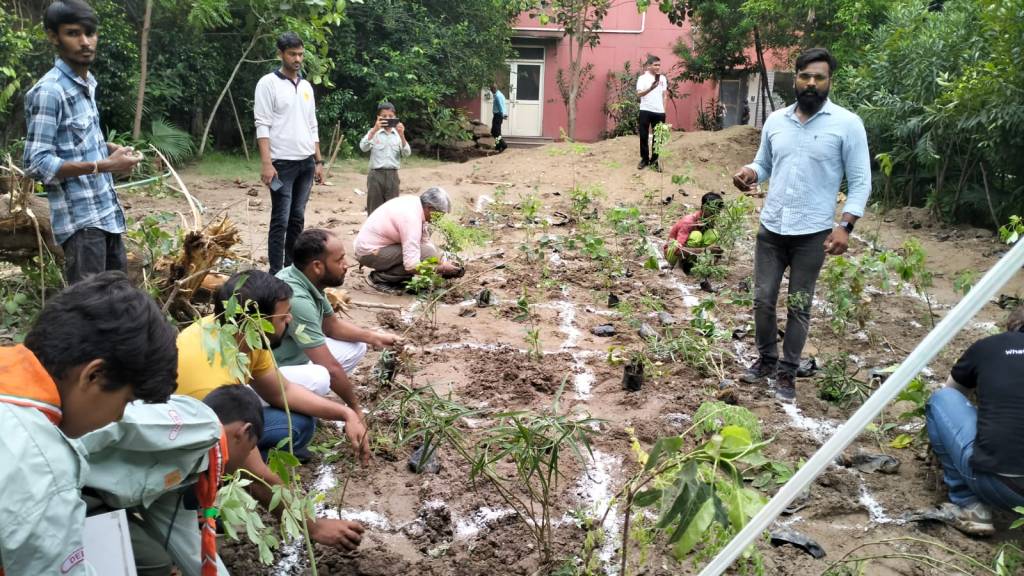
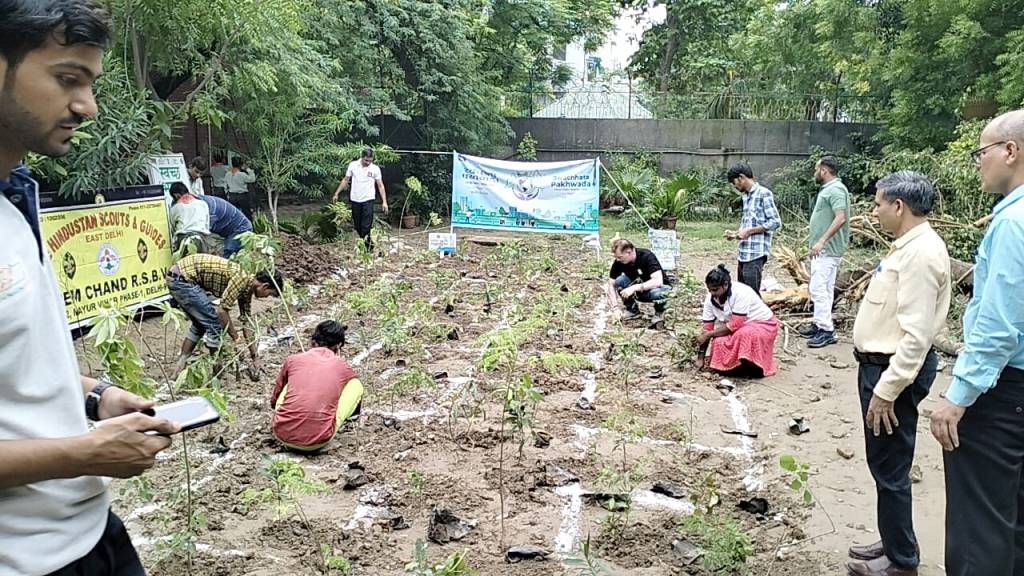
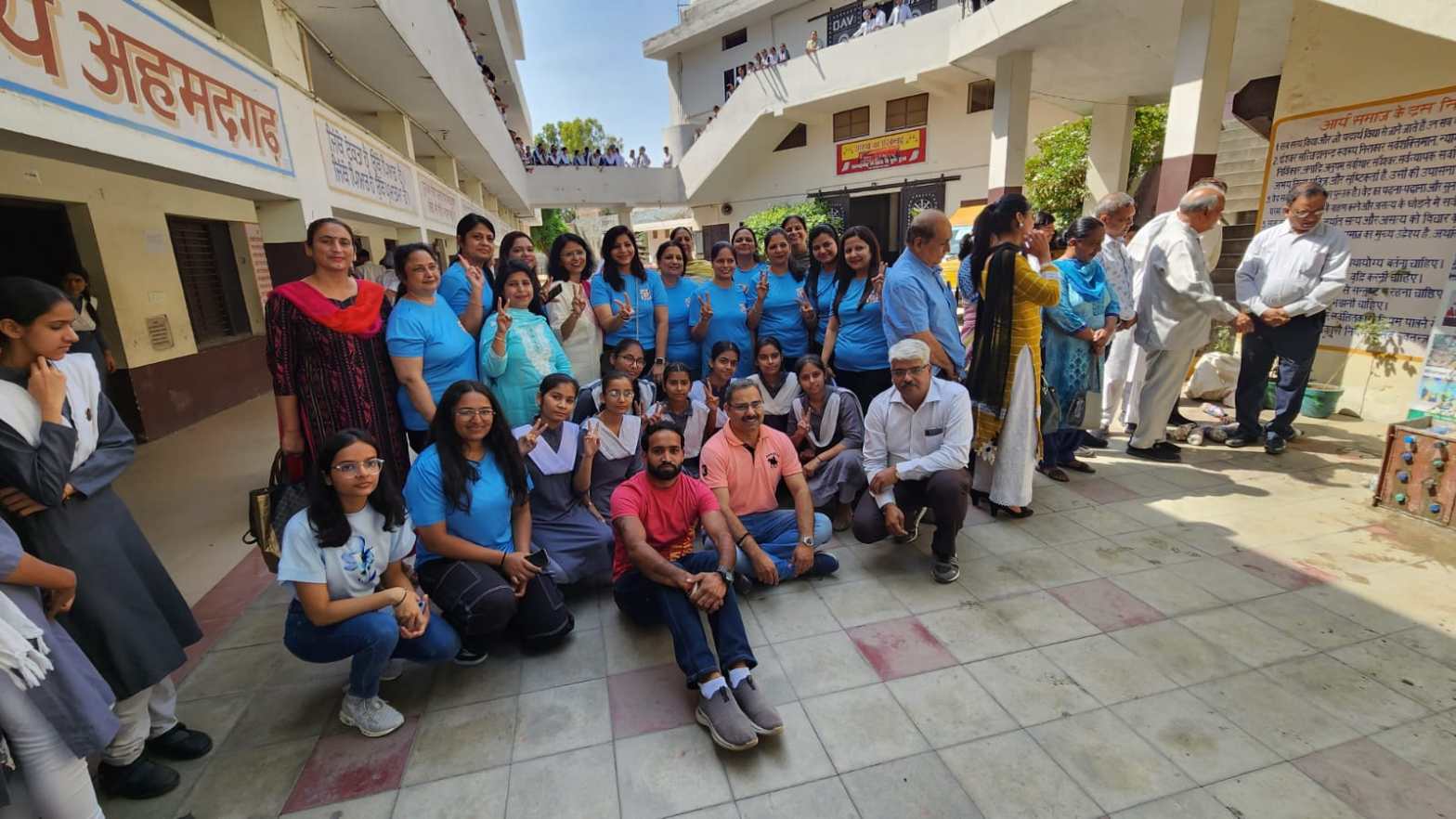
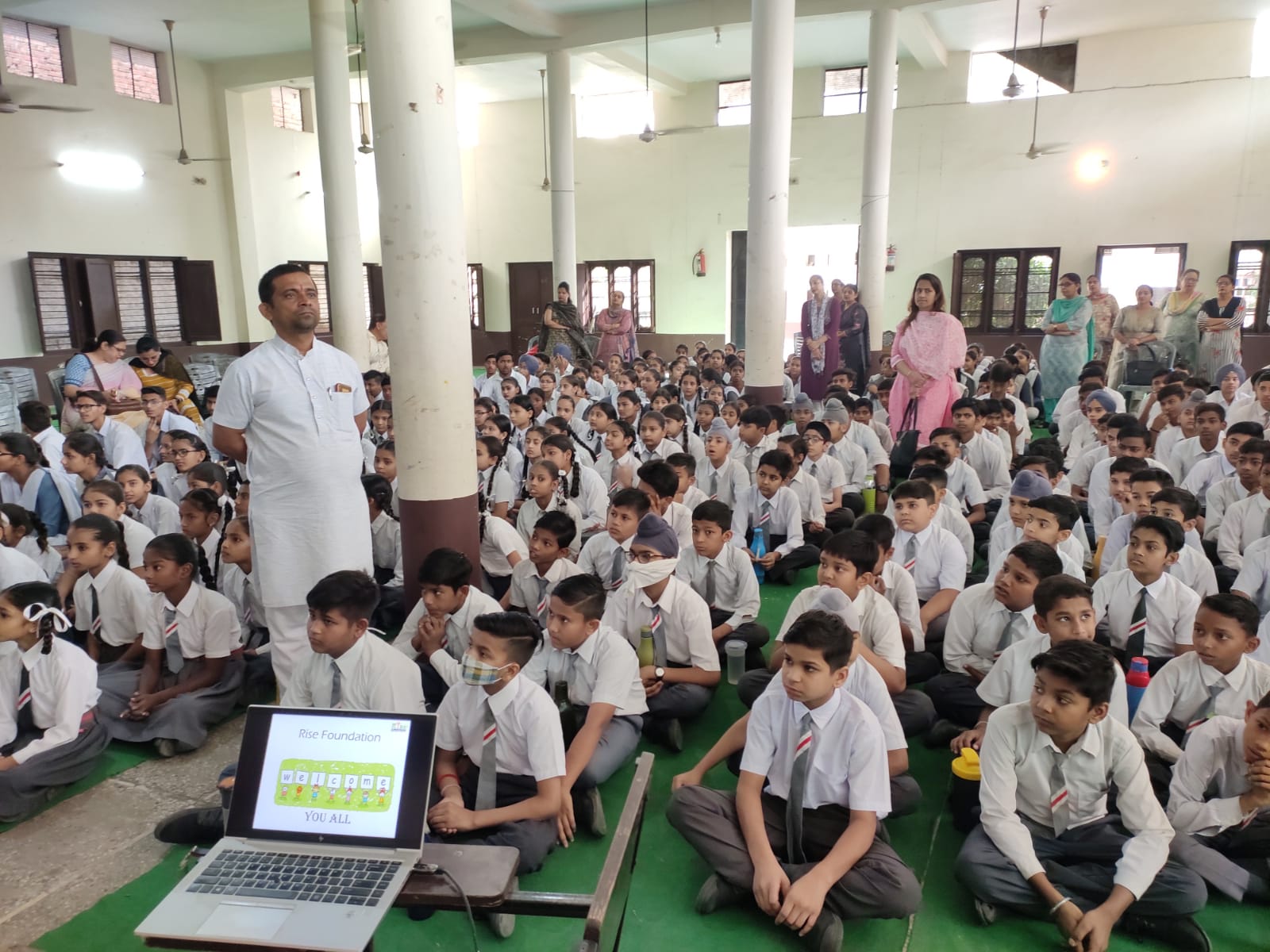
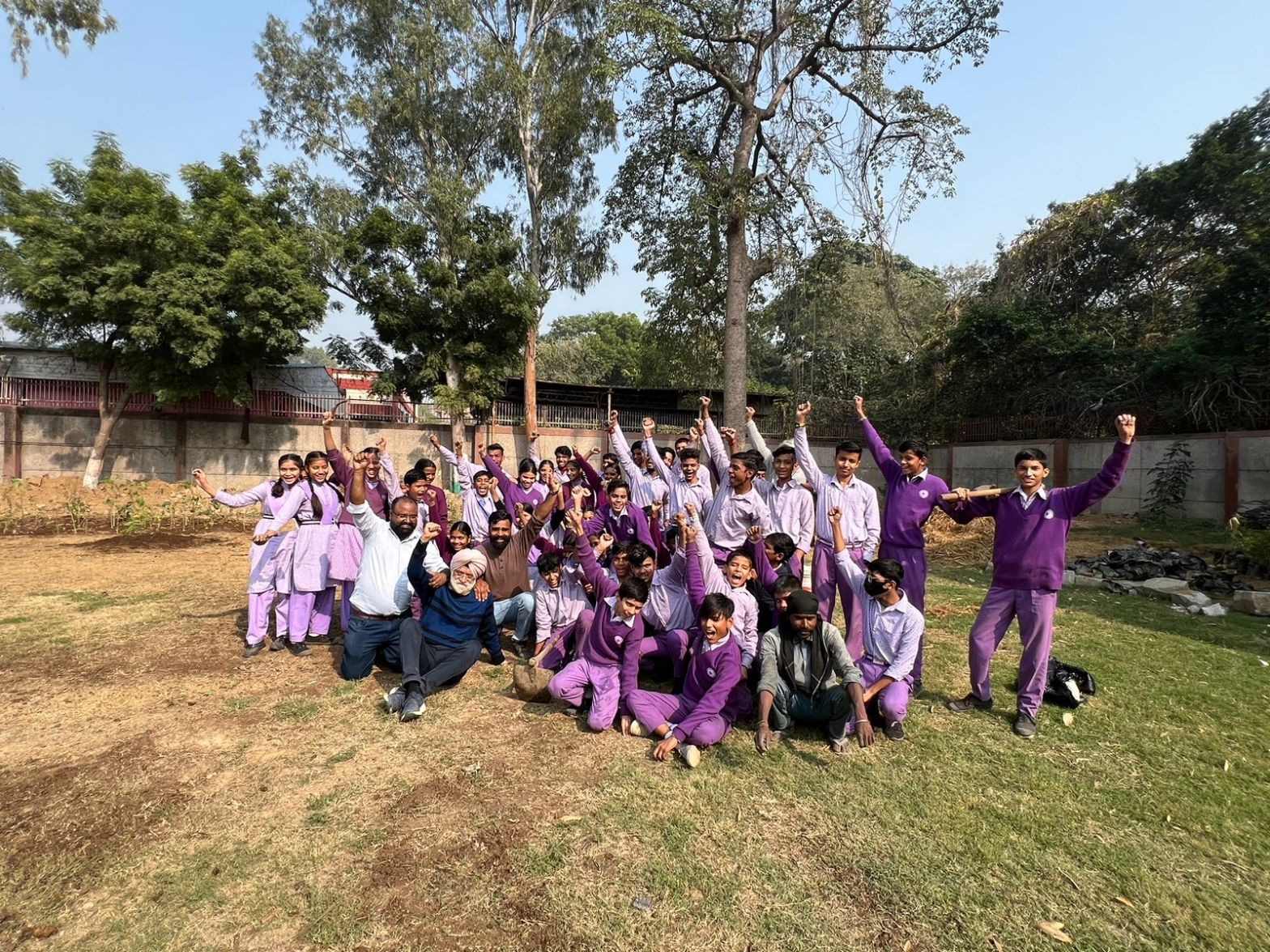
One initiative that is transforming education through green spaces is the Miyawaki Urban Forest in MCD School, created by Rise Foundation in association with CBIC. The Miyawaki method is a unique approach to reforestation that involves planting a variety of native tree species in a small area to create a dense, self-sustaining forest ecosystem. This method has been shown to promote biodiversity, increase soil health, and reduce carbon footprint.
The Miyawaki Urban Forest in MCD School (Narela, New Delhi) is a perfect example of how green spaces can transform the education system. Here are some of the benefits of this initiative:
Improved Air Quality: The trees in the Miyawaki Urban Forest act as natural air filters, removing pollutants from the air and improving air quality. This is particularly important for schools, where poor air quality can have negative impacts on student health and learning.
Enhanced Biodiversity: By planting a variety of native tree species, the Miyawaki Urban Forest promotes biodiversity and provides a habitat for a range of wildlife. This can help students learn about ecology and the importance of conservation.
Increased Access to Nature: The Miyawaki Urban Forest provides students with access to nature, which has been shown to improve mental health, reduce stress, and increase cognitive functioning.
Educational Opportunities: The Miyawaki Urban Forest can be used as a learning tool for students, providing opportunities for hands-on learning about ecology, environmental science, and sustainability.
In the school, Rise Foundation established Tiny Urban Forest in 600 sqft area with 200 native plants like Kachnar, Kadamb, Kadi Patta, Ashok, Tikoma, Neem, Gudhal, Karonda, Ruilia, Madhumalti, Chandani, Champa, Mogra , Lemon grass etc..
By creating green spaces like the Miyawaki Urban Forest in schools, we can create a more sustainable future for education. These spaces not only provide environmental benefits, but also improve student health and learning outcomes. Through initiatives like this, we can promote a greater appreciation for the natural world and create a more sustainable future for generations to come.
Thanks to team Rise Foundation Mr. Madhukar Varshney, Deepak Bhardwaj, Munish Kundra , Anmol and MCD School Management. For such projects, feel free to reach Rise Foundation at mail2risefoundation@gmail.com or contact at +91 9717764262
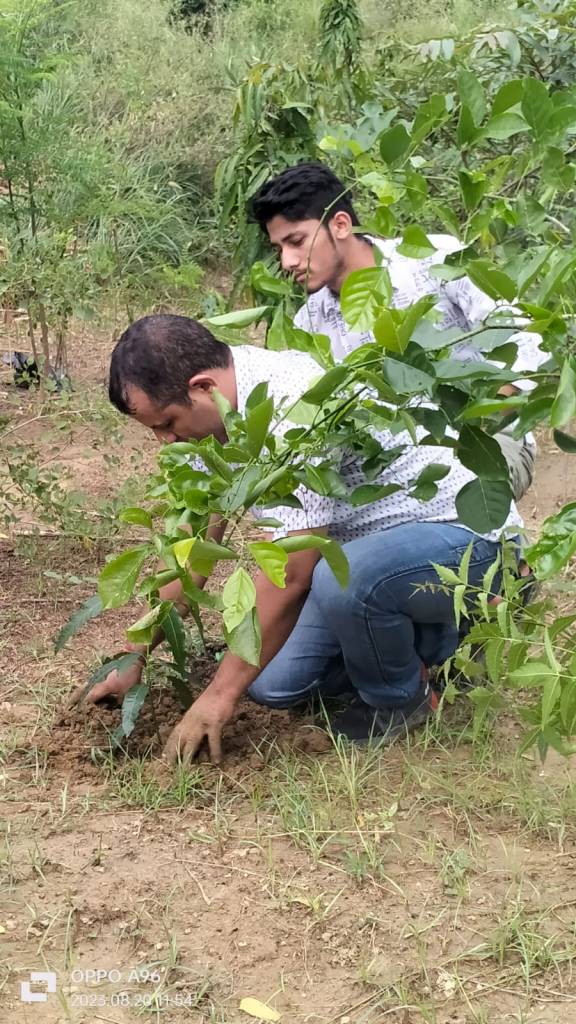
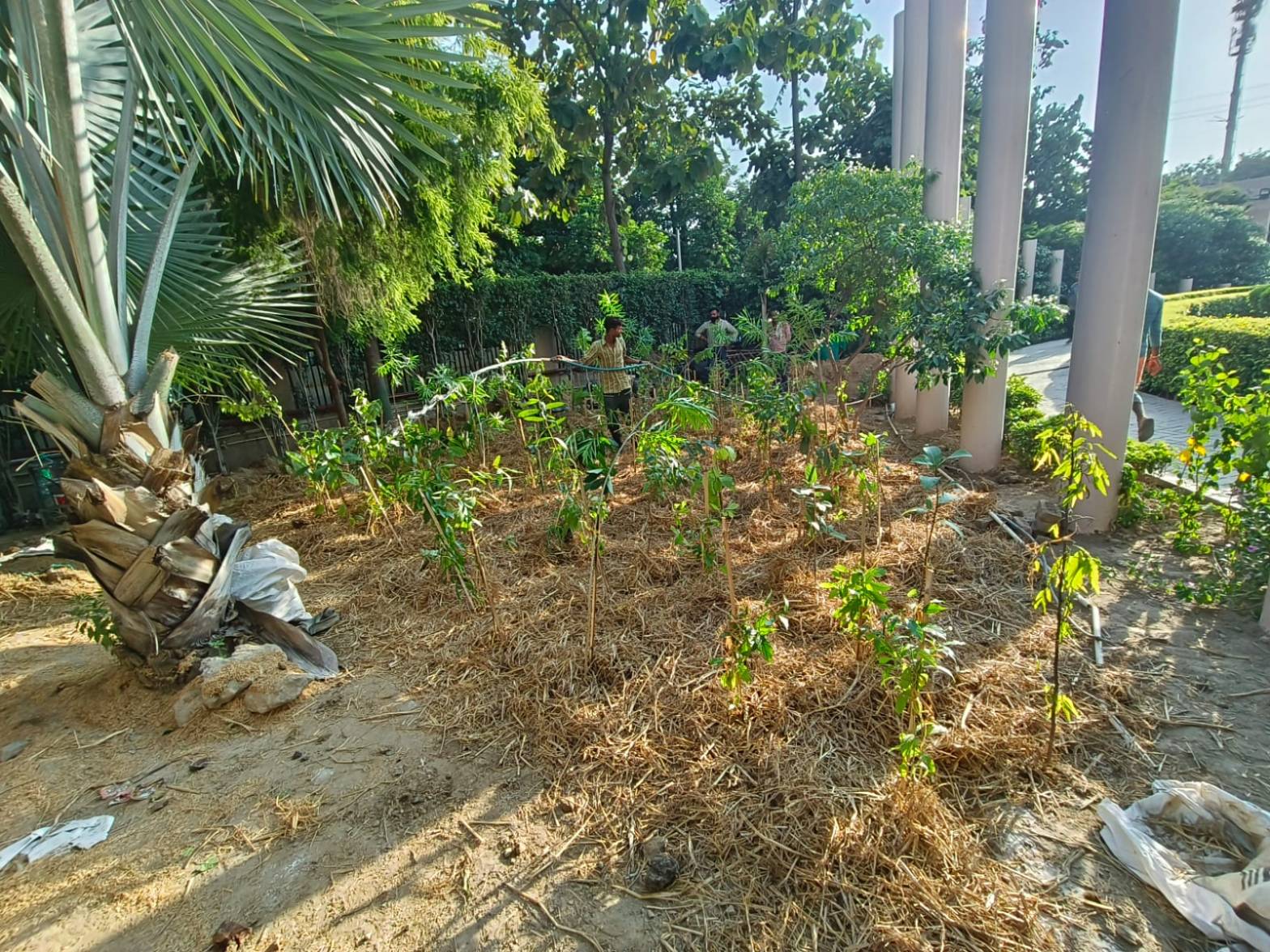
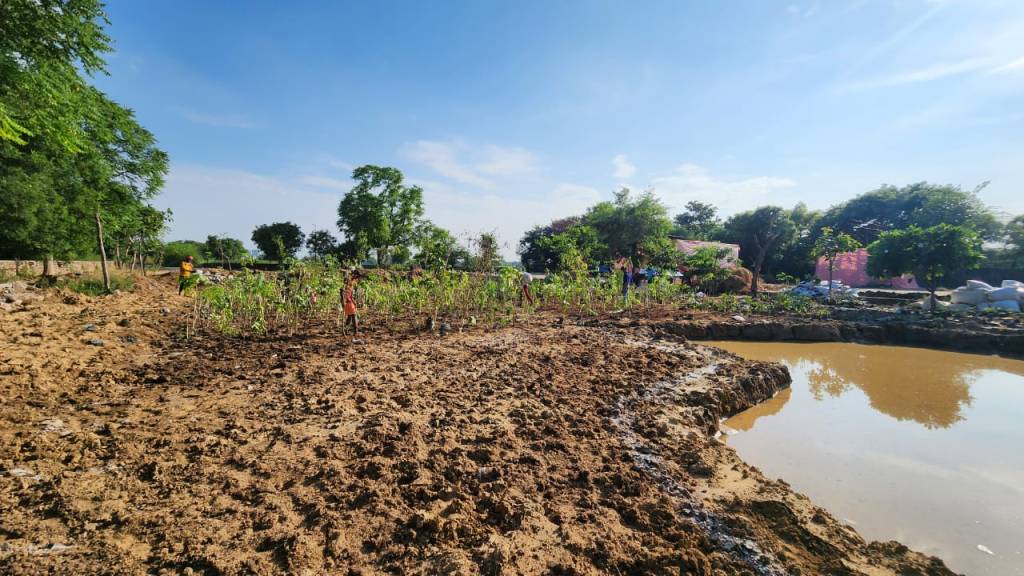
Cities like Delhi, Noida etc are often associated with concrete and steel, but urban forests are changing the way we view urban environments. Urban forests are green spaces in cities that provide a range of benefits, from reducing urban heat island effects to improving air quality. One example of an urban forest that is changing the landscape of the city is the Miyawaki Urban Forest in DMRC Residential Complex, Noida (UP) created by Rise Foundation as per UPPCB guidelines.
The Miyawaki Urban Forest is a unique approach to reforestation that involves planting a variety of native tree species in a small area to create a dense, self-sustaining forest ecosystem. This method has been shown to promote biodiversity, increase soil health, and reduce carbon footprint. Here are some of the benefits of the Miyawaki Urban Forest in DMRC Residential Complex:
Improved Air Quality: Trees in urban forests act as natural air filters, removing pollutants from the air and improving air quality. This is particularly important in cities, where poor air quality can have negative impacts on public health.
Reduced Urban Heat Island Effect: Urban forests help reduce the urban heat island effect, which is when cities experience higher temperatures than surrounding areas due to the absorption of heat by buildings and concrete. This effect can lead to increased energy consumption and reduced air quality.
Increased Biodiversity: By planting a variety of native tree species, the Miyawaki Urban Forest promotes biodiversity and provides a habitat for a range of wildlife. This can help to create a more sustainable ecosystem in the city.
Improved Mental Health: Urban forests provide access to nature, which has been shown to improve mental health and reduce stress.
Educational Opportunities: The Miyawaki Urban Forest can be used as an educational tool, providing opportunities for hands-on learning about ecology, environmental science, and sustainability.
This is first of its kind of urban forest where 100mtr length and 1 mtr wide space is used for plantation of 300 saplings.
The Miyawaki Urban Forest in DMRC Residential Complex is an example of how urban forests can transform the cityscape. By creating green spaces in the heart of the city, we can create a more sustainable future for generations to come. Through initiatives like this, we can promote a greater appreciation for the natural world and create a more livable and sustainable city for all.
Thanks to team Rise Foundation Mr. Madhukar Varshney, Deepak Bhardwaj, Munish Kundra , Anmol and MCD School Management. For such projects, feel free to reach Rise Foundation at mail2risefoundation@gmail.com or contact at +91 9717764262
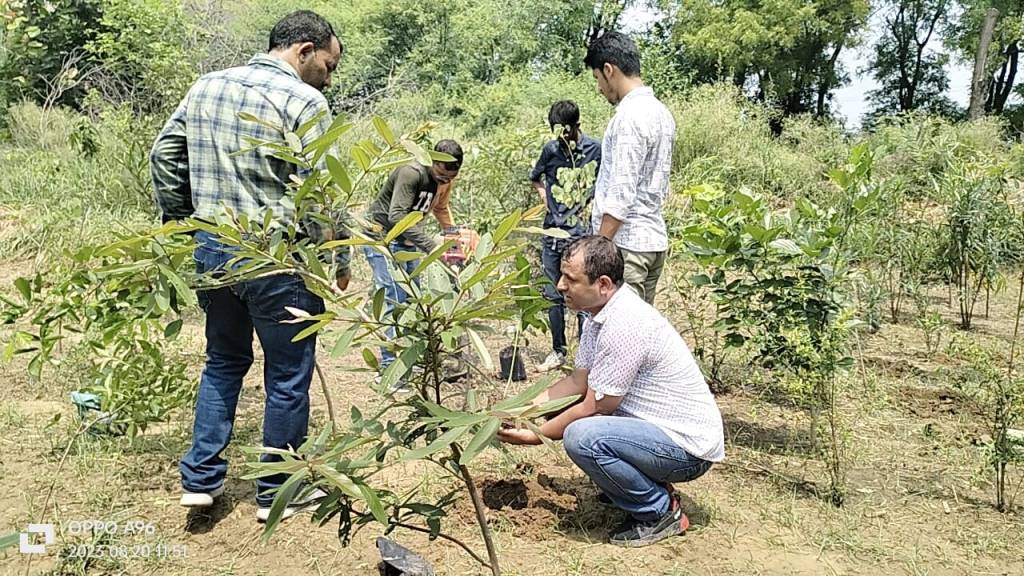
Composting is a natural way of recycling that involves breaking down organic waste into a nutrient-rich soil called compost. This process is facilitated by microorganisms like bacteria and fungi that decompose kitchen waste and turn it into compost. Personally, I find it gratifying to repurpose my kitchen waste by converting it into organic manure, which I then use to nourish my small organic kitchen garden. Composting is an effective way to minimize the amount of waste we unnecessarily send to landfills, which helps keep our cities clean and preserves the soil, while also preventing air pollution and contributing to a healthier planet. Since organic matter makes up around 60% or more of the waste generated in our households, it can be easily composted. Today, I would like to share with you a simple method for composting at home and creating organic manure from kitchen waste, which I practice regularly.
Segregate your household waste
The first step to composting is segregation of waste. I have two dustbins and one bag in my home.
One bin is for kitchen waste (vegetable, fruit scraps, peels, egg shells, coffee grounds etc and other organic matters).
The other bin one is for toxic waste (medicines wrappers, medical waste, used paints and spray, used batteries etc).
I uses bag for dry waste which is recyclable i.e. recycle newspapers, milk covers, plastic cans and glass bottles.
Tips – You can have green color dustbin for organic waste and red color for toxic waste.
2Bin 1 Bag System
What to compost? How should I compost ?
Composting is done by billions of microbes (bacteria, fungi) that digest the kitchen waste and turn into compost. These composting microorganisms, require the correct proportion of Carbon and Nitrogen for it to do its work. Effective composting can be made with equal parts GREENS and BROWNS. Now let us move to what is GREENS and BROWNS.
Green matter = High nitrogen
1.Vegetable and fruit peels and scraps 2.Coffee grounds 3.Tea powder/Tea bags 4.Flowers/Pooja Flowers 5.Grass clippings 6.Egg shells (has to be crushed before adding) etc..
Brown matter = High carbon
1.Dry leaves 2.Saw dust 3.Small wood chips 4.Packaging Brown Paper 5.Cocopeat etc..
Composting Using Kh@dbin 3T Large
I am using Kh@dbin 3T Large Terracotta Composter proposed by Rise Foundation( it comes in different shapes and colors) which comes with ready made holes and also it can be stacked and placed in a shady corner in the garden. It should be kept in the shade and should be protected from rain. You can cover it with a plastic sheet in case of heavy rain.
It comes in 3 units which can be stacked one on top of the other. Unit A, Unit B, Unit C and a lid.
The middle unit B is interchangeable with the top unit A. Unit A and B comes with plastic woven wire at the bottom.
The bottom Unit or Unit C is for storing the almost done compost and does not have plastic woven wire and is close at the bottom. It remains always in the bottom.
First step is preparing your Composter
The bottom Unit C should be layered with 4 inches of dried leaves that acts like a bed for the water that gets discharged during decomposition.
Place a paper or newspaper in unit A to cover the weave. This is done to prevent waste from falling through the plastic weave to the bottom most unit C.
Then layer with dry leaves (pic below).
The add your organic kitchen waste. If time permits, you can shred it into smaller pieces and add as it will fasten the process of composting.
Cover it with saw dust or dry leaves or brown content. We will call this “Pile”. Every time you add your kitchen waste (greens), you have to cover it with dry leaves or saw dust (browns). Waste should not be visible. Then cover it with a newspaper (to prevent flies) and close it with a lid.
Give it a good mix using a small rake or a stick twice a week for good aeration. Add a little buttermilk or semi composted material to start off the decomposition process.
Check the moisture level every time, you mix the pile. Sprinkle a little water and mix well, if the pile is dry. Add more BROWNS, if it is wet or soggy and mix well.
Once Unit A is full, shift Unit A to the middle and bring Unit B to the top.
Start filling Unit B – follow the same process above.
When Unit B is full, empty the half done compost from Unit A to Unit C to mature. Then shift Unit A to the top and start filling it with waste following the same process above. Like this you have to interchange Unit A and Unit B. Unit C will always remain in the bottom.
It will take 30-45 days to fully compost depending on the temperature.
Once compost in Unit C is done, sieve it and use it. You can add the remains back to the Unit A or B. A fully done compost is dark brown and smells like earth.
All your organic waste is converted into nutritious manure for plants. I call this the “black gold” which I use for my home garden.
MAINTENANCE FOR ANY COMPOST BIN or KAMBHA
I am practicing all the methods of composting mentioned above with success. Whatever your method of composting, the same rule applies for composting. Read below –
1. Food
Microbes need 2 kinds of food to do their work. Green and Browns
Every time you add kitchen waste (greens), you should cover it with dry leaves or cocopeat /saw dust (browns). There should be an equal mix of green matter- (nitrogen) and brown matter (carbon) for the microorganisms to their work.
2.Air
Proper aeration is ensured by turning or mixing the pile at regular intervals.
3.Water
Check the moisture level every time you mix the pile. If the pile is too dry, decomposition will not take place. Sprinkle needed water and mix the pile well evenly.
If it is too wet, the pile will have lot of maggots and also the pile will stink. So maintaining the correct moisture level is important. Adding more brown content to manage wetness.
Tips for faster decomposition
The smaller the pieces, the faster the decomposition. So if I find time, I will shred the vegetable and fruit scraps into smaller pieces and add to the bin.
Add a little buttermilk or semi composted material or even a little cow dung to start off the decomposition process.
Use the organic manure/fertilizer for your plants. Let us not waste our kitchen waste and let us contribute in small ways towards reducing landfill waste, preventing air pollution and preserving the natural landscape and make this earth a safe and happy place to live.
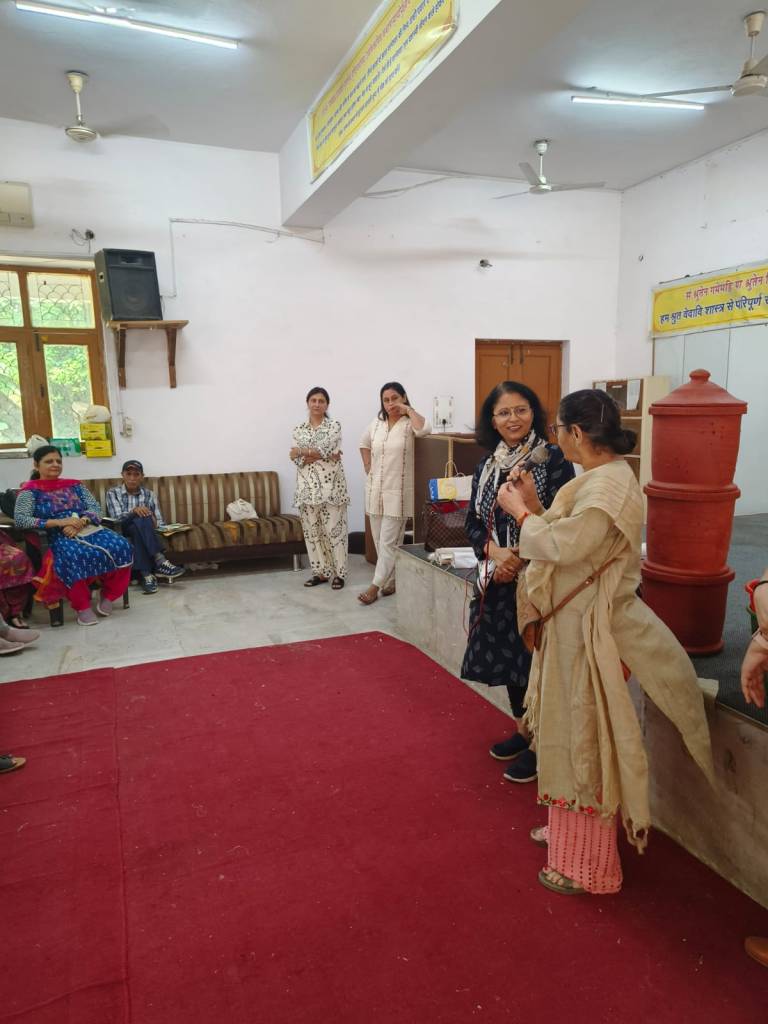
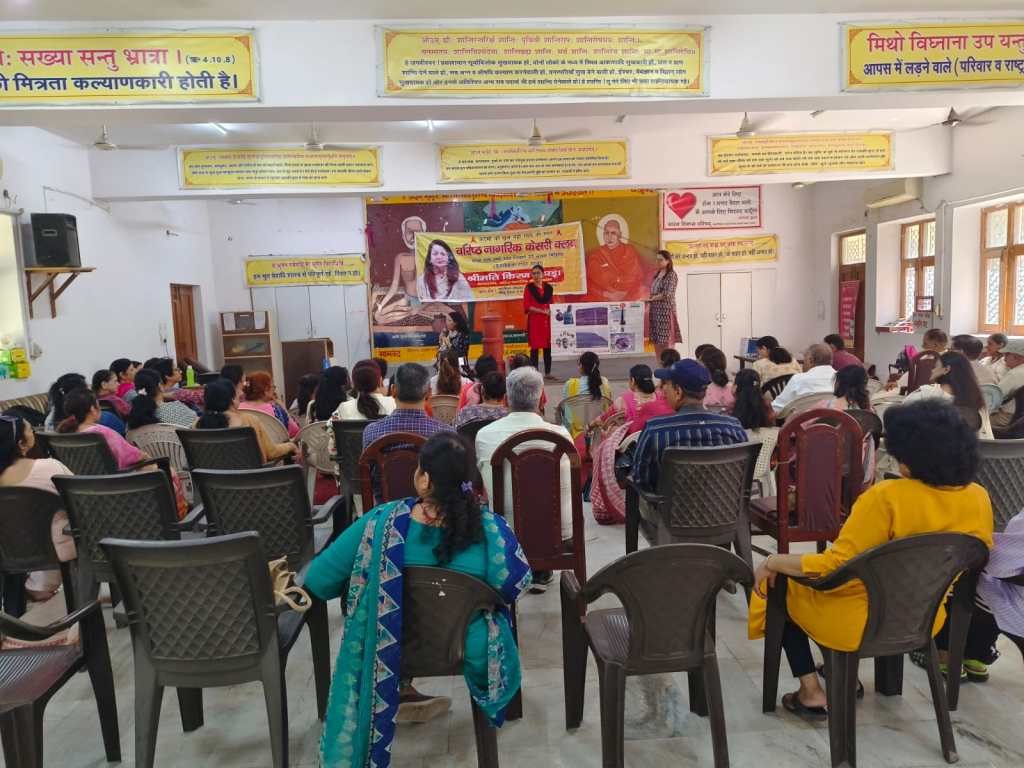
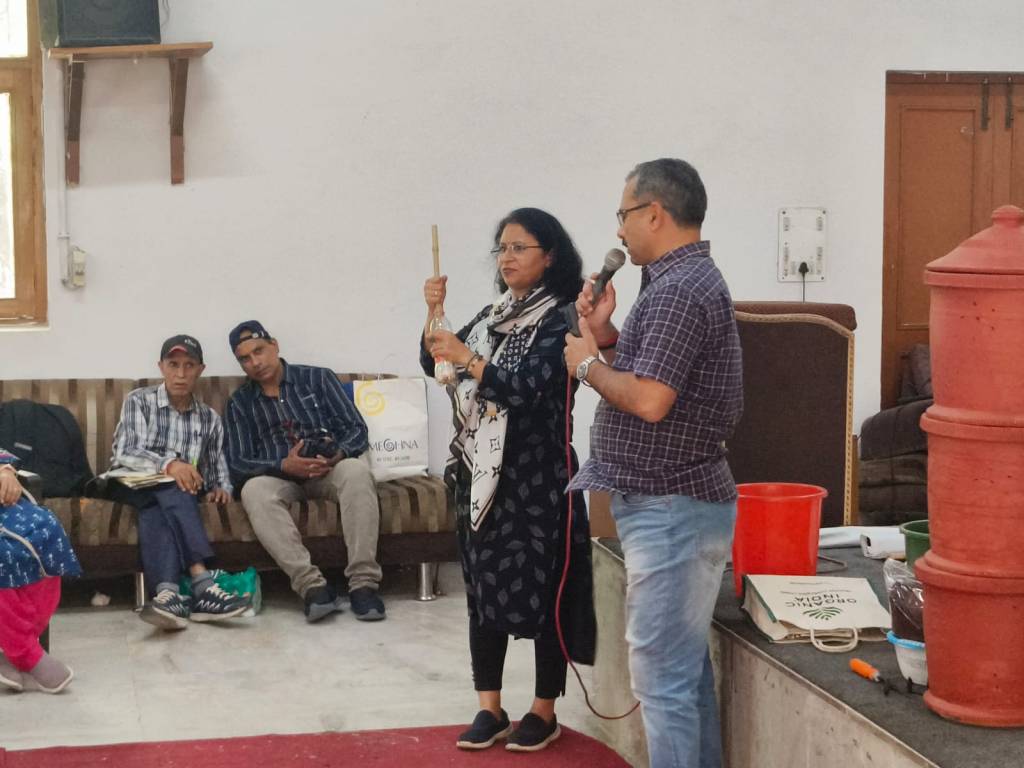
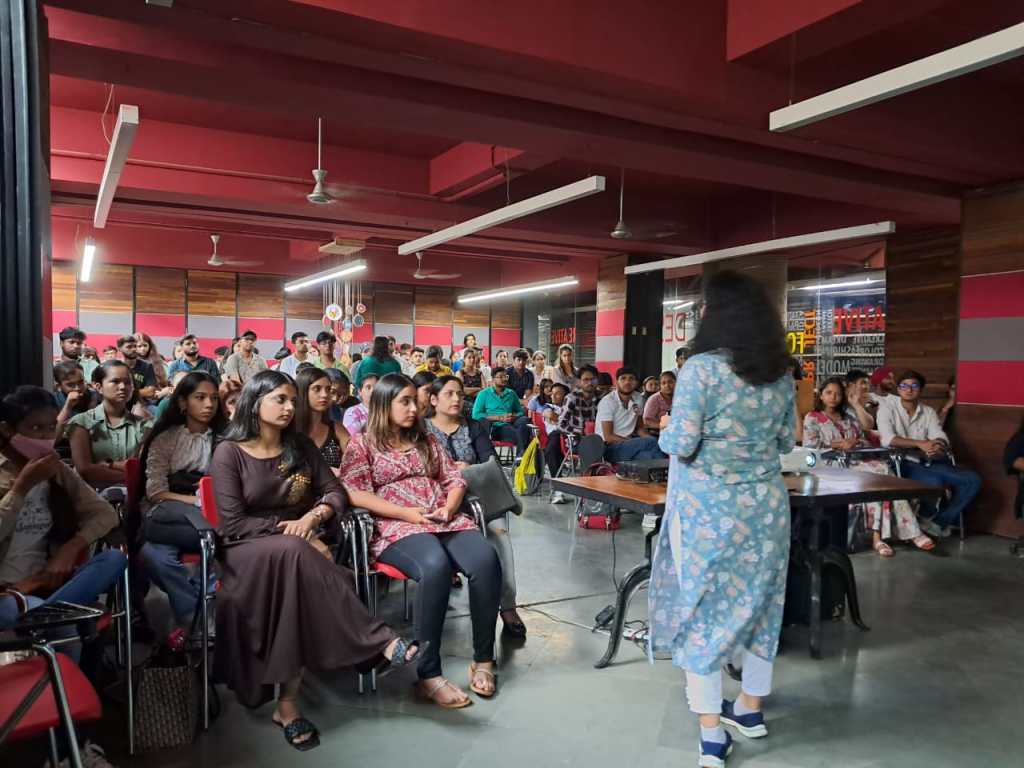
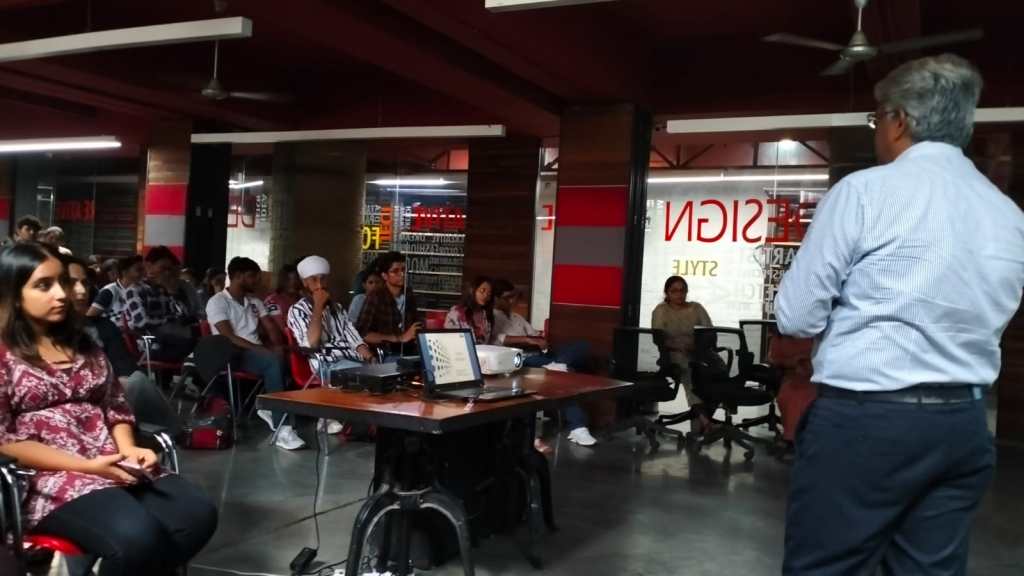
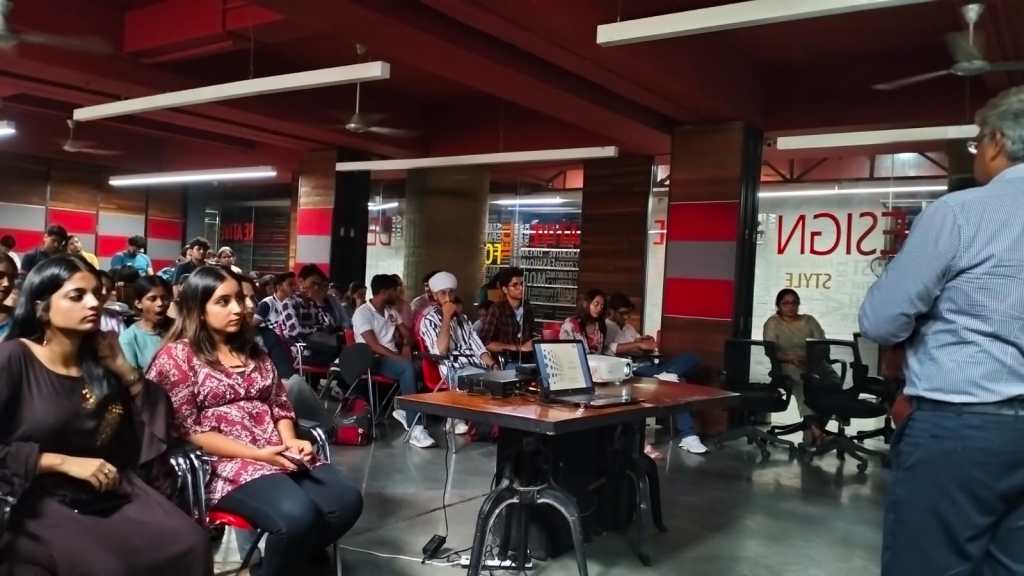
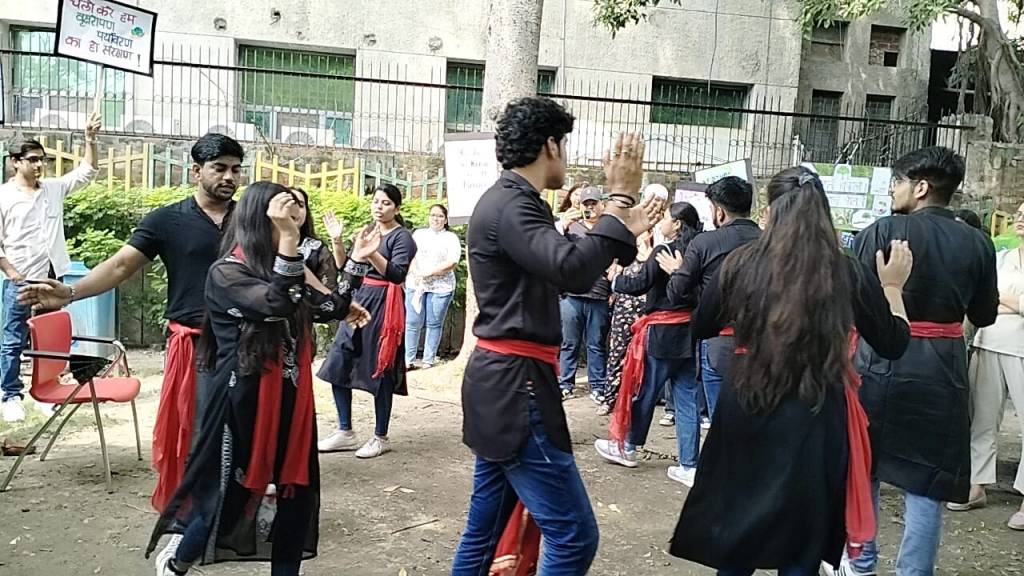
Rise Foundation, an NGO based in Delhi, is working towards building a just, Zero Waste world . One of our initiatives is to educate residents on the importance of waste management in mitigating climate change and reducing plastic pollution. Today (1st April 2023), we partnered with APS Colony in Delhi cantonment area to organize a Climate Change and Waste Management Workshop. The workshop covered topics such as waste segregation, composting, and recycling, and highlighted the use of ecobricks made from non-biodegradable waste.
The event was attended by both young and old residents who shared their ideas and experiences on reducing waste and contributing to a cleaner and healthier environment. The management committee and residents agreed to start segregating waste at the source and composting within the campus . This is a much-needed step towards keeping Delhi clean and green, as over 14000 tonnes of garbage are generated in Delhi each day, with most of it managed by the informal sector, which contributes to greenhouse gas emissions and marine pollution.
Rise Foundation’s efforts to promote Zero Waste communities through waste management, climate change mitigation, and plastic pollution reduction are commendable. It is time for us to take responsibility for our waste and contribute to building a cleaner and healthier world.
We thanks to the whole team of APS Colony for initiative towards Zero Waste and Team Rise Foundation – Madhukar Varshney, Madhuri Varshney and Munish Kundra to conducted wonderful session .
For any such session in Delhi-NCR “Free of Cost” , feel free to reach us at +91 9717764262 (Madhukar ) or mail2risefoundation@gmail.com
SWM Waste Management, Composting , Climate Change session was conducted at Peepal Apartments, Sec 17, Dwarka.
Date : 26 March 2023
शहरी जीवन में कचरे का प्रबंधन महत्वपूर्ण है। अगर हम सभी मिलकर कचरा सही तरीके से अलग करें और कम्पोस्टिंग का समर्थन करें, तो हम स्वच्छ और हरित शहर बना सकते हैं।
कचरे को अलग-अलग बिनों में सेग्रेगेट करने से हम पुनर्चक्रण को बढ़ावा देते हैं और साथ ही, कचरे का प्रबंधन भी सुगम हो जाता है। कम्पोस्टिंग से नहीं सिर्फ हमारी ज़मीन को फ़ायदा होता है, बल्कि हम पौधपोषण के माध्यम से अपने पर्यावरण को भी स्वस्थ बना सकते हैं।
जलवायु परिवर्तन:
आज का सबसे बड़ा चुनौती जलवायु परिवर्तन है। हमारी जीवनशैली, उपयोगिता और उत्पादन प्रक्रियाएं सीधे रूप से पर्यावरण को प्रभावित कर रही हैं। हमें अपनी ऊर्जा खपत कम करने, और साइकिल, गाड़ी साझा करने, और पॉल्यूशन को रोकने के लिए कदम उठाने की आवश्यकता है।
आइए, हम सभी मिलकर इस स्वच्छता अभियान का हिस्सा बनें और हमारे शहर को हरित, स्वस्थ, और सुरक्षित बनाएं।
Climate change is a global issue that affects every individual, community, and nation on the planet. It is caused by the accumulation of greenhouse gases, primarily carbon dioxide, in the atmosphere, which traps heat and leads to a rise in global temperatures. The effects of climate change are far-reaching, from extreme weather events to rising sea levels and loss of biodiversity. To address this issue, the management of Happy Home Apartments, Sector 7, Dwarka (Delhi) organized a Climate Change and Waste Management Workshop in collaboration with Rise Foundation on February 7, 2023.
The workshop aimed to educate the residents on the causes and effects of climate change and the role that waste management plays in mitigating its impacts. The workshop covered various waste management practices, including composting, recycling, and waste reduction, with a focus on practical solutions that can be implemented in an apartment complex setting.
The participants, comprising of both young and old residents, were enthusiastic about the workshop and eager to learn. The experts from Rise Foundation shared their knowledge and experience, highlighting the importance of reducing waste and lowering carbon emissions. They also demonstrated how to make ecobricks from non-biodegradable waste, which can be used to build furniture and other structures.
The workshop was highly interactive, with participants sharing their experiences and ideas on how to reduce their carbon footprint and contribute to a cleaner and healthier environment. One of the main takeaways from the workshop was the importance of individual responsibility and the role that each resident can play in addressing climate change.
The management of Happy Home Apartments was pleased with the success of the workshop and the positive response from the residents. “We are committed to creating a sustainable living environment for our residents, and this workshop is just one of the many initiatives we are undertaking,” said Mrs. Sarita Rajput, the member of Management committee of Happy Home Apartments. “We hope that the knowledge and skills gained from the workshop will be put into practice by our residents, resulting in a cleaner and greener living space for all.”
The Climate Change and Waste Management Workshop organized by Happy Home Apartments and Rise Foundation is an excellent example of how apartment communities can work together to address global environmental challenges. By educating residents and providing practical solutions, apartment complexes can reduce waste and lower carbon emissions, contributing to a healthier and more sustainable future for all.
Our team of experts Mrs Madhuri Varshney , Mr. Madhukar Varshney and other team members in waste management, marine pollution, and ecobricks shared their knowledge and experience on various waste management practices, including composting, recycling, and waste reduction.
and Dwarka News : अब द्वारका बनेगा नंबर-1, हैप्पी हॉम अपार्टमेंट में राइज़ फाउंडेशन की जागरुकता भरी बैठक
For conducting the workshop or awareness session, feel free to contact us at Contact: Name: Madhukar Varshney ;Email: mail2risefoundation@gmail.com; Phone: +91 9717764262
Pay-As-You-Throw (PAYT) has been implemented in many western countries, including the United States, Canada, and Europe, with varying results.
In general, PAYT has been shown to be effective in reducing waste generation and increasing recycling rates. For example, a study of PAYT programs in the United States found that communities with PAYT systems generated 10-15% less waste and recycled 20-30% more than communities without PAYT. In addition, many PAYT programs have led to cost savings for local governments, as they have reduced the amount of waste sent to landfills and reduced the costs of waste collection and disposal.
However, the implementation of PAYT has not been without challenges. One of the biggest challenges has been ensuring that the system is fair and equitable, especially for low-income households. To address this, many PAYT programs in western countries have offered discounts or exemptions for low-income households, or have provided subsidies for waste reduction and recycling initiatives.
Another challenge has been ensuring that the revenue generated from the PAYT system is used effectively and transparently. In some cases, the revenue generated from the PAYT system has been used to fund improvements in waste collection and disposal practices, or to invest in waste reduction and recycling initiatives. However, in other cases, the revenue has been misused or embezzled, leading to corruption and a loss of trust in the system.
Despite these challenges, PAYT has demonstrated positive results in many western countries, with many programs leading to significant reductions in waste generation and increases in recycling rates. In addition, many PAYT programs have led to improvements in public health and environmental quality, and have contributed to the transition to a more sustainable waste management system.
In conclusion, while the implementation of PAYT has not been without challenges, it has been shown to be effective in reducing waste generation and increasing recycling rates in western countries. To be successful, it is important to ensure that the system is fair and equitable, and that the revenue generated is used effectively and transparently. With the right policies and support, PAYT has the potential to be a valuable tool in improving waste management in western countries.
Are you tired of throwing away food scraps and contributing to the growing problem of landfills and greenhouse gas emissions? Then it’s time to consider a terracotta home composter offered by Rise Foundation.
A terracotta home composter is a simple and effective solution for managing food waste in your home. This product is made from natural clay and is free from any harmful chemicals or substances. It allows you to compost kitchen waste such as fruit and vegetable scraps, coffee grounds, and eggshells in a convenient and odor-free way.
Not only does this composter reduce your waste and help the environment, but it also creates a valuable fertilizer for your plants. The compost produced by a terracotta home composter is rich in nutrients and can be used to improve the health and productivity of your garden.
The process of composting with a terracotta home composter is simple and straightforward. Simply add your food waste to the composter, add water, and turn the handle to aerate the compost. The natural bacteria in the compost will break down the waste into a nutrient-rich soil amendment.
In addition to its practical benefits, a terracotta home composter is also an attractive addition to your home. It is available in a range of colors and sizes, so you can easily find a style that complements your home decor.
Overall, a terracotta home composter is a sustainable, cost-effective, and convenient solution for managing food waste. By composting with this product, you can reduce your waste, create a valuable fertilizer for your plants, and contribute to a more sustainable world.
Rise Foundation offers 2 size of Terracotta Home Composters.
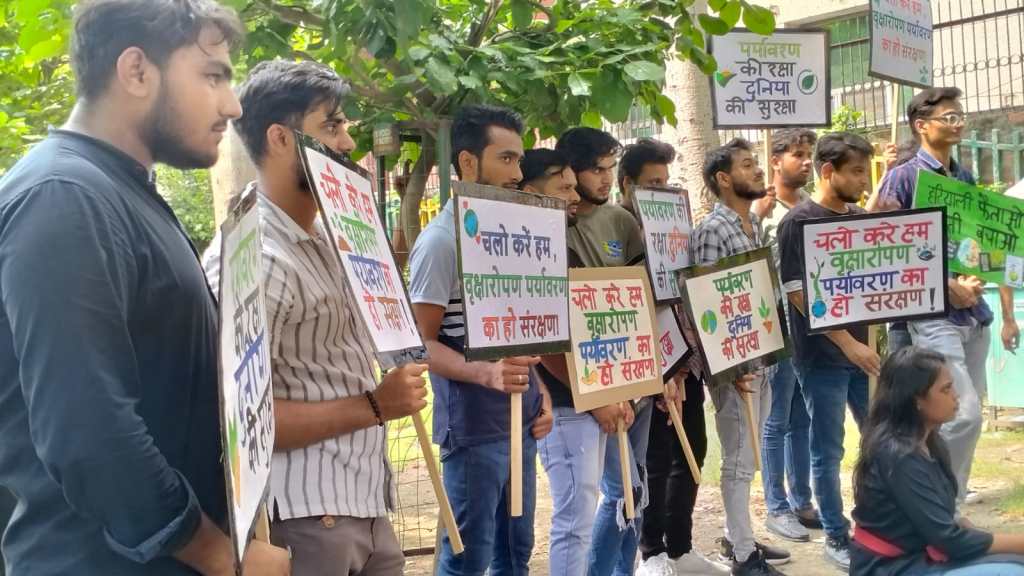
12″ Dia x 36″ Height (60 Ltr ) size good for 1-4 member family with upto 700gm daily kitchen waste.
14″ Dia x 41″ Height (90 Ltr) size good for 2-5 member family with up to 1Kg daily Kitchen waste.
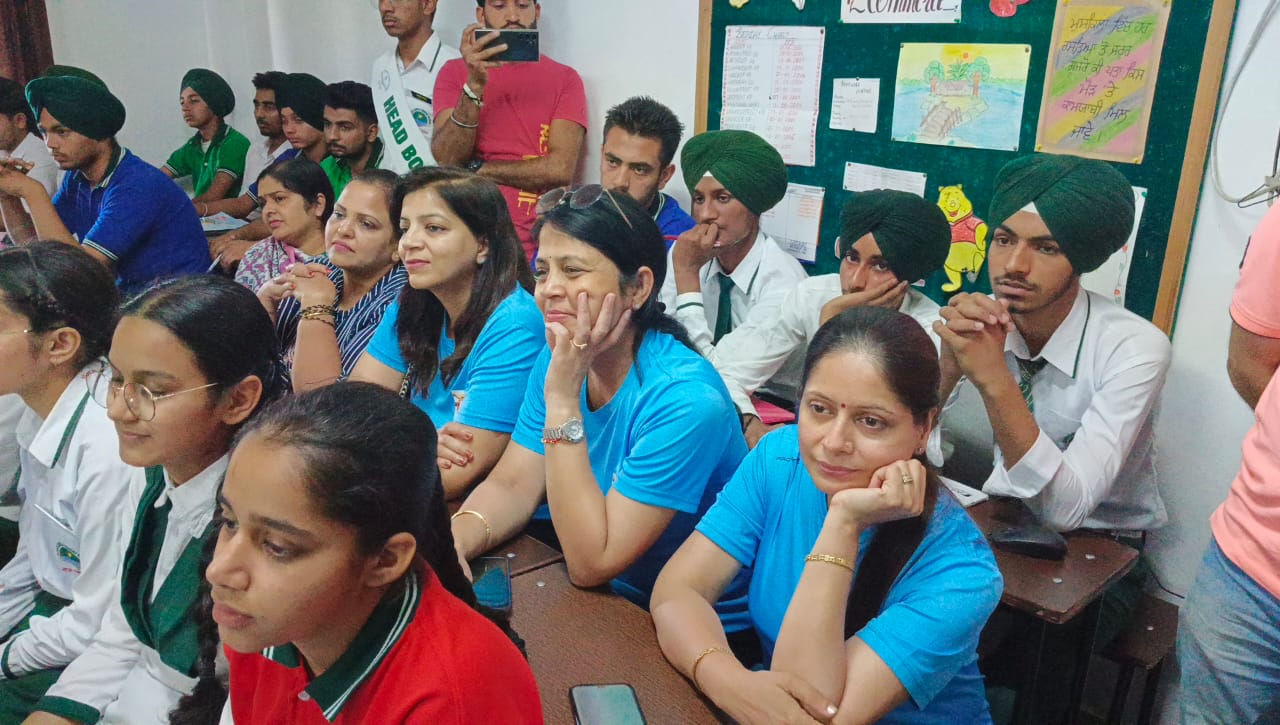
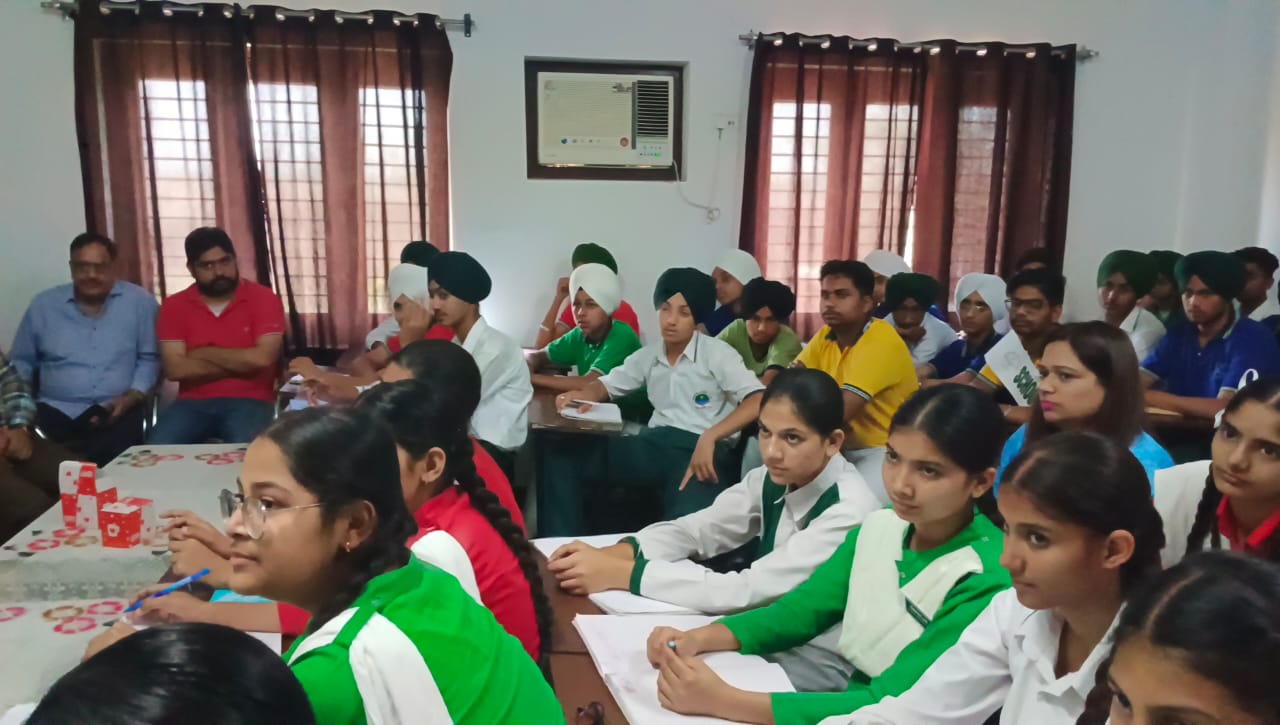
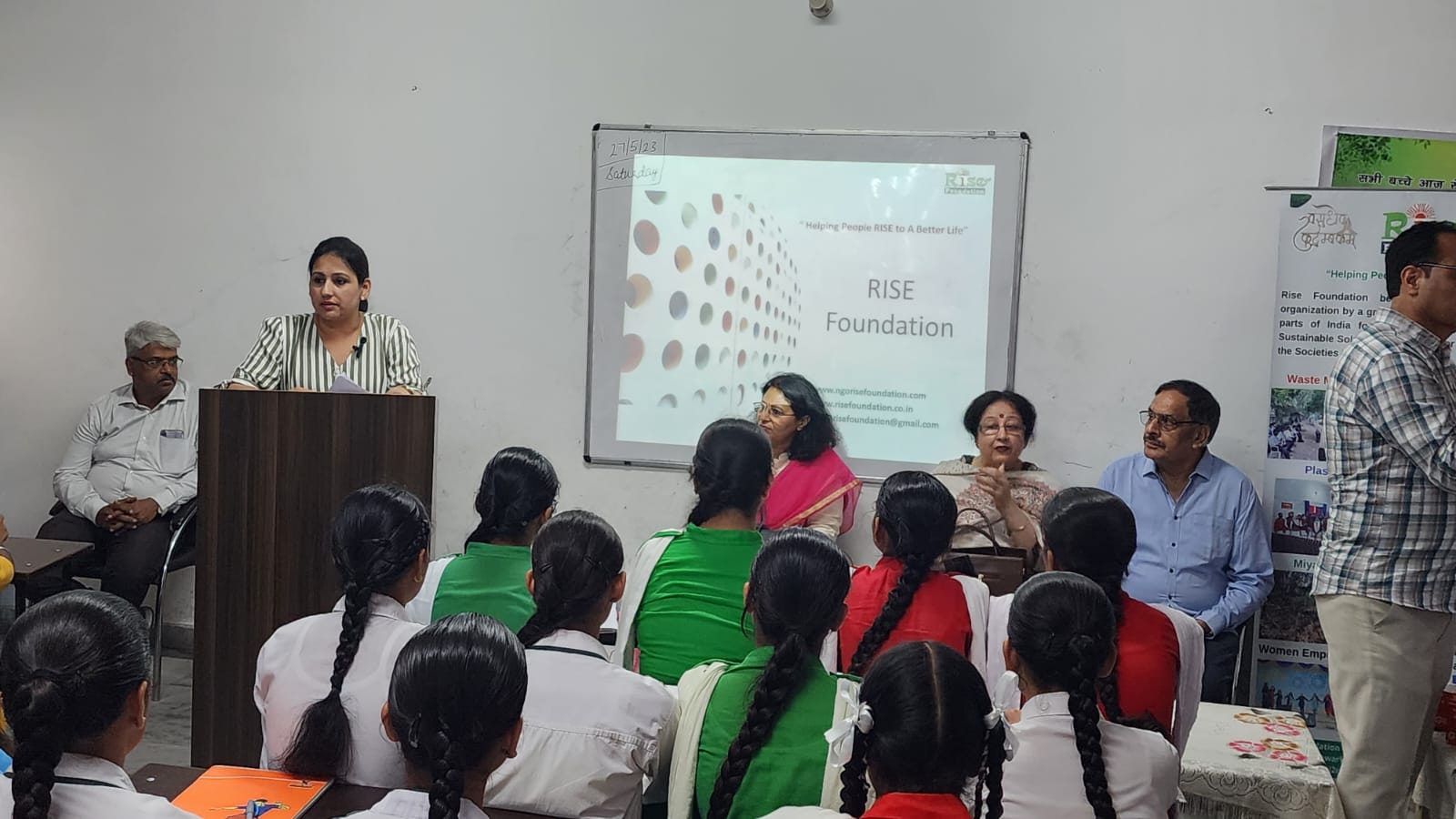
Venue : Army Public School, Shankar Vihar, New Delhi
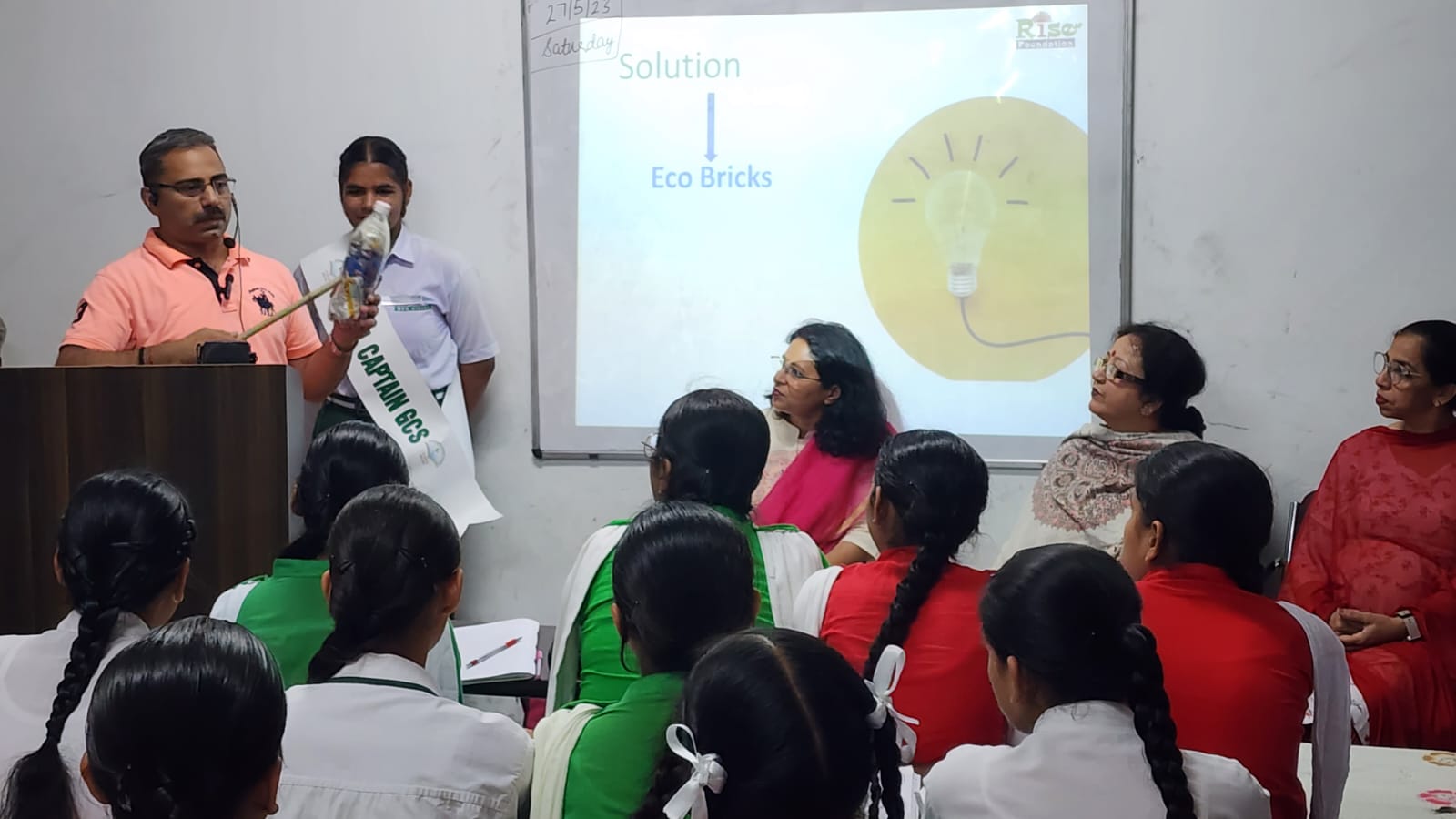
Topic : Marine Plastic pollution and Ecobricks.
The main sources of marine plastic are land-based, from urban and storm runoff, sewer overflows, beach visitors, inadequate waste disposal and management, industrial activities, construction and illegal dumping.Plastic, which is a petroleum product, also contributes to global warming.India consumes about 13 million tonnes of plastic and recycles only about 4 million tonnes.
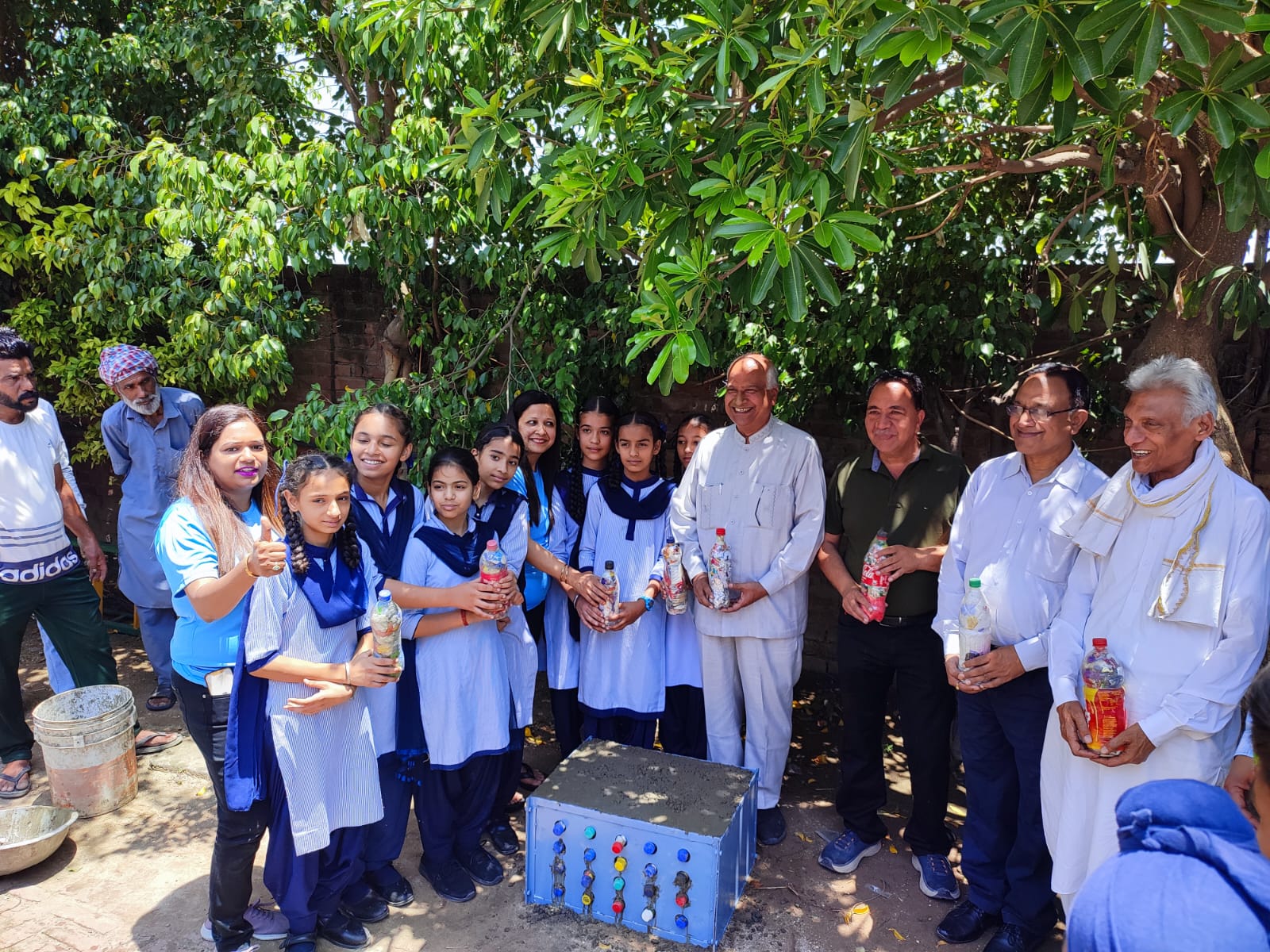
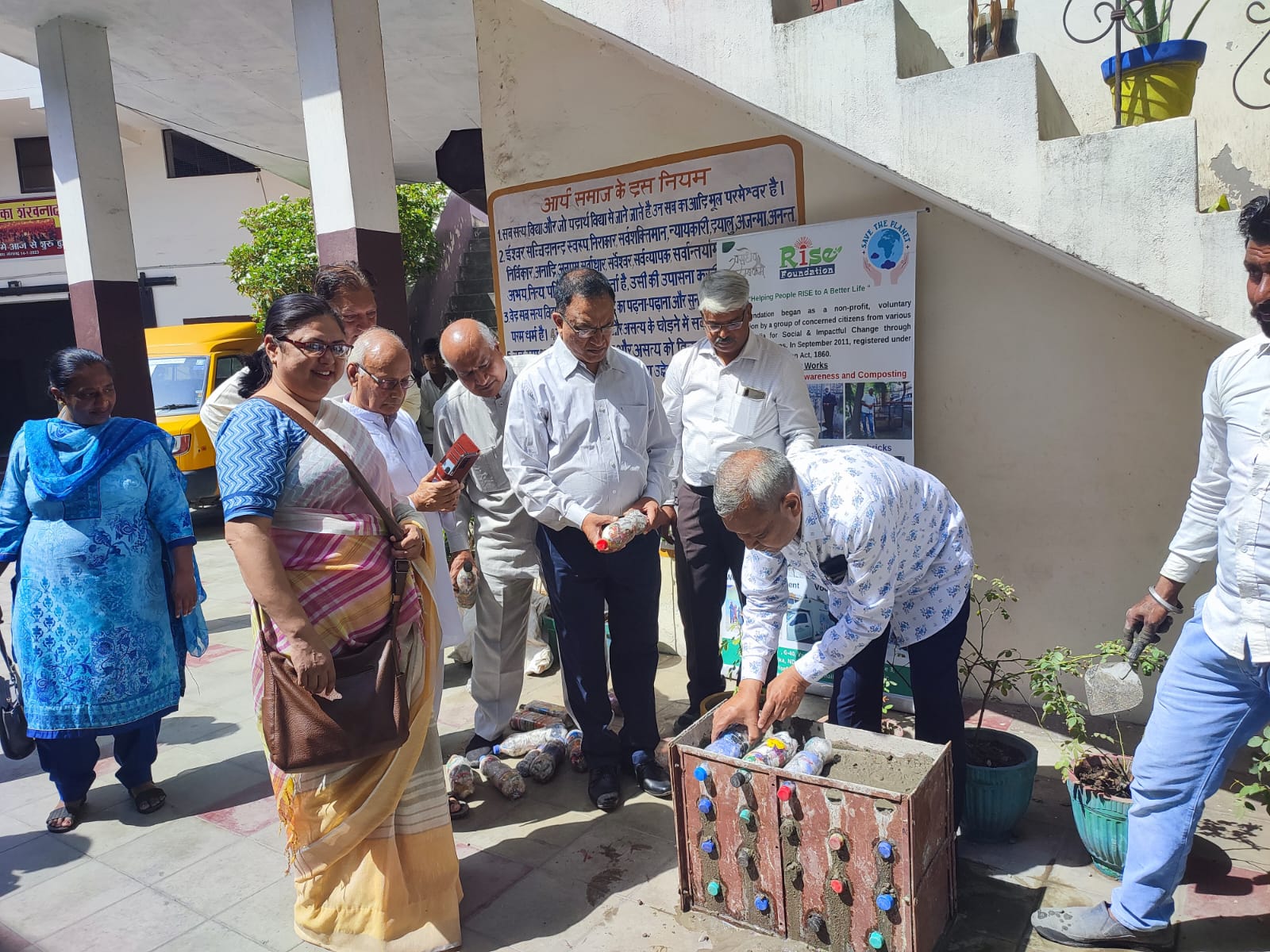
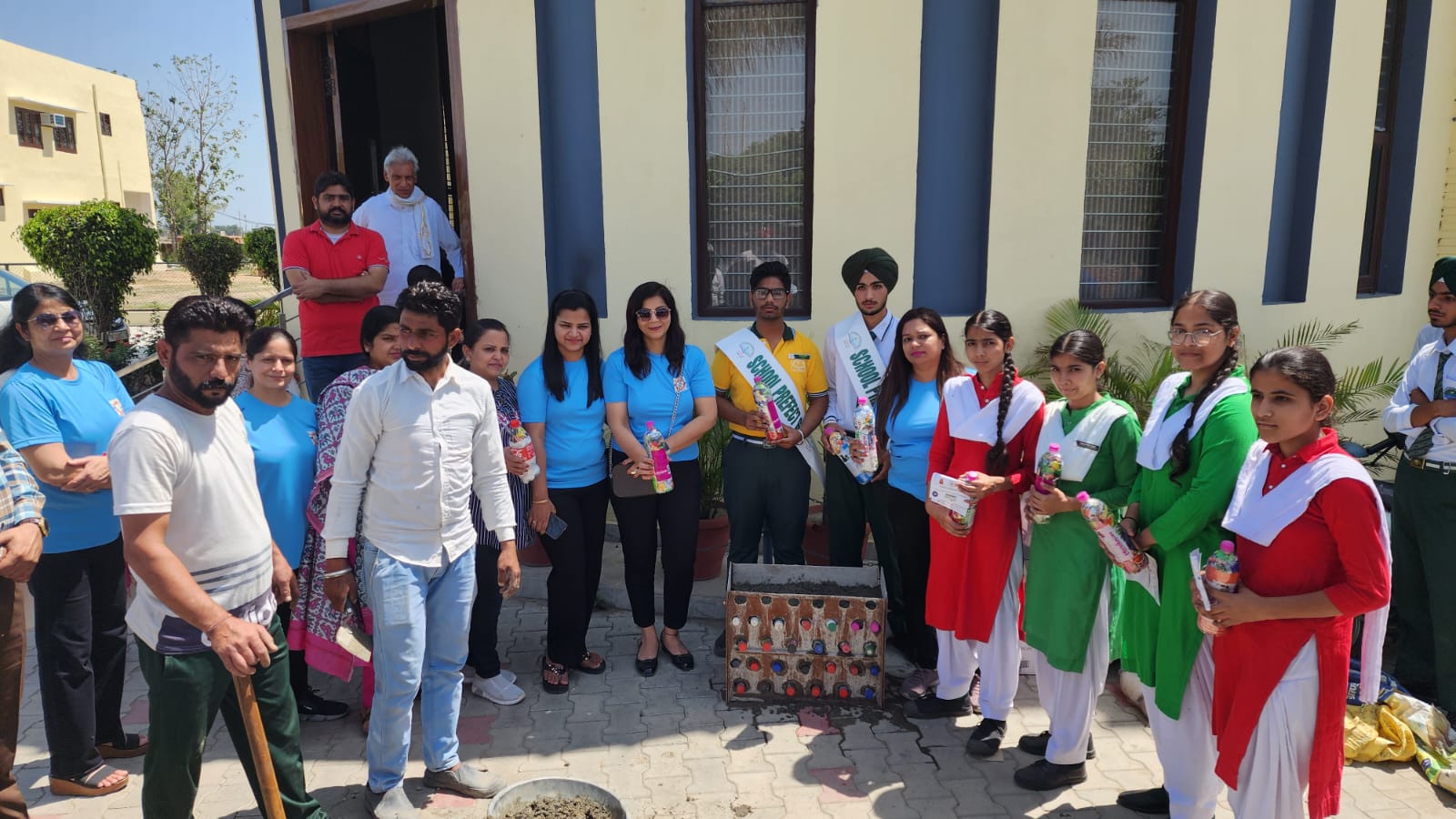
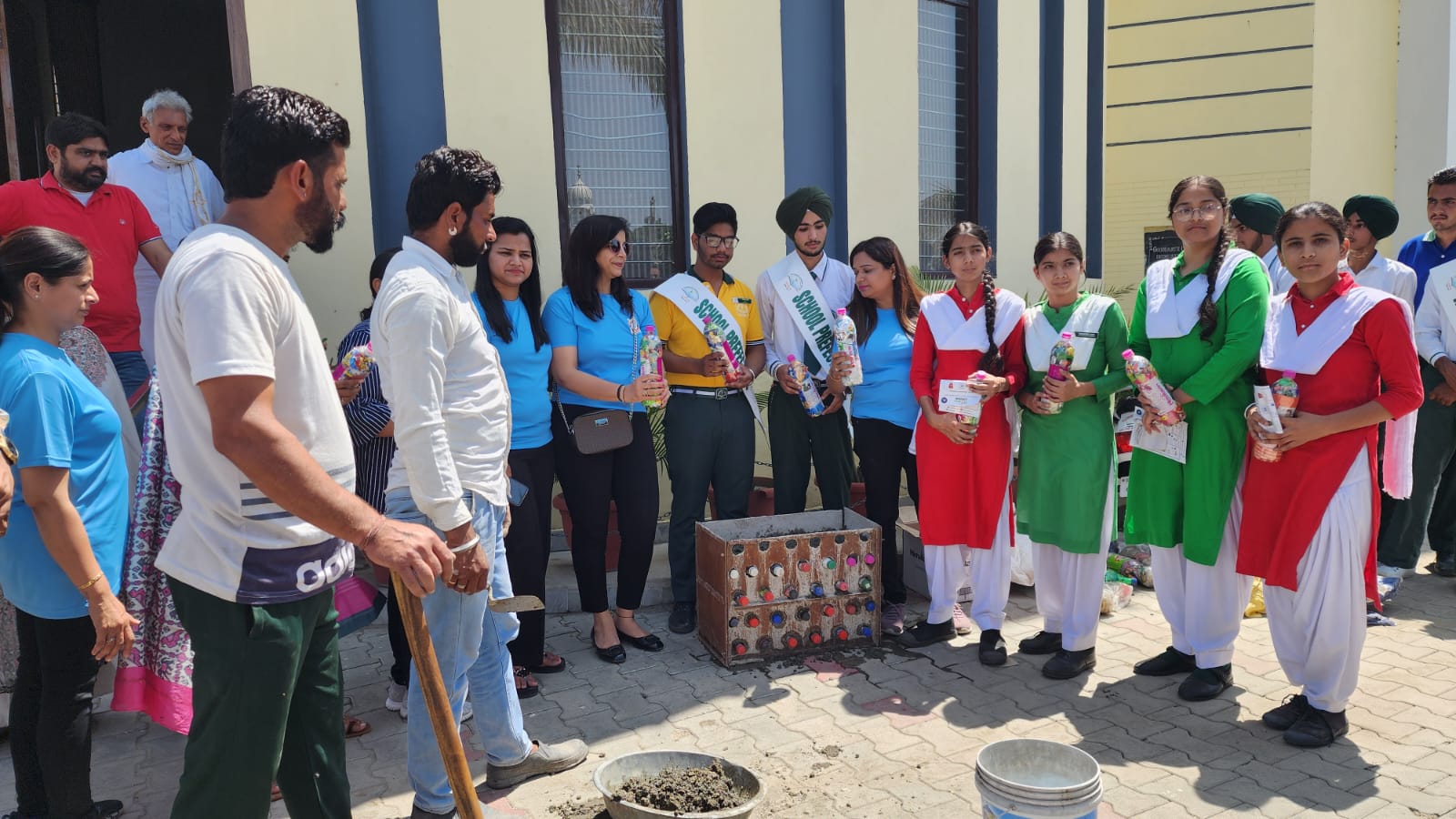
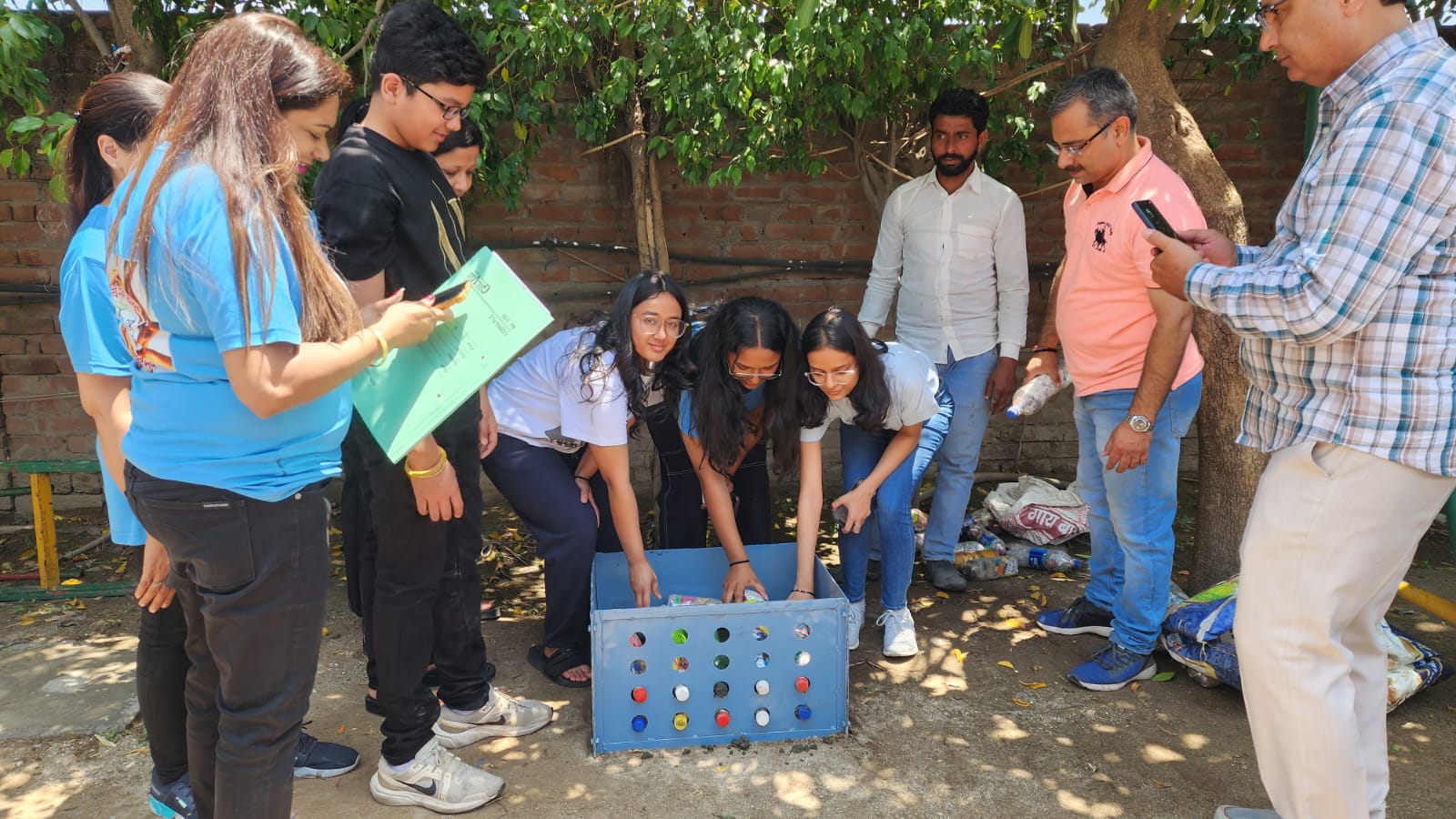
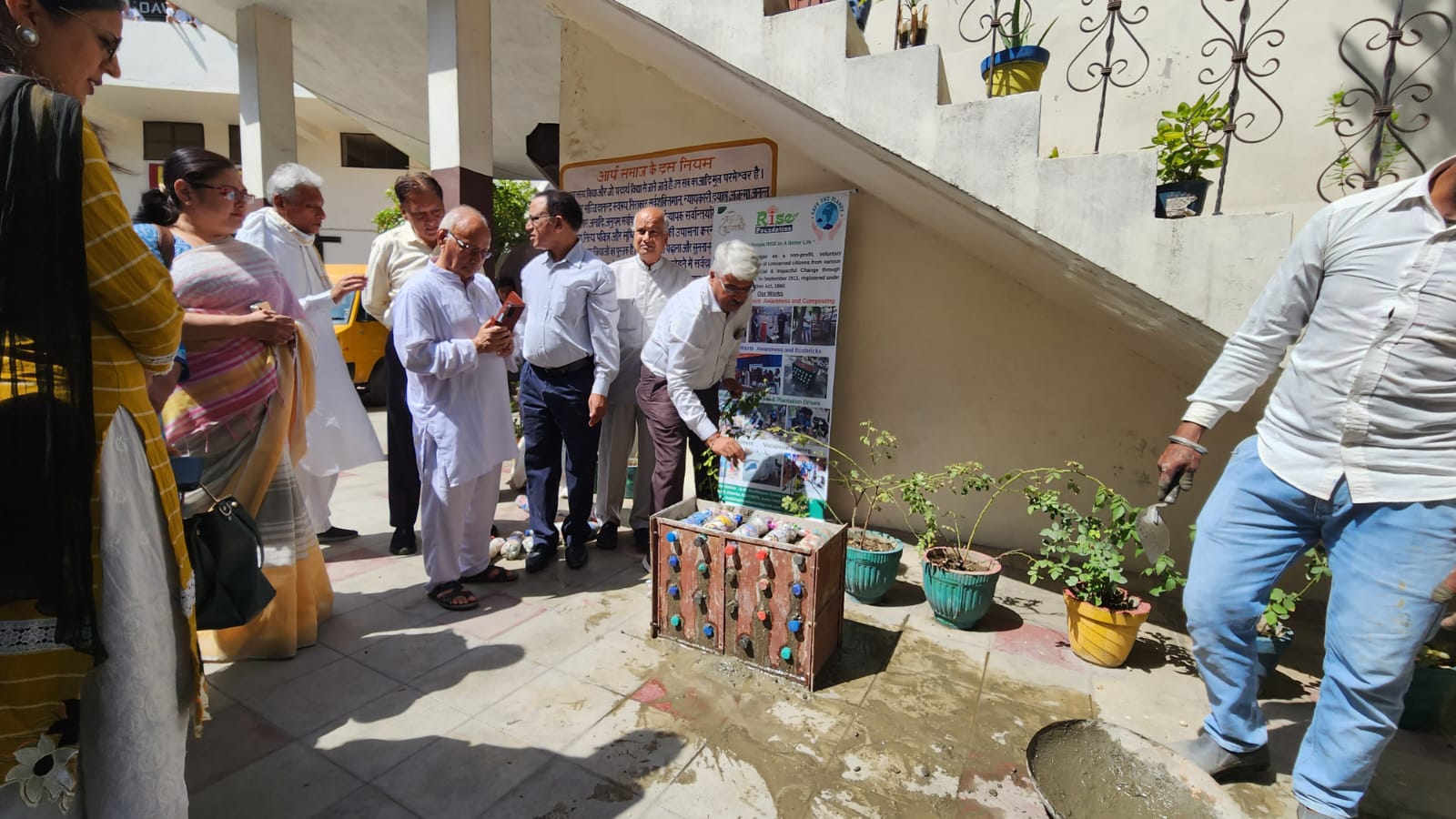
Ecobricks are part of a solution that enables people to not only clean up their rivers and coastlines, but these once-wasted materials can be used to build things of direct benefit to local communities.
Thanks to Inderjeet Singh sir and Madhukar Varshney for conducting wonderful interactive sessions to the children. The school has decided to use the ecobricks in School at various places.
Rise Foundation successfully conducted its Waste Management Workshop on January 23, 2023, at Delhi Cantt , Shankar Vihar area. The workshop aimed to address the pressing issue of waste management in the area and focused on marine pollution and ecobricks.
The workshop was well-attended by families of army personals who were eager to learn about waste management practices and the negative impacts of waste on the environment and public health. The participants were from different age groups and backgrounds, including students, professionals, and local residents.
The workshop started with an introduction to the waste problem in the area and the need to manage waste responsibly delivered by Mr. Madhukar Varshney. Followed by the experience of Ms Anuradha Ganguly in home composting using Terracotta Home Composters. Our team of experts in waste management, marine pollution, and ecobricks shared their knowledge and experience on various waste management practices, including composting, recycling, and waste reduction.
The participants were also enlightened on the negative impacts of marine pollution and the importance of reducing plastic waste. They learned about the steps they can take to minimize their ecological footprint and contribute to a cleaner and healthier environment.
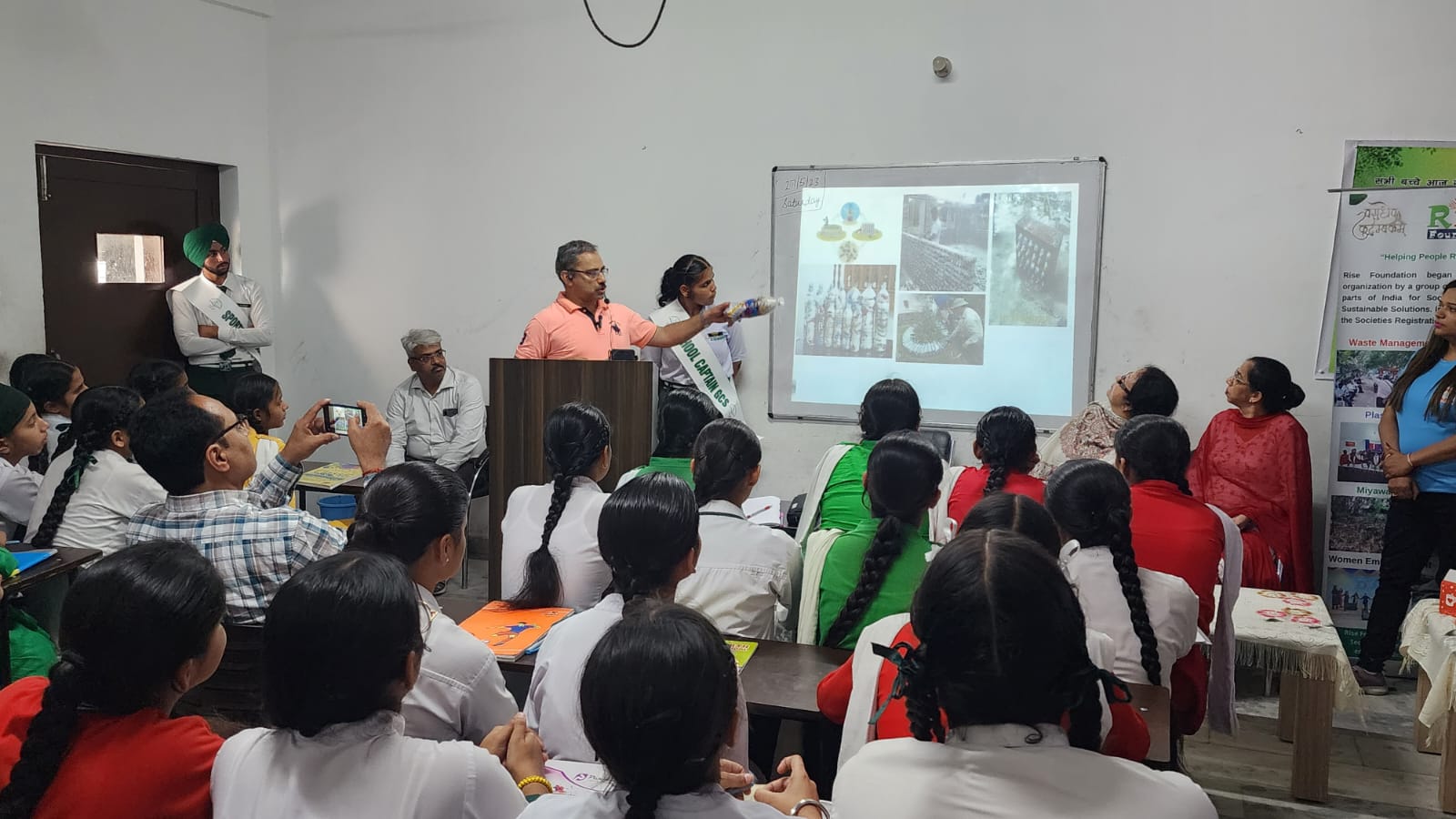
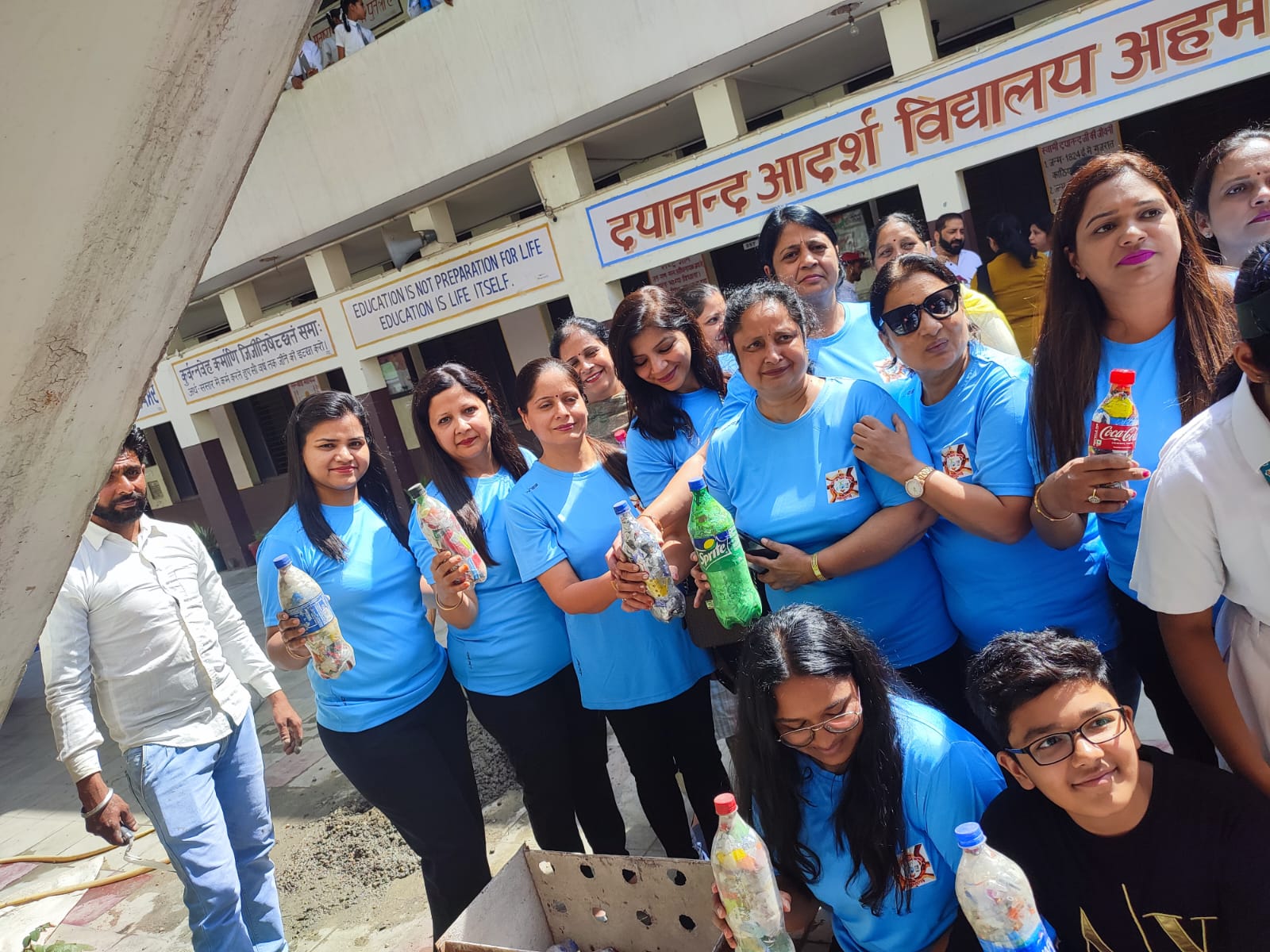
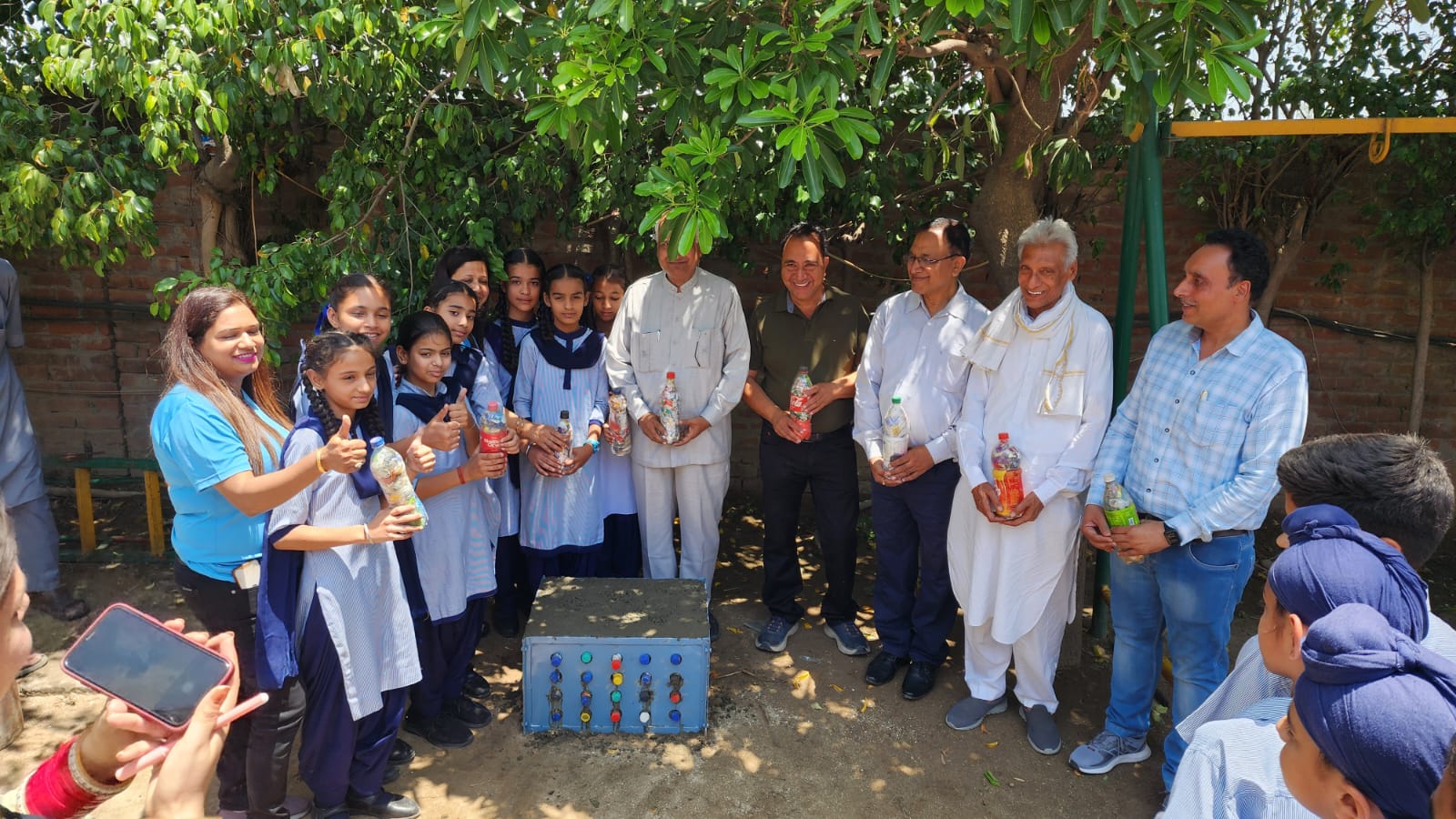
One of the highlights of the workshop was the ecobricks session, where participants learned how to make ecobricks from non-biodegradable waste. The team demonstrated the process of packing waste into plastic bottles, which can be used to build furniture and other structures.
The workshop was highly interactive, with participants sharing their thoughts and ideas on how to solve the waste management problem in their community. The workshop ended with a call to action, encouraging participants to implement the knowledge they had gained and make a difference in their daily lives.
“We are thrilled with the positive response to our Waste Management Workshop,” said Mr Inderjeet Singh , the member and expert in Ecobricks of Rise Foundation. “We hope that the participants will take the knowledge they have gained and make a difference in their community by managing waste responsibly and reducing plastic pollution.”
Rise Foundation is committed to creating a sustainable future for all, and the Waste Management Workshop is just one of the many initiatives that the organization undertakes.
About Rise Foundation: Rise Foundation is a non-profit organization that aims to create a sustainable future for all. We work towards raising awareness about environmental issues and providing innovative solutions to the community. Our mission is to inspire, educate, and empower individuals to take action towards creating a better world.