Breathing Life into Delhi: Miyawaki Afforestation as a Mitigation for Air Pollution and Climate Change

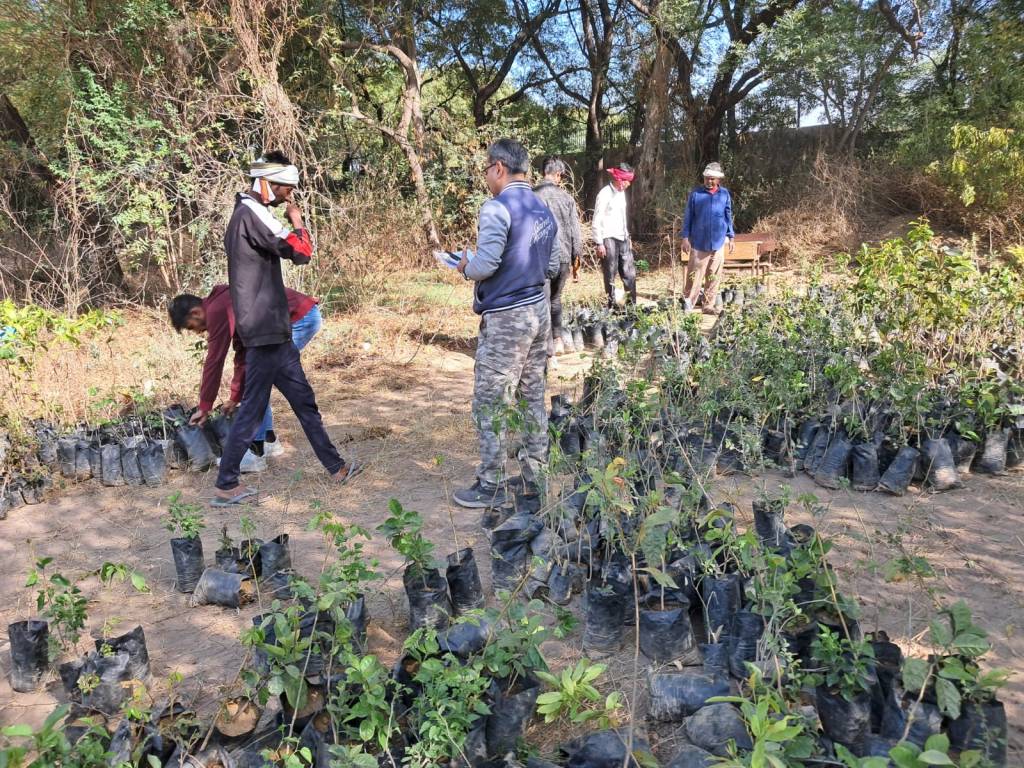
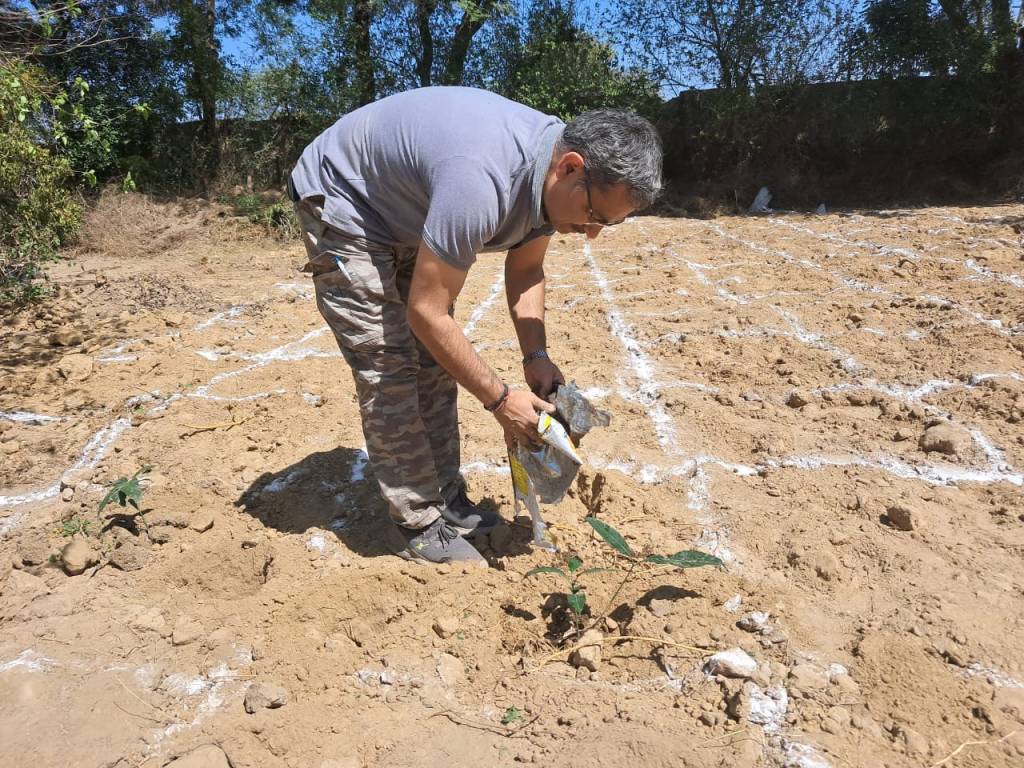
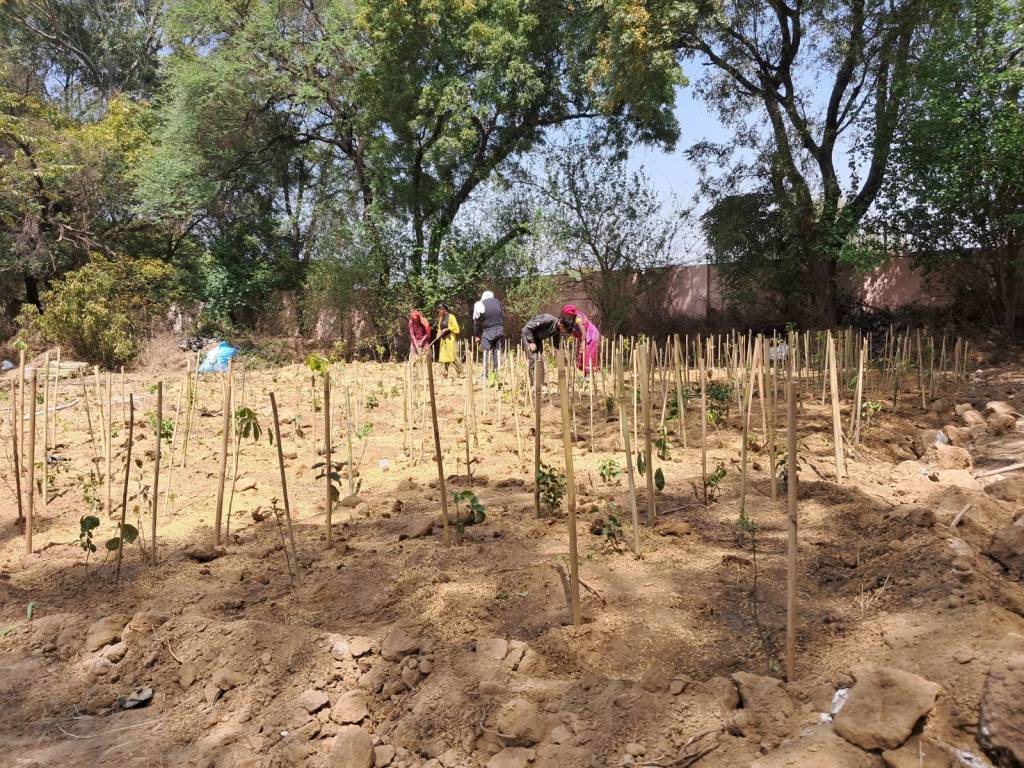
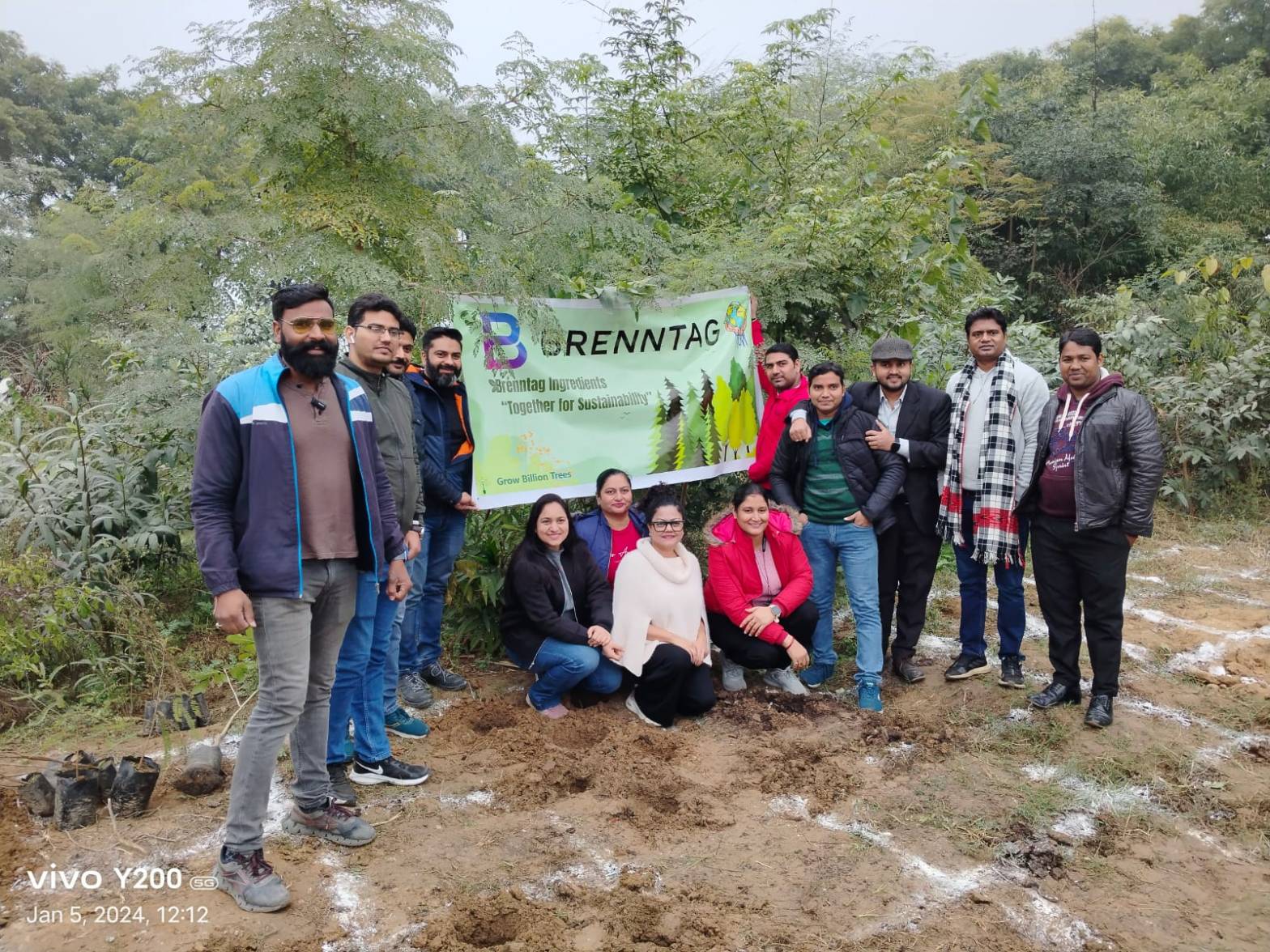
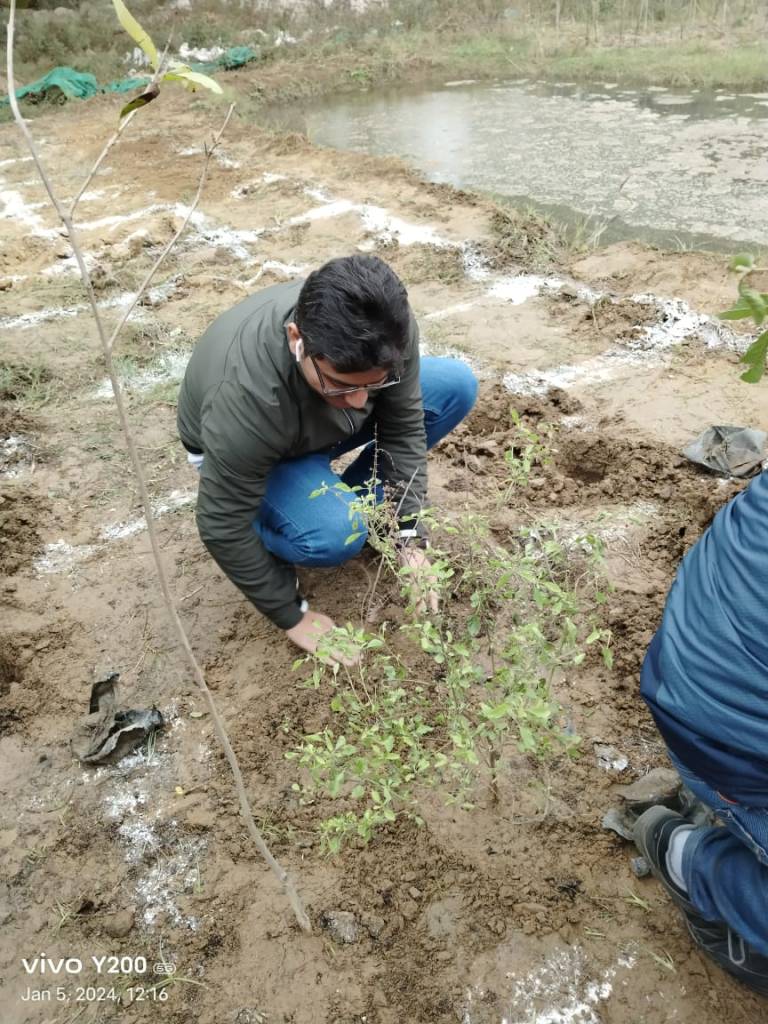
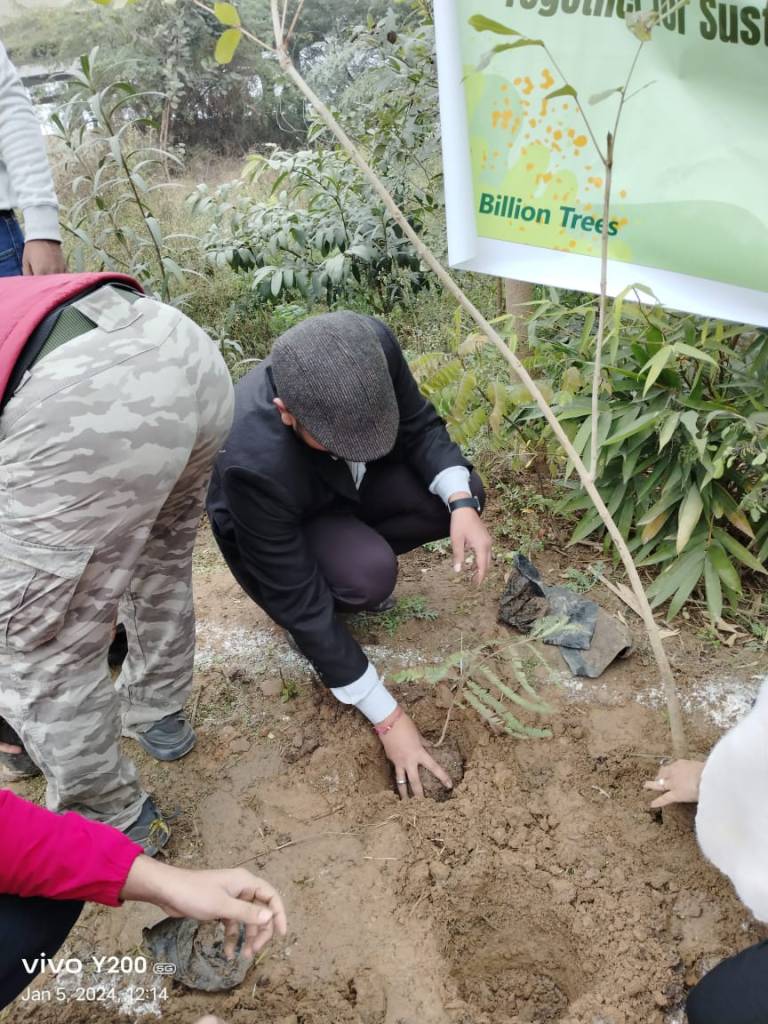
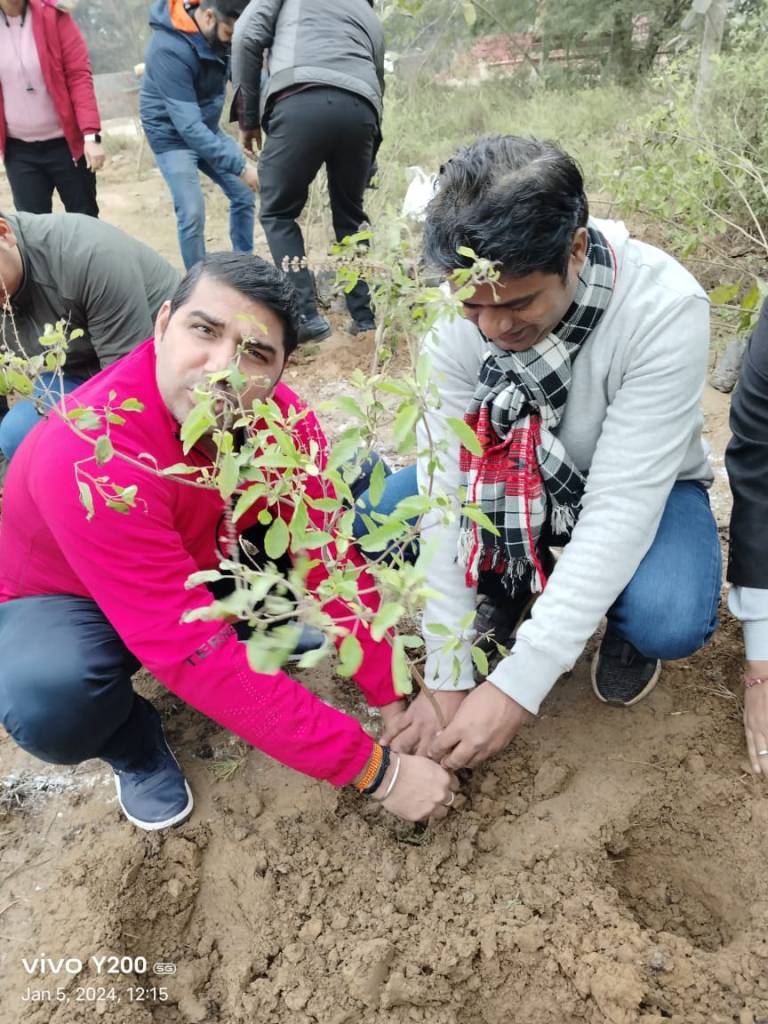
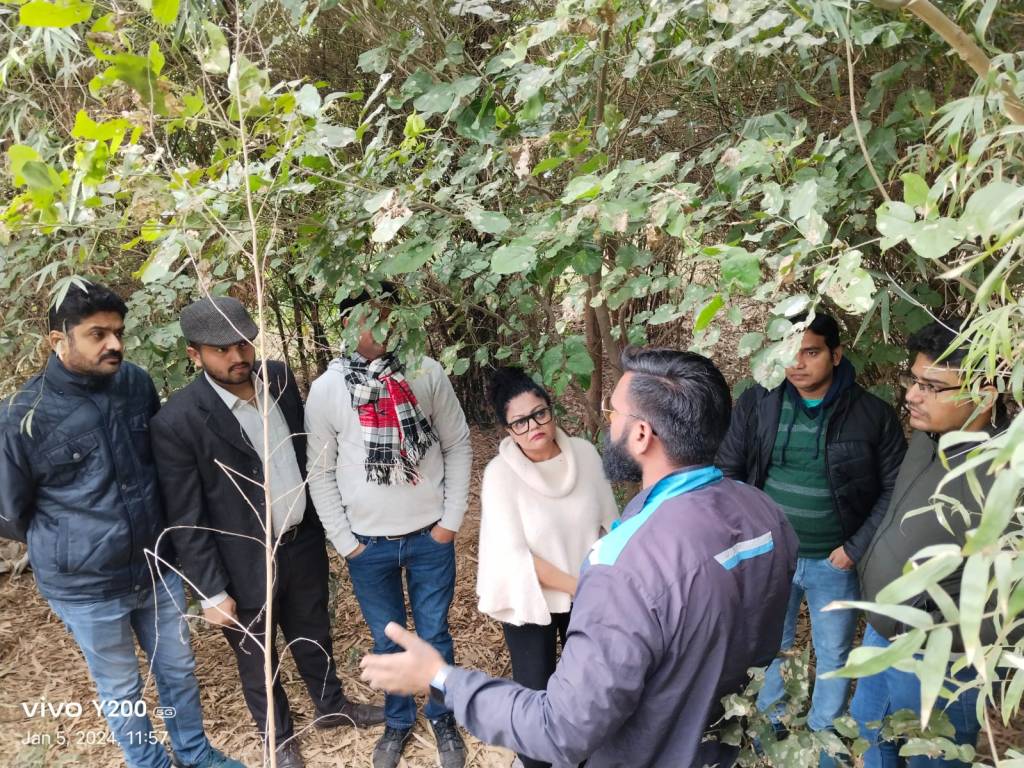
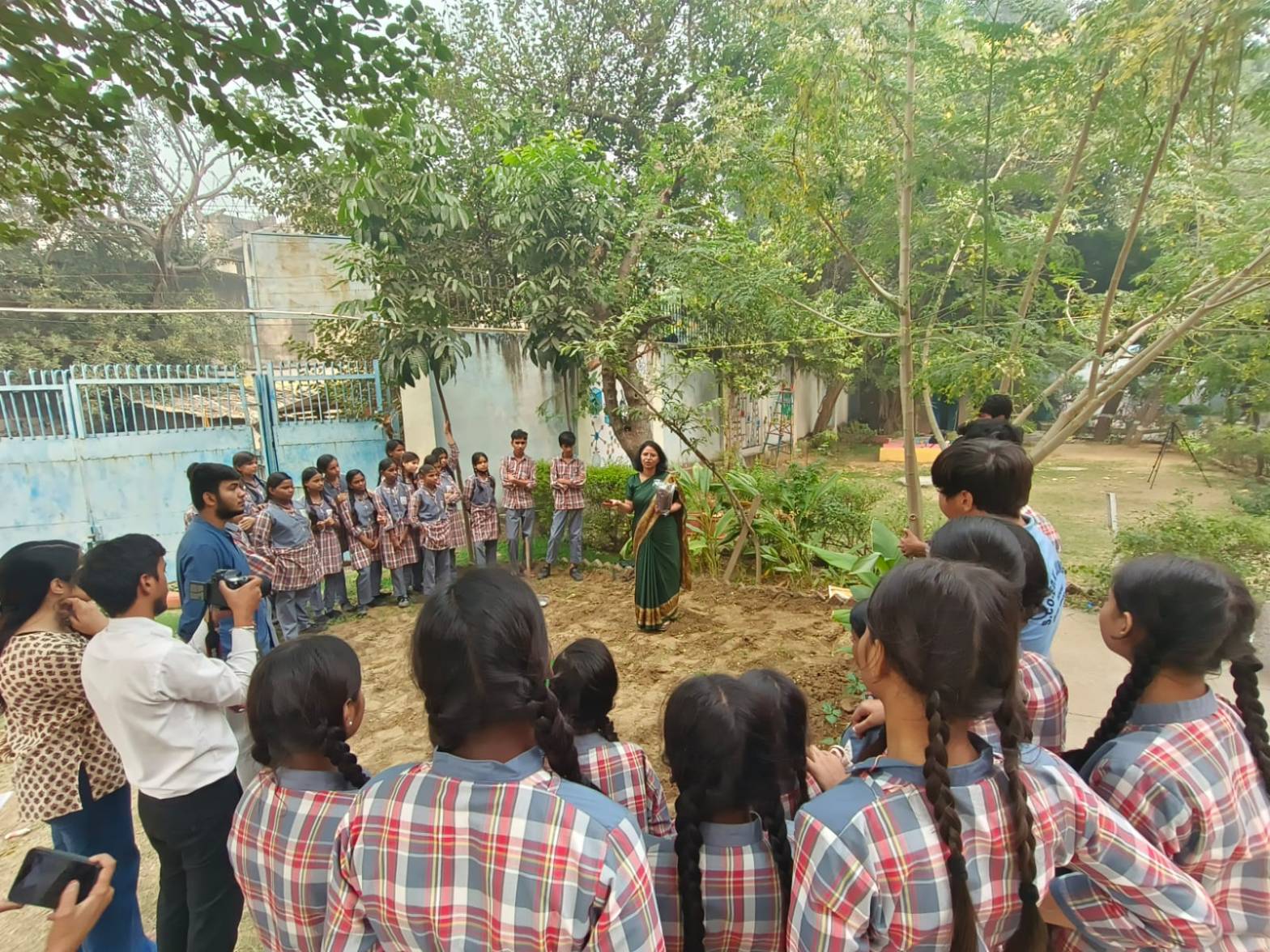
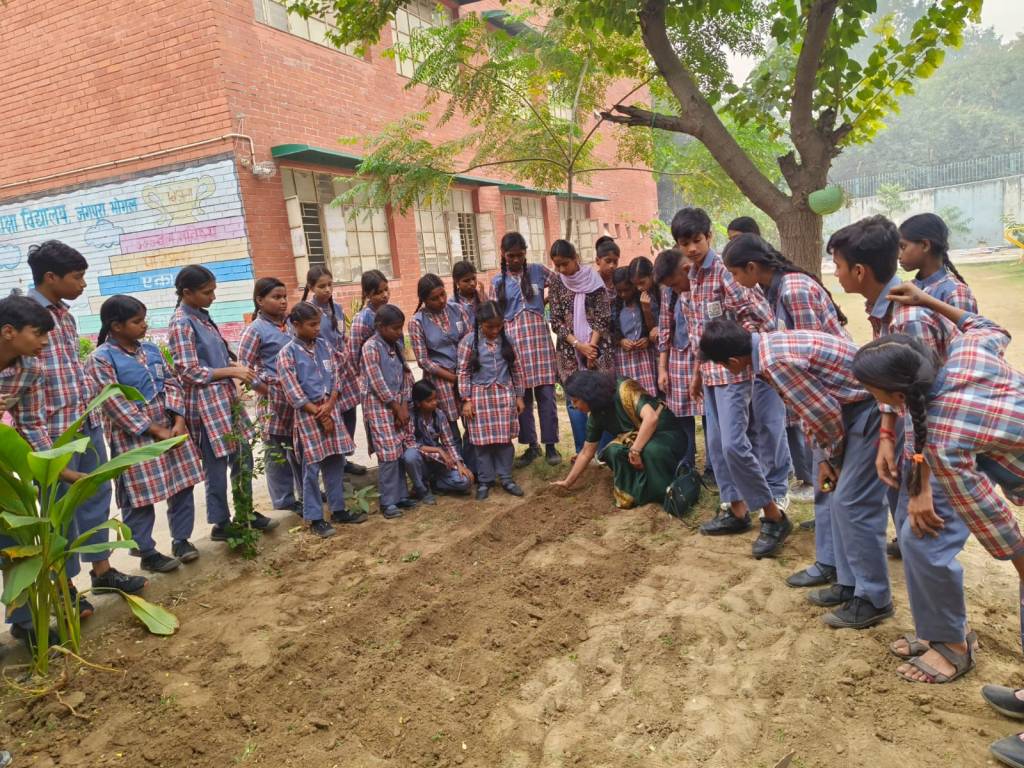
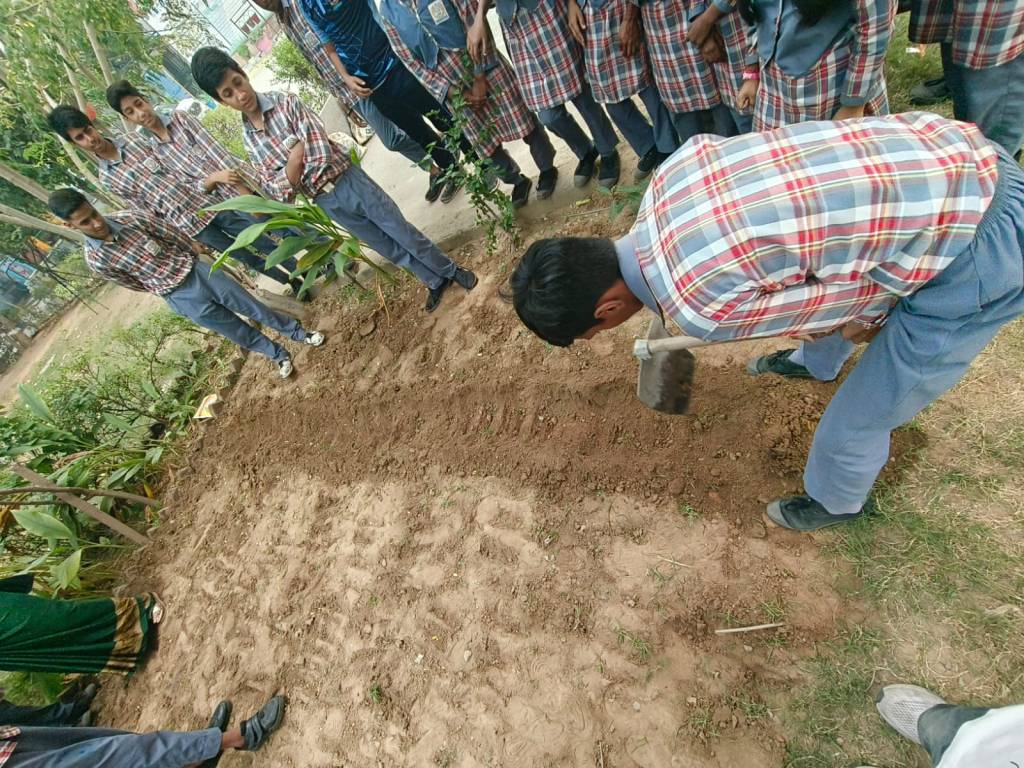
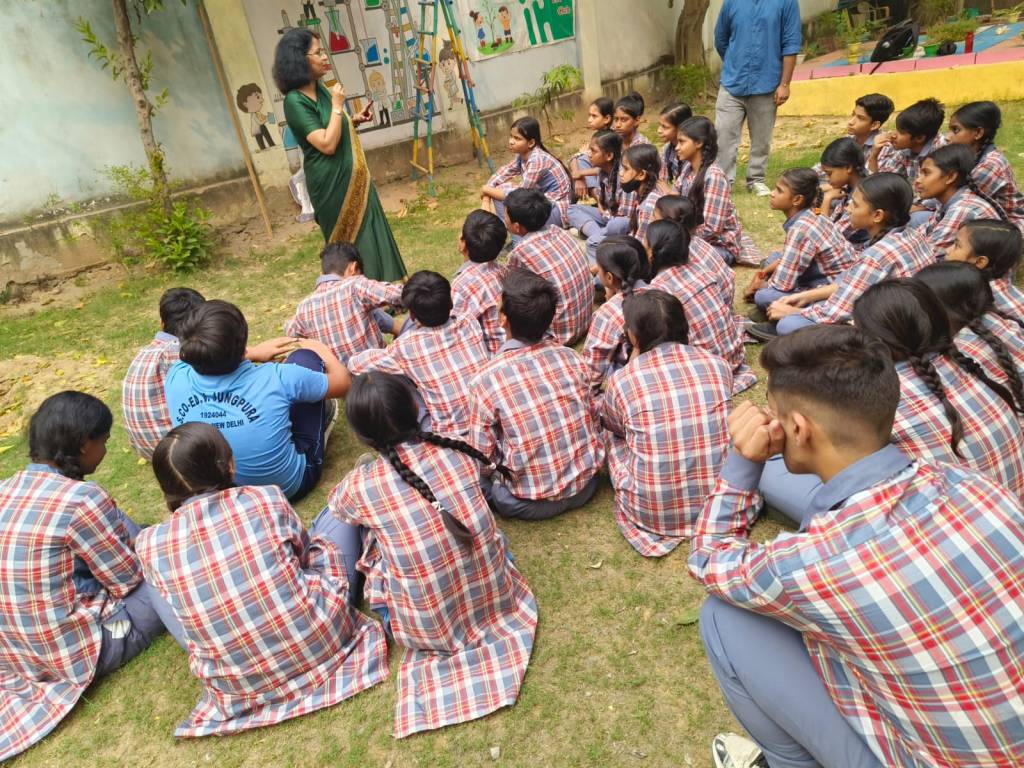
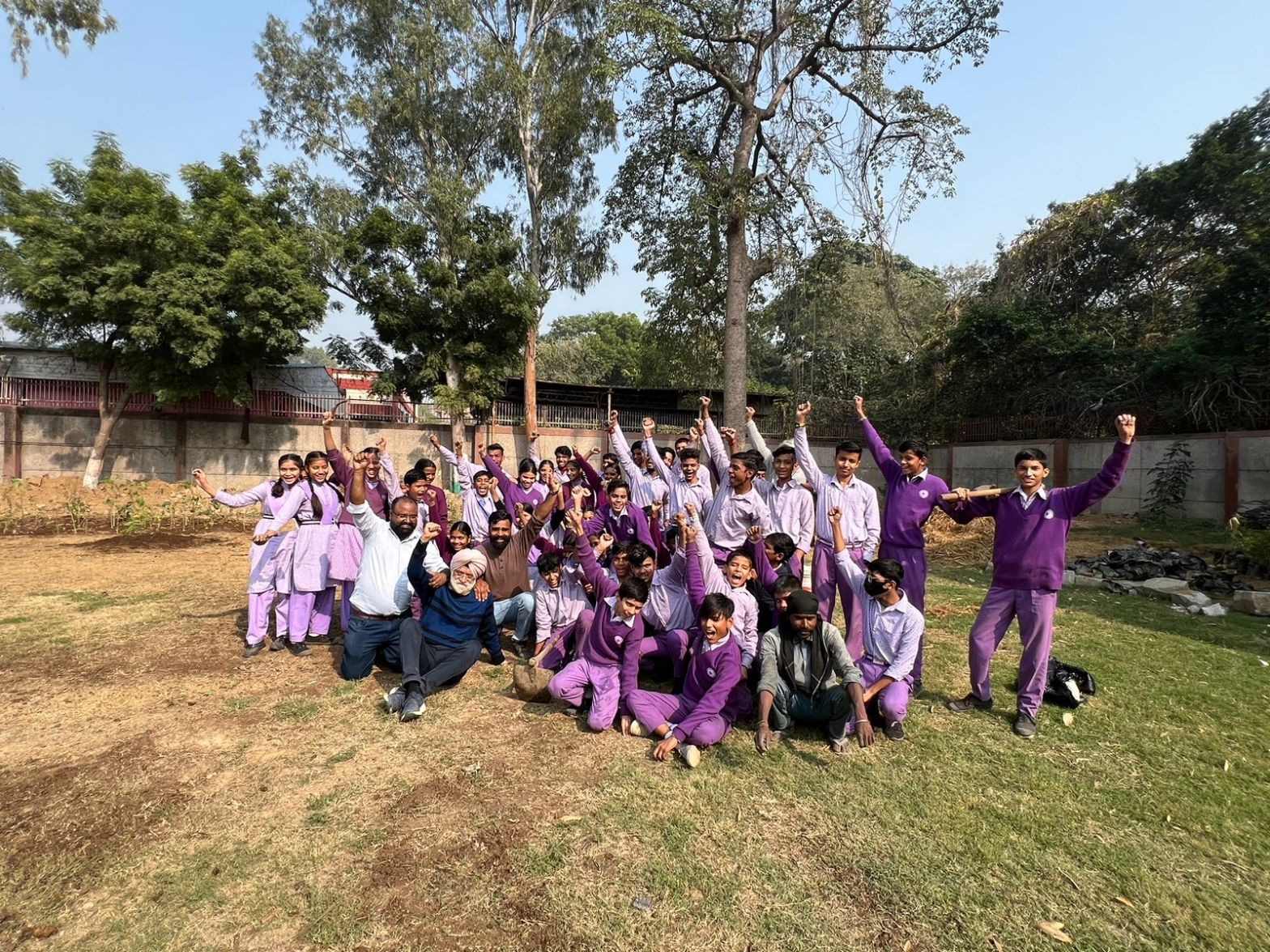
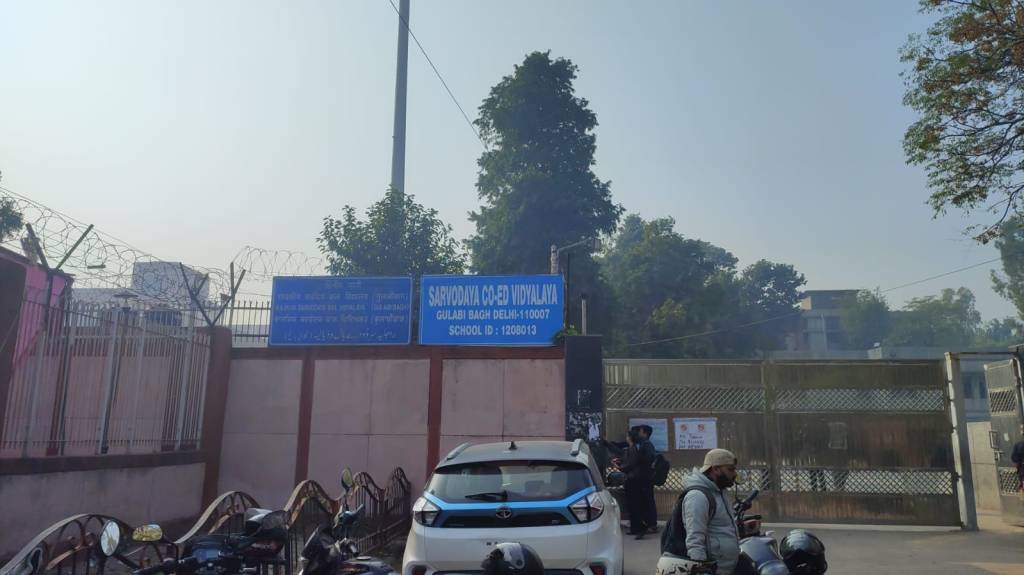
In the heart of Delhi, where the battle against air pollution and climate change rages on, a promising initiative is taking root. Rise Foundation in association with “Change Makers of Gurgaon and Nutan Dhara , a dedicated environmental organizations, has undertaken a transformative Miyawaki Afforestation Project at the Government School in Gulabi Bagh. This groundbreaking endeavor not only symbolizes a commitment to sustainable development but also serves as a local solution with global implications.

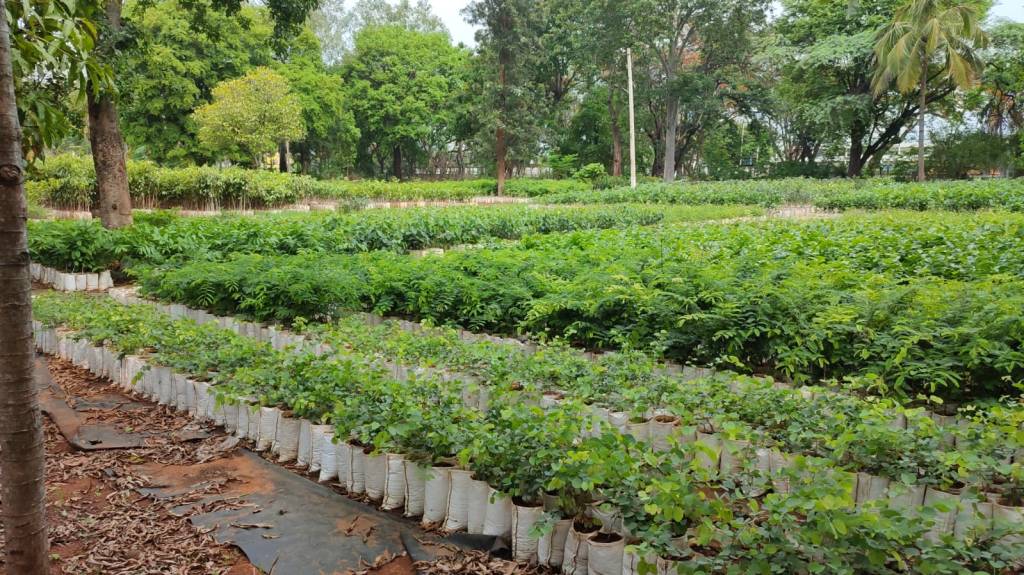
The Miyawaki Afforestation Method: Originating in Japan, the Miyawaki method is a unique afforestation technique that focuses on planting a diverse array of native tree species in a small, densely packed area. The goal is to recreate a forest ecosystem that grows rapidly, becoming a self-sustaining green lung for the environment. This method has gained prominence for its ability to accelerate tree growth and enhance biodiversity.

Addressing Air Pollution: Delhi has long struggled with severe air pollution, largely attributed to vehicular emissions, industrial activities, and crop burning. The afforestation project at Gulabi Bagh Government School is strategically positioned to combat these issues. Trees act as natural air filters, trapping pollutants and releasing oxygen. The dense planting of a variety of native species further amplifies this effect, creating a micro-ecosystem that actively purifies the air.

Carbon Sequestration: One of the primary drivers of climate change is the excessive accumulation of greenhouse gases, particularly carbon dioxide, in the atmosphere. Trees play a crucial role in mitigating climate change by absorbing carbon dioxide during photosynthesis. The Miyawaki Afforestation Project at Gulabi Bagh is a local solution with global implications, contributing to carbon sequestration and helping offset the carbon footprint of the densely populated urban environment.

Temperature Regulation: Asphalt and concrete surfaces in urban areas contribute to the “urban heat island” effect, causing localized temperature increases. The dense tree cover established through Miyawaki afforestation provides natural shade, reducing surface temperatures and creating a more comfortable microclimate. This not only enhances the well-being of the school community but also contributes to a broader effort to combat rising temperatures in the city.

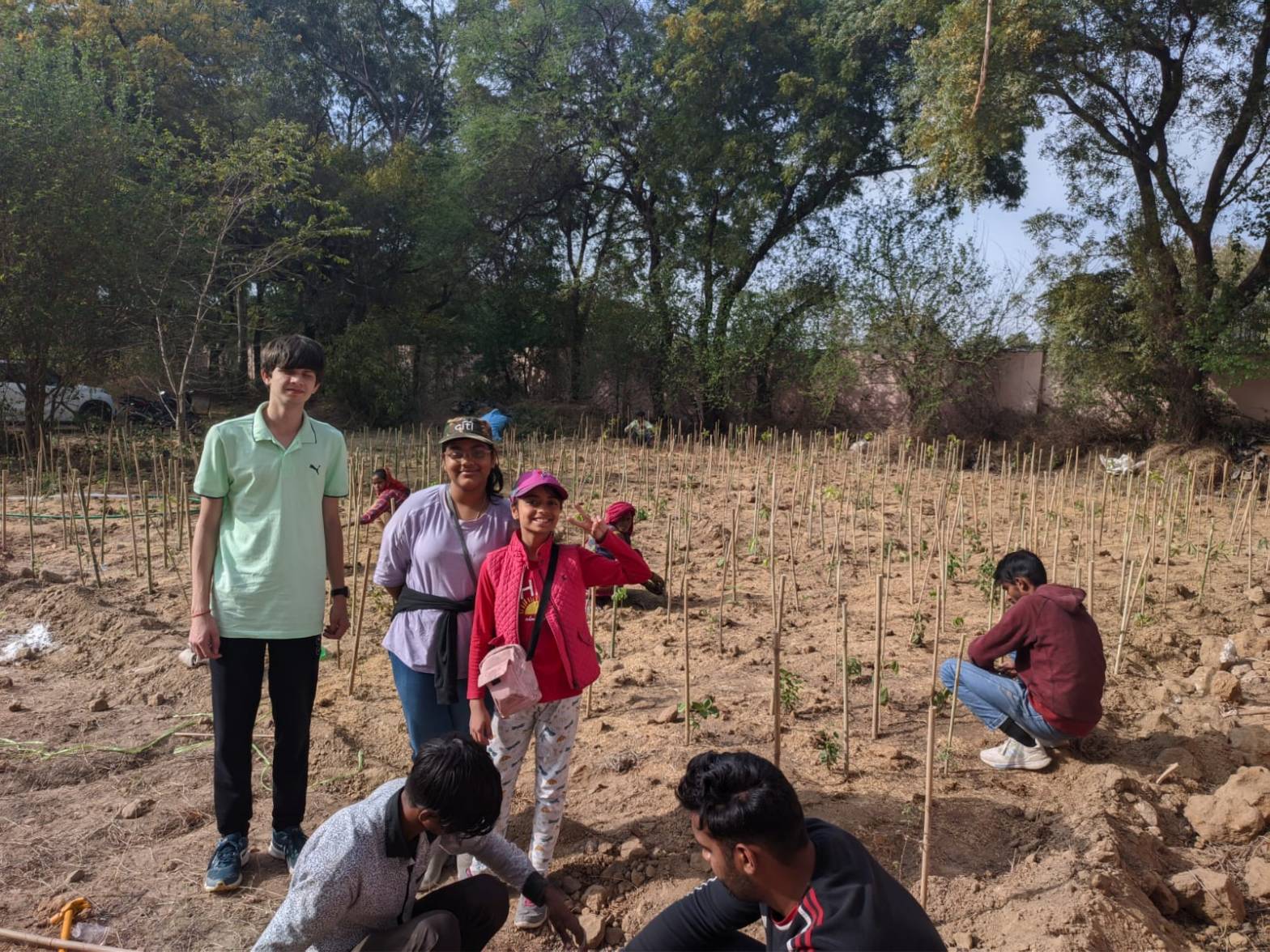
Educational and Community Impact: Beyond its environmental benefits, the Gulabi Bagh afforestation project serves as an educational tool for students and the surrounding community. Students actively participate in planting and caring for the trees, fostering a sense of environmental stewardship. The project also encourages community engagement, promoting awareness and a shared commitment to a sustainable future.

Conclusion: Rise Foundation’s Miyawaki Afforestation Project at Gulabi Bagh Government School is a testament to the power of grassroots initiatives in tackling air pollution and climate change. By combining innovative reforestation techniques with community engagement and education, Rise Foundation is sowing the seeds of change that will undoubtedly have a lasting impact on Delhi’s environment and serve as inspiration for similar endeavors worldwide. As the trees rise, so does the hope for a cleaner, greener future.

Rise Foundation team is expert in establishing Green , Dense patches using Miyawaki Afforrestation technique. For more information, please reach us at mail2risefounfation@mail2risefoundation or contact us +91 9717764262

Empowering Derawal Nagar: A Solid Waste Management Workshop

In today’s world, environmental consciousness is no longer just a buzzword but a pressing necessity. As communities strive to reduce their ecological footprint, one of the most impactful ways to make a change is through effective solid waste management. In this spirit of positive change, Rise Foundation recently conducted an inspiring Solid Waste Management Workshop for the citizens of Derawal Nagar, uniting residents in their shared commitment to create a cleaner, greener future.

The Need for Change

Derawal Nagar, like many other urban neighborhoods, faces the daily challenge of managing its solid waste. The rapid urbanization and increasing population have made this issue even more critical. Rise Foundation recognized this challenge and decided to take proactive steps to empower citizens to become part of the solution.

The Solid Waste Management Workshop

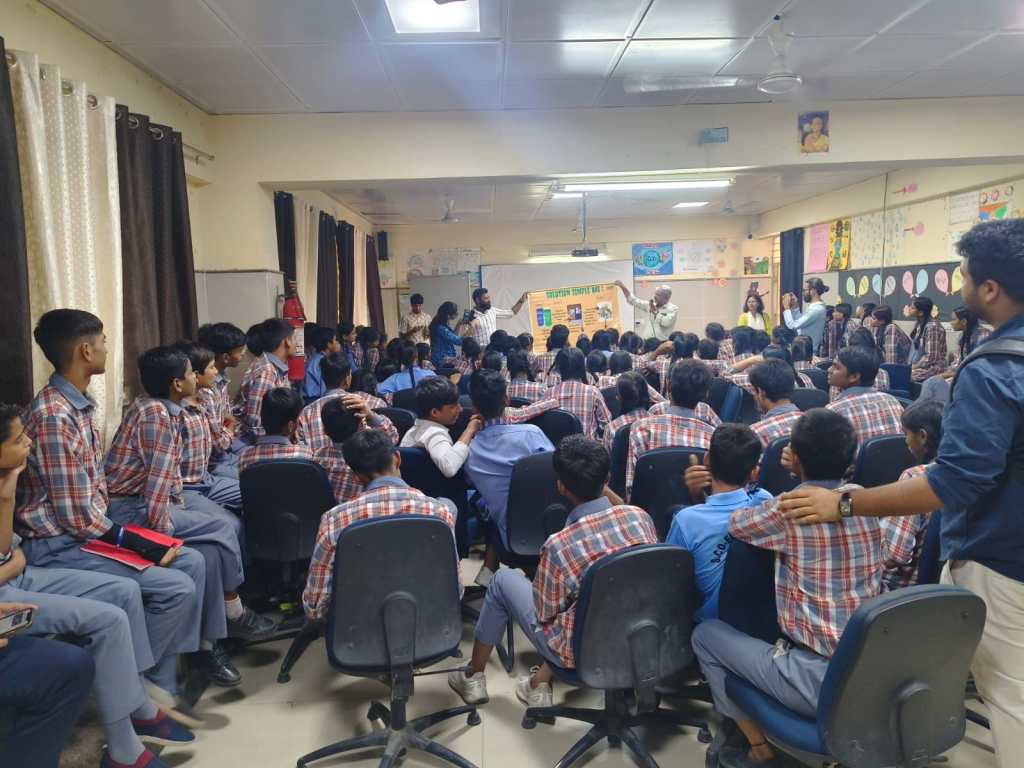
The workshop, conducted in collaboration with concerned citizens of Derawal Nagar, was a comprehensive program designed to provide participants with the knowledge, skills, and motivation to tackle the issue of solid waste in their community.

Understanding the Basics: The workshop began with a fundamental understanding of solid waste management. Participants learned about the types of waste, the importance of segregation, and the impact of improper disposal on the environment.

Segregation and Recycling: Segregation is a key step in efficient waste management. The workshop emphasized the significance of separating waste at the source and introduced citizens to recycling techniques that can significantly reduce the amount of waste ending up in landfills.

Composting for Sustainability: Composting was a major highlight of the workshop. Participants discovered the benefits of composting organic waste, turning it into valuable nutrient-rich soil for gardens and reducing the load on landfills.

Community Engagement: The workshop didn’t stop at individual efforts. It encouraged community engagement and collective action. Participants were inspired to organize cleanup drives and awareness campaigns in their neighborhood, fostering a sense of unity among the residents.

Ecobricks: Transforming Plastic Waste

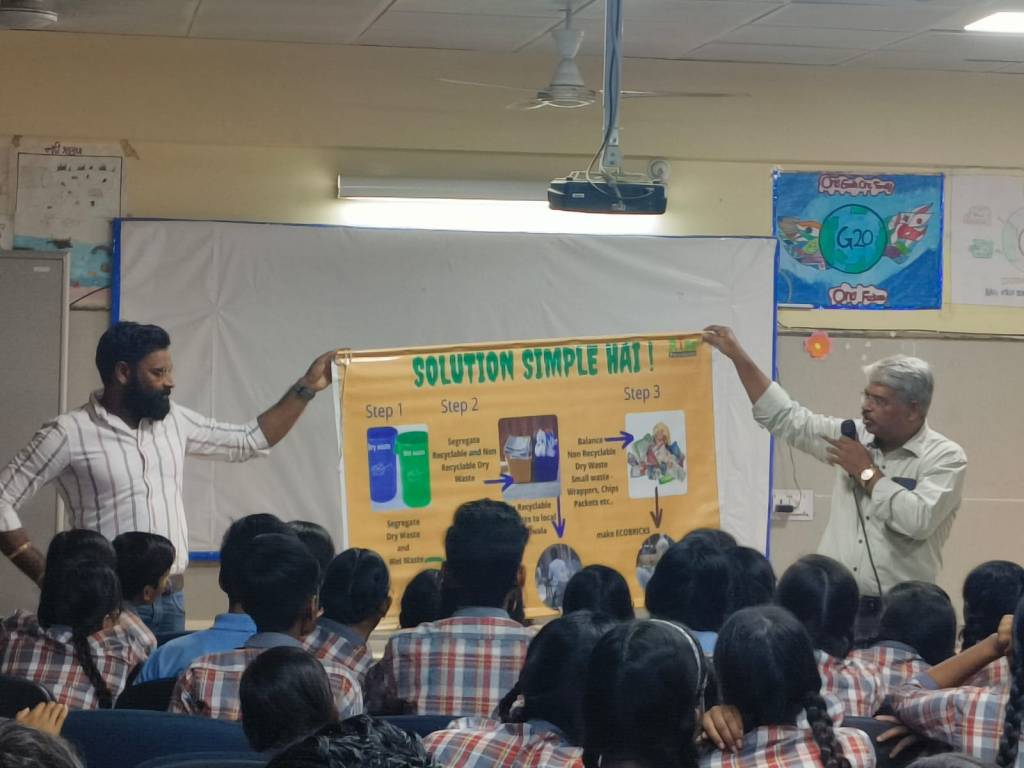
Ecobricks are a creative and ingenious solution to address plastic waste, a growing concern worldwide. In this segment of the workshop, the participants learned how to convert plastic waste into sturdy, reusable building blocks, known as ecobricks.

  1. Waste Diversion: Ecobricks divert plastic waste from landfills and oceans, mitigating the environmental hazards associated with plastic pollution.
  2. Eco-friendly Construction: These bricks can be used in eco-friendly construction projects, ranging from garden walls to furniture, helping reduce the need for conventional construction materials.
  3. Community Engagement: Building ecobricks is often a communal effort, bringing people together to work on a shared environmental project.

During the workshop, attendees learned how to prepare and create their own ecobricks, understanding the importance of proper compaction and the ideal dimensions for effective use in construction projects. It was an opportunity to make a tangible impact on reducing plastic waste and addressing the issue at the grassroots level.

A Platform for Change

Rise Foundation’s Solid Waste Management Workshop in Derawal Nagar was more than just an educational event. It was a platform for change, inspiring individuals to take responsibility for their community’s well-being and the planet’s health. It encouraged citizens to be proactive, to make informed choices, and to work together to address a problem that affects us all.

By providing the knowledge and tools necessary to manage waste effectively, the workshop empowered the residents of Derawal Nagar to become the change they want to see. With a deeper understanding of waste management, a commitment to responsible disposal, and a shared vision for a cleaner and greener neighborhood, the workshop set the stage for transformative action.

Conclusion

The Solid Waste Management Workshop conducted by Rise Foundation in Derawal Nagar was not just an event; it was a call to action. It demonstrated the power of community engagement and education in addressing a critical issue that affects us all. As citizens of Derawal Nagar embrace the principles of responsible waste management, we can look forward to a brighter, more sustainable future for this vibrant neighborhood.

Rise Foundation and the citizens of Derawal Nagar have taken a remarkable step towards creating a cleaner, healthier, and more environmentally conscious community. By sharing knowledge and promoting collective action, they have shown that positive change is possible when we come together with a shared vision of a better tomorrow.

We thanks to Ms Mona Oberai for inviting us for delivering wonderful engagement. Special Thanks to Ms. Madhuri Varshney and Mr. Munish Kundra to cover the topic of Composting and Ecobricks respectively.

For such workshop in your area, feel free to reach us at +91 9717764262 or mail2risefoundation@gmail.com

Creating a Green Oasis in the Concrete Jungle: The Miyawaki Urban Forest at Assotech Business Center, Noida

Introduction:

In a rapidly urbanizing world, green spaces are more important than ever. They provide respite from the concrete jungle, improve air quality, and contribute to the overall well-being of a community. Assotech Business Center in Noida is setting an inspiring example by embarking on a journey to create a Miyawaki Urban Forest using native species. This endeavor not only enhances the aesthetics of the space but also supports the environment and local biodiversity.

The Miyawaki Method:

The Miyawaki method, developed by Japanese botanist Akira Miyawaki, is a unique approach to afforestation. It involves planting a dense variety of native plant species in a small area, mimicking the way forests grow naturally. This technique results in a forest that is both biodiverse and thrives in a fraction of the space compared to traditional afforestation methods.

Why Native Species?

Using native species is crucial for the success of a Miyawaki Urban Forest. Native plants are adapted to the local climate, soil, and wildlife, making them hardier and more sustainable in the long run. They also provide essential habitats and food sources for local wildlife, contributing to overall ecological balance. Amla, Arjun, Baheda, Champa, Chandni, Goolar, Harsingar, Hibiscus, Jamun, Kaner and Neem total 150 plants are used in the project.

The Assotech Business Center’s initiative to create a Miyawaki Urban Forest using native species is a commendable step towards a greener and more sustainable future. This urban oasis will not only enhance the beauty of the surroundings but also provide a host of environmental benefits, contributing to a healthier and happier community. It serves as an inspiring example for other urban centers looking to combat the challenges of urbanization while nurturing their natural heritage.

Thanks to our team members Mr. Deepak Bhardwaj and Anmol to implement the project in project in record time.

Looking forward from many more initiatives in future. If any body interested to establish small or large Urban Forest using Miyawaki Technique, Please feel free to reach us at +91 9717764262 or mail us at mail2risefoundation@gmail.com

Kanganheri Village’s Green Revolution: 1000-Tree Miyawaki Afforestation and the Birth of a Serene Pond

In the heart of Kanganheri Village near Dwarka (New Delhi), a transformative event took place on August 20th, 2023, that will leave an indelible mark on both the environment and the community. Rise Foundation, in collaboration with Impact Guru Foundation and Ikan Relocation Services, undertook an ambitious mission to carry out Miyawaki afforestation by planting 1000 trees in a single day. This extraordinary initiative is not just a testament to the commitment of these organizations but also a significant stride towards a greener, more sustainable future for Kanganheri Village, complete with a serene pond.

The Miyawaki Method: A Green Revolution

The Miyawaki Method, pioneered by Japanese botanist Akira Miyawaki, is renowned globally for its remarkable ability to rapidly restore ecosystems. Unlike conventional afforestation methods that can take years to yield significant results, the Miyawaki Method accelerates forest growth by densely planting native, fast-growing tree species.

In Kanganheri Village, the decision to employ the Miyawaki Method was a deliberate one, offering numerous benefits, including improved soil health, enhanced biodiversity, and effective climate change mitigation. With expert guidance and the enthusiastic participation of villagers and volunteers, Rise Foundation initiated this ambitious project with a vision of a healthier, happier community living amidst thriving greenery and a tranquil pond.

Community Collaboration in Action

The success of this monumental afforestation project and the creation of the serene pond was made possible by the collaborative efforts of three influential organizations:

  1. Rise Foundation: Known for its unwavering commitment to environmental conservation, Rise Foundation led this initiative. The organization’s dedication to sustainability and community engagement has played a pivotal role in making Kanganheri Village a role model for future afforestation endeavors.
  2. Impact Guru Foundation: Impact Guru Foundation provided crucial financial support and resource mobilization for the plantation drive and the pond’s creation. Their emphasis on utilizing crowdfunding to effect real change in environmental causes proved invaluable in making this initiative a reality.
  3. Ikan Relocation Services: Ikan Relocation Services not only contributed funds but also actively participated in the planting process and pond construction. Their dedication to corporate social responsibility is evident through their involvement in projects that create positive impacts on communities and the environment.

A Day of Growth and Celebration

August 20th, 2023, was a day filled with boundless energy and enthusiasm. Volunteers, villagers, and representatives from the partnering organizations gathered in Kanganheri Village to breathe life into the vision of a greener future and the birth of a serene pond. Local experts provided guidance on tree species selection, planting techniques, and ongoing care, while a dedicated team worked on creating the pond.

As the sun ascended in the sky, the first saplings were gently nestled into the earth, and the pond’s waters began to shimmer under the golden rays. With every tree that took root and every ripple that danced on the pond’s surface, the sense of accomplishment swelled. The air resonated with the promise of a brighter, cleaner, and more sustainable future for Kanganheri Village.

The Green Future and Serene Pond Await

The afforestation of 1000 plants in Kanganheri Village and the creation of a serene pond are remarkable testaments to what can be achieved when communities and organizations unite for a shared cause. They serve as living examples of the power of environmental consciousness and the impact of dedicated individuals and organizations.

This initiative is not just about planting trees; it’s about nurturing a sustainable future, enhancing air quality, providing a habitat for local wildlife, and creating a tranquil oasis in the heart of the village. The journey has just commenced, and with sustained care and community involvement, Kanganheri Village will soon reap the many benefits of a thriving urban forest and a serene pond.

In conclusion, Rise Foundation, Impact Guru Foundation, and Ikan Relocation Services have set an inspiring example for the world by showcasing that afforestation and the creation of a serene pond are not just noble ideas but actionable realities. Kanganheri Village now stands as a beacon of hope and a living testament to the power of environmental stewardship. As these 1000 plants flourish, and the pond becomes a cherished centerpiece, they symbolize the potential for positive change and a greener, more sustainable future for us all. Join us in celebrating this green and tranquil revolution!

For Miyawaki Afforestation, please reach Madhukar (+91 9717764262) or email at : mail2risefoundation@gmail.com.

Empowering Change: IVS Design School Noida’s SWM Workshop

On July 21, 2023, IVS Design School Noida hosted a thought-provoking and informative Solid Waste Management (SWM) Workshop, organized by the dynamic duo of Madhuri Varshney and Madhukar Varshney from Rise Foundation. The workshop aimed to create awareness and initiate meaningful discussions around pressing environmental issues such as waste management, climate change, plastic pollution, and the innovative approach of Ecobricks. The event brought together students, faculty, and environmental enthusiasts to explore sustainable solutions and inspire collective action for a greener future.

  1. Understanding the Waste Crisis:

The workshop commenced with a compelling presentation by Madhuri Varshney, who shed light on the global waste crisis. Participants were astonished to learn about the staggering amount of waste generated worldwide and its adverse effects on ecosystems and human health. Through interactive discussions and real-life examples, attendees grasped the urgency of adopting responsible waste management practices to curb the ecological impact.

  1. Addressing Climate Change:

Climate change emerged as a central theme during the workshop, with Madhukar Varshney passionately sharing the interconnection between waste management and climate change. The audience gained insights into how poorly managed waste, especially organic waste, releases greenhouse gases, exacerbating global warming and its consequences. The speakers emphasized the need for collective efforts in reducing waste, recycling, and transitioning to renewable energy sources to mitigate the effects of climate change.

  1. Tackling Plastic Pollution:

Plastic pollution, a major environmental challenge, garnered significant attention during the workshop. Madhukar Varshney delved into the grim reality of plastic waste clogging water bodies, endangering marine life, and infiltrating the food chain. To combat this issue, participants explored sustainable alternatives to single-use plastics and discussed the importance of recycling and responsible waste disposal.

  1. Empowering Change with Ecobricks:

One of the highlights of the workshop was the innovative concept of Ecobricks, presented by Madhukar Varshney. Attendees learned that Ecobricks are plastic bottles densely packed with non-recyclable plastic waste, serving as building blocks for various structures. This sustainable solution not only addresses plastic pollution but also promotes creativity and community involvement. The audience was inspired to start Ecobrick projects within their communities as a practical way to upcycle plastic waste.

As a thrilling conclusion to the SWM Workshop, the students of IVS Design School Noida showcased their creativity and commitment to environmental awareness through an impactful Nukkad Natak (street play). The Nukkad Natak was a powerful medium used to address pressing environmental issues and advocate for sustainable practices in an engaging and relatable manner.

About IVS School : IVS School of Art & Design is a premier Institute, specialized in Interior Architecture & Design, Communication Design, Scientific Vastu, Fine Arts, Applied Arts & 3D Visualization Course. It is conceptualized and setup by Urbane-The Design Workshop (well renowned Interior Architecture Firm), with the vision of promoting high design values and fostering an attitude towards “out of the box” thinking. The motto of the Institution is to propagate design thinking as a way of life.

Transforming Urban Landscapes: Establishing Tiny Forests using the Miyawaki Afforestation Technique

Since the past few years, there has been a growing concern about the green cover in our cities, especially in densely populated urban areas. In an effort to tackle this issue, Rise Foundation, with the support of ONGC Videsh and Delhi Govt School SBV, Mayur Vihar Phase-1, has taken the initiative to establish Tiny Urban Forests using the Miyawaki Afforestation Technique.

What is the Miyawaki Afforestation Technique?
The Miyawaki Afforestation Technique is a unique methodology developed by renowned Japanese botanist Akira Miyawaki. Unlike traditional afforestation methods, this technique aims to establish dense, native forests in a short span of time. By emulating the natural growth patterns of forests, the Miyawaki Technique creates ecosystems that are not only beneficial for the environment but also have numerous social and ecological benefits.

Rise Foundation’s Initiative: Benefits and Goals
Rise Foundation, in partnership with ONGC Videsh and Delhi Govt School SBV, Mayur Vihar Phase-1, has set out to establish Tiny Urban Forests across different areas in our city. The primary goal of this initiative is to increase green cover, combat pollution, and create sustainable urban ecosystems.

By implementing the Miyawaki Afforestation Technique, Rise Foundation aims to:

Improve air quality: The Tiny Urban Forests will act as natural air purifiers, removing pollutants and improving the overall air quality in the surrounding area.

Enhance biodiversity: The dense forests created through this technique provide a conducive environment for various plant and animal species, thus enhancing biodiversity within urban areas.

Mitigate climate change: The Tiny Urban Forests sequester a significant amount of carbon dioxide, playing a crucial role in reducing carbon emissions and mitigating the effects of climate change.

Provide recreational spaces: These urban forests contribute to the overall aesthetics of the city and provide a peaceful and natural space for residents to relax and connect with nature.

Under the project total 125 native plants saplings plantation done in approx 400Sqft area in the school. Sheesham, Jamun, Siras, Semal, Sehjan , Pilkhan, Kadipatta, Jatropha, Kaner, Hibiscus etc.. are common native species used.

The Role of ONGC Videsh and Delhi Govt School SBV, Mayur Vihar Phase-1
ONGC Videsh, a subsidiary of Oil and Natural Gas Corporation Limited (ONGC), and Delhi Govt School SBV, Mayur Vihar Phase-1, have extended their support to the Rise Foundation in this noble cause. Their sponsorship and partnership are instrumental in making this initiative a reality.

ONGC Videsh’s involvement reflects its commitment to sustainability and environmental conservation. It recognizes the importance of creating green spaces in urban areas to tackle the environmental challenges we face today.

Similarly, Delhi Govt School SBV, Mayur Vihar Phase-1, acknowledges the value of environmental education and actively promotes sustainable practices among its students. Their support plays a crucial role in spreading awareness about the significance of Tiny Urban Forests and encouraging eco-friendly initiatives.

How Can You Contribute?
As individuals, we can play a part in establishing and maintaining Tiny Urban Forests in our city. Here are a few ways you can contribute:

Spread the word: Share information about the Miyawaki Afforestation Technique and this initiative by Rise Foundation on social media and among your friends and family.

Volunteer: Participate in tree plantation drives and volunteer for the maintenance and care of the Tiny Urban Forests.

Support financially: If you are able, consider making a donation to the Rise Foundation to support their efforts in creating more Tiny Urban Forests in our city.

By coming together as a community and actively participating in such initiatives, we can make a significant positive impact on our environment and create a greener, healthier future for ourselves and generations to come.

Let’s join hands with Rise Foundation, ONGC Videsh, and Delhi Govt School SBV, Mayur Vihar Phase-1, and be a part of this transformative movement towards establishing Tiny Urban Forests using the Miyawaki Afforestation Technique. Together, we can build a sustainable and vibrant city!

Including this project, Rise Foundation has developed 16 Urban Forest in Delhi-NCR in last few years. If you are interested to establish such green dense patch, feel free to reach us at +91 9717764262 or email at : mail2risefoundation@gmail.com

Enhancing Environmental Responsibility: E-Waste Management Workshop at Nokia

Nokia, a leading global technology company, has always been committed to sustainability and environmental responsibility. In line with their dedication to creating a greener future, Nokia Gurugram recently organized a E-Waste Management Workshop by Rise Foundation team. This initiative aimed to educate employees about E-waste management best practices and encourage them to adopt eco-friendly habits both at work and in their personal lives. The workshop not only provided valuable insights into waste reduction and recycling but also fostered a sense of environmental stewardship among the Nokia community.

During the session, participants learnt about the hazards associated with electronic waste, such as the release of toxic substances into the environment if not handled properly. They also be informed about the benefits of recycling electronic devices and how it contributes to resource conservation and reduction of pollution.

Additionally, the session covered the topics such as the lifecycle of electronic devices, including manufacturing, usage, and end-of-life disposal options.

Participants could gain insights of Nokia’s initiatives and practices for minimizing electronic waste and promoting sustainable product design.

Overall, the session organized by the #RiseFoundation for Nokia will likely serve as an opportunity for individuals to understand the significance of electronic waste management and to encourage responsible consumer behavior in the realm of electronics.

Munish Kundra gratitude for connecting Rise Foundation NGO to #Nokia and for felicitation 🙏

We thanks to Nokia India team for inviting us to deliver the sessions on E-Waste Management and Plastic Waste Management to the employees under World Environment day celebration at Gurugram office.

Thanks to Madhuri Varshney for covering Plastic Pollution and Ecobricks session.

#conservation#environment#recycling#sustainable#environmental#electronics

#ewastedisposal#ewastemanagement#ewasteawareness#plasticpollution#ecobricks#plasticfreeliving#conciousliving

#workshop
#wastemanagement
#oceanpollution

Taking Action: The Fight against Plastic Pollution and Waste Management Challenges in Ahmedgarh

In a bid to tackle the pressing issues of waste management, climate change, plastic pollution, and promote sustainable practices, Rise Foundation recently organized a remarkable marathon day-long event in Ahmedgarh (Ludhiana). Collaborating with the Ek Nayi Pahal Club, the event aimed to raise awareness among students by conducting sessions on waste management, composting, ecobricks, and the detrimental effects of plastic pollution. Let’s delve into the details of this impactful event that aimed to inspire a positive change in the community.

  1. Waste Management Awareness: A Step Towards Sustainability

Rise Foundation, known for its commitment to environmental causes, took the initiative to educate students from various schools in Ahmedgarh about the importance of waste management. By emphasizing the significance of waste segregation, recycling, and reducing waste generation, the sessions aimed to empower young minds with the knowledge to make informed choices for a sustainable future.

  1. Combating Plastic Pollution: A Call to Action

Plastic pollution has become a global crisis, and addressing it requires collective efforts. The event highlighted the adverse impacts of plastic on the environment, wildlife, and human health. Rise Foundation, in association with Ek Nayi Pahal Club, conducted interactive sessions to educate students on alternatives to single-use plastics and the importance of recycling. Students were encouraged to take a pledge to minimize their plastic consumption and spread awareness within their communities.

  1. Composting: Turning Waste into Gold

Understanding the significance of composting as a sustainable waste management practice, the marathon event emphasized the benefits of composting organic waste. Students learned about the process of composting, its role in reducing greenhouse gas emissions, and enriching the soil. Rise Foundation’s experts demonstrated simple techniques for composting at home and encouraged students to actively participate in composting initiatives.

  1. Ecobricks: Building a Sustainable Future

Another highlight of the event was the introduction of ecobricks—a creative and practical solution to repurpose plastic waste. Students were educated about the process of making ecobricks by compacting plastic bottles with non-recyclable plastic waste. Rise Foundation emphasized the significance of ecobricks in constructing eco-friendly structures and reducing plastic pollution. The event witnessed enthusiastic participation from students who actively engaged in creating their own ecobricks. We made benches in all the 3 schools as sample of application possible from ecobricks. Every bench arrest 9-10kg plastic waste at source.

  1. Collaborative Efforts: Rise Foundation and Ek Nayi Pahal Club

The success of the event can be attributed to the collaborative efforts of Rise Foundation and Ek Nayi Pahal Club. Both organizations worked hand in hand to ensure a seamless and impactful event. By combining their resources, expertise, and passion for environmental conservation, they delivered a powerful message to the students of Ahmedgarh about the urgency of adopting sustainable practices.

About Ek Nayi Pahal Club : Ek Nayi Pahal, a dynamic and progressive club dedicated to social causes, played a pivotal role in organizing and supporting the waste management awareness event in Ahmedgarh. We thanks to whole team including Ms Payal Gupta, Ms Anupam Singla, Ms Semal Goyal, Ms Nitika Jindal, Ms Kavita Goyal, Ms Monika Bansal, Ms Meena Goyal, Ms Monika Singla, Ms Poonam Jindal, Ms Ritu Goyal, Ms Suman Goyal, Ms Deepa Verma, Ms Mamata Jain, Ms Anju Singla etc. Special gratitude towards Sh Sahil Jindal for making it possible and heartwarming hospitality in the city.

We thanks to school management of Dayanand Adarsh Vidyalaya, Victoria Convent School and Good Earth Convent School Ahmedgarh.

Conclusion:

Rise Foundation’s marathon day-long event, conducted in association with Ek Nayi Pahal Club, left an indelible mark on the students of Ahmedgarh. Through engaging sessions on waste management, climate change, plastic pollution, composting, and ecobricks, the event aimed to inspire a sense of responsibility and empowerment among the youth. By raising awareness and providing practical solutions, the event created a path towards a more sustainable and environmentally conscious future for Ahmedgarh and beyond.

Sessions are conducted by Ms Madhuri Varshney, Mr. Madhukar Varshney, Mr. Munish Kundra and Mr. Ajit Singh.

For such workshops, please reach us at mail2risefoundation@gmail.com or reach us at +91 9717764262

Building Sustainability: Introducing Happy Home Apartments’ Community Composter

Happy Home Apartments, Sector 7, Dwarka has taken another step towards promoting sustainability and reducing organic waste with the construction of a community composter using a simple yet effective method: a bricks pit on 19th April 2023. In this blog post (completed almost a month), we will take you through the journey of building this eco-friendly solution that will benefit both the residents and the environment.

The idea behind the community composter was born out of the residents’ collective desire to make a positive impact on their surroundings. The management team Ms Sarita Rajput and others at Happy Home Apartments recognized the importance of recycling organic waste and saw an opportunity to involve the entire community of 200 flats in this green initiative.

To construct the community composter, they opted for a bricks pit design for its affordability, accessibility, and effectiveness. The first step involved selecting a suitable location within the premises that was easily accessible to all residents. The chosen area was large enough to accommodate the composting process and conveniently located near the residential buildings.

The construction process began by excavating a shallow pit to serve as the foundation for the composter. Bricks were carefully arranged to create the boundaries of the pit, ensuring sufficient ventilation and drainage. This design allows for the proper airflow necessary for the composting process and prevents the accumulation of excess moisture.

Once the bricks pit was in place, the next step was to introduce the organic waste materials. Happy Home Apartments implemented a comprehensive waste management system to collect and sort organic waste from each residential unit. Residents were provided with separate bins for food scraps, garden clippings, and other compostable materials.

The organic waste collected from the apartments was then regularly added to the community composter. To maintain the optimal balance of carbon and nitrogen, the residents were educated about the importance of layering green (nitrogen-rich) and brown (carbon-rich) materials. This ensured that the composting process would proceed efficiently, resulting in nutrient-rich compost for the community’s gardens and landscaping.

The community composter quickly became a focal point of engagement and collaboration among the residents. Regular workshops and educational sessions were organized to further enhance awareness and participation. Residents learned about the benefits of composting, including its ability to reduce landfill waste, enrich the soil, and promote sustainable gardening practices.

As time went by, the community composter began to yield remarkable results. The compost generated was used within the community for gardening projects, enhancing the beauty of Happy Home Apartments’ landscapes. The residents witnessed firsthand how their individual efforts collectively contributed to a greener and more sustainable environment.

Brown Waste layering at bottom of Composting pit

Happy Home Apartments’ initiative to construct a community composter using a bricks pit serves as an inspiring example of how simple yet effective solutions can create a significant positive impact. The engagement and participation of the residents have been instrumental in making this project a success.

Waste Segregation at site by sanitation staff

By establishing a community composter, Happy Home Apartments has not only reduced their carbon footprint but also fostered a sense of environmental responsibility among its residents. The project has transformed organic waste into a valuable resource, strengthening the connection between the residents and the natural world around them.

The construction of this community composter using a bricks pit has proven that small-scale, community-driven initiatives can make a substantial difference in building a sustainable future. Happy Home Apartments has set a remarkable example for other residential complexes to follow, inspiring a wave of eco-consciousness and environmental stewardship.

Enactus Ramjus College students visited the site to understand the the nitty gritty of composting setup on 16 April 2023.

The society is saving almost 100Kg of wet waste to send to landfill daily. This means approx 36.5 Tonns of wet waste will be used for composting anually. This will provide rich , nutrient compost to the residents and save on approx 73 Tonnes of CO2e Green House Gas emission annually.

Join us in celebrating Happy Home Apartments’ commitment to sustainability and the construction of their community composter. Together, let’s embrace the power of collective action and create a greener, healthier planet for generations to come.

Rise Foundation Founder Mr. Madhukar Varshney is guiding individuals and communities to start composting at easiest and affordable way. He provide support and hand holding till harvest of first compost . For any such solutions, feel free to write us at mail2risefoundation@gmail.com or whatsapp at +91 9717764262.
Reflecting on the Importance of Earth Day at NIET Greater Noida

जल,जंगल, जमीन सभी खतरे में है, पर्यावरण बचाओ, भविष्य बचाओ ।।
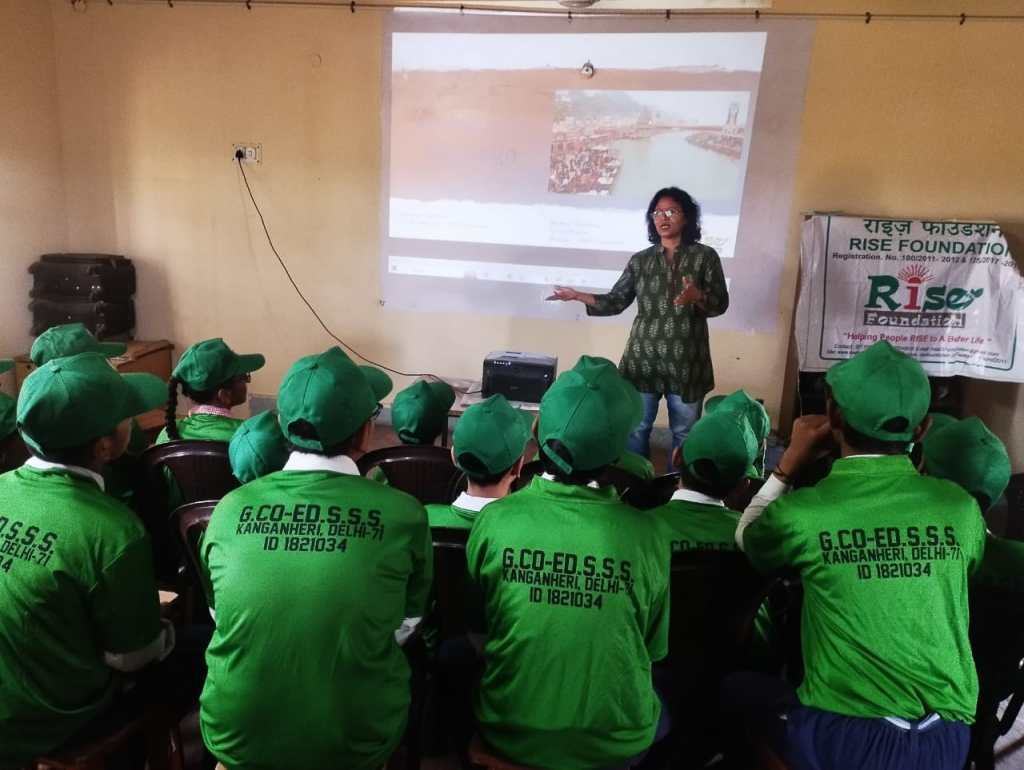
On 21st April 2023, Mr. Madhukar Varshney attended the Earth Day function organized by NIET, Greater Noida (UP). The event was a celebration of our planet and a reminder of the importance of taking action to protect it.

The event kicked off with a welcome address by Director and Dean of NIET College, followed by Mr. Varshney address. He emphasized the importance of climate chnage action, sustainable living and urged everyone to take responsibility for protecting our planet. He highlighted how our actions, no matter how small, can have a significant impact on the environment.

Following Mr. Varshney’s address, there were various activities and performances aimed at raising awareness about environmental issues. Students from NIET performed skits and songs that highlighted the consequences of climate change and the importance of protecting our natural resources.

The event also featured several other NGOs specially Atulya Ganga Foundation and other environmental organizations showcasing their efforts towards preserving the environment. This provided an opportunity for attendees to learn about different initiatives and ways in which they could get involved in the fight against climate change.

One of the highlights of the event was the presence of Ms India Earth Ms Vanshika Parmar.

As the event came to an end, Mr. Varshney thanked everyone for their participation and emphasized that it is essential to celebrate Earth Day not just on one day but every day. He urged everyone to make a conscious effort to adopt sustainable practices in their daily lives and to spread awareness about the importance of environmental protection.

In conclusion, attending the Earth Day function at NIET, Greater Noida, was an enriching experience that highlighted the importance of protecting our planet. The event was a great reminder that we must all do our part in preserving the environment and creating a sustainable future for generations to come.