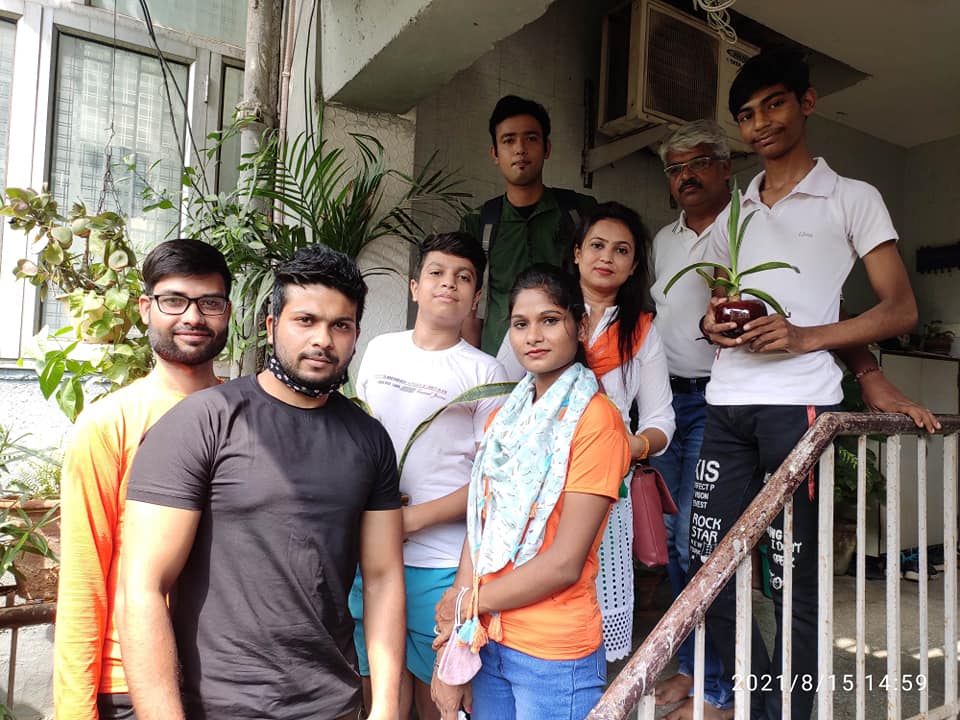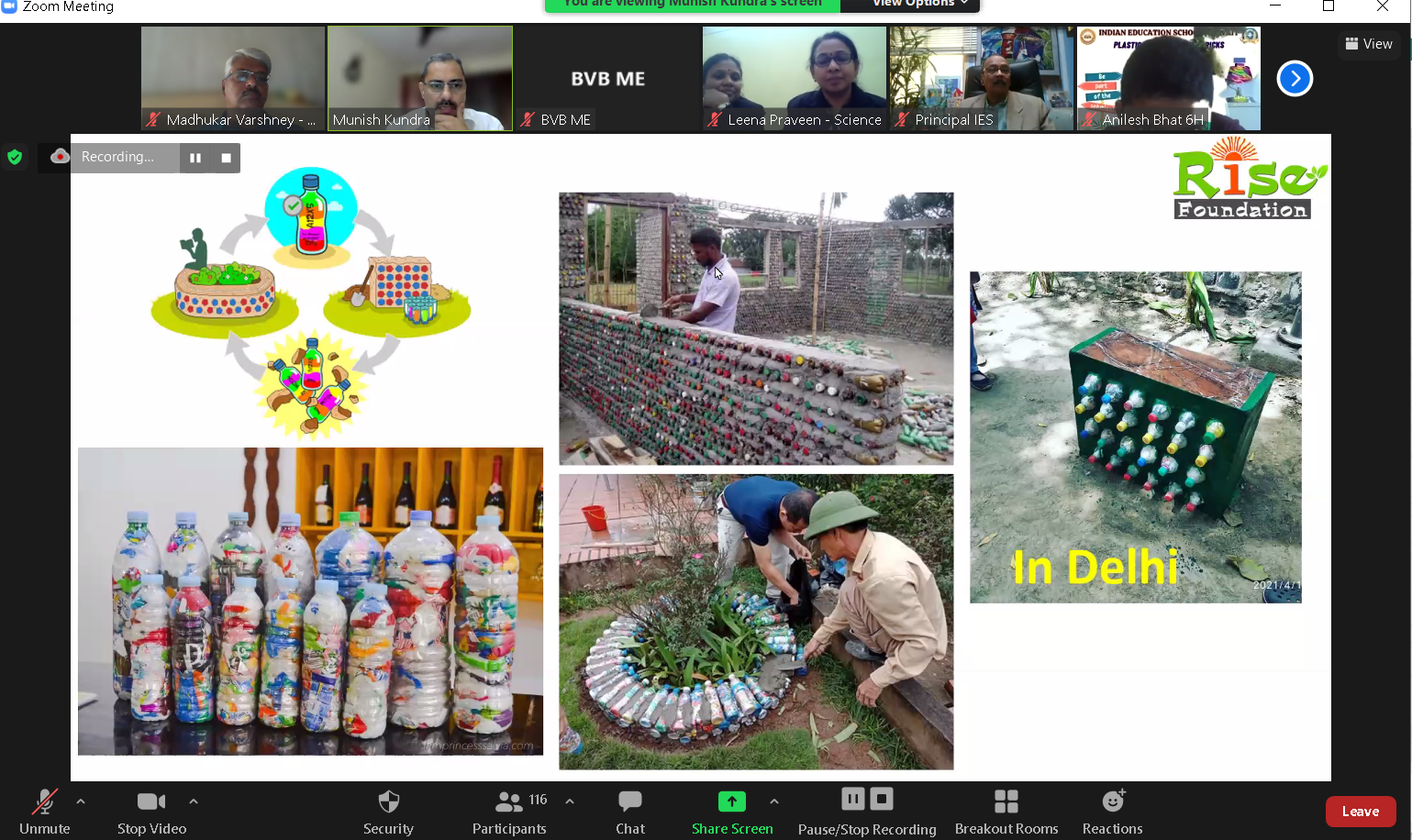
Pragmatic Solutions of Environment Hazards – Online Session with Nanakmatta Public School

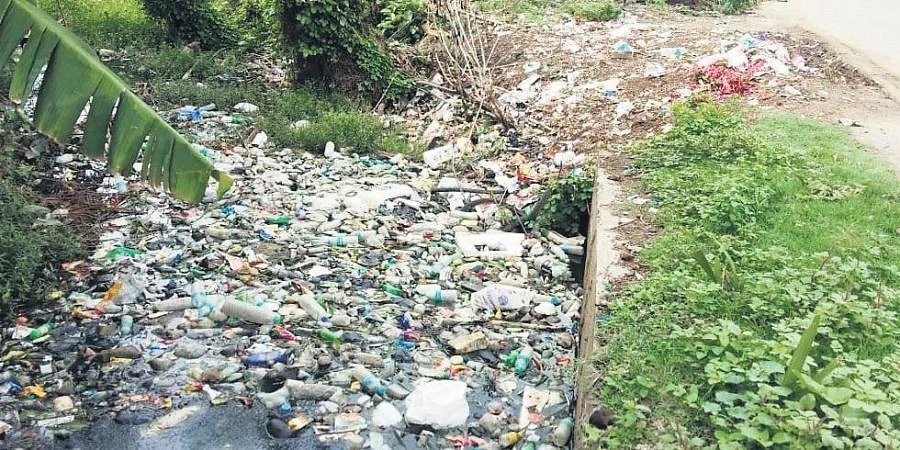
Plastic pollution has become one of the most pressing environmental issues, as rapidly increasing production of disposable plastic products overwhelms the world’s ability to deal with them. Plastic pollution is most visible in developing Asian and African nations, where garbage collection systems are often inefficient or nonexistent. But the developed world, especially in countries with low recycling rates, also has trouble properly collecting discarded plastics.

  • Every year, about 8 million tons of plastic waste escapes into the oceans from coastal nations. That’s the equivalent of setting five garbage bags full of trash on every foot of coastline around the world.
  • Plastics often contain additives making them stronger, more flexible, and durable. But many of these additives can extend the life of products if they become litter, with some estimates ranging to at least 400 years to break down.

How plastics move around the world

Most of the plastic trash in the oceans, Earth’s last sink, flows from land. Trash is also carried to sea by major rivers, which act as conveyor belts, picking up more and more trash as they move downstream. Once at sea, much of the plastic trash remains in coastal waters. But once caught up in ocean currents, it can be transported around the world.

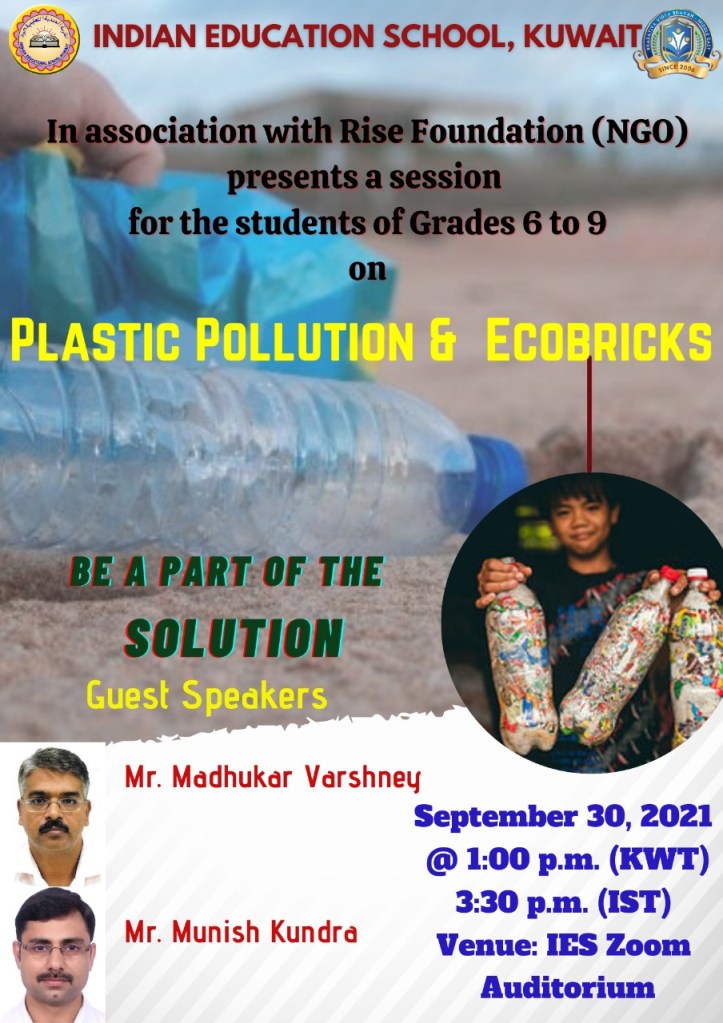
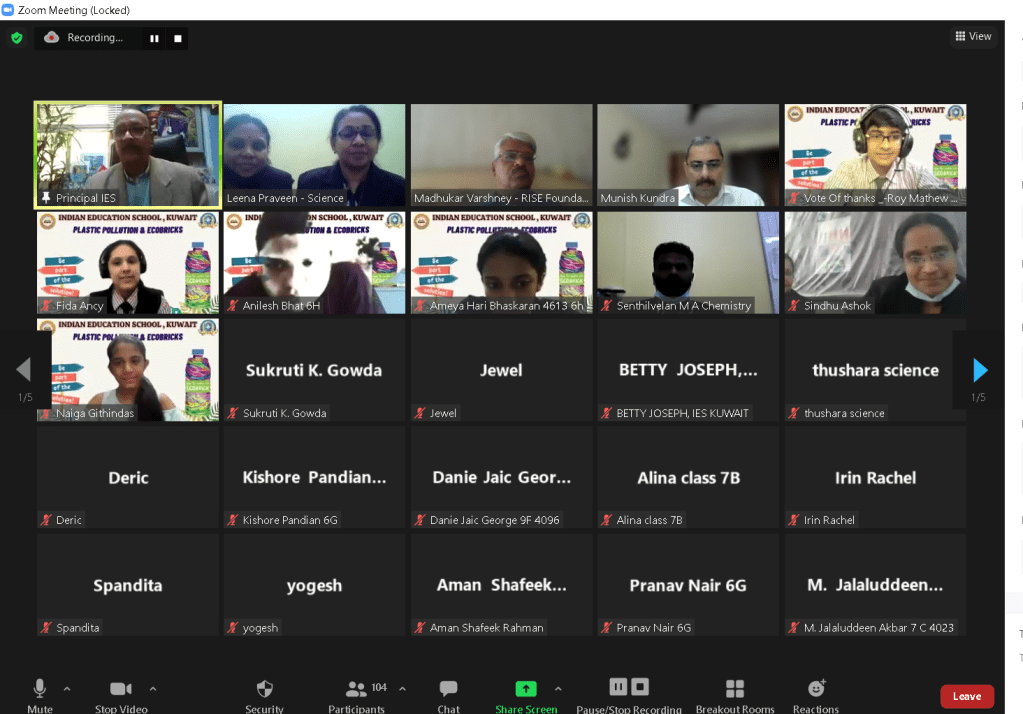
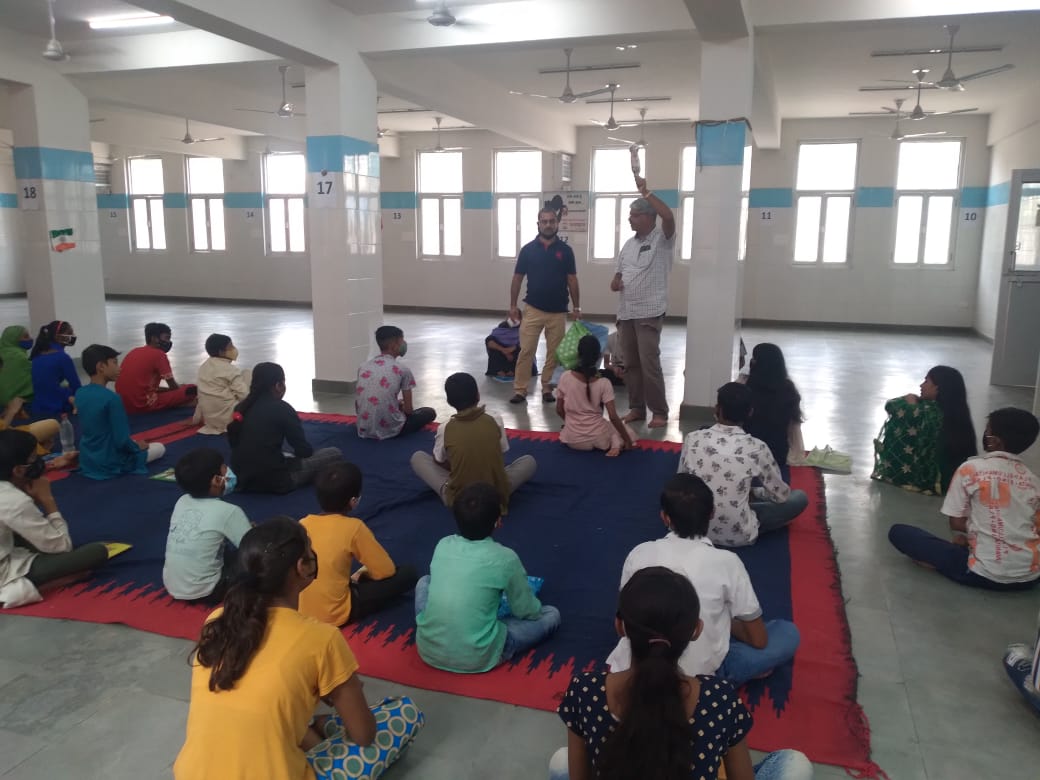
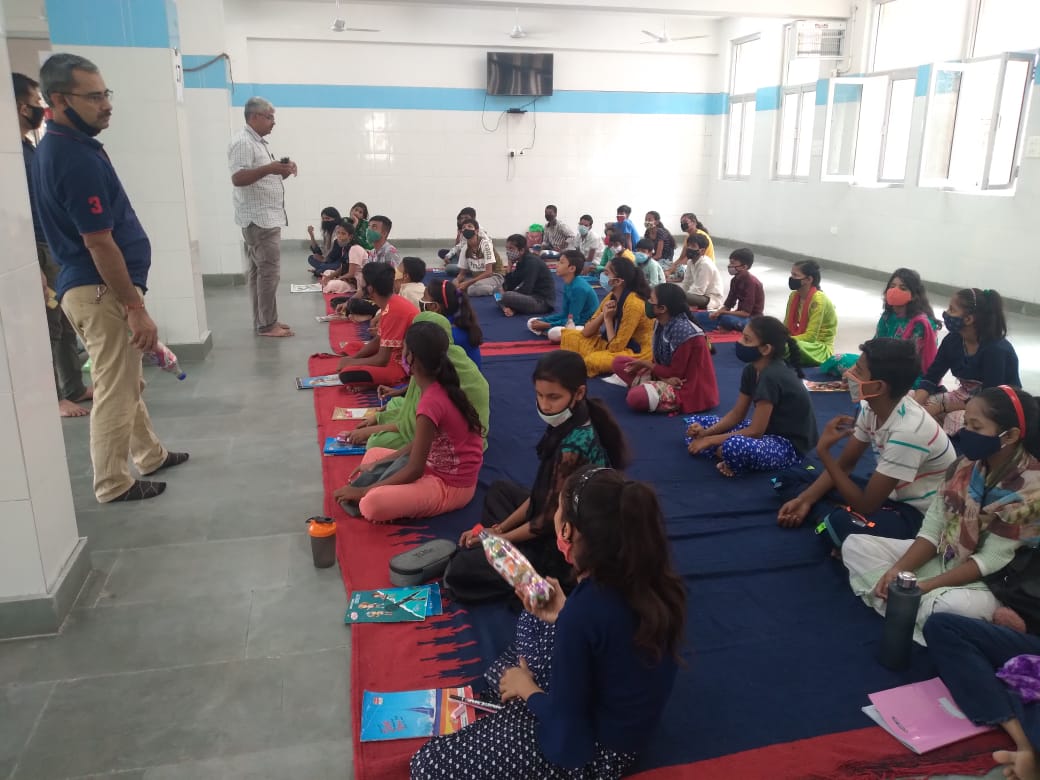
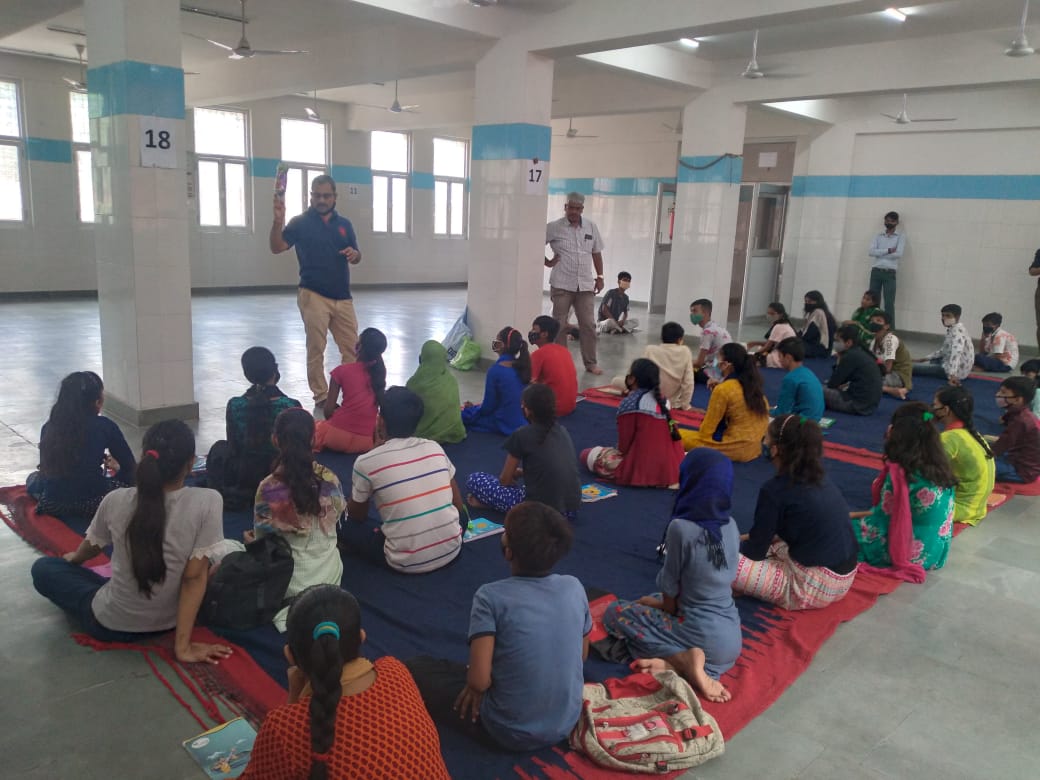
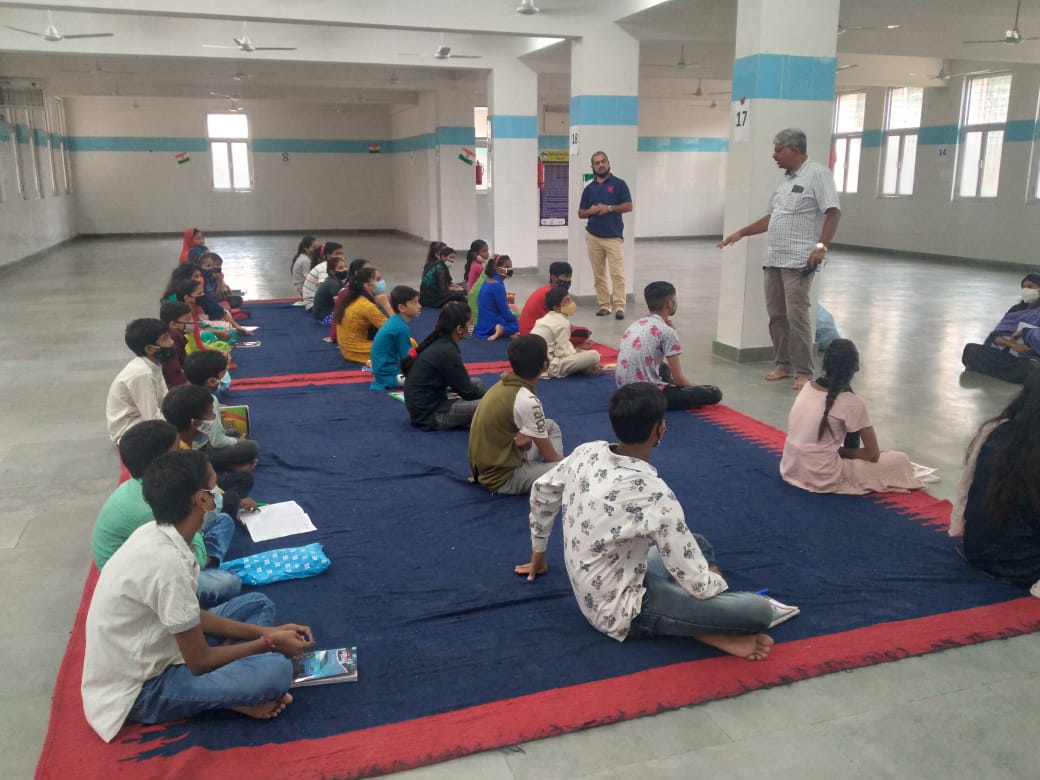
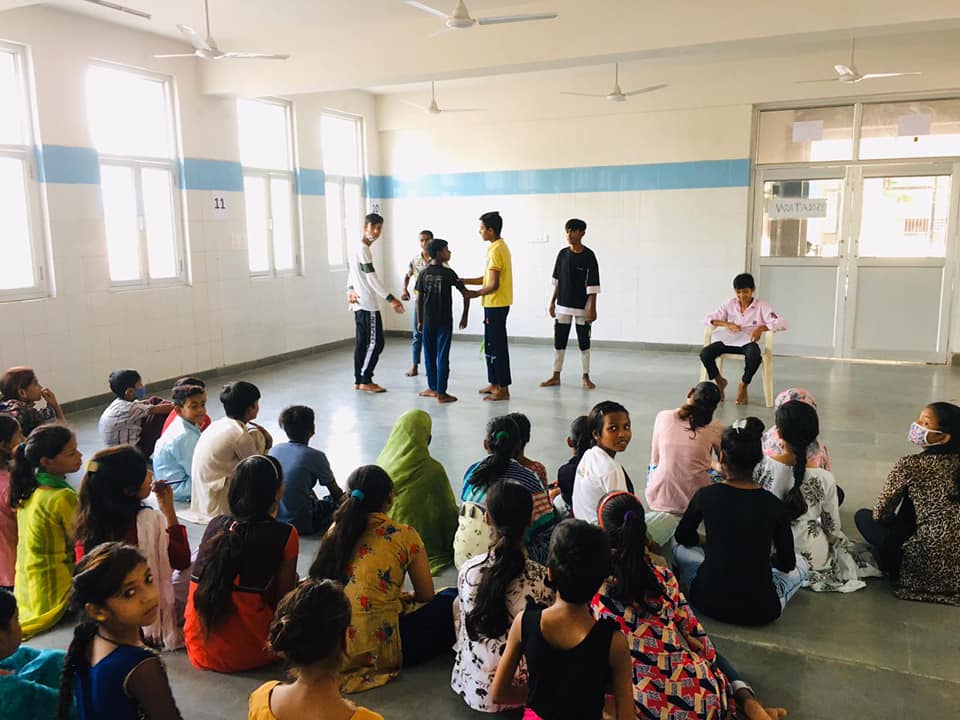
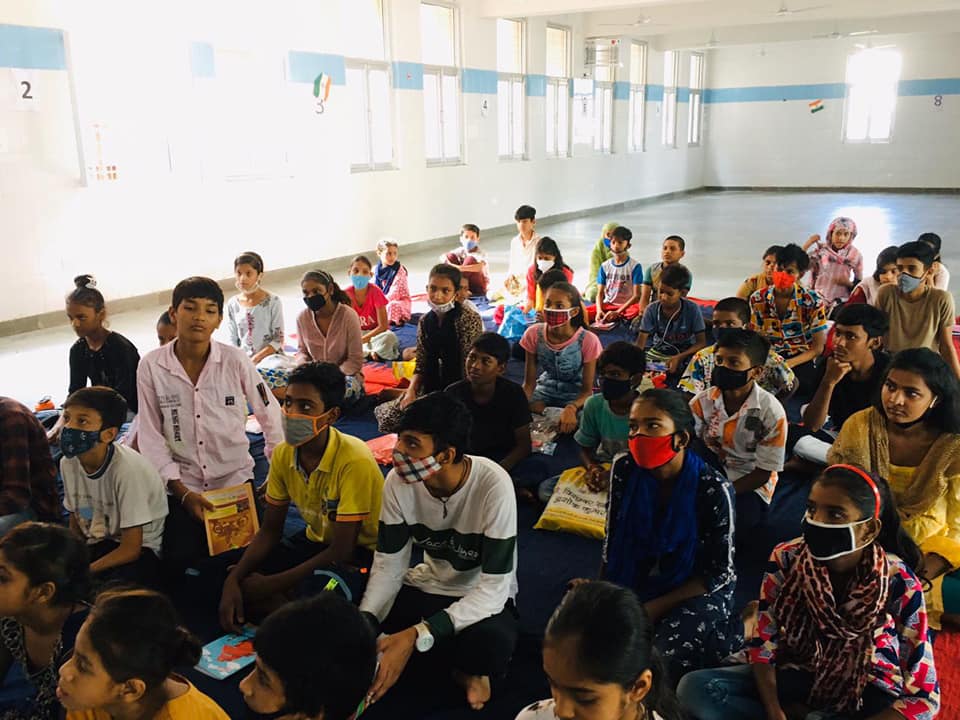
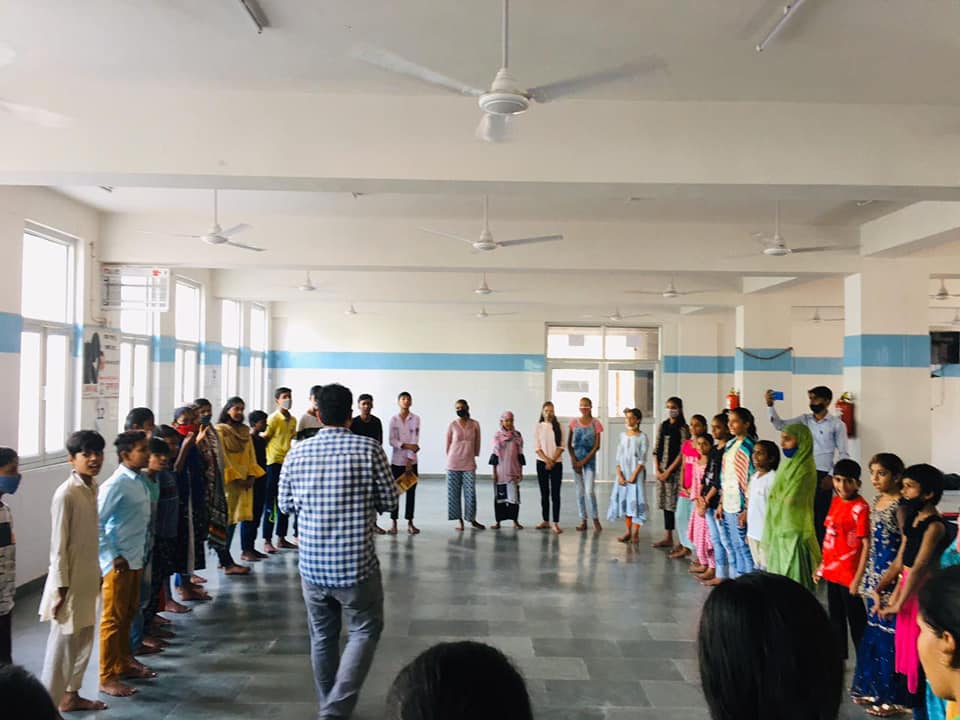
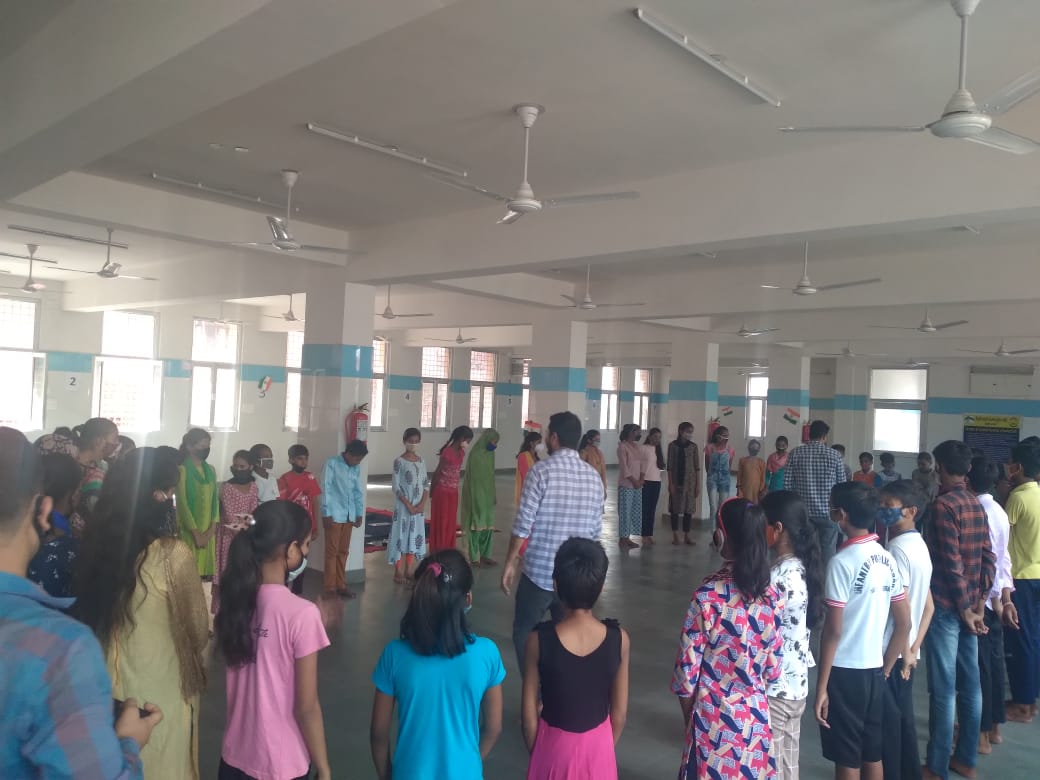
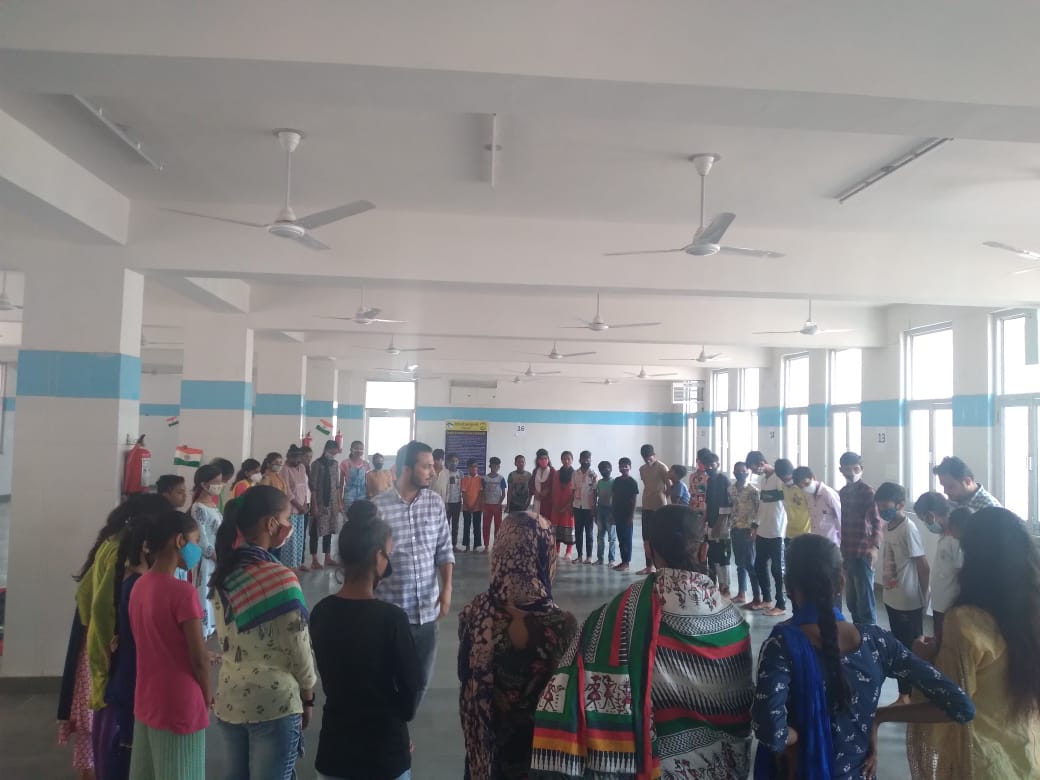
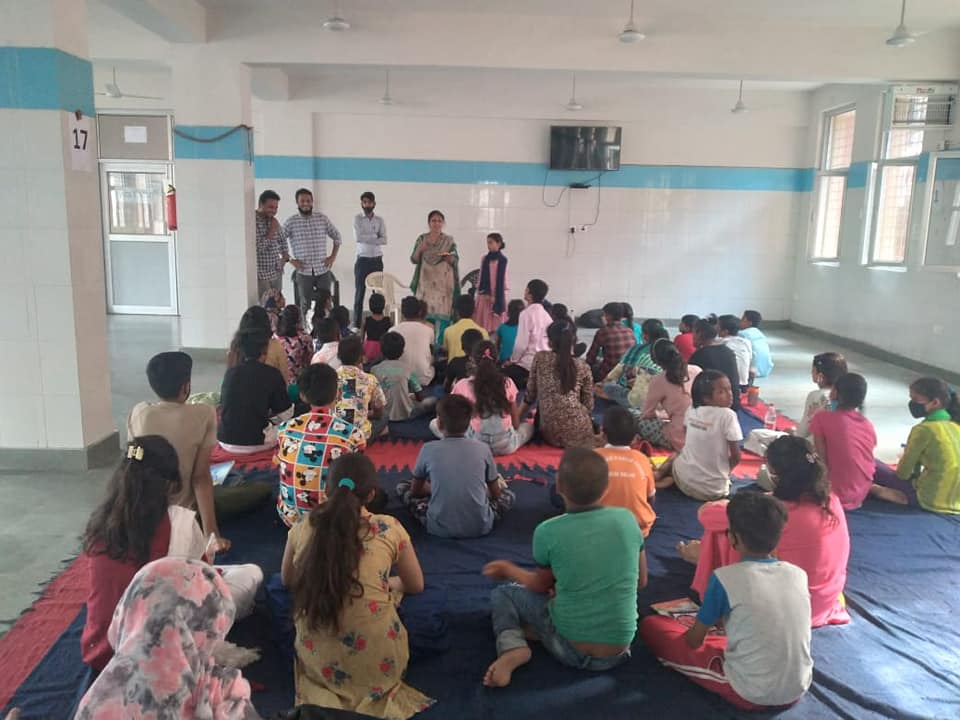
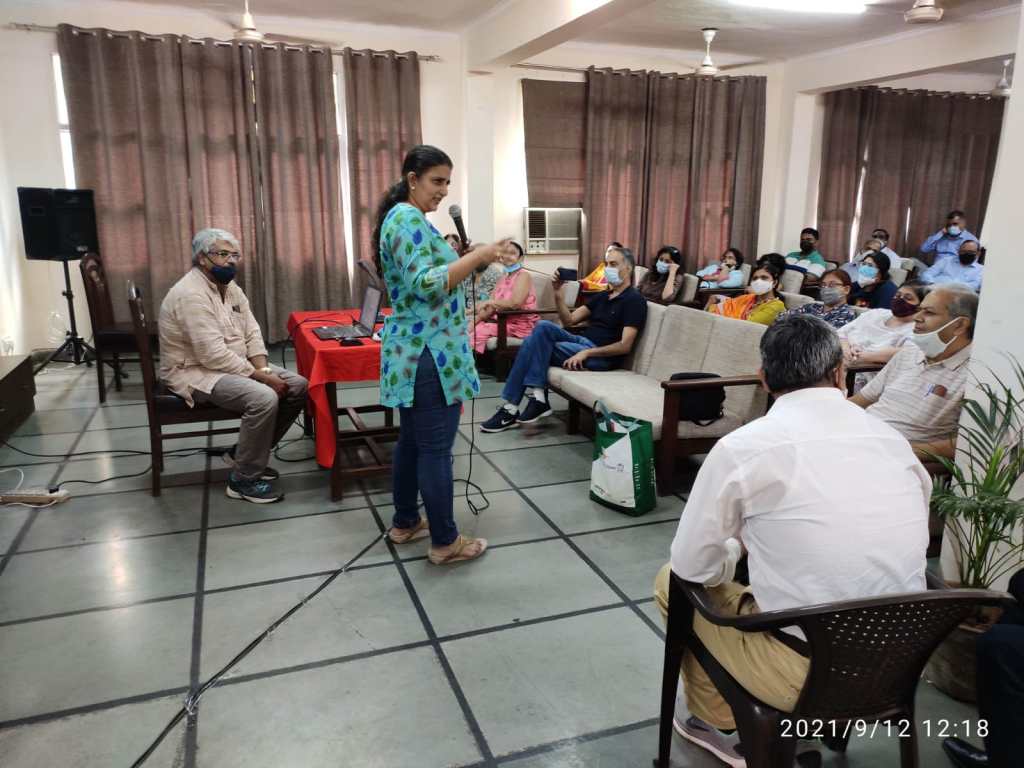
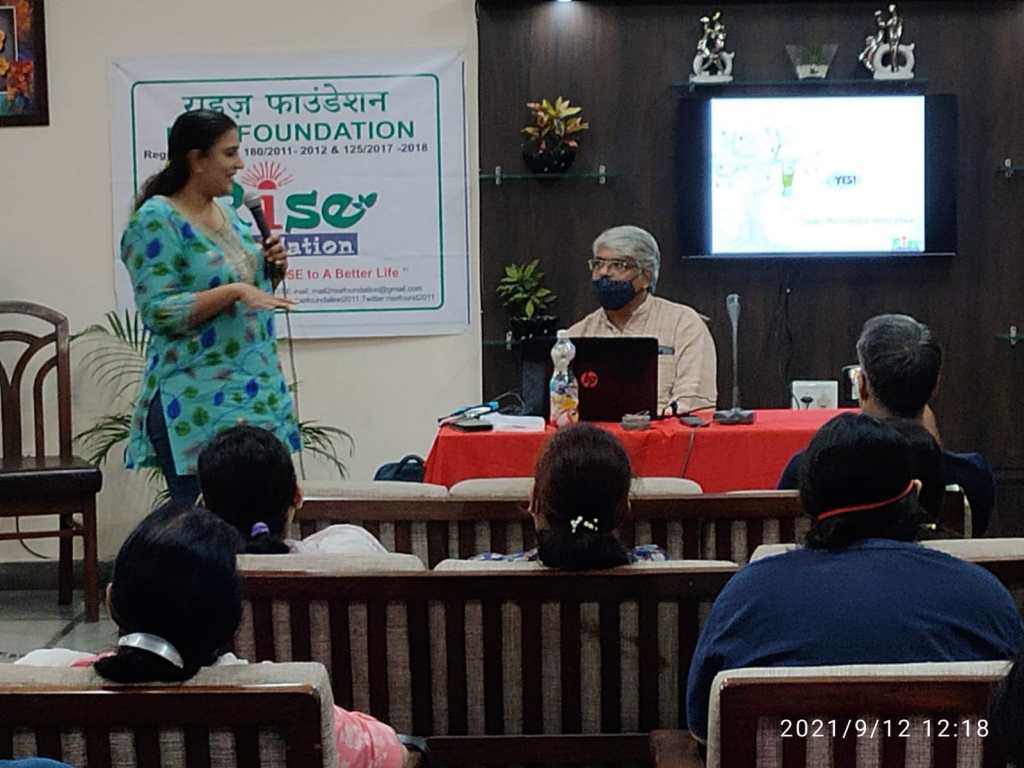
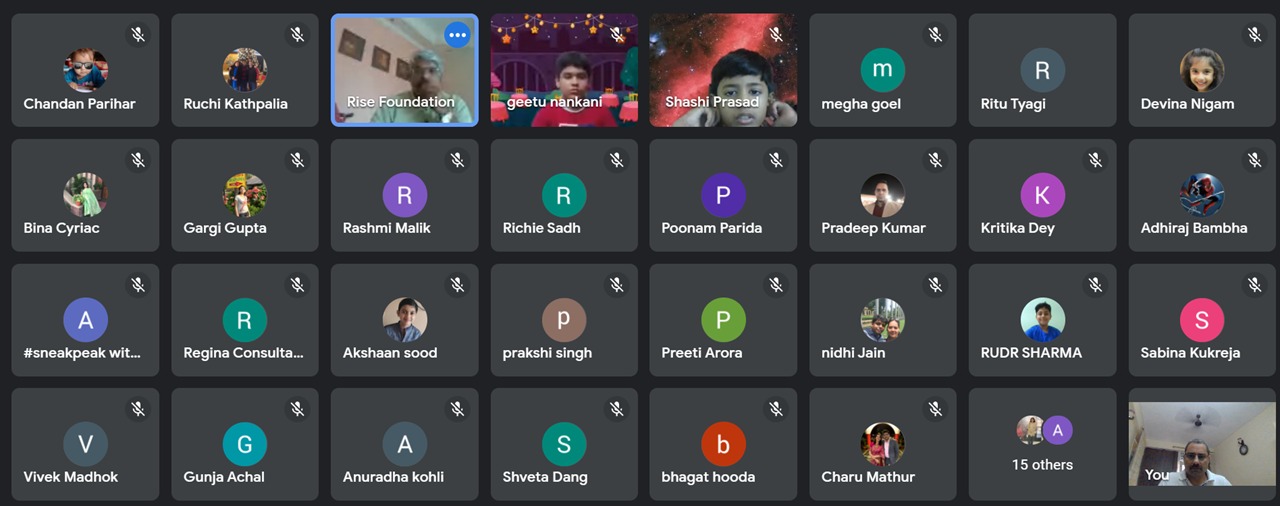
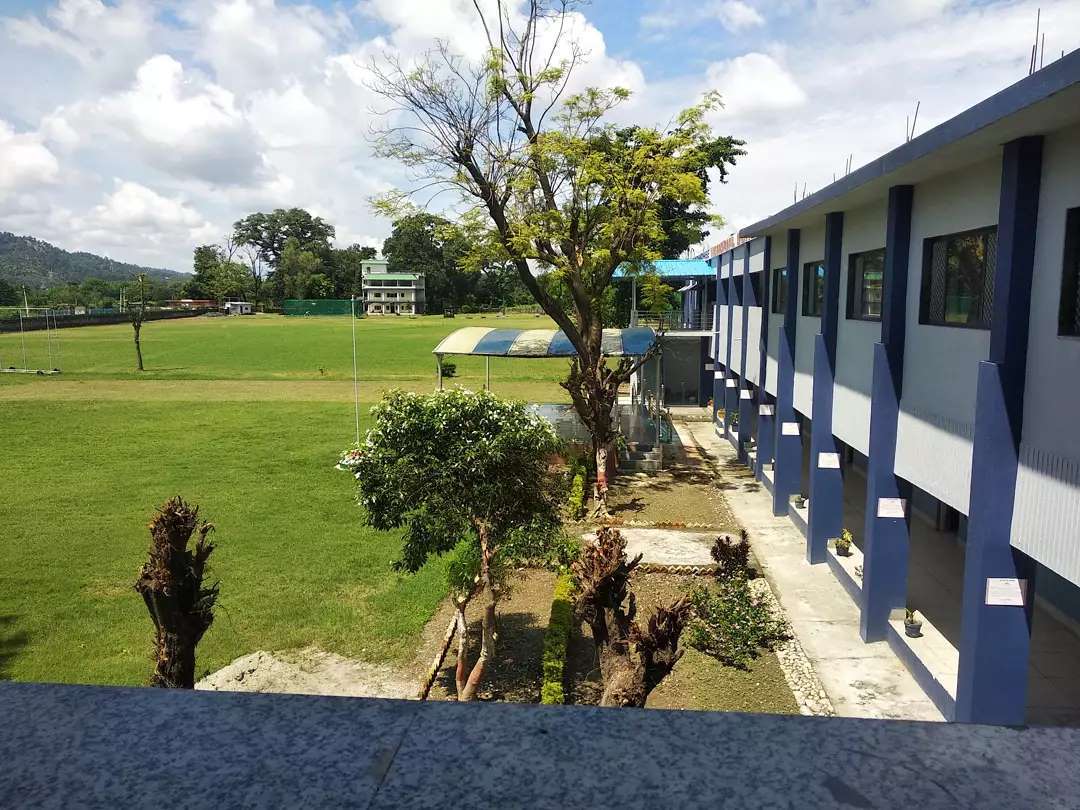
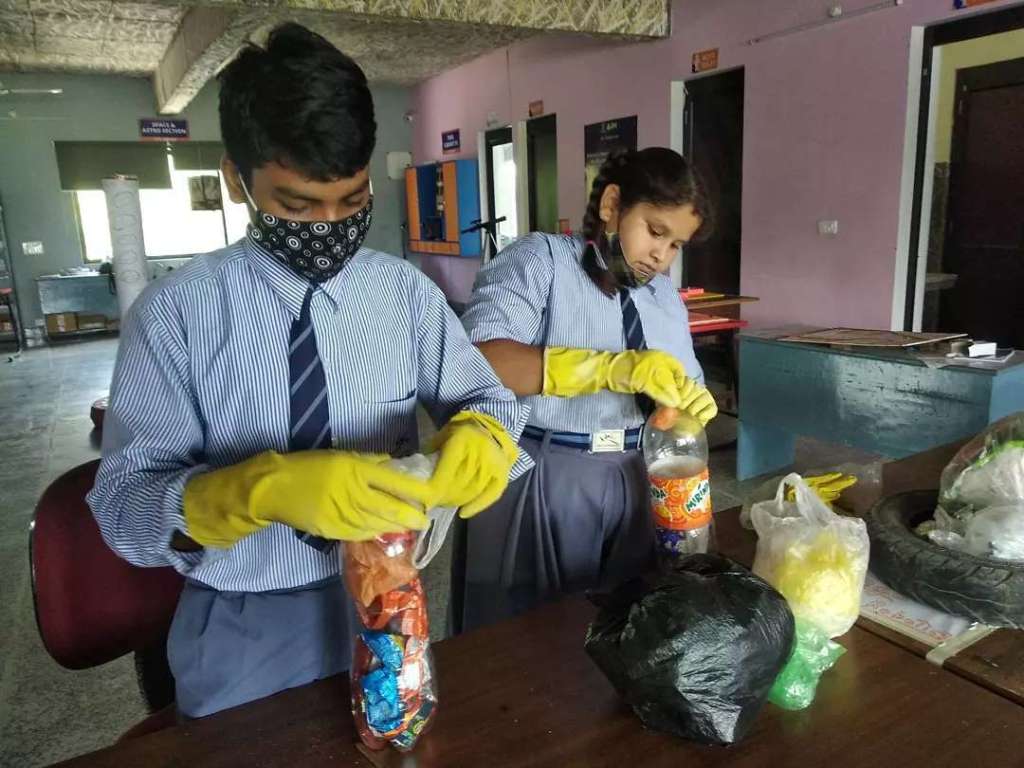
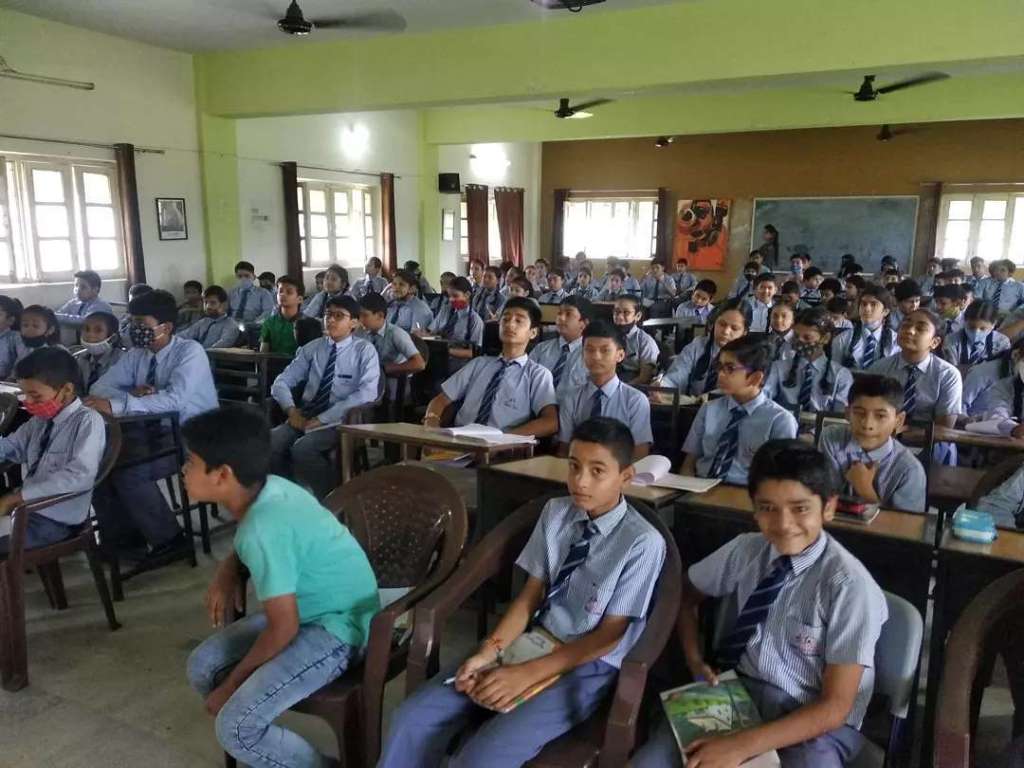
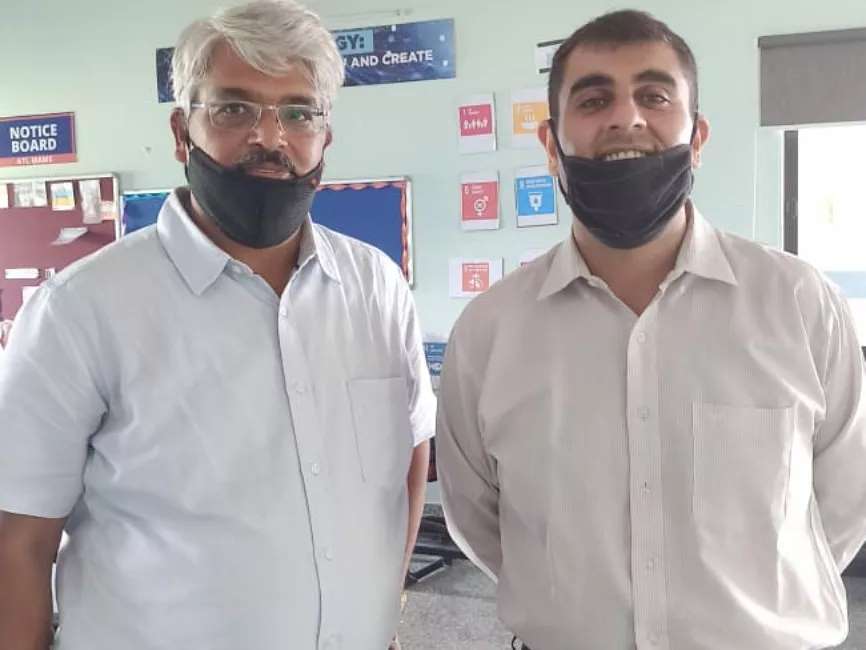
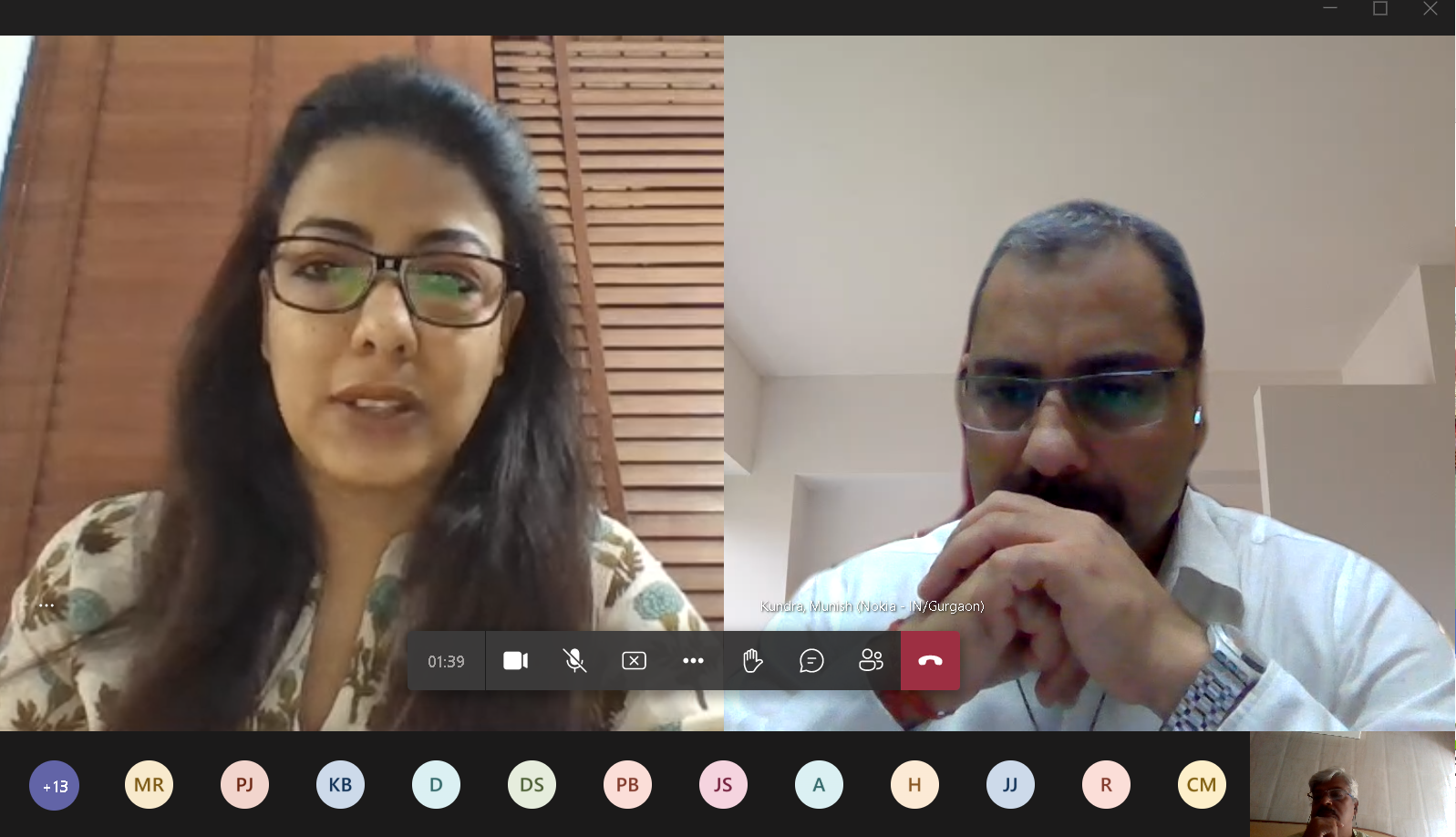
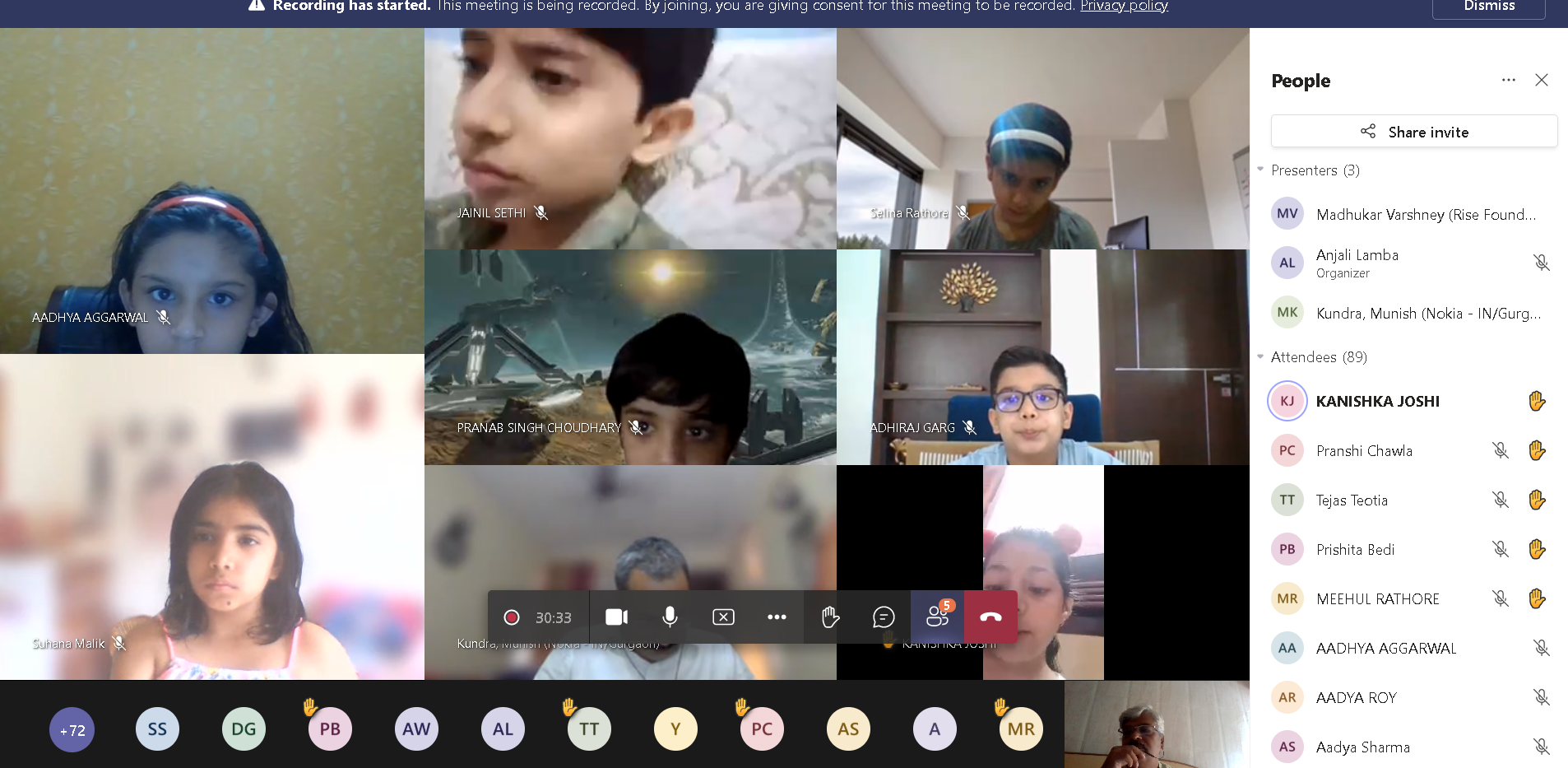
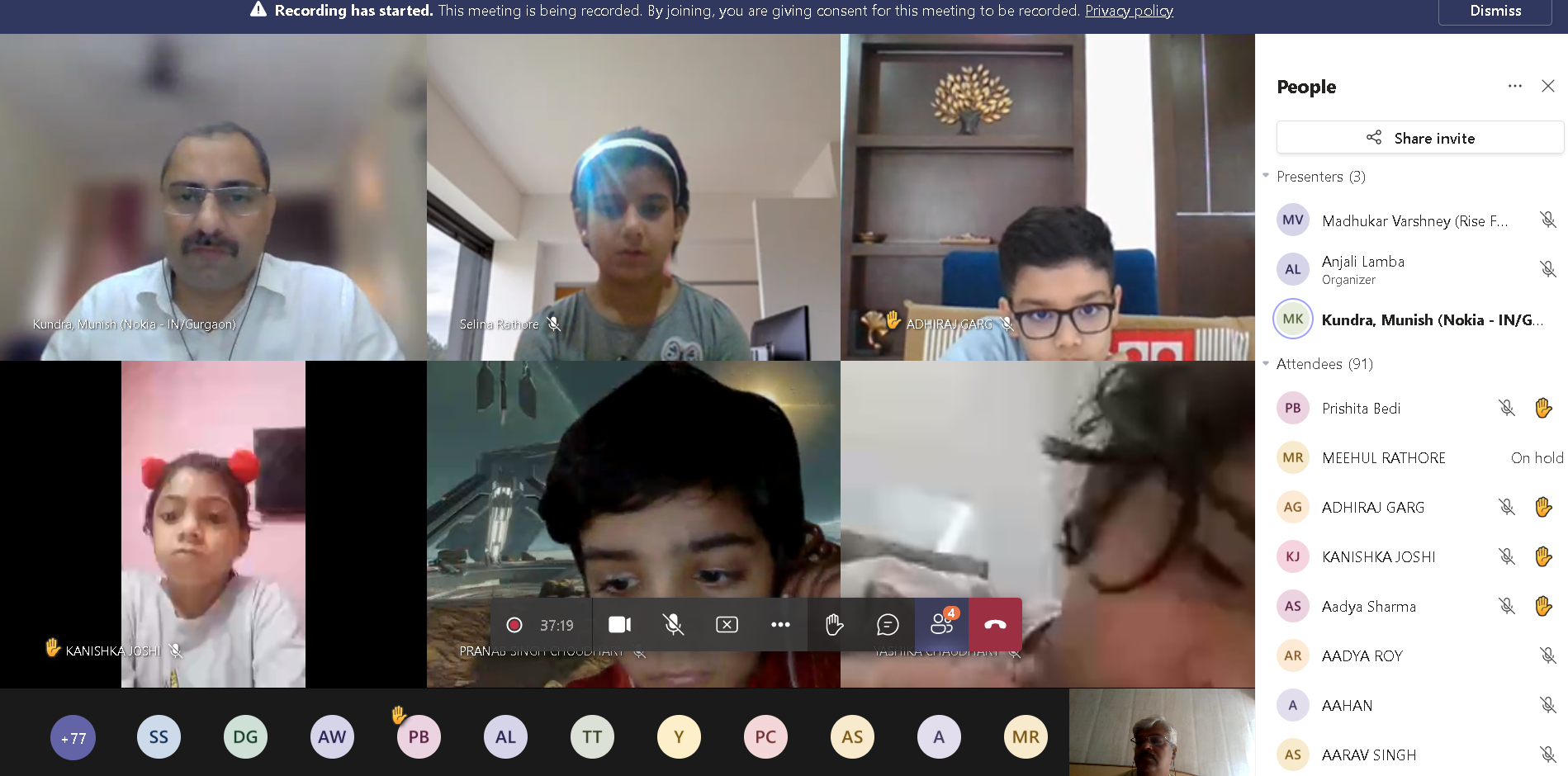
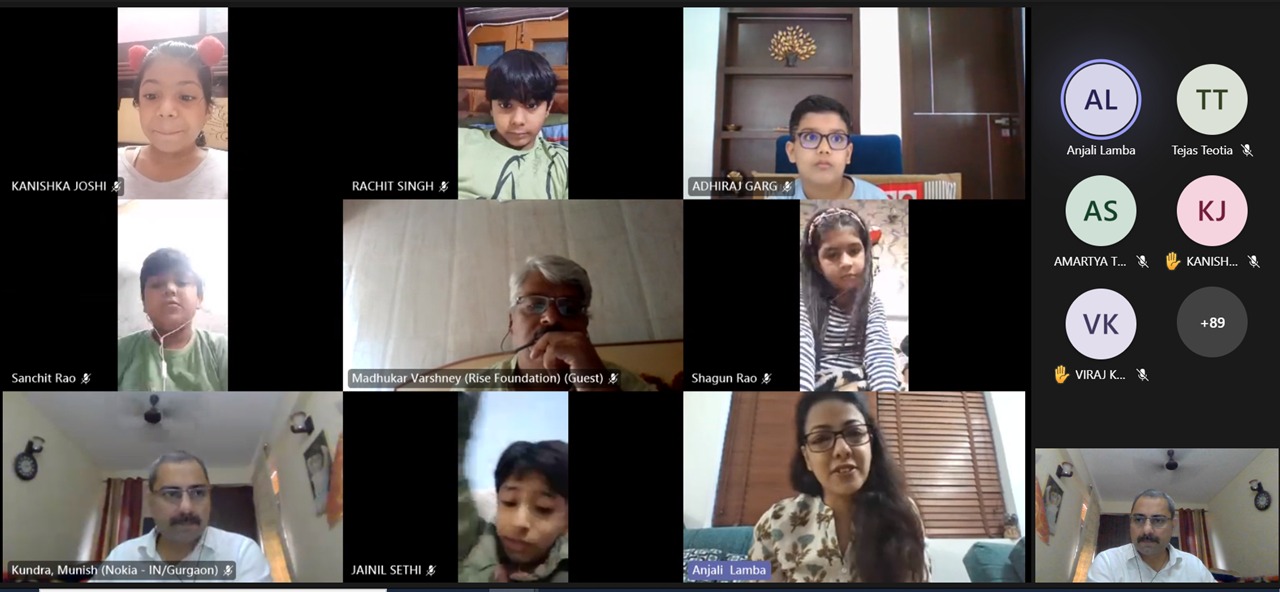
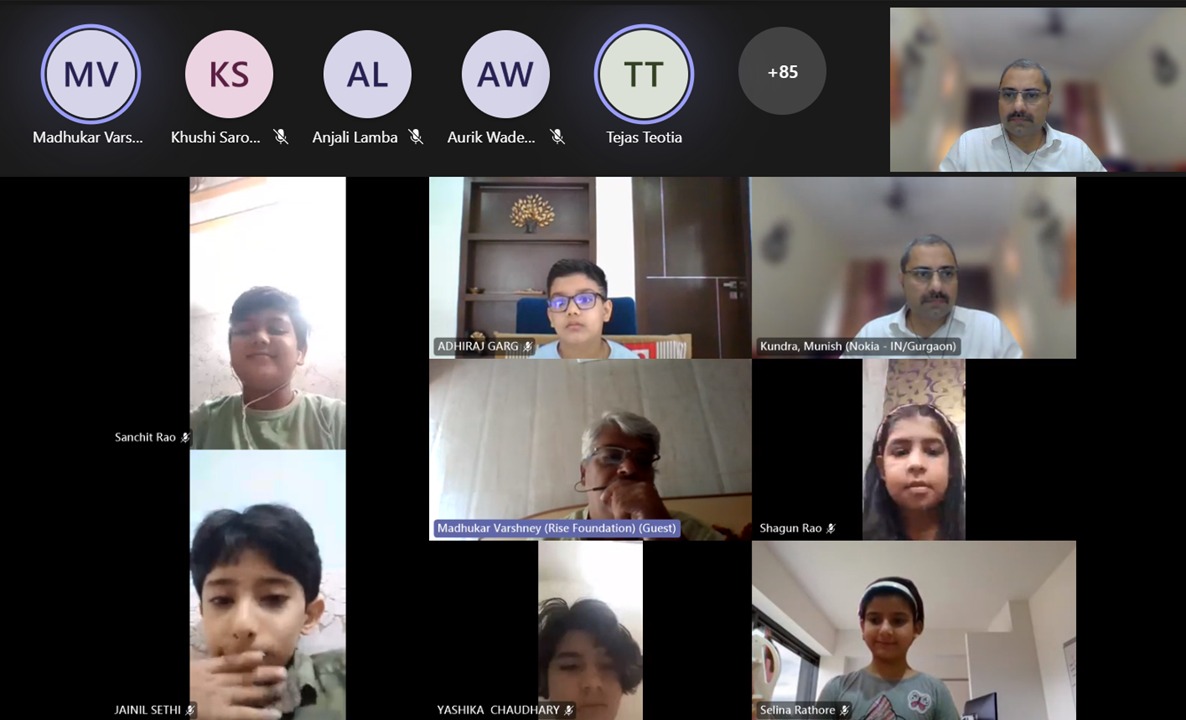
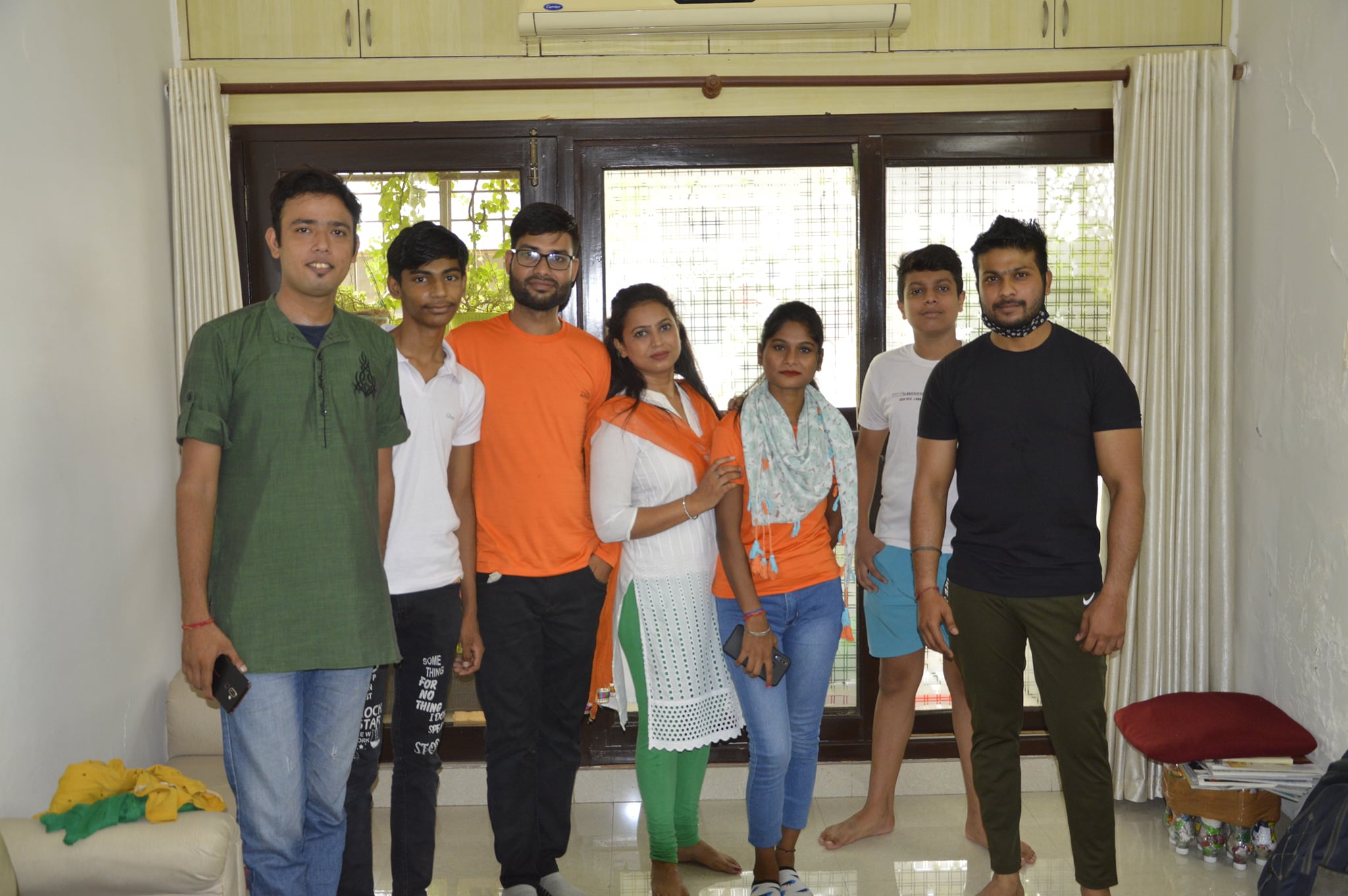
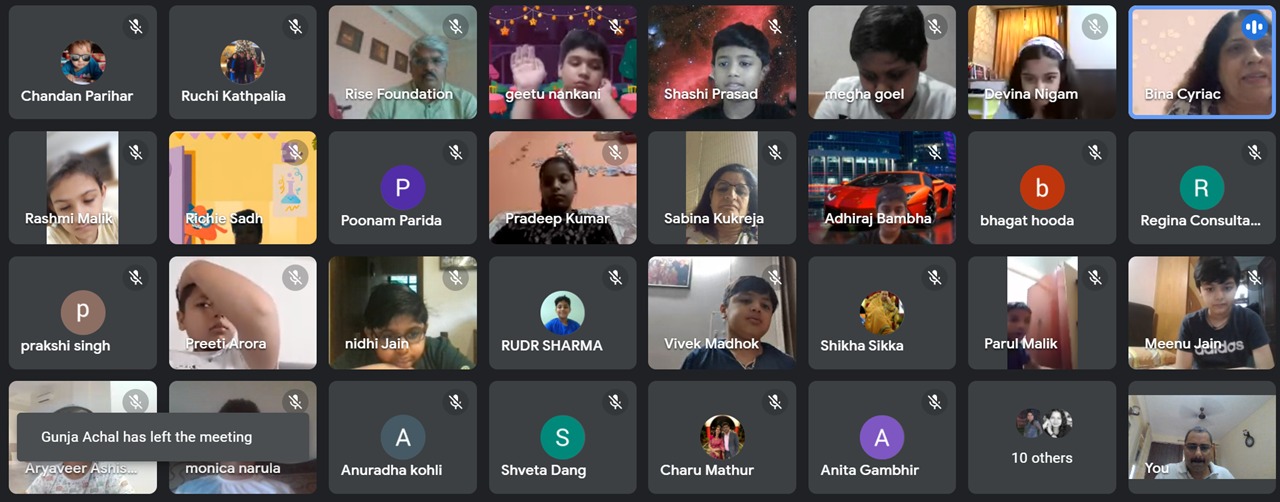
An online session is conducted with Nanakmatta Public School, Udham Singh Nagar (Uttrakhand) on 14th Aug 2021 to discuss and motivated to apply the simple yet powerful solution of Ecobricks made from single use plastic or the plastic at home thrown in the garbage and reach to landfill or flown to Ocean.

Around 100 students join the session about Plastic Pollution/Ocean Pollution , and some facts about the current situation of plastic waste and pollution of Kalayani River in Udham Singh River as follows:

Harm to wildlife

Millions of animals are killed by plastics every year, from birds to fish to other marine organisms. Nearly 700 species, including endangered ones, are known to have been affected by plastics. Nearly every species of seabird eats plastics.

Most of the deaths to animals are caused by entanglement or starvation. Seals, whales, turtles, and other animals are strangled by abandoned fishing gear or discarded six-pack rings. Microplastics have been found in more than 100 aquatic species, including fish, shrimp, and mussels destined for our dinner plates. In many cases, these tiny bits pass through the digestive system and are expelled without consequence. But plastics have also been found to have blocked digestive tracts or pierced organs, causing death. Stomachs so packed with plastics reduce the urge to eat, causing starvation.

Plastics have been consumed by land-based animals, including elephants, hyenas, zebras, tigers, camels, cattle, and other large mammals, in some cases causing death.

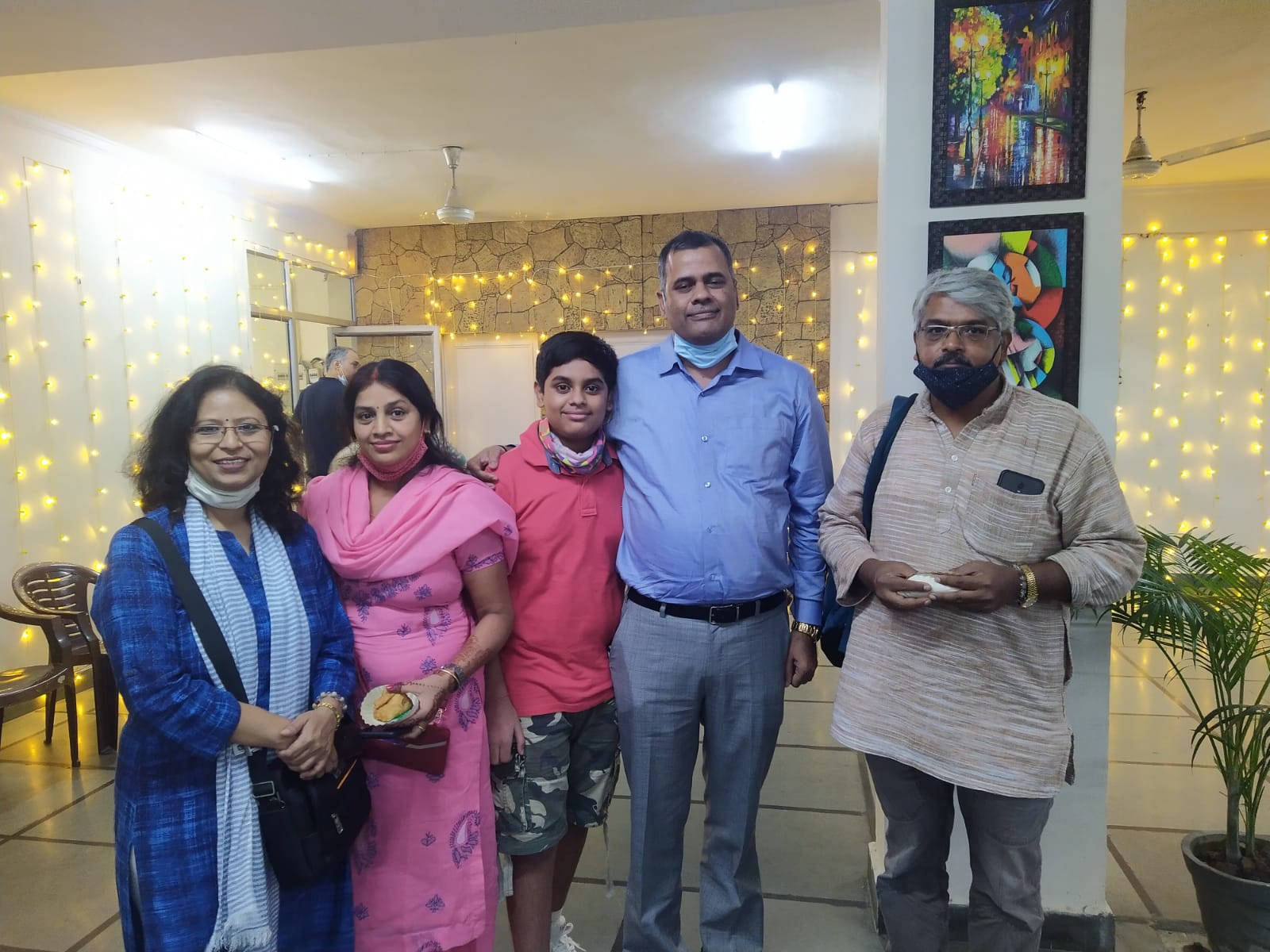
We thanks to Mr. Kamalesh Atwal for connecting team Rise Foundation with wonderful students. We really appreciate the questions raised by the students during the session.Students agreed to work on Ecobricks to keep city Clean.

History of Ecobrick?

Ecobricks were first made in number and utilized on a community scale in Guatemala in 2003 with Susana Heisse’s project Pura Vida Atitlan. Since then numerous projects have been started all around the globe.

What is an Ecobrick?

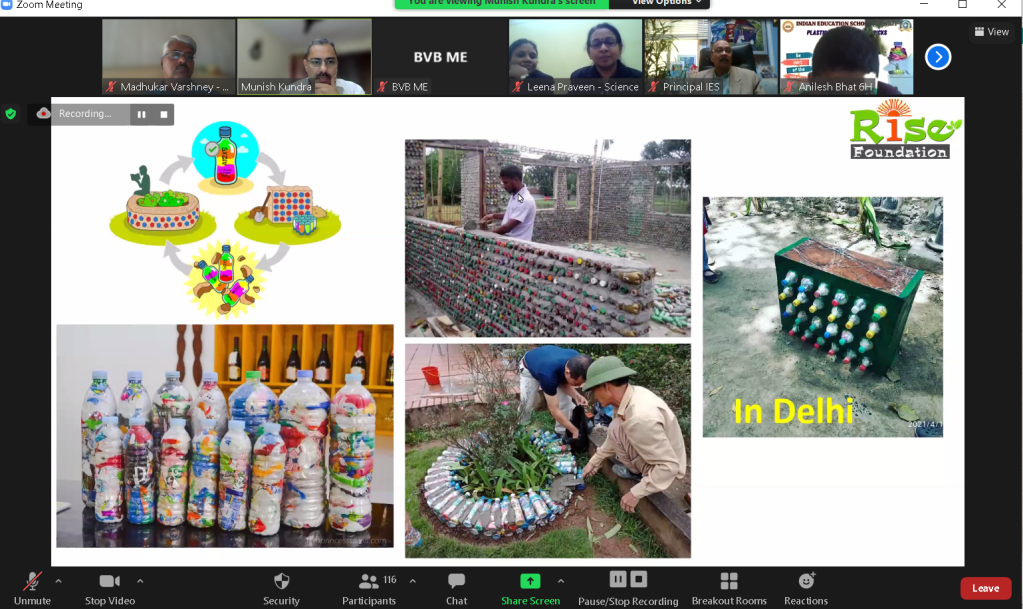
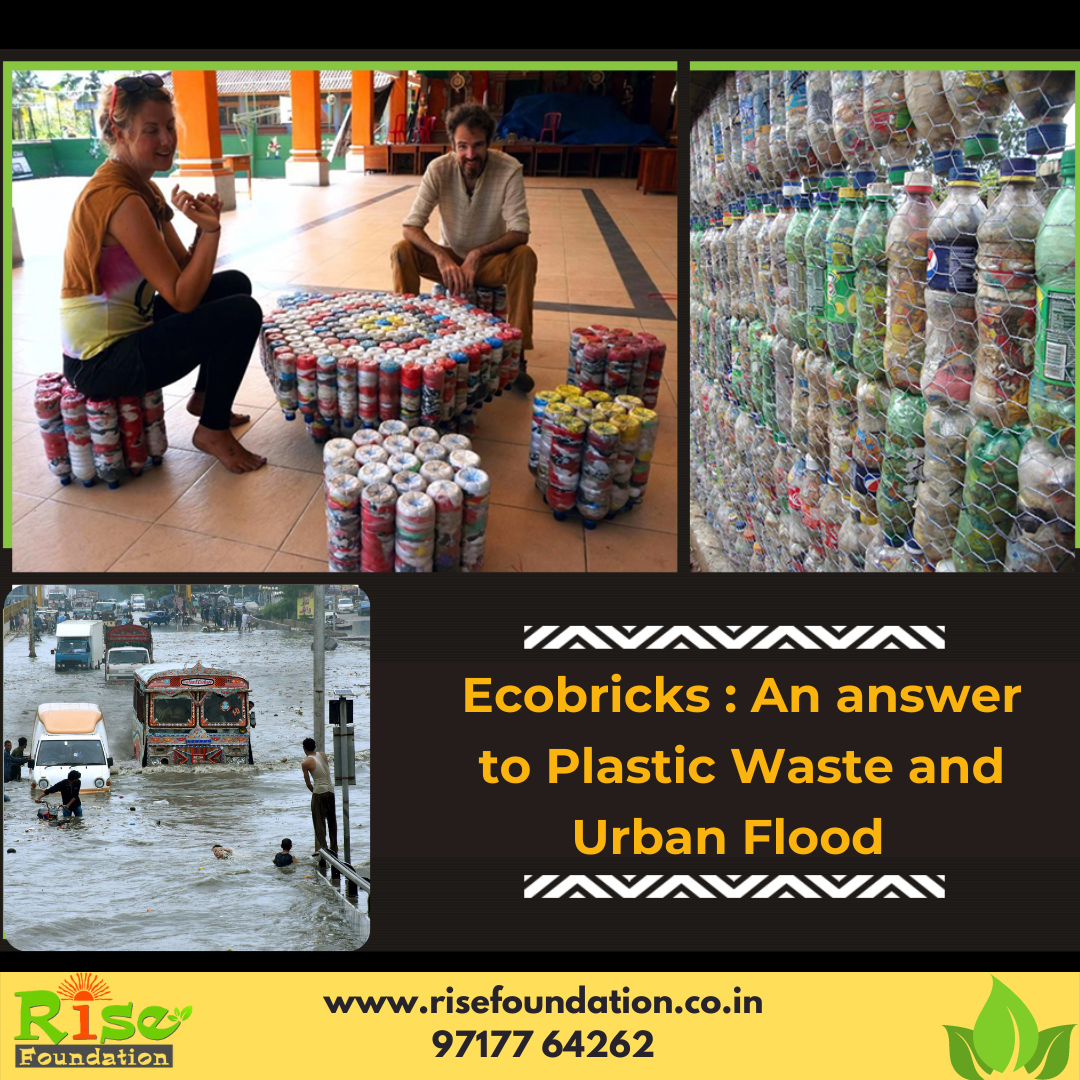
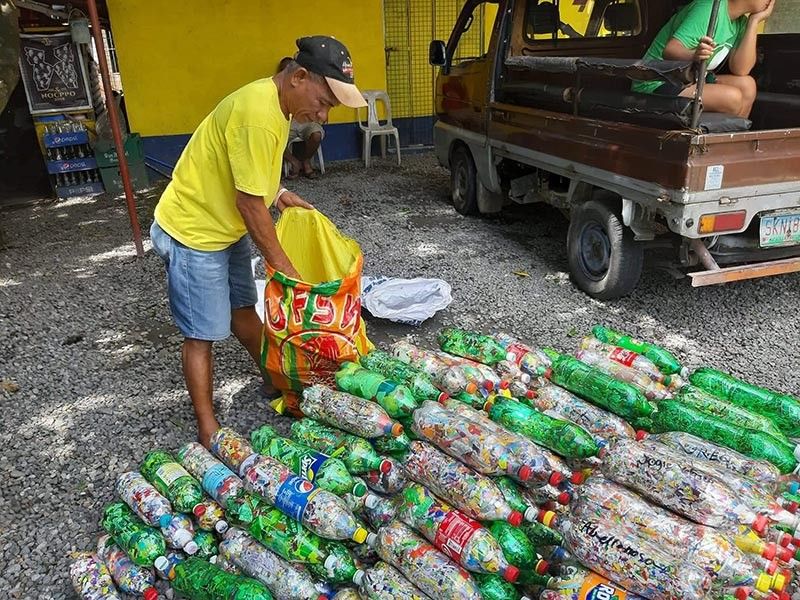
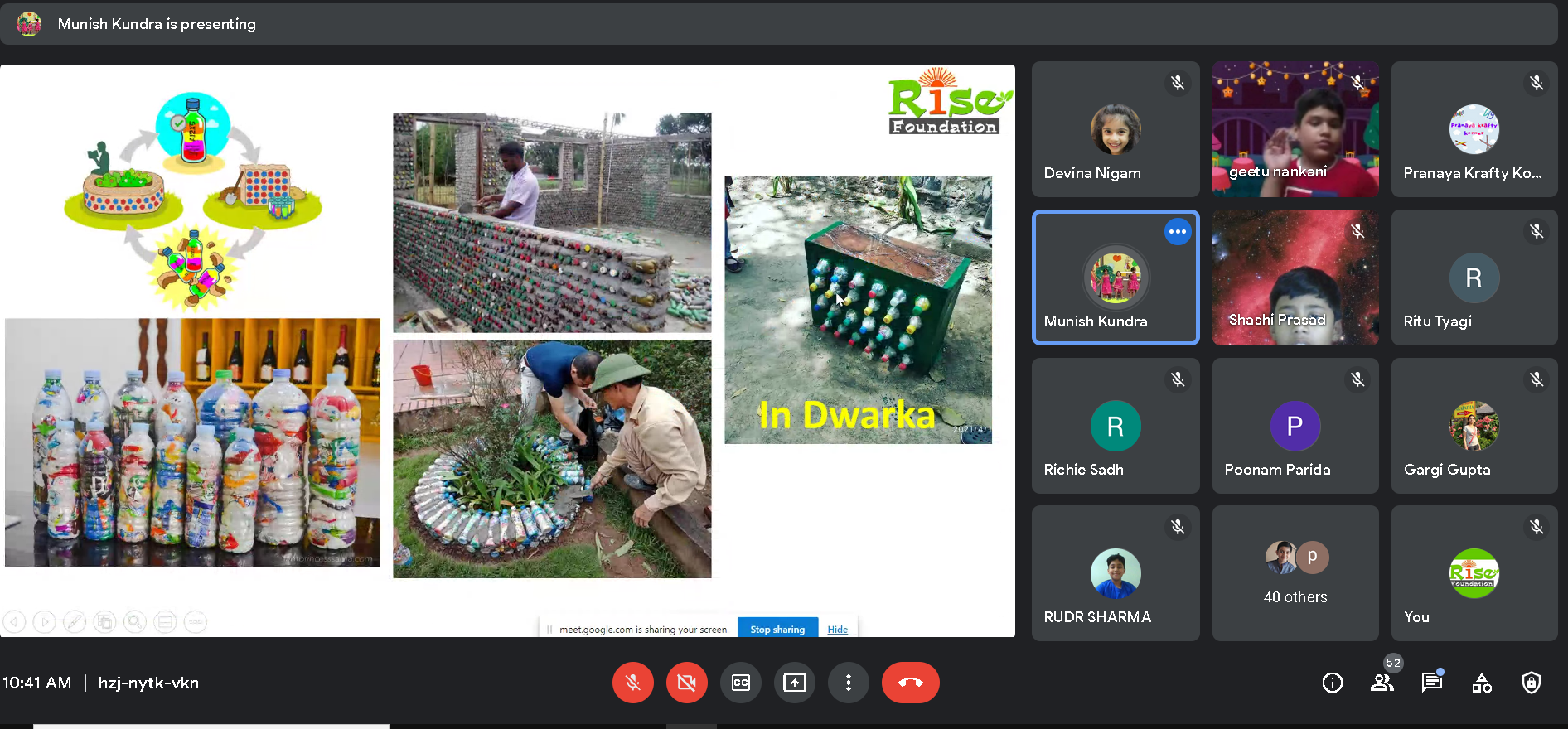
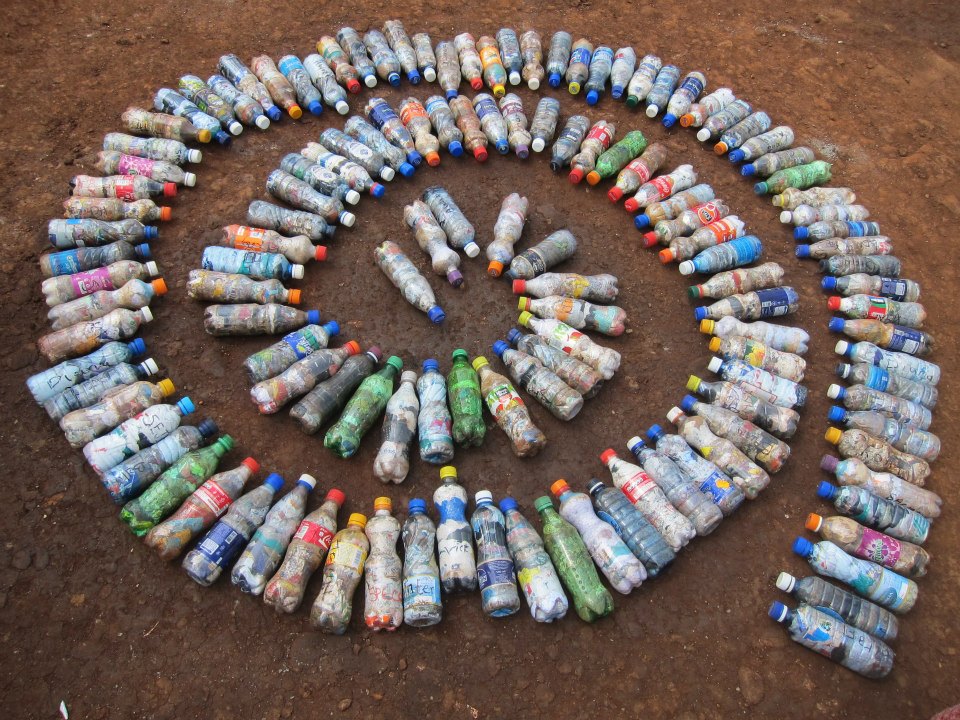
An Ecobrick is a plastic bottle filled, and packed tightly with none recyclable materials so that it can be used as a building block for a structure. Pretty much becoming a brick, made of plastic.

About Nanakmatta Public School:

Nanakmatta Public School is situated in Udham Singh Nagar district of Uttarakhand. School cater the semi-urban and rural learners. School is trying to provide affordable education along with holistic learning and 21st century skills.

For more information about the school : https://www.facebook.com/Nps.nanakmatta

About Rise Foundation

Rise foundation is a non-profitable organization registered in the year 2011, purely engaged on voluntary services. We are involved in different activities in the field of education for underprivileged children and awareness program for women and deprived section of society. We do activities and awareness workshop on various issues like health and hygiene, legal aids through DLSA for domestic violence, awareness workshop on waste segregation and composting (including Dwarka societies) for the last 10 years. Recently we started Urban Forest plantation using Miyawaki Technique and Workshops on Ecobricks to curb plastic pollution.

If you want to conduct online or offline sessions for Ecobricks, feel free to reach Mr. Madhukar Varshney at 9717764262 or Mr. Munish Kundra at 9818739265 or write us at mail2risefoundation@gmail.com
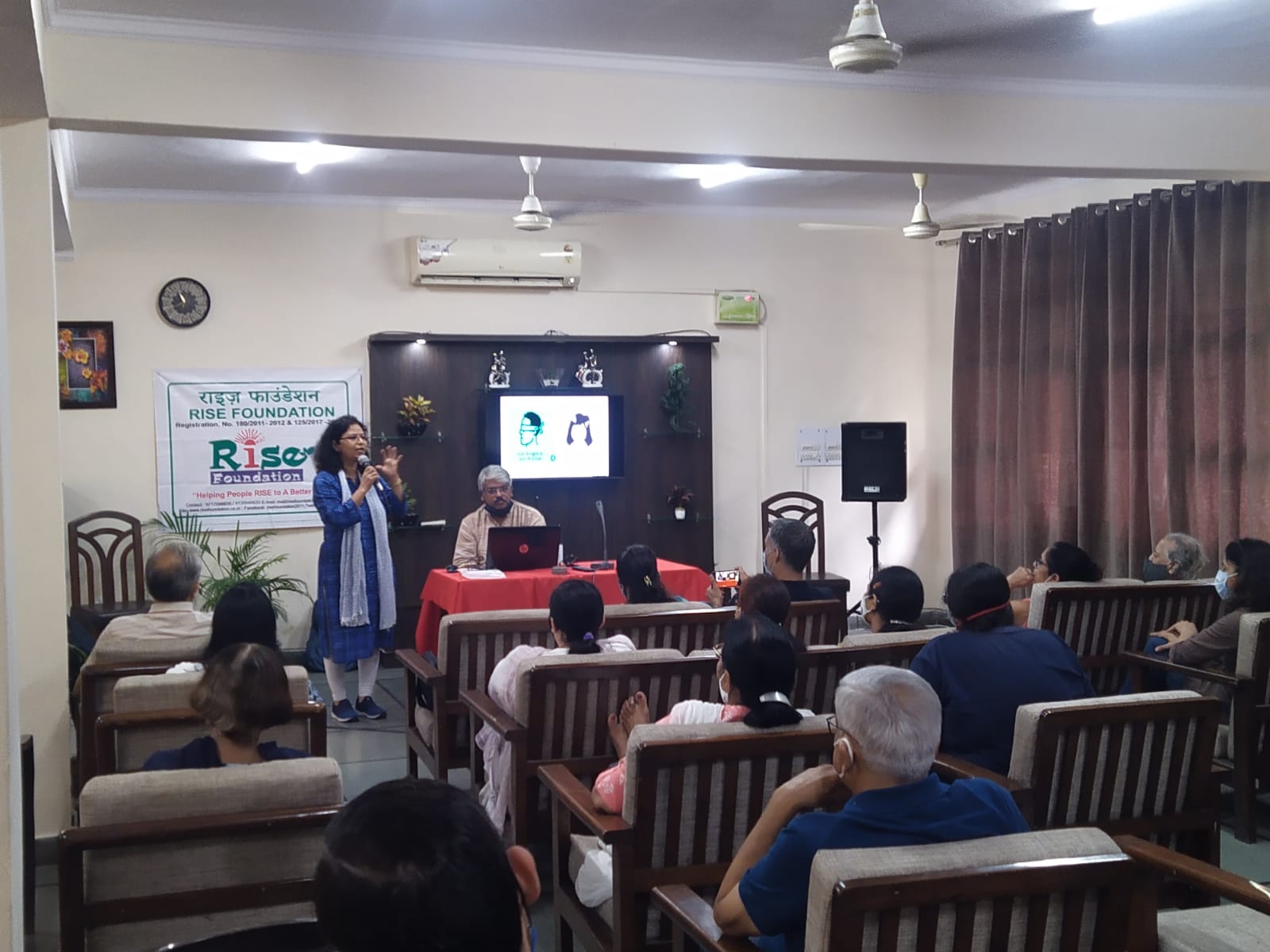
Ecobricks are getting limelight in India

Thanks to The Times of India Delhi Times 12.08.2021 covered our Rise Foundation NGO work on ecobricks in Dwarka New Delhi (bottom right ).

Here’s the online link:
https://timesofindia.indiatimes.com/…/arti…/85241154.cms


The benches made in Brahma Apartments with the help of Munish Kundra and other people like Madhu Ghai Vandana Gupta Anuradha Ganguly Ramaswamaiah Madhuri Rawatt Varshney and many more people.

According to the environment ministry, in the year 2019-2020, India generated 3.4 million metric tonnes of plastic waste. In the wake of such statistics and only a small volume of plastic being recycled, ecobricks can act as a resource to reuse plastic for the greater good.

We will continue our campaign to fight plastic pollution/ ocean pollution.

History of Ecobrick?

Ecobricks were first made in number and utilized on a community scale in Guatemala in 2003 with Susana Heisse’s project Pura Vida Atitlan. Since then numerous projects have been started all around the globe.

What is an Ecobrick?

An Ecobrick is a plastic bottle filled, and packed tightly with none recyclable materials so that it can be used as a building block for a structure. Pretty much becoming a brick, made of plastic.

#zerowaste
#zeroismorechallenge
#ocesnpollution
#IPCC
#ecobricks

Plastic Pollution Awareness and Ecobricks making workshop to NEPS

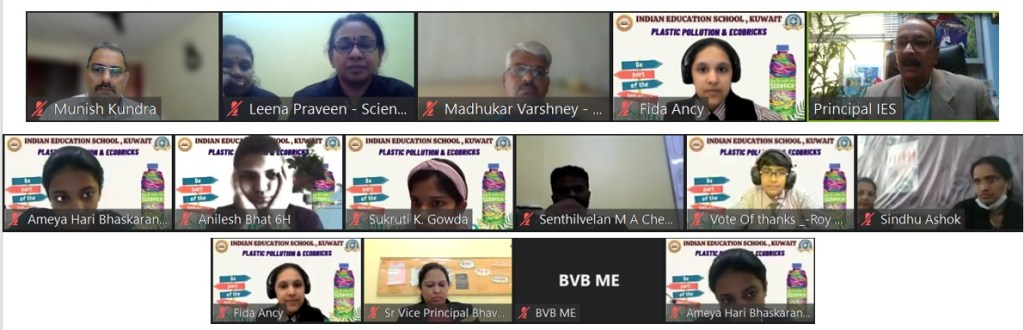
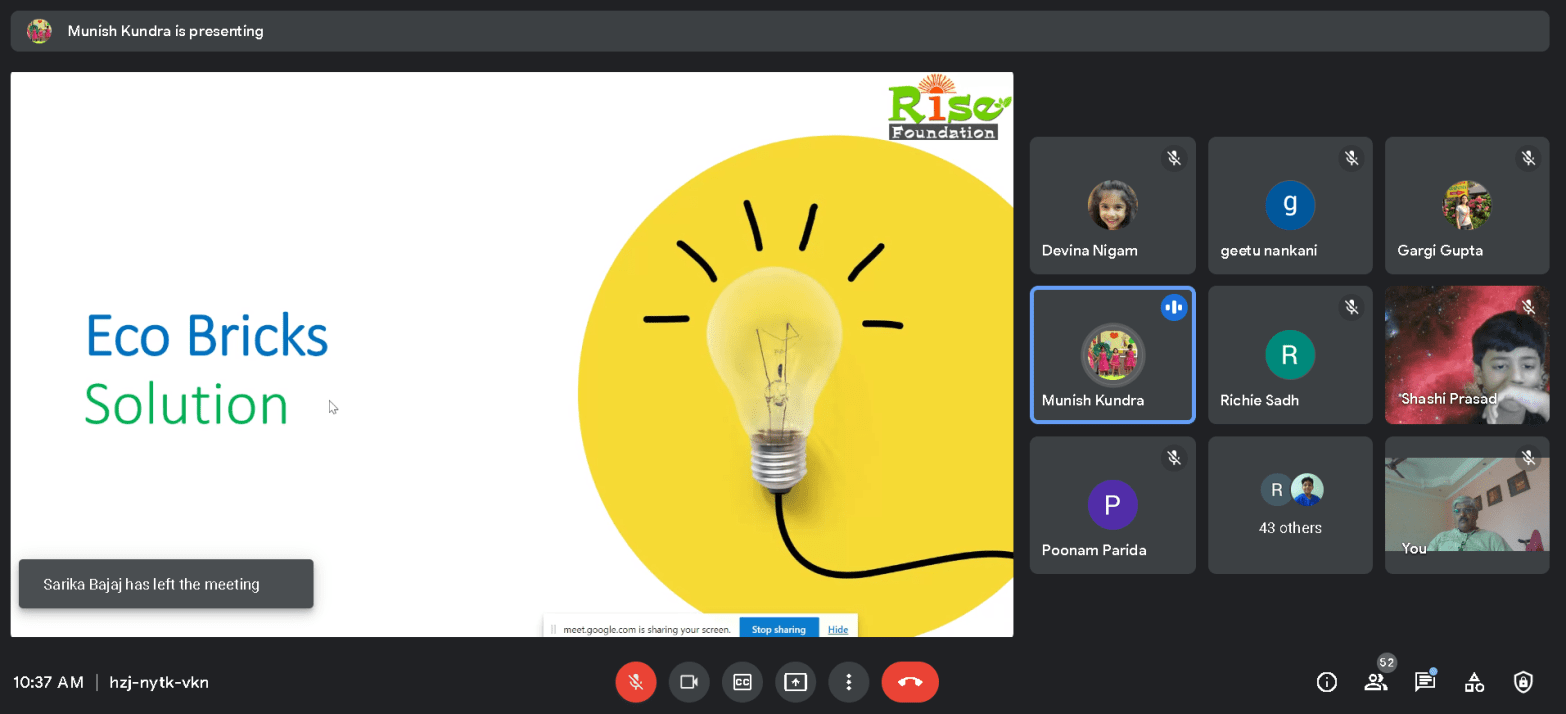
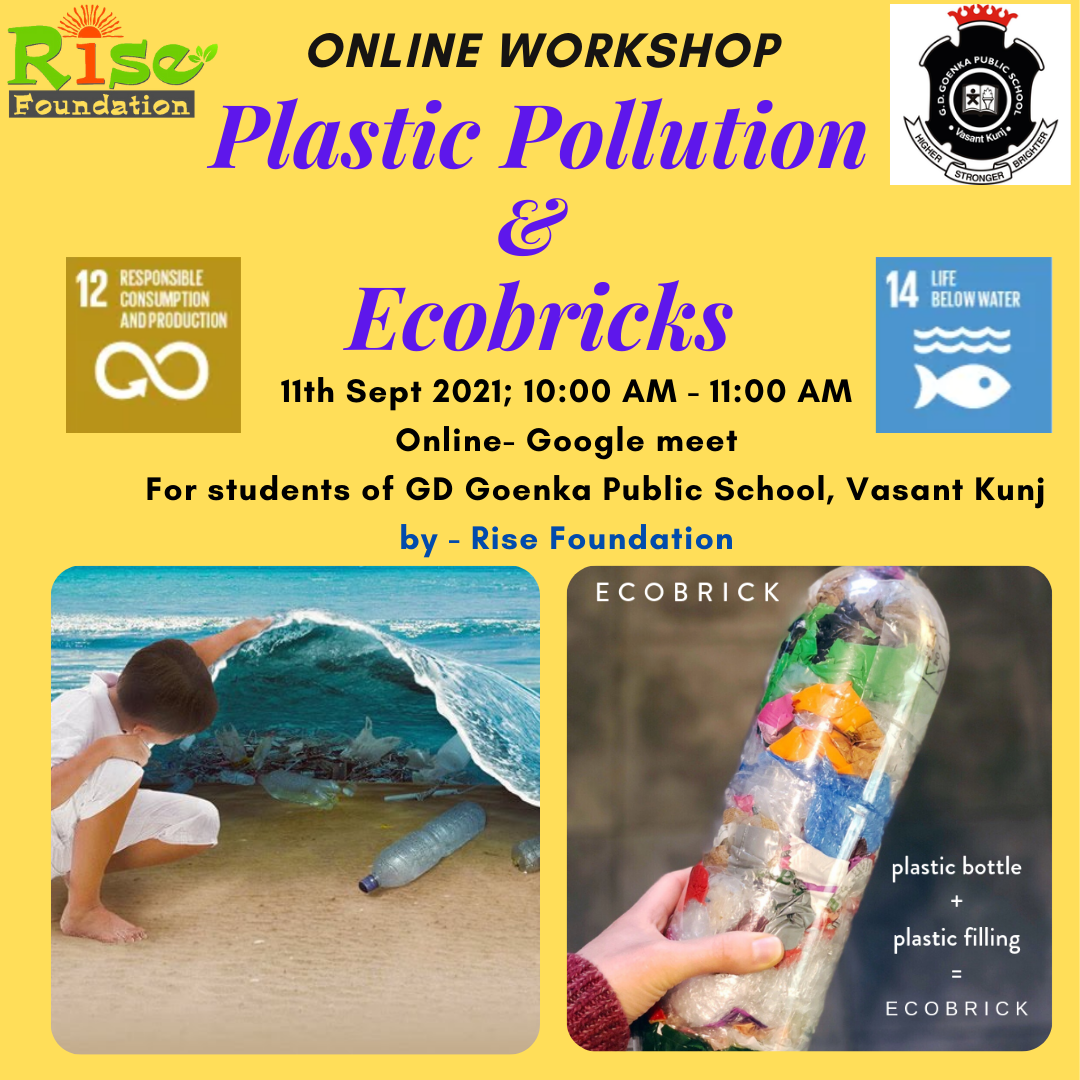
Team Rise Foundation organised an awareness on Plastic waste , River and Ocean pollution and easy to implement solution , an ecobrick making workshop for the teachers and students of New Era Public School (NEPS),Dwarka (New Delhi) today on 7th Aug 2021.

The online session was attended by Principal Ms Mrs Kanwal Kohli, teachers Ms. Ritu,
Ms. Amita, Ms. Jigisha,Ms. Nirmala,Ms. Archana,Ms. Nidhi Bhatia,Ms. Chitra, along with 150 school students of NEPS from different classes in two different sessions.

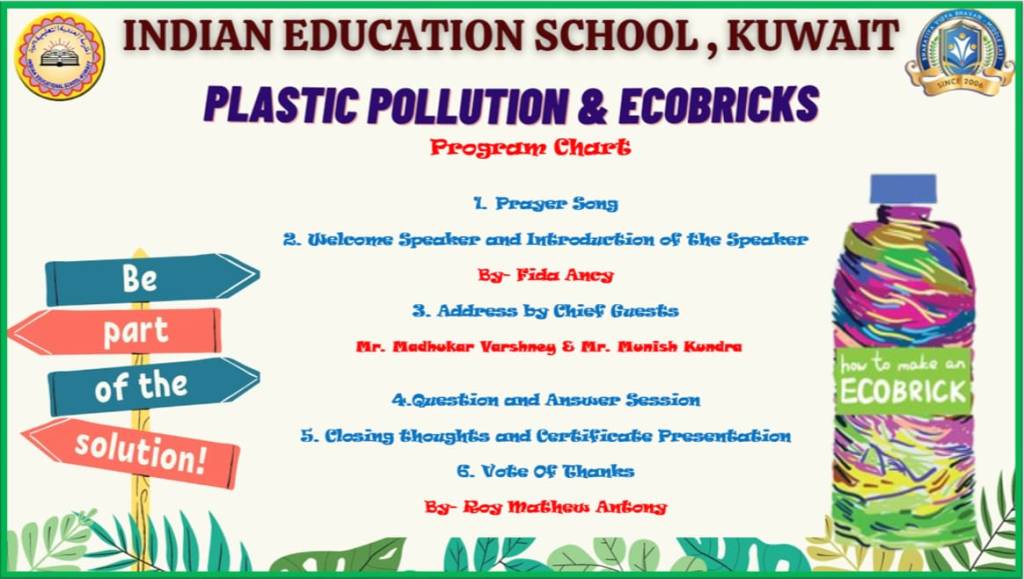
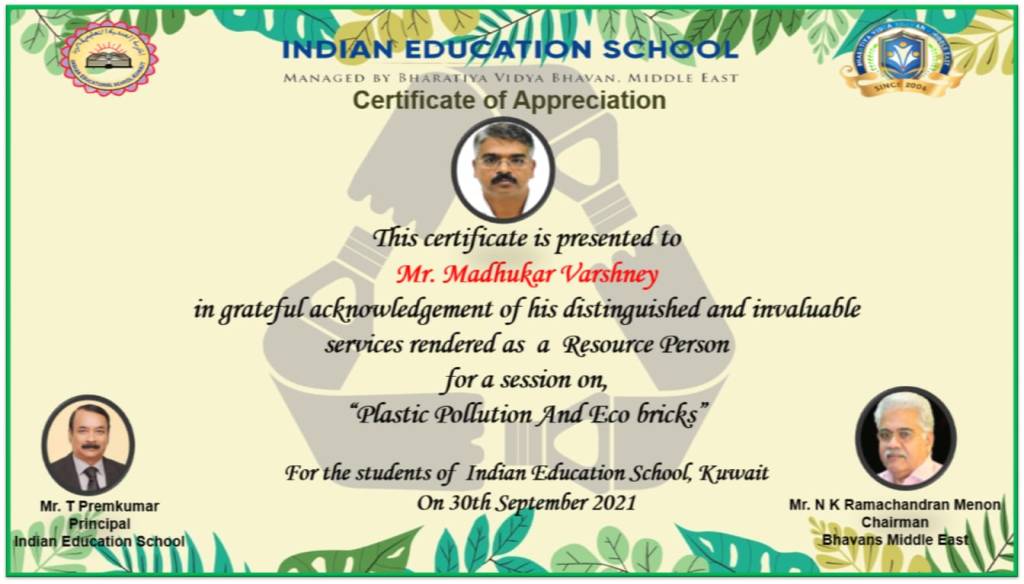
Mr. Madhukar Varshney – Corporate turned Social Entrepreneur and Founder of Rise Foundation took the interactive session on Plastic waste , Ocean pollution and how environment and animals are impacted by this !!

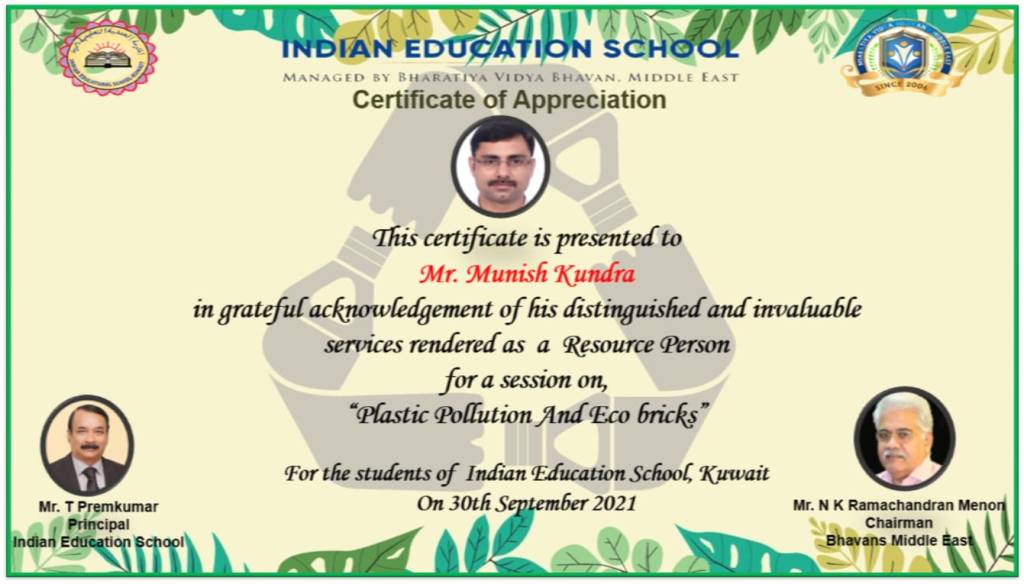
Mr. Munish Kundra – Member of Rise Foundation, took the session on ecobricks, why and how to make ecobricks.

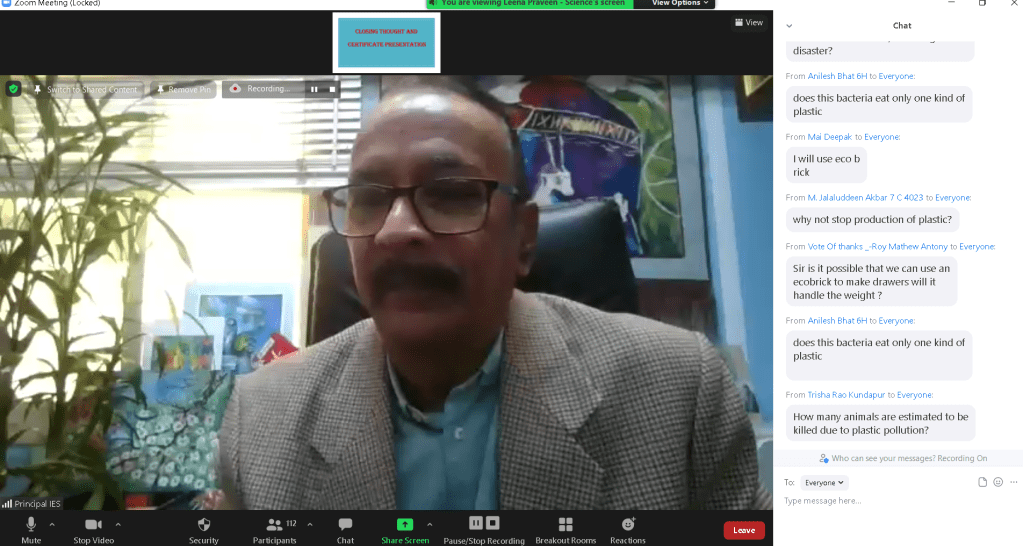
At the end , session is closed with thanks note and commitment from students to make ecobricks at home. Team Rise Foundation, look forward to fight with Plastic Pollution with Simple but effective way of by making ecobricks.

Rise Foundation team had already made structures like benches in green belt of Brahma Apartments, Sec 7, Dwarka. They are planning to make some structure in NEPS from ecobricks made by students considering behavioral shift towards plastic waste in the household thru the students along with awareness and sensitivity towards animals and ocean pollution. These benches arrest approx 15-16Kg of Multilayer plastic and Single use plastic at source.

History of Ecobrick?

Ecobricks were first made in number and utilized on a community scale in Guatemala in 2003 with Susana Heisse’s project Pura Vida Atitlan. Since then numerous projects have been started all around the globe.

What is an Ecobrick?

An Ecobrick is a plastic bottle filled, and packed tightly with none recyclable materials so that it can be used as a building block for a structure. Pretty much becoming a brick, made of plastic.

About NEPS

New Era Public School – Dwarka, was founded in 1989, by the New Era Education Society, with the primary aim of giving new impetus and direction to education

New Era Public school Dwarka represents a holistic and constructivist approach to education, one that seeks to provide equal educational and developmental opportunities to all. We are committed to providing an environment where every child can grow, learn and develop strong character and principles to ensure success in the future.

New Era Public School Dwarka seeks to empower all students with creativity, achievement and development, through holistic and humane education. Our motto ‘Tamso Ma Jyotirgamaya’ emboldens our students to move from darkness toward enlightenment, away from prejudice to justice, from violence to peace, from hatred to compassion.

For more information about NEPS , please visit at : https://www.nepsdwarka.com/

About Rise Foundation

Rise foundation is a non-profitable organization registered in the year 2011, purely engaged on voluntary services. We are involved in different activities in the field of education for underprivileged children and awareness program for women and deprived section of society. We do activities and awareness workshop on various issues like health and hygiene, legal aids through DLSA for domestic violence, awareness workshop on waste segregation and composting (including Dwarka societies) for the last 10 years. Recently we started Urban Forest plantation using Miyawaki Technique and Workshops on Ecobricks to curb plastic pollution.

If you want to conduct online or offline sessions for Ecobricks, feel free to reach Mr. Madhukar Varshney at 9717764262 or Mr. Munish Kundra at 9818739265 or write us at mail2risefoundation@gmail.com
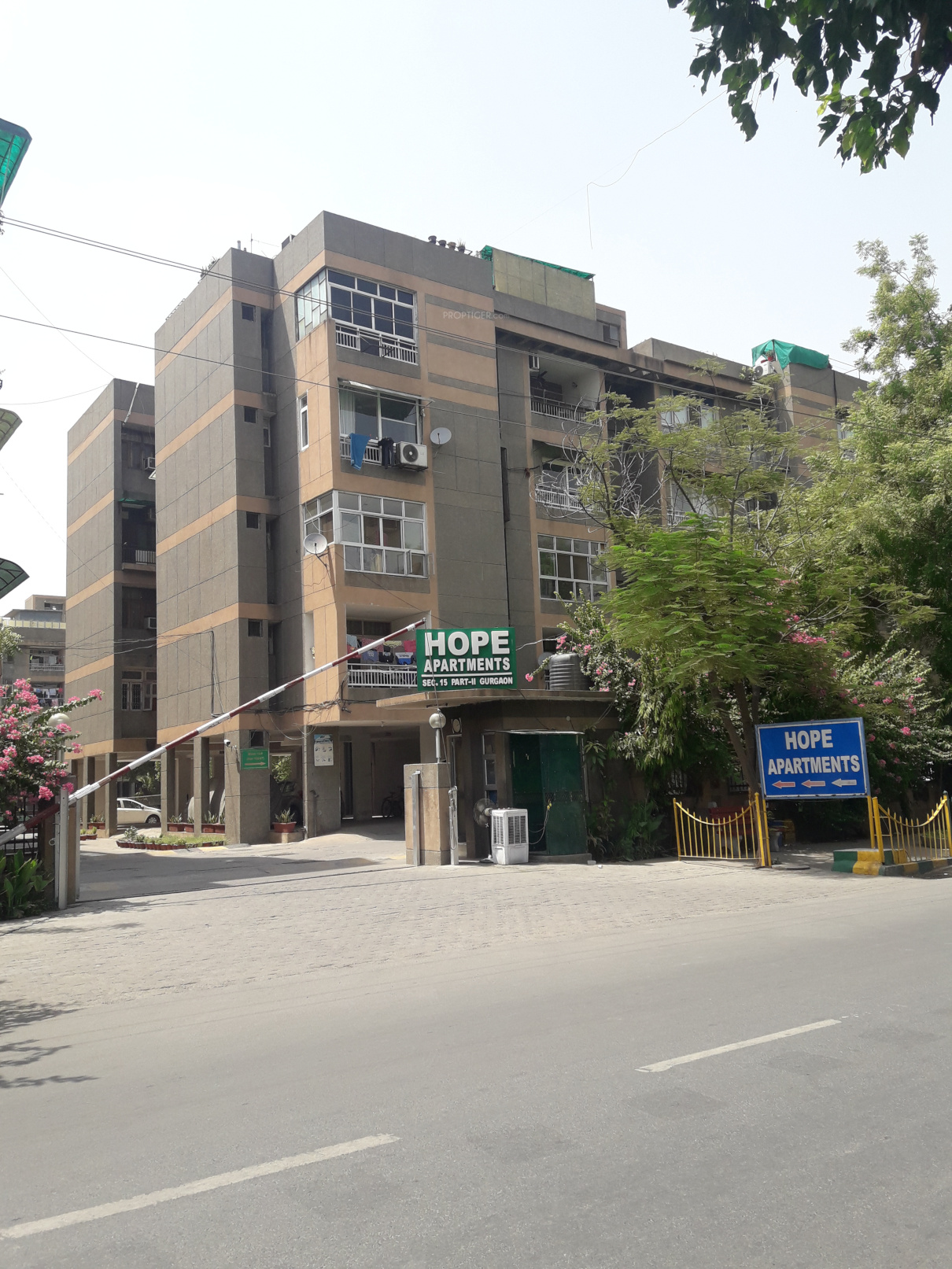
Plantation Drive in Dwarka -Golf Link Road

“The best time to plant a tree was 20 years ago. The second best time is now.” – Chinese Proverb

In continuation of our Greenathon Campaign in Dwarka, we did plantation of 60+ saplings on Golf Link road towards IP University along with DXR (Dwarka Xpress Runners Group) and We Mean to Clean (WMTC)Group . WMC prepared all these saplings with volunteer support in Janakpuri Area.

We planted native trees such as peepal, neem, amaltas, pilkhan, baheda, jamun etc. yesterday at Dwarka.

Climate Crisis is real. It is seen recently in Germany ,faced with flood. So let’s plant more trees to save the environment.

For any such plantation drive, feel free to reach Rise Foundation at 9717096635

I support Trafficking Bill

India has a very high volume of child trafficking. As many as one child disappears every eight minutes, according to the National Crime Records Bureau. Around 12,000 and 50,000 women and children are trafficked into the country annually from neighbouring nations as a part of the sex trade & almost 300,000 child beggars are in India.Do you know the reasons – #Poverty#LackofEducation#NoBirthRecords#humanitariandisasters#IneffectiveLegislation#LackofEnforcement & many more That’s why Anti Child Trafficking Bill is must to save our children.

We show our solidarity with Kailash Satyarthi Children Foundation for supporting the cause #isupporttraffickingbill

Since the first lockdown, Kailash Satyarthi Children’s Foundation’s sister organization Bachpan Bachao Andolan has collaborated with law-enforcement agencies to rescue approximately 9000 children and the arrest of 302 traffickers from trains, buses and factories from across the entire country. Children have thus become the biggest victim of the pandemic with the trafficking of children rising exponentially of late. 
The passage of the Bill will be fulfilment of the demand of 12 Lakh Indians who marched across 22 states and 12,000 kms demanding a strong law against trafficking along with Shri Satyarthi in 2017.

“A strong anti-trafficking law is the moral and constitutional responsibility of our elected leaders, and a necessary step toward nation-building and economic progress. As long as children are bought and sold at lesser cost than cattle, no country can call itself civilised. COVID-19 has caused a rise in trafficking, especially of women and children. We cannot take this lightly. A law for prevention, timely investigation, punishment for traffickers, and the protection and rehabilitation of survivors is a matter of urgency. I call on all parliamentarians to pass a strong & comprehensive anti-trafficking law in the upcoming session of Parliament. Our children, their freedom and dignity cannot wait,” Shri Satyarthi observed. 

The Trafficking in Persons (Prevention, Care and Rehabilitation) Bill, 2021 being introduced by the Centre addresses various aspects of trafficking – including prevention, combating the crime including re-trafficking, designating agencies for investigation, special courts for trial, rehabilitation of victims, very effectively and comprehensively and will become a landmark in dealing with this complex crime.

Shri Satyarthi has appealed to all MPs to help wipe out this scourge of human trafficking from our society and make a strong contribution towards the progress of our nation.

Source : Concerned At The Alarming Rise In Trafficking, Nobel Laureate Kailash Satyarthi Appeals For Passage Of Anti-Trafficking Bill

How to make Compost from Kitchen Waste in easy way

Composting is nature’s or natural process of recycling. Composting biodegrades organic waste into a rich and organic substance called “compost”. Composting is done by billions of microbes (bacteria, fungi etc..) that digest the kitchen waste and turn into compost.

I personally do not like to waste my kitchen waste and find satisfaction and happiness in converting my kitchen waste into manure. I use that organic manure for my small organic kitchen garden. By composting we can reduce the amount of garbage we needlessly send to the landfills for disposal. It keeps our city clean, preserves the soil, prevents air pollution and make this earth a better place to live. Nearly 60% or more of the daily waste generated in our households is made up of organic matter which can be easily converted into compost. Today I am sharing with you a way to compost at home or how to make organic manure from kitchen waste all of which I am doing on a regular basis using terracotta home composter.

Segregate your household waste 

The first step to composting is segregation of waste at home.

I have two dustbins in my home. One is for kitchen waste (vegetable, fruit scraps, peels, egg shells, coffee grounds etc and other organic matters). The other one is for toxic waste (glass, plastic, medicines, wrappers, used batteries etc).

I recycle newspapers, milk covers, plastic cans and glass bottles either thru recycler or raddiwala or in get used in other projects like making ecobricks or growbags for sapling.

Tips – You can have green color dustbin for organic waste and red one for toxic waste.

What to compost? How should I compost ? As we have seen earlier that composting is done by billions of microbes (bacteria, fungi etc..) that digest the kitchen waste and turn into compost. These composting microorganisms, require the correct proportion of Carbon  and Nitrogen for it to do its work. Effective composting can be made with equal parts GREENS and BROWNS. Now let us move to what is GREENS and BROWNS?

Green matter = High nitrogen

Vegetable and fruit peels and scraps (except citrus fruits) , Coffee grounds (it is brown in color but rich in nitrogen), Tea bags,Flowers,Grass clippings,Egg shells (has to be crushed before adding), Cooked food (sometimes as it decays and gives a bad odour, so it is best to avoid adding it. )

Brown matter = High carbon

Dry leaves,Saw dust,Small wood chips,Straw or hay,Wood ash, Cocopeat, Shredded packaging brown paper, Shredded paper

What not to add 

Meat, bones as it attracts rats and smells badly,Pet waste,Batteries,Diseased plants,Medicines,Plastic bags

Composting Using Caterpillar Terracotta Home Composter

I am using this Composter promoted by Rise Foundation (it comes in different shapes and size) which comes with ready made  holes and also it can be stacked and placed in a shady corner in my staircase. It should be kept in the shade and should be protected from rain. You can cover it with a plastic sheet in case of heavy rain.

It comes in 3 units which can be stacked one on top of the other. Unit A, Unit B, Unit C and a lid. All units are same and can be placed in any position for easy handling. But I marked with A,B,C to give clarity on usage.

First step is preparing your composter 

Place a paper or newspaper in unit A to cover the base. This is helpful to absorb any access wetness from your kitchen waste and help not to drop any waste from top units to below units.

Then layer with dry cocopeat provided along with DIY Kit.

https://www.padhuskitchen.com/wp-content/uploads/2017/04/howtocompost-1.jpg

The add your organic kitchen waste. If time permits, you can shred it into smaller pieces and add as it will fasten the process of composting.

How to make organic manure from kitchen waste

Cover it with cocopeat or saw dust or dry leaves. We will call this “Pile”. Every time you add your kitchen waste (greens), you have to cover it with cocopeat or dry leaves or saw dust (browns). Waste should not be visible. Then cover it with a newspaper (to prevent flies) and close it with a lid.

Give it a good mix using a small rake (provided along with DIY Kit) twice a week for good aeration. Add a organic compost (provided along with DIY Kit) little buttermilk or semi composted material to start off the decomposition process – all these are accelerators, which add millions of bacteria to fasten the decomposition of waste.

Check the moisture level every time, you mix the pile. Sprinkle a little water and mix well, if the pile is dry. Add more BROWNS, if it is wet or soggy and mix well.

Once Unit A is full, shift Unit A to the middle and bring Unit B to the top.

Start filling Unit B & C – follow the same process above.

When the unit C is filled and unit A material has already passed 30 days – Compost is ready in unit A, else you need to empty the substance from Unit A to some other container to give few more days to ready Organic compost.

It will take 30-45 days to fully compost depending on the temperature.

Once compost in Unit A is done, sieve it and use it. You can add the remains back to the composter.

A fully done compost is dark brown and smells like earth. All your organic waste is converted into nutritious manure for plants. I call this the “black gold” which I use for my kitchen garden.

MAINTENANCE FOR ANY COMPOST BIN or KAMBHA

I am practicing above method of composting successfully. Whatever your method of composting, the same rule applies for composting. Read below –

1. Food

Microbes need 2 kinds of food to do their work. Green and Browns Every time you add kitchen waste (greens), you should cover it with cocopeat or dry leaves or saw dust (browns). There should be an equal mix of green matter- (nitrogen) and brown matter (carbon) for the microorganisms to their work.

2.Air

Proper aeration is ensured by turning or mixing the pile at regular intervals.

3.Water

Check the moisture level every time you mix the pile. If the pile is too dry, decomposition will not take place. Sprinkle needed water and mix the pile well evenly. If it is too wet, the pile will have lot of maggots and also the pile will stink. So maintaining the correct moisture level is important.

Tips for faster decomposition The smaller the pieces, the faster the decomposition. So if I find time, I will shred the vegetable and fruit scraps into smaller pieces and add  to the bin. Add a Organic compost or little buttermilk or semi composted material or even a little cow dung to start off the decomposition process.

Use the organic manure/fertilizer for your plants. Let us not waste our kitchen waste and let us contribute in small ways towards reducing landfill waste, preventing air pollution and preserving the natural landscape and make this earth a safe and happy place to live.

Special Tips

If you are facing too much problem of Maggots add Chilli powder to your pile else these maggots are good for composting and they died by themselves in the pile. You can apply following solution to get rid of the maniac of these maggots.

“I put a tub below the composter to trap the maggots and larva escaped from the composter and roaming here and there…. It works well” shared by one of the user – Mr. Devesh from Dwarka.

If you are facing too much problem of Fruit Flies/Ants add turmeric powder.

Happy Composting!!

This information is provided by Ms Madhuri Varshney -She is doing home composting for more than 10 years using various ways. She can be reached thru vmadhuri2004@gmail.com

Miyawaki Urban Forest is Center of Attraction

In city like Delhi or any other Metro cities there is scarcity of space for green areas similar to lush green or forests in rural or semi rural or mountain areas. These forests are useful to create harmony as well as the biodiversity is rich source of knowledge for people living near to them.Loss in green cover and increased concretisation in urban areas has led to cities becoming ‘urban heat islands’, which pose significant threats to not just human populations but also contribute to global climate change.

Considering the same, we are developing and promoting to develop such lush green Urban forests near Delhi -NCR. Recently, Dr. Vinay Sahasrabuddhe Member of Parliament (Rajya Sabha) & President, Indian Council for Cultural Relations (ICCR). On his social media , he mentioned ” Visited ‘Miyawaki Garden’ developed by the residents of Brahma Society in Dwarka, New Delhi today morning! Interacted with Society office bearers who explained how rare birds have started visiting their garden!An interesting initiative worth replication in Gov premises!”

Dr. Vinay Sahasrabuddhe appreciated our work of making bench in the park using #ecobricks.

We look forward to continue work in the direction of Environment Protection and Plastic Pollution. You can reach us at mail2risefoundation@gmail.com or call us at 9717096635 for more information.

Miyawaki Afforestation : The Miyawaki forestation method is a unique way to create an urban forest and is pioneered by Japanese botanist Akira Miyawaki. With this method of plantation, an urban forest can grow within a short span of 20-30 years while a conventional forest takes around 200-300 years to grow naturally. In the Miyawaki technique, various native species of plants are planted close to each other so that the greens receive sunlight only from the top and grow upwards than sideways. As a result, the plantation becomes approximately 30 times denser, grows 10 times faster and becomes maintenance-free after a span of 3 years.

In countries like India that are highly vulnerable to climate breakdown, forests are an integral element towards mitigation. Tree cover of almost 1.6 million hectares was lost between 2001 and 2018 in India — nearly four times the geographical area of Goa, according to a study released by the World Resources Institute. In this pledge to the UNFCC, the Indian government promised to cover 33% of its geographical area with forest cover by 2022, which currently stands at 24%. One possible method to achieve the target would be the Miyawaki method of afforestation. Also called the Potted Seedling Method, this afforestation technique uses native species to create dense, multilayered forests.

Its benefits include lowering temperature, making soil nutritious, supporting local wildlife and sequestration of carbon. The idea is to mimic nature while creating these tiny cross-sections of tiny islands called Miyawaki forests.

Ecobricks: An ecobrick is a plastic bottle packed with used plastic to a set density. They serve as reusable building blocks. Ecobricks can be used to produce various items, including furniture, garden walls and other structures.[1] Ecobricks are produced primarily as a means of managing consumed plastic by sequestering it and containing it safely, by terminally reducing the net surface area of the packed plastic to effectively secure the plastic from degrading into toxins and microplastics. Ecobricking is a both an individual and collaborative endeavour. The ecobricking movement promotes the personal ecobricking process as a means to raise awareness of the consequences of consumption and the dangers of plastic. It also promotes the collaborative process as a means to encourage communities to take collective responsibility for their used plastic and to use it to produce a useful product.[2]

Miyawaki Afforestattion at Palwal (Haryana)

“A nation that destroys its soils destroys itself. Forests are the lungs of our land, purifying the air and giving fresh strength to our people.”
― Franklin D. Roosevelt

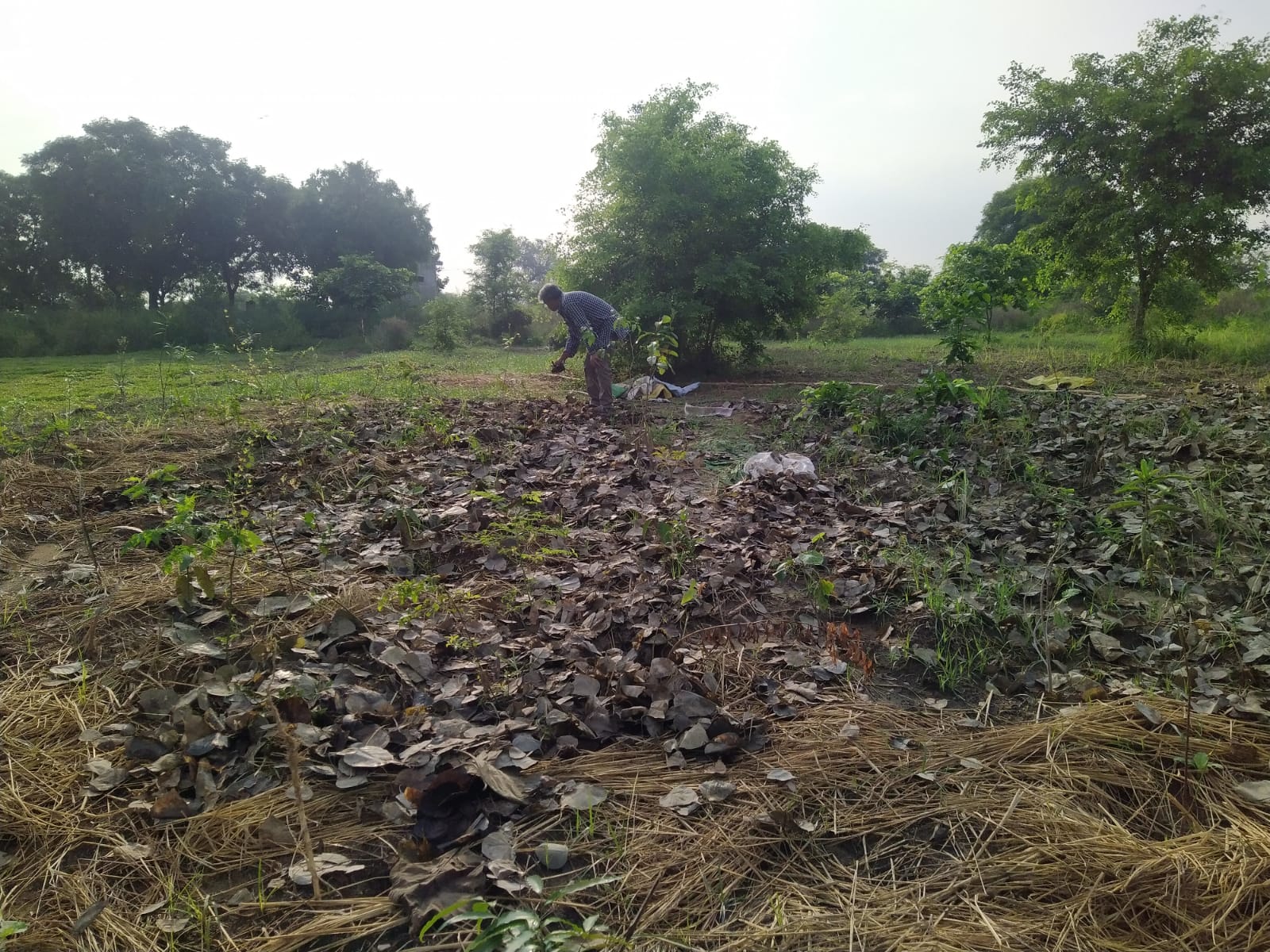
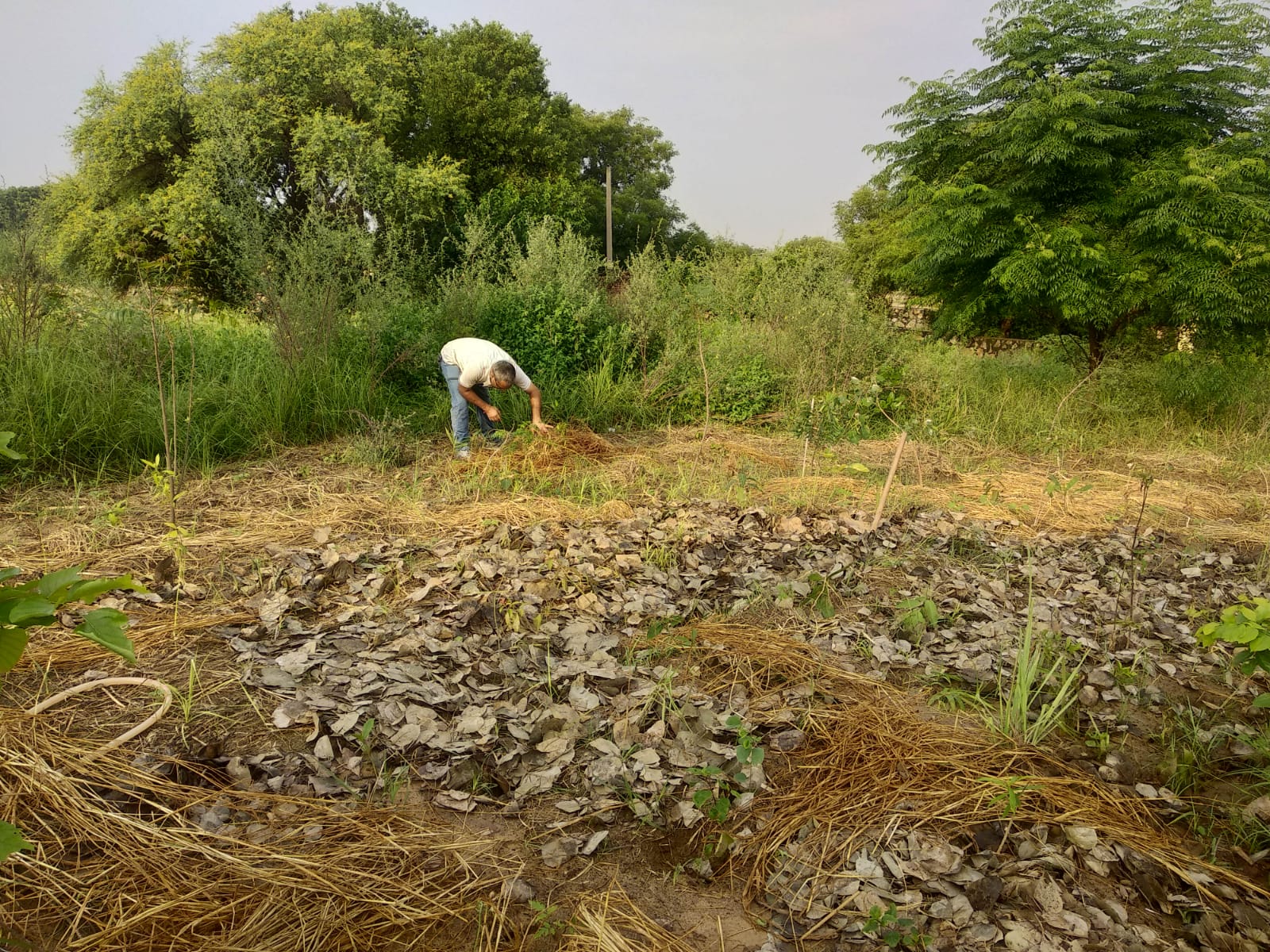
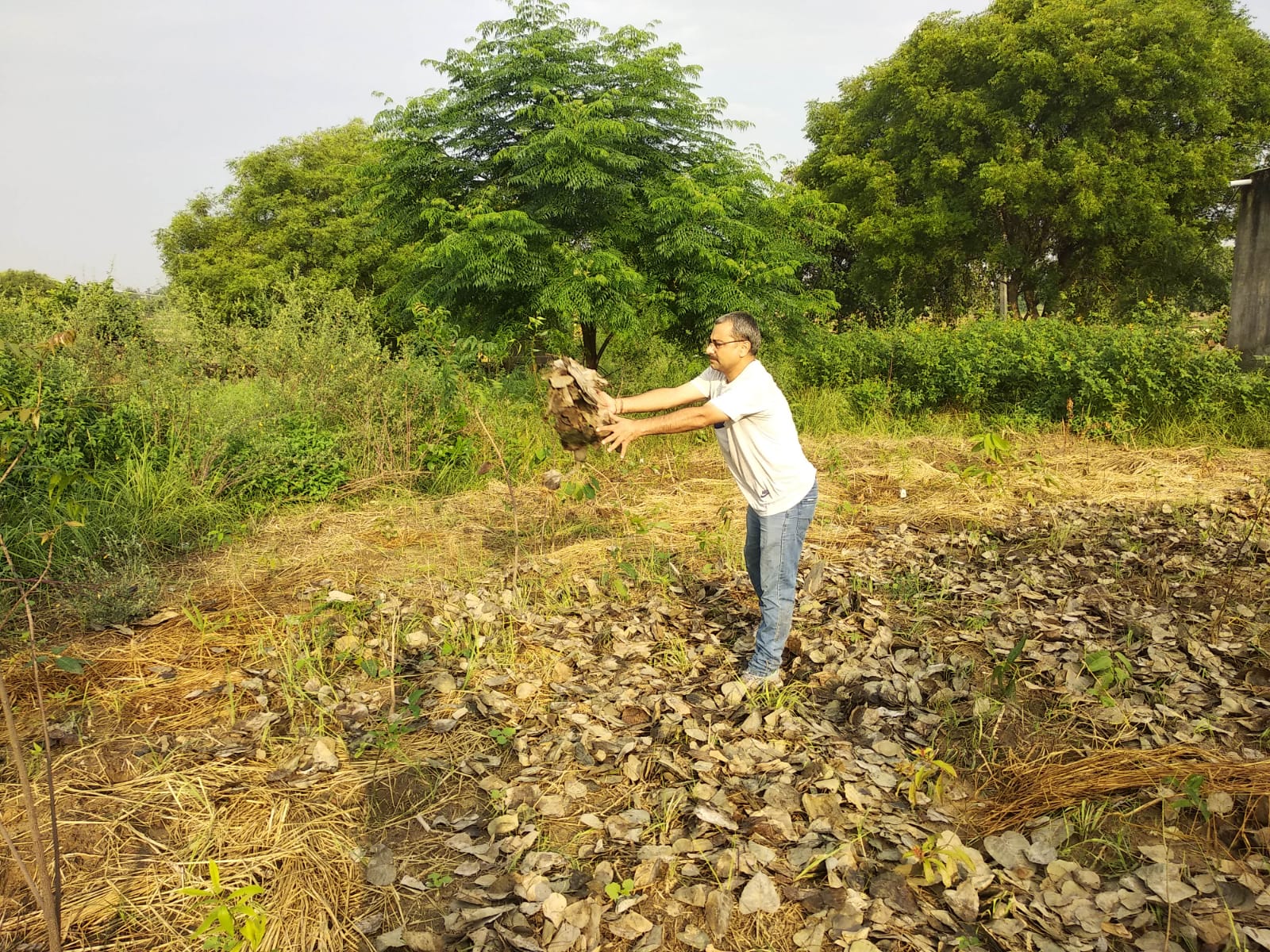
At RISE Foundation (NGO), we are doing our bit to keep city and surrounding green. This will help in future to maintain the air quality also. We carried out Miyawaki Afforestation at Palwal (Haryana) on 26th June 2021. This is 2000sq ft area , we have done plantation of 600 native trees saplings.

The Miyawaki forestation method is a unique way to create an urban forest and is pioneered by Japanese botanist Akira Miyawaki. With this method of plantation, an urban forest can grow within a short span of 20-30 years while a conventional forest takes around 200-300 years to grow naturally. In the Miyawaki technique, various native species of plants are planted close to each other so that the greens receive sunlight only from the top and grow upwards than sideways. As a result, the plantation becomes approximately 30 times denser, grows 10 times faster and becomes maintenance-free after a span of 3 years.

Besides, Neem, Peepal, Jamun, Bakain, we did plantation of Chukrasia, Babool, Phulai, Phadai Papadi, Kosum, Doodhi, Pehi, Kair trees , Ronjh, Kumath, Lasoda, Goondi,Bistendu ,Meethi Jaal subtrees and Kadipatta, Ashwagandha, Adusa etc shrubs and small trees.

Thanks for Munish Kundra for being part of the project.

If any one want to get implemented this concept, feel free to reach me Rise Foundation at +91 97177 64262.

Look forward to do more such projects in the country.
Note: In this project,we are using Sugaracene bagaase as water retainer in place of cocopeat.

#environment #future #sustainability #conservation #climatechange #projects #maintenance #miyawakiforest #afforestation

Dwarka First Miyawaki Urban Forest Status Update

RISE Foundation’s Founder Mr. Madhukar Varshney dream of making Green India during his second instincts of leaving MNC Job!! He is committed to make cities greener and cleaner using Miyawaki Afforestation technique in Urban environment.

This is picture of our first Miyawaki Urban Forest in Dwarka. You can get more information about the project on this link : https://ngorisefoundation.com/2020/08/30/first-urban-forest-comes-up-in-dwarka/

Dwarka Miyawaki Forest Plantation on 29th Aug 2020

This is picture from our First Miyawaki Urban Forest in Dwarka (New Delhi) after 10 months in the month of June 2021. We did 200+ sapling plantation from 15 native species in 800sq ft area.

We can see lot of biodiversity and some fruits from Karonda (Black Currant) and Guava in this season.

This is well managed by Munish Kundra and will have immense benefits of Forest in Urban cities.
We thanks to National News Paper Dainik Jagran Delhi Edition, covered the progress of work of this Miyawaki Forest on occasion of World Environment Day on 5th June 2021.


We are looking more such places in Delhi-NCR or North India to do similar projects.

These Urban forest will have some of the benefits as follows :
1. Reduce pollution
2. Improve biodiversity
3. Reduce temperature of the area
4. Help healthy living
5. Save Environment etc..

For growing these Urban Forest , feel free to reach Madhukar (9717096635).

#environment #climatechange #biodiversity #globalwarming #miyawakiforest #savetheplanet #saveenvironment

Old Banyan Tree Uprooted Finally

Few days back an old Banyan tree (age is not known , some people said 80years , some said alleast 50 year old) was fallen due to storm and heavy rain in Sec 6, Dwarka, New Delhi. We got distress call on 23rd May 2021 from local resident Mr. Sumit Kapoor , as being a local NGO also we do work for environment protection . We were requested to upright the tree else local municipality will cut down the whole tree for wood.

Fallen Old Banyan tree at Vandematram Apartments, Sec 6

We got some old pictures of the tree from the Local and Dwarka residents, who were visiting the tree because of its natural beauty. Below pictures are taken in year 2008 and 18 respectively.


We tried to reach to agencies like DDA Horticulture . MCD Horticulture and called Forest department helpline also, but could not got any support even there was shortage of Crane and JCB operators due to lockdown conditions in the city . Lately MCD Horticulture department agreed to support after intervention of local councilor (as per the info shared by one of our team member, but MCD horticulture handicapped from providing the machines. So we ran a donation drive and tried the same with one Hydra and one JCB Machine on 27th May 2021.

We could not succeed in first attempt as machines were unable to handle the load. For second attempt, it is planned to call 02 Hydra and 01 JCB to finish the job. Finally we got succeed to upright the tree with the help of generous donation from nature lovers from various part of country including Delhi, Mumbai, Chennai , Rishikesh.

We thanks to MCD, local councillor , New Delhi Nature Society for providing the SOP for task, Munish Kundra buddy to me, many more people.

Special thanks to Dainikjagran dailyhindi CitySpidey to cover news online and offline extensively.

Concretisation is killing the trees in Dwarka
https://www.cityspidey.com/news/13798/concretisation-is-killing-the-trees-in-dwarka

We look forward to do such work in coming days to protect our environment and these “Natural Oxygen Plants”.

For getting us involved in more such work, feel free to call Madhukar Varshney ( Founder – Rise Foundation ) at 9717096635.
#environment #climatechange #savetheearth #saveenvironment #savetheplanet #savetrees #savebiodiversity #savedwarka #savedelhi