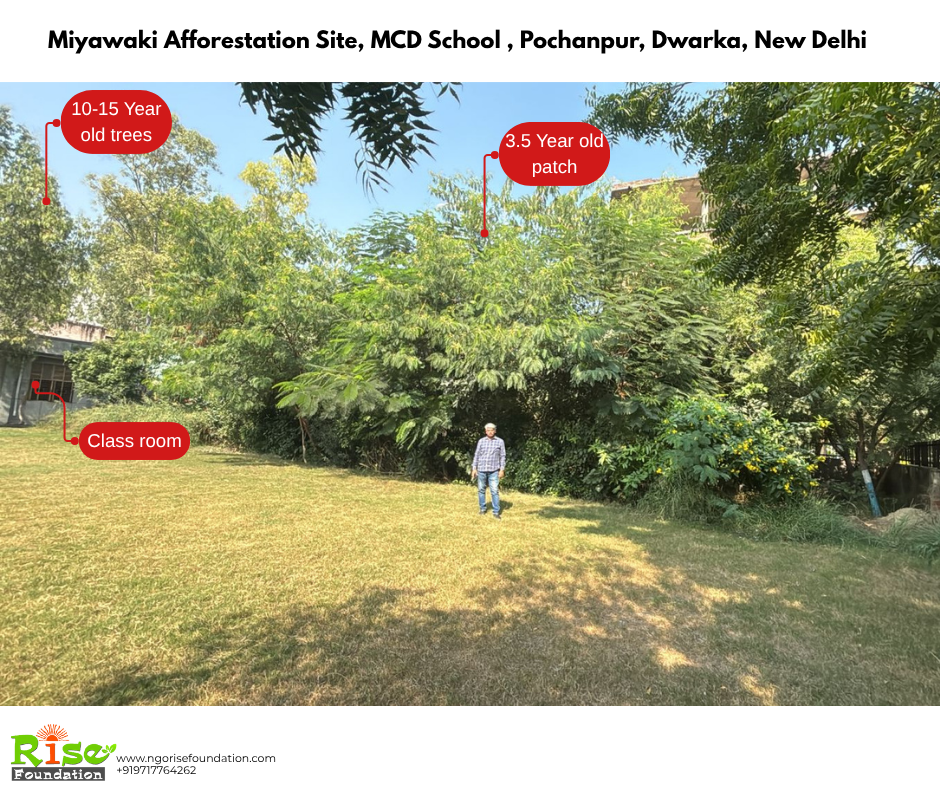
Urban India is facing rising temperatures, poor air quality, and declining biodiversity. As organizations like Rise Foundation continue developing Miyawaki Urban Forests across India, one common question from people, CSR partners and government stakeholders is:
Is Miyawaki plantation too expensive compared to conventional plantation?
Let’s explore this honestly and practically.
🌱 What is the Difference in Plantation Approach?
🌳 Miyawaki Technique

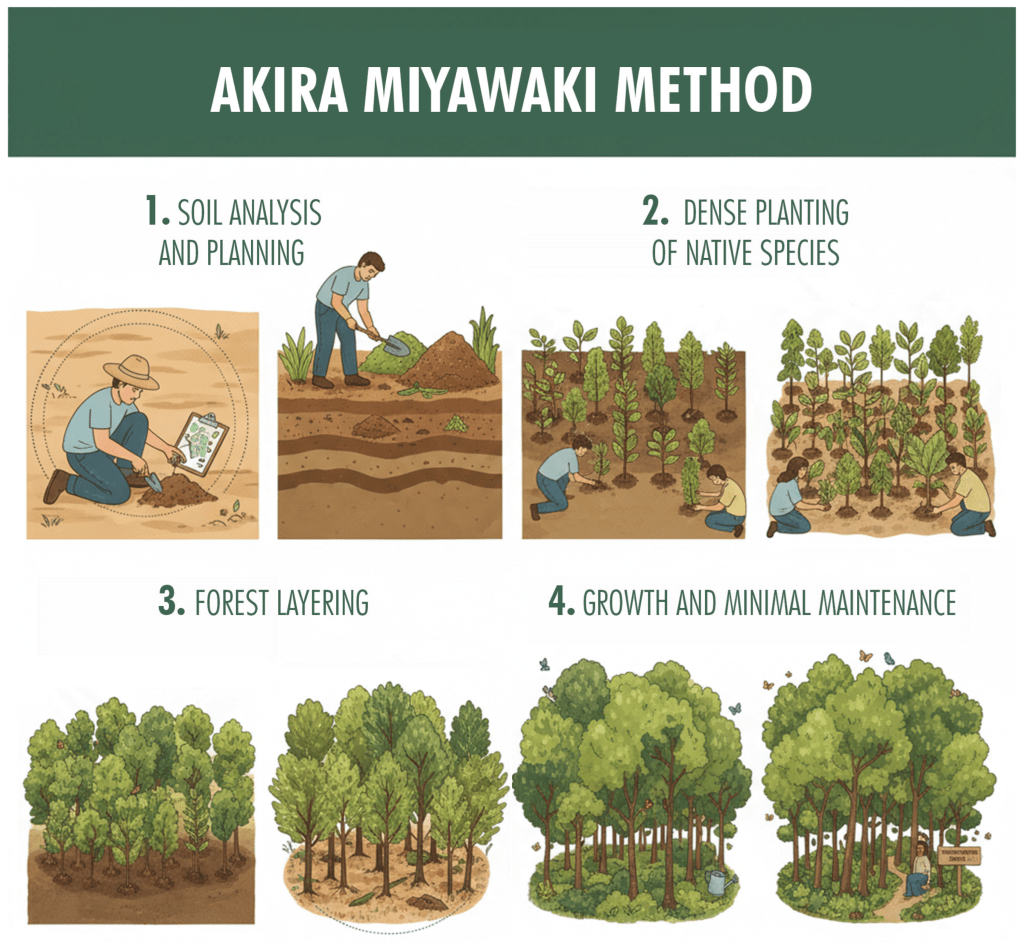
Higher upfront cost because:
- 3–5 native plants per sq. meter
- Multi-layer forest structure (shrubs, sub-trees, trees, canopy)
- Intensive soil preparation with biomass
- 2–3 years structured maintenance
- Rapid growth (10x faster than conventional)
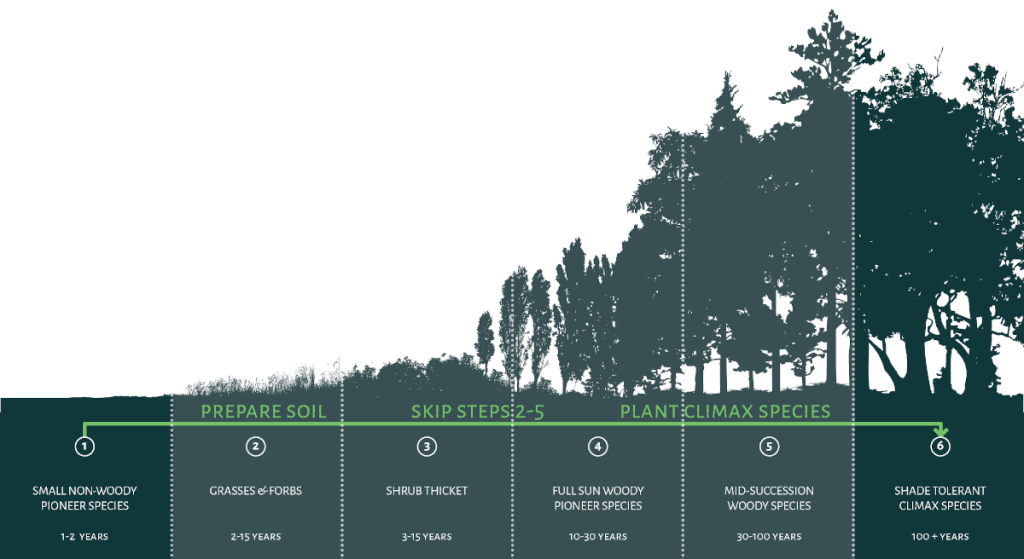
It mimics natural forest ecosystems and becomes self-sustaining in about 3 years.
🌳 Conventional Plantation

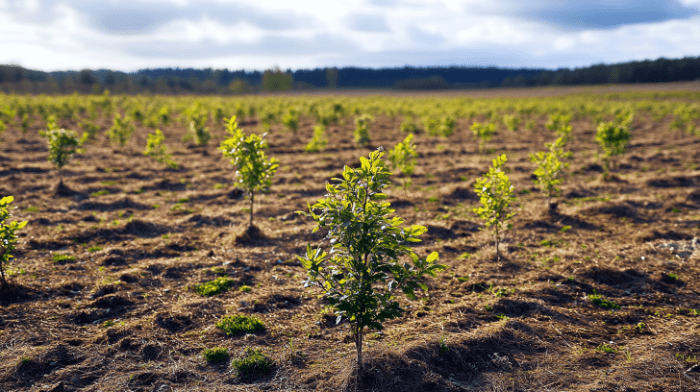
Lower upfront cost because:
- 1 plant per 3–10 sq. meters
- Usually single species or limited diversity
- Minimal soil preparation
- Slow canopy formation (8–15 years)
- Ongoing watering and protection required
This approach focuses on planting numbers rather than ecosystem restoration.
💰 Initial Cost Comparison
| Parameter | Miyawaki | Conventional |
|---|---|---|
| Cost per sq. meter | ₹500 – ₹700 | ₹50 – ₹100 |
| Plant density | High | Low |
| Soil treatment | Intensive | Minimal |
| Species diversity | 30–50 native species | Often 3–5 species |
Yes — Miyawaki is more expensive upfront.
But that’s only half the story.
🌿 The Long-Term Economics (5–10 Years View)
1️⃣ Maintenance Cost
- Miyawaki: High for first 2–3 years → Minimal after canopy closes
- Conventional: Ongoing watering, gap filling, weed control for many years
2️⃣ Survival Rate
- Miyawaki: 85–95%
- Conventional: 20–30% (often requires replanting)
3️⃣ Ecological Return
- Dense canopy in 2–3 years
- Faster temperature reduction (urban heat island mitigation)
- Higher carbon sequestration
- Strong biodiversity recovery
In urban settings like Gurgaon schools and Faridabad Sec 31, fast canopy formation means quicker environmental impact.
🌍 Ecological ROI vs Financial ROI
If the objective is:
- ✅ Maximum number of saplings → Conventional may appear cheaper
- ✅ Long-term forest ecosystem restoration → Miyawaki is more efficient
When measured over 10 years, Miyawaki often becomes economically competitive because:
- Lower replantation cost
- No long-term irrigation
- Reduced protection needs
- Self-mulching system
📈 Why CSR Partners Prefer Miyawaki
For corporate sponsors, Miyawaki offers:
- Visible impact within 2–3 years
- Strong SDG alignment (SDG 11, 13, 15)
- Better brand positioning as ecological restoration, not symbolic plantation
🎯 Final Conclusion
Short Term: Miyawaki looks expensive.
Long Term: It is more sustainable, resilient, and impactful.
In simple terms:
Conventional plantation grows trees.
Miyawaki grows forests.
For urban India, where land is limited and climate stress is high, the Miyawaki method is not just a plantation model — it is an ecological investment.
For more information contact Rise Foundation at mail2risefoundation@gmail.com or +91 9717764262
 Rise Foundation (NGO)