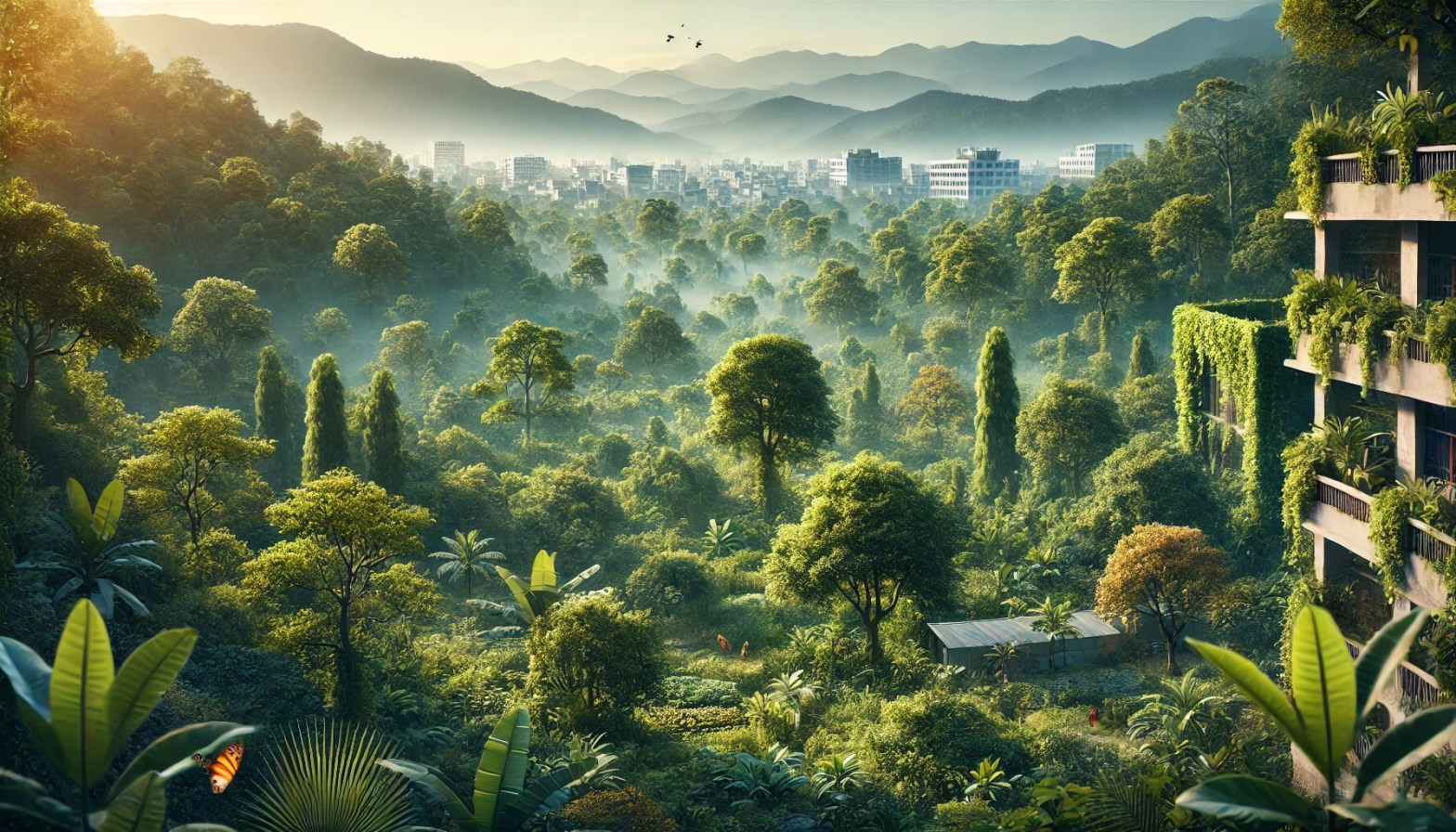
Cities like Rishikesh and Dehradun, nestled in the Himalayan foothills, are facing growing challenges due to climate change and rising temperatures, despite their natural beauty and green surroundings. Here’s how Miyawaki afforestation can significantly help:
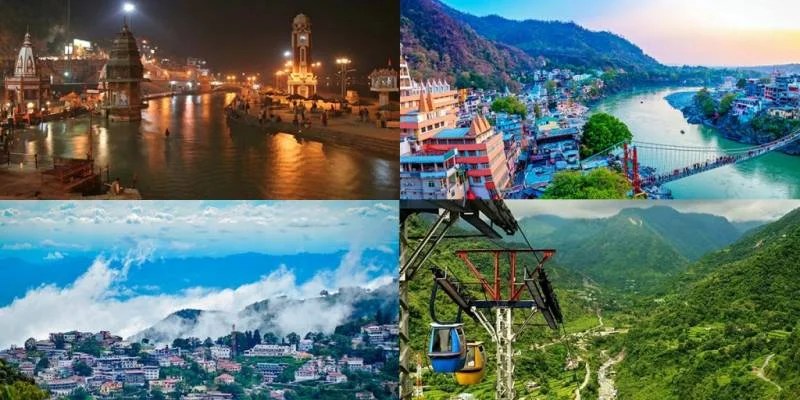
1. Urban Heat Island Effect Mitigation
- With increasing urbanization, these cities are experiencing the Urban Heat Island (UHI) effect, where urban areas become significantly warmer than rural surroundings due to concrete and asphalt absorbing heat.
- Miyawaki forests, being dense and layered, absorb and retain more heat, lowering the ambient temperature. They create natural cooling zones, which are crucial for combating rising temperatures in urban and semi-urban areas.
2. Carbon Sequestration
- Rapid urbanization in Rishikesh and Dehradun has led to higher vehicular emissions and construction activities, contributing to rising CO2 levels.
- Miyawaki forests are excellent carbon sinks. They grow 10 times faster and absorb up to 30 times more carbon dioxide compared to traditional forests, helping reduce greenhouse gases.
3. Improved Air Quality
- These cities face seasonal air pollution, especially during the winter months. Dense Miyawaki forests can act as natural air purifiers, reducing particulate matter and improving air quality for residents and tourists.
4. Flood and Soil Erosion Control
- The region’s susceptibility to heavy rainfall and flooding is increasing, often causing soil erosion. Miyawaki forests improve soil stability with their complex root systems, preventing erosion and helping manage water runoff more effectively.
5. Biodiversity Restoration
- The rich biodiversity of these Himalayan cities is under threat due to urban expansion. Miyawaki forests help create micro-habitats, bringing back birds, insects, and small animals, which contribute to a healthier ecosystem.
6. Enhanced Groundwater Recharge
- Rishikesh and Dehradun are heavily dependent on natural water sources. Miyawaki forests enhance rainwater infiltration, improving groundwater levels and ensuring better water security.
7. Tourism and Well-Being
- Both cities attract tourists for their natural charm and spiritual retreats. Dense, green spaces created through Miyawaki afforestation enhance the city’s aesthetics, promoting eco-tourism and improving mental well-being for residents and visitors alike.
8. Resilience Against Climate Extremes
- The increasing frequency of heatwaves, irregular rainfall, and climate extremes in the region is a growing concern. Miyawaki forests, due to their rapid growth and diverse native species, create a natural buffer against these changes.
Why Miyawaki Specifically?
The Miyawaki technique, with its emphasis on native species and high-density planting, is ideal for small spaces in urban settings like Rishikesh and Dehradun. It ensures:
- A self-sustaining forest in just 2-3 years.
- Maximum carbon capture in a shorter time.
- Restoration of the region’s ecological balance.
By incorporating Miyawaki afforestation into city planning, Rishikesh and Dehradun can lead the way as models of climate-resilient cities, harmonizing urban development with environmental conservation.
ऋषिकेश और देहरादून जैसे शहरों को मियावाकी वनीकरण से कैसे मिलेगा जलवायु परिवर्तन और बढ़ते तापमान से लड़ने में लाभ?
ऋषिकेश और देहरादून जैसे शहर, जो हिमालय की तलहटी में स्थित हैं, बढ़ते शहरीकरण और जलवायु परिवर्तन के कारण तापमान में बढ़ोतरी और पर्यावरणीय असंतुलन का सामना कर रहे हैं। इन चुनौतियों से निपटने में मियावाकी वनीकरण एक प्रभावी समाधान साबित हो सकता है। आइए जानें कैसे:
1. शहरी ऊष्मा द्वीप प्रभाव को कम करना
- शहरीकरण के कारण इन शहरों में कंक्रीट और डामर की सतहें गर्मी को अवशोषित करती हैं, जिससे तापमान ग्रामीण क्षेत्रों की तुलना में अधिक हो जाता है।
- मियावाकी जंगल, जो घने और बहु-स्तरीय होते हैं, इस गर्मी को अवशोषित करते हैं और आसपास के वातावरण को ठंडा करते हैं। यह शहरी क्षेत्रों में प्राकृतिक शीतलता प्रदान करता है।
2. कार्बन डाइऑक्साइड अवशोषण
- शहरीकरण के कारण वाहन प्रदूषण और निर्माण गतिविधियों से CO2 का उत्सर्जन बढ़ रहा है।
- मियावाकी जंगल पारंपरिक वनों की तुलना में 10 गुना तेजी से बढ़ते हैं और 30 गुना अधिक CO2 अवशोषित करते हैं, जिससे ग्रीनहाउस गैसों में कमी आती है।
3. वायु गुणवत्ता में सुधार
- ऋषिकेश और देहरादून में सर्दियों के दौरान वायु प्रदूषण एक बड़ी समस्या बन जाती है। मियावाकी जंगल प्राकृतिक वायु शोधक का काम करते हैं, धूल-कणों और प्रदूषकों को अवशोषित कर हवा को स्वच्छ बनाते हैं।
4. बाढ़ और मृदा अपरदन को रोकना
- भारी बारिश के दौरान इन क्षेत्रों में बाढ़ और मिट्टी के कटाव की समस्या आम है। मियावाकी जंगलों की जड़ें मिट्टी को मजबूती देती हैं और जल प्रवाह को नियंत्रित करती हैं, जिससे बाढ़ और कटाव को रोका जा सकता है।
5. जैव विविधता को पुनर्जीवित करना
- शहरी विस्तार के कारण क्षेत्र की जैव विविधता खतरे में है। मियावाकी जंगल पक्षियों, कीटों और छोटे जानवरों के लिए सूक्ष्म आवास बनाते हैं, जो पारिस्थितिकी तंत्र को संतुलित रखने में मदद करते हैं।
6. भूजल पुनर्भरण में सुधार
- ऋषिकेश और देहरादून प्राकृतिक जल स्रोतों पर निर्भर हैं। मियावाकी जंगल बारिश के पानी को धरती में सोखने में मदद करते हैं, जिससे भूजल स्तर बढ़ता है और जल सुरक्षा सुनिश्चित होती है।
7. पर्यटन और मानसिक स्वास्थ्य में सुधार
- ये शहर अपनी प्राकृतिक सुंदरता और आध्यात्मिकता के लिए प्रसिद्ध हैं। मियावाकी जंगलों से हरियाली और सुंदरता में वृद्धि होगी, जिससे पर्यावरण-पर्यटन को बढ़ावा मिलेगा और निवासियों व पर्यटकों को मानसिक शांति मिलेगी।
8. जलवायु परिवर्तन के प्रभावों से बचाव
- बढ़ती गर्मी, अनियमित बारिश, और जलवायु परिवर्तन के अन्य प्रभावों से लड़ने के लिए मियावाकी जंगल एक प्राकृतिक कवच का काम करते हैं।
क्यों मियावाकी तकनीक?
मियावाकी तकनीक, जो देशी पौधों और घनी वनीकरण पद्धति पर आधारित है, छोटे शहरी क्षेत्रों के लिए आदर्श है। इसके लाभ हैं:
- 2-3 वर्षों में आत्मनिर्भर जंगल।
- तेजी से कार्बन अवशोषण।
- पर्यावरणीय संतुलन की पुनःस्थापना।
मियावाकी वनीकरण को अपनाकर ऋषिकेश और देहरादून जलवायु-संवेदनशील शहरों के रूप में एक मिसाल कायम कर सकते हैं, जहां शहरी विकास और पर्यावरण संरक्षण का संतुलन बना रहे।
 Rise Foundation (NGO)