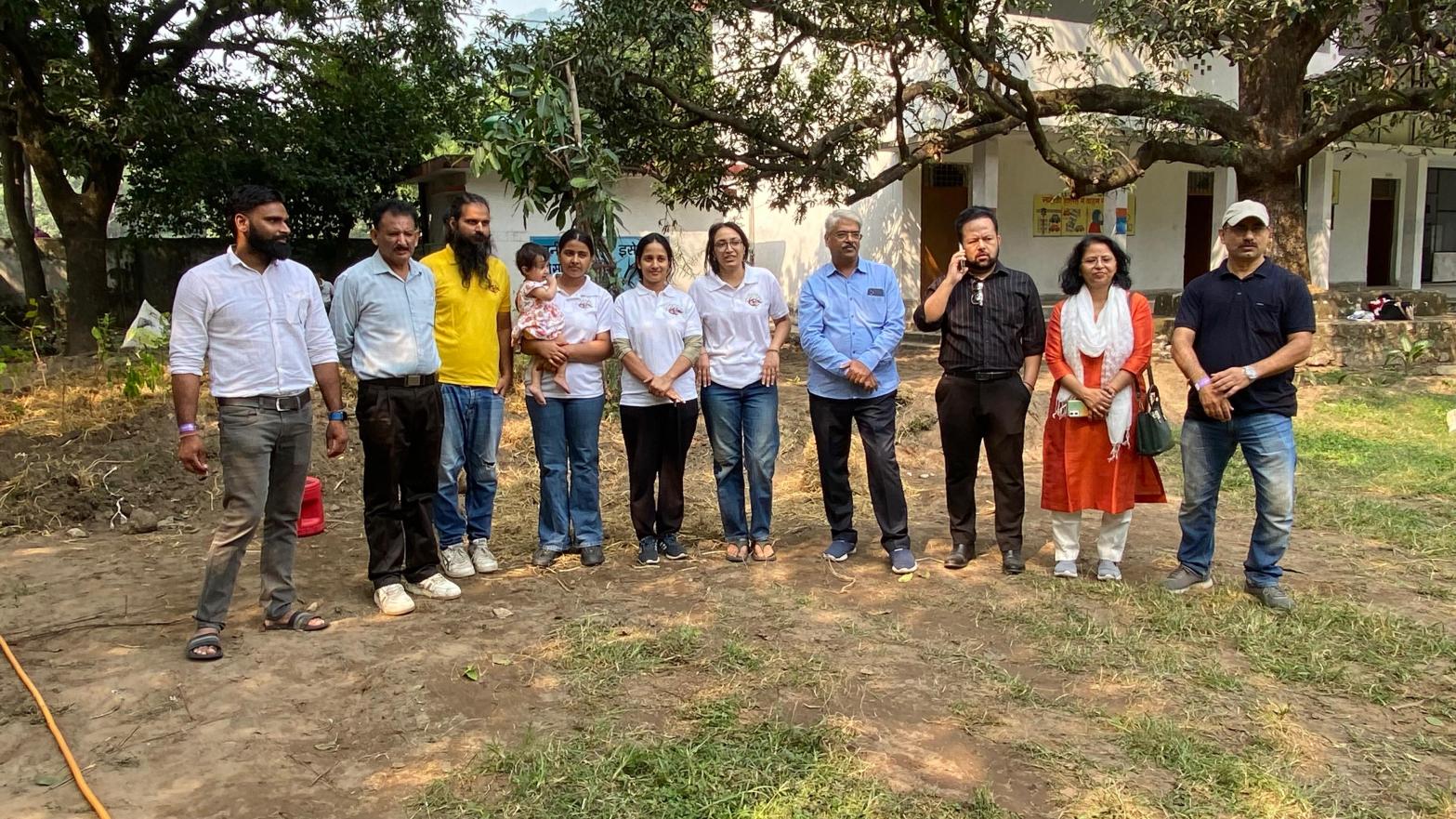
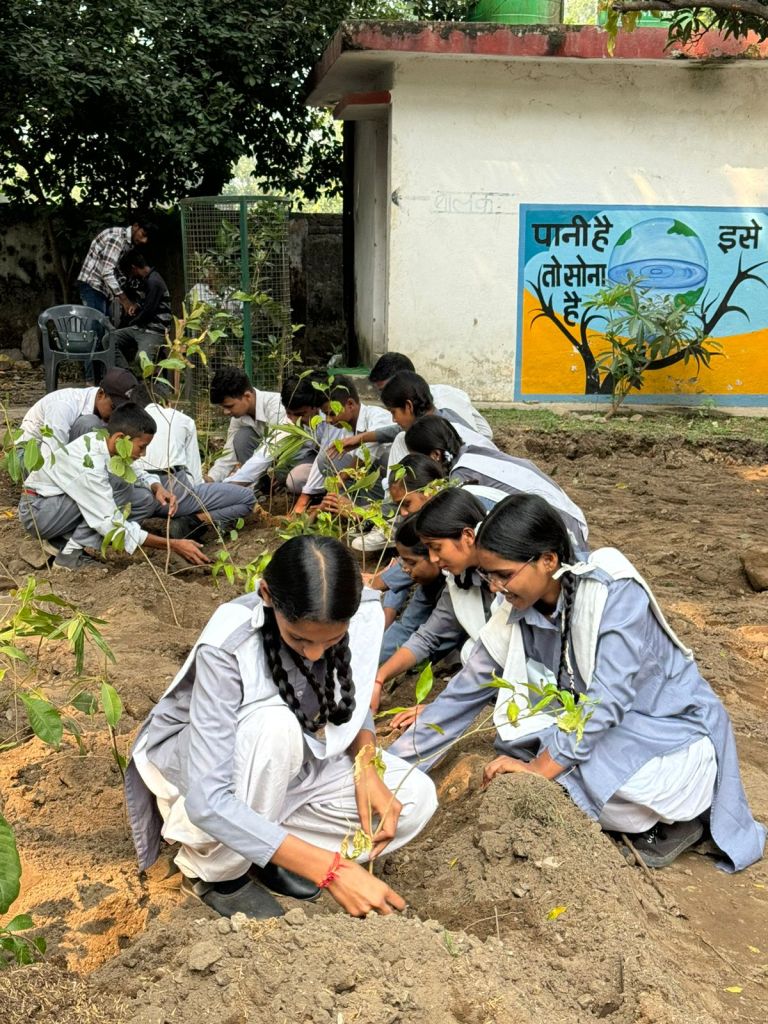
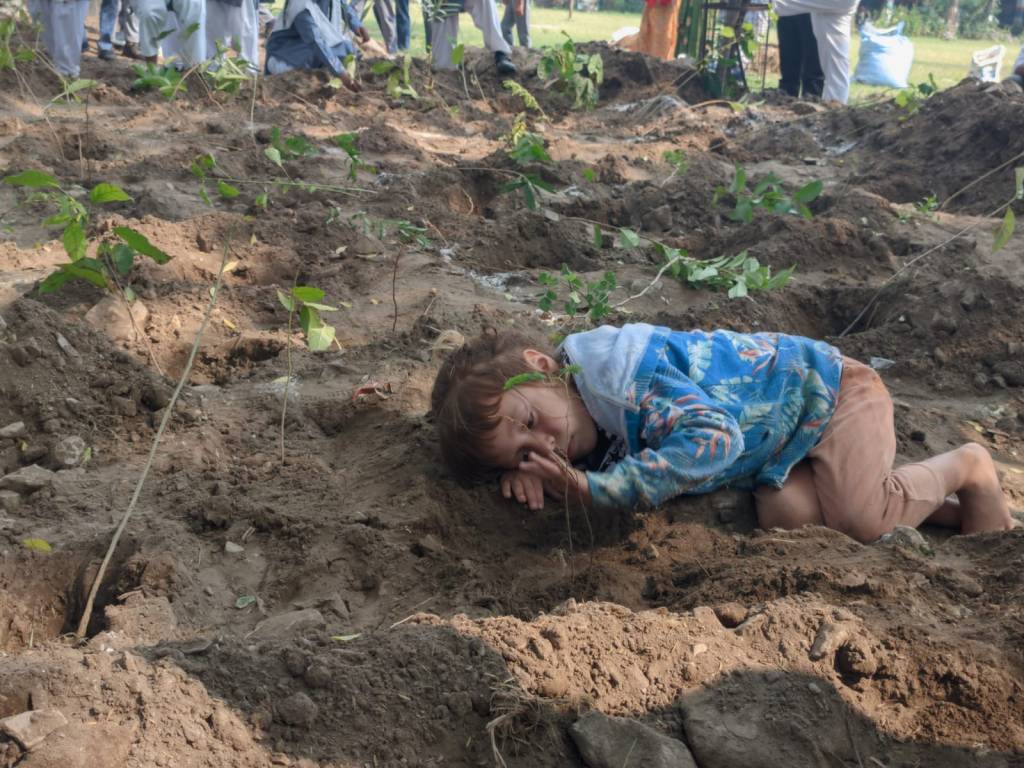
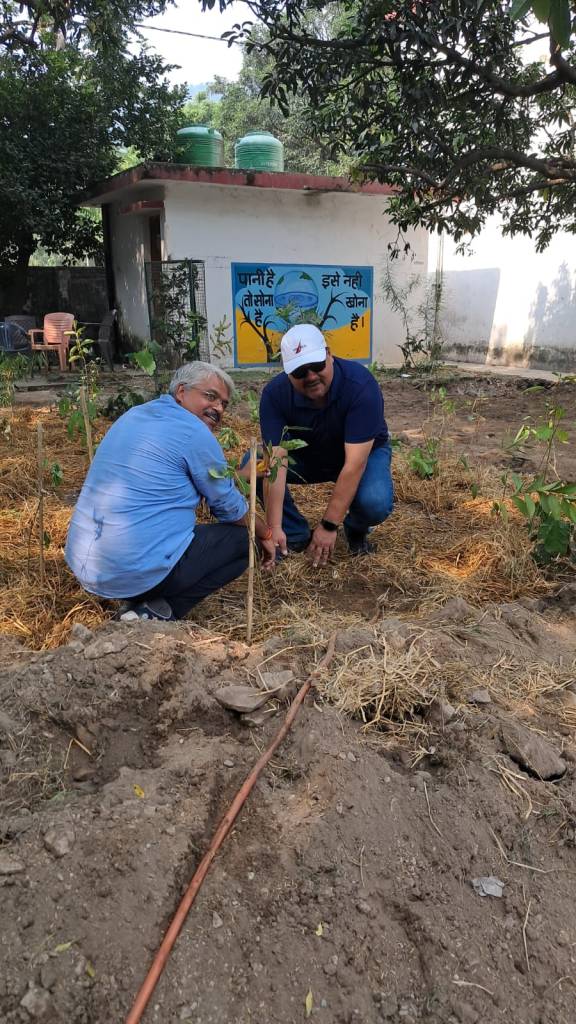
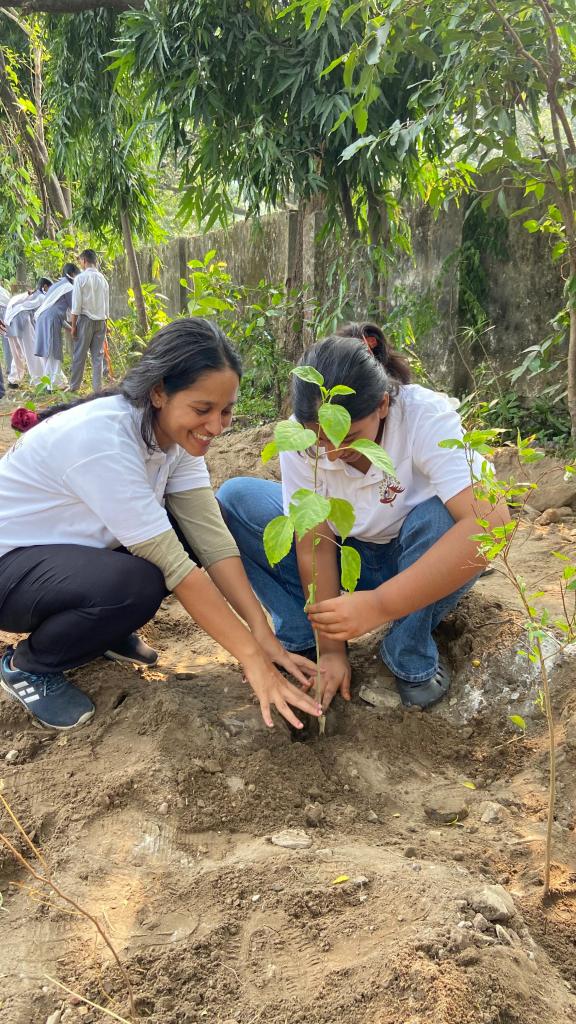
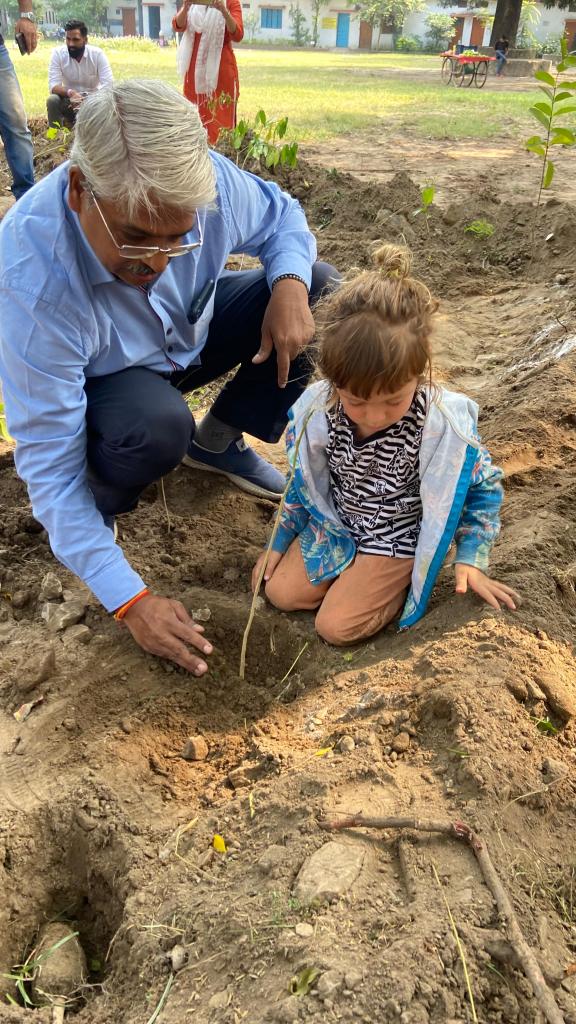
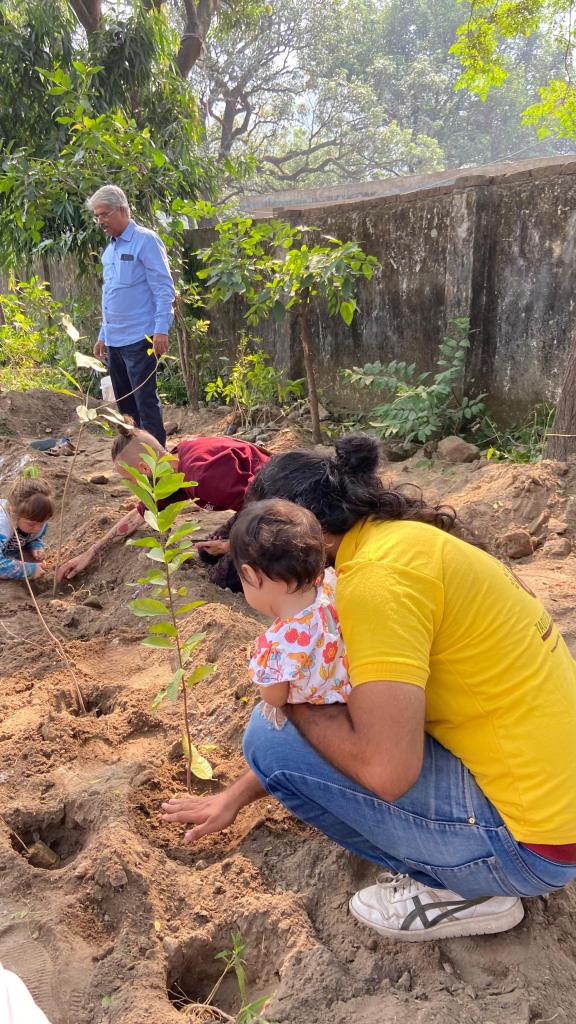
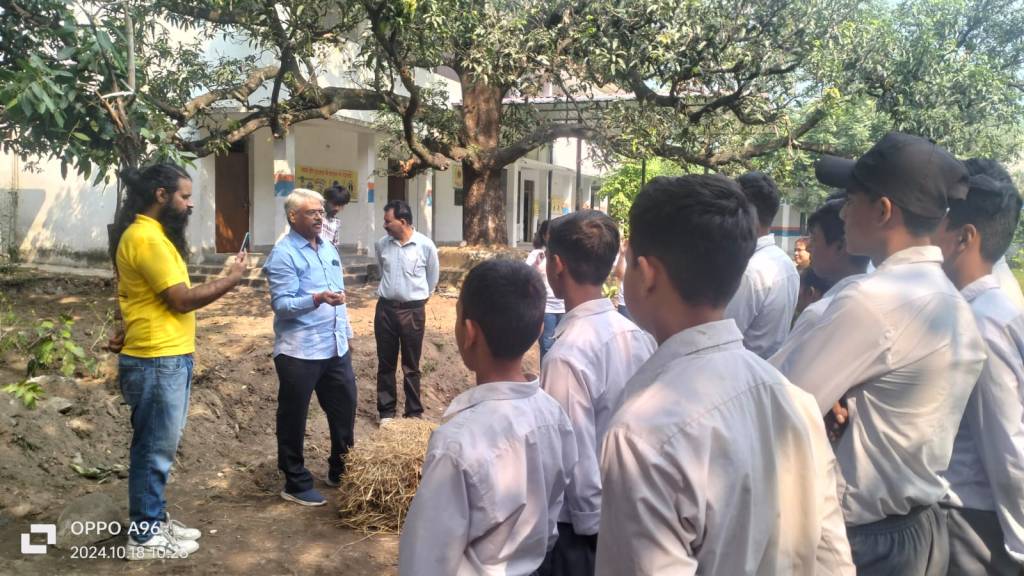
Rishikesh has taken a bold step toward combating climate change and restoring green cover with the completion of its first Miyawaki afforestation project at GIC School, Laxman Jhula. Led by Rise Foundation, in partnership with Taoveda Foundation, City Bird Rides, and Heal Ayurveda, this initiative marks a significant milestone for environmental conservation and education in the region.
What is the Miyawaki Method?
The Miyawaki method is an innovative afforestation technique that accelerates forest growth by planting a diverse mix of native species in densely packed clusters. Developed by Japanese botanist Dr. Akira Miyawaki, this method ensures rapid growth—10 times faster than traditional methods—and helps create self-sustaining forests within a few years. These mini-forests play a crucial role in improving air quality, boosting biodiversity, and capturing more carbon to fight climate change.
Miyawaki Afforestation at GIC School, Rishikesh: Why it Matters
The Miyawaki afforestation project at GIC School, Laxman Jhula is more than just a tree-planting initiative. It is an investment in the future of Rishikesh’s environment and its younger generations. This newly established forest will not only enrich the natural landscape but also provide invaluable learning opportunities for students, teachers, and the community.
Key Benefits of Miyawaki Afforestation for Schools:
- Environmental Education for Students:
By witnessing the forest’s growth, students will gain hands-on experience in biodiversity, sustainability, and the role of green spaces in climate change mitigation. The forest will act as a living classroom, fostering eco-conscious values among the younger generation. - Improved Air Quality:
The dense planting of trees will help absorb pollutants and carbon dioxide, significantly improving air quality around the school. This clean air will contribute to a healthier environment for students and local residents alike. - Mental and Physical Well-being:
Green spaces in schools have been proven to enhance mental health, reduce stress, and improve overall well-being. The presence of a thriving forest will provide a calming, natural environment that supports learning and development. - Climate Change Mitigation:
The project directly contributes to mitigating the impacts of climate change by creating a resilient, green ecosystem that absorbs carbon and promotes biodiversity. It’s a small forest with a big impact, helping to make Rishikesh more climate-resilient.
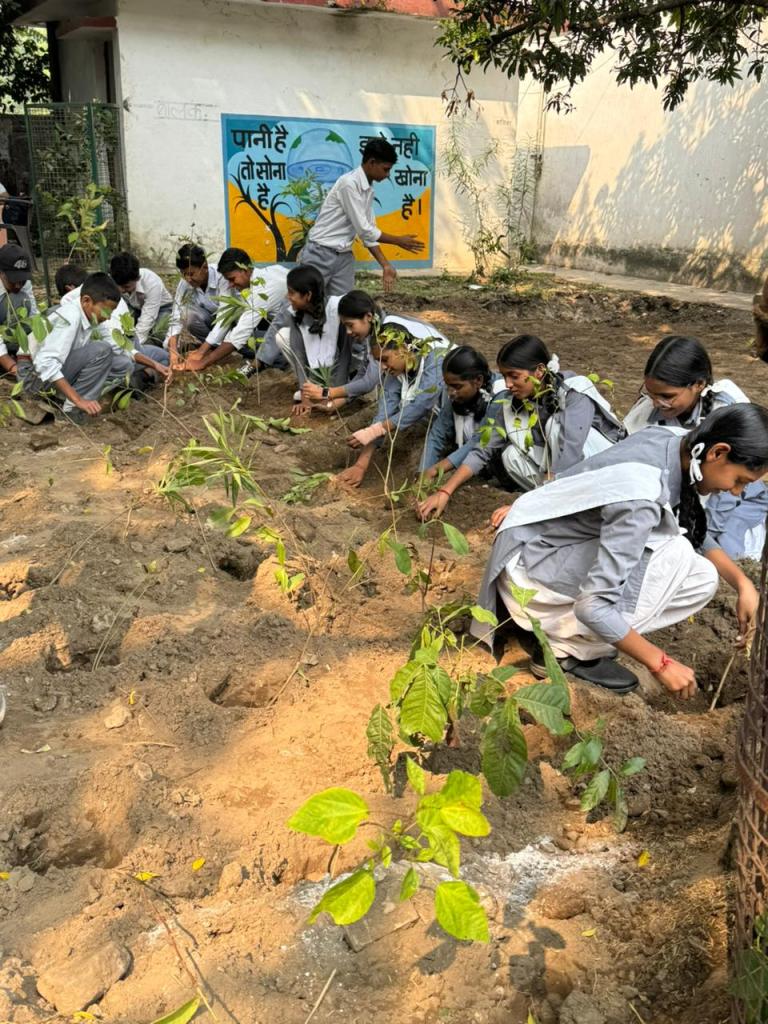
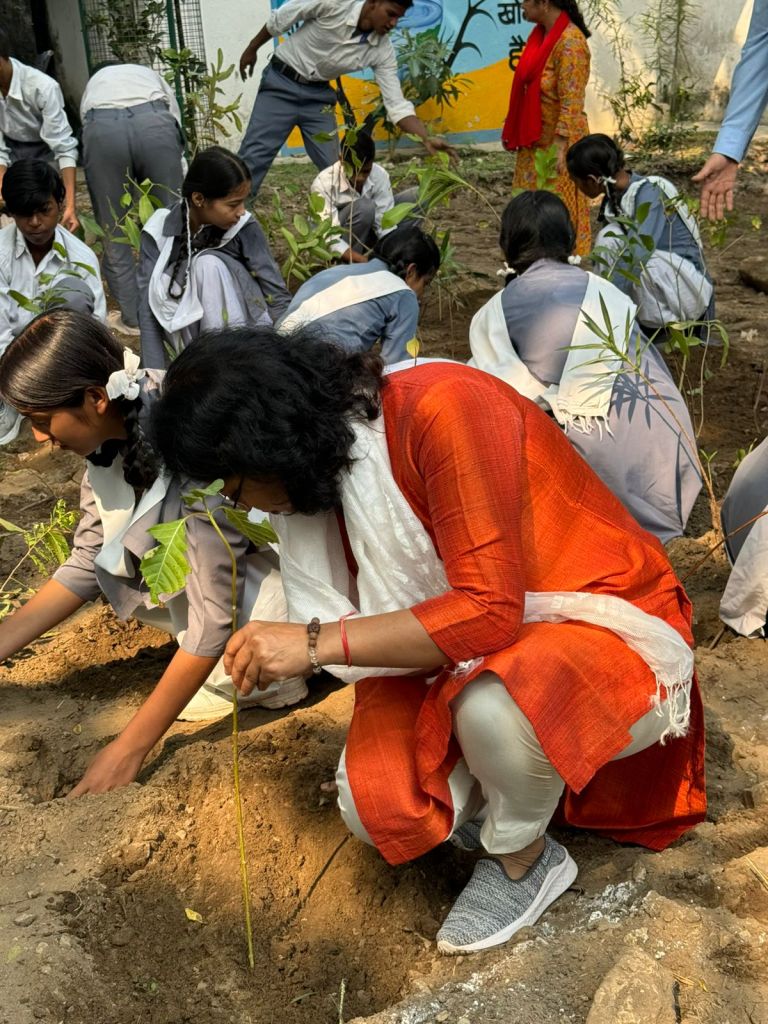
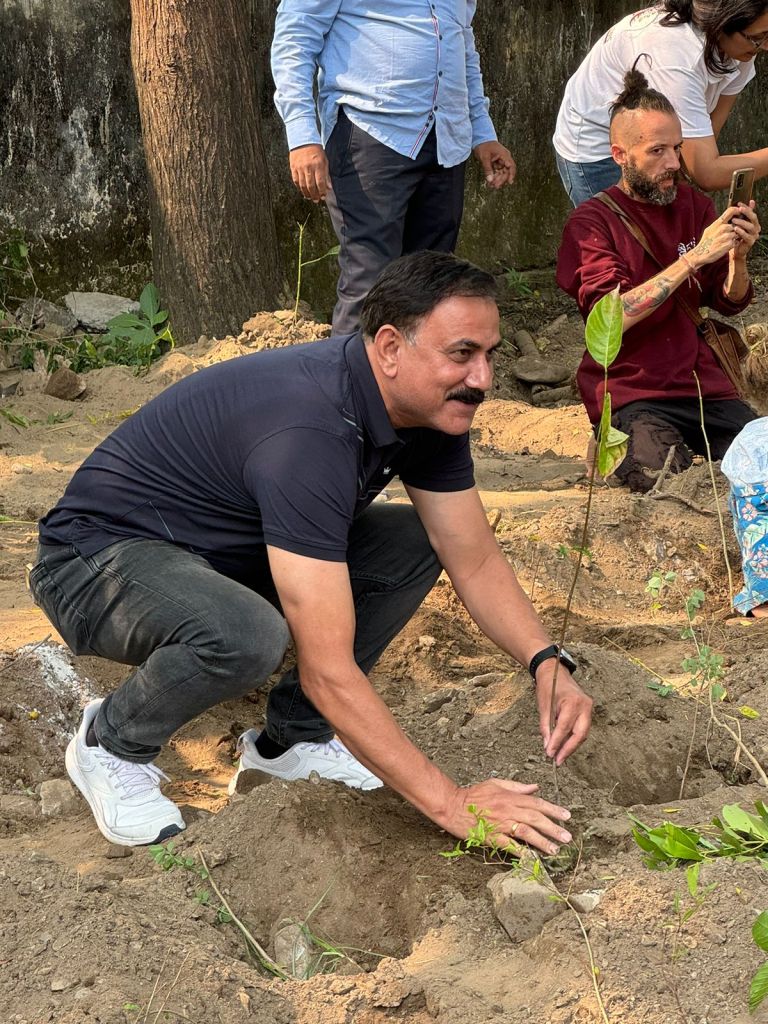
A Collaborative Effort for a Greener Rishikesh
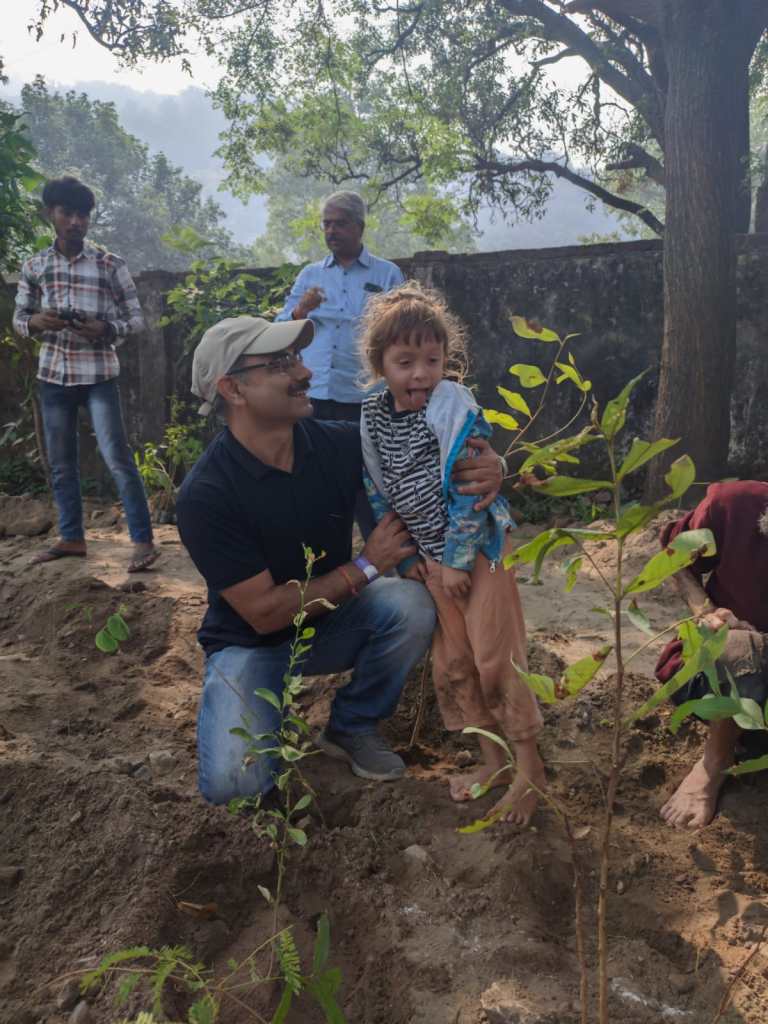
The success of this project wouldn’t have been possible without the collaborative efforts of various organizations. Rise Foundation, Taoveda Foundation, City Bird Rides, and Heal Ayurveda worked together to make this vision a reality, combining their expertise in environmental conservation, logistics, and sustainable health practices.
- Rise Foundation took the lead in designing and implementing the project, emphasizing its environmental benefits.
- Taoveda Foundation contributed to community engagement and ecological awareness.
- City Bird Rides provided essential logistical support to ensure the smooth execution of the project.
- Heal Ayurveda focused on the healing potential of the native species planted, promoting both environmental and human well-being.
Long-Term Impact on Rishikesh and Beyond
This Miyawaki forest is just the beginning. The project’s success opens the door for more such initiatives across Rishikesh and other parts of Uttarakhand. As green patches multiply, they will contribute to a larger network of sustainable, eco-friendly spaces, helping the state maintain its natural beauty and fight the growing threat of climate change.
Rise Foundation and its partners are already planning to expand this project to other schools and communities, ensuring that more people can benefit from these fast-growing forests. By focusing on urban and semi-urban areas, these efforts will help alleviate the pressure on Uttarakhand’s natural forests and contribute to the state’s overall climate resilience.
A Community-Driven Initiative
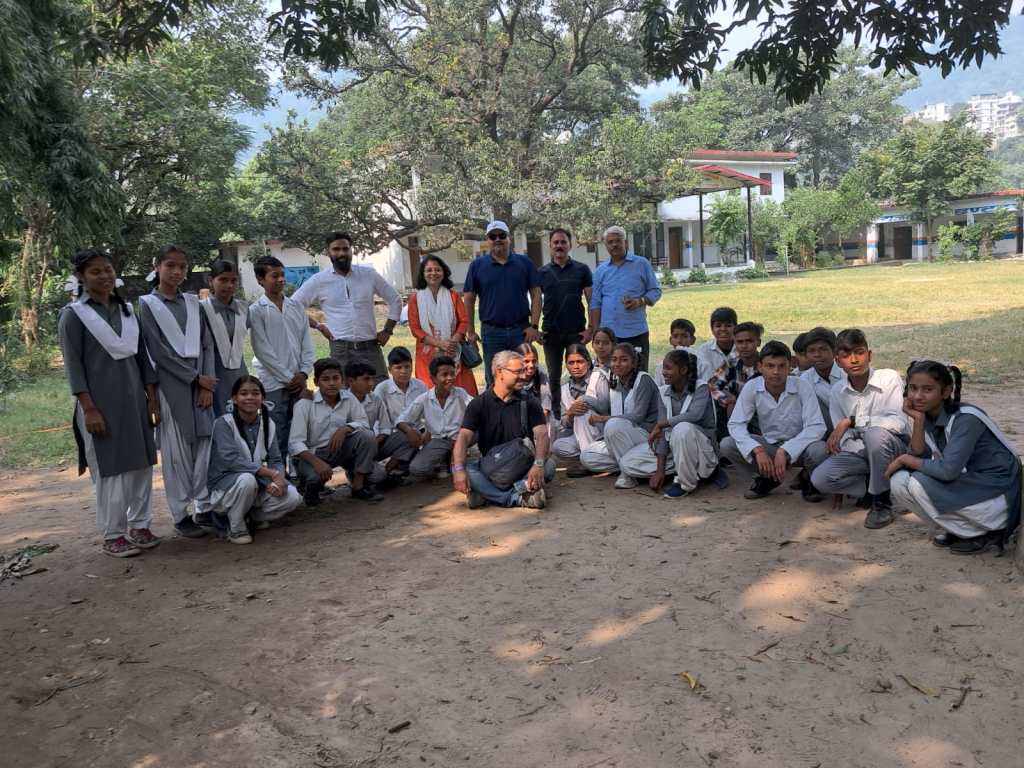
The Miyawaki afforestation project at GIC School has galvanized the local community, inspiring students, teachers, and residents to get involved. The school’s involvement demonstrates that small actions, when taken collectively, can have a powerful impact on the environment. This project showcases how community-driven efforts can be an integral part of climate action, engaging everyone from young students to local stakeholders.
Conclusion: A Greener Future for Rishikesh
The completion of Rishikesh’s first Miyawaki afforestation project at GIC School, Laxman Jhula, is a testament to the power of collaboration and innovation in the fight against climate change. By creating green spaces that benefit both the environment and the community, we are taking a critical step toward a more sustainable and climate-resilient future for Rishikesh.
With continued efforts from Rise Foundation, Taoveda Foundation, City Bird Rides, Heal Ayurveda, and the local community, we are confident that this is just the beginning of a greener, healthier, and more sustainable Uttarakhand.
 Rise Foundation (NGO)